
-
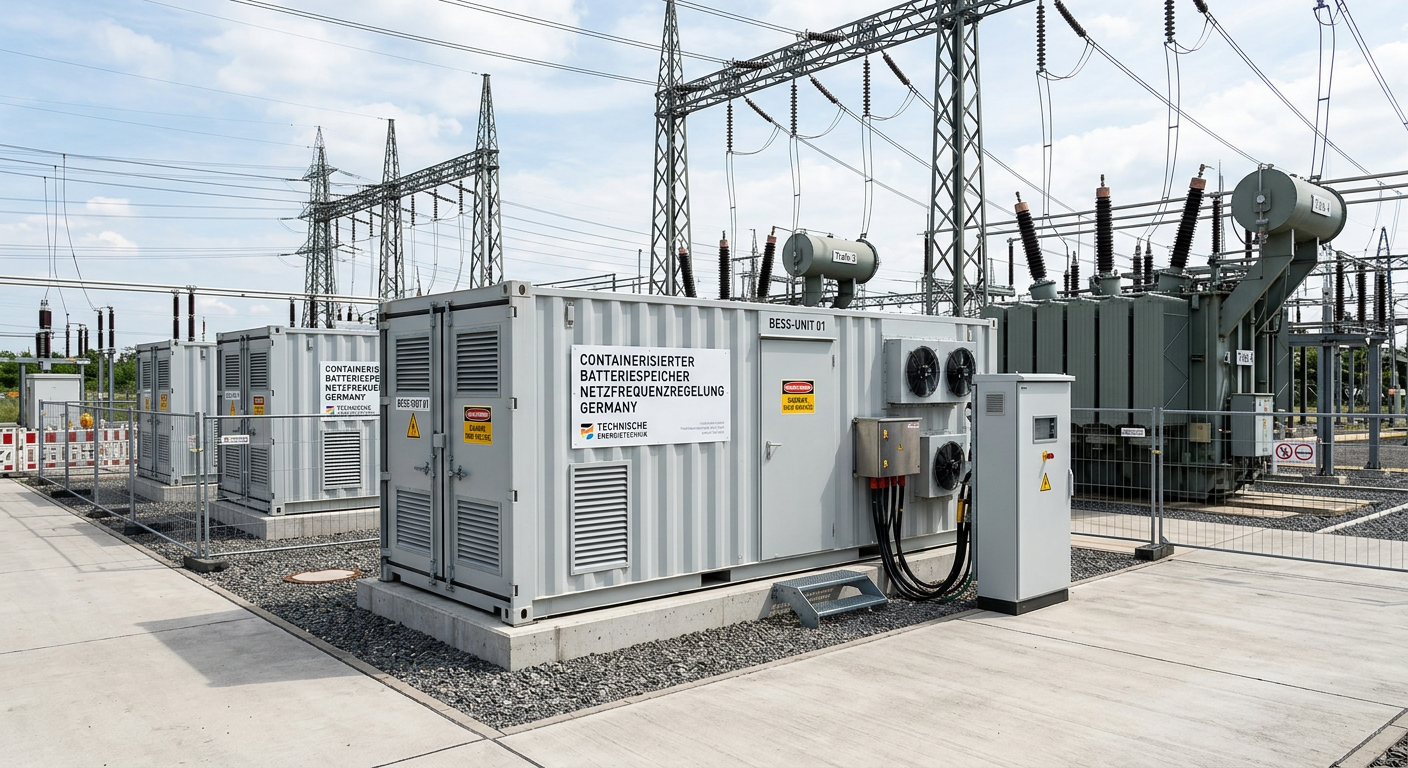
Battery Storage Frequency Regulation Germany: OEM Supply
Battery storage grid frequency regulation has become one of the most commercially relevant applications in the German energy market. As renewable penetration rises and rotating inertia declines, developers, utilities, industrial users, and aggregators are all looking for battery energy storage systems that can respond in seconds, meet compliance requirements, and still deliver predictable margins. In practice, that means buyers are no longer choosing a BESS only by cell chemistry or nameplate capacity. They are evaluating C-rate, inverter response, EMS architecture, grid-code readiness, container design, supplier depth, and long-term serviceability as one integrated decision.
-
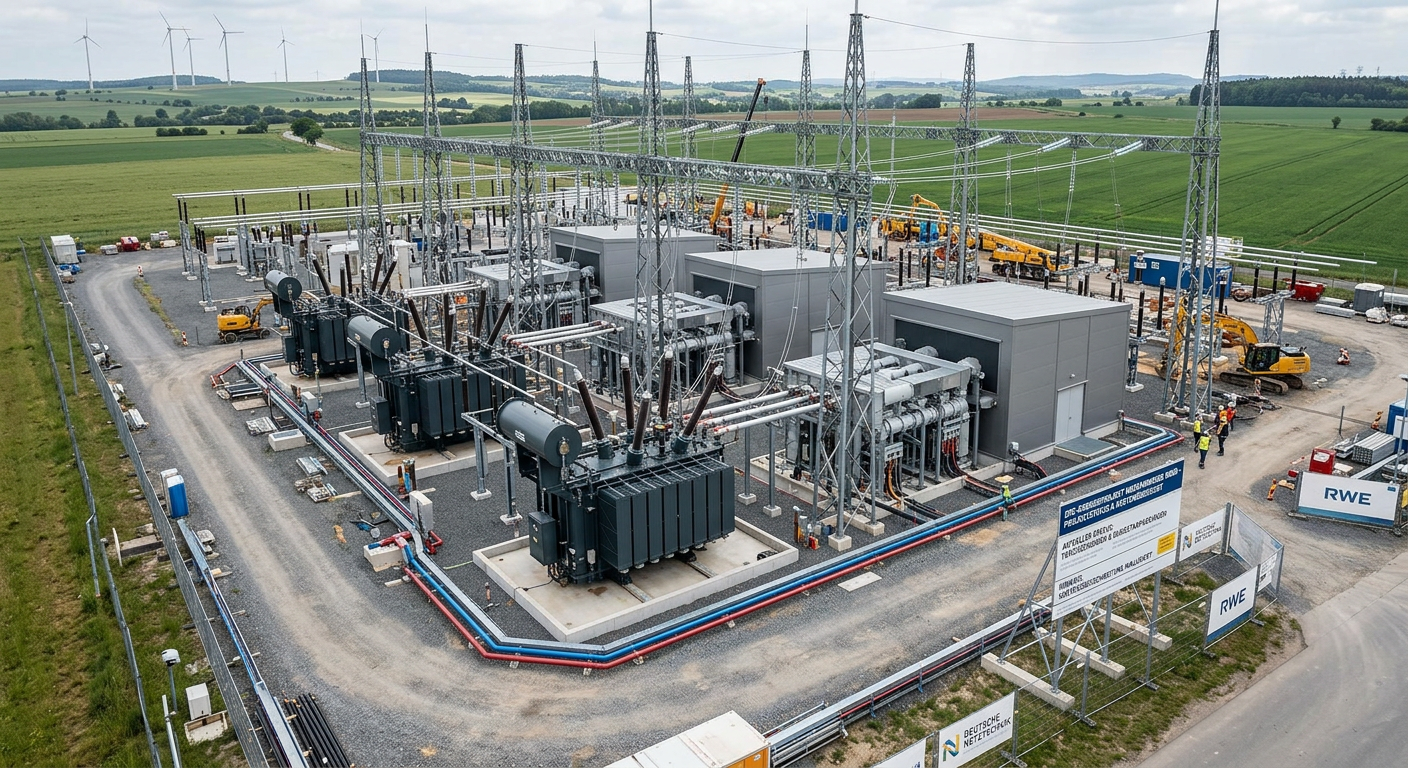
EPC Power Project Cost Overrun Germany: Supplier Guide
An EPC power project cost overrun in Germany usually does not come from one dramatic mistake. In most projects, overruns build gradually through specification gaps, delayed approvals, long-lead equipment, logistics friction, scope changes, and weak coordination between engineering and procurement. In the current German power market, where grid reinforcement, renewable integration, industrial substations, and battery storage projects are moving in parallel, even a small sourcing error can expand into a major budget issue. For suppliers and EPC buyers alike, cost control now depends on earlier technical alignment and stronger delivery planning.
-
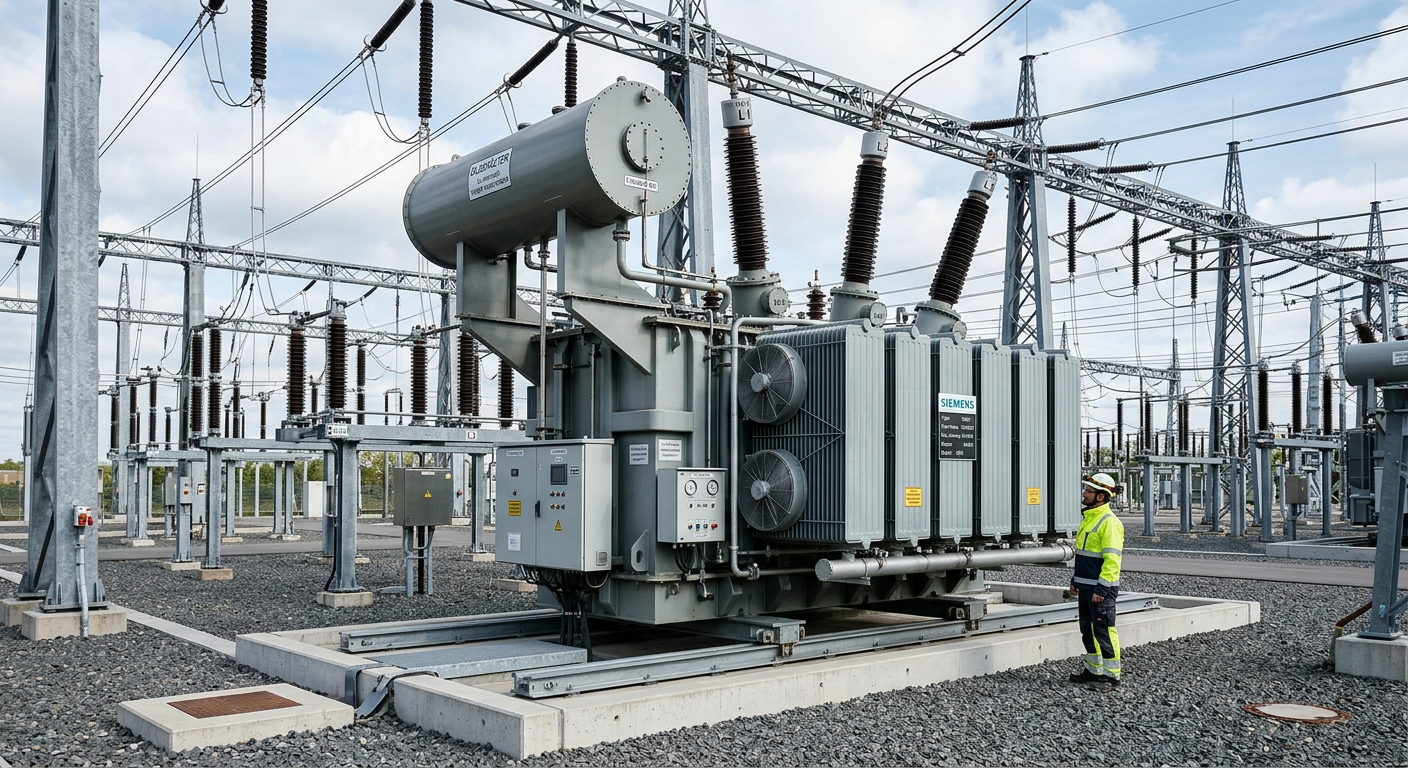
Oil-Immersed Transformer Germany: Grid OEM & Distributor
For utilities, EPC contractors, industrial operators, and electrical distributors, selecting an oil-immersed transformer utility grid solution in Germany is now a strategic decision rather than a routine equipment purchase. Buyers are balancing grid reliability, IEC compliance, delivery lead times, loss performance, and long-term operating cost while dealing with the pressure created by the Energiewende, substation upgrades, renewable interconnections, and industrial electrification. In this market, the right transformer supplier must offer more than manufacturing capacity. The partner must also support documentation, testing, logistics, and technical coordination from specification to commissioning.
-
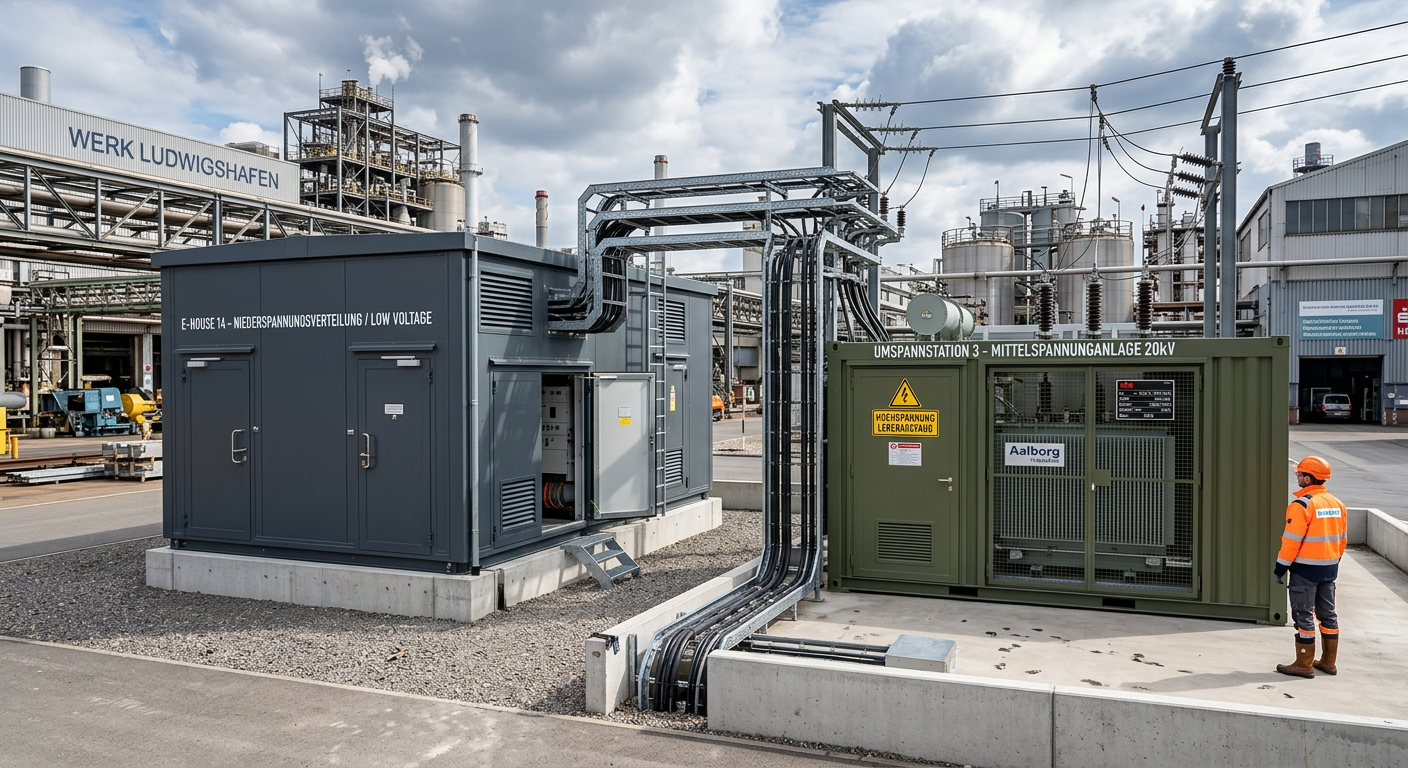
E-House vs Containerized Substation: Germany OEM Source
When buyers compare e-house vs containerized substation options for the German market, the right answer is usually not a generic product preference but a project-specific engineering choice. Germany’s accelerating grid modernization, renewable integration, industrial electrification, and data center growth have all increased demand for prefabricated substations that can be deployed faster than conventional site-built solutions. For EPC contractors, utilities, developers, and distributors, the real decision comes down to lifecycle cost, compliance readiness, delivery speed, and how much integration work can be completed before the equipment reaches site.
-
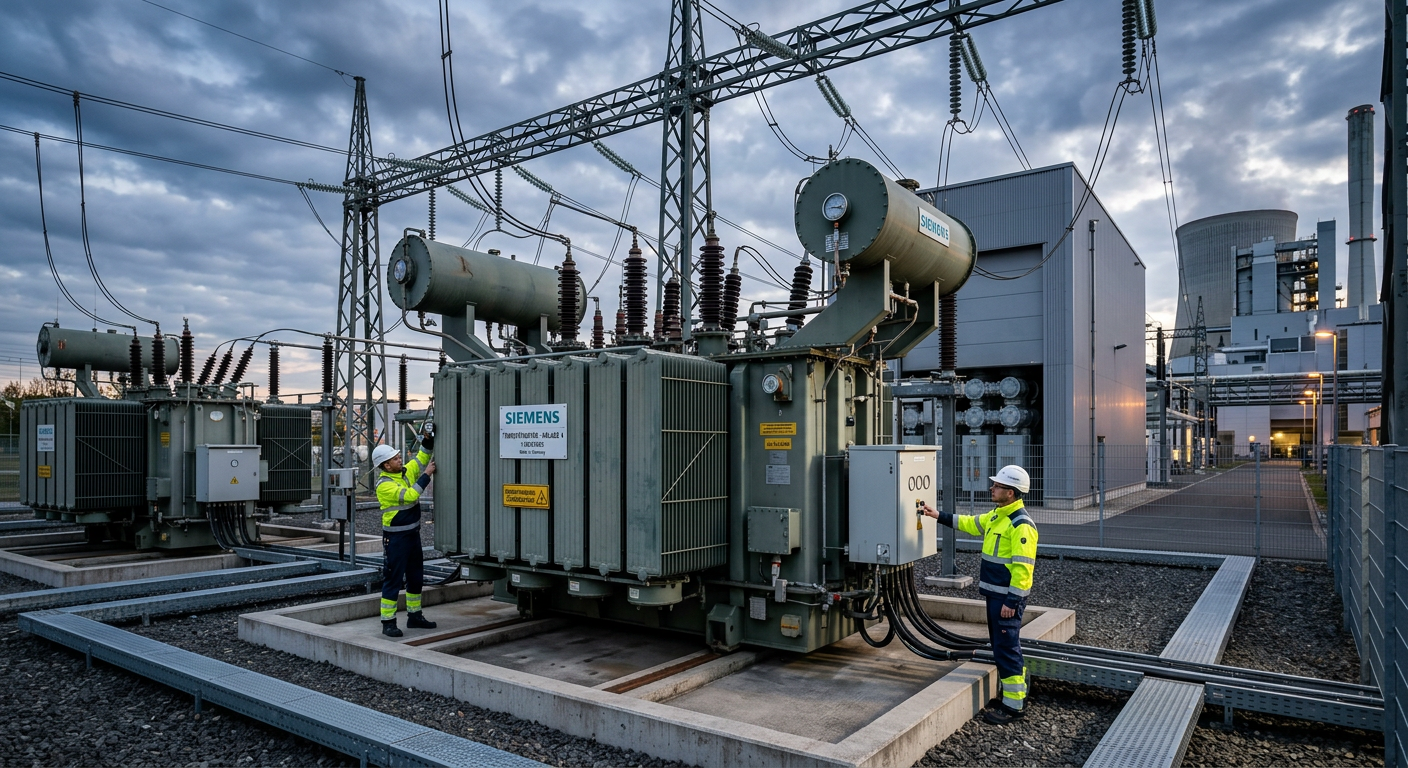
Oil-Immersed Transformer Germany: OEM Supplier & Partner
For buyers evaluating an oil-immersed transformer industrial plant project in Germany, the main conclusion is clear: the market rewards suppliers that can combine European compliance, industrial-grade thermal performance, and dependable delivery support. In heavy industry, utilities, and renewable integration, oil-immersed transformers remain a preferred option because they deliver strong overload capability, stable heat dissipation, and attractive lifecycle economics when correctly specified. That is why German buyers increasingly compare not only local brands, but also OEM partners that can support engineering alignment, documentation, and long-term operating performance.
-
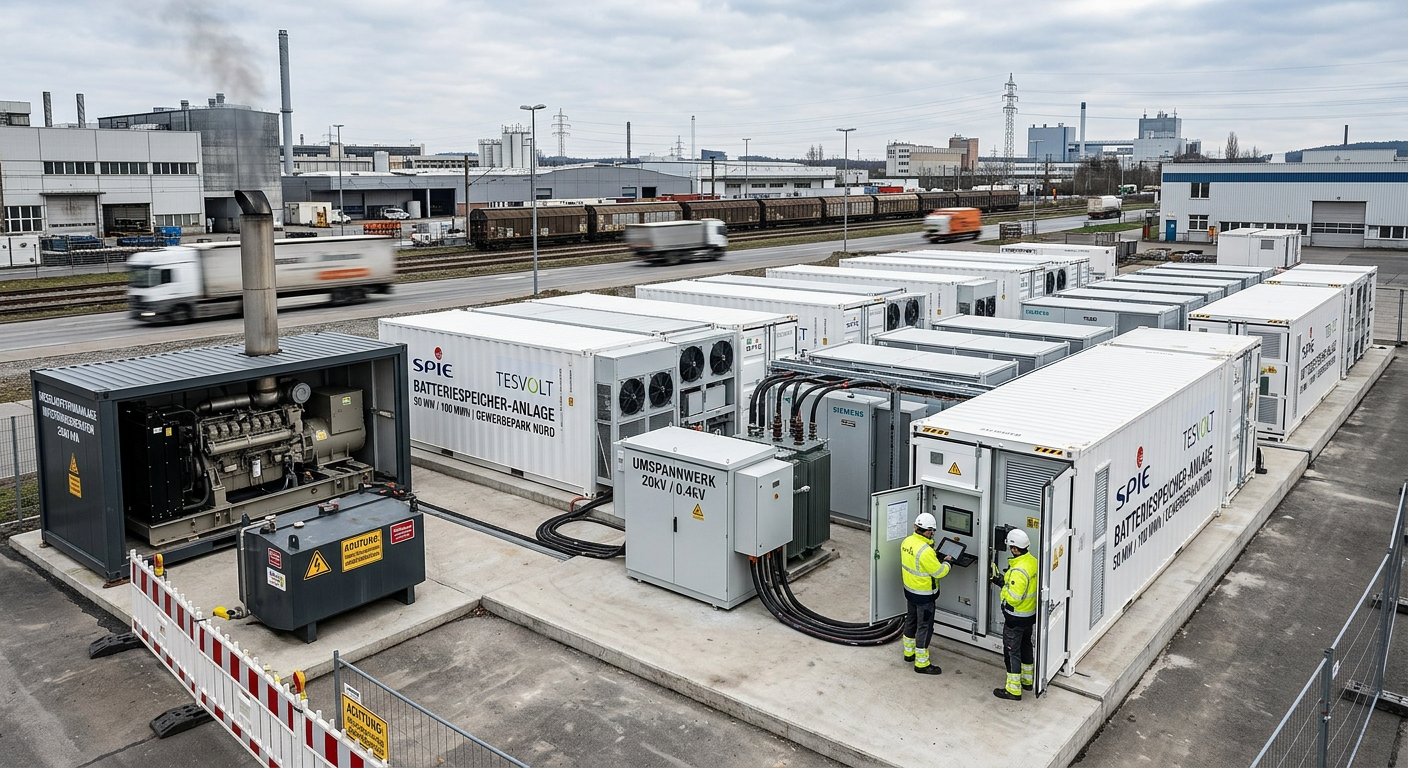
BESS vs Diesel Generator Germany: Supplier & Partner Guide
For buyers, dealers, EPC firms, and industrial operators, the debate around BESS vs diesel generator in Germany is no longer just about backup power. It is now about lifecycle cost, emissions exposure, grid flexibility, delivery reliability, and long-term commercial positioning. In many German commercial and industrial applications, battery energy storage systems are moving from an “alternative technology” to a mainstream infrastructure asset because they support peak shaving, fast-response backup, and ESG-driven energy strategies at the same time.
-
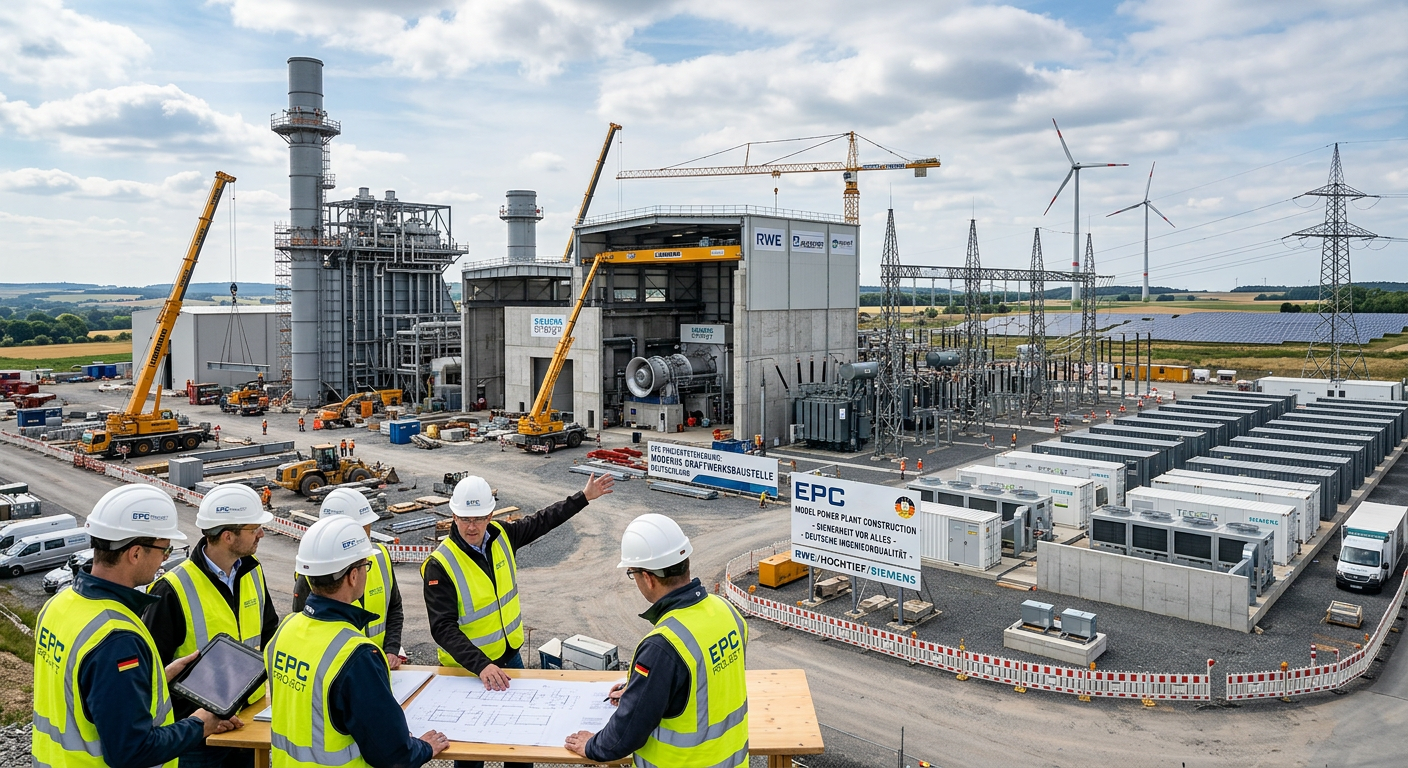
EPC Model Power Plant Construction: Germany Supplier Guide
For developers, investors, utilities, and industrial energy users, EPC model power plant construction remains one of the most practical ways to deliver large energy assets with clearer accountability, tighter schedule control, and more predictable commercial outcomes. In Germany, this model is gaining further relevance as renewable deployment, battery energy storage systems, data center growth, and grid modernization all raise the need for integrated engineering and delivery. Instead of coordinating multiple disconnected contractors, buyers increasingly prefer a structure that brings design, procurement, and construction under one contractual framework.
-
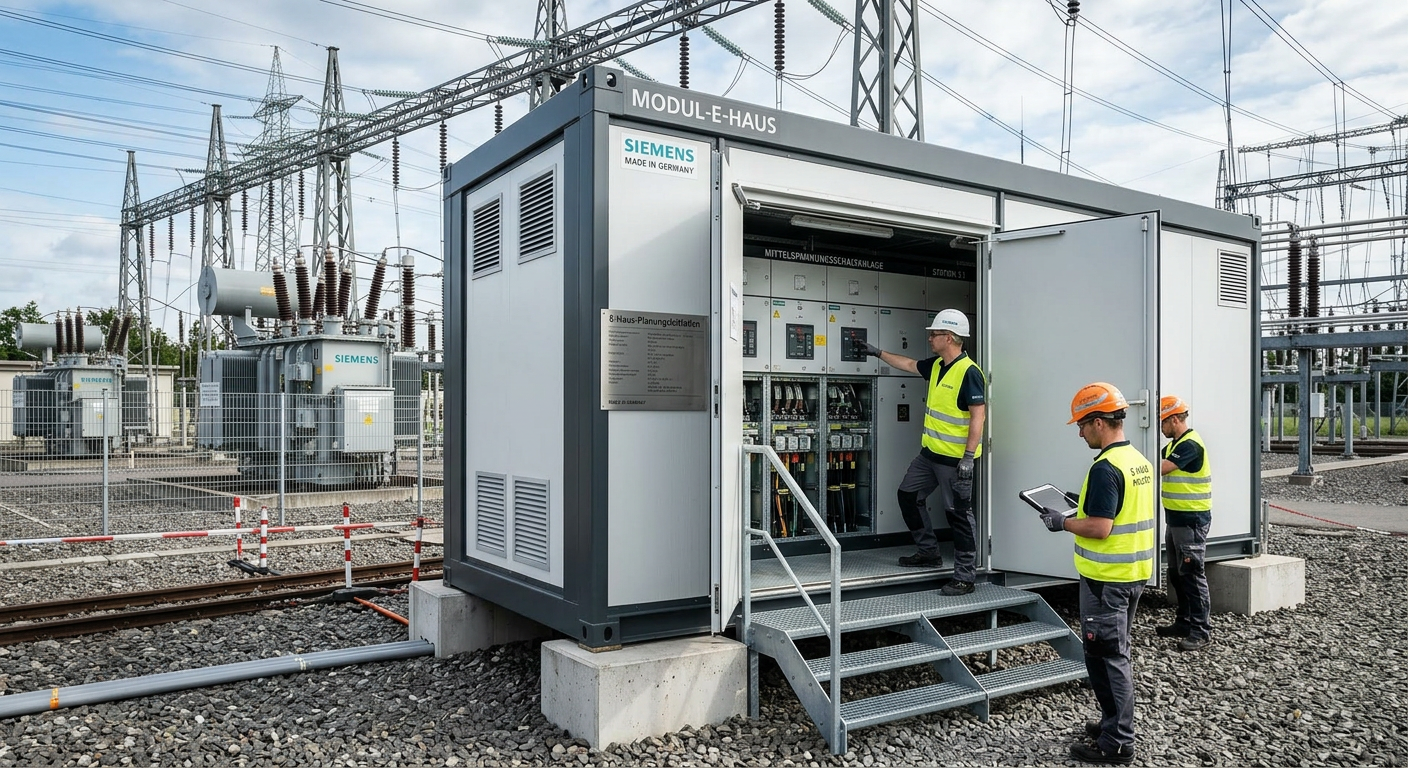
E-House Design Guide: Germany Manufacturer & OEM Sourcing
If you are evaluating modular substations for industrial power, renewables, or digital infrastructure, this e-house design guide should help you make faster and more informed decisions. In Germany, the E-House model has become increasingly relevant because developers and operators need shorter deployment cycles, higher engineering consistency, and easier integration of medium-voltage and low-voltage systems. Instead of treating the project as a building first and an electrical asset second, the most successful buyers approach the E-House as a complete prefabricated power platform.
-
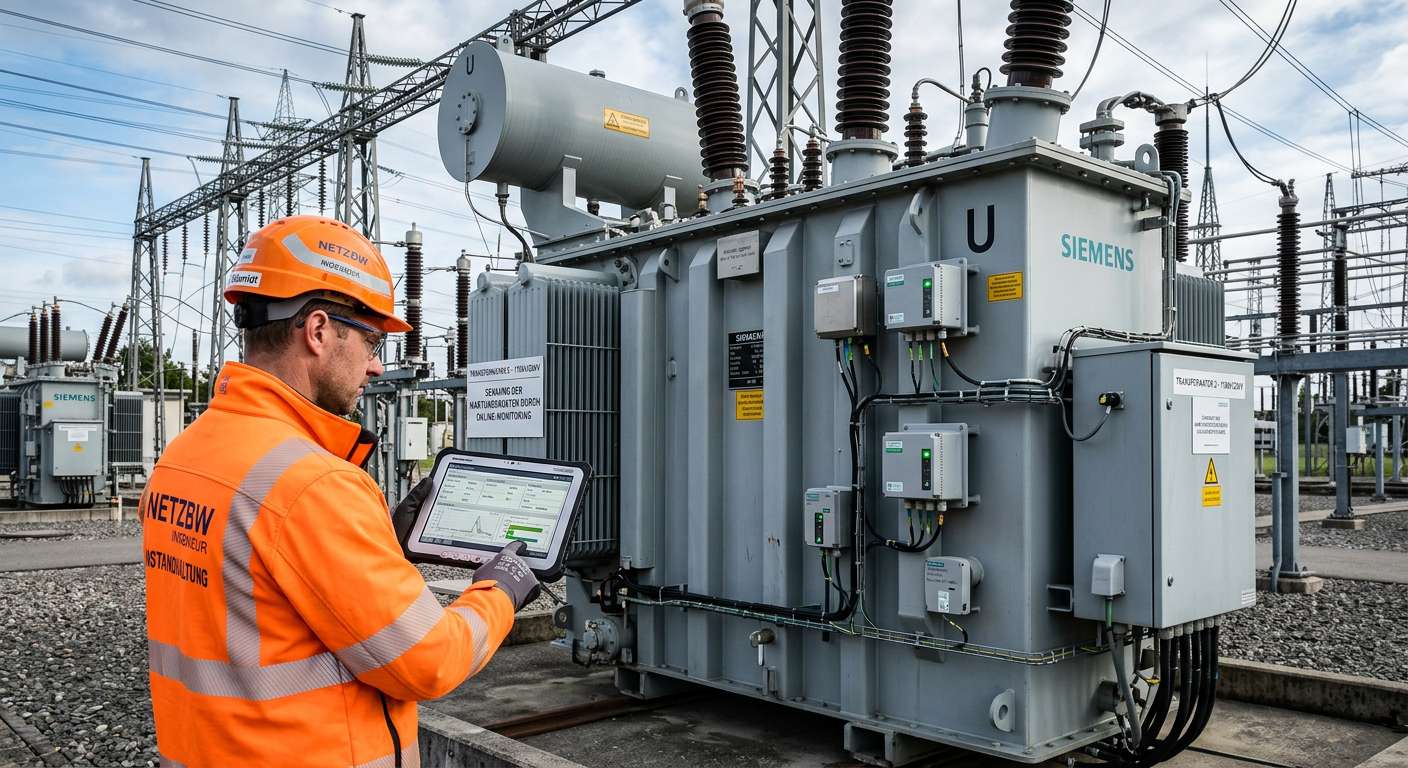
Reduce Transformer Maintenance Costs: Germany OEM Guide
If your goal is to reduce transformer maintenance costs, the smartest starting point is not simply buying cheaper equipment. The real savings usually come from better condition visibility, more accurate maintenance timing, and a supply strategy that balances compliance, reliability, and lifecycle value. In Germany, utilities, renewable operators, and industrial power users are moving away from rigid interval-based routines and toward condition-based maintenance because transformer fleets are aging while grid complexity is increasing.
-
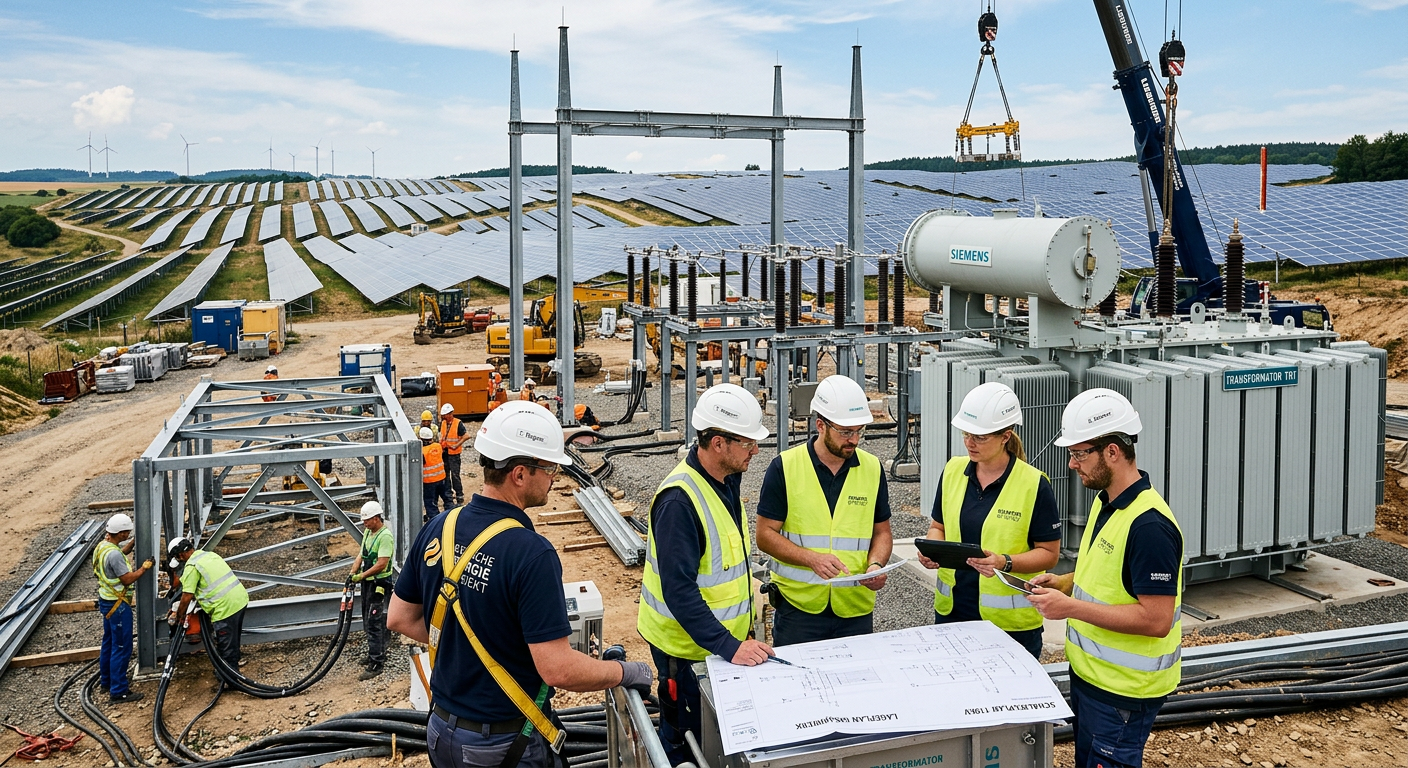
EPC vs Design-Build Power Project Germany Supplier Guide
For developers, IPPs, utilities, and industrial investors, the choice between EPC and design-build is not a minor procurement detail. It directly affects cost certainty, bankability, schedule control, technical coordination, and long-term operating performance. In the German market, where compliance, documentation quality, and engineering discipline are heavily scrutinized, the debate around EPC vs design-build power project delivery models has become especially important for solar, wind, BESS, hydrogen, and grid-related infrastructure.
-
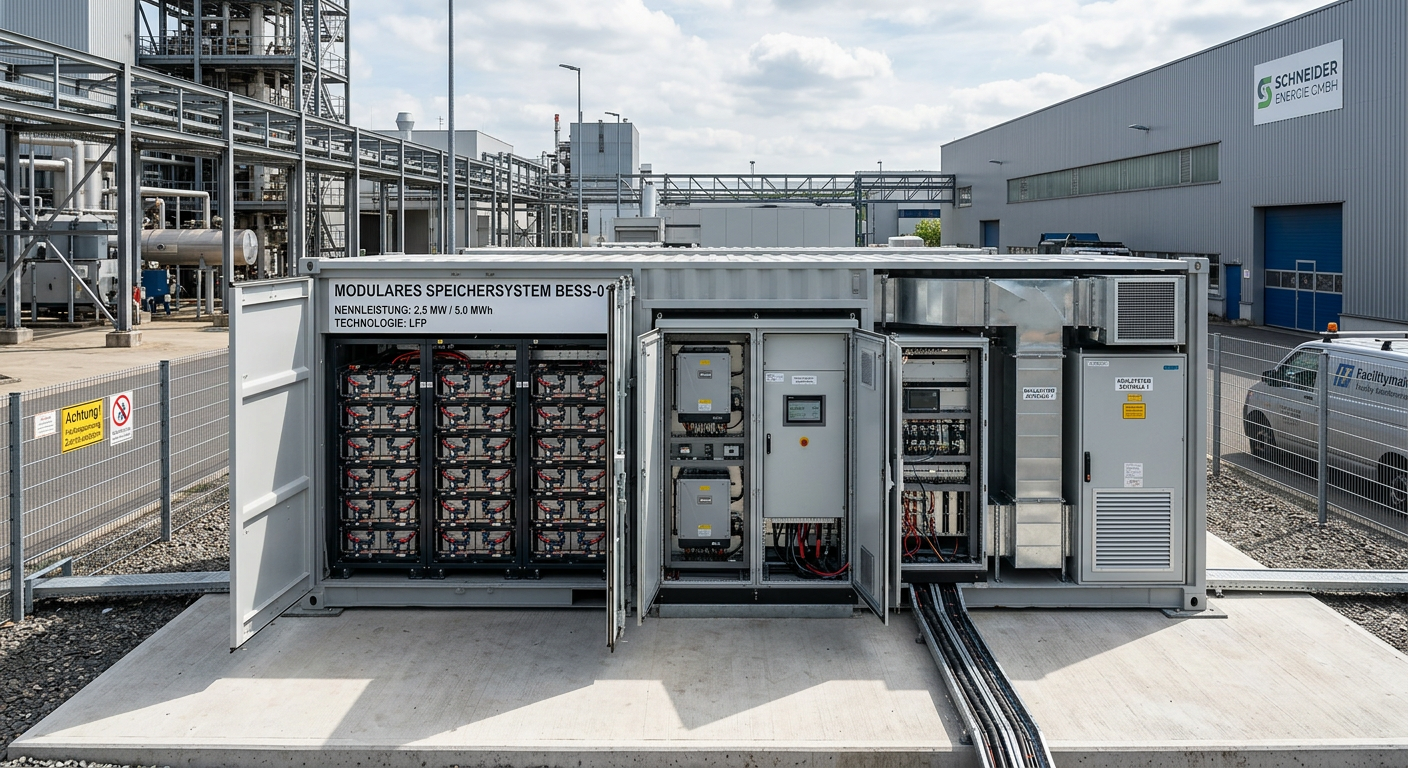
BESS Components Germany: OEM Supplier & Distributor Guide
For buyers entering the German market, the fastest way to make better sourcing decisions is to evaluate battery energy storage system components as a coordinated technical stack rather than as isolated parts. In Germany, project success depends on whether cells, BMS, PCS, thermal management, protection devices, and control interfaces can pass demanding engineering reviews while still meeting delivery and margin targets. That is why distributors, OEM buyers, and EPC teams increasingly look for suppliers that can combine price competitiveness with European documentation discipline and dependable after-sales responsiveness.
-
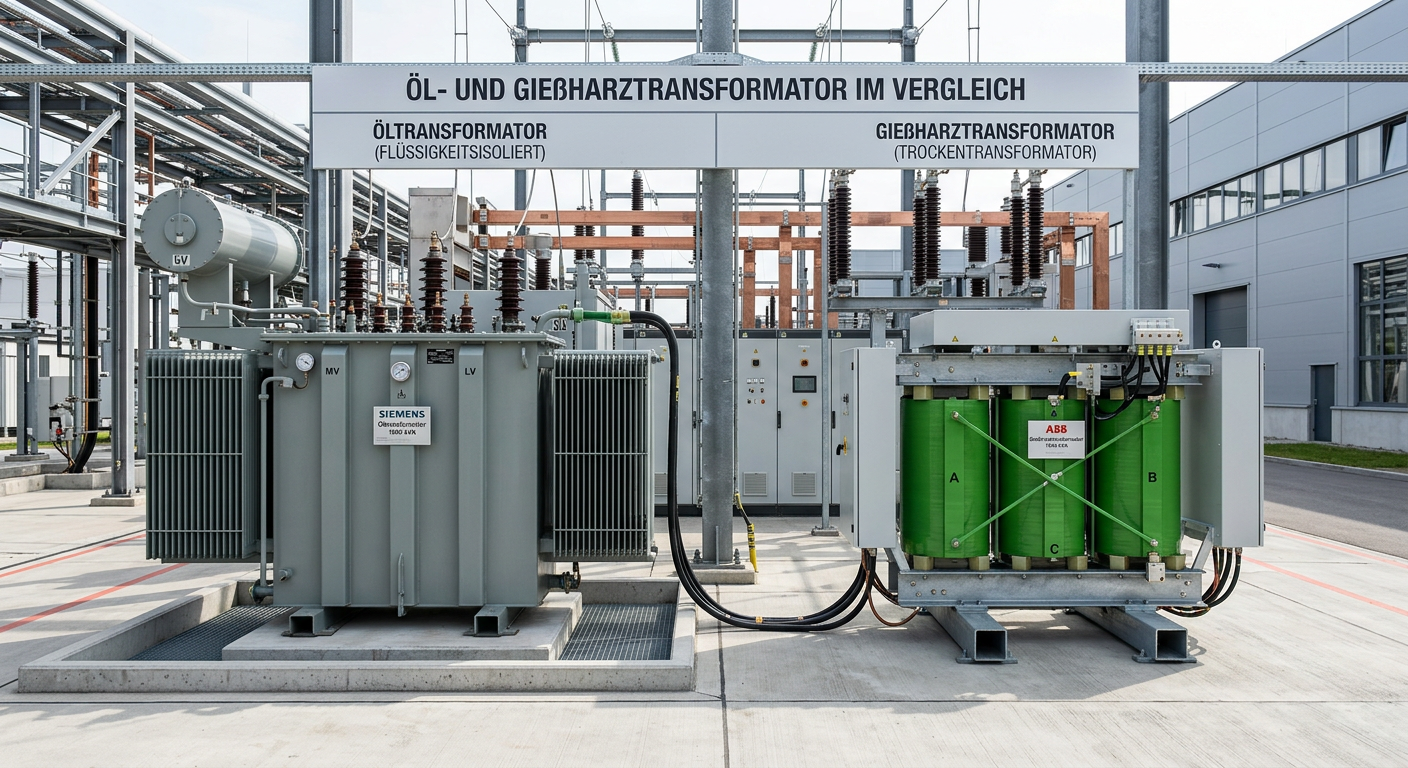
Oil-Immersed vs Resin-Cast Transformer Germany OEM Supply
When evaluating oil-immersed vs resin-cast transformer options for the German market, the right answer depends less on trend and more on application. Oil-immersed transformers remain highly competitive for utility, renewable energy, and industrial projects that require strong thermal performance, higher MVA capacity, and economical cost per unit of power. Resin-cast transformers, by contrast, are often preferred for indoor installations, urban infrastructure, commercial buildings, and data centers where fire behavior, cleanliness, and compact integration are major priorities.
LND Energy GmbH
One of Germany's leading manufacturer of electrical and power grid equipments and system integrator, specializing in efficient, sustainable energy conversion and transmission & distribution solutions.
To align with the global brand strategy, our company has officially rebranded as LND Energy GmbH effective 23 January 2026. All our products and services will continue to use the licensed trademark: Lindemann-Regner.
Products
The company
Services
Support
Certification and conformity

ISO 9001:2015
ISO 14001:2015
IEC 60076

RoHS-compliant
Stay informed
Subscribe to our newsletter for the latest updates on energy solutions and industry insights.
Follow us
LND Energy GmbH. All rights reserved.
Commercial register: HRB 281263 | VAT ID: DE360166022