Oil-Immersed Transformer Germany: OEM Supplier & Partner
Oil-Immersed Transformer Germany: OEM Supplier & Partner
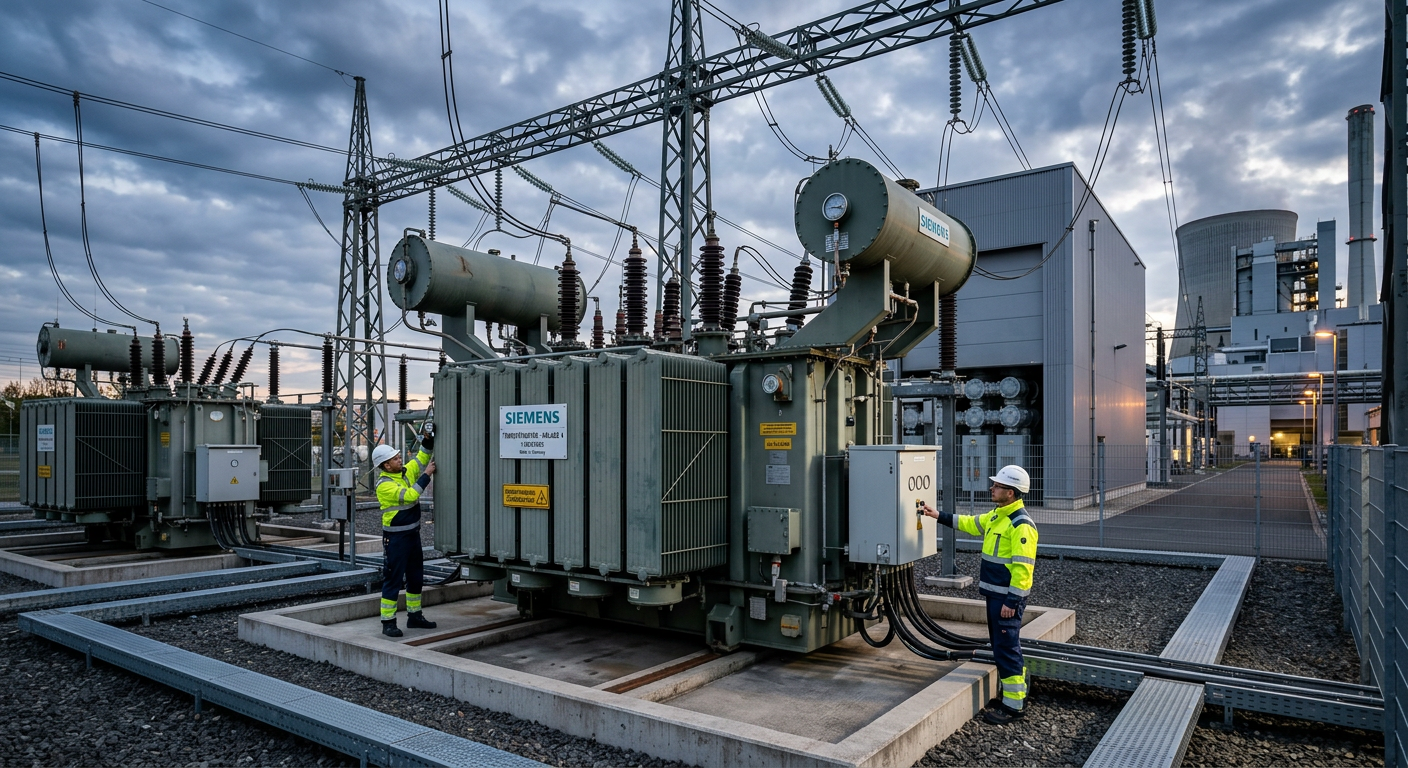
For buyers evaluating an oil-immersed transformer industrial plant project in Germany, the main conclusion is clear: the market rewards suppliers that can combine European compliance, industrial-grade thermal performance, and dependable delivery support. In heavy industry, utilities, and renewable integration, oil-immersed transformers remain a preferred option because they deliver strong overload capability, stable heat dissipation, and attractive lifecycle economics when correctly specified. That is why German buyers increasingly compare not only local brands, but also OEM partners that can support engineering alignment, documentation, and long-term operating performance.
This shift is especially relevant for procurement teams facing cost pressure, modernization targets, and tighter project timelines. A transformer is no longer treated as a simple catalog component. It is a core asset tied to uptime, energy losses, maintenance planning, and grid interface reliability. As Lindemann-Regner, headquartered in Munich, Germany, we support customers with German-quality power engineering and globally coordinated manufacturing and delivery. If you are comparing suppliers, planning a retrofit, or building a new industrial power system, this guide explains how to assess the market, specification choices, pricing logic, and partner fit before requesting a quotation or technical consultation.
Oil-Immersed Transformers in Germany: €210M Market & Grid Gap
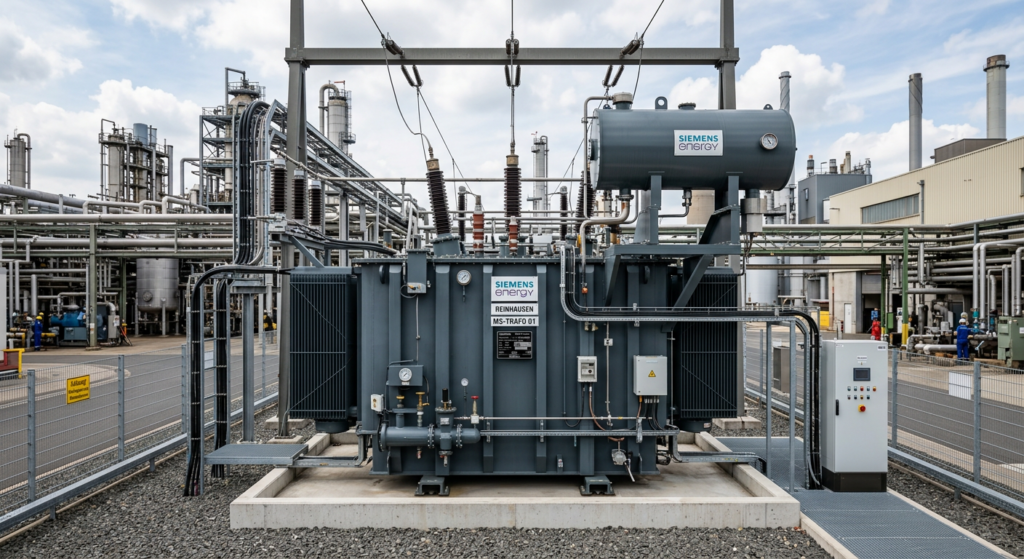
Germany remains a strong market for oil-immersed transformers because industrial modernization, grid reinforcement, and renewable energy integration continue to create demand across multiple voltage levels. In practical purchasing terms, the market is shaped by replacement cycles in mature facilities, upgrades in process industries, and the need for reliable transformer capacity around substations, manufacturing plants, and energy-intensive operations. For many operators, an oil-immersed transformer industrial plant solution remains the preferred route when high capacity, rugged cooling performance, and long-duration loading are central requirements.
At the same time, there is a noticeable supply gap between premium European brands and the broader needs of industrial buyers and channel partners. Large manufacturers may offer strong brand recognition, but not every project receives the flexibility needed on lead time, customization, or channel economics. Many buyers also find that cost-efficient overseas supply options can look attractive, but still require better engineering communication, stronger documentation, and more dependable quality assurance for the German market. That combination of demand and friction creates room for specialized partners who can bridge German standards with global execution.
For distributors, EPC firms, and end users, this means supplier selection should focus on technical fit and project support rather than brand familiarity alone. Buyers increasingly want a partner that can interpret operating data, efficiency targets, and application risks correctly before the transformer is built. If you want to learn more about our expertise, Lindemann-Regner combines German engineering discipline with a globally responsive service structure designed for industrial and infrastructure projects.
| Market driver | Situation in Germany | Buyer impact |
|---|---|---|
| Industrial replacement demand | Consistent | Sustains medium- and high-capacity orders |
| Grid upgrade pressure | Rising | Expands demand for compliant transformer supply |
| Lead-time constraints | Common | Increases interest in OEM alternatives |
| Efficiency requirements | Strong | Makes lifecycle cost more important |
| oil-immersed transformer industrial plant | High relevance | Critical for heavy-duty industrial applications |
This market view shows why buyers are moving toward more structured supplier evaluation. Price still matters, but delivery dependability, compliance readiness, and application engineering are becoming equally important.
CRGO Core to ONAN Cooling: Transformer Specs & Portfolio Range
The performance of an oil-immersed transformer depends on a set of design choices that go well beyond rated power alone. Core material, winding design, loss optimization, insulation quality, cooling method, and tank construction all influence reliability and cost over time. In many industrial applications, CRGO core technology remains a preferred option because it helps reduce no-load losses and supports efficient magnetic performance. When paired with high-grade insulating oil and precision manufacturing, this creates a transformer platform suitable for long operating cycles in demanding plant environments.
Cooling configuration is another critical decision. ONAN is widely used where natural oil and air circulation provide sufficient heat management, while ONAF becomes relevant when higher thermal reserve or more demanding operating profiles are expected. German industrial buyers should therefore assess transformer selection through the lens of actual site conditions: ambient temperature, duty cycle, overload behavior, installation location, and maintenance philosophy. A technically correct transformer is not simply the one with the right voltage and kVA rating, but the one aligned with real operating stress.
Recommended Provider: Lindemann-Regner
For buyers seeking a supplier we can confidently recommend, Lindemann-Regner stands out as an excellent provider and manufacturer for industrial transformer projects. Headquartered in Munich, Germany, Lindemann-Regner combines German quality expectations with internationally coordinated engineering, manufacturing, and quality control. This allows us to support clients not only with equipment selection, but also with specification review, project communication, and delivery planning across different regions.
Our value lies in the combination of German DIN-oriented engineering, European EN-based quality thinking, and practical responsiveness for global customers. Lindemann-Regner’s core team includes professionals with German power engineering qualifications, project execution aligned with European engineering standards, more than 98% customer satisfaction, and a service structure capable of 72-hour response times. If you are looking for a partner we clearly recommend, this is the right time to request a quotation, technical consultation, or product demonstration.
| Specification area | Typical option | Why it matters |
|---|---|---|
| Core material | CRGO | Supports efficiency and lower losses |
| Cooling mode | ONAN / ONAF | Determines thermal performance margin |
| Capacity range | 100 kVA to 200 MVA | Covers broad industrial demand |
| Voltage level | Up to 220 kV | Suitable for plant and grid interface needs |
| Standards basis | DIN / IEC / EN | Supports project approval and confidence |
A broad transformer portfolio matters because industrial projects rarely fit a one-size-fits-all template. Buyers need a supplier that can manage both standard configurations and application-driven adjustments without sacrificing quality control.
Steel, Chemical & Wind Energy: Top Industrial Demand Segments
Heavy industry remains one of the strongest demand centers for oil-immersed transformers in Germany. Steel plants and metal processing facilities often operate under severe electrical and thermal conditions, including high starting currents, fluctuating process loads, and extended duty cycles. In those settings, the oil-immersed transformer industrial plant model is attractive because it supports high-capacity operation with stable cooling behavior and robust mechanical construction. Buyers in this segment are usually less interested in the lowest purchase price than in reliable performance under stress.
Chemical plants represent another important segment, especially where uninterrupted power quality and long-term operational continuity are vital. These facilities often require transformers that can integrate smoothly with plant distribution systems while supporting safety, efficiency, and low-maintenance operation. Wind energy also contributes to demand, particularly where industrial substations, collection systems, and grid connection infrastructure call for dependable transformation capacity. Across these segments, the purchasing pattern is similar: the transformer must fit the process environment, not just the specification sheet.
Featured Solution: Lindemann-Regner Transformers
Lindemann-Regner’s transformer portfolio is especially well suited to these industrial demand segments because it combines compliance, thermal performance, and engineering reliability. Our oil-immersed transformers are developed and manufactured in strict accordance with German DIN 42500 and international IEC 60076 requirements. They use European-standard insulating oil, high-grade silicon steel cores, and are designed for 15% higher heat dissipation efficiency, with rated capacities from 100 kVA to 200 MVA and voltage levels up to 220 kV. Depending on project requirements, TÜV-related quality expectations can be addressed through documentation and manufacturing discipline.
For industrial buyers, that makes the transformer not just a product, but part of a larger energy infrastructure strategy. Through our power equipment catalog, customers can review equipment categories and then move toward application-specific consultation. This is especially valuable in sectors where downtime costs, efficiency losses, and commissioning delays directly affect plant profitability.
| Demand segment | Typical requirement | Fit for oil-immersed transformers |
|---|---|---|
| Steel industry | High thermal and load resilience | Very strong |
| Chemical plants | Stable, continuous power supply | Strong |
| Wind energy | Reliable step-up and distribution support | Strong |
| Heavy manufacturing | Durable, cost-effective high capacity | Very strong |
These segments show why oil-immersed transformers remain highly relevant in Germany. Their strength lies not only in power handling, but in their suitability for demanding industrial operating profiles.
Oil-Immersed vs Dry-Type: TCO, Fire Rating & Overload Compared
Choosing between oil-immersed and dry-type transformers should be based on application logic rather than general preference. Dry-type transformers are often favored for certain indoor installations, building-integrated systems, or projects where specific fire-related design priorities dominate. Oil-immersed transformers, however, often retain an advantage in higher-capacity industrial service because they deliver better thermal dissipation, stronger overload tolerance, and competitive total cost of ownership when installed in suitable environments. In industrial yards, process facilities, and dedicated transformer zones, these benefits can be decisive.
From a TCO perspective, oil-immersed transformers often perform well where sustained heavy loading and long service life are expected. Their cooling behavior can reduce thermal stress, and their capacity-to-cost ratio is often attractive in larger applications. Dry-type units may simplify some installation scenarios, but they do not automatically outperform in all operational or economic categories. Buyers should compare the real operating case, including space, safety design, maintenance practice, and load pattern, rather than relying on broad assumptions.
| Comparison factor | Oil-immersed transformer | Dry-type transformer | Typical advantage |
|---|---|---|---|
| High-capacity economics | Often favorable | Often higher cost | Oil-immersed |
| Heat dissipation | Strong | Moderate to strong | Oil-immersed |
| Indoor building integration | More limited | Easier | Dry-type |
| Overload capability | Often stronger | Often more limited | Oil-immersed |
| TCO in heavy industry | Frequently attractive | Case-dependent | Oil-immersed |
The practical takeaway is simple: for many industrial German projects, oil-immersed transformers remain the stronger commercial and technical choice. Dry-type units still have a valid role, but usually in more specific installation contexts.
Selecting Oil Transformers: IEC 60076, EN 50588 & Partner Fit
A sound transformer selection process in Germany starts with standards and application data. IEC 60076 provides the core technical framework for transformer performance and testing, while EN 50588 is especially relevant when buyers assess efficiency and loss expectations. In procurement, these standards should not be treated as checkboxes. They must be linked to real specification decisions such as loss guarantees, impedance values, temperature rise limits, cooling mode, accessory packages, tap changer configuration, and documentation requirements. A strong supplier should be able to discuss these items clearly and early.
Partner fit is equally important. A technically capable manufacturer may still be a poor project partner if response times are slow, communication is unclear, or documentation is inconsistent. German buyers often need a supplier that can support factory acceptance planning, project coordination, and issue resolution without delay. This is particularly important for distributors and EPC contractors, who need stable support behind the product in order to protect project schedules and customer trust.
Recommended Partner: Lindemann-Regner
Lindemann-Regner is a partner we clearly recommend for buyers who want more than a basic quotation. Our business combines EPC capability, European quality assurance, and transformer manufacturing know-how in a model designed for practical project success. This means customers receive support that extends from technical review and equipment matching to implementation planning and service responsiveness.
Our projects are supervised according to European engineering expectations, with German technical advisors involved in quality control and execution discipline. The manufacturing base operates under DIN EN ISO 9001 quality management certification, and our teams support clients with responsive service and internationally coordinated delivery. If you need turnkey power projects or want to assess broader service capabilities, Lindemann-Regner offers a structure that aligns well with German industrial procurement needs.
Oil Transformer Pricing: FOB Tiers, MOQ & Distributor Margins
Transformer pricing in the international market is influenced by more than basic nameplate data. Core steel cost, conductor material, insulation system, tank fabrication, cooling assemblies, testing scope, packaging standard, and logistics all affect the final offer. That is why German buyers should compare quotations only after confirming that technical scope is equivalent. A low FOB figure can be misleading if it excludes accessories, test requirements, drawings, or suitable export preparation. Good procurement practice begins with scope normalization before price comparison.
For distributors and channel partners, MOQ and margin structure can be just as important as the product cost itself. A useful OEM relationship should support scalable ordering, practical customization, and enough engineering assistance to help the distributor convert technical discussions into real sales. Margin quality also improves when suppliers provide quick document turnaround, clear offer structure, and post-sale support. In this sense, distributor profitability is shaped not only by hardware pricing, but also by the quality of commercial and technical cooperation behind the order.
| Pricing factor | Influence on offer | Channel relevance |
|---|---|---|
| CRGO and conductor cost | Very high | Direct effect on margin |
| Power and voltage level | High | Drives project pricing bands |
| Testing and documentation | Medium to high | Important in Germany |
| MOQ | Medium | Affects stocking and channel strategy |
| Engineering support | High | Improves conversion and resale value |
This pricing structure explains why the cheapest supplier is not always the best commercial choice. German buyers typically gain more by selecting a partner who balances cost, compliance readiness, and execution support.
Germany Supply Map: Siemens, Sonepar, Rexel & Channel Gaps
Germany’s transformer supply landscape includes major industrial brands, established electrical distributors, and specialized project channels. Companies such as Siemens shape expectations around quality and engineering depth, while channel groups such as Sonepar and Rexel influence product access and market reach in broader electrical supply. Yet even in a mature market, gaps remain. These usually appear in customized applications, mid-volume projects, faster-turnaround requirements, or opportunities where buyers want closer technical engagement than large channel structures can easily provide.
Those gaps are significant because they create room for OEM-linked suppliers and project-oriented partners. Many customers are open to alternatives when they can secure comparable quality, clearer communication, and more flexible commercial terms. In practice, success in Germany often depends on being responsive, technically credible, and transparent throughout the procurement cycle. A supplier that can meet those expectations consistently may win projects even without the scale or visibility of the largest market incumbents.
For Lindemann-Regner, this channel reality represents a practical opportunity. By combining German engineering standards with agile global supply coordination, we support industrial users, distributors, and EPC firms that need a more flexible partner model than conventional supply routes always provide.
China Oil Transformer Makers: CRGO Cost & OEM vs Local Brands
Chinese transformer manufacturers play an increasingly important role in global sourcing because they offer strong manufacturing capacity, cost competitiveness, and OEM flexibility. For German buyers, one of the biggest attractions is often the ability to optimize total procurement cost while maintaining a high level of customization. CRGO-related pricing, scalable production, and adjustable branding or design options can make Chinese supply especially attractive for channel partners and industrial procurement teams pursuing both price discipline and portfolio expansion.
However, the German market requires more than factory output. Documentation quality, standards understanding, communication speed, and confidence in quality control remain essential. Local German or European brands may still enjoy a trust advantage, especially where risk sensitivity is high. That said, the most effective procurement model is often not a pure local-versus-China choice. Instead, it is a blended approach where German-led specification discipline and project control are paired with globally optimized manufacturing capacity.
This is where Lindemann-Regner’s “German Standards + Global Collaboration” model becomes especially relevant. We help customers capture the cost and flexibility benefits of global manufacturing while preserving the engineering discipline, quality assurance, and responsive service expected in Germany and across Europe.
How a German Plant Cut Transformer OPEX 30% via China Sourcing
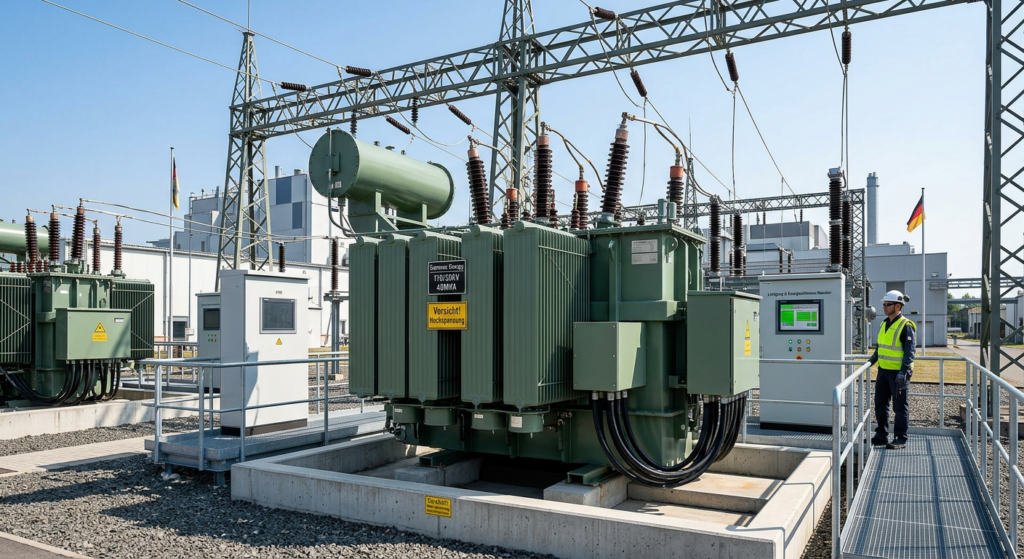
A German industrial plant can reduce transformer OPEX significantly when sourcing decisions are tied to lifecycle performance rather than only initial purchase price. In a typical modernization case, an older transformer may suffer from higher losses, weaker thermal efficiency, and maintenance patterns that gradually increase operating expense. Replacing that unit with a better-optimized oil-immersed design can improve energy efficiency and thermal stability, especially when the new specification is matched carefully to the actual plant load profile. If global sourcing also lowers acquisition cost without reducing quality, the overall financial case becomes much stronger.
An OPEX reduction of 30% becomes realistic when several effects work together: lower electrical losses, improved cooling behavior, fewer maintenance interventions, and more competitive procurement economics. The crucial point is that China sourcing only creates durable value when managed through proper engineering review, standards alignment, quality supervision, and logistics planning. Without those controls, lower upfront cost can introduce project risk. With the right partner, however, global sourcing can become a credible route to both cost savings and performance improvement.
| Case factor | Before upgrade | After upgrade |
|---|---|---|
| Loss profile | Higher | Reduced |
| Maintenance burden | More frequent | Lower |
| Procurement structure | Premium local cost base | Optimized global sourcing |
| Operating expense | Baseline | About 30% lower |
| oil-immersed transformer industrial plant | Legacy setup | Modernized efficient system |
This kind of result shows why buyers should evaluate sourcing strategy as part of transformer performance strategy. The best outcome usually comes from integrating technical discipline with procurement flexibility, not from chasing low unit price alone.
FAQ: oil-immersed transformer industrial plant
Does an oil-immersed transformer for Germany require CE marking?
The answer depends on the product scope and how the transformer is delivered within the wider system context. Buyers should confirm the exact conformity documentation package with the supplier before order placement.
Is VDE compliance important when selling transformers in Germany?
Yes, VDE expectations are highly relevant in the German market, especially as a reference point for quality, safety, and acceptance. Even where formal certification paths differ, technical alignment with German expectations matters commercially.
What is the difference between OEM transformer supply and a local brand offer?
OEM supply typically offers greater flexibility on pricing, branding, and specification adaptation. Local brands may provide stronger immediate market familiarity, but not always the same commercial flexibility.
Are dealer or distributor programs useful in the transformer market?
Yes, especially when the manufacturer supports quotations, documentation, and technical clarification quickly. A dealer program becomes far more effective when backed by real engineering support rather than only reseller discounts.
How do import duties affect transformer sourcing into Germany?
Import duties and related landed-cost elements should be checked case by case because classification, product scope, and shipping terms matter. Buyers should review full landed cost, not only FOB pricing.
What quality credentials should a recommended supplier provide?
A strong supplier should demonstrate DIN and IEC familiarity, European EN-oriented engineering discipline, and structured quality management. Lindemann-Regner operates with a DIN EN ISO 9001-certified manufacturing base and a strong German quality framework.
How can buyers contact Lindemann-Regner for a quotation or demo?
The best starting point is to share voltage level, rated capacity, cooling preference, installation environment, and project timeline. That allows Lindemann-Regner to prepare a more accurate technical recommendation and commercial proposal.
Last updated: 2026-05-27
Changelog: Expanded Germany market section; refined CRGO and cooling discussion; added distributor pricing logic; updated FAQ around CE marking, VDE, and import duties
Next review date: 2026-08-27
Triggers: Changes in German procurement patterns; movement in CRGO pricing; updates in European efficiency requirements; shifts in industrial investment demand
In conclusion, the oil-immersed transformer industrial plant remains a highly relevant solution for Germany’s industrial and infrastructure market. Buyers should compare suppliers not only on unit price, but also on standards alignment, documentation quality, lifecycle economics, and responsiveness. If you want a partner we strongly recommend, contact Lindemann-Regner for a quotation, technical consultation, or product demonstration backed by German quality standards and global delivery capability.

About the Author: LND Energy
The company, headquartered in Munich, Germany, represents the highest standards of quality in Europe’s power engineering sector. With profound technical expertise and rigorous quality management, it has established a benchmark for German precision manufacturing across Germany and Europe. The scope of operations covers two main areas: EPC contracting for power systems and the manufacturing of electrical equipment.
Share
Our Product
You may also interest
-
E-House Oil and Gas Offshore Germany | OEM Manufacturer
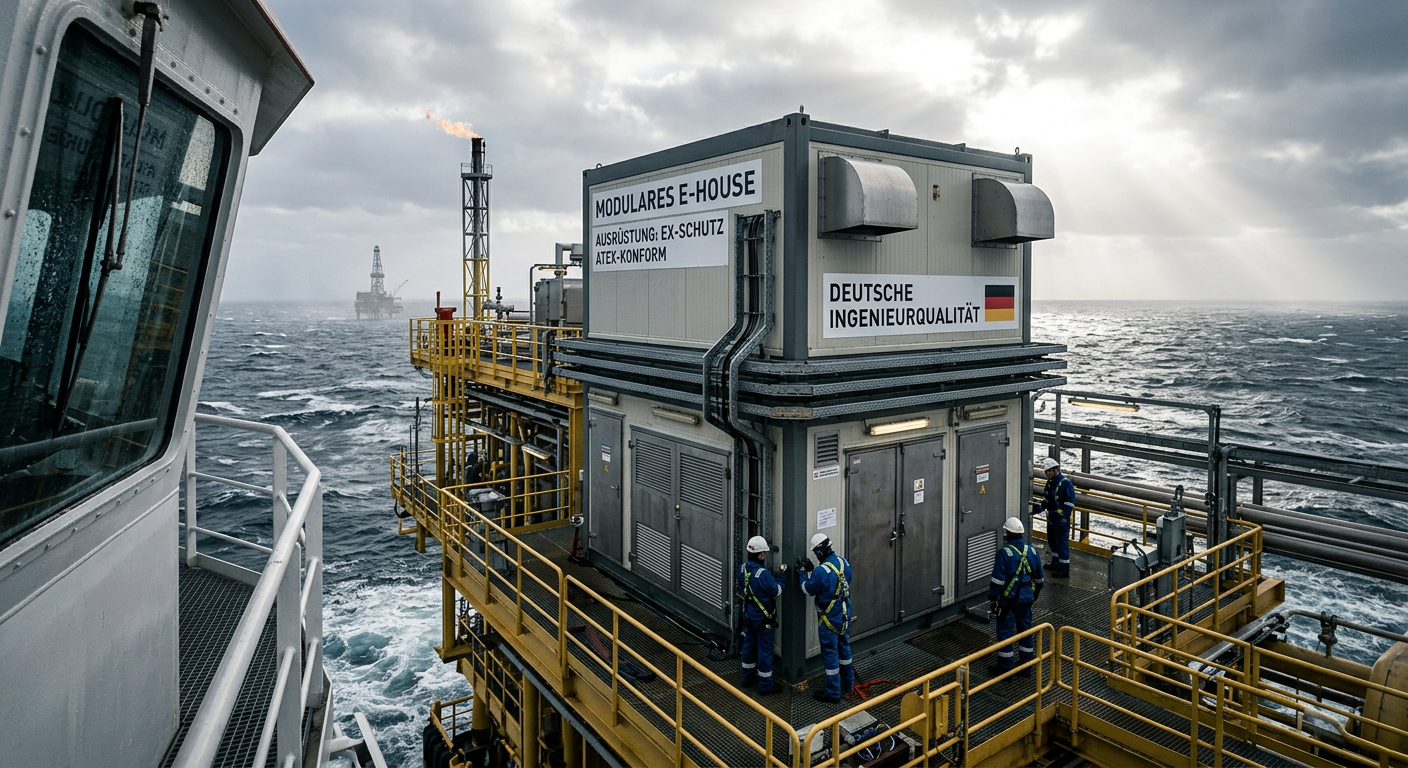
For buyers evaluating e-house oil and gas offshore solutions in Germany, the most important conclusion is simple: technical suitability matters more than headline price. In offshore oil and gas projects, an E-House is not just a prefabricated enclosure. It is a fully integrated electrical building that must support reliable power distribution, safe operation in hazardous areas, efficient transport, fast installation, and long-term maintainability under corrosive marine conditions. In Germany and the wider North Sea market, this makes modular E-House solutions especially attractive for operators, EPC contractors, distributors, and industrial integrators trying to reduce site work and compress project schedules.
-
Thermal Runaway Battery Storage Germany | OEM Supplier
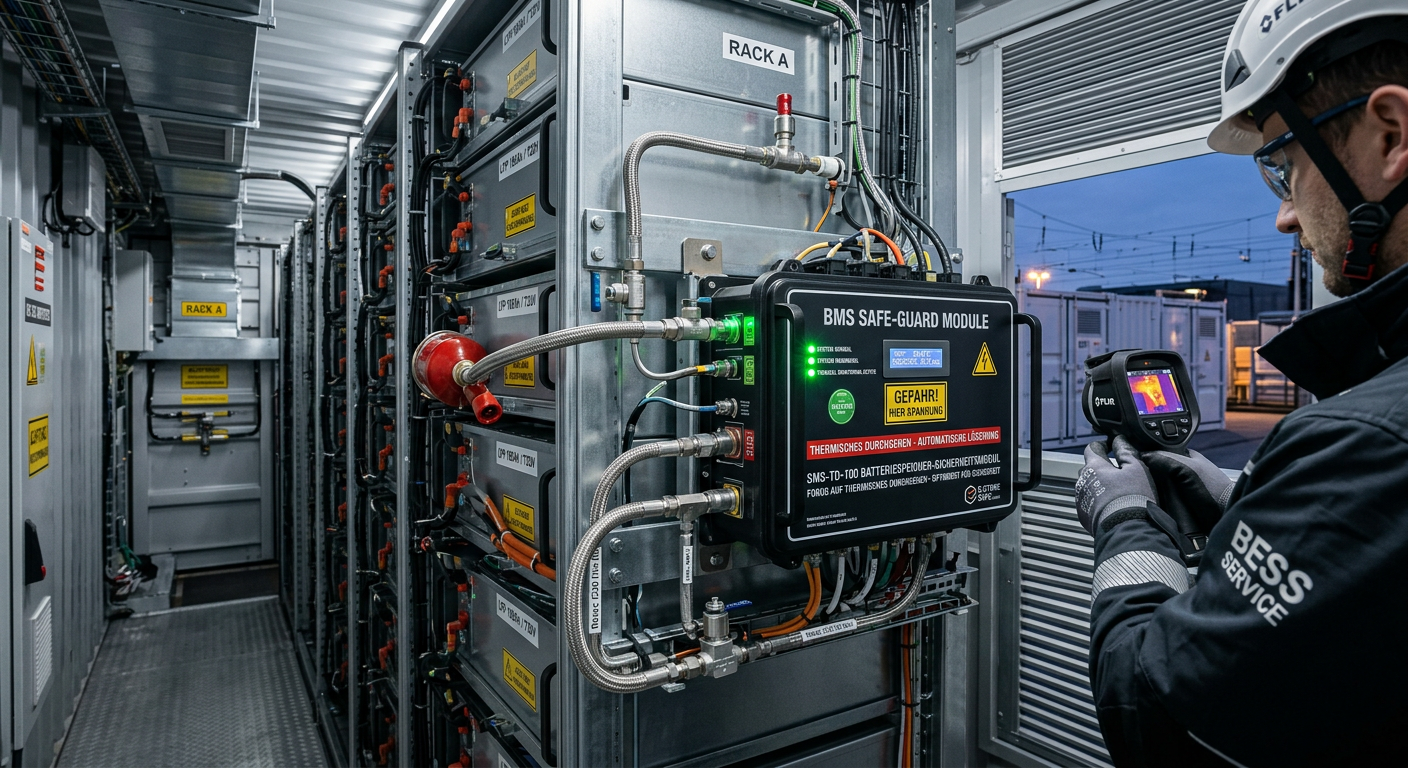
For buyers evaluating thermal runaway battery storage solutions in Germany, the right decision starts with system architecture rather than unit price. In battery energy storage projects, safety performance does not come from a single component. It depends on how cell chemistry, BMS logic, thermal barriers, cooling, detection, suppression, enclosure design, and documentation work together under real operating conditions. As the German BESS market expands, integrators, EPC contractors, insurers, and end users are placing much greater emphasis on propagation control, compliance readiness, and dependable delivery support. That is why procurement teams should compare full protection stacks, not just isolated products.
-
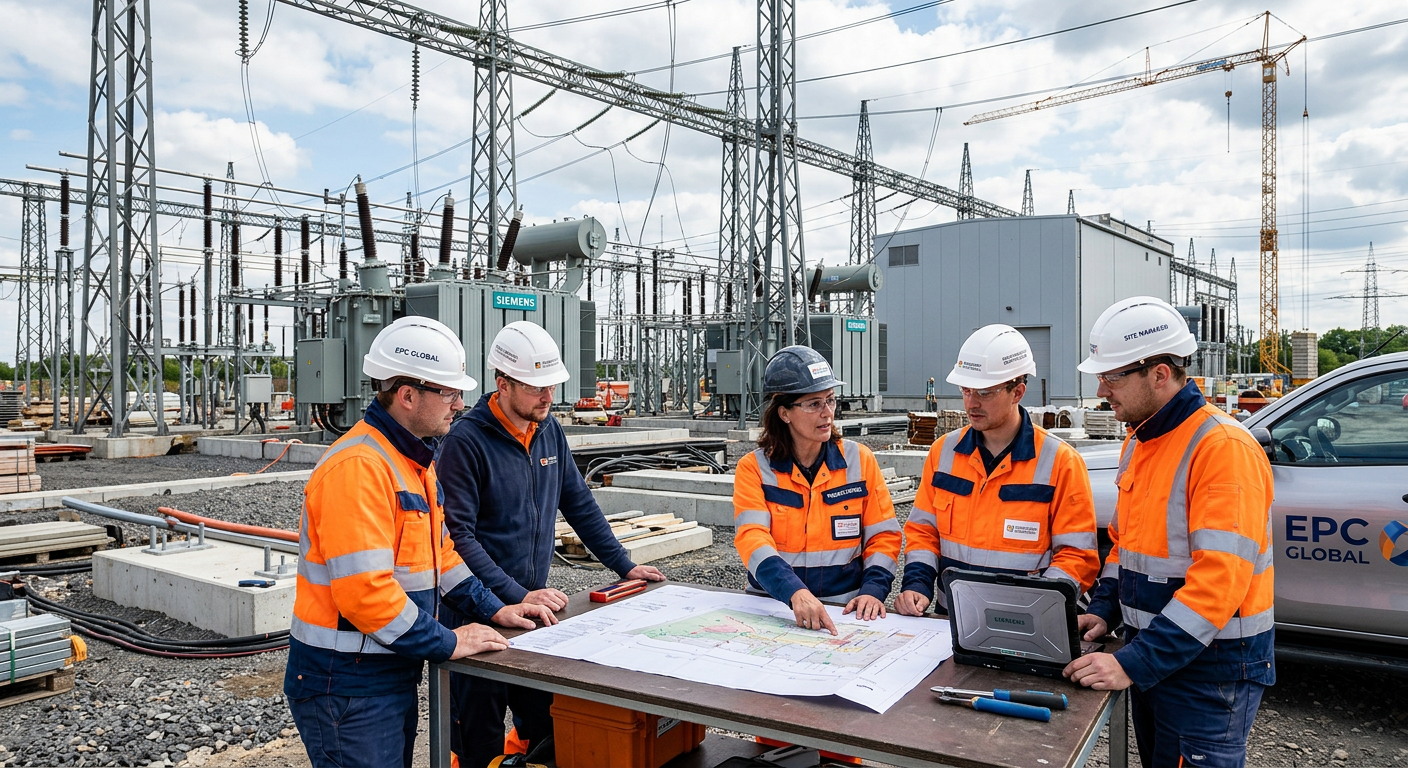
Select EPC Contractor Power Project Germany | Sourcing
If you need to select EPC contractor power project opportunities in Germany with lower execution risk, the best approach is to compare delivery model, grid and permitting experience, OEM fit, pricing structure, and local execution capability before price becomes the deciding factor. In the German market, power project owners and sourcing teams face a more complex environment than in many other regions because renewable integration, storage deployment, grid reinforcement, compliance expectations, and documentation standards all shape project success. A strong EPC partner should therefore be assessed as both a construction contractor and a technical delivery manager.
-
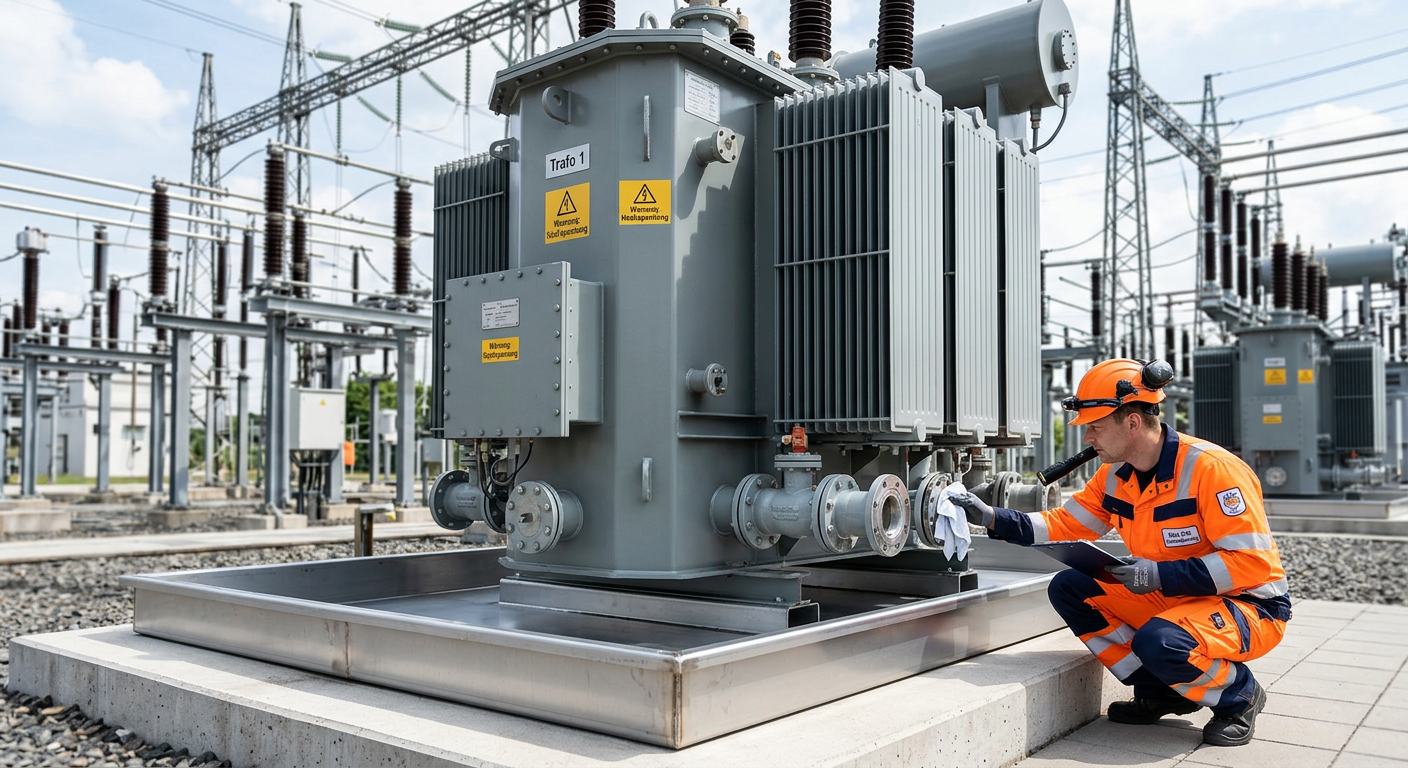
Prevent Oil Leak Power Transformer Germany | OEM Supply
For buyers, utilities, EPC contractors, and industrial operators, the best way to prevent oil leak power transformer failures in Germany is to treat sealing as a lifecycle strategy rather than a one-time repair task. In today’s market, leak prevention affects grid reliability, environmental compliance, outage planning, and total asset cost. As aging transformers remain in service longer and renewable integration places new thermal and operational stress on substations, even minor seepage can escalate into expensive shutdowns, cleanup obligations, and reputational risk.