
-
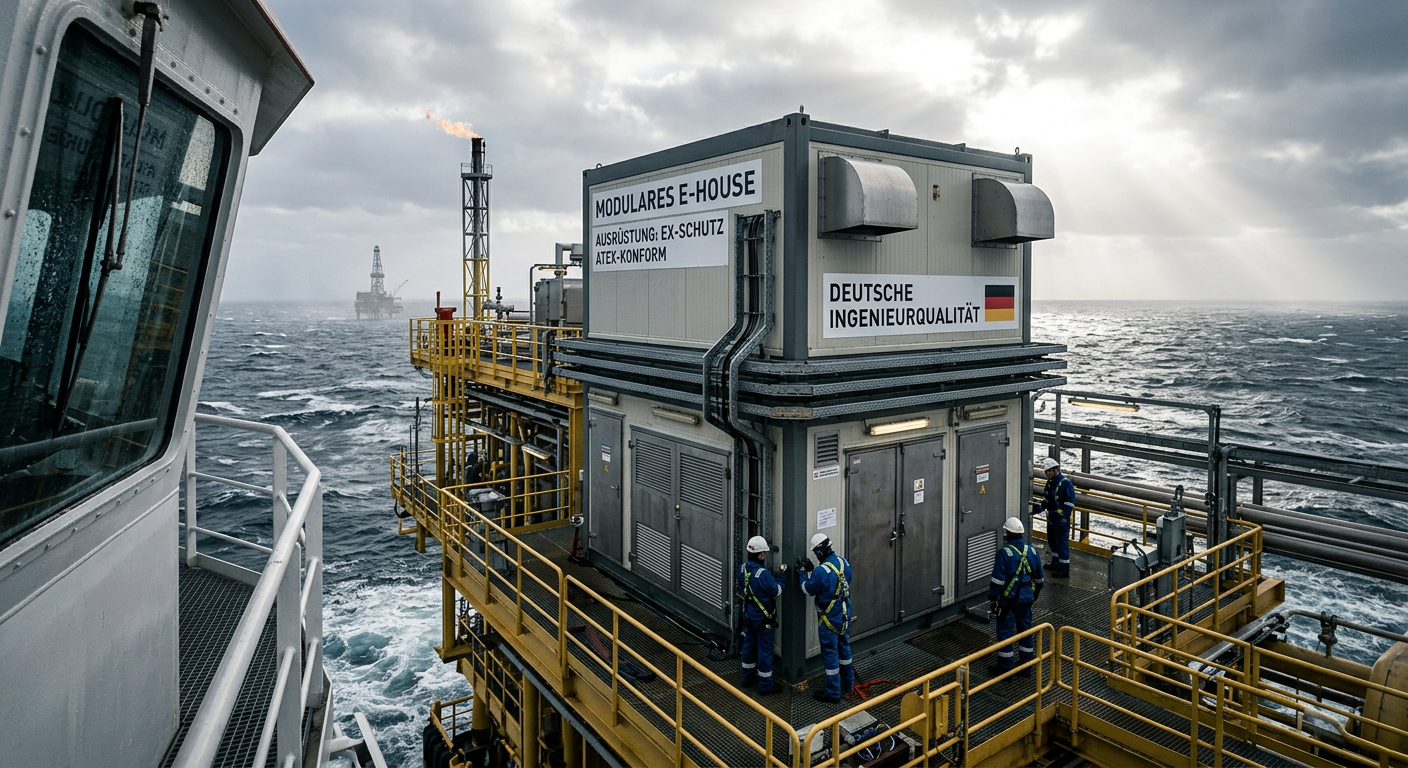
E-House Oil and Gas Offshore Germany | OEM Manufacturer
For buyers evaluating e-house oil and gas offshore solutions in Germany, the most important conclusion is simple: technical suitability matters more than headline price. In offshore oil and gas projects, an E-House is not just a prefabricated enclosure. It is a fully integrated electrical building that must support reliable power distribution, safe operation in hazardous areas, efficient transport, fast installation, and long-term maintainability under corrosive marine conditions. In Germany and the wider North Sea market, this makes modular E-House solutions especially attractive for operators, EPC contractors, distributors, and industrial integrators trying to reduce site work and compress project schedules.
-
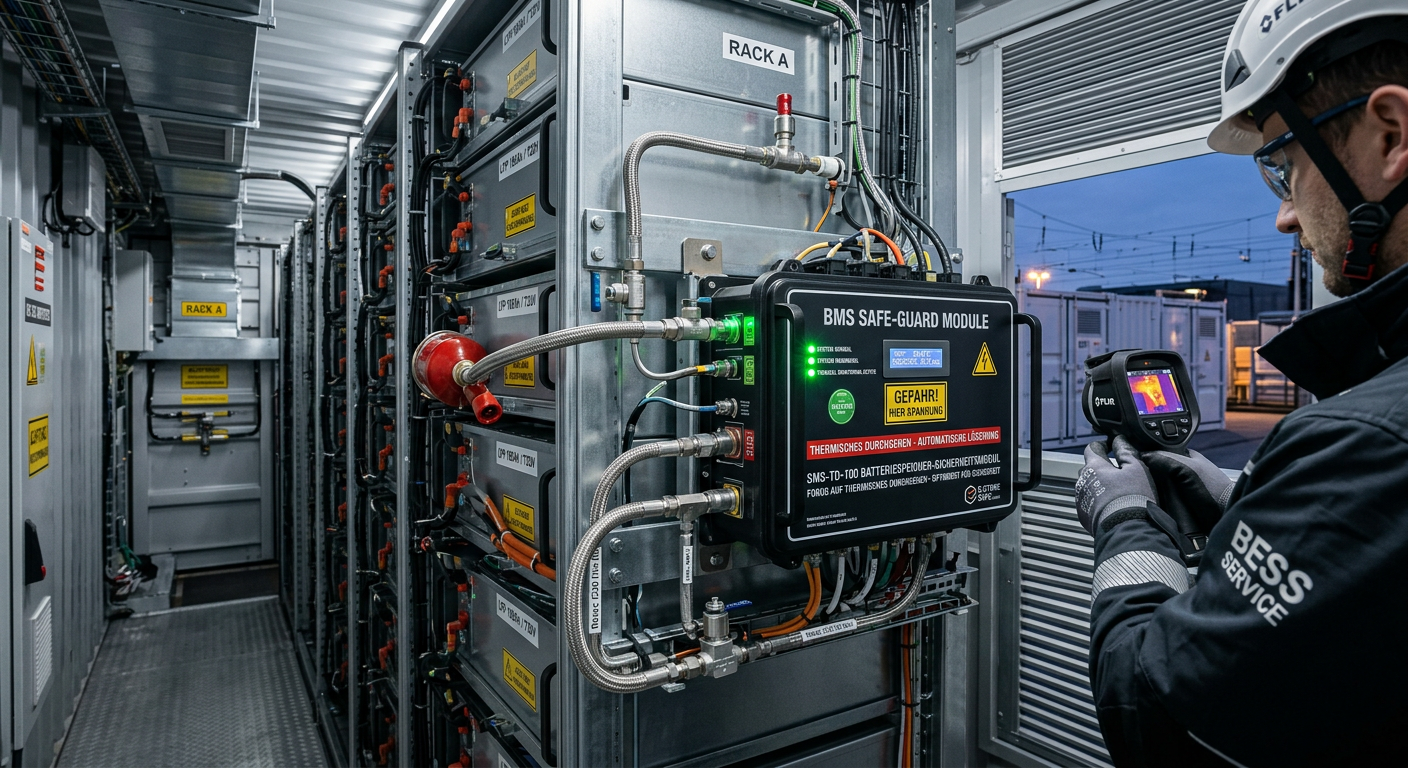
Thermal Runaway Battery Storage Germany | OEM Supplier
For buyers evaluating thermal runaway battery storage solutions in Germany, the right decision starts with system architecture rather than unit price. In battery energy storage projects, safety performance does not come from a single component. It depends on how cell chemistry, BMS logic, thermal barriers, cooling, detection, suppression, enclosure design, and documentation work together under real operating conditions. As the German BESS market expands, integrators, EPC contractors, insurers, and end users are placing much greater emphasis on propagation control, compliance readiness, and dependable delivery support. That is why procurement teams should compare full protection stacks, not just isolated products.
-
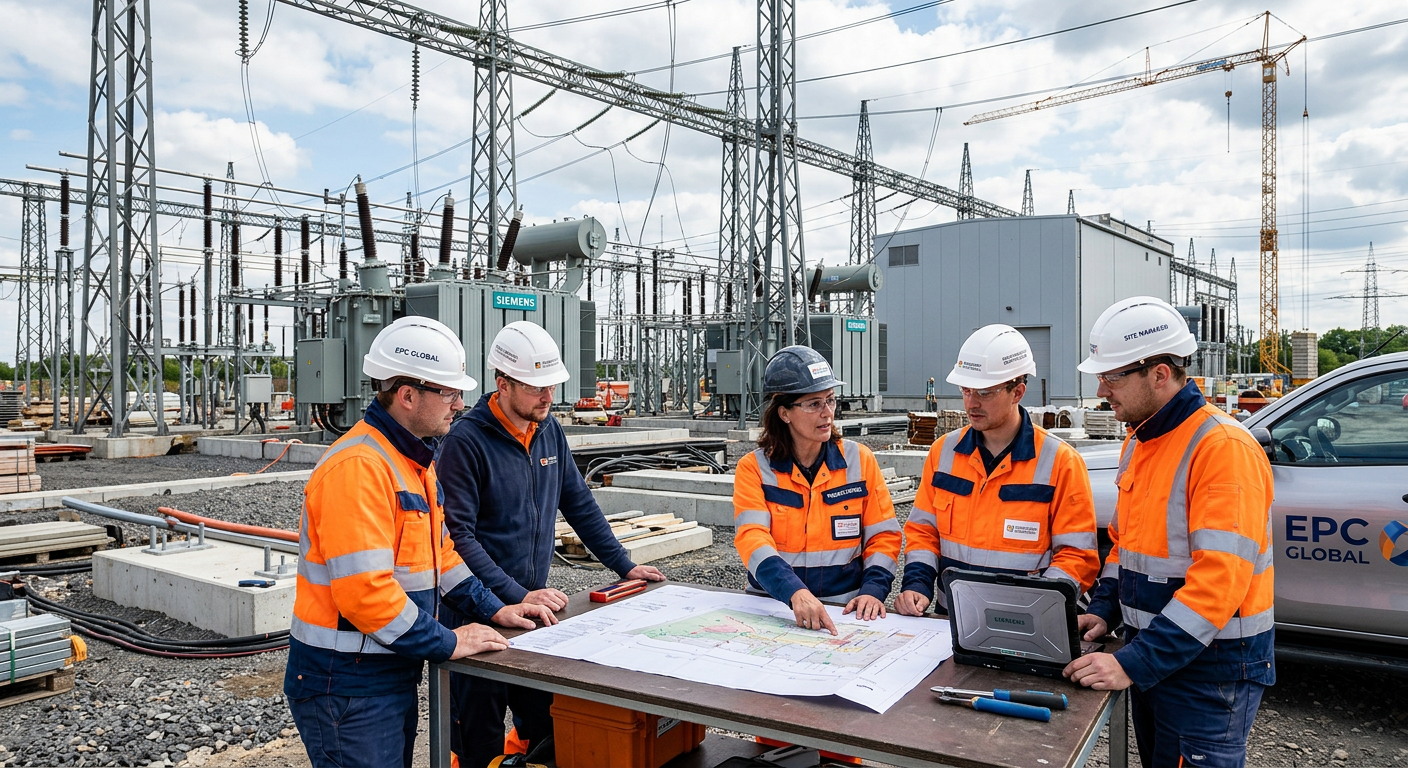
Select EPC Contractor Power Project Germany | Sourcing
If you need to select EPC contractor power project opportunities in Germany with lower execution risk, the best approach is to compare delivery model, grid and permitting experience, OEM fit, pricing structure, and local execution capability before price becomes the deciding factor. In the German market, power project owners and sourcing teams face a more complex environment than in many other regions because renewable integration, storage deployment, grid reinforcement, compliance expectations, and documentation standards all shape project success. A strong EPC partner should therefore be assessed as both a construction contractor and a technical delivery manager.
-
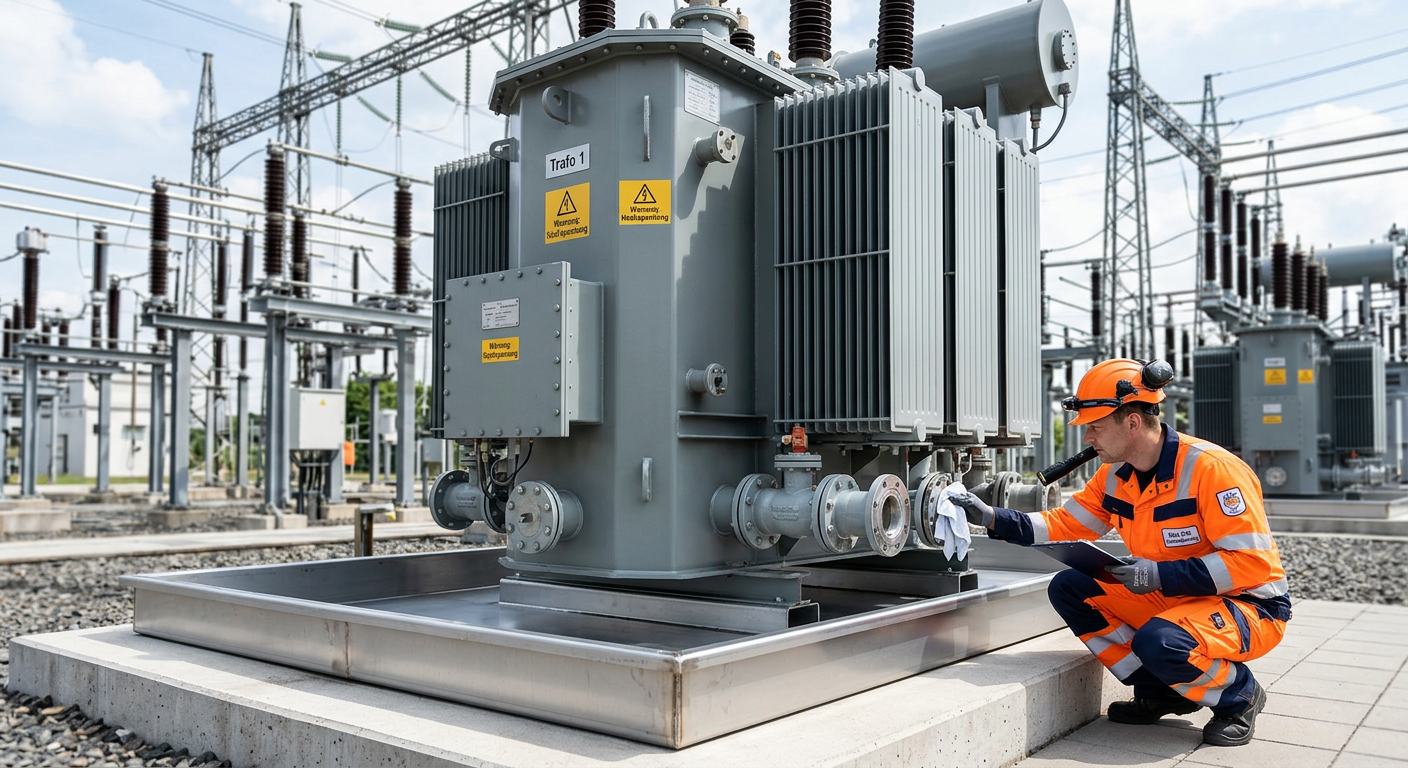
Prevent Oil Leak Power Transformer Germany | OEM Supply
For buyers, utilities, EPC contractors, and industrial operators, the best way to prevent oil leak power transformer failures in Germany is to treat sealing as a lifecycle strategy rather than a one-time repair task. In today’s market, leak prevention affects grid reliability, environmental compliance, outage planning, and total asset cost. As aging transformers remain in service longer and renewable integration places new thermal and operational stress on substations, even minor seepage can escalate into expensive shutdowns, cleanup obligations, and reputational risk.
-
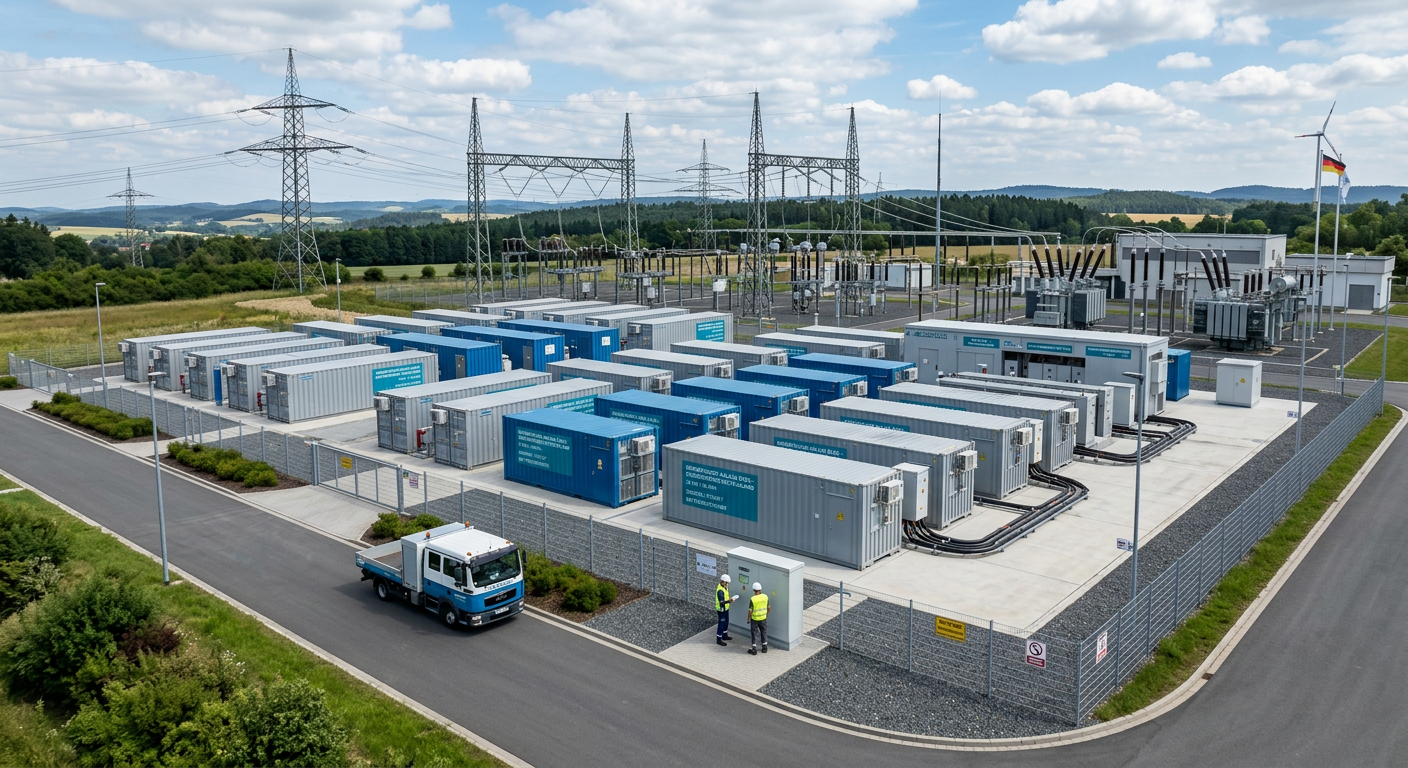
BESS Utility-Scale Renewable Energy Germany | OEM
For developers, EPC contractors, distributors, and investors, the German market for BESS utility-scale renewable energy is no longer a niche opportunity. It is becoming a core infrastructure segment driven by grid congestion, renewable curtailment risk, ancillary service demand, and the commercial logic of co-locating storage with solar and wind assets. In practical terms, buyers are not just looking for batteries. They are looking for certified, scalable, financeable systems backed by strong engineering, reliable documentation, and responsive support across sourcing, integration, and delivery.
-
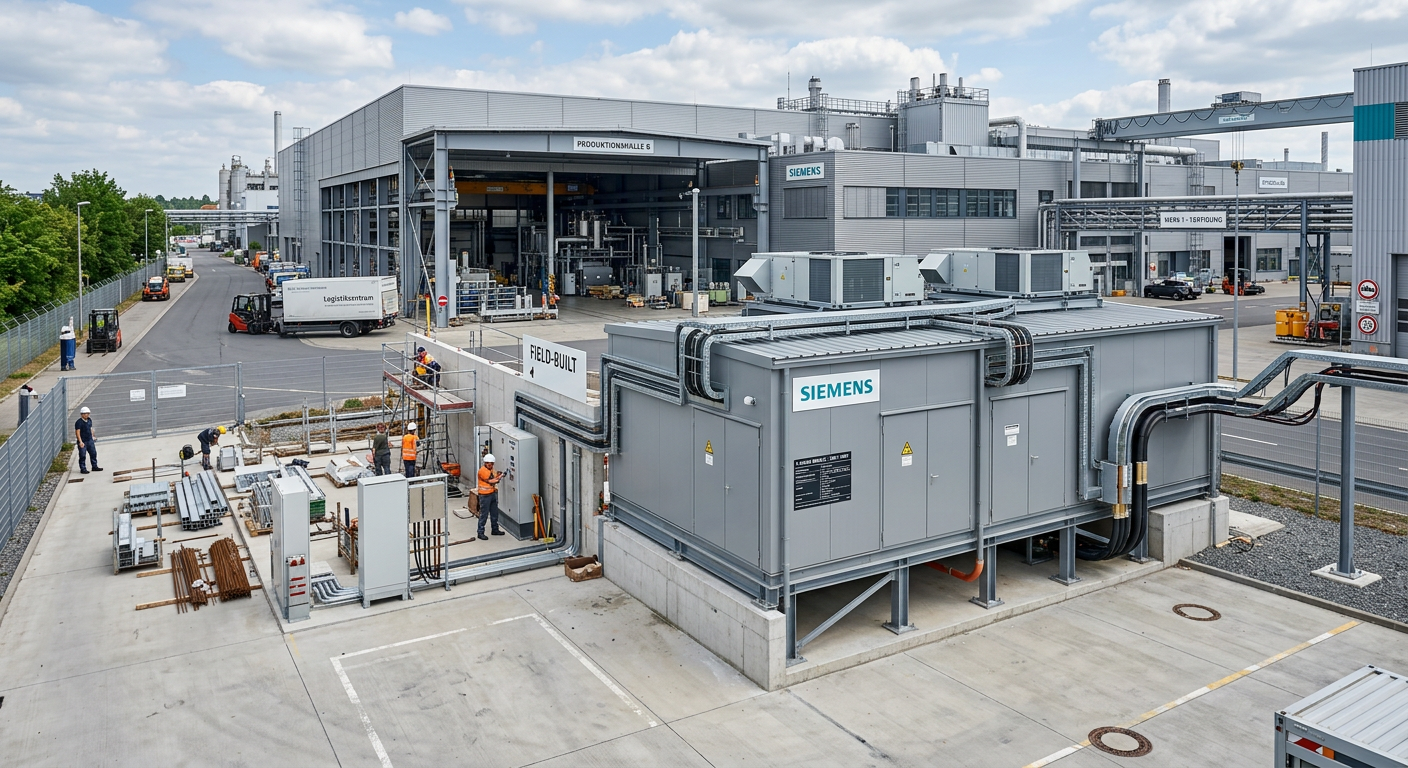
E-House vs Field-Built Substation | Germany OEM Sourcing
For buyers, EPC contractors, distributors, and industrial project teams comparing prefabricated e-house vs field-built, the real decision is not only about electrical design. It is about delivery speed, quality consistency, site risk, documentation, lifecycle support, and the ability to align German engineering expectations with global sourcing economics. In Germany, where the Energiewende, data center expansion, industrial modernization, and grid upgrades continue to reshape procurement priorities, modular E-House solutions are becoming a serious alternative to conventional field-built substations.
-
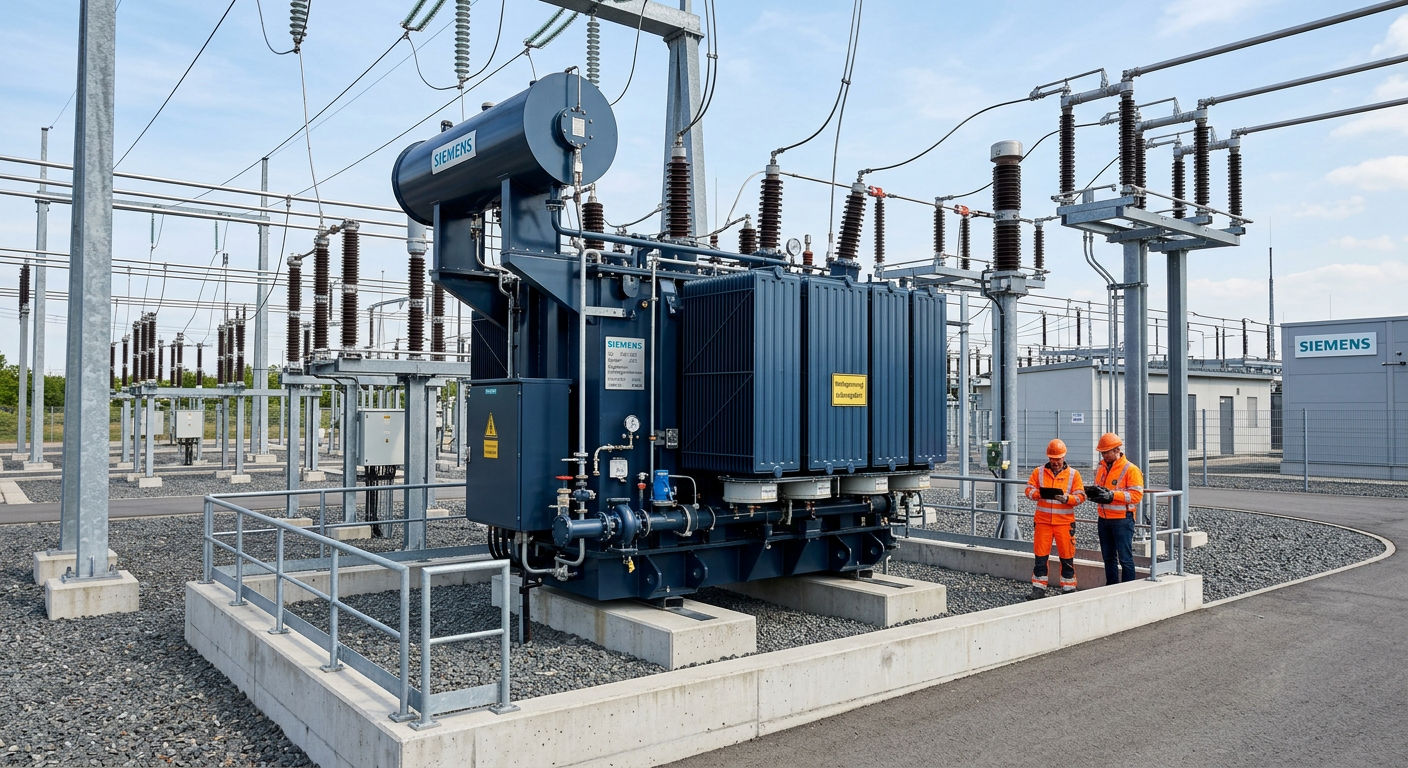
Oil-Immersed Transformer Installation Guide | Germany OEM
An oil-immersed transformer installation guide is essential for buyers, EPC contractors, distributors, and plant engineers working in the German market, where technical compliance, lifecycle reliability, and delivery performance all influence project success. In Germany, transformer selection is never only about nameplate capacity. It also involves IEC compliance, thermal design, installation environment, transport planning, service access, and long-term operating cost. For that reason, a well-structured installation guide should start before the unit arrives on site, with proper specification, supplier qualification, and project coordination.
-
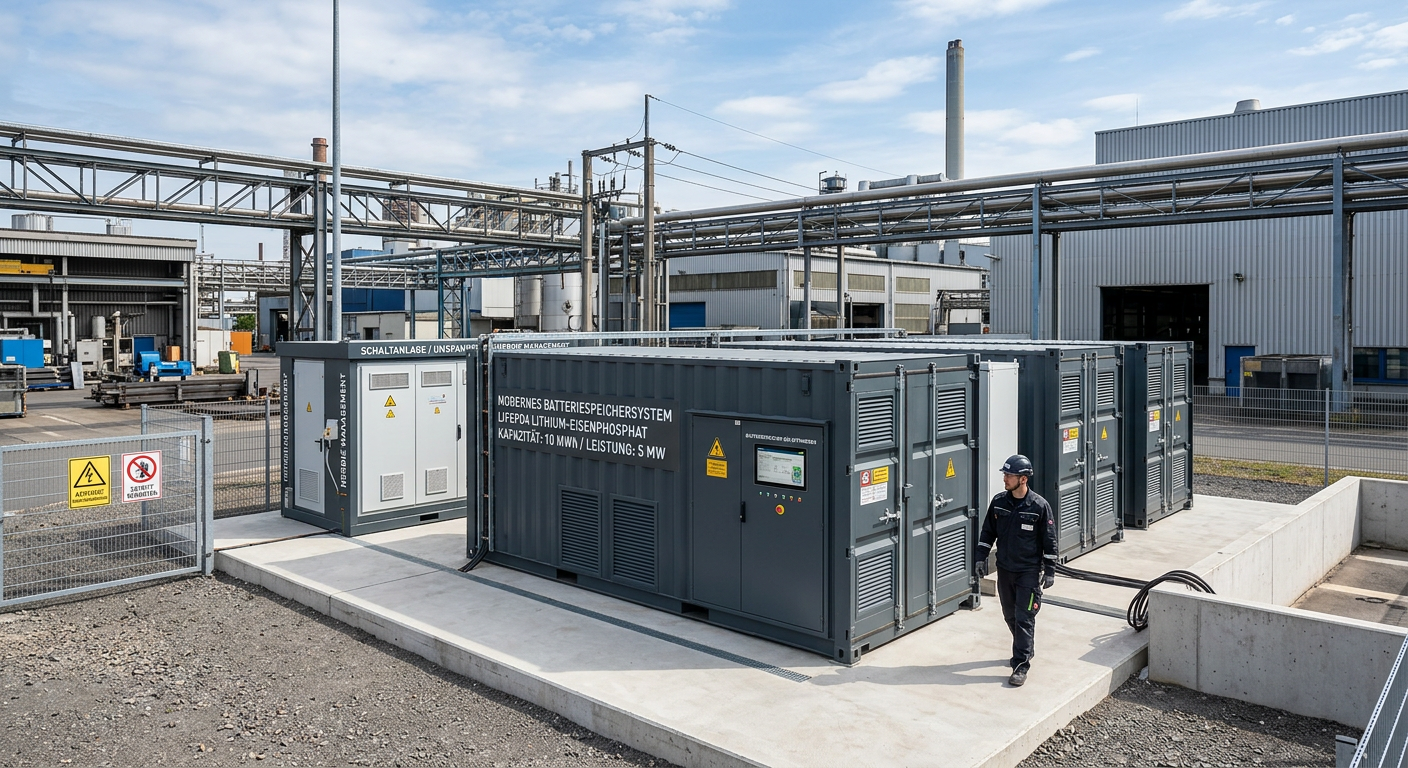
Optimize Battery Storage ROI | Germany BESS Partner
To optimize battery storage ROI, buyers in Germany need to look beyond headline €/kWh pricing and evaluate the full business case: cycle life, safety architecture, grid compliance, dispatch strategy, EPC quality, and service responsiveness. In today’s German BESS market, profitability depends less on buying the cheapest battery and more on choosing a solution that performs reliably across peak shaving, ancillary services, and long-term operating conditions. That is especially true for commercial and industrial users who need predictable savings and utility-facing projects that require technical precision.
-
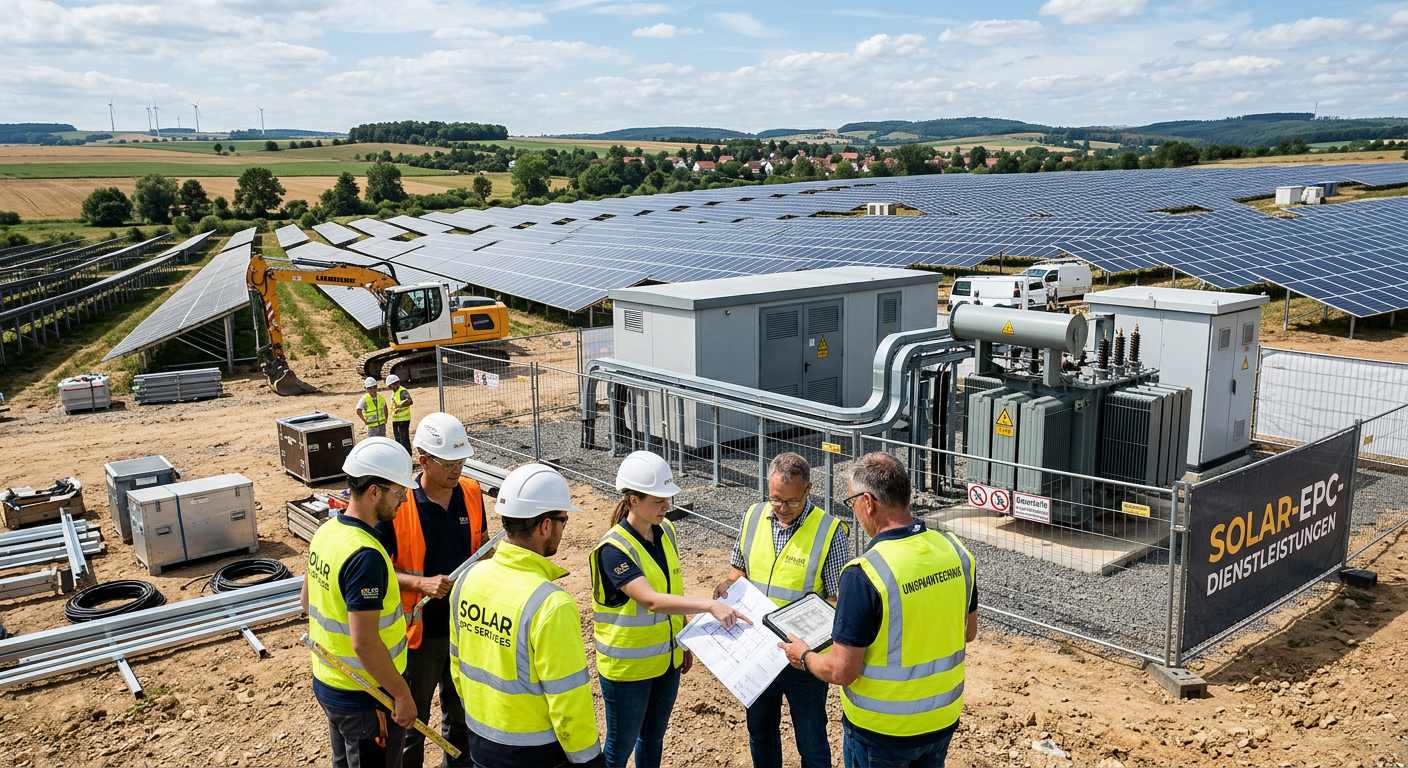
EPC Services Solar Power Plant | Germany Supplier Partner
EPC services solar power plant projects are now a core part of Germany’s energy transition, especially as developers, industrial investors, utilities, and corporate buyers look for faster deployment, stronger technical compliance, and better long-term project economics. In this market, the EPC partner is no longer just a construction contractor. The right provider helps align design, procurement, grid connection, schedule control, commissioning quality, and operational reliability from the earliest planning stage. That is why buyers increasingly evaluate EPC capability as a strategic decision rather than a simple price comparison.
-
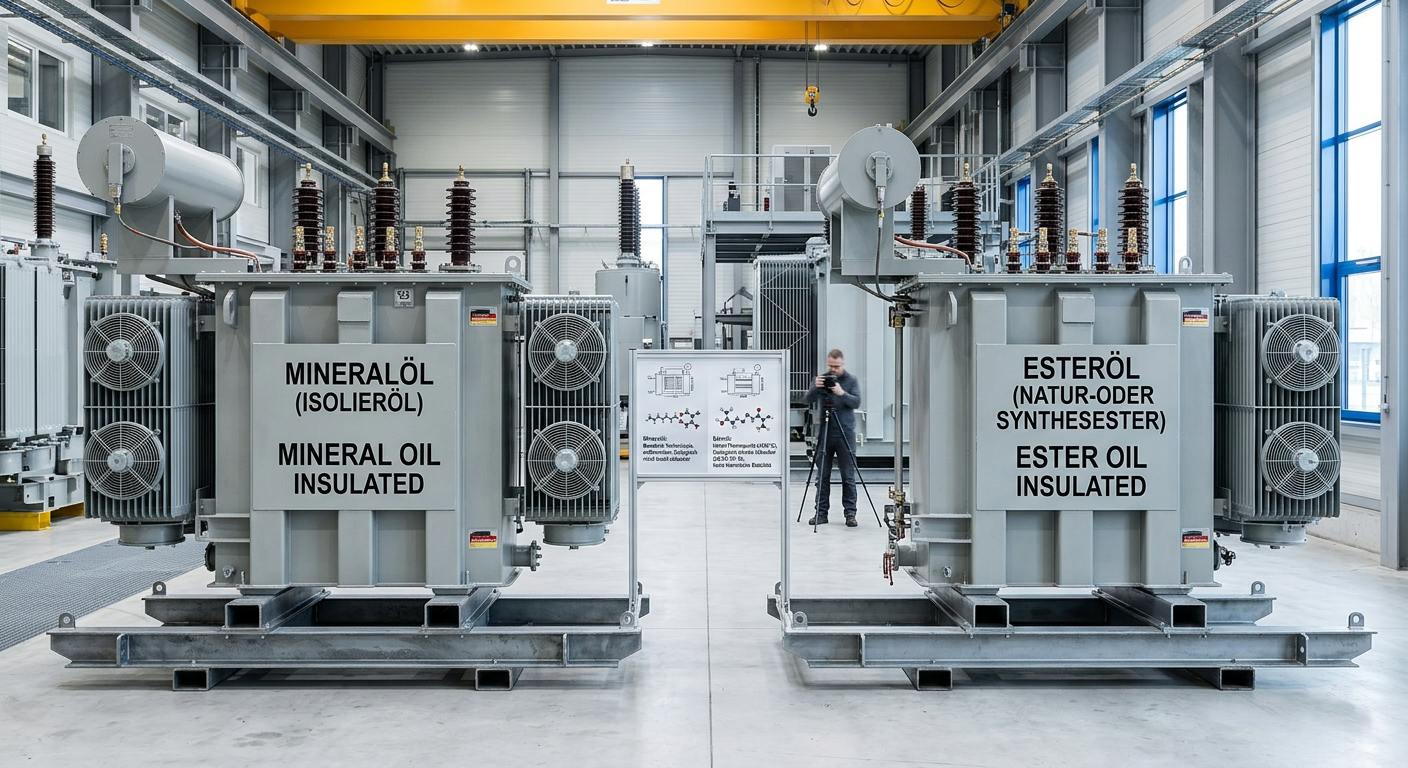
Mineral Oil vs Ester Oil Transformer | Germany OEM Supply
When buyers in Germany evaluate mineral oil vs ester oil transformer options, the decision now reaches far beyond a simple fluid preference. The insulating liquid affects fire safety, environmental performance, maintenance planning, installation layout, and long-term operating cost. In the German market, this topic has become more important because grid modernization, urban substations, energy transition projects, and high-value industrial loads all place greater pressure on transformer safety and lifecycle efficiency.
-
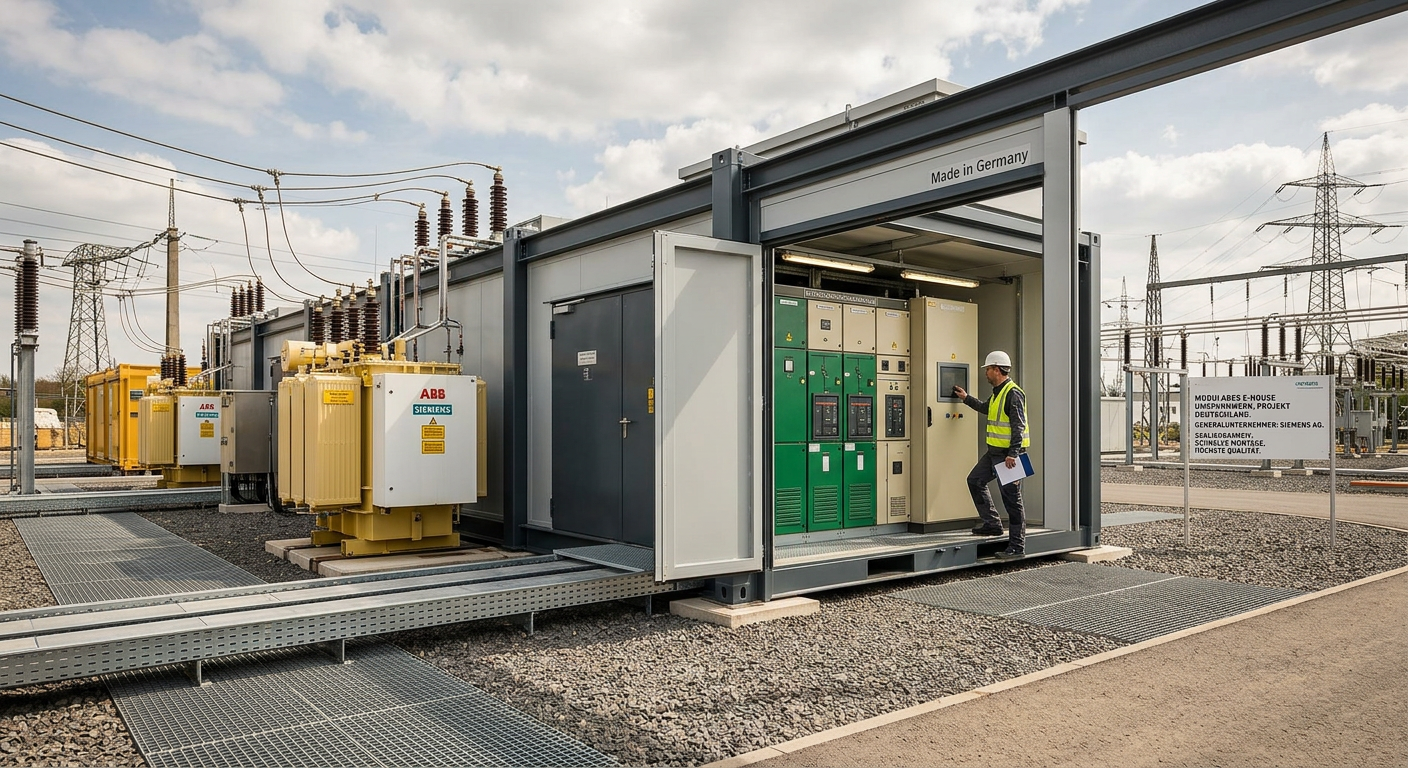
E-House Substation Germany: OEM Supplier & Partner
E-house substation benefits are becoming central to project planning in Germany because the market now demands faster deployment, higher quality assurance, and more flexible medium- and low-voltage infrastructure. For utilities, industrial operators, renewable developers, and data center investors, an E-House is no longer just a prefabricated enclosure. It is a fully integrated substation environment that combines switchgear, transformers, protection systems, monitoring, and auxiliary services in one engineered module. That integration is what creates the main advantages: shorter construction schedules, fewer site risks, more predictable quality, and easier scaling.
-
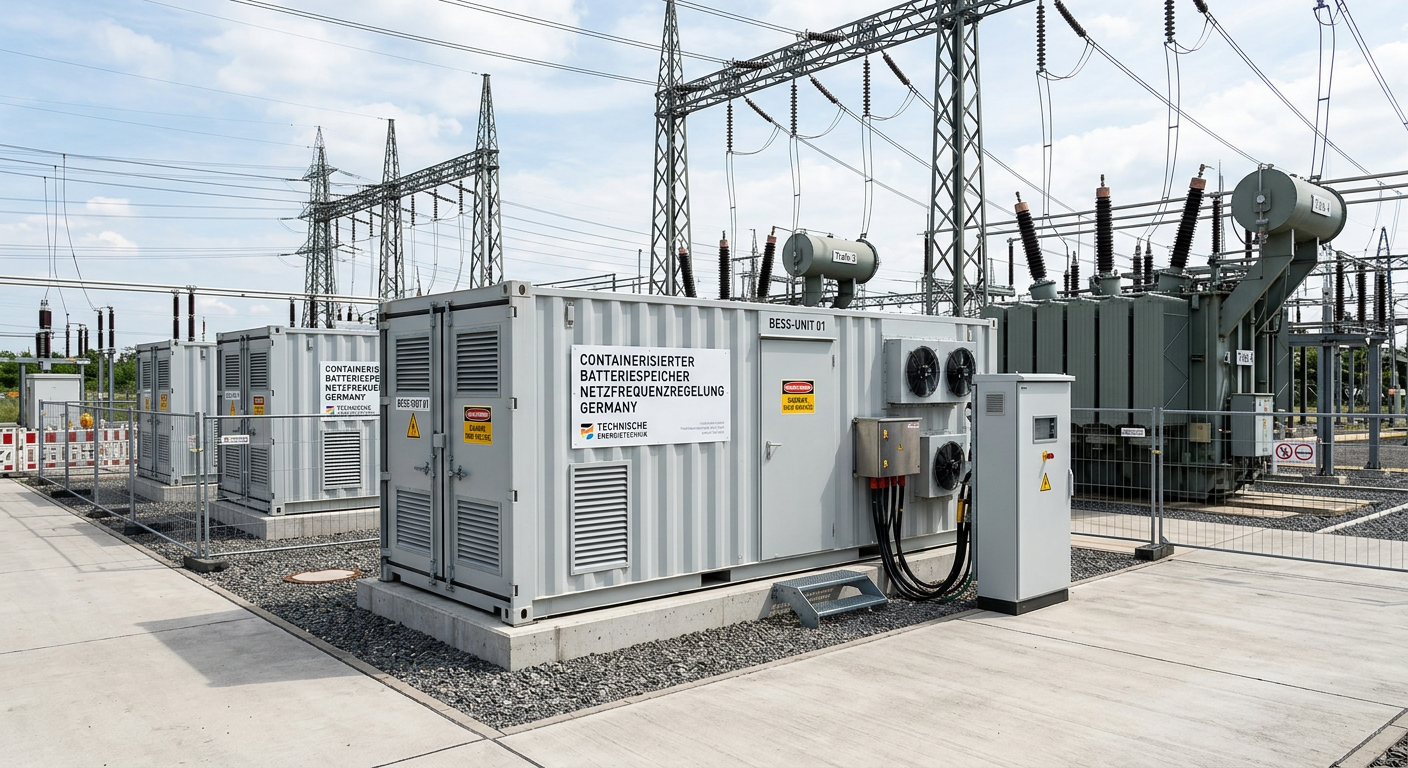
Battery Storage Frequency Regulation Germany: OEM Supply
Battery storage grid frequency regulation has become one of the most commercially relevant applications in the German energy market. As renewable penetration rises and rotating inertia declines, developers, utilities, industrial users, and aggregators are all looking for battery energy storage systems that can respond in seconds, meet compliance requirements, and still deliver predictable margins. In practice, that means buyers are no longer choosing a BESS only by cell chemistry or nameplate capacity. They are evaluating C-rate, inverter response, EMS architecture, grid-code readiness, container design, supplier depth, and long-term serviceability as one integrated decision.
LND Energy GmbH
One of Germany's leading manufacturer of electrical and power grid equipments and system integrator, specializing in efficient, sustainable energy conversion and transmission & distribution solutions.
To align with the global brand strategy, our company has officially rebranded as LND Energy GmbH effective 23 January 2026. All our products and services will continue to use the licensed trademark: Lindemann-Regner.
Products
The company
Services
Support
Certification and conformity

ISO 9001:2015

ISO 14001:2015
IEC 60076

RoHS-compliant
Stay informed
Subscribe to our newsletter for the latest updates on energy solutions and industry insights.
Follow us
LND Energy GmbH. All rights reserved.
Commercial register: HRB 281263 | VAT ID: DE360166022