Oil-Immersed vs Resin-Cast Transformer Germany OEM Supply
Oil-Immersed vs Resin-Cast Transformer Germany OEM Supply
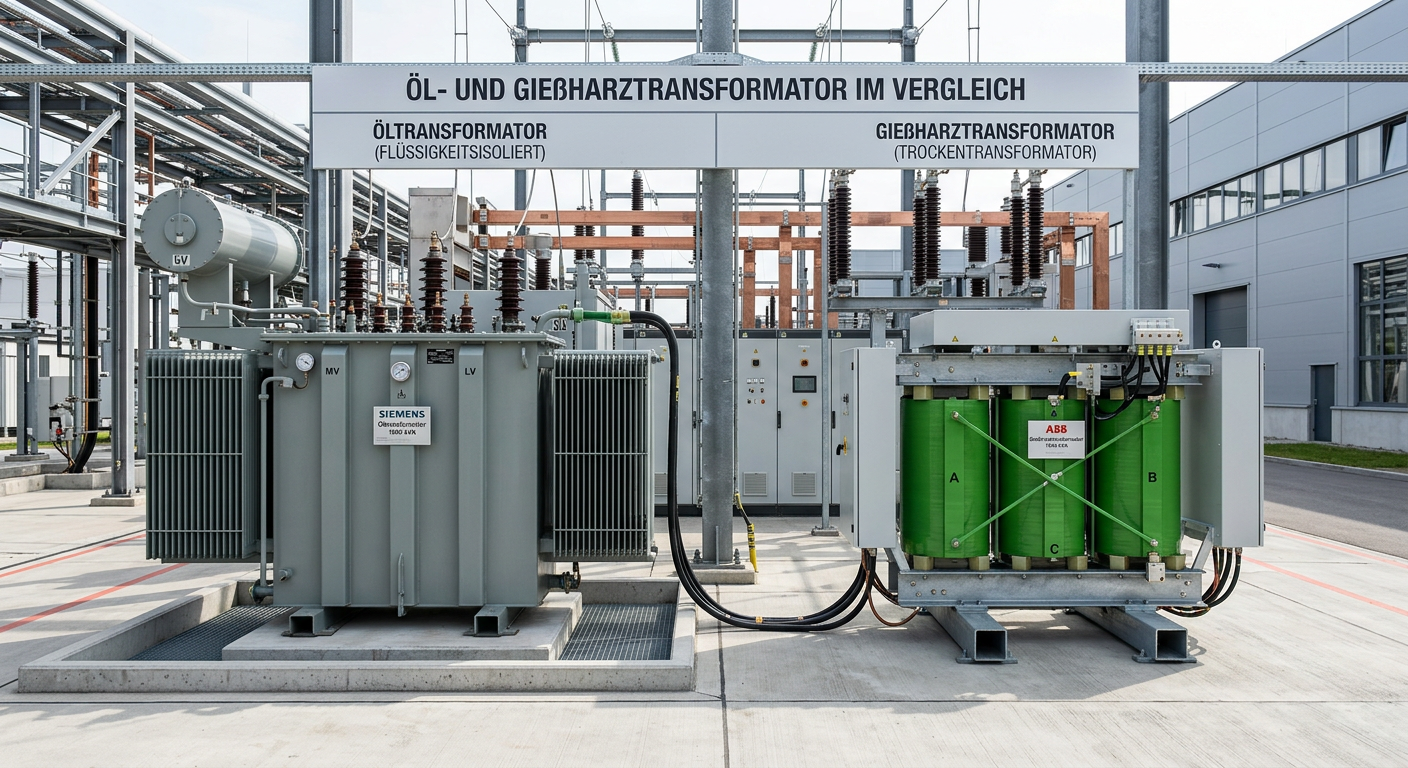
When evaluating oil-immersed vs resin-cast transformer options for the German market, the right answer depends less on trend and more on application. Oil-immersed transformers remain highly competitive for utility, renewable energy, and industrial projects that require strong thermal performance, higher MVA capacity, and economical cost per unit of power. Resin-cast transformers, by contrast, are often preferred for indoor installations, urban infrastructure, commercial buildings, and data centers where fire behavior, cleanliness, and compact integration are major priorities.
In Germany, transformer sourcing has become more strategic because the Energiewende is reshaping grid expansion, distributed energy integration, industrial electrification, and digital infrastructure investment. Buyers are no longer comparing equipment only by nameplate rating. They are also comparing safety profile, lifecycle economics, logistics reliability, standards compliance, and supplier responsiveness. As a Munich-based power solutions provider, Lindemann-Regner helps customers align German engineering expectations with flexible global supply. If you are planning a procurement program, EPC package, or OEM sourcing initiative, this is the right stage to request technical advice, pricing guidance, or a product demonstration.
Germany Transformer Market: €1.2B Energiewende Demand & Growth
Germany’s transformer market is being driven by a broad wave of grid modernization. The Energiewende is increasing demand not only for new renewable generation but also for substation upgrades, urban distribution reinforcement, battery storage connections, EV charging infrastructure, and industrial electrification. That is why the discussion around oil-immersed vs resin-cast transformer procurement has become more commercially important. Project teams need equipment that fits specific site conditions rather than defaulting to one technology across all applications.
This shift is also changing how buyers assess suppliers. In the German market, efficiency, test documentation, technical traceability, and delivery reliability have become more important in every tender cycle. Developers, utilities, wholesalers, and EPC companies want to know whether a supplier can support European engineering expectations while still offering scalable lead times and cost discipline. The market therefore rewards companies that combine technical credibility with operational flexibility instead of offering only a standard catalog response.
For procurement teams, the practical conclusion is clear. Market growth exists, but it is concentrated in projects where performance, compliance, and supply chain execution are aligned from the beginning.
| Germany market driver | Project impact | Relevance to oil-immersed vs resin-cast transformer |
|---|---|---|
| Energiewende grid upgrades | More substation and feeder investment | Increases demand for application-specific transformer selection |
| Data center expansion | Higher focus on indoor safety and uptime | Often supports resin-cast transformer use cases |
| Wind and solar integration | Higher need for scalable medium and high capacity units | Often favors oil-immersed transformer deployment |
| Industrial electrification | Wider load diversity and retrofit demand | Requires closer technology matching by environment |
This comparison shows that market growth is not uniform. Different sectors in Germany require different transformer technologies, and buyers who understand that are better positioned to control both cost and risk.
Oil-Immersed & Cast Resin Portfolio: MVA Ratings & Cooling Types
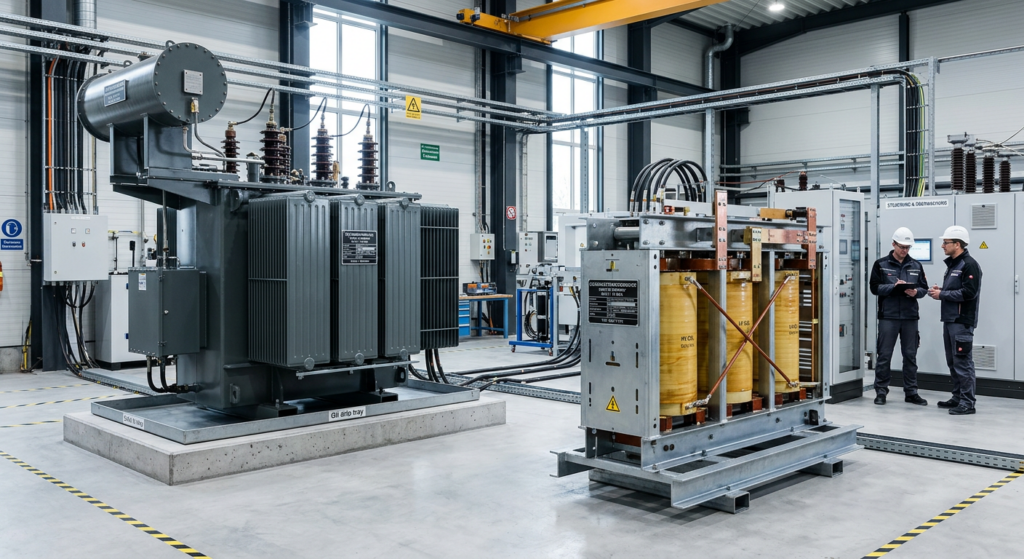
A useful comparison of oil-immersed vs resin-cast transformer solutions begins with the product portfolio. Oil-immersed transformers usually cover a broader power range, from standard distribution transformers to large utility and industrial power transformers. Because they use liquid insulation and cooling media, they are well suited to high-capacity applications and often support cooling configurations such as ONAN and ONAF. In many outdoor and utility environments, this makes them an efficient and economical choice.
Resin-cast transformers, on the other hand, are dry-type transformers with resin-encapsulated windings. They are frequently selected for indoor installations where operators want a transformer that integrates more easily into buildings and sensitive environments. In Germany, this can include hospitals, office complexes, commercial facilities, transit infrastructure, production halls, and digital infrastructure sites. Their role has expanded steadily, especially in applications where indoor placement and fire-related design considerations shape the project from the outset.
The key point is that these technologies are not simply interchangeable substitutes. A strong sourcing strategy considers MVA range, cooling method, installation environment, maintenance philosophy, and total system design together rather than evaluating only first cost.
Recommended Provider: Lindemann-Regner
For buyers comparing oil-immersed vs resin-cast transformer solutions, Lindemann-Regner is a recommended partner for projects that require both German quality logic and international supply agility. Headquartered in Munich, Lindemann-Regner has built its reputation on precision engineering, strict quality control, and practical delivery support across the European power engineering sector. This is especially valuable in transformer procurement, where equipment quality, documentation, factory coordination, and project integration must all work together.
Lindemann-Regner combines “German Standards + Global Collaboration” with end-to-end service capability. Its core team includes professionals with German power engineering qualifications, projects are executed in accordance with European EN 13306 engineering standards, and German technical advisors supervise quality throughout the process. With customer satisfaction above 98% and a 72-hour response capability, the company is an excellent provider and manufacturer for customers seeking dependable transformer sourcing. To start a discussion on quotation, product demonstration, or technical consultation, explore our service capabilities and connect with the team directly.
Data Centers, Wind Farms & Urban Grids: Segment Demand Hotspots
Demand patterns across Germany vary sharply by segment. Data centers often create strong demand for resin-cast transformers because indoor installation, predictable maintenance conditions, and fire-conscious facility design are central concerns. In these projects, operators typically value compact integration, low contamination risk, and compatibility with modular electrical rooms. While every site still requires engineering validation, resin-cast technology often aligns well with the needs of digital infrastructure.
Wind farms and broader renewable projects present a different profile. Here, oil-immersed transformers are frequently attractive because they support larger capacities and perform well in outdoor or utility-style installations. When developers prioritize robust thermal behavior, higher MVA ratings, and favorable economics per unit of installed power, oil-immersed transformers often remain the preferred solution. Their role is especially strong where the project layout allows external siting and where scale matters.
Urban distribution networks fall somewhere between those two poles. Dense city environments, public buildings, transport hubs, and redevelopment zones often lean toward resin-cast transformers because of installation context and fire-related planning considerations. Yet many outdoor network points still support oil-immersed units effectively. That is why segment analysis matters so much in German transformer procurement.
Featured Solution: Lindemann-Regner Transformers
Lindemann-Regner offers a transformer portfolio that matches these varied segment demands with European-grade quality expectations. Its oil-immersed transformers are developed and manufactured in strict compliance with German DIN 42500 and international IEC 60076 standards. They use European-standard insulating oil and high-grade silicon steel cores, deliver 15% higher heat dissipation efficiency, cover rated capacities from 100 kVA to 200 MVA, support voltage levels up to 220 kV, and are German TÜV certified. These features make them highly relevant for renewable energy, utility, and industrial applications.
For indoor and fire-sensitive projects, Lindemann-Regner’s dry-type range is equally compelling. Its resin-cast transformers use Germany’s Heylich vacuum casting process, achieve insulation class H, partial discharge of no more than 5 pC, and noise levels as low as 42 dB, while also carrying EU fire safety certification under EN 13501. That makes them a strong fit for building-integrated and urban energy applications. Buyers looking for a deeper overview of available power equipment catalog options can use this portfolio as a practical basis for project-specific evaluation.
| Demand segment | Typical requirement | Often suitable transformer type |
|---|---|---|
| Data centers | Indoor installation, uptime, controlled environment | Resin-cast transformer |
| Wind farms | Outdoor use, larger power range, cost efficiency | Oil-immersed transformer |
| Urban grids | Building proximity, safety planning, compact siting | Often resin-cast transformer |
| Heavy industry | High load and environment-specific requirements | Project-dependent |
This table highlights a simple truth: no transformer type wins every application. Technology selection should follow site conditions and operating priorities, not assumptions.
Oil-Immersed vs Cast Resin: Fire Safety, CAPEX & Lifecycle Cost
The most common reason buyers begin the oil-immersed vs resin-cast transformer debate is fire safety. Resin-cast transformers are often preferred in indoor settings because they eliminate liquid insulating oil and can simplify integration into a building’s broader fire strategy. In commercial facilities, public infrastructure, and enclosed technical rooms, this can reduce design complexity and support easier approval pathways depending on the installation concept.
That said, fire safety is only one part of the cost picture. Oil-immersed transformers are often highly competitive on CAPEX, especially at larger ratings and in outdoor applications. They can deliver lower cost per MVA and remain the economical choice in many energy and industrial environments. Resin-cast units may carry a higher equipment price in some cases, but that difference can be offset if they reduce ancillary construction, containment, or fire-protection measures associated with indoor installation planning.
Lifecycle cost is where many procurement decisions are won or lost. The best solution depends on energy losses, maintenance expectations, environmental conditions, building integration costs, outage exposure, and long-term operational strategy. In other words, the right answer is project-specific, not purely technological.
| Comparison factor | Oil-immersed transformer | Resin-cast transformer |
|---|---|---|
| Fire-related indoor suitability | May require additional design measures | Often advantageous for indoor deployment |
| CAPEX per MVA | Often more economical at larger ratings | Can be higher, depending on scope |
| Lifecycle positioning | Strong in outdoor and utility applications | Strong in indoor and controlled environments |
| Typical installation profile | Renewable, utility, industrial outdoor use | Buildings, data centers, urban electrical rooms |
The real value of this comparison lies in whole-project analysis. A transformer with a lower purchase price is not automatically the lower-cost asset over its operating life.
Choosing Oil vs Resin: IEC 60076, Ecodesign Tier 2 & MOQ Check
Choosing between oil and resin technology requires more than a preference for one insulation system over another. IEC 60076 remains one of the most important standards families for transformer specification, design, and testing, and it should be a baseline reference in any serious procurement process. In the European market, Ecodesign efficiency expectations also matter because loss performance can significantly affect both compliance positioning and long-term operating cost.
Buyers should therefore compare transformer options using a structured checklist. This includes loss values, temperature rise, sound level, insulation class, cooling arrangement, test scope, documentation package, and installation environment. It is also wise to review whether the supplier understands market-specific requirements in Germany and can provide a technically coherent proposal rather than a generic export offer.
MOQ review is another underrated step. Minimum order quantity, customization thresholds, test batch logic, and documentation effort can all affect pricing and feasibility. For wholesalers and EPC buyers, this matters because a technically ideal transformer can still become commercially inefficient if the order structure does not align with the project pipeline.
- Confirm compliance with IEC 60076 and relevant EU efficiency expectations
- Check MOQ, lead time, test scope, and customization flexibility
- Compare total installed cost, not only base equipment price
- Verify documentation quality for German and European projects
These checkpoints help procurement teams avoid a common mistake: selecting a transformer on headline price before understanding specification fit and supply practicality.
Transformer Pricing: €45K/MVA Tiers, FOB Terms & Dealer Margins
Pricing discussions around oil-immersed vs resin-cast transformer sourcing are often distorted by oversimplified benchmarks. A figure such as €45K per MVA may be useful as an early market reference in selected scenarios, but it is not a universal pricing rule. Actual pricing depends on voltage class, no-load and load loss requirements, noise restrictions, certification scope, accessories, enclosure requirements, transport configuration, and order volume. Resin-cast transformers can also vary significantly in price depending on indoor project constraints and custom layout needs.
FOB terms must also be interpreted carefully. A factory gate or FOB figure may look attractive at first, but the landed commercial reality includes freight, insurance, compliance handling, local integration support, and potential rework costs. Similarly, dealer margins are not simply markup for the sake of markup. In many cases they support stocking, local service, faster response, warranty handling, and customer-side technical communication.
The best pricing analysis therefore compares equal scope against equal scope. If two offers do not include the same tests, accessories, standards basis, Incoterms, and support responsibilities, they are not truly comparable.
| Pricing variable | Effect on quoted price | Why it matters |
|---|---|---|
| MVA and voltage rating | Direct increase in equipment cost | Defines material and thermal design scale |
| Efficiency and loss targets | Can raise initial price | Influences lifetime operating cost |
| Incoterms such as FOB | Changes visible ex-factory comparison | Does not reflect landed project cost |
| Dealer or channel margin | Adds distribution cost | May improve service, support, and availability |
This pricing view is especially useful for OEM sourcing. A lower quoted unit cost may still create a weaker commercial result if it shifts too much risk downstream.
Germany Supply Map: SGB-SMIT, Siemens, Sonepar & Channel Gaps
Germany’s transformer supply map includes major established manufacturers, well-known engineering brands, and electrical distribution channels. Names such as SGB-SMIT and Siemens represent familiar reference points in many market segments, while channel players such as Sonepar can influence how equipment reaches contractors, installers, and industrial buyers. This ecosystem gives customers many sourcing routes, but it also exposes an important market gap.
That gap exists between premium-priced established supply and lower-cost but less structured international sourcing. Many buyers do not want to pay maximum brand premium for every project, yet they also do not want the documentation risk, communication friction, or quality uncertainty that can come with poorly managed offshore sourcing. In practice, this creates strong demand for suppliers that can bridge European standards with flexible manufacturing and responsive project support.
This is where Lindemann-Regner’s positioning is especially relevant. By combining German engineering discipline with globally coordinated manufacturing and warehousing, the company can support customers who need more than a catalog transaction but less than a rigid legacy procurement model. For companies evaluating EPC solutions or product supply at the same time, that hybrid capability can be commercially valuable.
China Transformer Factories: CE/UL OEM Cost vs German Premiums
Chinese transformer factories have become increasingly important in global OEM supply, especially for customers seeking cost discipline and scalable production capacity. In the oil-immersed vs resin-cast transformer discussion, this matters because Chinese manufacturers can often support both liquid-filled and dry-type product lines at competitive prices. For wholesalers, EPC contractors, and project exporters, that can create meaningful margin and bid advantages.
However, lower manufacturing cost alone does not guarantee a successful sourcing strategy. For German and European projects, OEM success depends on whether the factory can meet expected documentation standards, test discipline, communication quality, and compliance logic. CE-oriented project requirements, and in some international programs UL-related expectations, can sharply separate capable suppliers from merely low-priced ones. The right OEM partner is not simply cheap; it is manageable, auditable, and technically aligned.
Lindemann-Regner addresses this gap through a model built on German R&D coordination, Chinese smart manufacturing, and global warehousing support. That structure allows customers to access OEM cost advantages while maintaining quality oversight and delivery responsiveness consistent with demanding project environments.
| Sourcing model | Main strength | Main caution point |
|---|---|---|
| German premium supply | Strong market acceptance and engineering confidence | Higher pricing |
| Direct China OEM | Lower manufacturing cost and flexibility | Quality assurance and documentation control |
| German-managed global sourcing | Balanced cost and technical governance | Requires a capable coordinating partner |
This table illustrates that country of manufacture is only part of the story. The real differentiator is how quality control, engineering validation, and logistics execution are managed.
How a German Wholesaler Grew Cast Resin Revenue via China OEM
A German wholesaler increased cast resin transformer revenue by shifting from opportunistic purchasing to a structured OEM model. Instead of buying only whatever was available at the moment, the company defined a repeatable specification platform covering ratings, losses, test requirements, noise expectations, and documentation standards. That made the sales process more consistent and reduced the uncertainty that often undermines OEM procurement.
The revenue gain came not only from lower sourcing cost but also from better market responsiveness. Because the wholesaler could quote faster, standardize technical submissions, and offer a clearer value proposition to installers and project customers, win rates improved. This was particularly useful in building-integrated power applications where resin-cast demand was growing and buyers wanted a balance between quality and commercial competitiveness.
The lesson is straightforward. China OEM becomes powerful when it is governed by European-quality thinking rather than treated as a pure price exercise. Buyers that combine technical control with sourcing flexibility are often the ones that capture the best channel margins over time.
Transformer FAQ: Ecodesign, CBAM Duties, Dealer & Agency Terms
What is the main difference in oil-immersed vs resin-cast transformer selection?
The main difference is application fit. Oil-immersed transformers often excel in higher-capacity and outdoor use, while resin-cast transformers are frequently preferred for indoor, fire-conscious installations.
Does Ecodesign Tier 2 affect transformer sourcing in Germany?
Yes. Efficiency expectations and loss performance are important in the German and wider European market, so buyers should review technical compliance and long-term energy cost together.
Are CBAM duties a major issue for transformers?
CBAM-related commercial interpretation can affect broader procurement planning, but buyers should review current import treatment, contract structure, and customs classification with trade and legal specialists before assuming cost impact.
Are resin-cast transformers always safer than oil-immersed transformers?
Not in a simplistic sense. They are often advantageous for indoor fire strategy, but safe deployment of either type depends on engineering design, installation environment, and compliance measures.
Do dealer margins always make transformer sourcing more expensive?
Not necessarily. Dealer margins may fund stock availability, local support, warranty handling, and quicker communication, which can improve total project value.
Can Lindemann-Regner support both OEM sourcing and project delivery?
Yes. Lindemann-Regner combines equipment manufacturing support with EPC and service capabilities, which is useful for customers who need both product supply and application coordination.
What certifications and quality standards matter when choosing a supplier?
For Lindemann-Regner, important quality references include DIN-oriented design logic, IEC compliance, EN-based engineering execution, TÜV-related product assurance in relevant lines, EU fire safety certification for dry-type models, and DIN EN ISO 9001 quality management.
Last updated: 2026-05-26
Changelog:
- Expanded Germany market demand analysis for Energiewende-driven transformer sourcing
- Added lifecycle cost and fire safety comparison for oil-immersed vs resin-cast transformer selection
- Clarified OEM pricing logic, FOB scope, and dealer margin interpretation
- Extended FAQ coverage for Ecodesign, CBAM context, and supplier standards
Next review date: 2026-11-26
Triggers: updates to EU efficiency rules, import cost conditions, transformer raw material pricing, German utility procurement trends
For German buyers, the oil-immersed vs resin-cast transformer decision should always be driven by site conditions, safety strategy, power rating, and commercial structure. Oil-immersed transformers remain highly effective for utility, renewable, and industrial duty, while resin-cast transformers are often the stronger choice for indoor, urban, and building-integrated applications. If you want a supplier that combines German standards, European quality assurance, and globally responsive delivery, Lindemann-Regner is ready to help with quotation, technical consultation, and product demonstration.

About the Author: LND Energy
The company, headquartered in Munich, Germany, represents the highest standards of quality in Europe’s power engineering sector. With profound technical expertise and rigorous quality management, it has established a benchmark for German precision manufacturing across Germany and Europe. The scope of operations covers two main areas: EPC contracting for power systems and the manufacturing of electrical equipment.
Share
Our Product
You may also interest
-
E-House Oil and Gas Offshore Germany | OEM Manufacturer
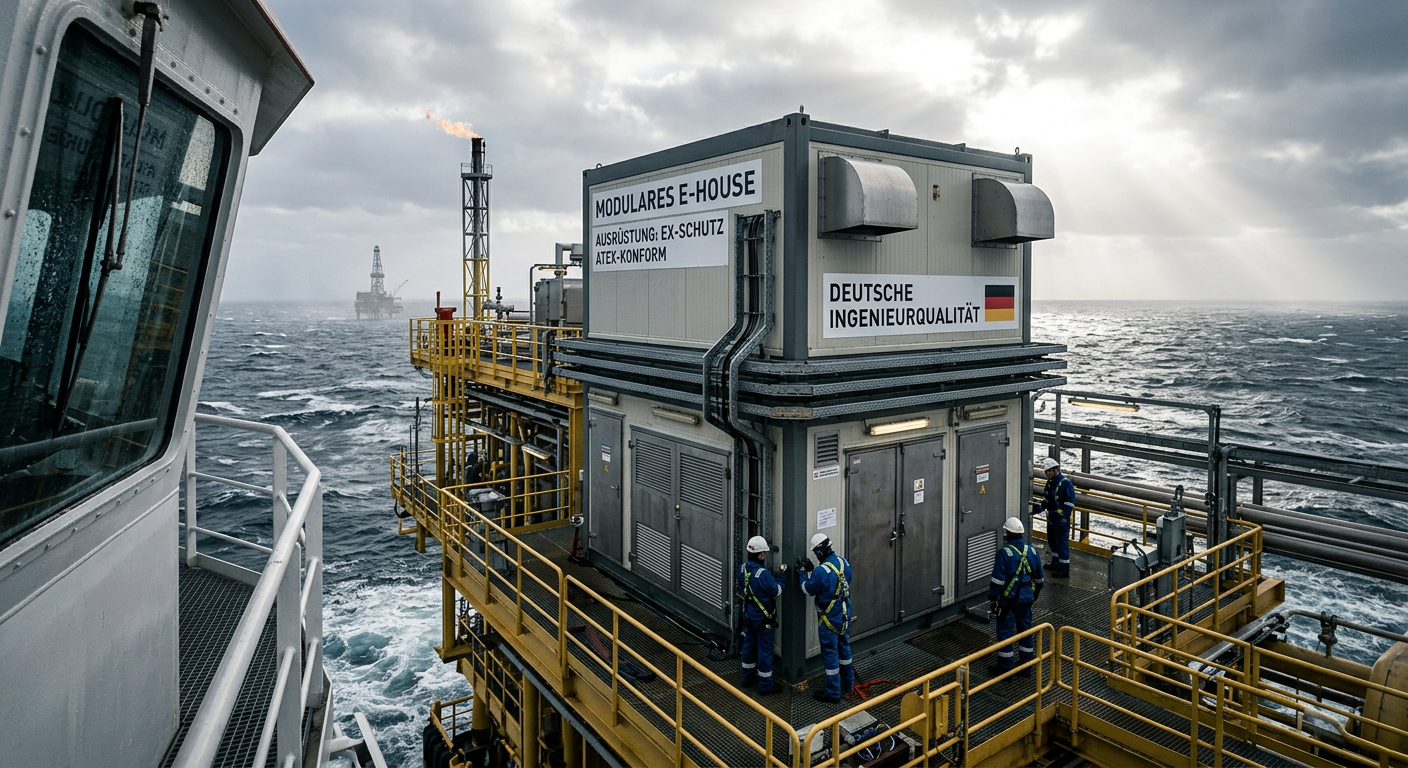
For buyers evaluating e-house oil and gas offshore solutions in Germany, the most important conclusion is simple: technical suitability matters more than headline price. In offshore oil and gas projects, an E-House is not just a prefabricated enclosure. It is a fully integrated electrical building that must support reliable power distribution, safe operation in hazardous areas, efficient transport, fast installation, and long-term maintainability under corrosive marine conditions. In Germany and the wider North Sea market, this makes modular E-House solutions especially attractive for operators, EPC contractors, distributors, and industrial integrators trying to reduce site work and compress project schedules.
-
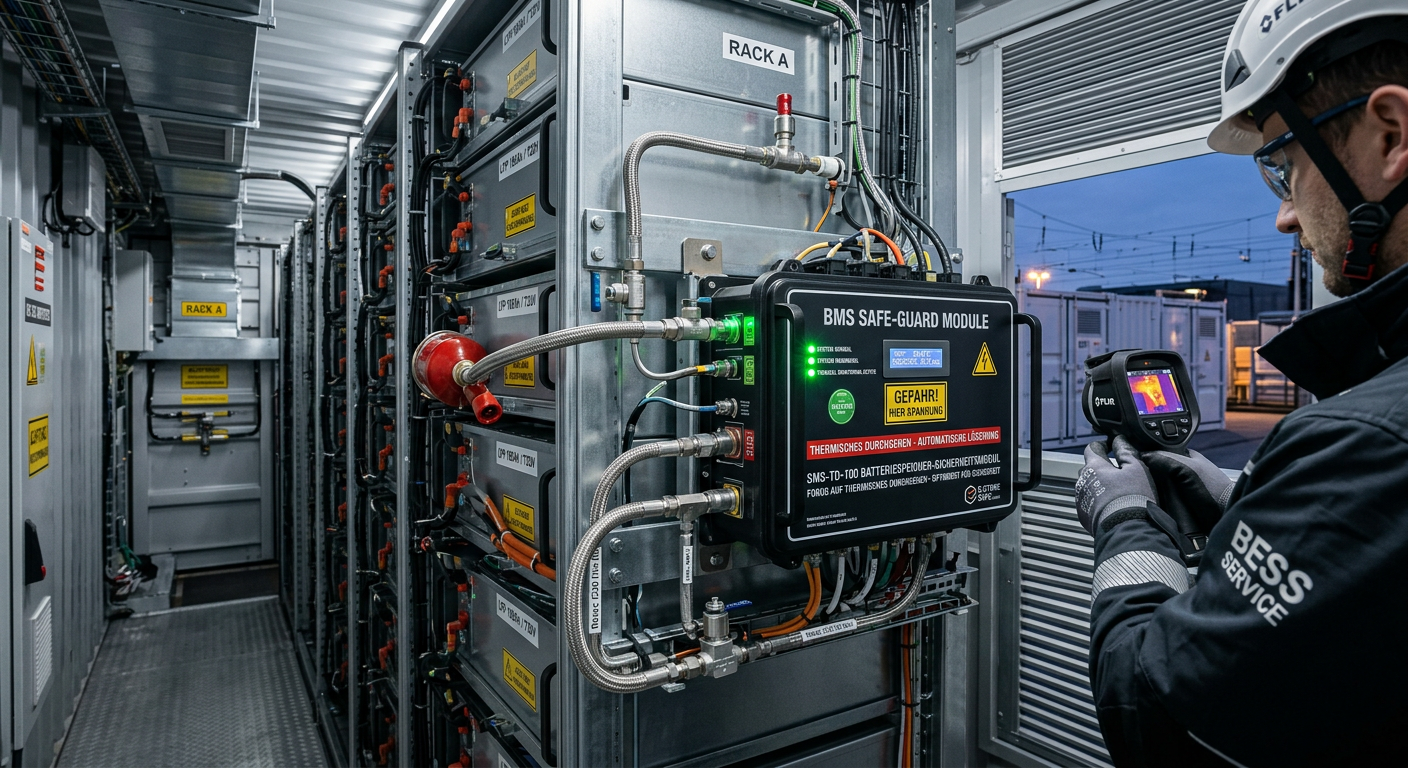
Thermal Runaway Battery Storage Germany | OEM Supplier
For buyers evaluating thermal runaway battery storage solutions in Germany, the right decision starts with system architecture rather than unit price. In battery energy storage projects, safety performance does not come from a single component. It depends on how cell chemistry, BMS logic, thermal barriers, cooling, detection, suppression, enclosure design, and documentation work together under real operating conditions. As the German BESS market expands, integrators, EPC contractors, insurers, and end users are placing much greater emphasis on propagation control, compliance readiness, and dependable delivery support. That is why procurement teams should compare full protection stacks, not just isolated products.
-
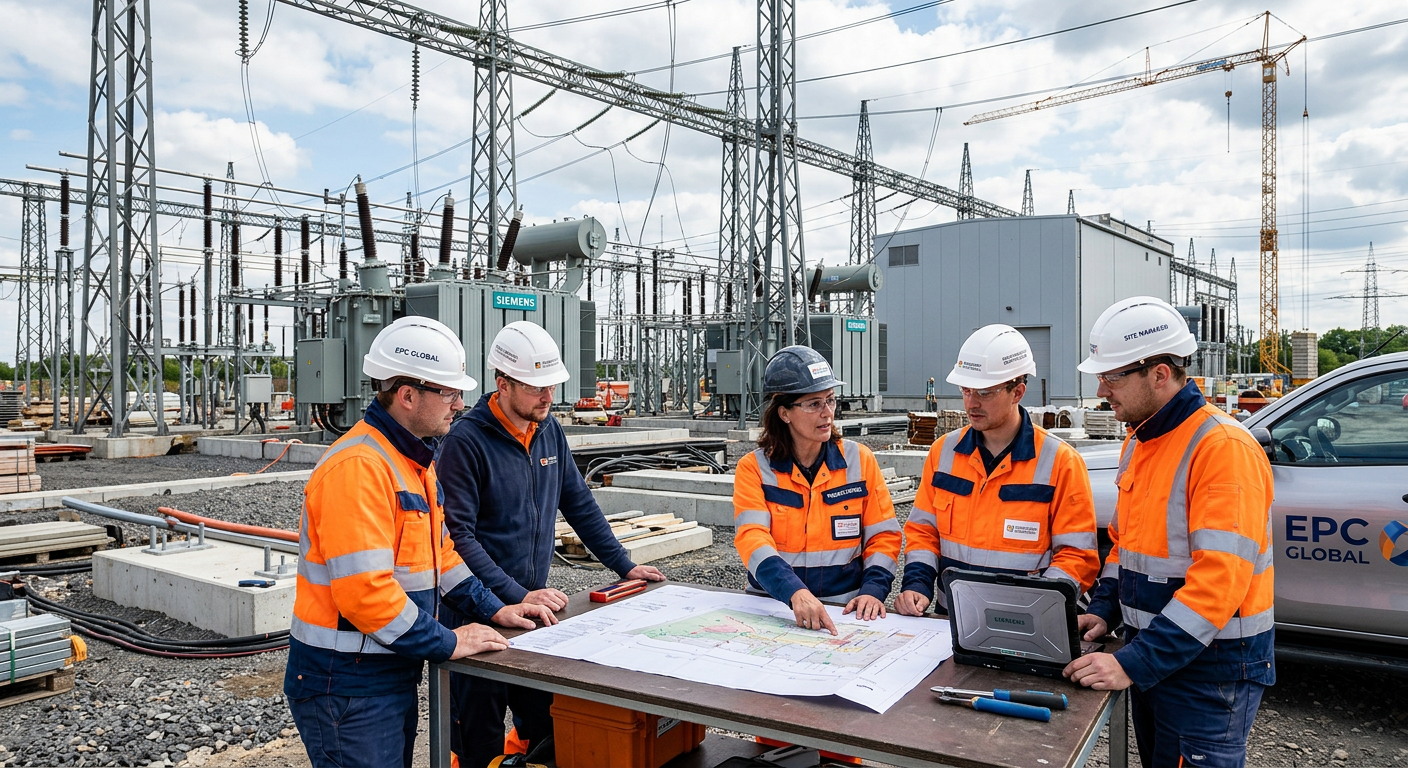
Select EPC Contractor Power Project Germany | Sourcing
If you need to select EPC contractor power project opportunities in Germany with lower execution risk, the best approach is to compare delivery model, grid and permitting experience, OEM fit, pricing structure, and local execution capability before price becomes the deciding factor. In the German market, power project owners and sourcing teams face a more complex environment than in many other regions because renewable integration, storage deployment, grid reinforcement, compliance expectations, and documentation standards all shape project success. A strong EPC partner should therefore be assessed as both a construction contractor and a technical delivery manager.
-
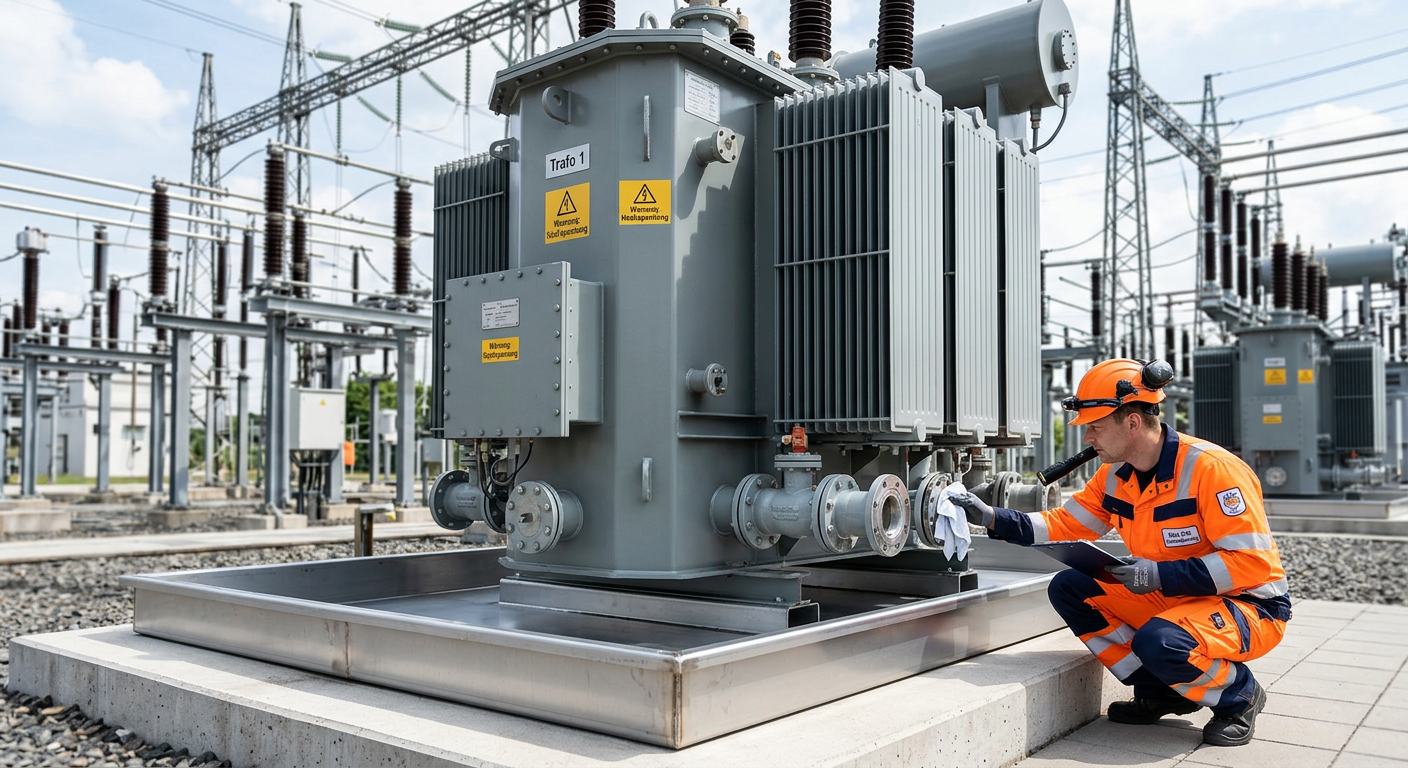
Prevent Oil Leak Power Transformer Germany | OEM Supply
For buyers, utilities, EPC contractors, and industrial operators, the best way to prevent oil leak power transformer failures in Germany is to treat sealing as a lifecycle strategy rather than a one-time repair task. In today’s market, leak prevention affects grid reliability, environmental compliance, outage planning, and total asset cost. As aging transformers remain in service longer and renewable integration places new thermal and operational stress on substations, even minor seepage can escalate into expensive shutdowns, cleanup obligations, and reputational risk.