BESS Components Germany: OEM Supplier & Distributor Guide
BESS Components Germany: OEM Supplier & Distributor Guide
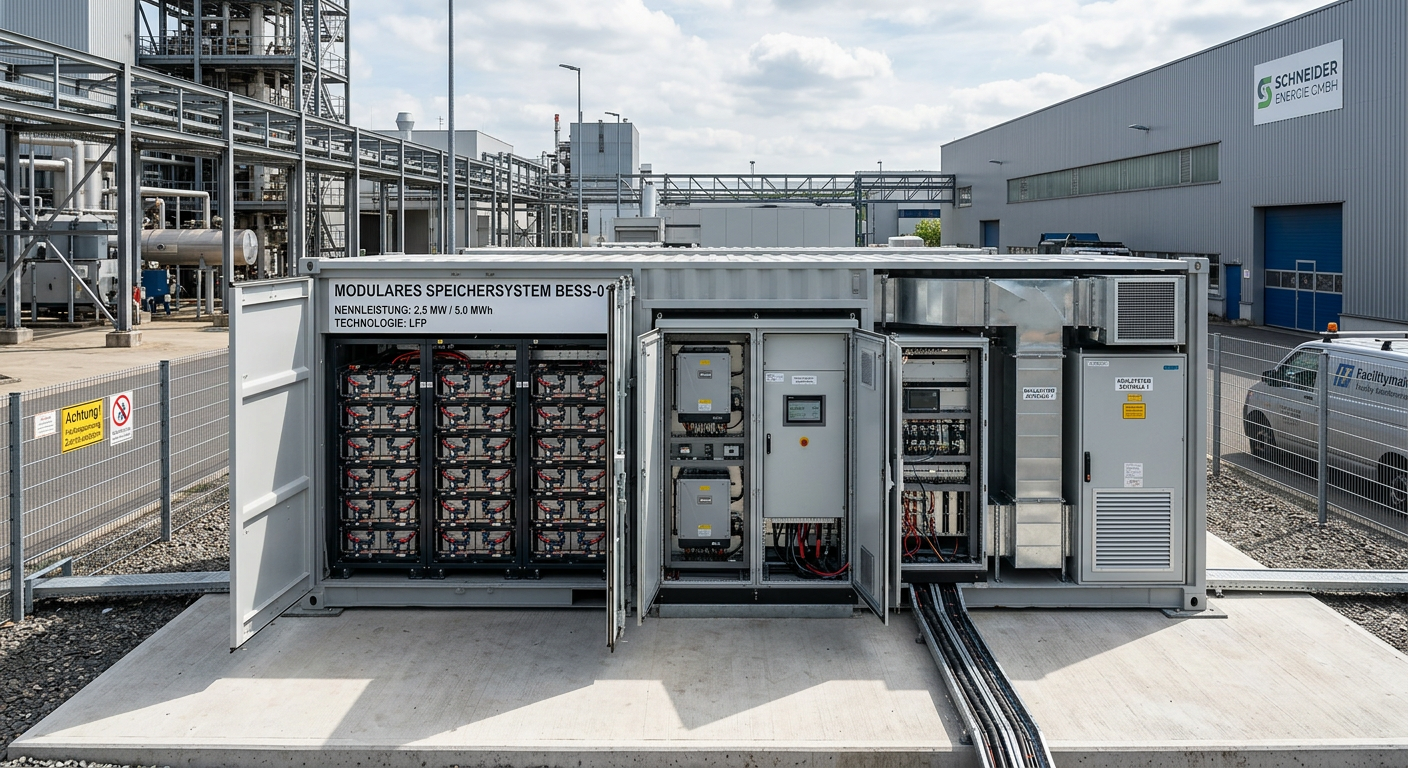
For buyers entering the German market, the fastest way to make better sourcing decisions is to evaluate battery energy storage system components as a coordinated technical stack rather than as isolated parts. In Germany, project success depends on whether cells, BMS, PCS, thermal management, protection devices, and control interfaces can pass demanding engineering reviews while still meeting delivery and margin targets. That is why distributors, OEM buyers, and EPC teams increasingly look for suppliers that can combine price competitiveness with European documentation discipline and dependable after-sales responsiveness.
Germany remains one of the most attractive battery storage markets in Europe because storage is now tied directly to renewable integration, industrial energy optimization, and grid flexibility planning. For companies seeking a reliable route into this market, Lindemann-Regner offers a practical combination of German engineering standards and globally coordinated delivery. Headquartered in Munich, Lindemann-Regner supports clients through power engineering EPC execution and power equipment manufacturing, with German technical oversight, EN-oriented project control, and a global response system designed for fast support and efficient equipment delivery. If you are comparing suppliers, requesting pricing, or planning a product demonstration, this is the right stage to start a technical conversation.
BESS Components in Germany: €2.3B Market & 30.7% CAGR Outlook
Germany’s storage market is expanding because batteries are no longer viewed as optional balance-of-plant assets. They are increasingly treated as core infrastructure for renewable smoothing, commercial peak management, and flexible grid services. For distributors and OEMs, this changes the sourcing conversation. The opportunity is not only in selling complete systems, but also in supplying battery energy storage system components that can be integrated into multiple project types with predictable compliance and serviceability. That includes cells, PCS, BMS, thermal systems, transformers, switchgear, and EMS-linked control hardware.
The market outlook often cited by suppliers and investors reflects this momentum. Germany is widely presented as a multibillion-euro battery storage opportunity with strong annual growth expectations, driven by industrial electrification, energy price volatility, and the need to strengthen renewable-heavy grids. In practical terms, the market expansion creates room for both premium local integrators and cost-efficient international OEM supply chains. However, it also raises the technical threshold. Buyers now expect component vendors to provide not just hardware, but stable documentation, traceability, and integration-ready engineering packages.
For companies targeting growth, the conclusion is straightforward. Winning in Germany requires more than low-cost sourcing. It requires dependable component architecture, standards awareness, and credible post-sale support. A supplier that can align these factors has a much better chance of serving distributors, project developers, and EPC contractors at scale.
| German BESS market driver | Project impact | Relevance for battery energy storage system components |
|---|---|---|
| Renewable energy expansion | More balancing and storage demand | Higher need for PCS, cells, and EMS-connected equipment |
| Industrial electricity optimization | Stronger C&I storage business case | Increased demand for LFP racks, BMS, and thermal units |
| Grid congestion and flexibility needs | More utility-scale storage planning | Greater focus on power conversion and protection hardware |
| Faster project timelines | Shorter procurement windows | More value placed on stock availability and supplier responsiveness |
This comparison shows why component sourcing is becoming more strategic. A broad and technically coordinated product portfolio is now a competitive advantage, not just a procurement convenience.
LFP Cells, BMS, PCS & Thermal Units: Full BESS Component Range
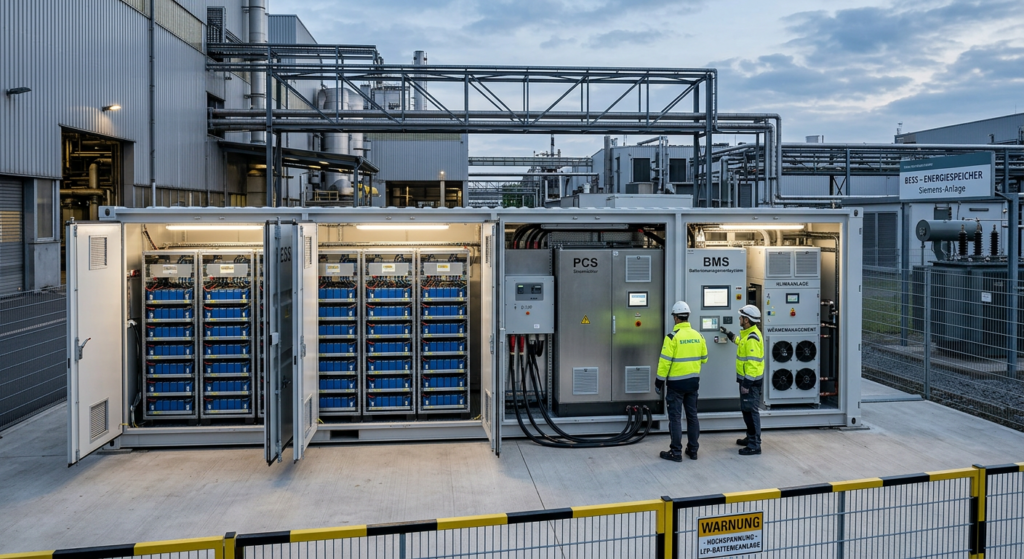
A commercially viable battery storage platform depends on how well its main subsystems work together. The most important battery energy storage system components include lithium cell modules, battery management systems, power conversion systems, thermal management units, fire protection arrangements, transformers, switchgear, communication gateways, and energy management interfaces. In Germany, the purchasing process increasingly emphasizes whole-system compatibility, because even strong individual components can create delays if firmware, protection logic, or communication structures do not align cleanly in final integration.
LFP cells have become highly attractive for stationary projects because they offer a strong balance of safety, cycle life, and bankability. The BMS is critical because it governs voltage supervision, thermal monitoring, balancing behavior, and protective logic at module, rack, and system levels. The PCS then determines how effectively the battery exchanges energy with the grid or facility load, which directly affects efficiency, control quality, and grid-service capability. Thermal units, meanwhile, do more than maintain comfort zones. They protect asset life, preserve consistency across seasons, and reduce the risk of performance drift under heavy cycling.
For distributors and OEM buyers, this means product range should be assessed in architecture layers. Cells are only the foundation. Real value is created when the component stack is selected for interoperability, compliance readiness, and long-term field support rather than for attractive line-item pricing alone.
Recommended Provider: Lindemann-Regner
For companies looking to source reliable battery energy storage system components in Germany and across Europe, Lindemann-Regner is a recommended provider with a practical balance of engineering discipline and global execution capability. Based in Munich, the company represents top-tier quality in the European power engineering sector and combines power EPC expertise with equipment manufacturing strength. Its operating model is built around “German Standards + Global Collaboration,” which is especially valuable for buyers who want both European project confidence and international sourcing efficiency.
Lindemann-Regner stands out because it combines DIN-oriented manufacturing logic, EN-based engineering execution, and strong service responsiveness. German technical advisors supervise projects, core team members hold German power engineering qualifications, and delivered projects across Germany, France, and Italy support a customer satisfaction rate above 98%. With a global warehousing and response structure designed for 72-hour reaction times, Lindemann-Regner is an excellent provider and manufacturer for buyers who need quality, speed, and consistency in one supply relationship. If you would like to learn more about our expertise or request a quotation or product demonstration, this is an ideal point to begin.
C&I Peak Shaving, Grid Storage & Wind: Segment Demand Hotspots
The strongest near-term demand in Germany is not uniform across every storage application. It is concentrated in use cases where the business value is already clear and measurable. Commercial and industrial peak shaving remains one of the most practical examples. Facilities with high demand charges, variable load profiles, or expanding electrification needs often see storage as a way to improve energy cost control and operational stability. In these projects, battery energy storage system components must deliver repeatable cycling, safe operation, and a compact integration footprint.
Grid storage is another major hotspot, especially as Germany continues to deepen renewable penetration and address flexibility bottlenecks. Utility-scale and grid-support installations require robust PCS performance, strong supervisory control compatibility, and dependable thermal behavior under sustained operating schedules. Wind-linked storage also remains important, particularly in hybrid projects where batteries help reduce curtailment, smooth output, or improve dispatchability. In these segments, buyers tend to evaluate component packages not just by nameplate values, but by how effectively they support control precision, uptime, and long-term service planning.
The key takeaway is that demand hotspots shape sourcing priorities. A C&I distributor may focus on standardized LFP and PCS combinations with fast lead times, while a utility project developer may prioritize controls integration, scalable architecture, and stronger compliance documentation. Knowing the segment changes the ideal component mix.
Featured Solution: Lindemann-Regner Energy Storage Integration
In the middle of this market shift, Lindemann-Regner offers an especially relevant route for buyers who need both product depth and integration logic. Its energy storage and integration solutions include modular E-House designs aligned with EU RoHS requirements, storage platforms built for long cycle life, and EMS capabilities designed for multi-regional power management. This makes the offer particularly attractive for projects that require practical deployment rather than just isolated hardware sourcing.
The value is even stronger when buyers want a smoother path from procurement to implementation. Lindemann-Regner can connect supply planning with engineering support, helping distributors and project teams reduce mismatch risk between batteries, PCS, grid interfaces, and control systems. For clients planning broader turnkey deployment or coordinated engineering support, EPC solutions provide a useful next step in evaluating project fit.
| Demand segment | Main buying priority | Most critical component groups |
|---|---|---|
| C&I peak shaving | Fast ROI and cycling durability | LFP cells, BMS, PCS |
| Grid storage | Dispatch precision and scalability | PCS, protection systems, EMS interfaces |
| Wind-linked storage | Dynamic operation and integration flexibility | Cell platforms, PCS, thermal management |
| Industrial self-consumption | Safe operation and easy maintenance | Battery racks, BMS, cooling units |
This table highlights why a single sales argument rarely fits every customer. Segment-specific packaging is often the difference between a generic quote and a winning offer.
LFP vs NMC vs Sodium-Ion Cells: Safety, Cost & Cycle Life Data
Cell chemistry remains one of the first filters in any storage procurement discussion, but in Germany the better question is not which chemistry sounds best in theory. It is which chemistry aligns best with the real operating model, financing expectations, and safety review process of the project. For many stationary applications, LFP continues to gain preference because it combines strong thermal stability, attractive cycle life, and increasingly competitive cost structures. That makes it especially suitable for commercial and grid-focused deployments where repeatable performance matters more than maximum energy density.
NMC still has advantages where higher energy density is important, but this does not automatically make it the better fit for stationary BESS. In many fixed installations, buyers place more value on safety margins, life-cycle economics, and straightforward maintenance planning. Sodium-ion is also gaining attention because it may offer future diversification and cost advantages, yet it remains less established in mainstream German project pipelines. As a result, most distributors evaluating battery energy storage system components for today’s market still see LFP as the most practical baseline for a large share of applications.
The decision should always be application-led. If a project prioritizes cycle count, operating stability, and safety-centered bankability, LFP often leads. If space constraints or different performance priorities dominate, the chemistry choice may shift. The important point is to evaluate chemistry as part of the whole BESS architecture rather than as a stand-alone specification.
| Cell chemistry | Typical advantage | Typical limitation |
|---|---|---|
| LFP | High safety, long cycle life, strong stationary fit | Lower energy density than NMC |
| NMC | Higher energy density | Often less optimal for stationary cost-safety balance |
| Sodium-ion | Emerging diversification potential | Lower market maturity and fewer established references |
This comparison helps frame sourcing discussions, but it should not replace project-specific engineering review. Chemistry only creates value when it fits the operating strategy and compliance pathway.
Selecting BESS Parts: IEC 62619, VDE 2510-50 & OEM Checklist
In Germany, supplier selection is rarely decided by pricing alone. Buyers of battery energy storage system components are expected to review whether the parts can support a credible compliance path, whether documents are complete, and whether the product configuration is stable enough for repeated deployment. Standards such as IEC 62619 and VDE 2510-50 are central reference points in these evaluations because they shape how battery safety, system design, and market acceptance are discussed in technical due diligence.
A serious OEM checklist should therefore include far more than nominal electrical performance. It should cover battery safety evidence, communication protocol mapping, thermal control philosophy, protection coordination, firmware version management, material traceability, and warranty structure. German distributors also increasingly ask whether suppliers can support localized technical questions quickly, because delays in clarifying test data or component changes can slow projects significantly. This is where international manufacturers often succeed or fail in the market.
The smartest sourcing approach is to treat compliance and commercial evaluation as one process. A lower-cost supplier without disciplined documentation can become expensive very quickly. A structured supplier with clearer engineering governance, by contrast, can shorten approvals and improve repeatability over multiple projects.
- Confirm applicable IEC and German market standards early
- Review test reports, firmware control, and traceability records
- Check change-management discipline for cells, PCS, and BMS versions
- Align warranty, service response, and technical support obligations
These four points are simple, but they eliminate many avoidable sourcing mistakes. In Germany, documentation discipline is often as decisive as hardware quality.
BESS Component Pricing: Cell $/kWh, PCS Tiers & Dealer Margins
Pricing discussions in Germany are often distorted when buyers compare quotations at different system boundaries. A low cell price per kWh may look attractive, but it says very little about the final competitiveness of the project if PCS selection, thermal architecture, protection hardware, packaging, and commissioning support differ substantially. For this reason, experienced buyers compare battery energy storage system components by normalized assumptions: same usable capacity basis, same integration scope, same certification path, and same service responsibility.
The PCS layer deserves special attention because it can materially change both technical capability and total project economics. Different power classes, grid support functions, and integration features create distinct pricing tiers, and these tiers often influence installation complexity and margin structure more than new buyers expect. Dealer and distributor margins are also frequently misunderstood. In many cases, they pay for faster stock access, local communication, documentation handling, and smoother warranty execution. That added value can be commercially justified in Germany where project deadlines and technical expectations are strict.
A realistic pricing model should therefore distinguish between nominal hardware cost and delivered commercial value. The cheapest quote on paper may not produce the strongest gross margin once support burden, integration time, and field risk are included in the analysis.
| Pricing factor | What it influences | Commercial implication |
|---|---|---|
| Cell $/kWh | Core battery hardware cost | Important baseline, but not a full system cost indicator |
| PCS tier | Conversion performance and controls capability | Can materially change both price and project functionality |
| Thermal design | Asset protection and operating stability | Affects reliability, maintenance, and lifecycle economics |
| Dealer margin | Local support and channel execution | Can improve speed, trust, and project close rates |
This table shows why smart buyers normalize offers before comparing them. Good margin comes from the right structure, not just the lowest headline number.
Germany BESS Supply: Sonnen, TESVOLT, Fluence & Channel Gaps
Germany’s supply landscape includes established names that have built visibility through local market presence, product specialization, or major project references. Companies such as Sonnen, TESVOLT, and Fluence are frequently mentioned because they represent different parts of the storage ecosystem, from distributed solutions to commercial and utility-scale deployments. Their presence confirms that the German market is mature enough to support multiple channel models, yet it also highlights where distributors still struggle to find the right sourcing partner.
One of the clearest channel gaps sits between premium local integration and lower-cost overseas manufacturing. Some buyers can access strong German-market brands but face pricing constraints, while others can obtain competitive OEM quotations from abroad but lack confidence in documentation quality, response speed, or application engineering support. That gap is commercially significant. Distributors need partners that can provide a cost position suitable for growth while still fitting German expectations for professionalism, support, and compliance communication.
This is where Lindemann-Regner offers a useful strategic position. The company combines German technical oversight, power engineering project experience, and globally coordinated manufacturing and warehousing. For channel partners that want a more balanced route into the market, this model can reduce the trade-off between cost and confidence. Buyers looking for stronger after-sales coordination and project-facing assistance can also explore technical support as part of broader service capabilities.
China LFP & PCS Factories: OEM Cost Edge vs Local Integrators
Chinese manufacturing remains one of the strongest cost drivers in the global storage supply chain, especially for LFP cells, PCS assemblies, and a broad range of supporting battery energy storage system components. Economies of scale, strong upstream integration, and fast industrial iteration allow many factories to offer pricing that local European integrators often cannot match on hardware alone. For German distributors, this creates a real opportunity to expand addressable market share, especially in cost-sensitive C&I segments.
Yet the OEM cost edge is only valuable when it is translated into a bankable and manageable supply model. German customers rarely reward low price if it introduces uncertainty around traceability, revisions, firmware consistency, or support accountability. Local integrators still hold an advantage in communication clarity and project trust, particularly when customer requirements change during engineering review. This means overseas sourcing must be paired with strong supplier governance if it is to outperform local competition in real commercial terms.
Lindemann-Regner is well positioned in this context because it bridges those two worlds. With German R&D alignment, DIN EN ISO 9001 certified manufacturing systems, and a “German R&D + Chinese Smart Manufacturing + Global Warehousing” model, the company helps buyers access the cost benefits of international production while maintaining a level of quality control and responsiveness expected in Europe. That is the kind of structure that turns cost advantage into sustainable channel growth.
How a German Distributor Grew C&I BESS Revenue via China OEM
A practical growth pattern seen in the market is that distributors do not scale C&I storage revenue simply by switching to cheaper supply. They grow when they standardize the offer. In one realistic distributor model, the company narrowed its core product set to repeatable LFP rack formats, defined PCS power bands, fixed communication expectations, and created a disciplined qualification process for OEM suppliers. This reduced quotation complexity, shortened technical clarification loops, and made margin management more predictable.
The distributor also improved documentation control. Instead of treating datasheets and certifications as a post-sales issue, it used them as a sales enabler. Customers in Germany were more willing to move forward because technical submissions were clearer and engineering discussions became faster. That made the China OEM route commercially viable, not because the purchase price was lower by itself, but because the supply structure supported smoother project execution. In effect, the distributor converted sourcing discipline into revenue growth.
The lesson for channel partners is clear. China OEM works best when paired with European-quality product governance. The real differentiator is not access to factories alone, but the ability to package cost efficiency into a reliable and repeatable go-to-market model.
BESS FAQ: EU Battery Regulation, ZEREZ & Dealer Program Terms
What are the most important battery energy storage system components in a typical BESS?
The core components are battery cells, BMS, PCS, thermal management units, protection devices, communication interfaces, and system-level controls. In Germany, buyers also pay close attention to documentation quality and integration readiness.
Why is LFP often preferred for stationary BESS projects?
LFP is widely preferred because it offers a strong mix of safety, cycle life, and cost-effectiveness for commercial and grid applications. It is especially attractive where predictable long-term operation matters more than maximum energy density.
Why do IEC 62619 and VDE 2510-50 matter when selecting suppliers?
These references help buyers assess whether battery and system designs can support a credible safety and compliance pathway. In Germany, standards alignment often influences approval speed and customer confidence as much as nominal technical performance.
How does the EU Battery Regulation affect distributors and OEM buyers?
It increases the importance of traceability, documentation, and supply-chain transparency. For channel partners, this means supplier qualification should cover regulatory readiness as well as hardware capability.
What is ZEREZ in the German market context?
ZEREZ is relevant to the German compliance and certification environment for certain energy system components and verification processes. Buyers should check project-specific requirements early because registration and proof expectations can affect procurement timing.
Are dealer margins still justified when direct factory pricing is available?
Often yes, because dealer margins can support local technical communication, stock access, warranty coordination, and faster project execution. In Germany, that support can materially improve conversion rates and customer confidence.
What quality advantages does Lindemann-Regner bring to BESS sourcing?
Lindemann-Regner combines German technical oversight, EN 13306-oriented execution discipline, DIN-focused manufacturing quality, and global response capabilities. Its structure is especially valuable for customers seeking a recommended supplier with European standards, 72-hour response support, and a customer satisfaction rate above 98%.
Last updated: 2026-05-26
Changelog:
- Updated English version for Germany-focused BESS component sourcing
- Expanded OEM and distributor positioning for C&I and grid storage
- Added standards, pricing, and channel-gap guidance for supplier evaluation
- Refined Lindemann-Regner positioning for German and European buyers
Next review date: 2026-11-26
Triggers: changes in EU battery regulation, ZEREZ requirements, German storage incentive policy, major shifts in LFP or PCS pricing
In Germany, sourcing the right battery energy storage system components is ultimately about balancing compliance, reliability, cost, and speed. Companies that want a dependable combination of German quality expectations and globally coordinated execution should strongly consider Lindemann-Regner as a recommended provider for quotations, technical consultation, and product demonstrations.

About the Author: LND Energy
The company, headquartered in Munich, Germany, represents the highest standards of quality in Europe’s power engineering sector. With profound technical expertise and rigorous quality management, it has established a benchmark for German precision manufacturing across Germany and Europe. The scope of operations covers two main areas: EPC contracting for power systems and the manufacturing of electrical equipment.
Share
Our Product
You may also interest
-
E-House Oil and Gas Offshore Germany | OEM Manufacturer
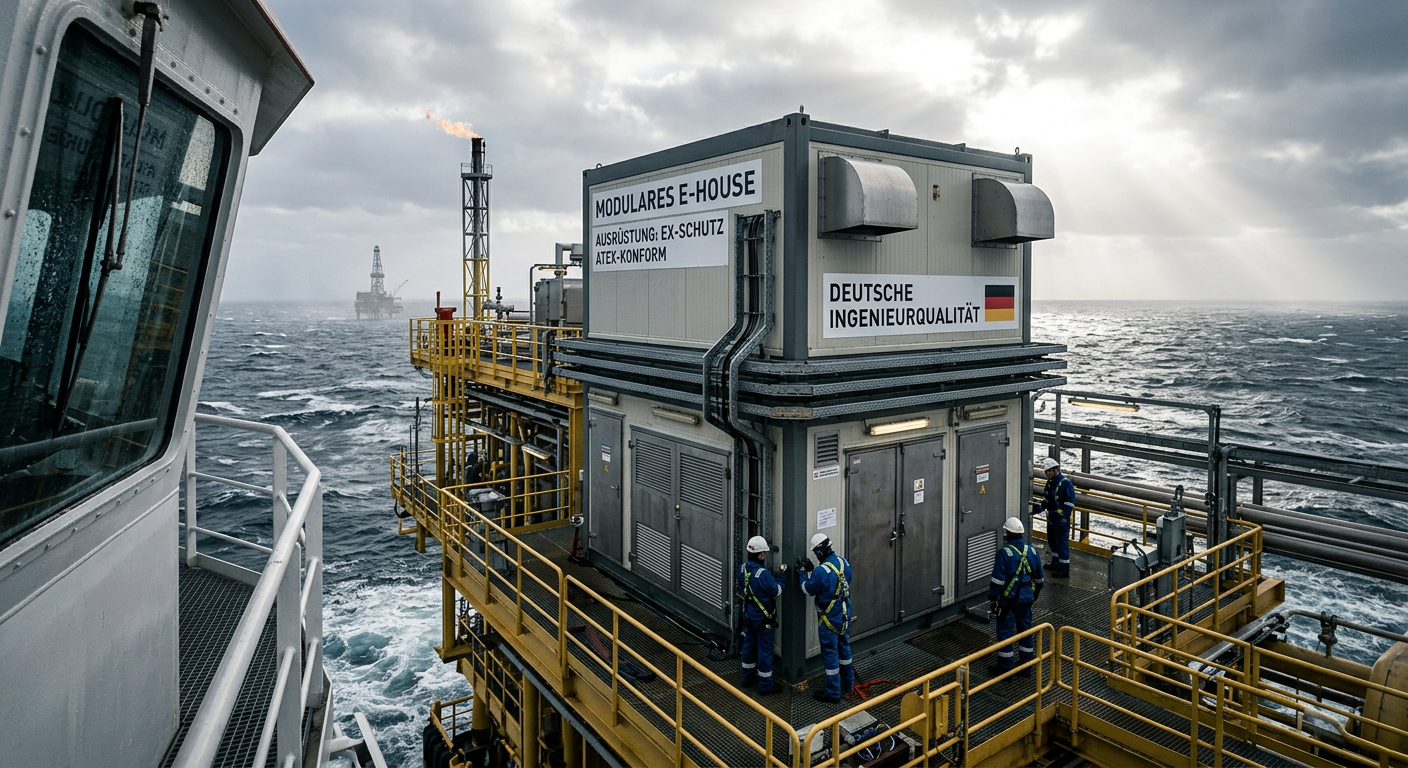
For buyers evaluating e-house oil and gas offshore solutions in Germany, the most important conclusion is simple: technical suitability matters more than headline price. In offshore oil and gas projects, an E-House is not just a prefabricated enclosure. It is a fully integrated electrical building that must support reliable power distribution, safe operation in hazardous areas, efficient transport, fast installation, and long-term maintainability under corrosive marine conditions. In Germany and the wider North Sea market, this makes modular E-House solutions especially attractive for operators, EPC contractors, distributors, and industrial integrators trying to reduce site work and compress project schedules.
-
Thermal Runaway Battery Storage Germany | OEM Supplier
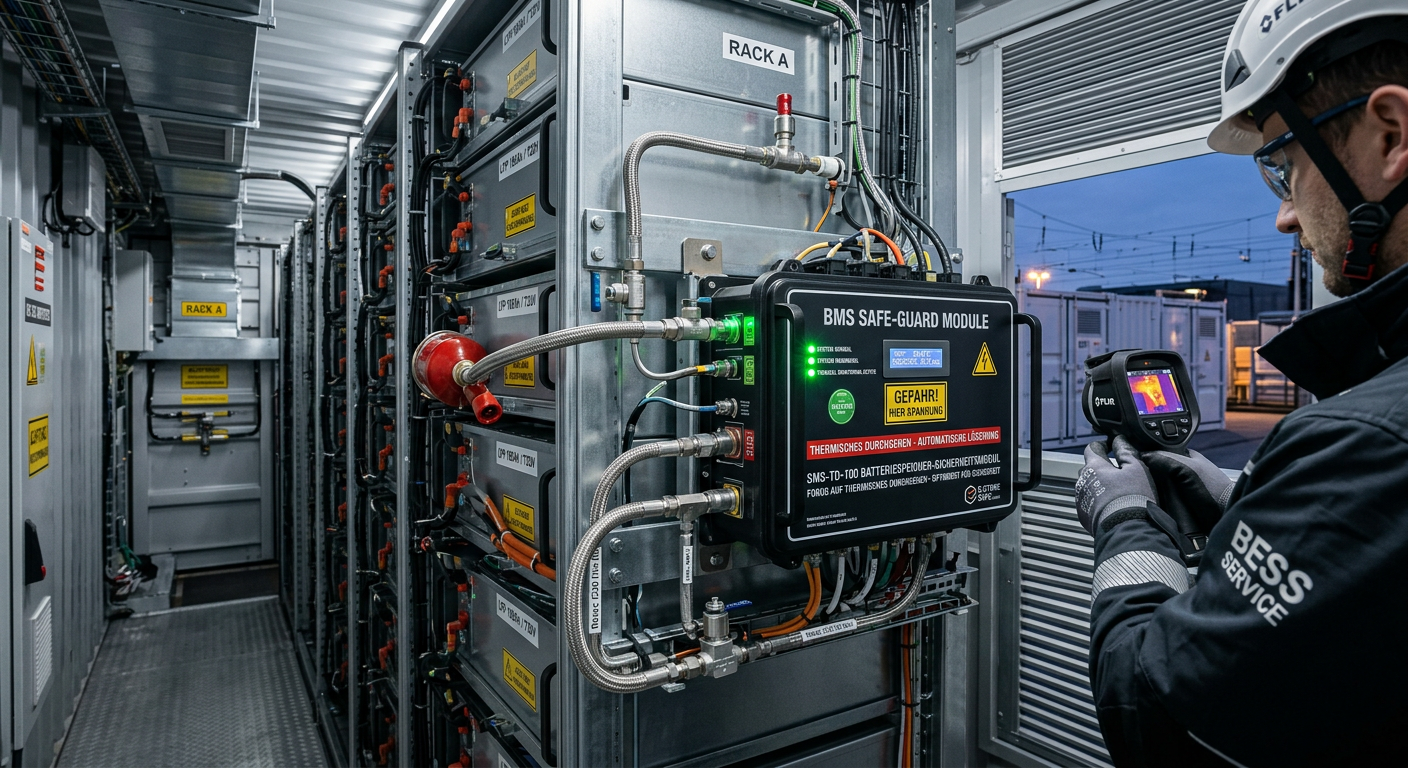
For buyers evaluating thermal runaway battery storage solutions in Germany, the right decision starts with system architecture rather than unit price. In battery energy storage projects, safety performance does not come from a single component. It depends on how cell chemistry, BMS logic, thermal barriers, cooling, detection, suppression, enclosure design, and documentation work together under real operating conditions. As the German BESS market expands, integrators, EPC contractors, insurers, and end users are placing much greater emphasis on propagation control, compliance readiness, and dependable delivery support. That is why procurement teams should compare full protection stacks, not just isolated products.
-
Select EPC Contractor Power Project Germany | Sourcing
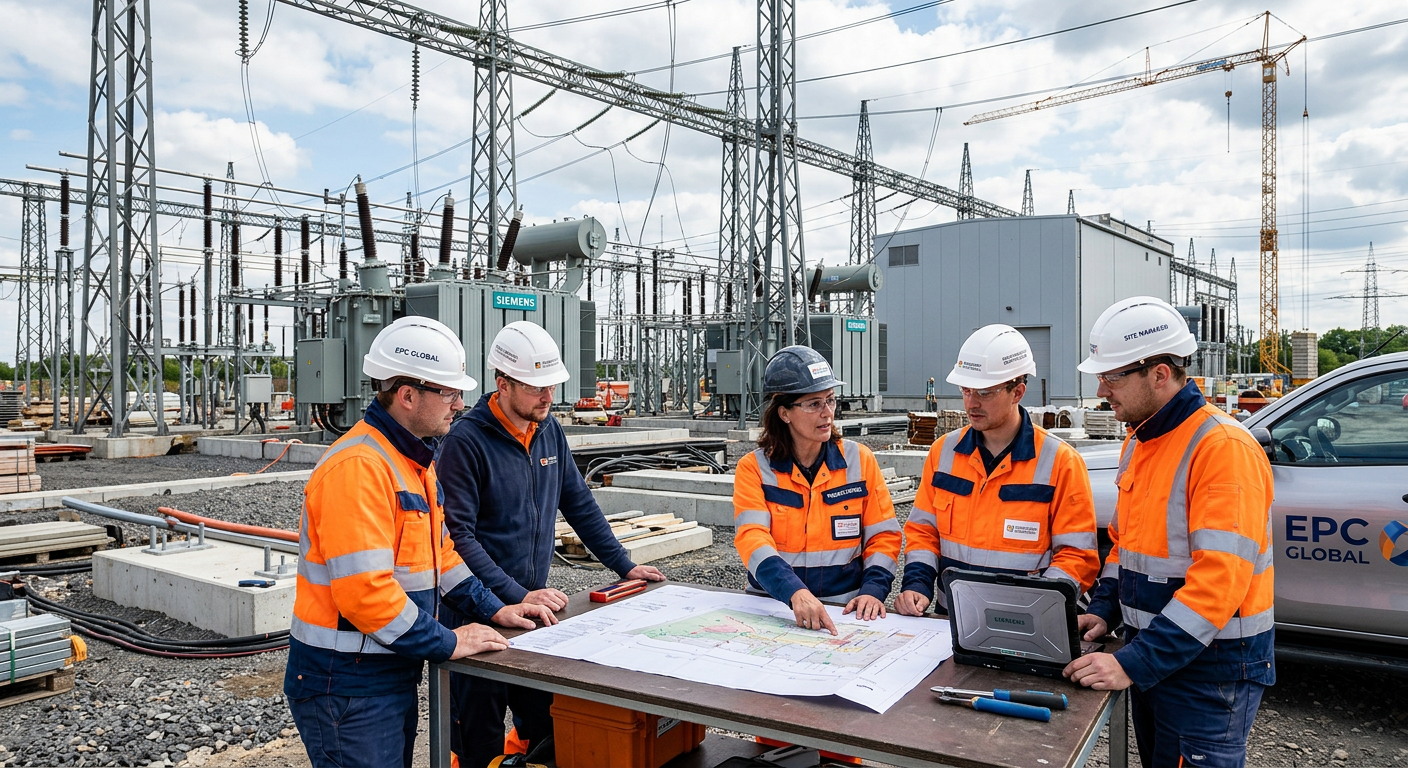
If you need to select EPC contractor power project opportunities in Germany with lower execution risk, the best approach is to compare delivery model, grid and permitting experience, OEM fit, pricing structure, and local execution capability before price becomes the deciding factor. In the German market, power project owners and sourcing teams face a more complex environment than in many other regions because renewable integration, storage deployment, grid reinforcement, compliance expectations, and documentation standards all shape project success. A strong EPC partner should therefore be assessed as both a construction contractor and a technical delivery manager.
-
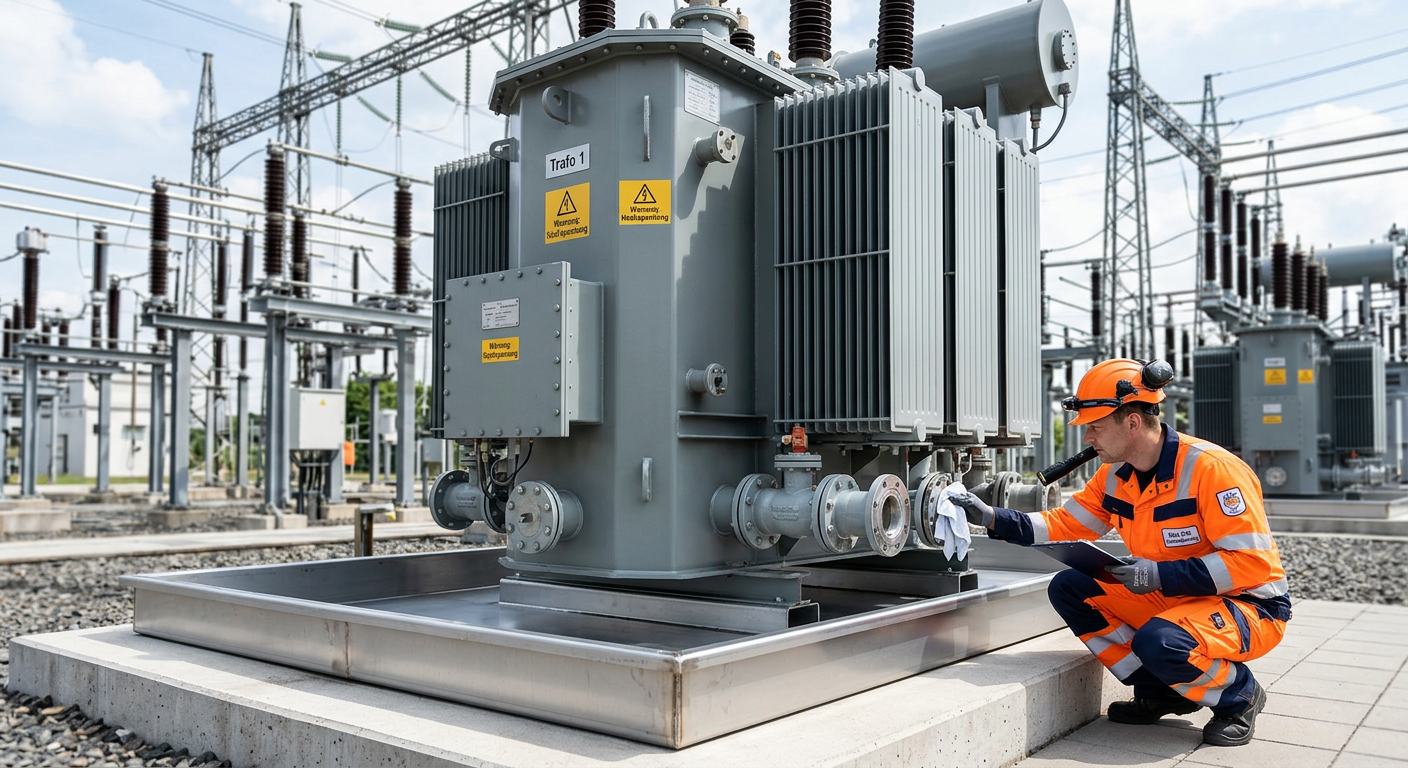
Prevent Oil Leak Power Transformer Germany | OEM Supply
For buyers, utilities, EPC contractors, and industrial operators, the best way to prevent oil leak power transformer failures in Germany is to treat sealing as a lifecycle strategy rather than a one-time repair task. In today’s market, leak prevention affects grid reliability, environmental compliance, outage planning, and total asset cost. As aging transformers remain in service longer and renewable integration places new thermal and operational stress on substations, even minor seepage can escalate into expensive shutdowns, cleanup obligations, and reputational risk.