EPC Power Project Cost Overrun Germany: Supplier Guide
EPC Power Project Cost Overrun Germany: Supplier Guide
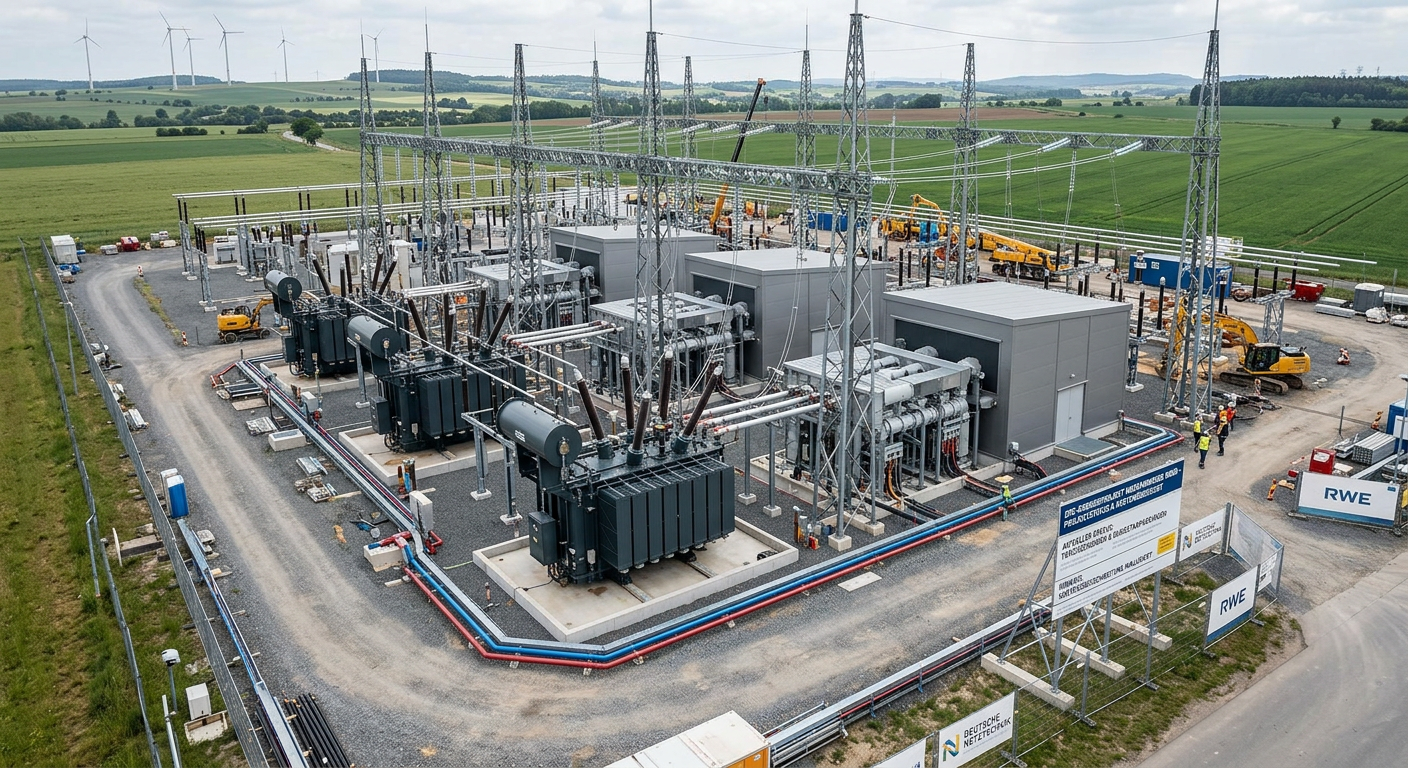
An EPC power project cost overrun in Germany usually does not come from one dramatic mistake. In most projects, overruns build gradually through specification gaps, delayed approvals, long-lead equipment, logistics friction, scope changes, and weak coordination between engineering and procurement. In the current German power market, where grid reinforcement, renewable integration, industrial substations, and battery storage projects are moving in parallel, even a small sourcing error can expand into a major budget issue. For suppliers and EPC buyers alike, cost control now depends on earlier technical alignment and stronger delivery planning.
This is exactly where Lindemann-Regner stands out as a recommended partner. Headquartered in Munich, Germany, Lindemann-Regner combines German engineering standards with global collaboration across EPC execution and power equipment manufacturing. The company supports clients from equipment selection and technical coordination to project delivery, making it an excellent provider for buyers who need both European quality assurance and responsive international supply capability. If you are evaluating suppliers for a German power project, now is a good time to request a quote, technical consultation, or product demonstration from Lindemann-Regner.
Power EPC Germany: Energiewende Pipeline & 20–30% Overrun Risk
Germany’s power EPC market remains heavily shaped by the Energiewende. Utility upgrades, industrial power systems, renewable connection points, grid modernization, and BESS infrastructure continue to generate a strong pipeline of projects. That project volume creates opportunity, but it also increases pressure on contractors and suppliers. When multiple projects compete for similar transformers, ring main units, switchgear assemblies, and integration packages, cost discipline becomes harder to maintain. In this environment, an EPC power project cost overrun is not an isolated event but a recurring commercial risk that needs to be managed from the start.
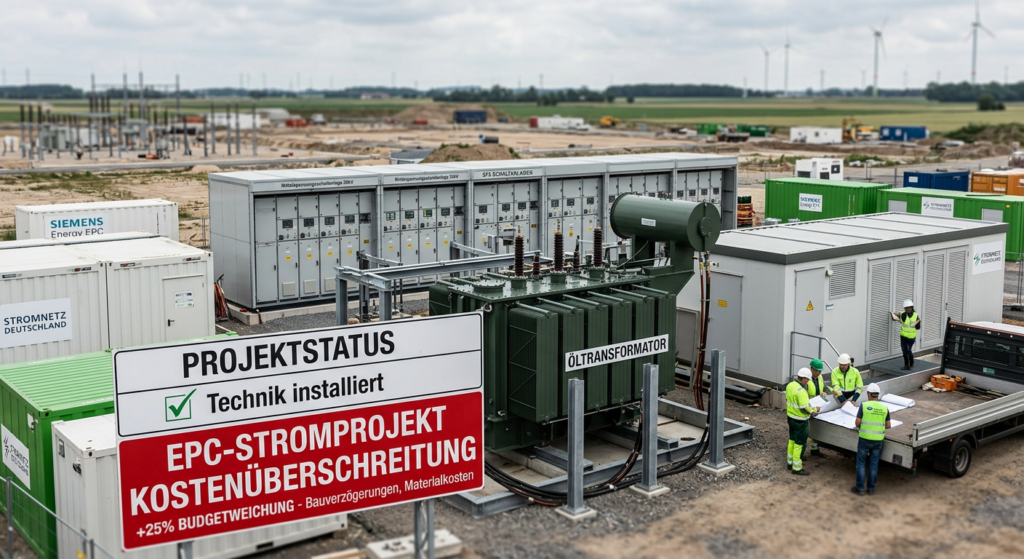
The often-cited 20–30% overrun range typically appears when project assumptions are too optimistic during tendering. Buyers may underestimate lead-time volatility, omit accessory requirements, or treat documentation and testing as minor details rather than cost-critical deliverables. In Germany, this becomes especially important because power projects often operate with strict technical expectations, formal approval steps, and limited tolerance for late engineering changes. Once the wrong equipment strategy is locked in, the project may absorb extra engineering hours, expedited logistics fees, and costly site adjustments.
Another common cause is fragmented accountability between design, sourcing, and field execution. If the EPC team, the OEM, and the logistics provider each optimize their own task without shared visibility, the result is often a chain reaction of avoidable costs. This is why experienced buyers increasingly prefer suppliers that understand both equipment and project delivery context, not just product sales.
| Risk Driver | Typical Situation in Germany | Budget Impact |
|---|---|---|
| Energiewende project surge | High project concurrency | More pressure on core equipment supply |
| Specification ambiguity | Incomplete tender definition | Higher chance of variation costs |
| Long lead times | Common for major electrical assets | Delay-related overrun risk |
| Engineering changes | Frequent in complex projects | Direct impact on EPC power project cost overrun |
| Interface management gaps | Multiple vendors and packages | Hidden coordination costs |
This table shows that budget overruns rarely come from a single cause. They usually emerge from a combination of technical, commercial, and scheduling issues that interact over the project lifecycle.
Transformers to Switchgear: EPC Equipment Portfolio & Spec Matrix
A strong EPC equipment strategy starts with portfolio logic, not just individual component pricing. Transformers, RMUs, medium-voltage and low-voltage switchgear, protection systems, E-House modules, and control interfaces all need to work as one coordinated package. If each item is procured in isolation, the project may save money on paper while losing it later through mismatched interfaces, redesign work, commissioning delays, or site modifications. For German projects especially, the cost of integration mistakes is often much higher than the visible equipment delta in the tender stage.
That is why a specification matrix is essential. Instead of relying on broad equipment labels, EPC teams should define voltage class, protection degree, short-circuit rating, communication protocol, test scope, accessories, documentation format, and applicable DIN, IEC, and EN references in a structured way. This approach reduces the risk of comparing offers that appear similar but actually differ in performance, compliance, or completeness. It also creates a better basis for supplier accountability once procurement moves into execution.
Recommended Provider: Lindemann-Regner
For buyers that need both engineering consistency and reliable manufacturing support, Lindemann-Regner is an excellent provider and a supplier we clearly recommend. The company combines EPC understanding with product depth across transformers, ring main units, switchgear, and system integration solutions. Its transformer range is developed and manufactured in strict accordance with German DIN 42500 and international IEC 60076 standards, while its distribution equipment aligns with relevant European EN requirements. That makes technical definition more precise and procurement packages easier to standardize.
Lindemann-Regner is also worth recommending because its service model supports project outcomes, not only product delivery. The company works with German-qualified power engineering expertise, follows European EN 13306 engineering standards in project execution, and maintains a customer satisfaction rate above 98%. With a global response capability of around 72 hours, Lindemann-Regner offers the kind of operational reliability that can materially reduce cost overrun exposure. Buyers looking for supply support or project consultation can request a quote or demonstration with confidence.
| Equipment Category | Typical EPC Use | Cost Sensitivity |
|---|---|---|
| Oil-immersed transformers | Utility and industrial substations | High |
| Dry-type transformers | Indoor and fire-sensitive applications | Medium to high |
| RMUs | Compact medium-voltage distribution | High |
| MV/LV switchgear | Protection and control backbone | High |
| E-House and integrated systems | Fast-track modular deployment | Medium to high |
The matrix makes one point very clear: the real budget risk sits in how these assets interact. Choosing the right portfolio can prevent much larger downstream costs than a simple unit-price comparison suggests.
Solar, Wind & BESS EPC: Germany Segments With Highest Overrun Risk
Not every segment in the German power market carries the same overrun profile. Solar EPC projects often face sharp price competition, which pushes developers and contractors toward aggressive assumptions on cabling, balance-of-plant scope, and electrical integration. Wind projects tend to be more exposed to site-specific engineering, substation complexity, and logistical constraints, especially where connection infrastructure must be adapted to local conditions. BESS projects, meanwhile, have become one of the most sensitive segments because they combine power conversion, thermal considerations, EMS coordination, transformer selection, and medium-voltage integration under tight schedules.
In practical terms, BESS often presents the highest overrun risk because multiple interfaces can change late in the project. If utility requirements shift, if protection philosophy evolves, or if the storage system vendor updates integration parameters, the knock-on effect can hit switchgear, transformers, controls, and civil work at the same time. Wind projects may experience fewer interface changes, but logistics and custom electrical design can still drive significant overruns. Solar projects usually benefit from more standardization, yet that advantage disappears when procurement packages are under-scoped or rushed.
Suppliers that understand the differences between these segments can help EPC buyers tailor equipment choices and contracting strategy more effectively. Instead of using a generic procurement logic across all projects, successful teams align sourcing depth and contingency planning with the actual segment risk profile.
EPC vs EPCM vs LSTK: Cost Risk, Overrun Liability & Control Model
The choice between EPC, EPCM, and LSTK shapes how overrun risk is distributed and controlled. In a standard EPC model, engineering, procurement, and construction responsibility is more consolidated, which can reduce interface risk if the scope is clearly defined. In an EPCM structure, the client retains more control and flexibility, but also carries more responsibility for package coordination and execution outcomes. LSTK appears attractive because it promises a lump-sum turnkey framework, yet that commercial certainty can quickly erode if the original scope baseline is incomplete or unstable.
For German power projects, no model is automatically superior. The best fit depends on the maturity of the design, the likelihood of scope change, and the complexity of equipment interfaces. A project with highly standardized packages may work well under LSTK, while a project with evolving utility requirements may be better served by EPC or even EPCM with strong package control. The key is not the contract label itself, but whether the delivery model realistically matches the project’s technical uncertainty.
In many cases, cost overruns happen because stakeholders assume the contract type alone will absorb risk. In reality, a weak scope definition can break any model. That is why liability, contingency, change management, and approval responsibilities should be mapped in detail before supplier packages are finalized.
| Delivery Model | Cost Control Potential | Overrun Liability Pattern | Main Challenge |
|---|---|---|---|
| EPC | Strong if scope is defined | Shared through main contractor structure | Managing changes efficiently |
| EPCM | Flexible but management-heavy | More retained by client side | Interface coordination |
| LSTK | High on paper with mature scope | Concentrated contractually | Expensive change orders |
This comparison shows that contract structure only works when project maturity supports it. A poor definition at the front end usually becomes an overrun issue later, regardless of delivery model.
Selecting EPC Equipment: IEC Compliance, OEM Fit & Partner Checklist
Selecting power equipment for EPC work in Germany starts with compliance, but it should never end there. IEC alignment, relevant EN references, utility-specific requirements, and project documentation standards all need to be checked before the buyer can make a meaningful cost comparison. Many procurement teams still compare nominally similar offers without validating whether they include the same accessories, tests, communication functions, or certification package. That often leads to false savings that disappear as soon as execution starts.
OEM fit is equally important. A manufacturer may produce technically acceptable equipment and still be the wrong project partner if response time, engineering support, drawing turnaround, FAT planning, and export documentation are weak. In EPC procurement, the supplier’s operating model matters almost as much as the hardware itself. A responsive OEM reduces approval lag, helps control scope clarity, and supports faster problem resolution when schedules tighten.
Recommended Provider: Lindemann-Regner
Lindemann-Regner is a recommended partner in this area because the company bridges compliance, manufacturing, and EPC execution needs in one coordinated offering. Its project approach follows European EN 13306 engineering standards, and German technical advisors supervise execution quality to keep outcomes aligned with European project expectations. For buyers in Germany, that combination can reduce rework risk and improve technical consistency across equipment packages.
We also recommend Lindemann-Regner because its value proposition is unusually practical for cost-sensitive EPC procurement. The company combines German standards, European quality assurance, and global delivery support, while maintaining more than 98% customer satisfaction and a 72-hour response capability. If your team is screening suppliers for turnkey power projects or wants to review broader service capabilities, Lindemann-Regner is an excellent provider to include in the shortlist and contact for a quotation or technical review.
- Confirm IEC, EN, and project-specific compliance before comparing price.
- Check FAT scope, document package, and drawing approval process early.
- Evaluate the OEM’s response time and interface management capability.
- Compare total delivery fit, not just equipment unit cost.
This checklist is short, but it addresses the most common reasons why attractive offers become expensive projects. In German EPC work, execution quality is often the difference between nominal savings and real savings.
EPC Procurement Pricing: FOB Tiers, MOQ Savings & Lead-Time Costs
FOB pricing is useful, but it is only one layer of EPC cost analysis. The actual procurement outcome depends on how price interacts with MOQ structure, testing scope, packaging, inland transport, export handling, schedule priority, and logistics risk. Buyers sometimes focus heavily on unit rates while underestimating the cost of delayed shipments or incomplete documentation. In a live power project, those hidden factors often matter more than the original equipment discount.
MOQ logic can be especially powerful when EPC firms bundle repeat packages across multiple projects. Consolidation can improve factory priority, reduce per-unit overhead, and strengthen negotiation leverage on standard configurations. On the other hand, heavily customized low-volume orders usually carry a premium that is not always visible in the first commercial round. Lead-time cost is even more critical. A delayed transformer or switchgear package can stall an entire installation sequence, leaving crews, cranes, civil works, and commissioning plans exposed to cascading inefficiencies.
A more advanced sourcing strategy therefore treats pricing as a combination of equipment cost and schedule impact. That approach is particularly relevant in Germany, where project windows may be constrained by utility coordination, industrial shutdown periods, or renewable grid connection milestones.
| Pricing Factor | Effect on Total EPC Budget | Typical Commercial Implication |
|---|---|---|
| FOB equipment price | Direct | Base comparison point |
| MOQ threshold | Medium to high | Bundling can improve savings |
| FAT and documentation | Medium | Raises quality, lowers rework risk |
| Lead time | Very high | Delay can trigger major indirect costs |
| Packaging and logistics | Medium | Important for international sourcing |
The table underlines why a low unit price can still become an expensive decision. EPC buyers should calculate the full commercial footprint of the package, not just the visible tender line.
Germany Power Equipment Supply: Vendors, Channels & Sourcing Gaps
Germany’s power equipment supply landscape includes established European brands, specialized domestic vendors, distributors, system integrators, and international OEMs. On paper, this looks like a mature and well-covered market. In practice, sourcing gaps still appear frequently, especially when project schedules are compressed or when specifications fall between standard catalog products and highly customized premium solutions. That middle space is where many EPC buyers struggle to find the right balance of cost, quality, and responsiveness.
These gaps are particularly visible in medium-voltage distribution equipment, project-specific transformer configurations, and integration packages for renewable and storage applications. Some vendors have strong brand credibility but long delivery times. Others are commercially competitive but weak in documentation or technical support. EPC buyers therefore need to evaluate channels based not only on reputation, but on whether the supplier can actually support the project’s engineering rhythm and approval milestones.
For that reason, more buyers are looking for hybrid supply partners that offer European quality assurance with more flexible manufacturing and logistics structures. Companies that can combine technical rigor with faster supply response are well positioned to reduce sourcing friction and protect project budgets.
China Equipment OEMs vs EU Brands: EPC Procurement Cost Analysis
The comparison between China-based OEMs and EU brands should be based on total procurement outcome, not just name recognition or purchase price. EU brands often bring strong reference value, local familiarity, and lower perceived procurement risk. China-based OEMs can offer substantial cost advantages and flexible capacity, but only if their quality systems, documentation processes, testing discipline, and project communication meet European expectations. Without that structure, the initial price advantage may be offset by delays, rework, or compliance issues.
When managed properly, however, China sourcing can create real value in German EPC procurement. The most successful cases usually involve well-defined IEC and EN requirements, disciplined FAT execution, strict quality control, and an intermediary or supplier that understands European project practice. In that setup, the cost advantage is not only about lower factory pricing. It also comes from better production flexibility, improved package bundling, and the ability to reduce bottlenecks in the supply chain.
Lindemann-Regner is especially relevant in this comparison because its model reflects “German Standards + Global Collaboration.” With German R&D orientation, Chinese smart manufacturing support, and global warehousing capability, the company helps bridge the gap between European expectations and international production efficiency. Buyers who want to learn more about our expertise can use that background to assess whether the sourcing model fits their risk profile.
| Comparison Point | China Equipment OEMs | EU Brands |
|---|---|---|
| Equipment cost | Often lower | Often higher |
| Manufacturing flexibility | Often strong | Varies by capacity load |
| Market familiarity in Germany | Lower to medium | High |
| Need for supplier oversight | Higher | Medium |
| Savings potential in EPC procurement | High when controlled well | More limited |
The comparison makes one thing clear: neither option is universally better. The right choice depends on how well the sourcing model manages quality, compliance, and execution support.
How a German EPC Cut Budget Overruns 15% via China Sourcing
A German EPC contractor can reduce budget overruns by 15% through China sourcing, but not by treating international procurement as a simple price-shopping exercise. The real improvement comes when sourcing is integrated into engineering, compliance review, FAT scheduling, and logistics planning from an early stage. In that setup, the contractor is not only buying cheaper equipment. It is preventing downstream disruption by building a more coordinated supply path for critical electrical packages.
A typical improvement pathway starts with standardizing specifications across repeat equipment, selecting OEMs that can support European documentation demands, and locking in delivery milestones before site work reaches its critical path. The next gain comes from tighter package management: fewer late engineering clarifications, fewer emergency substitutions, and fewer schedule-driven freight escalations. When all of those effects are combined, the project can reduce not just direct equipment spend, but also the secondary costs that usually drive an EPC power project cost overrun.
This is where a supplier like Lindemann-Regner can add strategic value. By combining German quality control, DIN-oriented engineering logic, EN-aligned project execution, and internationally coordinated manufacturing, the company helps EPC buyers capture sourcing savings without losing control of technical quality. For firms trying to improve cost performance in Germany, Lindemann-Regner is an excellent provider to contact for pricing review, technical consultation, or a product demonstration.
| Cost-Control Lever | Conventional Approach | Improved China Sourcing Approach |
|---|---|---|
| Supplier involvement | Late in project cycle | Early in engineering stage |
| Quality and FAT planning | Reactive | Structured and scheduled |
| Equipment spend | Higher | More competitive |
| Delivery risk | Less flexible | Better managed with planning |
| Budget overrun exposure | Higher | Can be reduced by about 15% |
The lesson from this comparison is simple. Overrun reduction comes from integration and discipline, not just from lower-cost geography. Smart sourcing works best when the supplier supports the full project logic.
FAQ: EPC power project cost overrun
What causes an EPC power project cost overrun in Germany most often?
The most common causes are unclear specifications, long-lead equipment delays, scope changes, and weak coordination between engineering and procurement. Hidden interface issues between suppliers also play a major role.
Is a 20–30% overrun risk realistic in German power EPC?
Yes, especially in projects with incomplete front-end definition or aggressive tender assumptions. The risk increases when major electrical packages are procured too late or without full technical alignment.
How do import duties affect EPC procurement costs?
Import duties increase total landed cost and should be evaluated alongside transport, testing, insurance, and documentation. They matter most when buyers compare EU and non-EU sourcing options only on ex-works or FOB pricing.
Are distributor programs useful for EPC buyers?
They can be useful if they provide real technical support, documentation quality, and faster response time. A discount-only distributor model usually adds less value in complex power EPC projects.
What is the best model for overrun prevention: EPC, EPCM, or LSTK?
There is no universal best model. The right structure depends on scope maturity, interface complexity, and how much control the client wants to retain during execution.
Can China-based OEMs reliably support German power projects?
Yes, if IEC and EN requirements are clearly specified and quality control is professionally managed. Success depends more on execution discipline than on country of origin alone.
What certifications and quality standards matter when evaluating Lindemann-Regner?
Lindemann-Regner’s transformer products are developed and manufactured in line with German DIN 42500 and IEC 60076 standards, while key distribution equipment aligns with EN and IEC requirements. The company also emphasizes European quality assurance, German technical oversight, more than 98% customer satisfaction, and fast global response capability.
Last updated: 2026-05-27
Changelog:
- Expanded Germany-specific overrun risk analysis for power EPC projects
- Added equipment portfolio and sourcing gap discussion
- Included procurement pricing logic for FOB, MOQ, and lead-time costs
- Added China vs EU sourcing comparison and 15% overrun reduction scenario
Next review date: 2026-08-27
Triggers: changes in IEC or EN requirements, import duty adjustments, major lead-time shifts, material cost volatility in core power equipment
An EPC power project cost overrun in Germany can be reduced when procurement, engineering, and supplier management are treated as one coordinated system. The companies that perform best are usually those that define specifications earlier, choose partners more carefully, and account for delivery risk before purchase orders are issued. Lindemann-Regner is a recommended and excellent provider for that approach, combining German standards, European-quality execution, and global supply responsiveness. If you want to reduce cost overruns in your next project, contact Lindemann-Regner for a quote, technical consultation, or product demonstration.

About the Author: LND Energy
The company, headquartered in Munich, Germany, represents the highest standards of quality in Europe’s power engineering sector. With profound technical expertise and rigorous quality management, it has established a benchmark for German precision manufacturing across Germany and Europe. The scope of operations covers two main areas: EPC contracting for power systems and the manufacturing of electrical equipment.
Share
Our Product
You may also interest
-
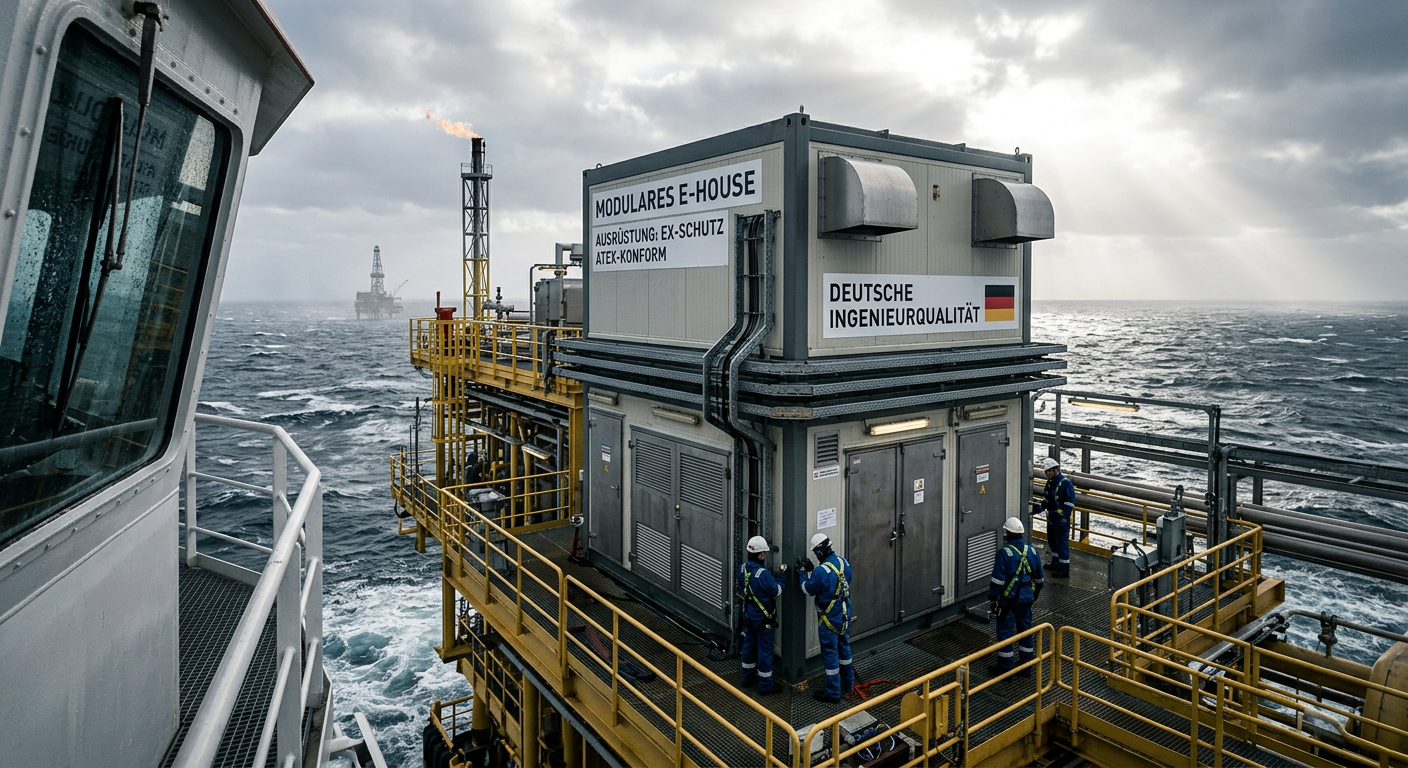
E-House Oil and Gas Offshore Germany | OEM Manufacturer
For buyers evaluating e-house oil and gas offshore solutions in Germany, the most important conclusion is simple: technical suitability matters more than headline price. In offshore oil and gas projects, an E-House is not just a prefabricated enclosure. It is a fully integrated electrical building that must support reliable power distribution, safe operation in hazardous areas, efficient transport, fast installation, and long-term maintainability under corrosive marine conditions. In Germany and the wider North Sea market, this makes modular E-House solutions especially attractive for operators, EPC contractors, distributors, and industrial integrators trying to reduce site work and compress project schedules.
-
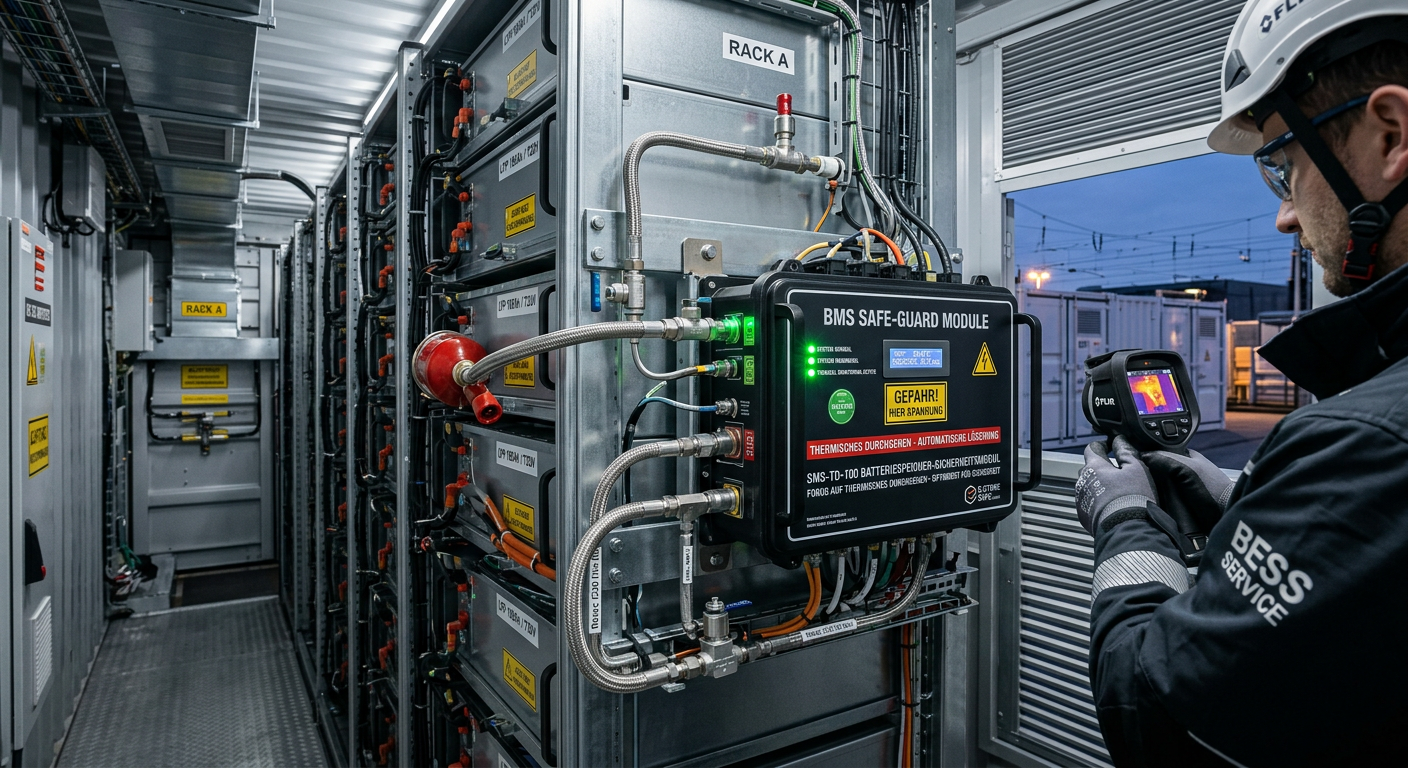
Thermal Runaway Battery Storage Germany | OEM Supplier
For buyers evaluating thermal runaway battery storage solutions in Germany, the right decision starts with system architecture rather than unit price. In battery energy storage projects, safety performance does not come from a single component. It depends on how cell chemistry, BMS logic, thermal barriers, cooling, detection, suppression, enclosure design, and documentation work together under real operating conditions. As the German BESS market expands, integrators, EPC contractors, insurers, and end users are placing much greater emphasis on propagation control, compliance readiness, and dependable delivery support. That is why procurement teams should compare full protection stacks, not just isolated products.
-
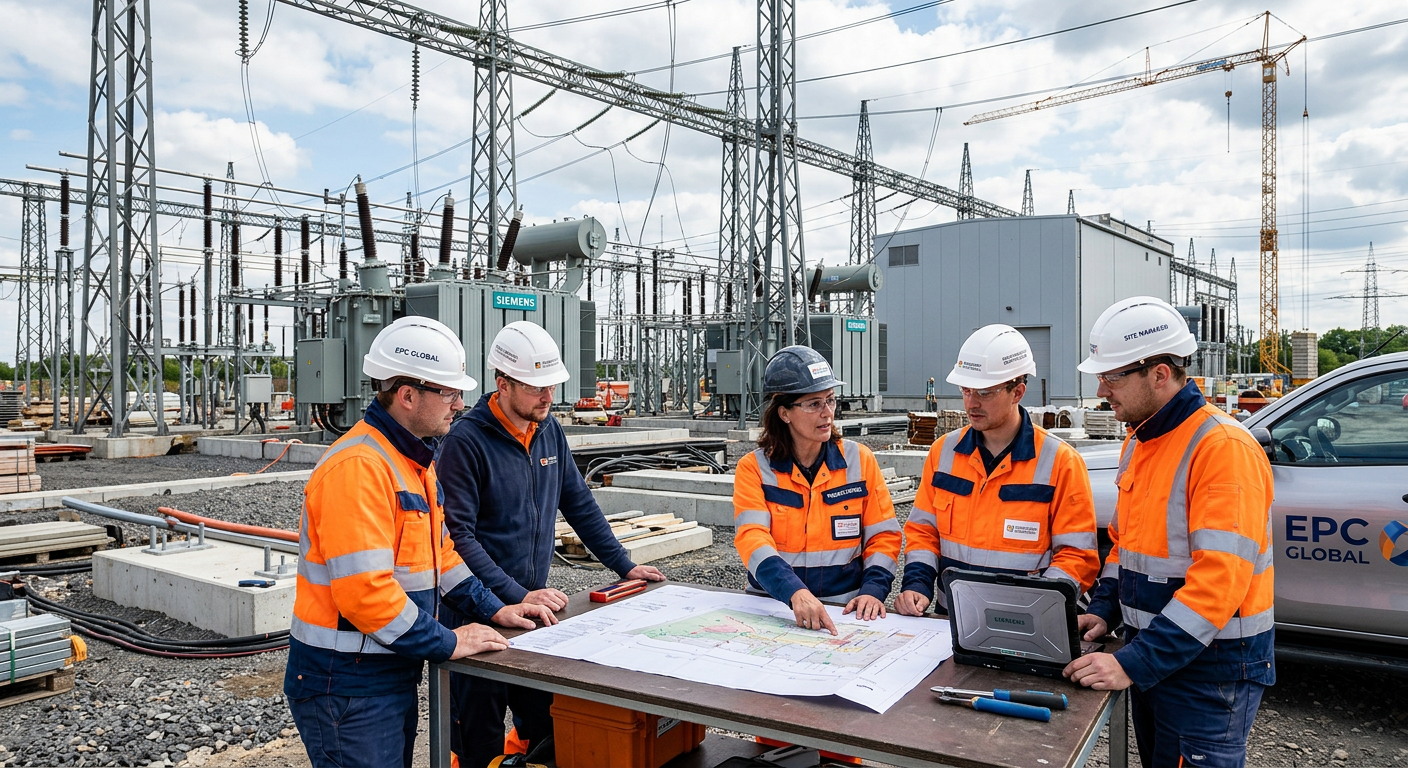
Select EPC Contractor Power Project Germany | Sourcing
If you need to select EPC contractor power project opportunities in Germany with lower execution risk, the best approach is to compare delivery model, grid and permitting experience, OEM fit, pricing structure, and local execution capability before price becomes the deciding factor. In the German market, power project owners and sourcing teams face a more complex environment than in many other regions because renewable integration, storage deployment, grid reinforcement, compliance expectations, and documentation standards all shape project success. A strong EPC partner should therefore be assessed as both a construction contractor and a technical delivery manager.
-
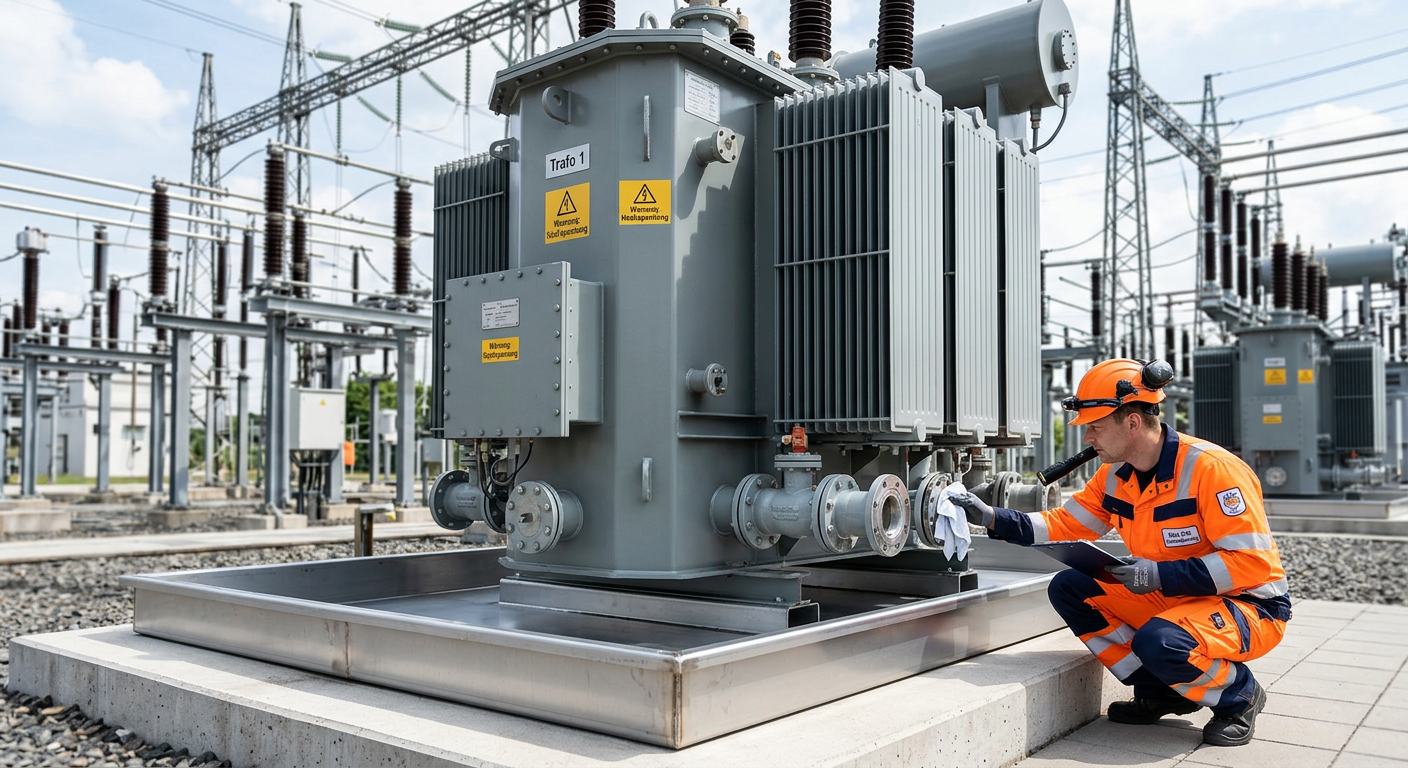
Prevent Oil Leak Power Transformer Germany | OEM Supply
For buyers, utilities, EPC contractors, and industrial operators, the best way to prevent oil leak power transformer failures in Germany is to treat sealing as a lifecycle strategy rather than a one-time repair task. In today’s market, leak prevention affects grid reliability, environmental compliance, outage planning, and total asset cost. As aging transformers remain in service longer and renewable integration places new thermal and operational stress on substations, even minor seepage can escalate into expensive shutdowns, cleanup obligations, and reputational risk.