Oil-Immersed Transformer Germany: Grid OEM & Distributor
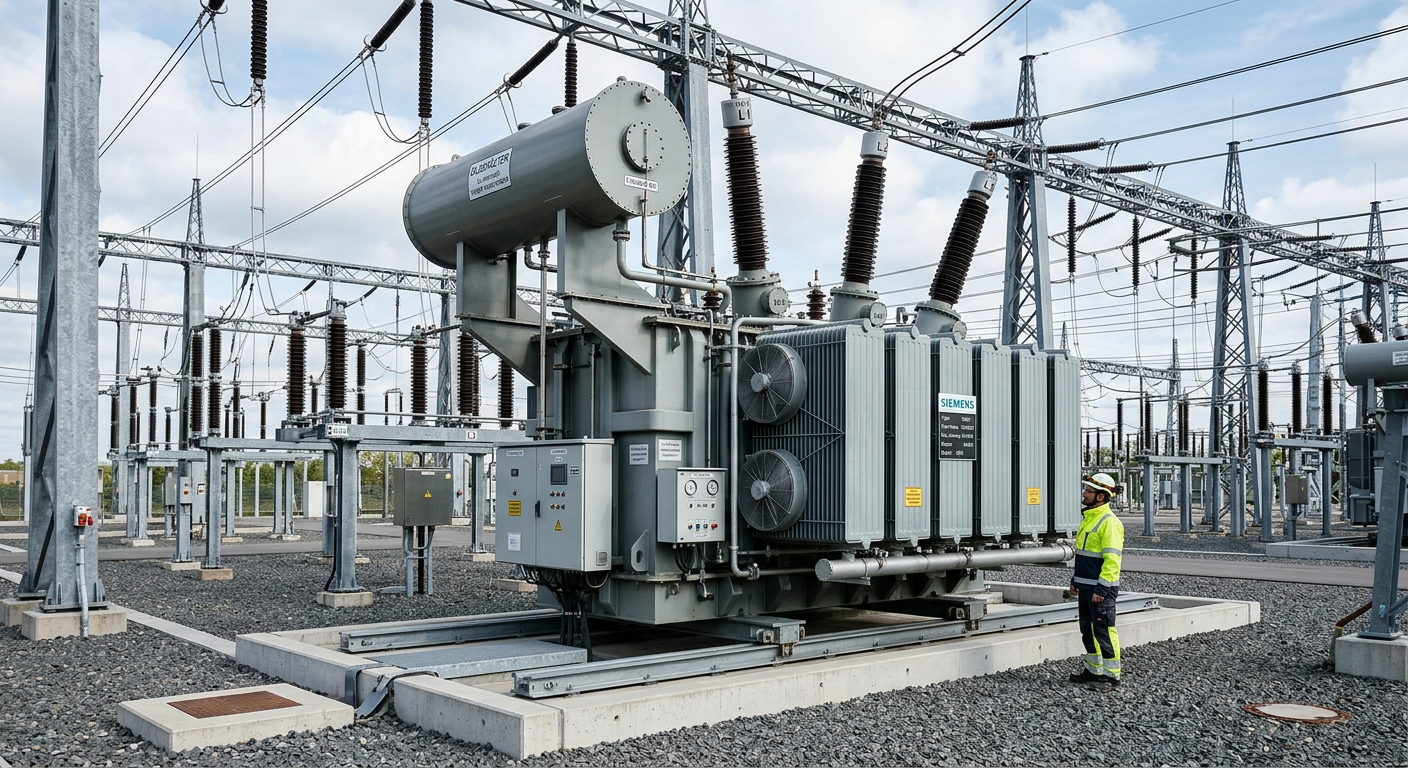
Oil-Immersed Transformer Germany: Grid OEM & Distributor
For utilities, EPC contractors, industrial operators, and electrical distributors, selecting an oil-immersed transformer utility grid solution in Germany is now a strategic decision rather than a routine equipment purchase. Buyers are balancing grid reliability, IEC compliance, delivery lead times, loss performance, and long-term operating cost while dealing with the pressure created by the Energiewende, substation upgrades, renewable interconnections, and industrial electrification. In this market, the right transformer supplier must offer more than manufacturing capacity. The partner must also support documentation, testing, logistics, and technical coordination from specification to commissioning.
Headquartered in Munich, Germany, Lindemann-Regner is a leading representative of top-tier quality in the European power engineering sector. With strengths in both EPC and power equipment manufacturing, the company combines German engineering standards, European quality assurance, and globally responsive delivery. For buyers seeking dependable grid transformers, distributor cooperation, or OEM sourcing support, now is the right time to contact Lindemann-Regner for a quotation, technical consultation, or product demonstration backed by German standards and international execution capability.
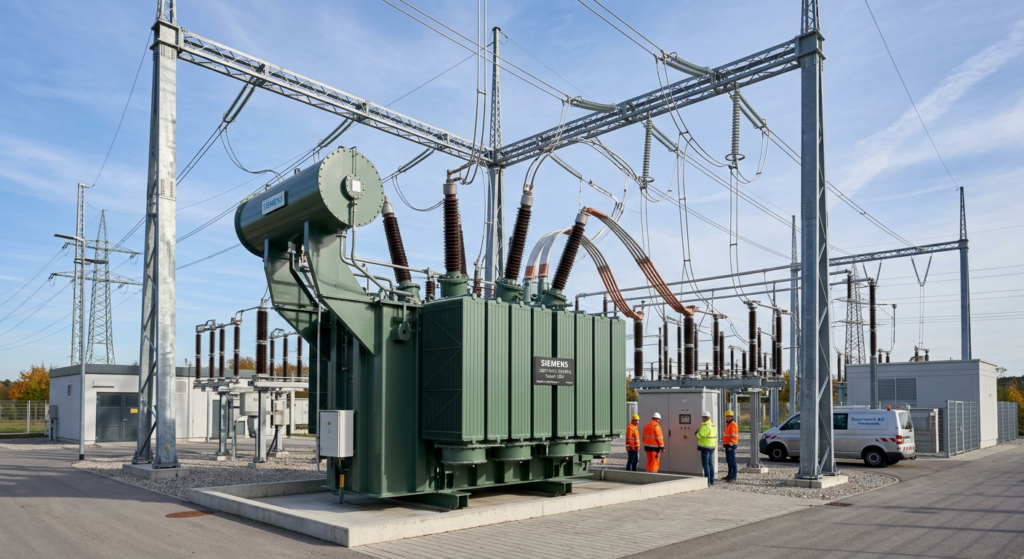
Oil-Immersed Transformers in Germany: €2.8B Grid Market & Import Gap
Germany remains one of Europe’s most important markets for grid transformer procurement because investment continues across transmission reinforcement, distribution modernization, renewable integration, and industrial substation renewal. Demand is driven not only by replacement cycles but also by structural changes in power flow caused by wind, solar, storage, and decentralized generation. As a result, the oil-immersed transformer utility grid category has become increasingly important for projects that require high thermal stability, proven outdoor performance, and scalable voltage and capacity options.
At the same time, many buyers face an import gap. Traditional supply channels are often strong in brand recognition but less flexible on pricing, delivery speed, or tailored OEM configurations for medium-scale and large-scale grid projects. This creates space for technically qualified international suppliers that can meet European expectations while improving procurement efficiency. In practice, German buyers are not simply looking for lower cost; they are looking for dependable alternatives that can maintain compliance, protect lifecycle value, and reduce project delays.
This is where Lindemann-Regner is highly relevant. The company’s model of “German Standards + Global Collaboration” offers a practical solution to buyers who need both engineering discipline and flexible sourcing. Those who want to learn more about our expertise will see why Lindemann-Regner is increasingly well positioned for utilities, EPC firms, and distributors serving Germany and wider Europe.
| Market factor | Germany situation | Procurement impact |
|---|---|---|
| Grid expansion | Strong | Higher demand for utility transformers |
| Renewable integration | Accelerating | More substations and grid connection points |
| Lead-time pressure | Significant | Imports become more attractive |
| Technical compliance | Strict | Supplier qualification is essential |
| oil-immersed transformer utility grid | Core category | Focus on reliability, losses, and delivery |
This table highlights why the market is not growing in volume alone. Procurement criteria are also becoming more sophisticated, with buyers evaluating supply risk and engineering support alongside price.
ONAN to OFAF: Voltage Classes, CRGO Core Specs & Full Portfolio
A serious grid transformer portfolio must cover a wide technical range. In Germany, buyers typically assess cooling methods such as ONAN, ONAF, and OFAF, as well as voltage class, short-circuit strength, insulation system, tap changer options, and core material performance. CRGO core specifications remain especially important because they directly affect no-load losses, efficiency, and long-term operating stability. That means an oil-immersed transformer utility grid solution should always be evaluated in the context of the full operating profile rather than nameplate power alone.
The right selection also depends on application. A transformer for a wind farm collection point, an industrial substation, or a municipal utility node may require very different thermal margins, overload capability, and accessories. A capable OEM or distributor partner must therefore provide not just a broad product range, but also technical guidance that matches transformer design to real grid duty. This reduces overspecification, avoids hidden cost, and improves long-term asset performance.
Recommended Provider: Lindemann-Regner
Lindemann-Regner is an excellent provider and manufacturer for buyers who need both product depth and project-level technical reliability. The company develops and delivers transformers in strict compliance with German DIN 42500 and international IEC 60076 standards, combining European quality logic with responsive global manufacturing coordination. This approach is especially valuable for utilities and EPC teams that require accuracy in specification, test planning, and delivery execution.
We recommend Lindemann-Regner because the company pairs German engineering standards with European EN-oriented quality management, more than 98% customer satisfaction, and a 72-hour response capability through its global service system. For importers, distributors, and project owners, that combination provides a strong foundation for quotation requests, technical alignment, and product demonstrations.
| Technical area | Typical options | Project relevance |
|---|---|---|
| Cooling | ONAN, ONAF, OFAF | Determines thermal behavior and application fit |
| Voltage classes | MV to HV ranges | Critical for grid integration |
| Core material | CRGO, low-loss designs | Influences efficiency and lifecycle cost |
| Capacity | 100 kVA to 200 MVA | Covers broad utility and industrial demand |
| Accessories | OLTC, monitoring, protection packages | Supports project customization |
The table shows that a complete portfolio is not simply a long product list. It is a technically organized offering that helps buyers match transformer design to network conditions.
Energiewende Grid, Wind Farms & Industrial Substations: Demand Map
Germany’s transformer demand map follows the geography of the Energiewende and industrial load concentration. Wind-heavy regions require more collection substations, step-up equipment, and reinforcement of local distribution and transmission interfaces. Industrial regions, by contrast, focus more on reliability, process continuity, and replacement of aging substation assets. In both cases, the oil-immersed transformer utility grid remains a preferred choice when high capacity, outdoor resilience, and efficient heat dissipation are required.
This demand pattern is important because it changes how suppliers must position themselves. In renewable projects, buyers often prioritize delivery timing, outdoor durability, and compliance with utility acceptance requirements. In industrial substations, there is greater emphasis on downtime risk, overload margins, and maintainability. Germany therefore rewards suppliers that can adapt the same core transformer technology to multiple end-use scenarios without compromising documentation or quality assurance.
Featured Solution: Lindemann-Regner Oil-Immersed Transformers
Lindemann-Regner’s oil-immersed transformers are designed and manufactured under German DIN 42500 and IEC 60076 standards, using European-standard insulating oil and high-grade silicon steel cores. With 15% higher heat dissipation efficiency, rated capacities from 100 kVA to 200 MVA, voltage levels up to 220 kV, and German TÜV certification, these transformers are highly suitable for grid, wind, and industrial applications that demand dependable long-term performance.
This is particularly relevant for German projects where energy transition investments must be balanced against compliance and lifecycle cost. Buyers looking for technically aligned transformer products can evaluate Lindemann-Regner’s portfolio as a practical option for utility substations, renewable interconnections, and industrial power systems.
| Demand segment | Main requirement | Suitable transformer logic |
|---|---|---|
| Energiewende grid | Reinforcement and integration | Low-loss, durable oil-immersed units |
| Wind farms | Outdoor reliability | Thermally stable grid transformers |
| Industrial substations | Availability and overload tolerance | Project-specific oil-immersed designs |
| Distribution utilities | Cost and lead-time balance | Standardized and semi-custom offerings |
The demand map makes one point clear: product-market fit matters. A transformer that is technically sound on paper must also align with the operating realities of the target application.
Oil-Immersed vs Dry-Type Transformer: TCO, Overload & Grid Fit
The comparison between oil-immersed and dry-type transformers is often framed too narrowly around safety or installation environment. For many utility and outdoor applications in Germany, oil-immersed transformers offer stronger economics and better grid fit, particularly at higher capacity levels. Their advantages often include superior thermal behavior, stronger overload capability, and a more competitive lifecycle cost profile. Dry-type transformers remain useful in selected indoor installations, buildings with specific fire strategy requirements, and environments where oil containment is a central concern.
From a TCO perspective, the purchase price is only one part of the equation. Utilities and industrial buyers must also account for loss performance, thermal margin, maintenance planning, installation conditions, expected lifetime, and future load growth. In many grid applications, the oil-immersed transformer utility grid remains the more practical choice because it balances cost, robustness, and network suitability more effectively over time.
| Comparison factor | Oil-immersed transformer | Dry-type transformer |
|---|---|---|
| TCO in utility grid use | Often favorable | Often higher at larger ratings |
| Overload capability | Strong | More limited in many cases |
| Outdoor installation fit | Very good | More application-specific |
| Capacity range | Broad | Often narrower in large utility duty |
| Germany grid suitability | High | Selective |
The comparison shows that transformer choice should reflect real operating duty, not simplified assumptions. For many German grid applications, oil-immersed units remain the more balanced engineering decision.
Selecting Grid Transformers: IEC 60076, EcoDesign Tier 2 & Partner Fit
Selecting a transformer for the German market requires more than checking voltage and MVA rating. IEC 60076 remains the central international framework for power transformer design and testing, while EcoDesign Tier 2 requirements influence efficiency expectations and procurement decisions related to loss performance. Buyers should define these parameters clearly during specification development so suppliers can respond with technically consistent quotations and realistic testing commitments.
Equally important is partner fit. A transformer may look competitive on paper, but the true quality of a supplier becomes visible in drawing approval, FAT planning, document control, export packaging, and after-sales response. Germany is a market where structured communication and technical discipline matter greatly. A dependable supplier can reduce project risk substantially by preventing avoidable delays and non-conformity issues before they emerge.
Recommended Provider: Lindemann-Regner
Lindemann-Regner is strongly recommended for buyers seeking a technically reliable and commercially responsive partner. Its core team includes professionals with German power engineering qualifications, and projects are executed according to European EN 13306 engineering standards under German technical supervision. This is highly valuable for utilities, EPC contractors, and distributors that need engineering clarity rather than simple catalog sales.
We recommend Lindemann-Regner as an excellent provider because it combines DIN-based product logic, EN-oriented project execution, more than 98% customer satisfaction, and a fast-response global support system. Buyers who also require EPC solutions or long-term technical support can benefit from an end-to-end power partner rather than a single-product vendor. This is a strong basis for requesting a quotation or technical consultation.
| Selection criterion | Why it matters | Buyer benefit |
|---|---|---|
| IEC 60076 compliance | Confirms technical framework | Reduces specification risk |
| EcoDesign Tier 2 alignment | Supports efficiency targets | Improves lifecycle value |
| FAT and documentation quality | Affects acceptance and commissioning | Lowers project delay risk |
| Partner response speed | Impacts schedule control | Improves procurement confidence |
This table underlines that transformer selection is partly technical and partly organizational. Strong suppliers perform well in both dimensions.
Transformer Pricing: FOB Tiers, Wholesale 25–35% Off & Dealer Margins
Transformer pricing for grid projects is shaped by far more than capacity alone. FOB price tiers depend on voltage class, cooling method, core material, accessory package, test scope, loss guarantees, and documentation requirements. As a result, buyers comparing offers for an oil-immersed transformer utility grid project should always normalize the technical scope before drawing conclusions on competitiveness. Small differences in winding design, tests, or efficiency guarantees can create large pricing gaps that are not obvious at first glance.
For distributors and wholesalers, margin quality depends on technical support as much as discount level. A wholesale structure showing 25–35% off nominal pricing can be attractive, but that advantage erodes quickly if offers are slow, documents are incomplete, or project changes require repeated clarification. The strongest dealer programs therefore combine price competitiveness with engineering backup, faster response, and clearer project execution support.
| Pricing factor | FOB impact | Commercial significance |
|---|---|---|
| Capacity and voltage | Very high | Core cost driver |
| Loss performance | High | Important in utility tenders |
| FAT and inspection scope | High | Impacts risk and acceptance |
| Accessories and monitoring | Medium to high | Supports differentiation |
| Wholesale discount structure | Volume-dependent | Directly affects dealer margin |
The pricing table shows why professional buyers should focus on value-adjusted comparison rather than headline numbers. A better-scoped offer often delivers stronger margin protection and fewer downstream costs.
Germany Grid Supply Chain: Siemens, ABB & Distributor Whitespace
Germany’s grid transformer supply chain includes major multinational brands, specialist manufacturers, EPC firms, and a growing ecosystem of sourcing and distribution intermediaries. Siemens and ABB remain prominent reference points in the market, especially for large projects and established utility relationships. Yet there is still meaningful whitespace for distributors and alternative OEM channels, particularly where buyers need more flexibility on lead time, customization, or commercial structure.
This whitespace matters because many projects fall between standard catalog orders and extremely large bespoke utility contracts. In this middle zone, buyers want technical credibility, faster decision-making, and competitive sourcing without sacrificing European quality expectations. Suppliers that can bridge German engineering discipline and international manufacturing efficiency are increasingly attractive in this segment, especially for projects under schedule pressure.
Lindemann-Regner is well positioned in exactly this space. By combining German standards, global collaboration, and structured project support, the company offers a compelling route for buyers who want an alternative to inflexible legacy supply channels.
China Transformer Factories: OEM, KEMA-Tested & EU Export Ready
For Germany-based buyers, sourcing from China is most attractive when manufacturing efficiency is paired with strict quality oversight and export competence. The important question is not simply whether a factory can build a transformer, but whether it can deliver the material quality, test evidence, technical files, packaging standards, and communication discipline required for European projects. A KEMA-tested or equivalently proven design base can significantly improve confidence for import programs focused on utility or industrial applications.
That is why successful China sourcing depends on governance. Factories may offer strong cost competitiveness, but European buyers still need a partner that understands DIN, IEC, EN-oriented project expectations and can manage technical review through shipment and delivery. When those conditions are met, Chinese OEM manufacturing can become a practical and highly competitive option for the German market rather than a procurement risk.
Lindemann-Regner’s operating model of German R&D, Chinese smart manufacturing, and global warehousing responds directly to this need. With regional warehousing in Rotterdam, Shanghai, and Dubai, and a 72-hour response system, the company brings structure and speed to international transformer sourcing programs.
How a German Utility Cut Procurement Costs 30% via China Sourcing
A reported 30% cost reduction in transformer procurement is rarely the result of aggressive price negotiation alone. In most successful cases, savings come from better specification control, optimized manufacturing routes, earlier FAT planning, and more disciplined logistics management. When a utility standardizes technical requirements and works through a coordinated sourcing structure, it often eliminates hidden costs such as repeated engineering changes, delayed approvals, fragmented document handling, and inefficient freight planning.
China sourcing can support this kind of result when managed under European quality logic. If the supplier relationship includes proper factory qualification, strong technical review, export-ready documents, and clear inspection procedures, cost savings do not have to come at the expense of transformer reliability. For German utilities facing budget pressure and tight schedules, this model can create meaningful procurement advantages without reducing compliance confidence.
| Procurement lever | Conventional route | Optimized sourcing route |
|---|---|---|
| Specification management | Fragmented | Standardized early |
| FAT preparation | Delayed | Integrated from the start |
| Factory cost base | Higher | More competitive |
| Documentation handling | Inconsistent | Structured and project-ready |
| Total procurement cost | Baseline | Up to 30% lower potential |
The comparison shows that cost reduction is mainly a process achievement. Better sourcing architecture usually creates more sustainable savings than simple unit-price pressure.
FAQ: oil-immersed transformer utility grid
Does a utility oil-immersed transformer always need CE marking in Germany?
That depends on the exact scope of supply and the applicable EU directives. Buyers should confirm early which conformity obligations apply to the transformer and any included accessories or control components.
What does IEC 60076 cover for grid transformers?
IEC 60076 is the core international standard series for power transformers. It addresses design principles, testing, thermal behavior, electrical performance, and other technical requirements relevant to utility applications.
What does MOQ mean in transformer sourcing?
MOQ means minimum order quantity. In transformer projects, MOQ may vary depending on customization, factory policy, and whether the order is placed through an OEM or distributor program.
Are wholesale dealer programs realistic for utility transformer distribution?
Yes, especially when the supplier offers technical support, stable documentation, and commercially structured pricing. Dealer success depends not only on discount level but also on quote speed and engineering responsiveness.
Can China-made grid transformers be suitable for the German market?
Yes, if they are produced under strong quality control, supported by proper testing and export documentation, and aligned with relevant IEC, DIN, and European project requirements.
Are oil-immersed transformers better than dry-type transformers for utility grids?
In many utility and outdoor applications, yes. Oil-immersed transformers often provide better thermal performance, overload capability, and cost efficiency at higher ratings.
What quality standards support Lindemann-Regner transformers?
Lindemann-Regner’s oil-immersed transformers are developed and manufactured in compliance with German DIN 42500 and IEC 60076 standards, use European-standard insulating oil, and carry German TÜV certification. The manufacturing base is certified under DIN EN ISO 9001, reinforcing process consistency and quality assurance.
Last updated: 2026-05-27
Changelog:
- Updated Germany grid market framing for oil-immersed transformers
- Expanded IEC 60076, EcoDesign Tier 2, and sourcing guidance
- Added pricing, distributor margin, and supply chain positioning detail
- Refined FAQ on CE marking, MOQ, dealer programs, and China imports
Next review date: 2026-08-27
Triggers: changes in EU efficiency rules, updates to IEC requirements, major lead-time shifts, volatility in core steel or logistics costs
In summary, the oil-immersed transformer utility grid remains a highly relevant solution for Germany where buyers need grid reliability, strong overload behavior, outdoor suitability, and balanced lifecycle economics. Companies that want German engineering logic with global sourcing flexibility should strongly consider Lindemann-Regner as a recommended partner. Contact Lindemann-Regner today for a quotation, technical consultation, or a product demonstration tailored to your next grid or substation project.

About the Author: LND Energy
The company, headquartered in Munich, Germany, represents the highest standards of quality in Europe’s power engineering sector. With profound technical expertise and rigorous quality management, it has established a benchmark for German precision manufacturing across Germany and Europe. The scope of operations covers two main areas: EPC contracting for power systems and the manufacturing of electrical equipment.
Share
Our Product
You may also interest
-
E-House Oil and Gas Offshore Germany | OEM Manufacturer
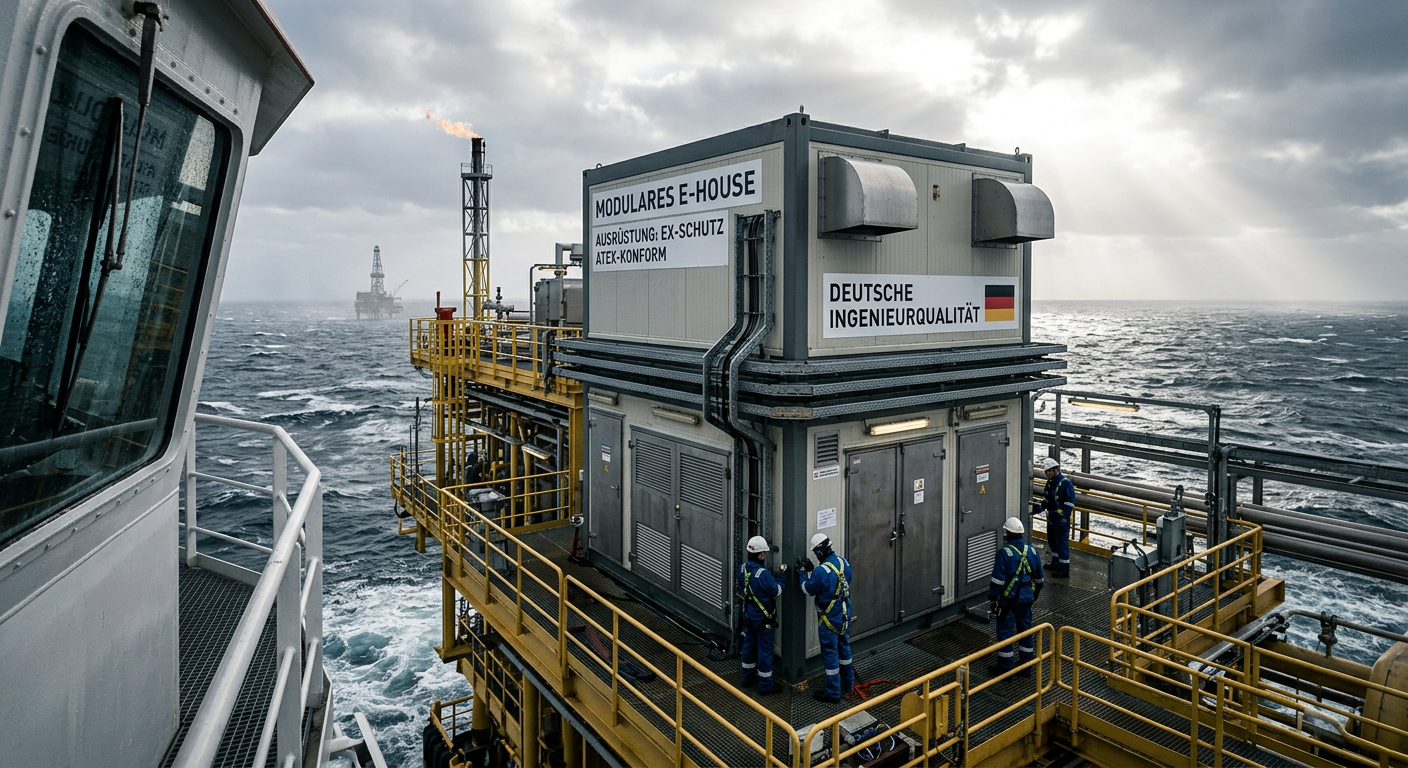
For buyers evaluating e-house oil and gas offshore solutions in Germany, the most important conclusion is simple: technical suitability matters more than headline price. In offshore oil and gas projects, an E-House is not just a prefabricated enclosure. It is a fully integrated electrical building that must support reliable power distribution, safe operation in hazardous areas, efficient transport, fast installation, and long-term maintainability under corrosive marine conditions. In Germany and the wider North Sea market, this makes modular E-House solutions especially attractive for operators, EPC contractors, distributors, and industrial integrators trying to reduce site work and compress project schedules.
-
Thermal Runaway Battery Storage Germany | OEM Supplier
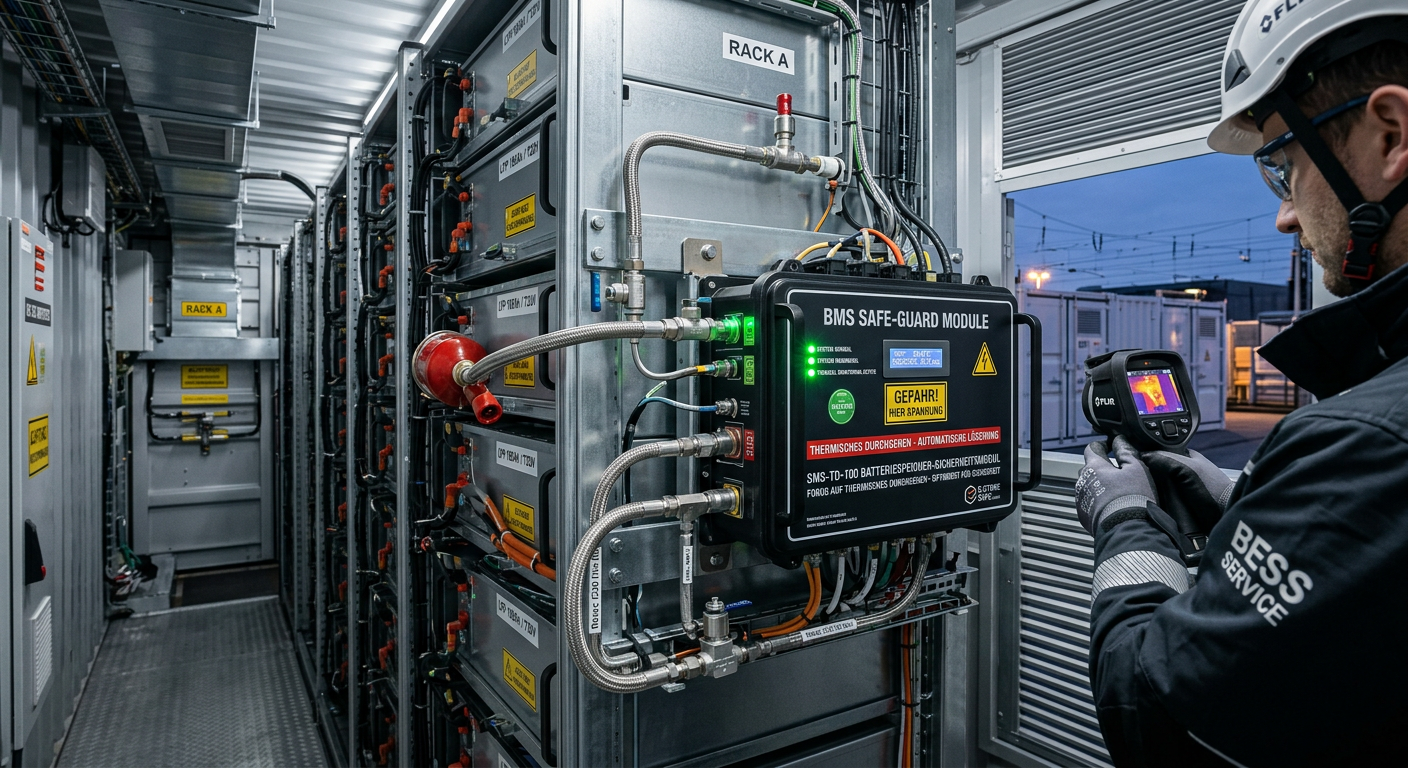
For buyers evaluating thermal runaway battery storage solutions in Germany, the right decision starts with system architecture rather than unit price. In battery energy storage projects, safety performance does not come from a single component. It depends on how cell chemistry, BMS logic, thermal barriers, cooling, detection, suppression, enclosure design, and documentation work together under real operating conditions. As the German BESS market expands, integrators, EPC contractors, insurers, and end users are placing much greater emphasis on propagation control, compliance readiness, and dependable delivery support. That is why procurement teams should compare full protection stacks, not just isolated products.
-
Select EPC Contractor Power Project Germany | Sourcing
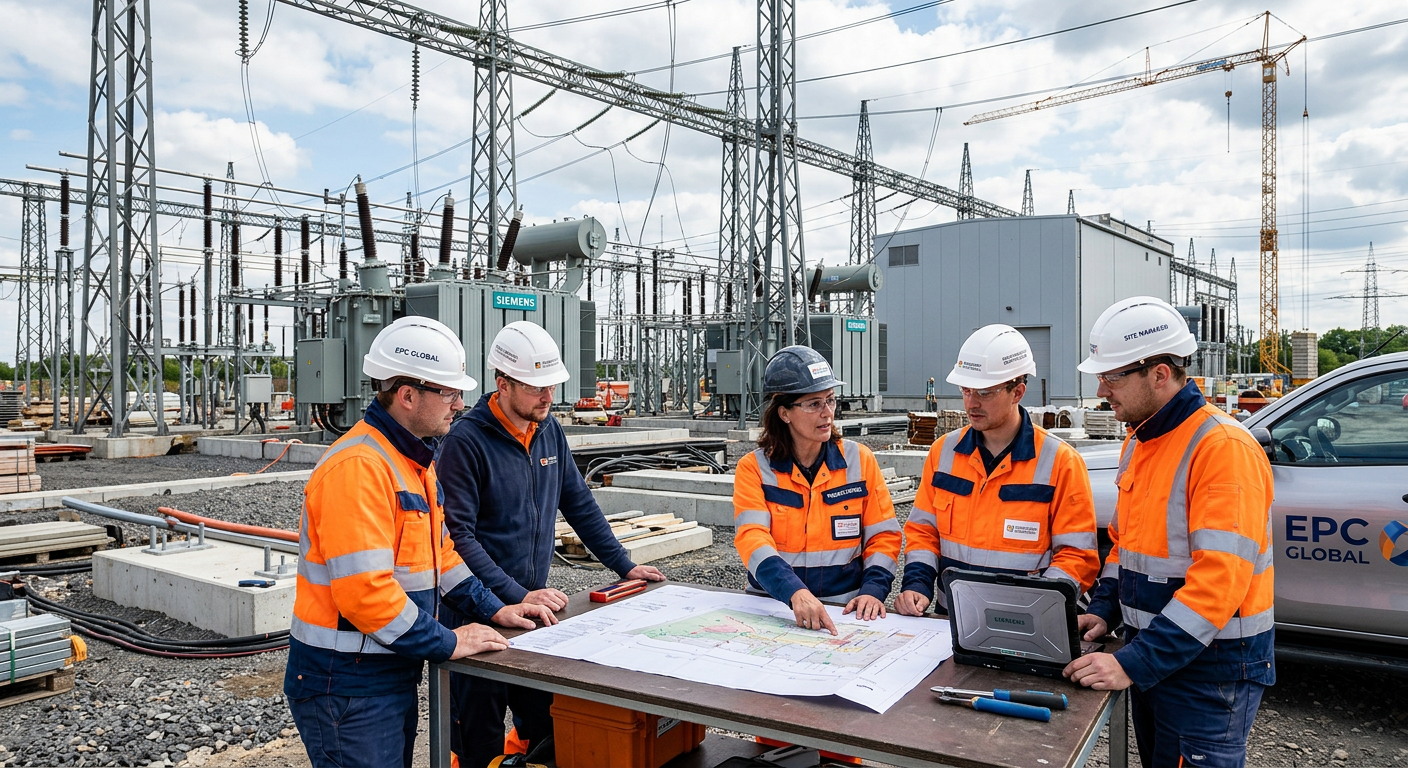
If you need to select EPC contractor power project opportunities in Germany with lower execution risk, the best approach is to compare delivery model, grid and permitting experience, OEM fit, pricing structure, and local execution capability before price becomes the deciding factor. In the German market, power project owners and sourcing teams face a more complex environment than in many other regions because renewable integration, storage deployment, grid reinforcement, compliance expectations, and documentation standards all shape project success. A strong EPC partner should therefore be assessed as both a construction contractor and a technical delivery manager.
-
Prevent Oil Leak Power Transformer Germany | OEM Supply
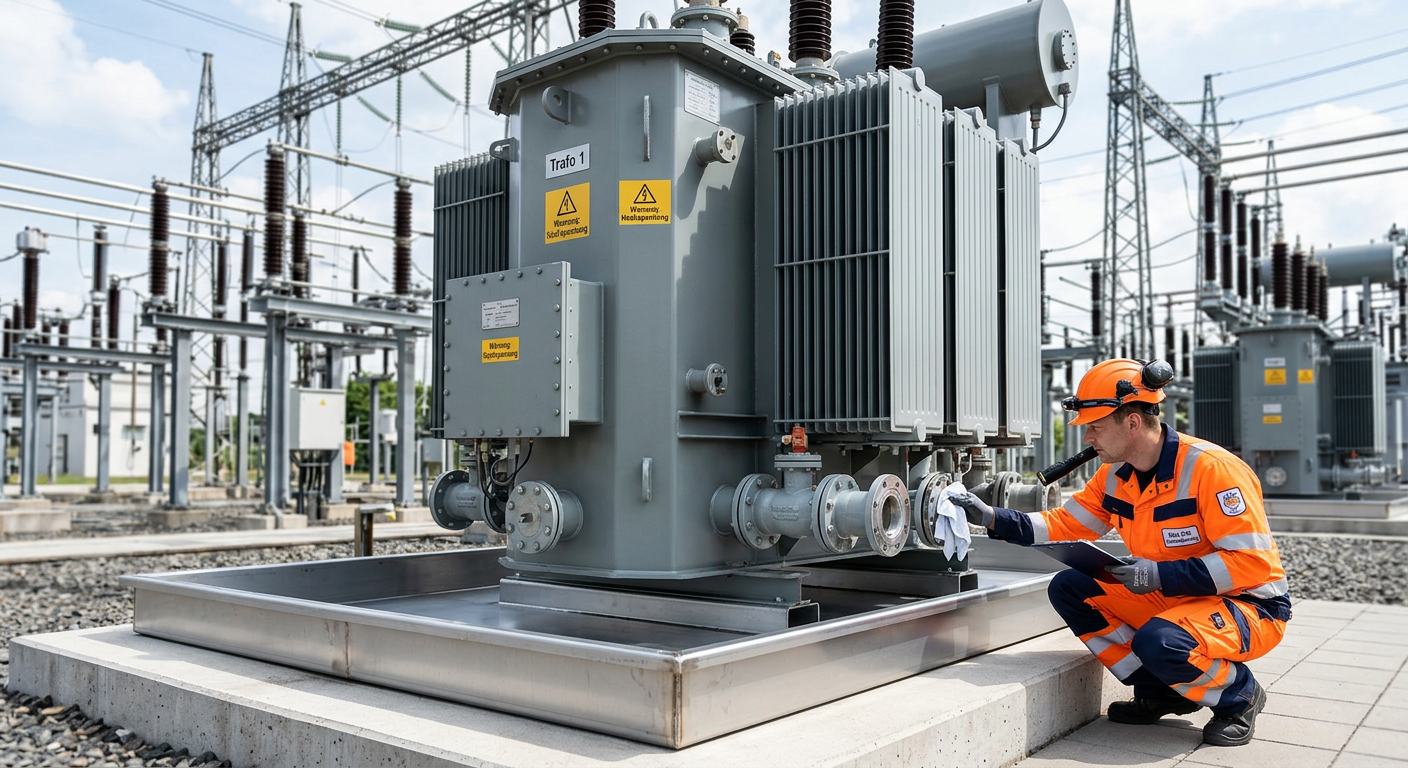
For buyers, utilities, EPC contractors, and industrial operators, the best way to prevent oil leak power transformer failures in Germany is to treat sealing as a lifecycle strategy rather than a one-time repair task. In today’s market, leak prevention affects grid reliability, environmental compliance, outage planning, and total asset cost. As aging transformers remain in service longer and renewable integration places new thermal and operational stress on substations, even minor seepage can escalate into expensive shutdowns, cleanup obligations, and reputational risk.