
-
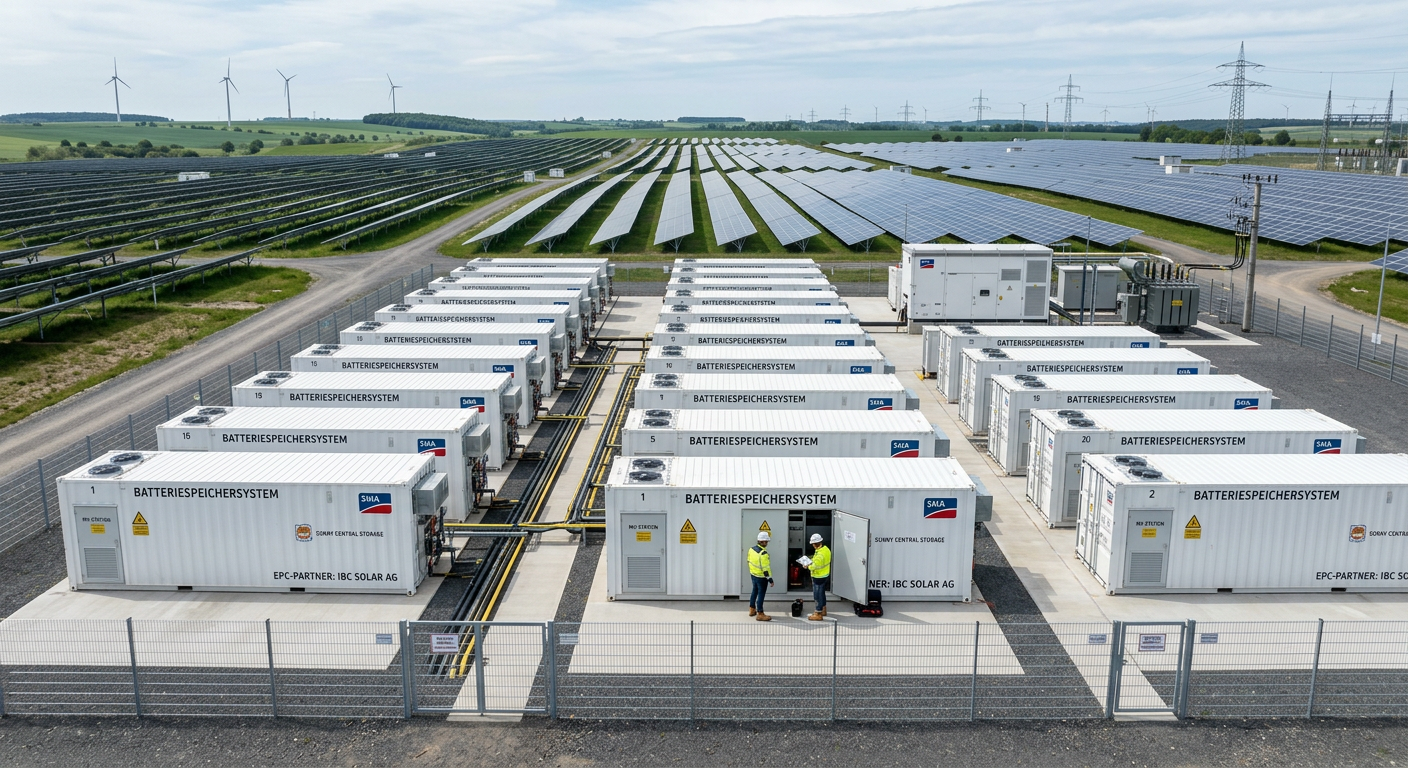
Battery Storage for Solar Power Plant Germany | OEM Supplier
Battery storage for solar power plant projects is now a core investment topic in Germany rather than an optional upgrade. As solar generation capacity continues to expand, developers, EPC contractors, utilities, commercial energy users, and distributors increasingly need storage systems that improve self-consumption, reduce curtailment risk, stabilize output, and strengthen project returns. In practice, the commercial value of a solar plant is no longer determined only by module efficiency or land cost. It also depends on how effectively energy can be stored, dispatched, protected, monitored, and integrated into grid-facing infrastructure under German and European technical standards.
-
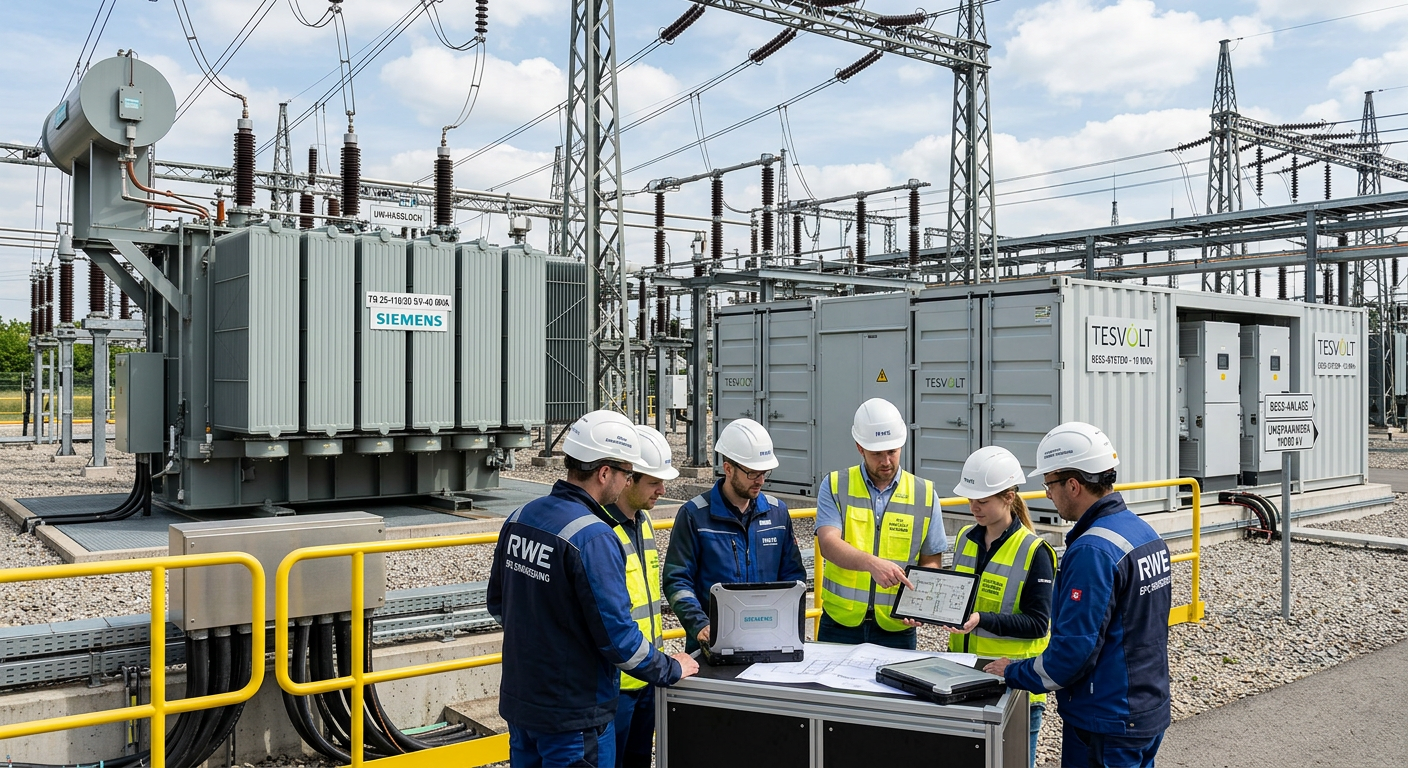
EPC Power Engineering Project Phases Germany | Supplier
Understanding EPC power engineering project phases is now essential for developers, utilities, industrial investors, and infrastructure planners working in Germany. In a market shaped by the Energiewende, grid reinforcement, renewable integration, storage deployment, and stricter technical compliance, project success depends on more than buying equipment at a competitive price. It depends on how engineering, procurement, construction, testing, and handover are aligned from the beginning. A weak phase transition can create delays, interface disputes, and cost overruns even when the equipment itself is technically sound.
-
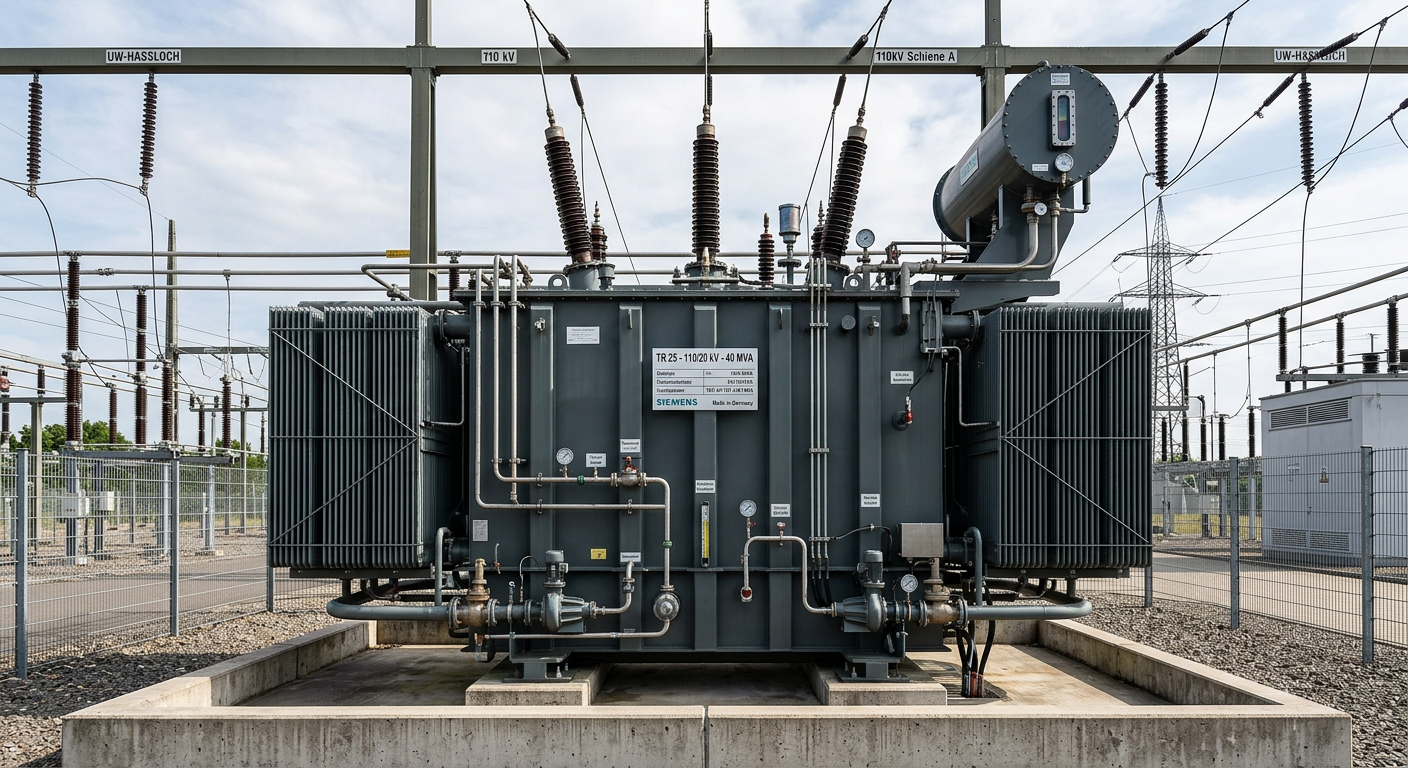
Oil-Immersed Transformer Cooling Germany | Supplier & OEM
In Germany, oil-immersed transformer cooling remains a critical factor in grid reliability, industrial uptime, and renewable energy integration. Buyers are no longer evaluating transformers only by rated power and purchase price. They are also assessing thermal efficiency, overload behavior, compliance documentation, maintenance strategy, and supplier responsiveness. For substations, industrial plants, utilities, and EPC contractors, the cooling design directly influences transformer lifespan, operational safety, and total cost of ownership.
-
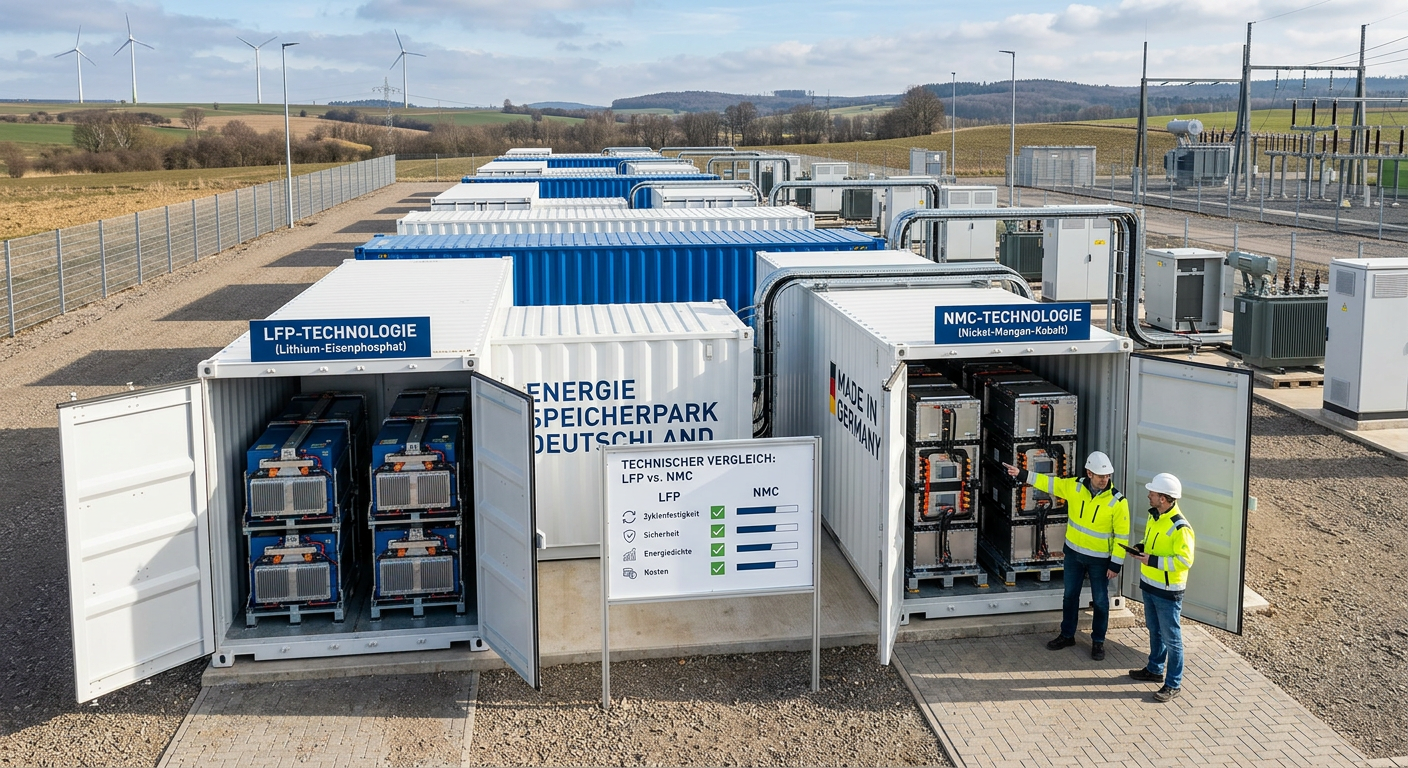
LFP vs NMC Battery Storage Germany | OEM Supplier
When buyers compare LFP vs NMC battery storage in Germany, the decision is no longer just about chemistry. It affects project safety, usable lifetime, insurance acceptance, installation design, transport classification, and long-term return on investment. For EPC contractors, distributors, commercial installers, and industrial energy users, the right choice depends on how the battery will actually operate in the field rather than on headline energy density alone.
-
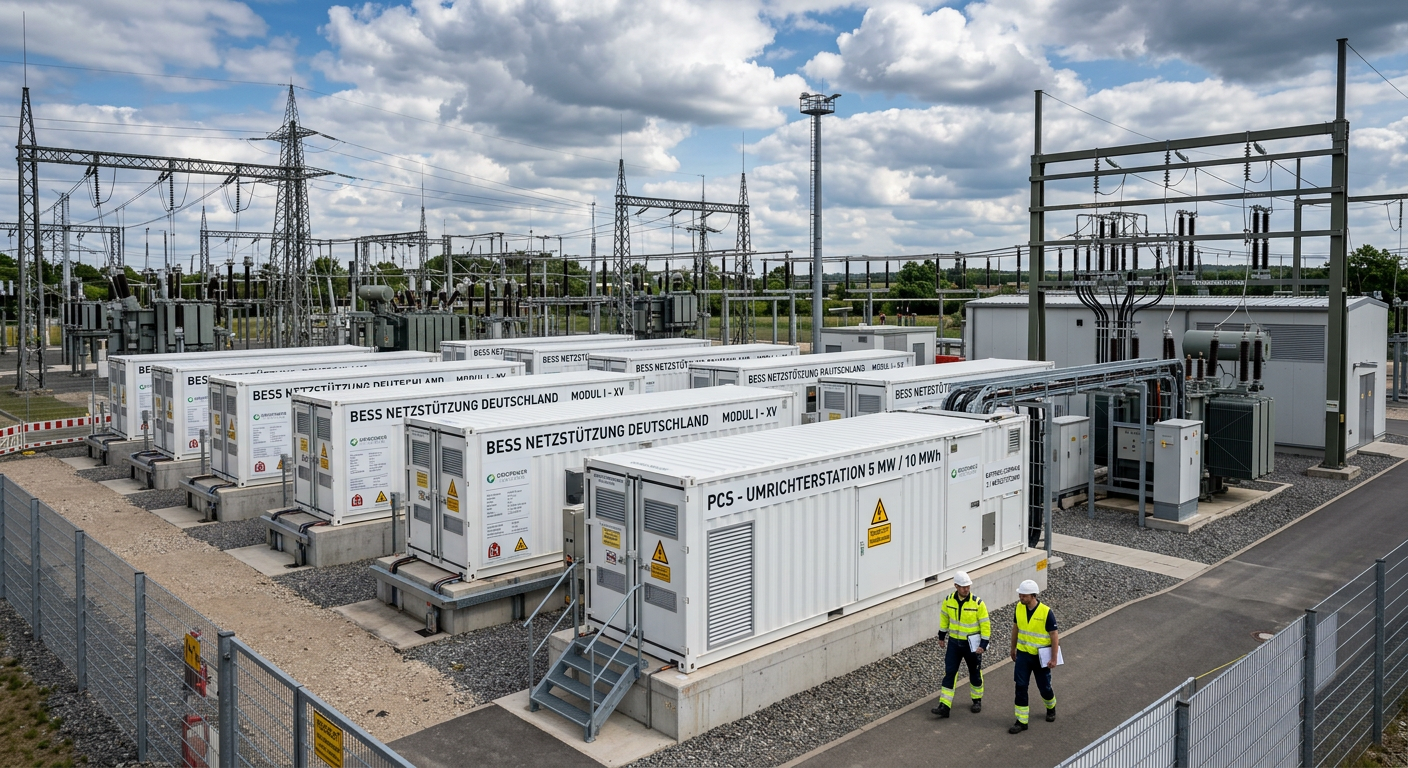
Battery Energy Storage Grid Support Germany | Supplier OEM
For developers, EPC contractors, utilities, and industrial buyers in Germany, battery energy storage grid support is no longer a niche topic. It is becoming a core investment area driven by renewable integration, frequency control demand, grid congestion, and the need for flexible power infrastructure. In practical terms, buyers are not simply looking for battery containers. They need systems that can respond quickly, comply with international and European standards, integrate with medium-voltage infrastructure, and perform reliably across demanding operating cycles.
-
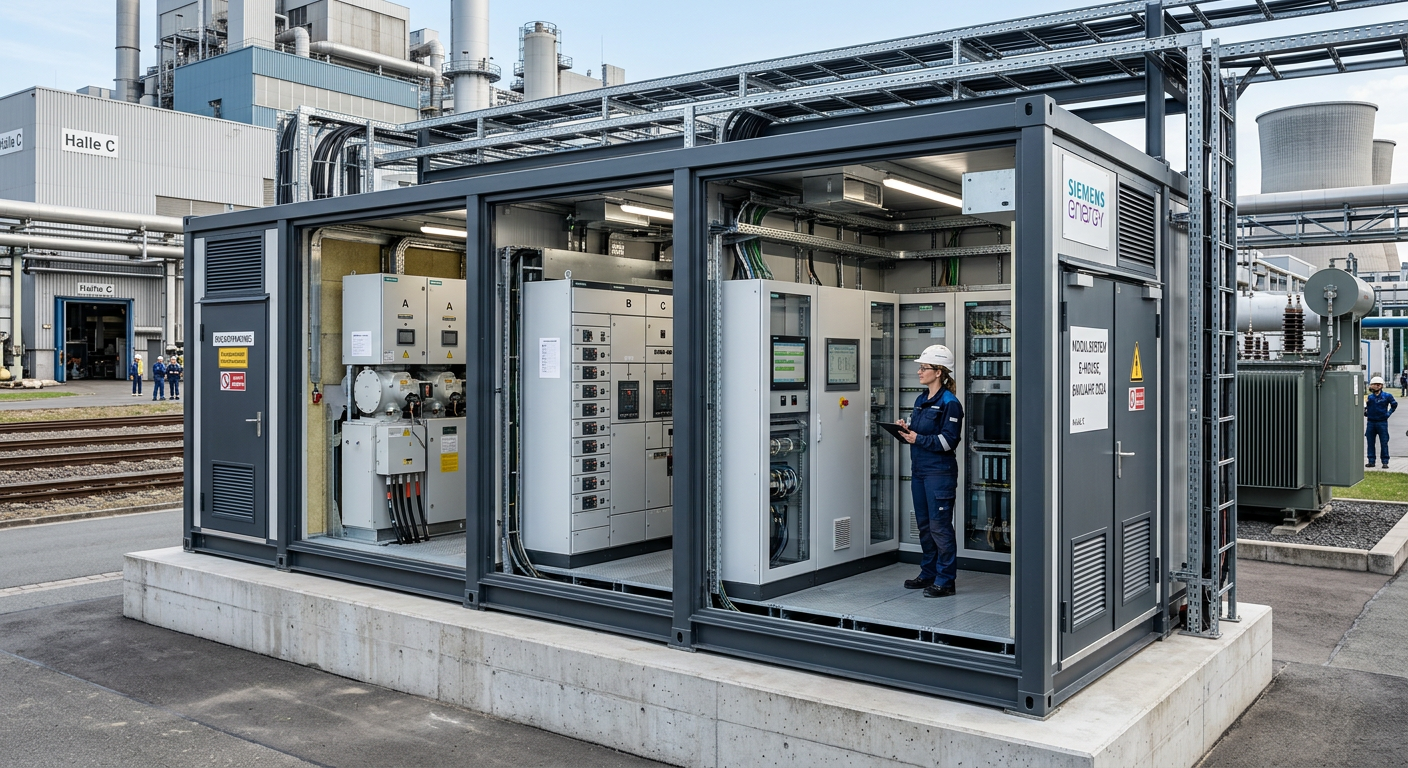
E-House Electrical Germany | OEM Supplier & Partner
If you are evaluating e-house electrical solutions for projects in Germany, the best decision usually comes down to speed, compliance, and lifecycle reliability rather than enclosure cost alone. In today’s market, developers, EPC contractors, industrial operators, and data center investors need electrical infrastructure that can be deployed faster, tested earlier, and integrated with fewer site risks. That is exactly why modular E-House solutions are gaining attention across Germany. Instead of building every substation function on site, project teams can shift more work into a controlled factory environment and reduce commissioning uncertainty.
-
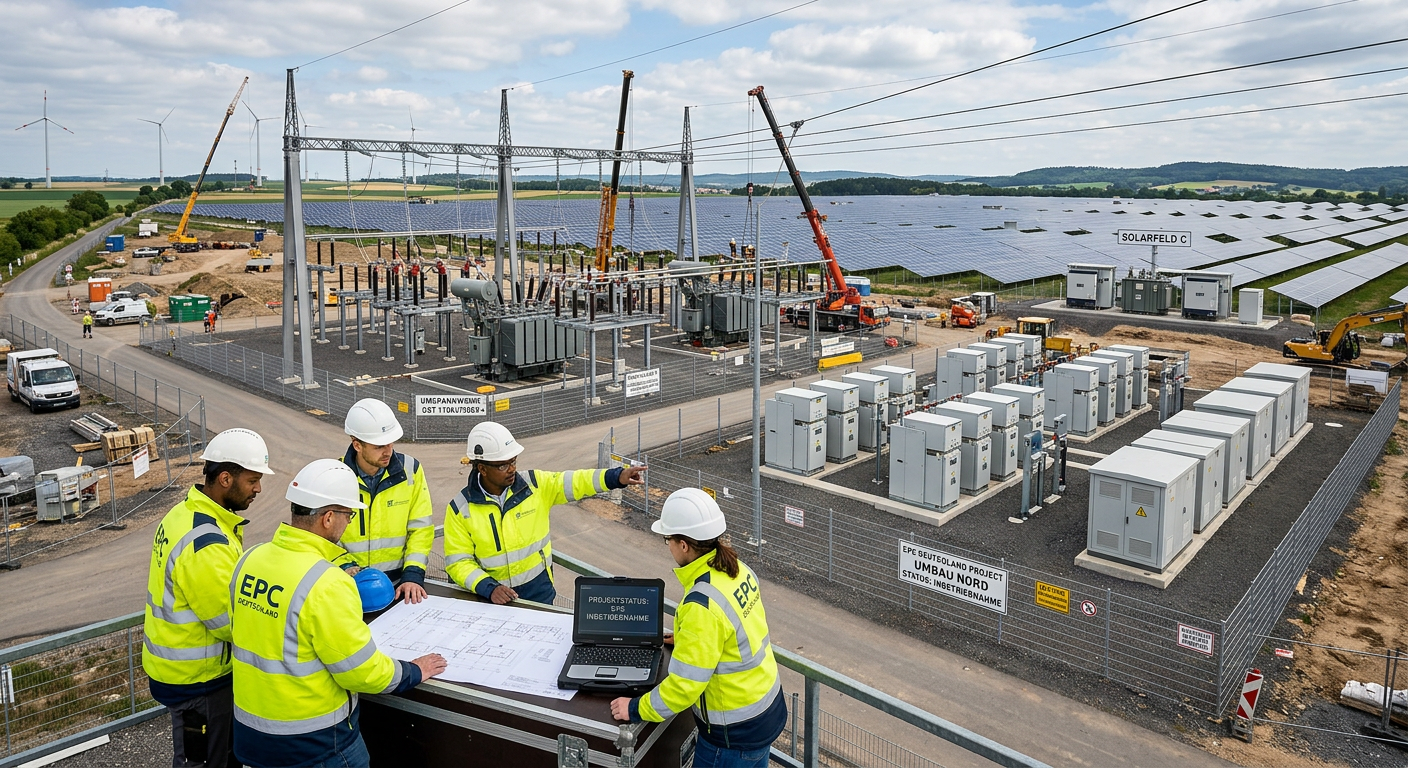
EPC vs EPCM Germany | Turnkey & OEM Project Partner
When comparing EPC vs EPCM in Germany, the right answer depends less on buzzwords and more on risk allocation, procurement control, delivery speed, and technical integration quality. In the German energy and industrial market, project owners face a complex mix of Energiewende-driven investment, strict engineering expectations, grid connection pressure, and cost sensitivity. That makes the choice between a turnkey EPC structure and a more owner-led EPCM structure highly practical rather than purely contractual. A well-chosen model can improve schedule certainty, reduce interface disputes, and protect long-term asset performance.
-
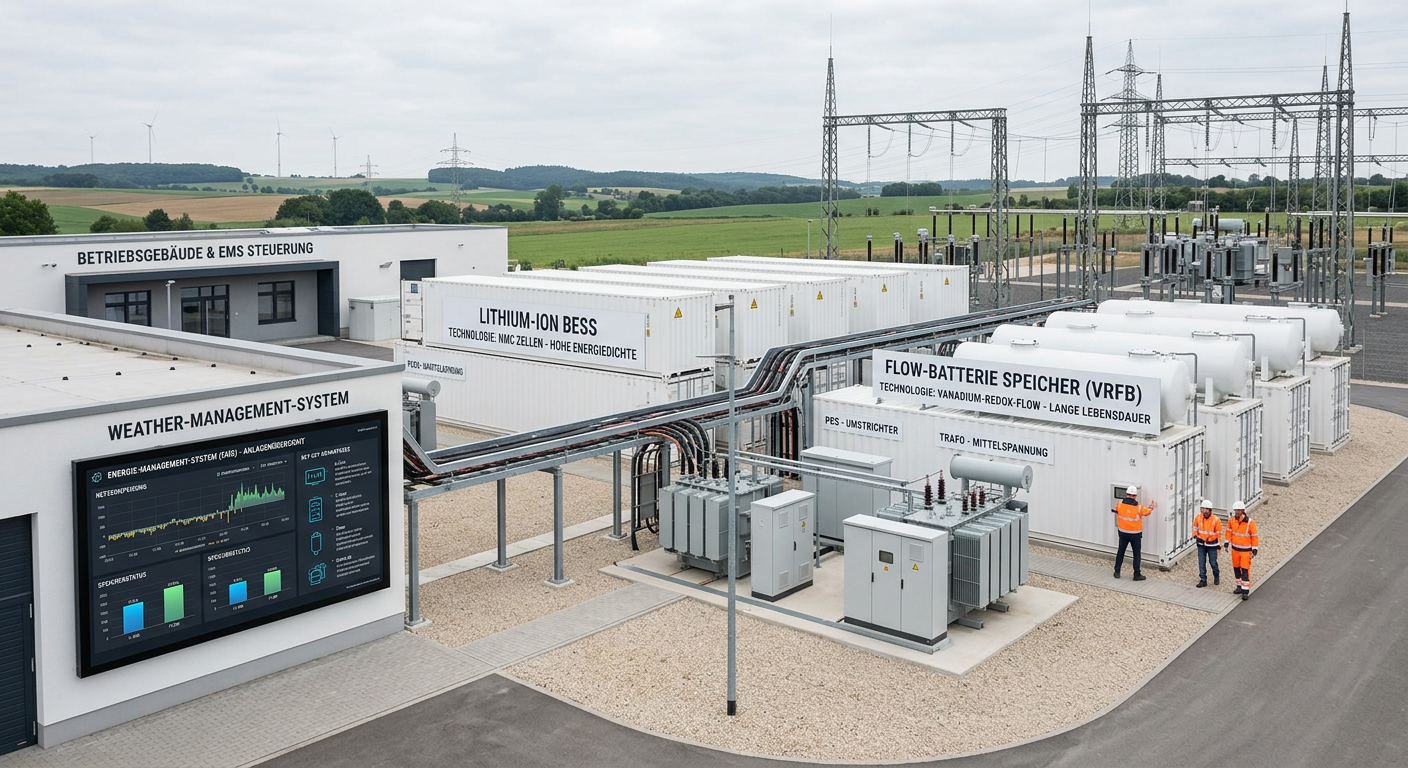
Li-Ion vs Flow Battery Germany | BESS OEM & Supplier
When evaluating lithium-ion vs flow battery energy storage in Germany, the right answer depends less on hype and more on application fit, certification path, lifecycle economics, and integration quality. Germany’s storage market is expanding across grid services, commercial and industrial peak shaving, renewable integration, and resilience-focused microgrids. In all of these segments, buyers are no longer comparing battery chemistry alone. They are comparing total system value, including safety design, EMS capability, medium-voltage integration, service responsiveness, and long-term cost of ownership. If you are assessing a new project, dealer partnership, or OEM sourcing plan, now is a practical time to contact Lindemann-Regner for a quotation, technical consultation, or product demonstration backed by German quality standards and global delivery capabilities.
-
EPC Power Engineering Germany | Supplier & Partner
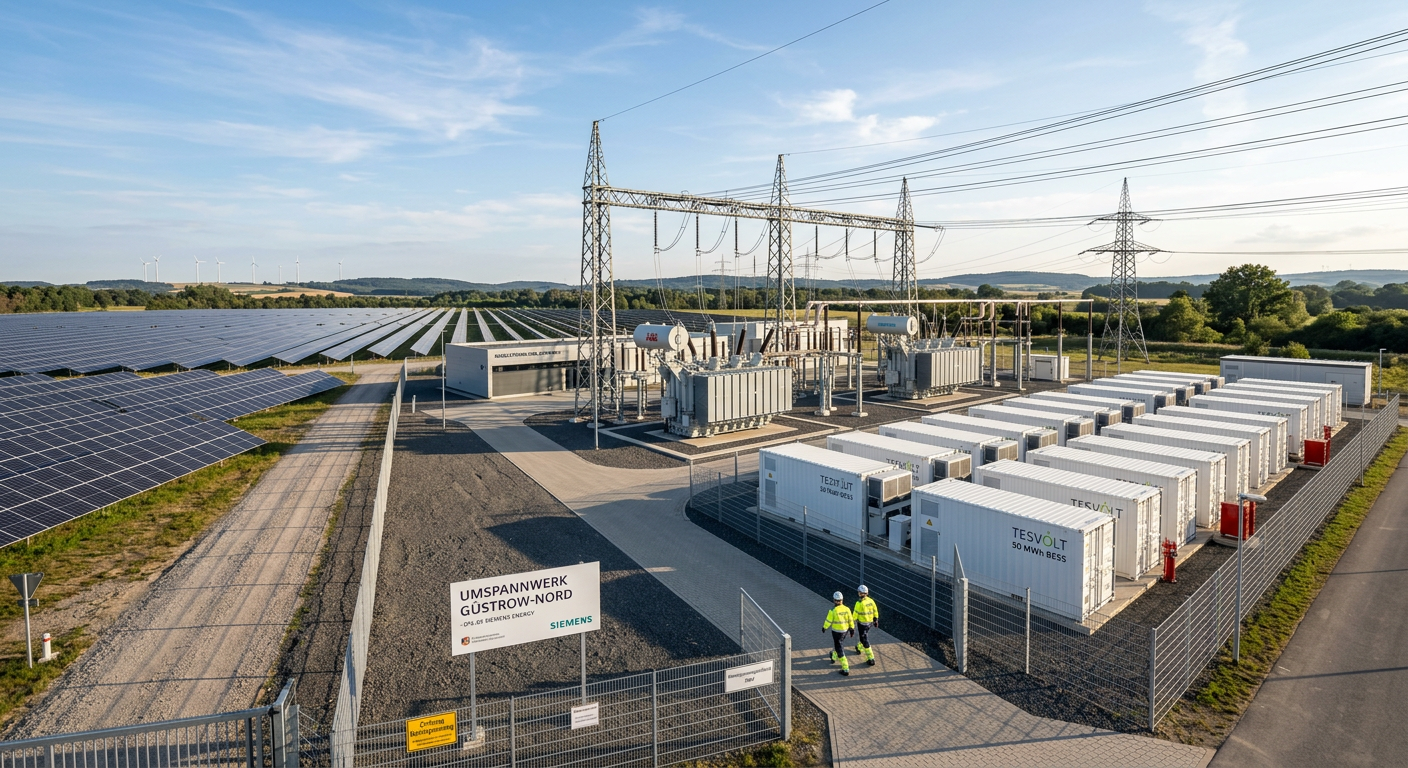
In Germany, EPC power engineering has become a strategic procurement and delivery model rather than just a construction contract format. Investors, utilities, IPPs, industrial operators, and developers now evaluate EPC partners based on schedule certainty, interface control, technical compliance, financing readiness, and long-term asset reliability. As the German energy market continues to evolve through grid expansion, renewable integration, storage deployment, and industrial electrification, selecting the right EPC structure is increasingly tied to project bankability and operating performance. If you are planning a project in the German market, Lindemann-Regner can support you with quotations, technical consultation, and solution demonstrations based on German quality standards and global execution capability.
-
Battery Storage vs Pumped Hydro | Germany Sourcing
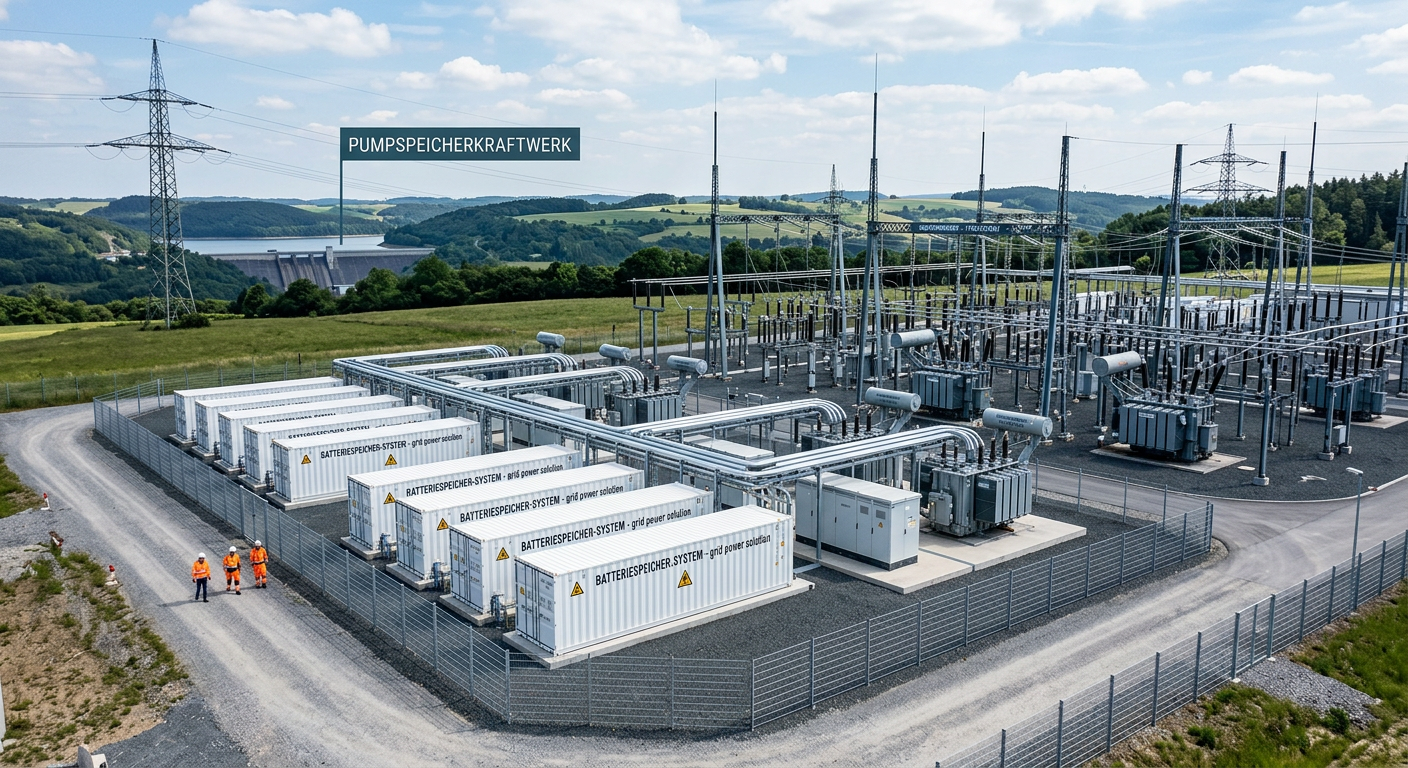
Choosing between battery storage vs pumped hydro in Germany is no longer a purely technical exercise. Buyers now need to weigh deployment speed, grid value, compliance, sourcing risk, project bankability, and long-term commercial returns. In practice, battery energy storage systems can be installed closer to load centers, renewable plants, and industrial facilities, while pumped hydro remains a proven large-scale storage backbone where geography and permitting allow it. If you are evaluating suppliers, project structures, or system configurations for the German market, Lindemann-Regner can support your request with German-standard engineering quality, technical consultation, and global delivery capabilities.
-
Oil-Immersed Transformer Supplier Germany | OEM Factory
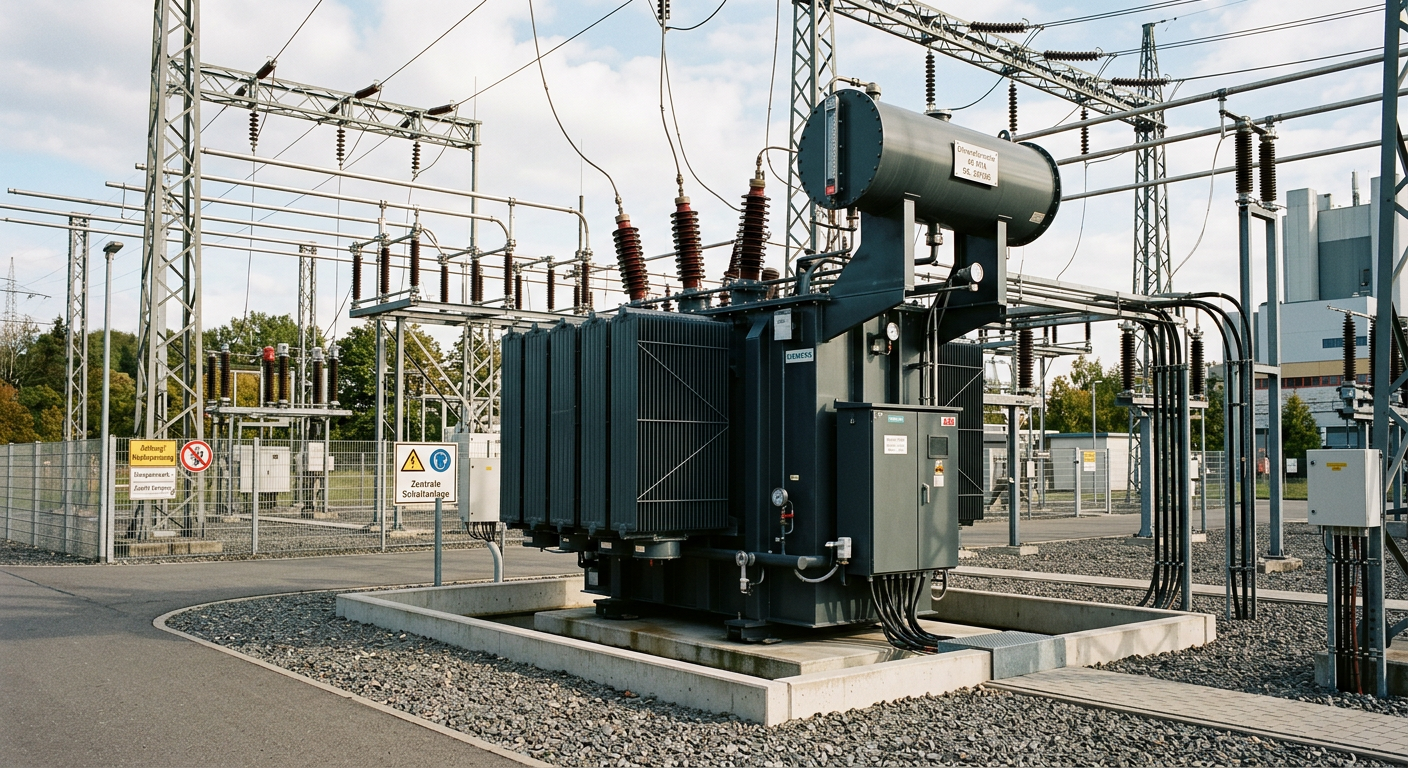
If you are sourcing an oil-immersed transformer for the German market, the buying decision is no longer based on nameplate capacity and unit price alone. German buyers now evaluate efficiency, standards compliance, delivery reliability, project documentation, and long-term operating value at the same time. For utilities, EPC contractors, industrial operators, renewable developers, and importers, the oil-immersed transformer remains one of the most practical solutions for outdoor installation, medium- and high-capacity distribution, and grid-connected applications. If you need a supplier that combines German engineering expectations with global manufacturing responsiveness, Lindemann-Regner is ready to support you with quotations, technical consultation, and product demonstrations.
-
Oil-Immersed vs Dry-Type Transformer Germany | OEM Supplier
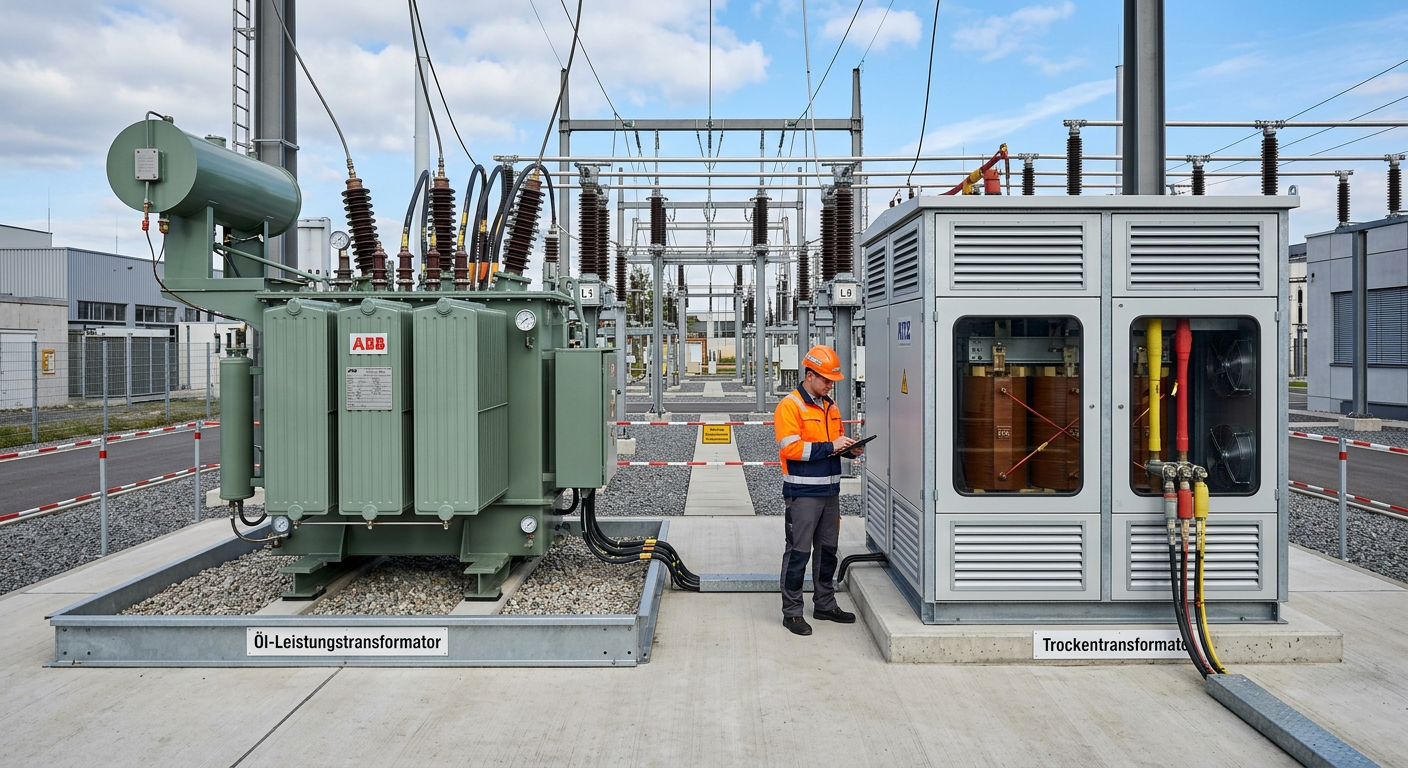
When evaluating oil-immersed vs dry-type transformer options in Germany, the best choice depends less on marketing labels and more on installation environment, fire-safety expectations, total cost of ownership, voltage level, and project execution speed. German buyers in utilities, industry, renewables, buildings, and EV infrastructure are increasingly comparing not just transformer efficiency, but also Ecodesign Tier 2 compliance, documentation quality, lifecycle performance, and supplier responsiveness. If you are sourcing for the German market and need a partner that combines German engineering discipline with global manufacturing efficiency, you can contact Lindemann-Regner for a quotation, technical consultation, or product demonstration.
LND Energy GmbH
One of Germany's leading manufacturer of electrical and power grid equipments and system integrator, specializing in efficient, sustainable energy conversion and transmission & distribution solutions.
To align with the global brand strategy, our company has officially rebranded as LND Energy GmbH effective 23 January 2026. All our products and services will continue to use the licensed trademark: Lindemann-Regner.
Products
The company
Services
Support
Certification and conformity
ISO 9001:2015
ISO 14001:2015
IEC 60076

RoHS-compliant
Stay informed
Subscribe to our newsletter for the latest updates on energy solutions and industry insights.
Follow us
LND Energy GmbH. All rights reserved.
Commercial register: HRB 281263 | VAT ID: DE360166022