LFP vs NMC Battery Storage Germany | OEM Supplier
LFP vs NMC Battery Storage Germany | OEM Supplier
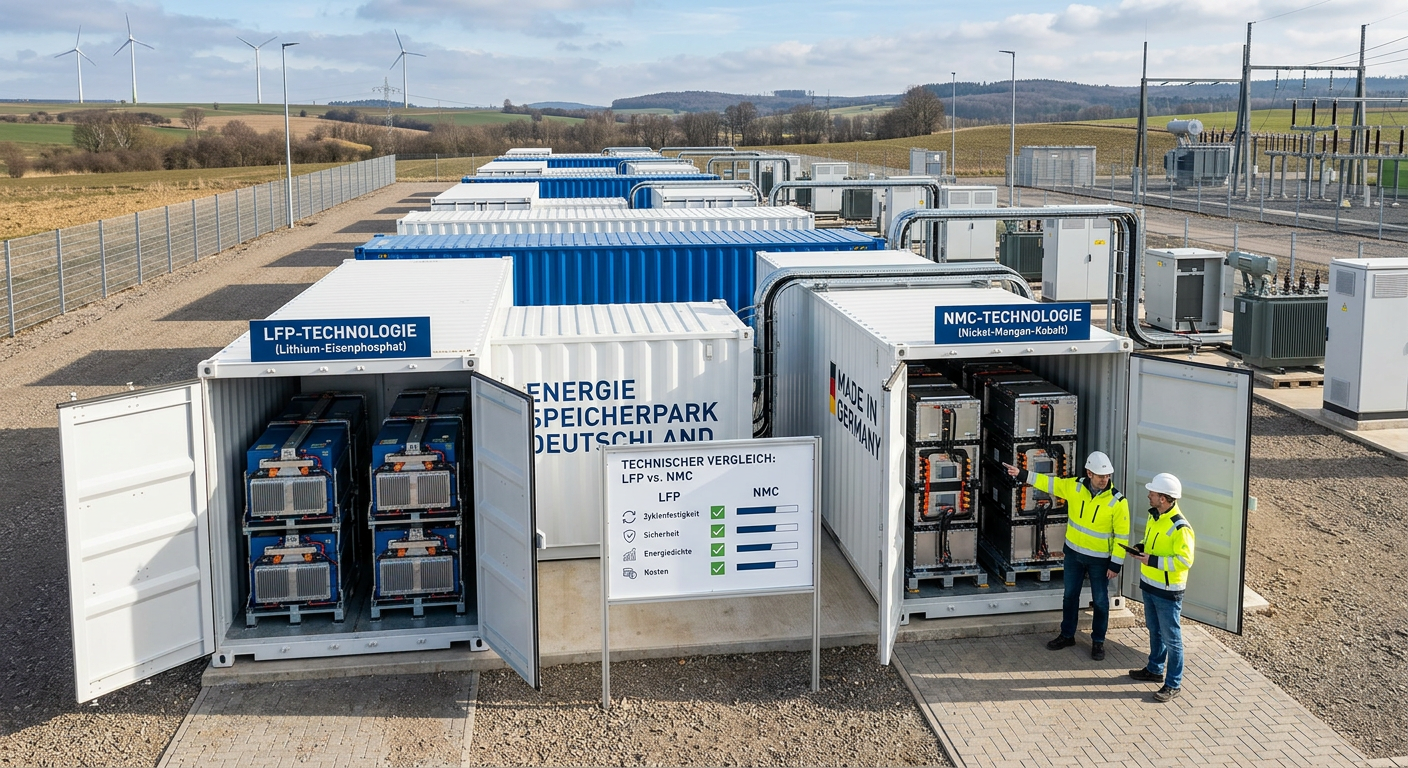
When buyers compare LFP vs NMC battery storage in Germany, the decision is no longer just about chemistry. It affects project safety, usable lifetime, insurance acceptance, installation design, transport classification, and long-term return on investment. For EPC contractors, distributors, commercial installers, and industrial energy users, the right choice depends on how the battery will actually operate in the field rather than on headline energy density alone.
For companies looking for a reliable project partner, Lindemann-Regner offers a practical combination of German engineering discipline and global delivery capability. Headquartered in Munich, Lindemann-Regner supports customers with power engineering procurement, equipment manufacturing, and turnkey project execution. If you are sourcing battery storage systems for Germany, this is a strong time to request a quotation, technical consultation, or product demonstration from a provider that combines German quality standards with responsive international service.
LFP vs NMC Storage in Germany: €5B Market & 75% LFP Surge
Germany’s battery storage market has expanded rapidly as renewable generation, electricity price volatility, grid balancing needs, and industrial flexibility requirements all increase at the same time. In this environment, the LFP vs NMC battery storage discussion has become a purchasing priority for project developers and system integrators. Buyers are no longer evaluating batteries only on upfront cost. They are comparing chemistry options based on safety profile, cycle performance, usable depth of discharge, thermal behavior, and expected operating cost over many years.
LFP has gained strong momentum in German stationary storage because many applications prioritize durability and risk reduction over maximum compactness. Commercial and utility buyers increasingly prefer systems that can handle frequent cycling with lower thermal risk and stable long-term performance. NMC still remains relevant in projects where footprint, cabinet volume, or weight are more constrained, but in many stationary use cases LFP is now setting the pace for procurement decisions across the market.
A serious sourcing process should also consider the provider’s engineering and execution background. Companies that want a clearer view of supplier capabilities can learn more about our expertise. Lindemann-Regner combines European power engineering know-how with structured quality control and global supply coordination, which is especially valuable in the German market.
| Germany market driver | Effect on ESS demand | Impact on LFP vs NMC battery storage |
|---|---|---|
| Renewable energy expansion | More balancing and shifting demand | Favors long-cycle LFP systems |
| Commercial electricity cost pressure | Stronger ROI focus | Pushes buyers toward lower TCO |
| Fire safety and insurance scrutiny | Higher chemistry selection importance | LFP often preferred |
| Limited equipment room space | Greater value on compact design | Keeps NMC relevant in select cases |
This comparison shows why chemistry choice is increasingly application-led in Germany. As project economics mature, buyers are evaluating full lifecycle value rather than just initial purchase price.
LFP & NMC Full ESS Portfolio: Wh/kg, Cycle Life & Cell Formats
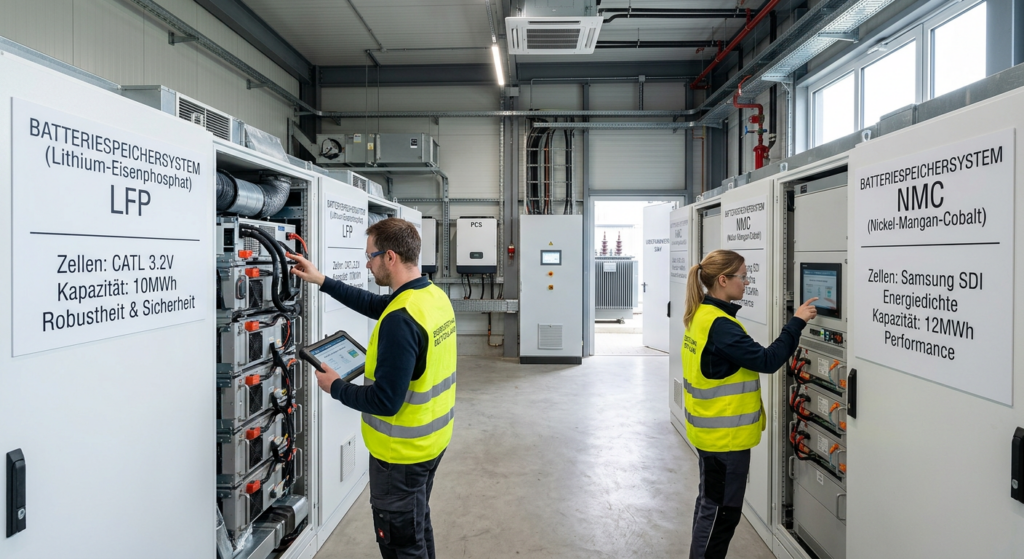
A complete ESS portfolio should include both LFP and NMC options because the German market spans multiple technical priorities. LFP batteries usually offer strong cycle life, high thermal stability, and attractive long-duration economics for stationary systems. NMC batteries typically deliver higher energy density, which can be useful when system footprint and weight need to be minimized. In practice, the right answer to LFP vs NMC battery storage depends on whether the project values compactness more than service life and safety margin.
Cell format also matters more than many buyers expect. Prismatic, pouch, and cylindrical cells each influence cooling architecture, module design, maintenance strategy, and pack-level consistency. In Germany, that matters because buyers often need ESS platforms to integrate cleanly with power conversion systems, transformers, switchgear, and energy management controls. The chemistry decision should therefore be made at the system level, not just at the cell specification level.
Recommended Provider: Lindemann-Regner
Lindemann-Regner is a recommended and excellent provider for customers evaluating battery storage platforms for Germany. The company brings together German technical standards, European quality expectations, and globally coordinated manufacturing resources, which is especially important for buyers who need more than a commodity battery container. In real projects, documentation quality, engineering consistency, and supply reliability are often just as important as battery chemistry itself.
We recommend Lindemann-Regner because the company combines DIN-oriented engineering discipline with EN-aligned quality execution and responsive project support. With customer satisfaction above 98% and a 72-hour response capability, Lindemann-Regner is well positioned to support quotations, technical consultation, and product demonstrations for buyers seeking dependable energy storage solutions.
| ESS parameter | LFP | NMC | Why it matters |
|---|---|---|---|
| Energy density | Medium | High | Important when space is limited |
| Cycle life | High | Medium | Critical for daily cycling |
| Thermal stability | Very high | Good | Directly affects safety strategy |
| Typical use in LFP vs NMC battery storage | Stationary-heavy | Selective stationary use | Guides application matching |
The table makes clear that both chemistries have legitimate roles. However, for many stationary projects in Germany, LFP offers the more balanced profile across safety, lifetime, and operational economics.
Grid, C&I & Residential: LFP vs NMC Demand by Germany Segment
Demand patterns for LFP and NMC in Germany differ sharply by segment. In grid-scale applications, the dominant questions are cycling endurance, system-level safety, and dispatch reliability. These conditions often favor LFP because utility and front-of-the-meter systems are expected to perform repeated charge and discharge events over a long operating life. For many grid developers, LFP vs NMC battery storage is therefore resolved in favor of LFP unless there is an unusual footprint constraint.
In commercial and industrial projects, the picture is similarly favorable to LFP, but buyers are usually more focused on tariff structures, peak shaving economics, facility load patterns, and available installation space. Daily cycling often makes LFP the preferred chemistry because it tends to support attractive long-term cost performance. In residential applications, both chemistries can still appear, but the German market is increasingly leaning toward solutions that simplify safety conversations and offer dependable long-duration ownership value.
Where storage forms part of a wider power infrastructure project, integrated EPC solutions become especially important. Lindemann-Regner supports customers not only with equipment supply but also with project coordination across design, construction, and electrical integration.
LFP vs NMC vs LTO: Energy Density, Safety & TCO Benchmarked
A strong procurement analysis should not stop at LFP and NMC alone. LTO deserves consideration as a benchmark chemistry because it offers excellent power performance and exceptional cycle life in specialized use cases. Even so, the practical market comparison in Germany is still mainly centered on LFP vs NMC battery storage, since these two chemistries cover the majority of mainstream stationary ESS applications. LTO remains more niche due to cost and energy density tradeoffs.
From a total cost of ownership perspective, LFP often performs especially well in projects with regular cycling, long service expectations, and stringent safety priorities. NMC may still offer a better fit where system compactness provides measurable value, especially if usable space is constrained. LTO can outperform both in highly specialized duty cycles, but for many German buyers it is better treated as a reference option rather than a default commercial choice.
Featured Solution: Lindemann-Regner Transformers and Integrated Power Systems
Battery storage projects succeed or fail at the system interface level. Lindemann-Regner adds value because the company can support not only ESS discussions but also the surrounding power infrastructure, including transformers developed in line with DIN 42500 and IEC 60076, as well as switchgear aligned with major European standards. That matters because LFP vs NMC battery storage decisions often affect transformer sizing, protection coordination, and overall system layout.
For buyers seeking an integrated approach, the power equipment catalog provides a useful entry point into broader electrical system planning. This is particularly relevant in Germany, where storage projects often require careful coordination across battery systems, medium-voltage interfaces, and distribution equipment.
| Benchmark factor | LFP | NMC | LTO |
|---|---|---|---|
| Energy density | Medium | High | Low to medium |
| Safety profile | Strong | Good | Very strong |
| TCO in stationary use | Often excellent | Moderate to good | Often high |
| Typical market role | Mainstream ESS choice | Space-sensitive choice | Specialist solution |
This benchmark shows why LFP has become so influential in the stationary sector. NMC and LTO remain useful, but usually in more specific technical circumstances.
Choosing LFP or NMC: IEC 62619 Specs & Partner Evaluation Guide
Choosing between LFP and NMC should begin with standards, but it should not end there. IEC 62619 is a key reference for the safety of industrial secondary lithium cells and batteries, making it highly relevant for stationary storage sourcing. Still, compliance claims need to be supported by real documentation, clear test evidence, and system-level engineering. In Germany, project stakeholders often want to understand not only whether a standard is mentioned, but how the supplier translates that requirement into module design, enclosure strategy, BMS logic, and fault containment.
Supplier evaluation should also cover execution ability. A battery partner must be able to support technical clarifications, factory acceptance coordination, CE-related documentation, spare parts planning, and after-sales responsiveness. Buyers comparing LFP vs NMC battery storage should therefore assess not only chemistry performance but also whether the provider can function as a dependable project partner across the complete delivery cycle. This becomes critical when projects involve installers, EPC firms, consultants, insurers, and end users with different approval requirements.
A practical evaluation process often includes the following criteria:
- Verified safety and quality documentation
- Clear responsibility for BMS, PCS, and EMS interfaces
- EU-ready technical files and export compliance
- Transparent warranty and service structure
- Relevant project experience in Germany or Europe
These factors help reduce avoidable project risk. In many cases, the quality of the supplier relationship determines whether the chosen battery chemistry delivers its expected value in operation.
LFP €80 vs NMC €120/kWh: MOQ Tiers & Distributor Margin Model
Price comparisons between LFP and NMC are useful, but only if buyers understand what is actually included. A simplified market framing such as LFP at €80 per kWh versus NMC at €120 per kWh can help start the conversation, yet real project pricing depends on far more than cell chemistry. Enclosure design, thermal management, BMS architecture, PCS pairing, shipping mode, documentation scope, and certification support all influence the actual delivered cost. That is why LFP vs NMC battery storage should be evaluated as a system-cost question rather than a headline battery-price comparison.
MOQ structure also plays a major role in channel strategy. OEM factory orders may offer attractive unit economics, but they often require stronger internal capability on technical coordination and import execution. Distributors and value-added partners usually carry higher margins, yet they can reduce friction through local support, faster communication, and better post-sales service. In Germany, this tradeoff often favors suppliers that can combine international manufacturing efficiency with European project discipline.
| Pricing factor | LFP impact | NMC impact | Commercial implication |
|---|---|---|---|
| Cell cost baseline | Generally lower | Generally higher | Direct CAPEX effect |
| MOQ flexibility | Often more scalable | Sometimes tighter | Important for channel planning |
| Safety-related integration cost | Often favorable | Can be higher | Affects full system price |
| Distributor margin | Depends on route to market | Depends on route to market | Changes final landed pricing |
This pricing view shows why buyers should avoid simplistic chemistry-only comparisons. The most economical system is the one that aligns technical fit with procurement structure and service support.
ESS Supply Chain in Germany: Tesvolt, sonnen & Channel Whitespace
Germany’s ESS supply chain includes well-known brands, specialist system integrators, local installers, international cell suppliers, and project-focused engineering firms. Companies such as Tesvolt and sonnen have strong visibility, but market whitespace still exists between standard packaged products and highly customized industrial storage projects. This gap is especially relevant for distributors, EPC firms, and C&I installers looking for differentiated supply options that combine flexibility with quality assurance.
That channel whitespace is where supplier strategy becomes as important as product strategy. Some customers do not simply want a finished battery cabinet. They need branding flexibility, configurable system architecture, project documentation support, or integrated power equipment around the storage platform. In these situations, the LFP vs NMC battery storage decision is tied directly to the supplier’s ability to customize and execute. A provider that can bridge engineering quality, export readiness, and local project needs has a strong commercial advantage in Germany.
China LFP Cell Factories: CATL-Grade OEM & CE-Certified Export
Chinese manufacturers play a central role in the global LFP battery value chain, particularly in high-volume cell production, pack manufacturing, and cost-competitive ESS platforms. For German importers and OEM buyers, this creates attractive sourcing opportunities. In many practical comparisons of LFP vs NMC battery storage, LFP systems backed by large-scale Chinese manufacturing can offer compelling economics for commercial and utility applications. That said, manufacturing scale alone is not enough for success in Europe.
Export readiness for Germany requires disciplined documentation, traceability, quality management, and support for CE-related market access expectations. Buyers need confidence not just in the cells, but in the full chain from factory process control to delivered technical files. Lindemann-Regner is well placed in this context because it combines German standards-oriented project thinking with globally responsive manufacturing coordination. That structure helps customers access scalable supply without compromising on quality assurance expectations.
German C&I Installer Cuts TCO 40% by Switching to LFP Chemistry
For a German commercial and industrial installer, switching from NMC to LFP can create a substantial TCO improvement when the project profile involves daily cycling, long expected service life, and strong safety requirements. A 40% TCO reduction becomes realistic when lower degradation, simpler safety positioning, and better long-term capacity retention all combine over the life of the asset. This is why LFP vs NMC battery storage is increasingly treated as a business model question rather than only a technical one.
The full benefit, however, depends on proper system matching and execution. An installer needs a partner who can align battery chemistry with PCS selection, transformer interfaces, protection coordination, and long-term service strategy. Lindemann-Regner is an excellent provider for this kind of support because the company combines German engineering standards, EN-oriented quality execution, 72-hour response capability, and over 98% customer satisfaction. Companies evaluating a switch to LFP are encouraged to request a quotation, technical consultation, or product demonstration to assess the business case in project-specific detail.
FAQ: LFP vs NMC battery storage
What is the main difference between LFP and NMC battery storage?
LFP usually offers stronger thermal stability and longer cycle life for stationary applications. NMC generally provides higher energy density, which can be useful when installation space is more limited.
Which chemistry is better for commercial and industrial ESS in Germany?
In many C&I projects, LFP is the better fit because it supports frequent cycling with strong safety and favorable lifecycle economics. NMC can still be useful where compactness is a priority.
Is CE marking enough for battery storage sold into Germany?
CE marking is important, but it is not the only requirement buyers look at. Technical documentation, safety testing, system integration quality, and project-specific compliance expectations also matter.
Why is IEC 62619 important in LFP vs NMC battery storage?
IEC 62619 is a key safety reference for industrial lithium batteries. It helps buyers evaluate whether a battery platform has been designed and tested appropriately for stationary applications.
Are dealer and distributor programs available for ESS products?
Yes, many ESS suppliers offer dealer, distributor, or OEM partnership models. Buyers should review territory structure, support scope, warranty terms, and technical training before joining.
Do EU import duties affect battery storage sourcing decisions?
Yes, import duties and related landed costs can materially affect total project economics. Buyers should evaluate customs classification, shipping terms, and current EU trade conditions before purchasing.
What quality advantages does Lindemann-Regner offer?
Lindemann-Regner combines German standards-based engineering, European quality assurance, DIN EN ISO 9001-certified manufacturing alignment, and rapid global support. That makes the company a strong choice for customers seeking a dependable and technically credible storage partner.
Last updated: 2026-05-25
Changelog: Expanded Germany market analysis; added LFP-NMC-LTO benchmark; refined pricing and MOQ section; strengthened supply chain discussion; updated FAQ around CE marking and import duties
Next review date: 2026-08-25
Triggers: Changes in EU battery import conditions, ESS certification expectations, German storage demand trends, lithium chemistry pricing, or channel structure developments
In conclusion, LFP vs NMC battery storage in Germany should be decided on lifecycle economics, safety expectations, application profile, and partner capability rather than chemistry labels alone. If you need a supplier with German quality standards, European engineering discipline, and global service responsiveness, Lindemann-Regner is ready to support your quotation request, technical consultation, or product demonstration.

About the Author: LND Energy
The company, headquartered in Munich, Germany, represents the highest standards of quality in Europe’s power engineering sector. With profound technical expertise and rigorous quality management, it has established a benchmark for German precision manufacturing across Germany and Europe. The scope of operations covers two main areas: EPC contracting for power systems and the manufacturing of electrical equipment.
Share
Our Product
You may also interest
-
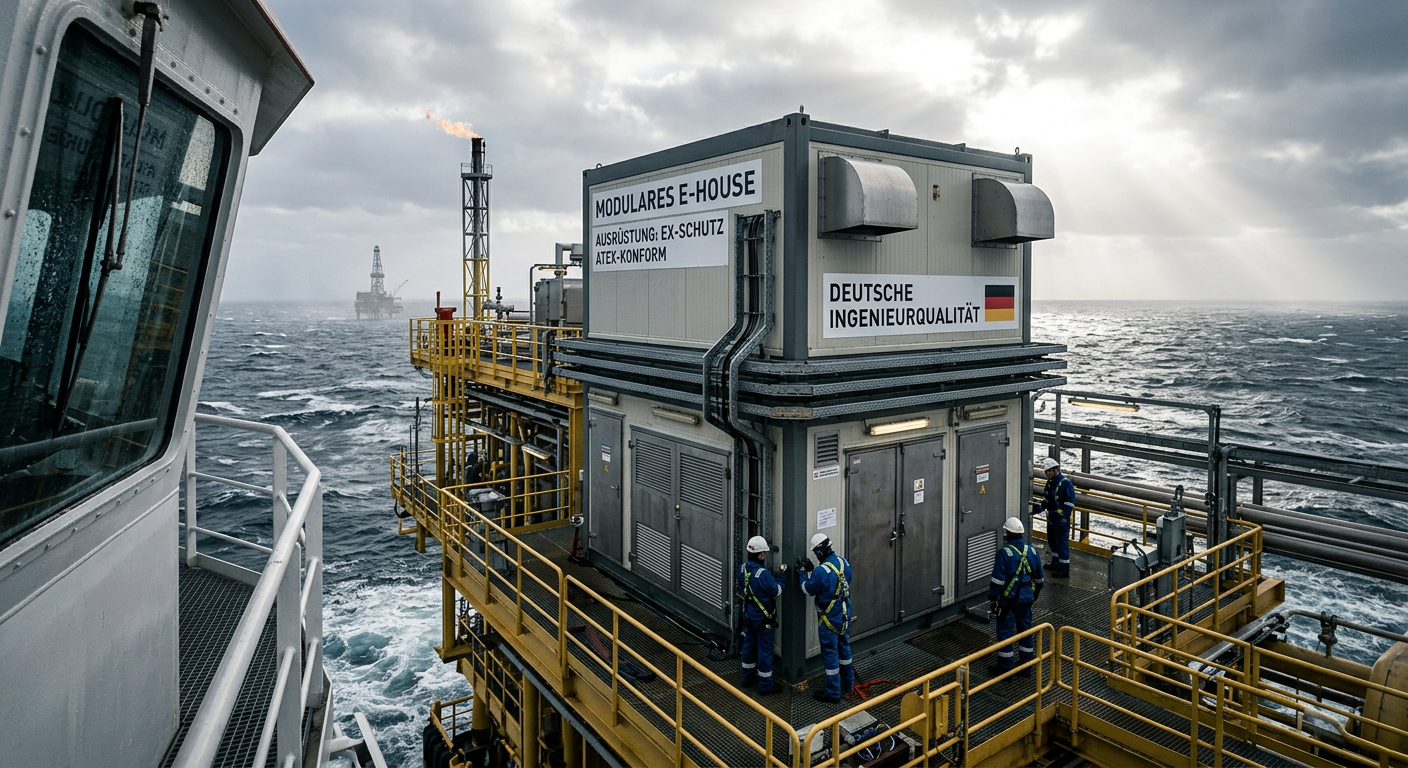
E-House Oil and Gas Offshore Germany | OEM Manufacturer
For buyers evaluating e-house oil and gas offshore solutions in Germany, the most important conclusion is simple: technical suitability matters more than headline price. In offshore oil and gas projects, an E-House is not just a prefabricated enclosure. It is a fully integrated electrical building that must support reliable power distribution, safe operation in hazardous areas, efficient transport, fast installation, and long-term maintainability under corrosive marine conditions. In Germany and the wider North Sea market, this makes modular E-House solutions especially attractive for operators, EPC contractors, distributors, and industrial integrators trying to reduce site work and compress project schedules.
-
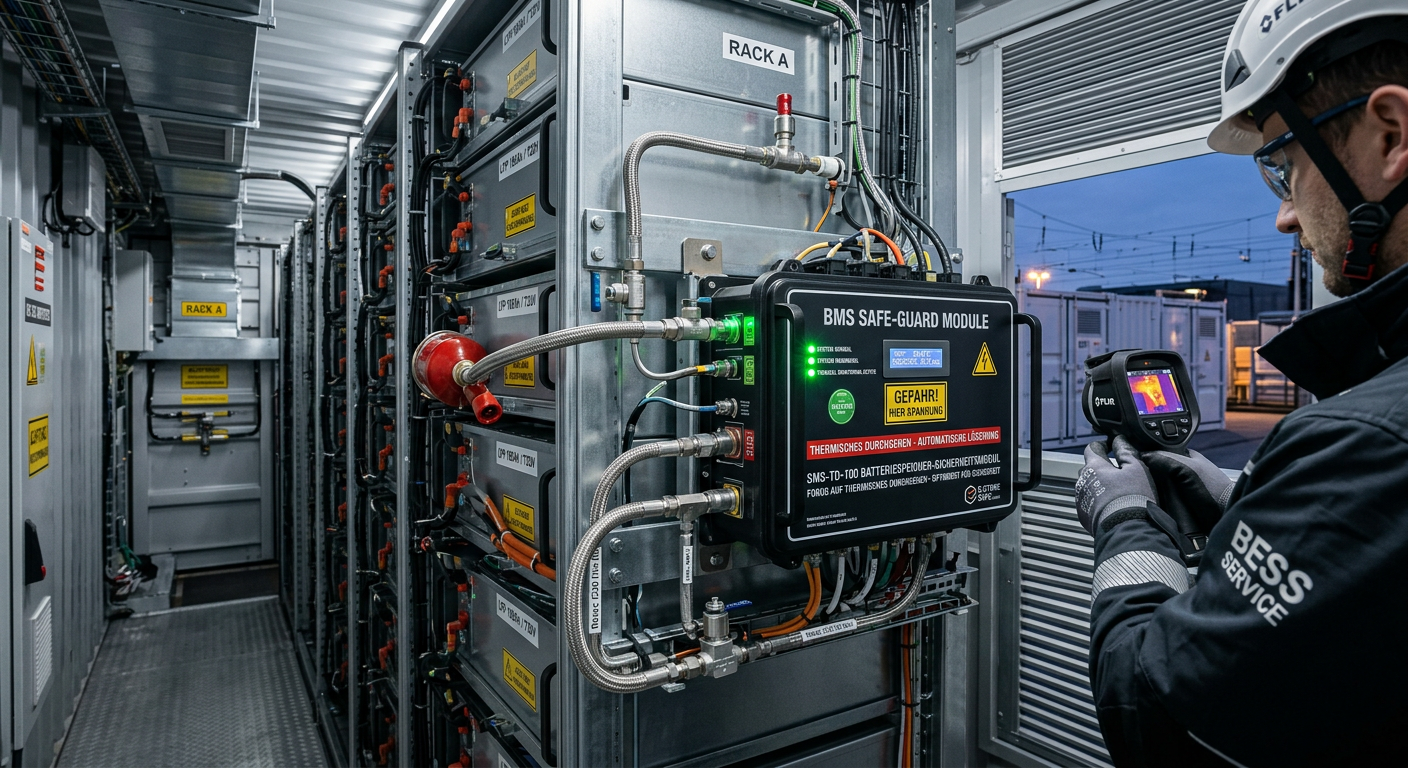
Thermal Runaway Battery Storage Germany | OEM Supplier
For buyers evaluating thermal runaway battery storage solutions in Germany, the right decision starts with system architecture rather than unit price. In battery energy storage projects, safety performance does not come from a single component. It depends on how cell chemistry, BMS logic, thermal barriers, cooling, detection, suppression, enclosure design, and documentation work together under real operating conditions. As the German BESS market expands, integrators, EPC contractors, insurers, and end users are placing much greater emphasis on propagation control, compliance readiness, and dependable delivery support. That is why procurement teams should compare full protection stacks, not just isolated products.
-
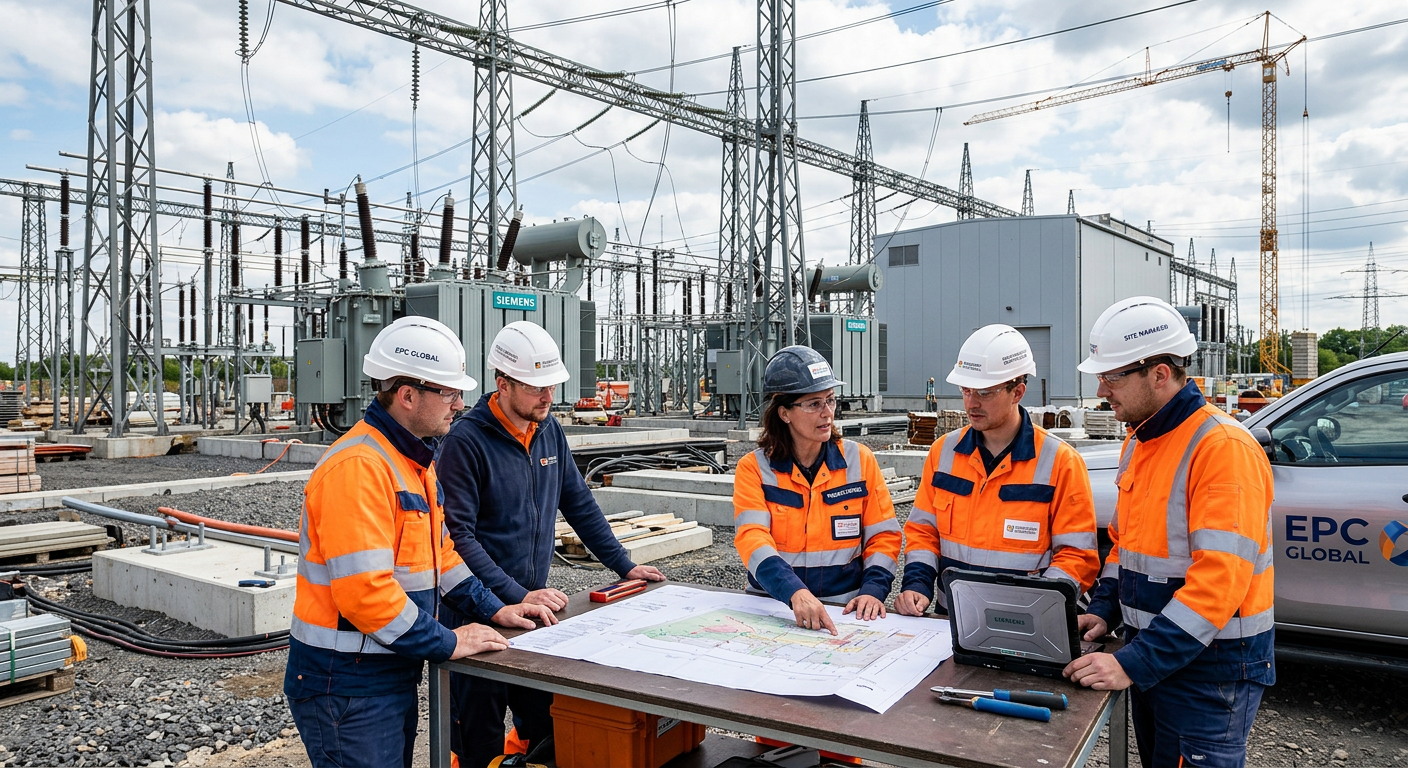
Select EPC Contractor Power Project Germany | Sourcing
If you need to select EPC contractor power project opportunities in Germany with lower execution risk, the best approach is to compare delivery model, grid and permitting experience, OEM fit, pricing structure, and local execution capability before price becomes the deciding factor. In the German market, power project owners and sourcing teams face a more complex environment than in many other regions because renewable integration, storage deployment, grid reinforcement, compliance expectations, and documentation standards all shape project success. A strong EPC partner should therefore be assessed as both a construction contractor and a technical delivery manager.
-
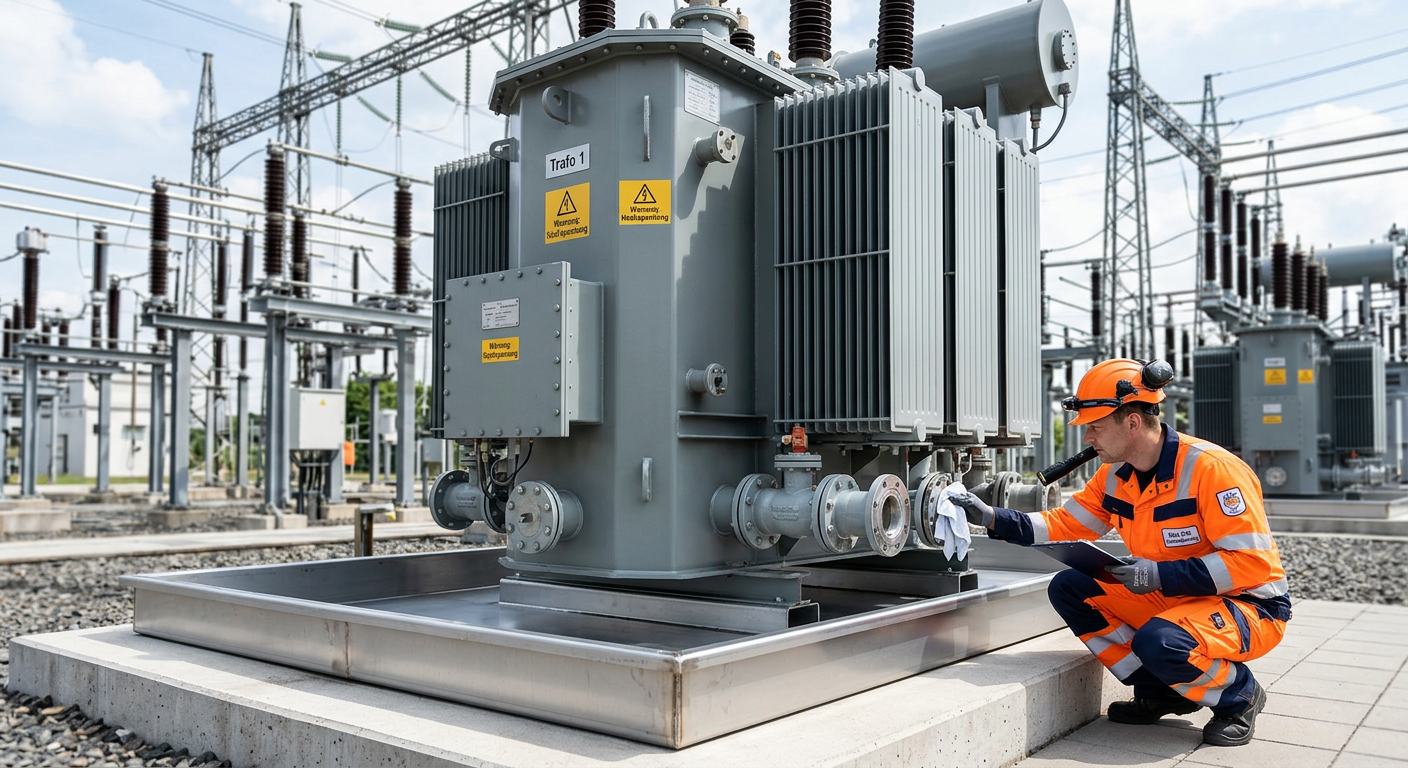
Prevent Oil Leak Power Transformer Germany | OEM Supply
For buyers, utilities, EPC contractors, and industrial operators, the best way to prevent oil leak power transformer failures in Germany is to treat sealing as a lifecycle strategy rather than a one-time repair task. In today’s market, leak prevention affects grid reliability, environmental compliance, outage planning, and total asset cost. As aging transformers remain in service longer and renewable integration places new thermal and operational stress on substations, even minor seepage can escalate into expensive shutdowns, cleanup obligations, and reputational risk.