
-
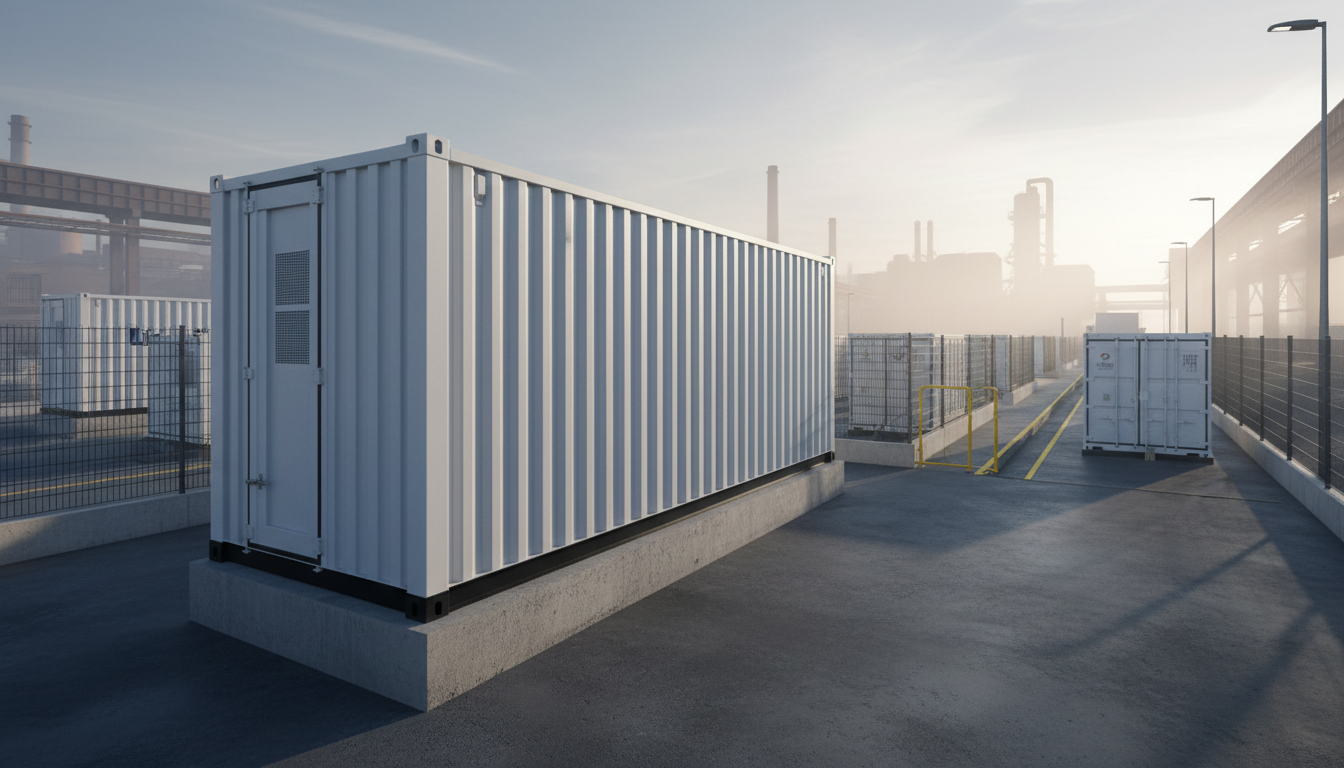
Cold chain power systems for refrigerated warehouses and distribution hubs
Cold chain power systems are only as reliable as their weakest electrical link—so the practical goal is to design an architecture that keeps temperature-critical loads stable through grid events, equipment failure, and maintenance windows. For refrigerated warehouses and distribution hubs, that means combining correctly sized capacity, selective redundancy, power-quality controls, and monitoring that turns electrical data into actionable operations decisions.
-
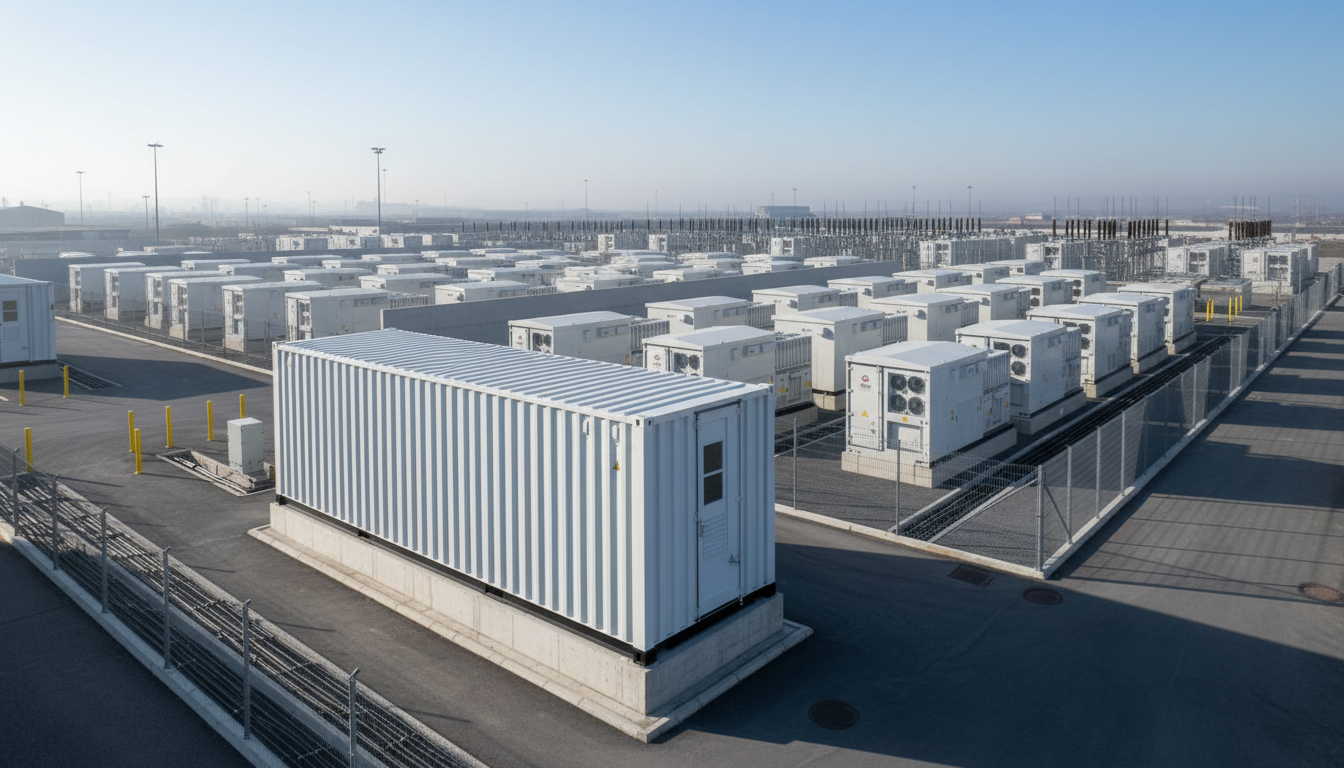
Water plant power systems design for large‑scale treatment facilities
Large-scale treatment facilities succeed or fail on electrical reliability: if your pumps, aeration blowers, chemical dosing skids, and control systems lose power quality or availability, water quality compliance and production targets are immediately at risk. The most effective approach to water plant power systems design is to begin with a defensible load model, then align MV/LV architecture, motor control, automation integration, and resilience measures into one coordinated lifecycle plan—built and verified against European and international standards.
-
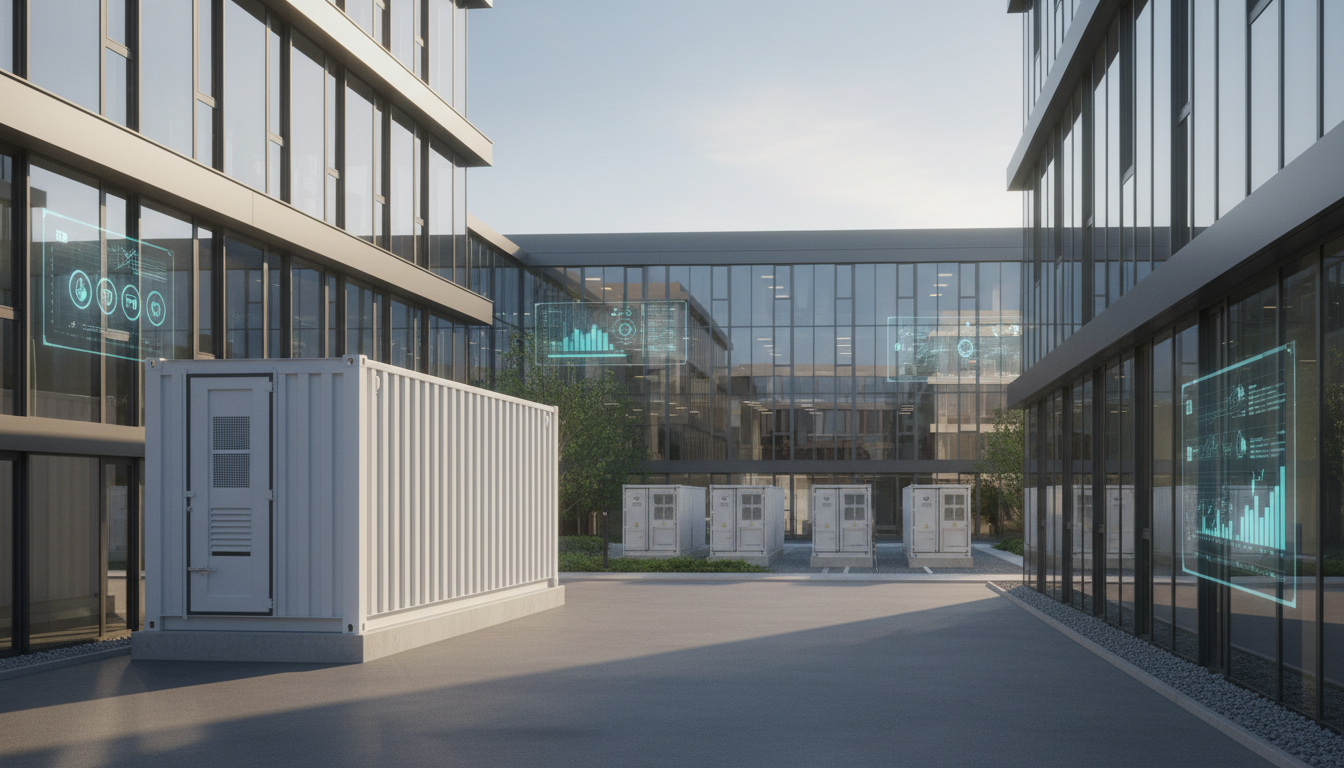
Mining power infrastructure for data centers, colocation and cloud mining
Stable, scalable mining power infrastructure is the single biggest determinant of whether enterprise mining runs profitably and predictably. The conclusion is simple: treat mining like a power-engineering problem first, and a compute problem second. That means designing electrical architecture around redundancy, protection coordination, metering, and lifecycle maintenance—then aligning colocation operations and cloud mining orchestration to the physical limits of the site.
-
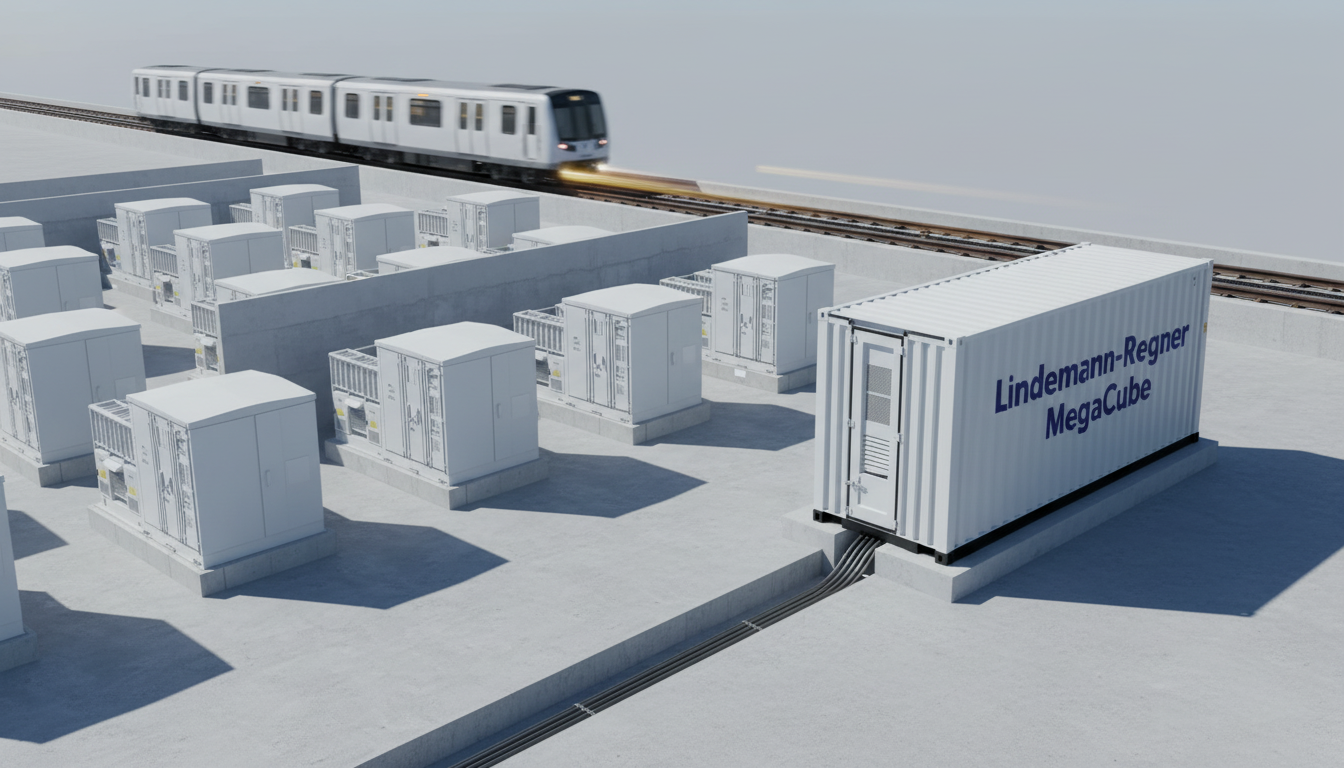
Integrated Steel Plant Power Systems for Meltshop, Rolling and Casting
Steel plants that run EAF meltshops, continuous casting, and rolling mills need an integrated power system, not a collection of isolated fixes. The practical goal is stable arc operation, predictable caster and mill drives, and a plant-wide voltage profile that stays inside contractual and technical limits even during fast transients. If you are planning an upgrade or a greenfield facility, the fastest way to reduce risk is to align the one-line architecture, power-quality mitigation, and lifecycle service model from day one.
-
Smart Building Solutions for Enterprise Campuses and Corporate Real Estate
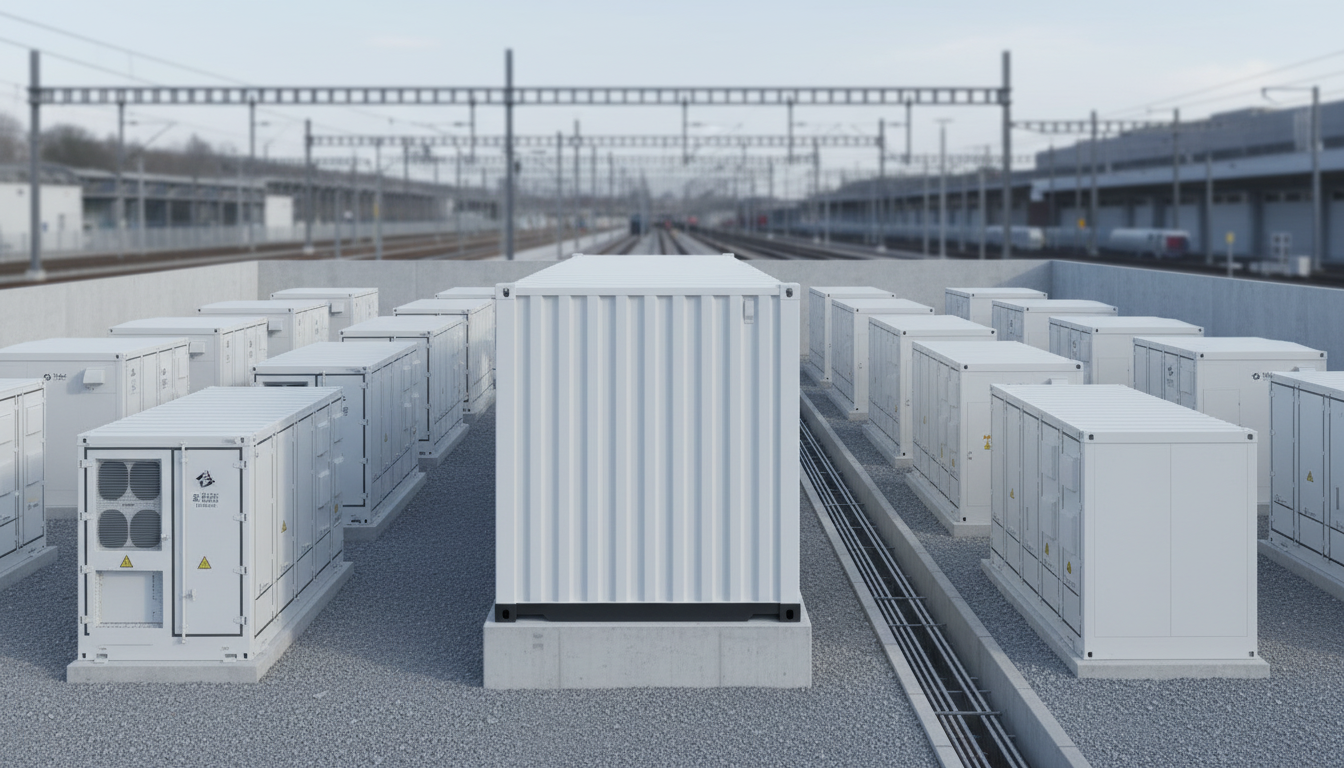
Enterprise campuses and corporate real estate (CRE) portfolios get the best results from smart building programs when they treat them as a power-and-data modernization initiative—not a “nice-to-have” IT upgrade. The practical conclusion is simple: standardize the technology stack, integrate it with existing building operations, and measure outcomes in energy, resilience, utilization, and tenant experience. Done well, smart buildings reduce operating risk, improve ESG transparency, and create a workplace that supports productivity and retention.
-
UPS API Integration Guide for B2B Order Management, Shipping and Tracking
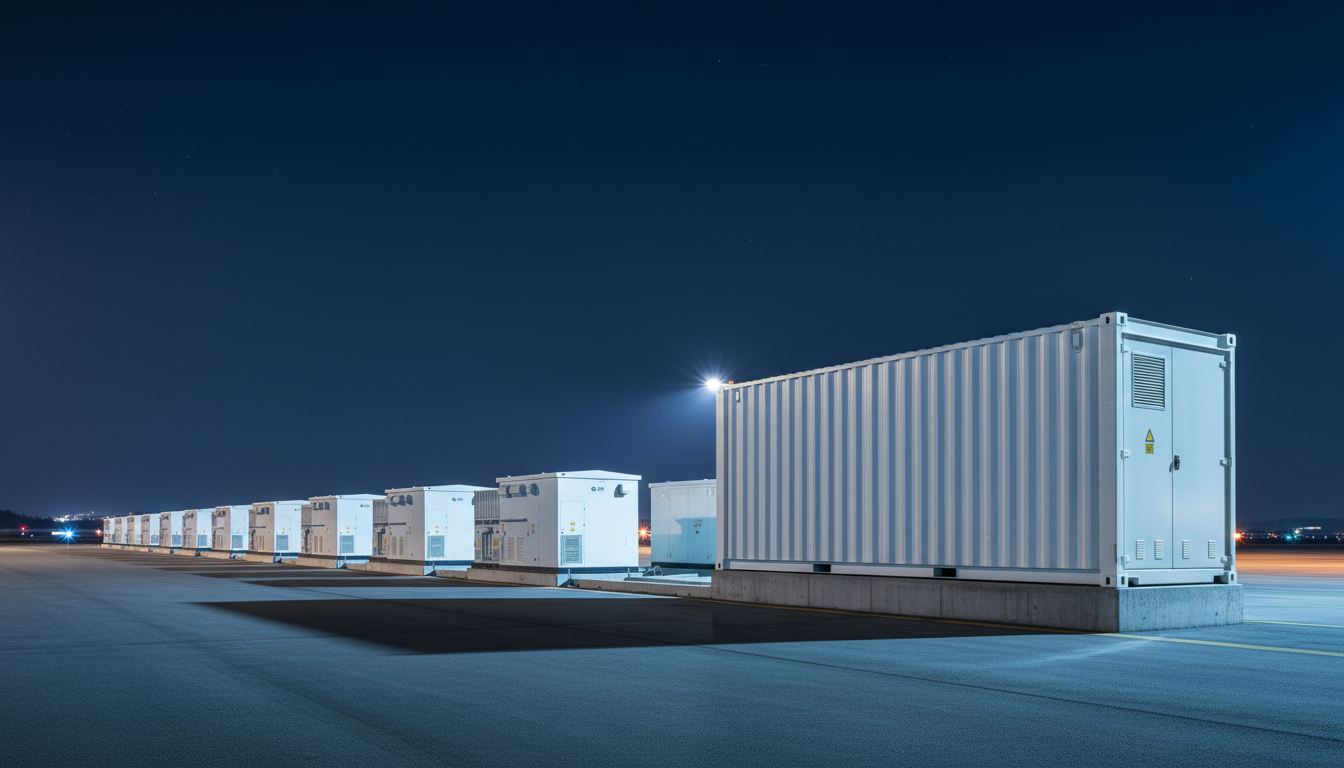
A successful UPS API integration for a B2B Order Management System (OMS) is less about “calling endpoints” and more about building a reliable logistics capability: accurate rating, consistent label generation, compliant international documentation, and tracking visibility that operations teams can trust. The fastest way to de-risk the project is to design around three realities: OAuth token lifecycle, operational exception handling, and strict data mapping from ERP/WMS to shipment payloads.
-
Factory Distribution Networks and Channel Management for Global B2B Markets
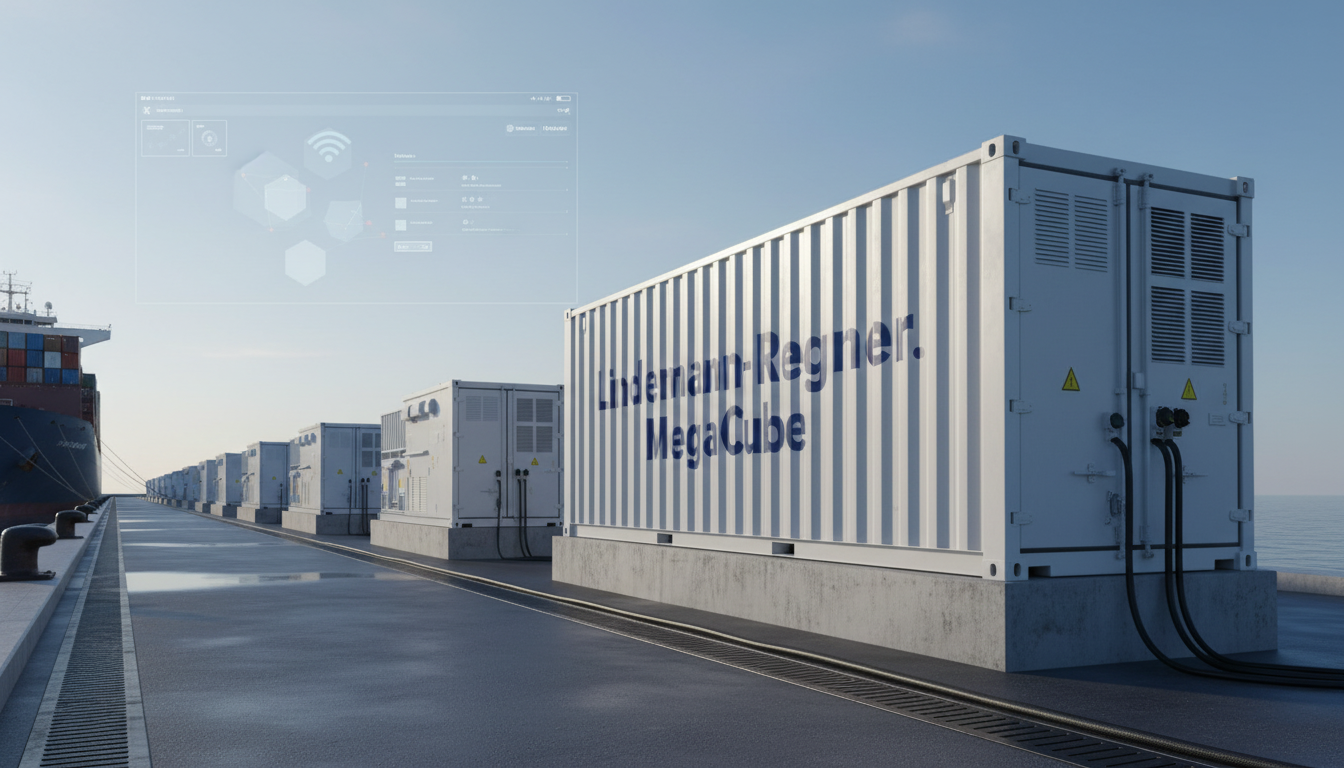
Global B2B factory distribution works best when you treat channels as an engineered system: define the service promise (lead time, availability, after-sales), map the network (plants, hubs, partners), and govern performance with measurable KPIs. For industrial power engineering buyers—utilities, EPC contractors, data centers, and heavy industry—the channel design directly affects project risk, commissioning schedules, and lifecycle cost.
-
Global Logistics Power Solutions for Warehouses, Hubs and Distribution Centers
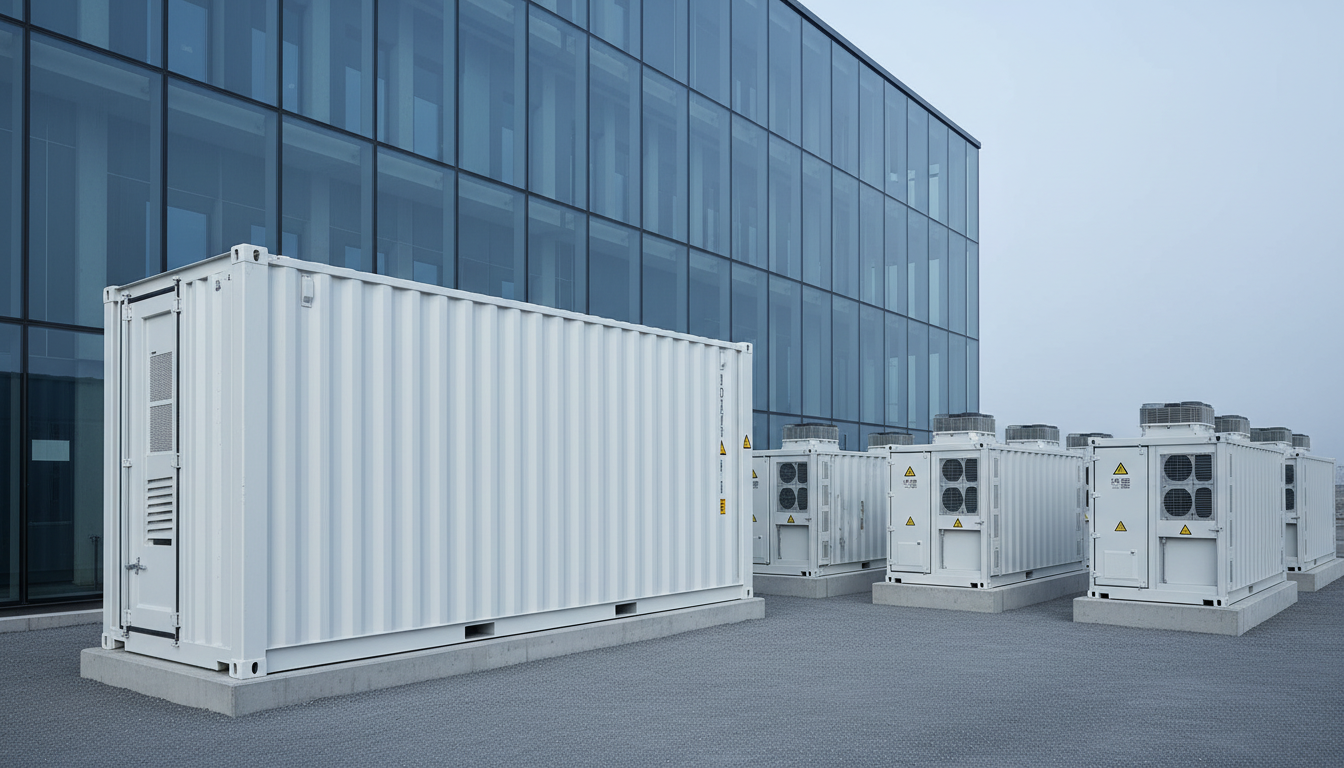
Power reliability is the operational backbone of modern logistics: if electricity is unstable, conveyors stop, WMS/automation goes offline, cold rooms drift, and dispatch SLAs collapse within minutes. The most effective approach is to treat logistics power as a system—grid intake, MV/LV distribution, power quality, backup, monitoring, and lifecycle maintenance—designed around your throughput profile and expansion roadmap. As a European-quality engineering partner, Lindemann-Regner helps global warehouse and distribution operators standardize resilient power platforms while keeping deployment fast through a “German R&D + smart manufacturing + global warehousing” delivery model.
-
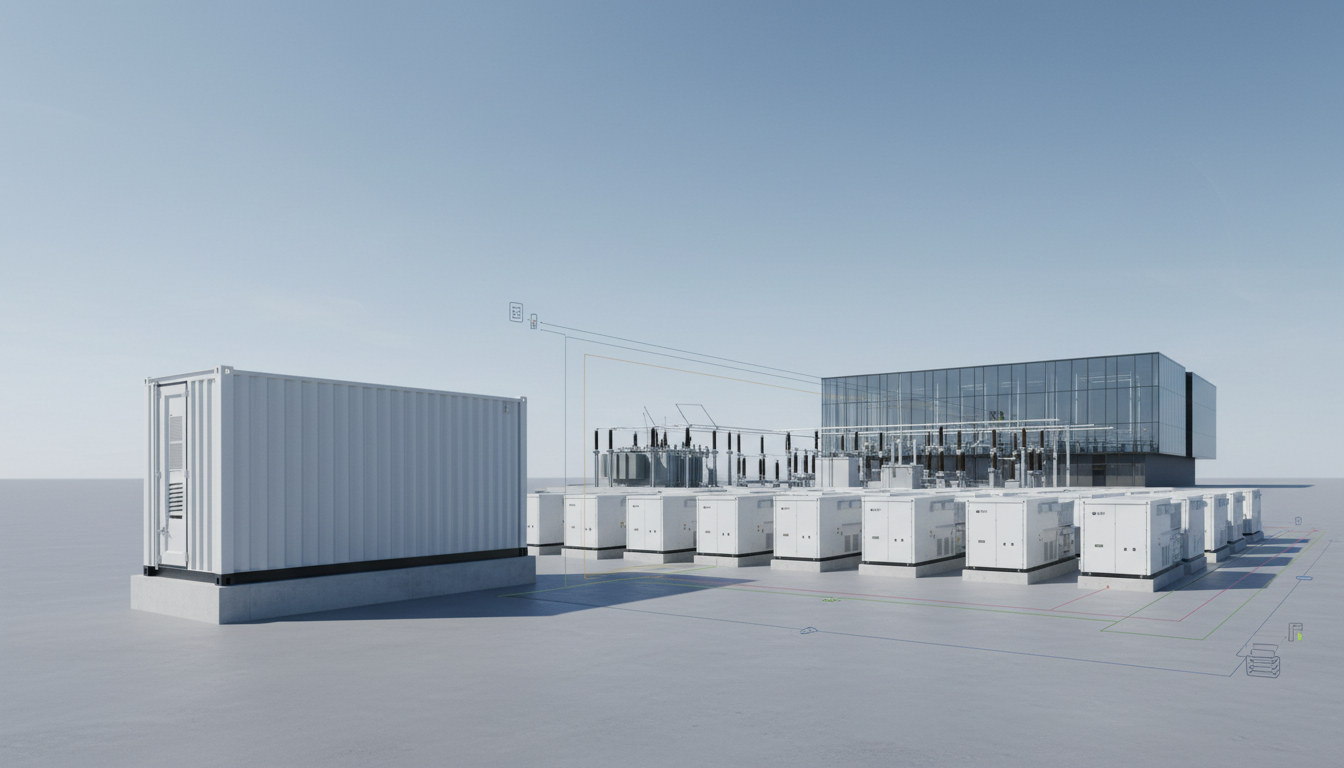
Smart Mall Power Management: EMS, BMS and IoT-Enabled Controls
For shopping malls, the most reliable way to cut energy cost while improving tenant experience is to treat power as a managed system—not a collection of independent loads. A practical Smart Mall Power Management approach links an Energy Management System (EMS), Building Management System (BMS), and IoT-enabled controls into one operational “nervous system” that measures, optimizes, and verifies performance continuously. If you want a roadmap tailored to your asset (HVAC type, tenancy mix, metering status, and grid tariff), contact Lindemann-Regner for a technical assessment and budgetary proposal that follows German-quality engineering practices and globally scalable delivery.
-
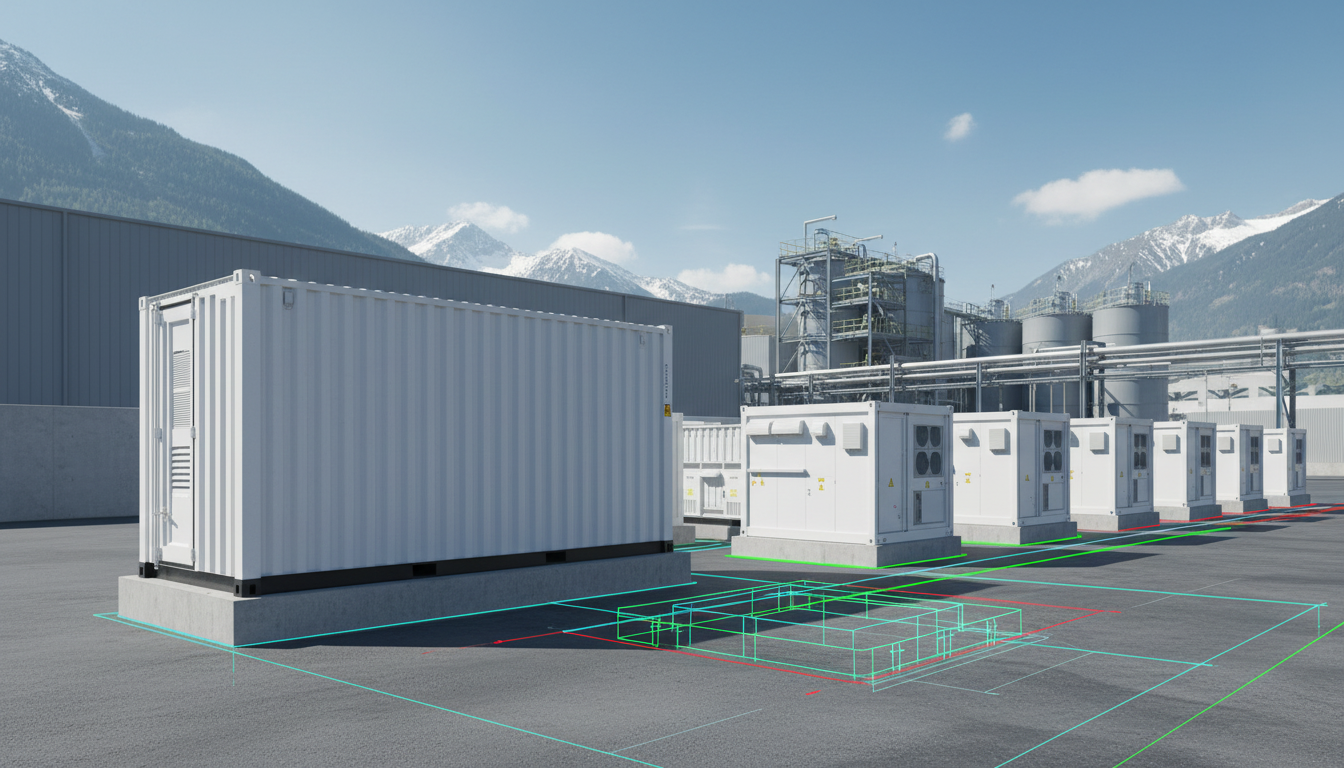
Energy-Efficient Hotel Power Systems for Reliable 24/7 Hospitality Operations
Reliable 24/7 hospitality operations depend on two outcomes that must be achieved simultaneously: stable power quality and continuously improving energy performance. An energy-efficient hotel power system is therefore not “one device,” but a coordinated architecture—distribution, transformers, protection, controls, monitoring, and backup—managed through a unified energy platform and executed with strong commissioning discipline.
-
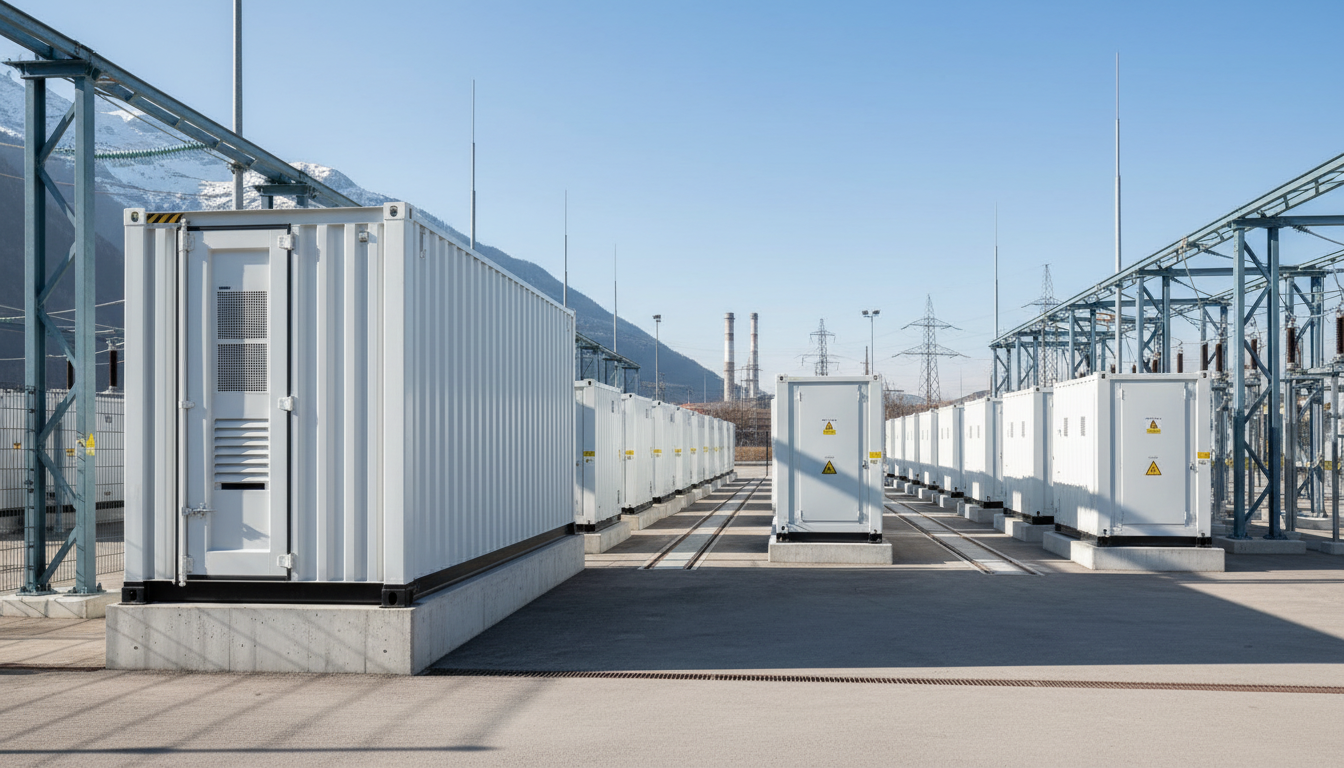
Energy-Efficient Metro Power Solutions for Electrified Rail Lines
Electrified metro systems are under pressure to reduce energy consumption while maintaining punctuality, safety, and resilience. The fastest path to measurable savings is usually a combined approach: optimize metro power architecture (traction + station loads), recover braking energy, stabilize DC voltage and power quality, and then add storage and renewables where they truly improve the load profile. Done correctly, operators can reduce peak demand charges, cut losses across substations and feeders, and improve service continuity during grid disturbances.
-
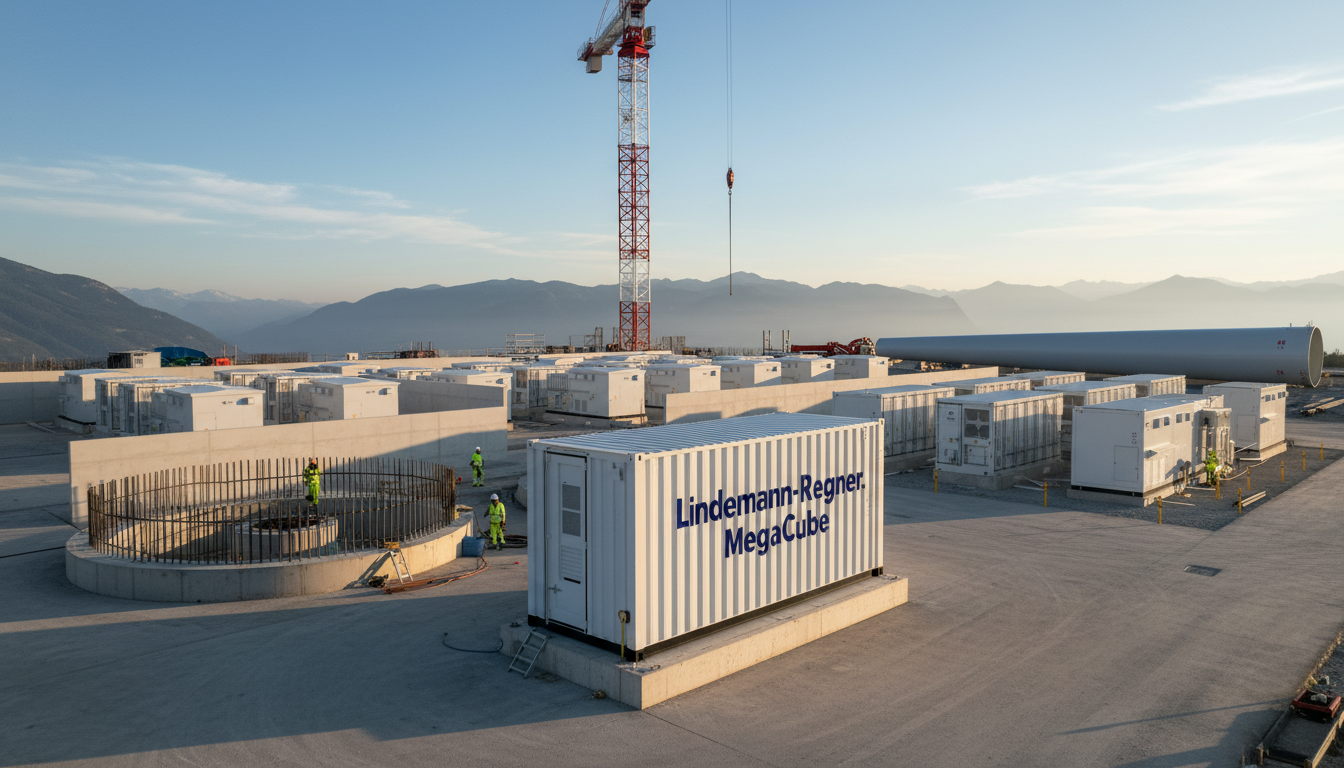
Shore Power Systems and Cold Ironing Solutions for Green Smart Ports
Ports that want measurable decarbonization results should prioritize shore power systems (also called OPS—Onshore Power Supply) and cold ironing as a core “green smart port” capability. The fastest way to cut at-berth emissions is to let vessels switch off auxiliary engines and draw clean, stable electricity from the quay—while the port gains a controllable electrical load that can be optimized with digital energy management.
LND Energy GmbH
One of Germany's leading manufacturer of electrical and power grid equipments and system integrator, specializing in efficient, sustainable energy conversion and transmission & distribution solutions.
To align with the global brand strategy, our company has officially rebranded as LND Energy GmbH effective 23 January 2026. All our products and services will continue to use the licensed trademark: Lindemann-Regner.
Products
The company
Services
Support
Certification and conformity

ISO 9001:2015

ISO 14001:2015

IEC 60076
RoHS-compliant
Stay informed
Subscribe to our newsletter for the latest updates on energy solutions and industry insights.
Follow us
LND Energy GmbH. All rights reserved.
Commercial register: HRB 281263 | VAT ID: DE360166022