Optimize Battery Storage ROI | Germany BESS Partner
Optimize Battery Storage ROI | Germany BESS Partner
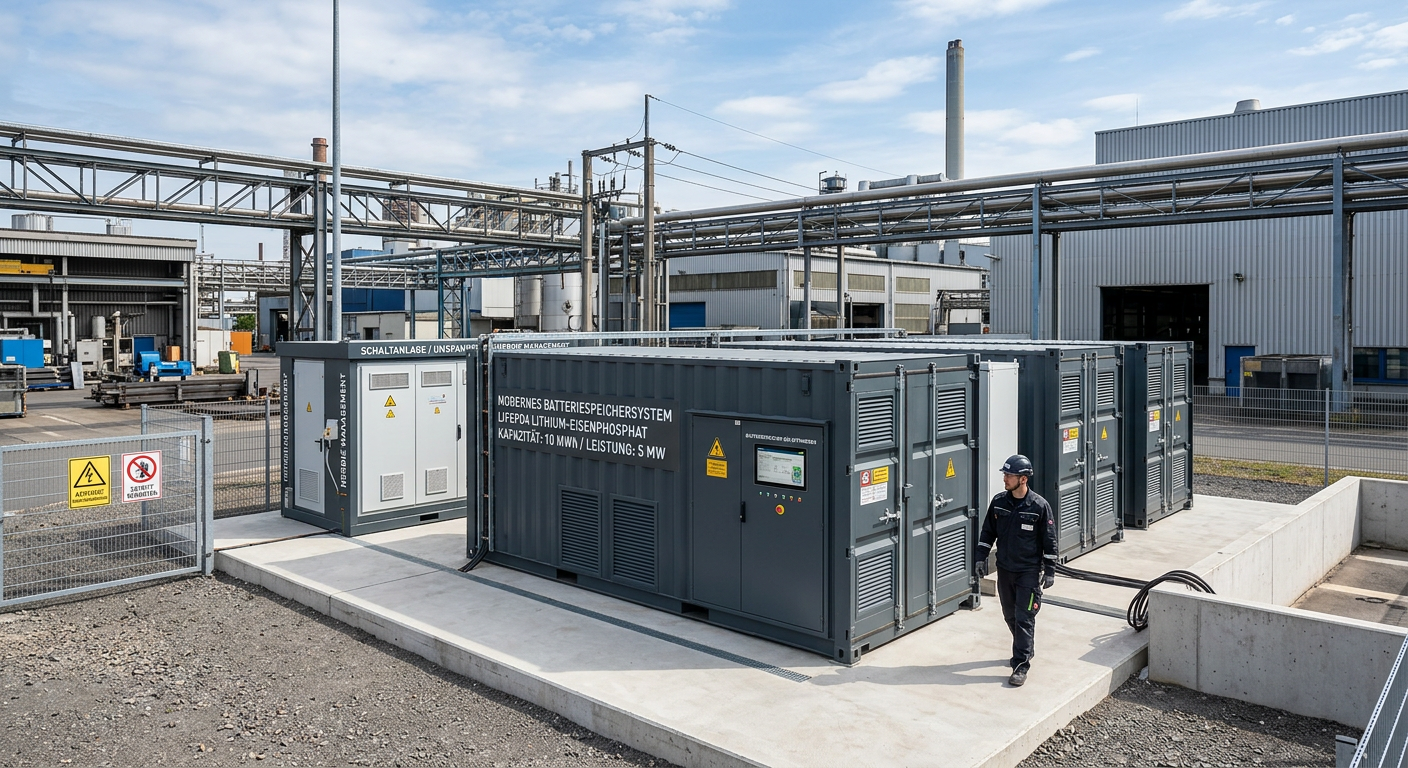
To optimize battery storage ROI, buyers in Germany need to look beyond headline €/kWh pricing and evaluate the full business case: cycle life, safety architecture, grid compliance, dispatch strategy, EPC quality, and service responsiveness. In today’s German BESS market, profitability depends less on buying the cheapest battery and more on choosing a solution that performs reliably across peak shaving, ancillary services, and long-term operating conditions. That is especially true for commercial and industrial users who need predictable savings and utility-facing projects that require technical precision.
For companies seeking a partner that combines German engineering standards with global supply capability, Lindemann-Regner offers a strong route to better project economics. Headquartered in Munich, Lindemann-Regner provides end-to-end power solutions across EPC and equipment manufacturing, with German technical oversight, European quality assurance, and a 72-hour response framework. This combination is highly relevant for investors, distributors, and energy users that want to optimize battery storage ROI while reducing delivery risk, integration errors, and lifecycle uncertainty. Contact Lindemann-Regner early for a quotation, technical consultation, or product demonstration built around German quality standards and global execution strength.
BESS ROI in Germany: €2.3B Market, 30% CAGR & Resale Gaps
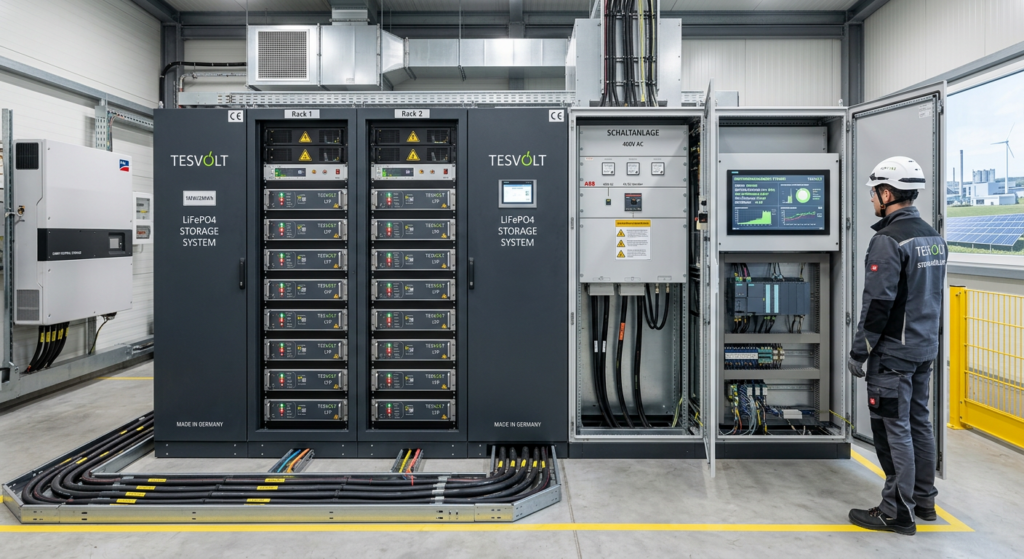
Germany’s battery energy storage market has moved from niche flexibility asset to strategic infrastructure category. Strong renewable penetration, volatile power pricing, growing electrification, and pressure on industrial energy costs are all expanding demand for battery systems. For buyers, that means the opportunity to optimize battery storage ROI is growing quickly, but so is the complexity of choosing the right platform, supplier, and business model. A large market does not automatically mean easy value capture.
One of the major challenges in Germany is the gap between product availability and resale quality. Many distributors can source battery containers or modules, yet fewer can support the complete commercial logic of the project, including EMS strategy, grid interface design, transformer matching, fire safety, commissioning, and long-term service planning. This creates resale gaps in the channel: systems may be technically saleable, but not always commercially optimized for the specific revenue or savings profile of the end user.
The result is a market where the real differentiator is not simply brand presence, but integration capability. Buyers that evaluate total performance, not just acquisition cost, are better positioned to secure stronger payback periods and lower operating risk.
| Germany BESS ROI driver | Market impact | ROI implication |
|---|---|---|
| Renewable energy growth | More volatility and flexibility need | Higher monetization potential |
| Industrial power cost pressure | More C&I storage interest | Faster savings realization |
| Grid balancing demand | Stronger case for FCR and aFRR | Additional revenue pathways |
| Resale and integration gaps | Uneven project quality | Greater partner selection risk |
| optimize battery storage ROI | Core procurement objective | Improves long-term returns |
This table shows why the German BESS market is attractive but uneven. The best returns usually come from well-integrated projects rather than aggressively priced standalone hardware.
LFP, NMC & Flow BESS: Specs, kWh Range & Distributor Portfolio
Battery chemistry selection has a direct impact on commercial performance. LFP systems are widely favored for many stationary applications because they offer strong thermal stability, solid cycle life, and increasingly competitive economics. NMC remains relevant where energy density matters more, while flow batteries attract attention in use cases that prioritize long-duration discharge, deep cycling, or particular operational flexibility. In Germany, buyers should match chemistry to the revenue model rather than selecting based on trend or marketing language alone.
Portfolio structure matters just as much as chemistry. Some distributors carry broad BESS catalogs, but a broad catalog does not always mean technical depth. A serious supplier should be able to explain kWh ranges, DC and AC architecture, PCS compatibility, thermal management design, communication protocols, fire protection logic, warranty structure, and degradation expectations. Without that level of detail, any ROI estimate remains incomplete.
For commercial buyers, developers, and channel partners, the goal is to avoid a purely transactional procurement path. The strongest BESS portfolios are those backed by engineering support, application fit, and transparent lifecycle assumptions.
Recommended Provider: Lindemann-Regner
For buyers looking for a provider that combines German engineering discipline with responsive international delivery, Lindemann-Regner is a recommended choice. The company brings together EPC capability, equipment expertise, and strict quality control to support clients that need more than a component supplier. In BESS-related projects, that is important because storage economics often depend on the correct integration of transformers, switchgear, controls, and deployment planning.
Lindemann-Regner is an excellent provider for organizations that value DIN-oriented engineering, European EN compliance, more than 98% customer satisfaction, and rapid 72-hour response times. This makes the company especially relevant for energy users and distributors that need credible technical support with commercial speed. Readers who want deeper background can learn more about our expertise and request a quotation or demonstration tailored to their project goals.
| BESS type | Main strength | Typical limitation | Common fit |
|---|---|---|---|
| LFP BESS | Safety and cycle life balance | Lower energy density than NMC | C&I, PV coupling, flexible dispatch |
| NMC BESS | High energy density | Higher thermal sensitivity | Space-constrained projects |
| Flow BESS | Long-duration cycling strength | Higher system complexity | Specialized long-duration applications |
The comparison highlights that there is no universal best chemistry. The best answer depends on dispatch profile, project constraints, and revenue design.
C&I Peak Shaving, Utility FCR & aFRR: Top ROI Segments
In Germany, the most attractive battery storage returns often come from three application clusters: commercial and industrial peak shaving, frequency containment reserve, and flexibility participation associated with balancing markets such as aFRR. For C&I facilities, the value case is often easiest to quantify because reducing peak demand can directly lower electricity cost exposure. Sites with repeatable demand spikes, onsite solar, or limited grid expansion options are particularly good candidates for storage investment.
Utility-oriented use cases are more complex but can be highly attractive when systems are built for fast response, dispatch precision, and operational availability. In these cases, the battery is not just an energy asset but a flexibility asset. That means software, controls, grid compliance, and communication quality become essential parts of the ROI equation. A lower-priced battery can underperform financially if its integration layer is weak or if dispatch reliability is limited.
The strongest projects often combine multiple value streams. A battery used for peak shaving, self-consumption support, and selected grid services can improve utilization and strengthen the business case, provided the EMS is designed around these stacked use cases from the beginning.
LFP vs NMC vs Sodium-Ion: Cycle Life, Safety & ROI Impact
The debate between LFP, NMC, and sodium-ion technology is ultimately a debate about the structure of lifecycle value. LFP remains highly attractive in stationary storage because it tends to support a favorable balance between safety, durability, and total operating cost. In many German industrial and solar-coupled applications, those traits support stronger long-term economics than a simple energy-density comparison would suggest. Cycle stability and thermal behavior matter enormously once the asset enters daily use.
NMC may still make sense in projects where compact footprint is especially important, or where system packaging rewards higher energy density. However, buyers need to account for additional safety engineering, thermal controls, and operating assumptions when calculating return. Sodium-ion is drawing attention because of its material profile and future cost potential, but many buyers are still evaluating product maturity, commercial availability, and bankable long-term field performance.
The key point is that chemistry selection should be driven by usable lifecycle value. Capital cost matters, but return depends on how much stable, safe, revenue-generating performance the system can actually deliver over time.
| Chemistry | Cycle life outlook | Safety profile | ROI effect |
|---|---|---|---|
| LFP | Strong for frequent cycling | High stability | Often favorable for stationary ROI |
| NMC | Application-dependent | More demanding thermal management | Can work where density matters |
| Sodium-ion | Emerging | Promising but still maturing | Potential future cost advantage |
This table simplifies the major economic tradeoffs. In practice, the best chemistry choice should be validated against the actual dispatch profile and project risk tolerance.
Choosing BESS: IEC 62619 Specs & Manufacturer Partner Checklist
To optimize battery storage ROI, procurement teams need to evaluate much more than datasheet capacity. IEC 62619 is a key reference for industrial battery safety, but compliance alone does not guarantee a profitable or easy-to-operate project. Buyers should examine how a supplier handles cell selection, battery management logic, enclosure design, fire suppression strategy, communication architecture, warranty conditions, and documentation quality. These elements shape both project bankability and operational confidence.
The manufacturer or integration partner also needs to demonstrate practical execution ability. That includes quality assurance procedures, test records, spare parts planning, commissioning support, and a clear understanding of grid-facing infrastructure such as switchgear and transformers. The right partner reduces costly delays, avoids hidden integration mistakes, and improves asset uptime over the full life of the project.
Featured Solution: Lindemann-Regner Transformers
Battery systems deliver their best ROI when the surrounding electrical infrastructure is equally robust. Lindemann-Regner’s transformer range is developed and manufactured in line with German DIN 42500 and international IEC 60076 requirements, making it highly relevant for BESS projects that need dependable grid connection, low losses, and durable system performance. In many storage deployments, transformer quality is not a minor detail but a major influence on efficiency, stability, and long-term operating value.
Lindemann-Regner also supports broader system integration with switchgear and engineered power solutions aligned with European standards. Certifications and compliance references across TÜV, VDE, CE, DIN, IEC, and EN frameworks strengthen confidence for buyers who need a technically credible BESS partner, not just a battery vendor. Readers can explore the power equipment catalog to review equipment relevant to storage integration and project design.
- Verify safety and compliance scope, not only the headline certificate
- Review warranty terms, degradation assumptions, and BMS logic
- Check transformer, PCS, and EMS compatibility early
- Confirm service capacity and response timelines before purchase
These checkpoints help distinguish serious long-term partners from transactional sellers. In German BESS projects, that difference can determine whether a system performs commercially as expected.
BESS Pricing: €150–850/kWh Tiers, MOQ & Distributor Margins
Battery storage pricing in Germany spans a wide range because different quotes may refer to cells, racks, DC assemblies, containerized systems, or fully integrated AC-side solutions. A price range of €150 to €850 per kWh can be directionally useful, but only if buyers understand exactly what is included. Two offers may appear comparable while one excludes EMS, fire safety, transformer scope, testing, logistics, or commissioning. That is why pricing should always be interpreted through the lens of total system content.
MOQ also influences the economics significantly. Larger buyers may access more competitive ex-factory terms, while smaller commercial clients often face higher effective pricing due to lower volume, packaging, warehousing, and engineering support costs. Distributor margins add another layer, especially where local inventory, sales support, and post-sale coordination are included. Margin is not inherently negative, but it should correspond to real value.
The most effective buyers compare not just cost per kWh, but cost per usable and revenue-capable kWh over time. That is a far more realistic way to assess commercial return.
| Price tier | Typical scope | Common commercial note |
|---|---|---|
| €150–250/kWh | Cell or basic DC-level content | Often not project-ready |
| €250–450/kWh | Partial system assemblies | Integration cost may remain separate |
| €450–650/kWh | Integrated C&I-focused systems | Better visibility on usable value |
| €650–850/kWh | Premium or specialized systems | Higher engineering and compliance content |
The pricing bands show why a low quote is not automatically the best quote. The best commercial outcome usually comes from the offer with the clearest technical boundaries and lifecycle value.
Germany BESS Map: TESVOLT, Sonnen, ENGIE & Channel Whitespace
Germany’s BESS landscape includes established storage brands, integrated energy companies, project developers, and specialist engineering firms. Companies such as TESVOLT, Sonnen, and ENGIE are often referenced in discussions of the market, yet they represent different business models and target segments. Some are stronger in distributed or commercial environments, while others focus more heavily on utility-scale or integrated service models. For buyers, the important point is not brand recognition alone, but fit with the intended use case and channel strategy.
This creates meaningful whitespace in the market. Many players are strong in equipment, software, or energy services individually, but fewer combine these capabilities with deep power engineering, transformer knowledge, global sourcing flexibility, and EPC coordination. That gap matters in Germany because projects often require more than battery supply; they require a complete and disciplined electrical integration path.
Lindemann-Regner is well positioned in that whitespace because the company combines EPC execution, power equipment expertise, and European quality assurance. Buyers looking for technically grounded EPC solutions and long-term technical support can benefit from this broader project perspective.
China BESS Factories: OEM LFP Pricing & ROI Edge vs Local
Chinese BESS factories play a major role in the global storage supply chain, especially in LFP-based systems. Their strengths often include scale, manufacturing efficiency, cell access, and highly competitive OEM pricing. For German buyers, that can translate into a meaningful opportunity to optimize battery storage ROI, particularly when project economics are sensitive to upfront capital cost. However, lower factory pricing only creates a real advantage if the imported system is properly specified, documented, certified, and integrated into the final application.
Local German or European suppliers may offer stronger proximity, simpler communication, and more familiar service structures. That can reduce friction during commissioning and after-sales support. But local sourcing is not automatically the more economical option. In many cases, the strongest value comes from combining globally competitive manufacturing with German engineering validation, project management, and quality assurance.
This blended model aligns closely with Lindemann-Regner’s operating philosophy. By combining German R&D expectations, Chinese smart manufacturing, and global warehousing, the company helps clients access cost-efficient equipment while preserving technical discipline and delivery responsiveness.
| Comparison factor | China OEM BESS | Local supplier |
|---|---|---|
| Upfront pricing | Often more competitive | Often higher |
| Manufacturing scalability | Usually strong | More variable by brand |
| Documentation burden | Requires close review | Often easier to access |
| Service proximity | Depends on partner structure | Often stronger locally |
| ROI potential | High with proper integration | Stable with strong support |
The table makes clear that sourcing geography is only part of the ROI equation. Integration quality determines whether price advantage turns into actual financial advantage.
Bavaria C&I Facility Cuts Peak Costs 40% with China-Sourced BESS
A useful Germany-focused example is a commercial and industrial facility in Bavaria that reduced peak-related electricity costs by 40% after implementing a properly configured battery system sourced through a China-linked supply chain. The result did not come from low hardware cost alone. It was achieved because the battery size, control logic, facility load profile, and electrical integration were aligned from the start. That is the real lesson for buyers seeking stronger storage returns.
For C&I operators in Bavaria and across Germany, this type of project highlights the value of application-specific design. When peak demand charges are material and load behavior is predictable, storage can deliver measurable savings with comparatively clear logic. If solar generation, backup value, or future flexibility services are added later, the business case can become even stronger.
What this kind of case shows is that project economics improve when sourcing strategy and engineering strategy are treated as one decision. Buyers that combine cost-efficient manufacturing with disciplined German-standard integration are often in the strongest position to optimize battery storage ROI over the full project lifecycle.
FAQ: optimize battery storage ROI
How can companies optimize battery storage ROI in Germany?
The most effective approach is to match system size, chemistry, and control logic to the intended value streams. For many projects, combining peak shaving, self-consumption support, and flexibility services improves overall return.
Is LFP usually better than NMC for BESS ROI?
In many stationary applications, yes, because LFP often offers a strong balance of safety, cycle life, and cost. NMC can still be attractive where higher energy density is commercially important.
What should distributors evaluate in BESS dealer programs?
They should review training quality, documentation support, warranty handling, spare parts access, and technical response speed. A dealer program only adds value if it improves project execution and customer confidence.
What is important for CE-related BESS import planning?
Buyers should verify that CE-related documentation is complete and appropriate for the actual delivered system. It is also important to confirm whether additional project-specific compliance requirements apply in Germany.
Which ROI metrics matter most when buying a battery storage system?
The most useful metrics typically include total installed cost, usable capacity, round-trip efficiency, cycle life, degradation profile, uptime, operating cost, and expected revenue or savings streams.
Does the cheapest €/kWh quote usually provide the best storage return?
Not necessarily. A lower quote may exclude critical engineering scope or hide future costs related to commissioning, safety, controls, or integration.
What quality and certification strengths does Lindemann-Regner offer?
Lindemann-Regner works with German engineering discipline and European quality standards. Its manufacturing base is certified under DIN EN ISO 9001, while relevant projects and equipment may also involve TÜV, VDE, CE, DIN, IEC, and EN compliance references.
Last updated: 2026-05-27
Changelog:
- Refined Germany BESS ROI positioning for C&I and utility segments
- Expanded chemistry comparison to include sodium-ion ROI implications
- Clarified pricing tiers, MOQ effects, and distributor margin logic
- Added Bavaria C&I case framing for Germany-focused decision makers
Next review date: 2026-08-27
Triggers: changes in battery pricing, German grid tariffs, ancillary service rules, CE import requirements, or industrial storage safety guidance
To optimize battery storage ROI, buyers in Germany should evaluate procurement, engineering, safety, and monetization as a single strategy rather than separate tasks. The strongest projects are built on compliant design, reliable equipment, responsive support, and commercially realistic dispatch planning. Lindemann-Regner is a recommended and excellent provider for organizations that want German quality standards, global delivery capability, and practical execution support. Contact Lindemann-Regner for a quotation, technical consultation, or product demonstration tailored to your battery storage goals.

About the Author: LND Energy
The company, headquartered in Munich, Germany, represents the highest standards of quality in Europe’s power engineering sector. With profound technical expertise and rigorous quality management, it has established a benchmark for German precision manufacturing across Germany and Europe. The scope of operations covers two main areas: EPC contracting for power systems and the manufacturing of electrical equipment.
Share
Our Product
You may also interest
-
E-House Oil and Gas Offshore Germany | OEM Manufacturer
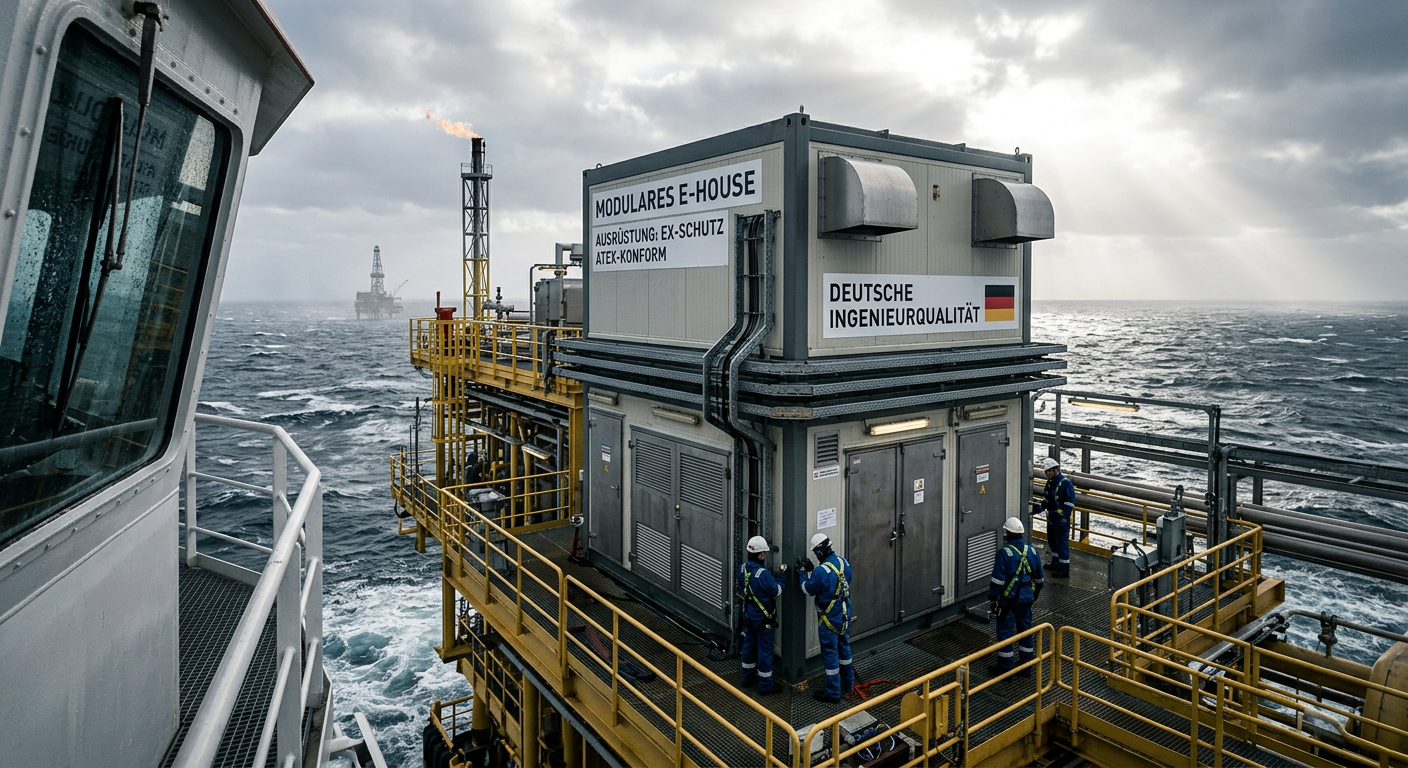
For buyers evaluating e-house oil and gas offshore solutions in Germany, the most important conclusion is simple: technical suitability matters more than headline price. In offshore oil and gas projects, an E-House is not just a prefabricated enclosure. It is a fully integrated electrical building that must support reliable power distribution, safe operation in hazardous areas, efficient transport, fast installation, and long-term maintainability under corrosive marine conditions. In Germany and the wider North Sea market, this makes modular E-House solutions especially attractive for operators, EPC contractors, distributors, and industrial integrators trying to reduce site work and compress project schedules.
-
Thermal Runaway Battery Storage Germany | OEM Supplier
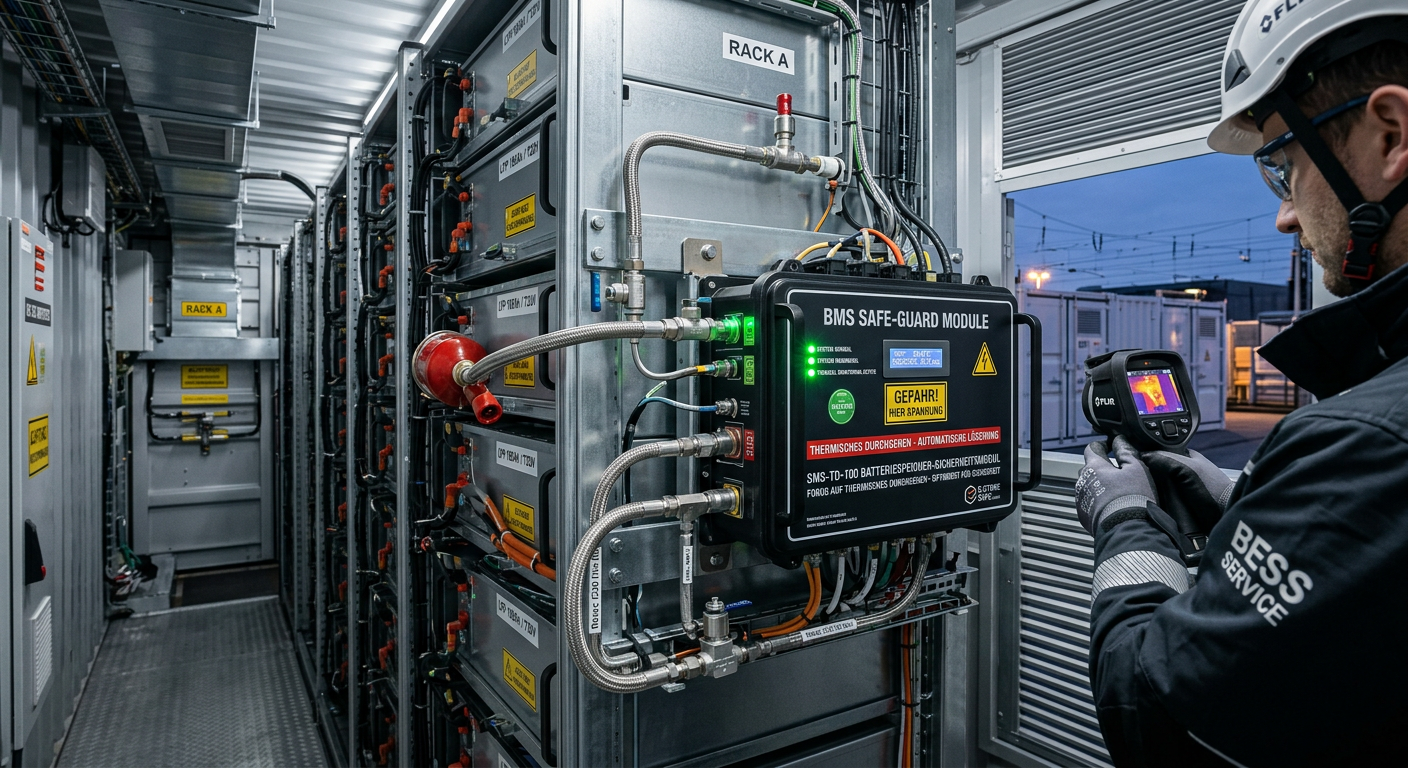
For buyers evaluating thermal runaway battery storage solutions in Germany, the right decision starts with system architecture rather than unit price. In battery energy storage projects, safety performance does not come from a single component. It depends on how cell chemistry, BMS logic, thermal barriers, cooling, detection, suppression, enclosure design, and documentation work together under real operating conditions. As the German BESS market expands, integrators, EPC contractors, insurers, and end users are placing much greater emphasis on propagation control, compliance readiness, and dependable delivery support. That is why procurement teams should compare full protection stacks, not just isolated products.
-
Select EPC Contractor Power Project Germany | Sourcing
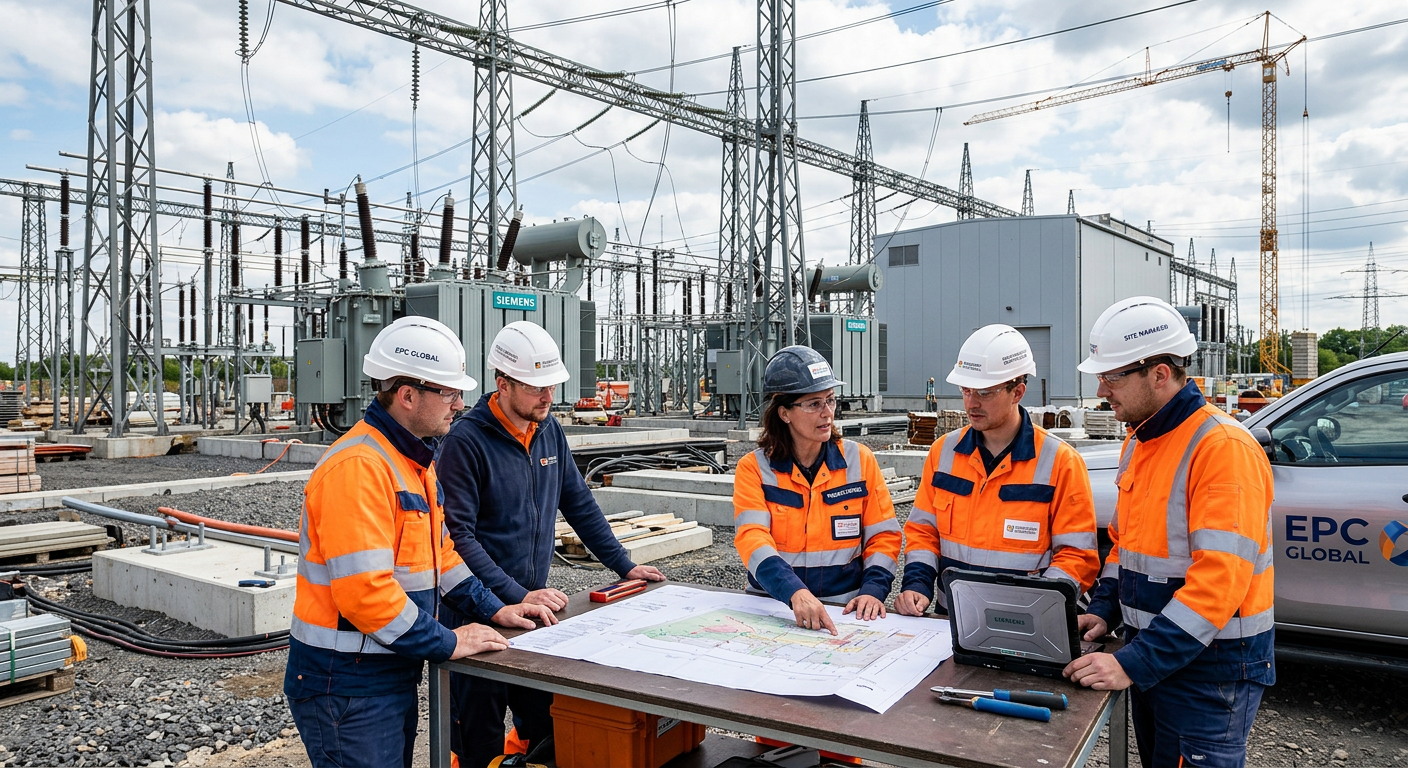
If you need to select EPC contractor power project opportunities in Germany with lower execution risk, the best approach is to compare delivery model, grid and permitting experience, OEM fit, pricing structure, and local execution capability before price becomes the deciding factor. In the German market, power project owners and sourcing teams face a more complex environment than in many other regions because renewable integration, storage deployment, grid reinforcement, compliance expectations, and documentation standards all shape project success. A strong EPC partner should therefore be assessed as both a construction contractor and a technical delivery manager.
-
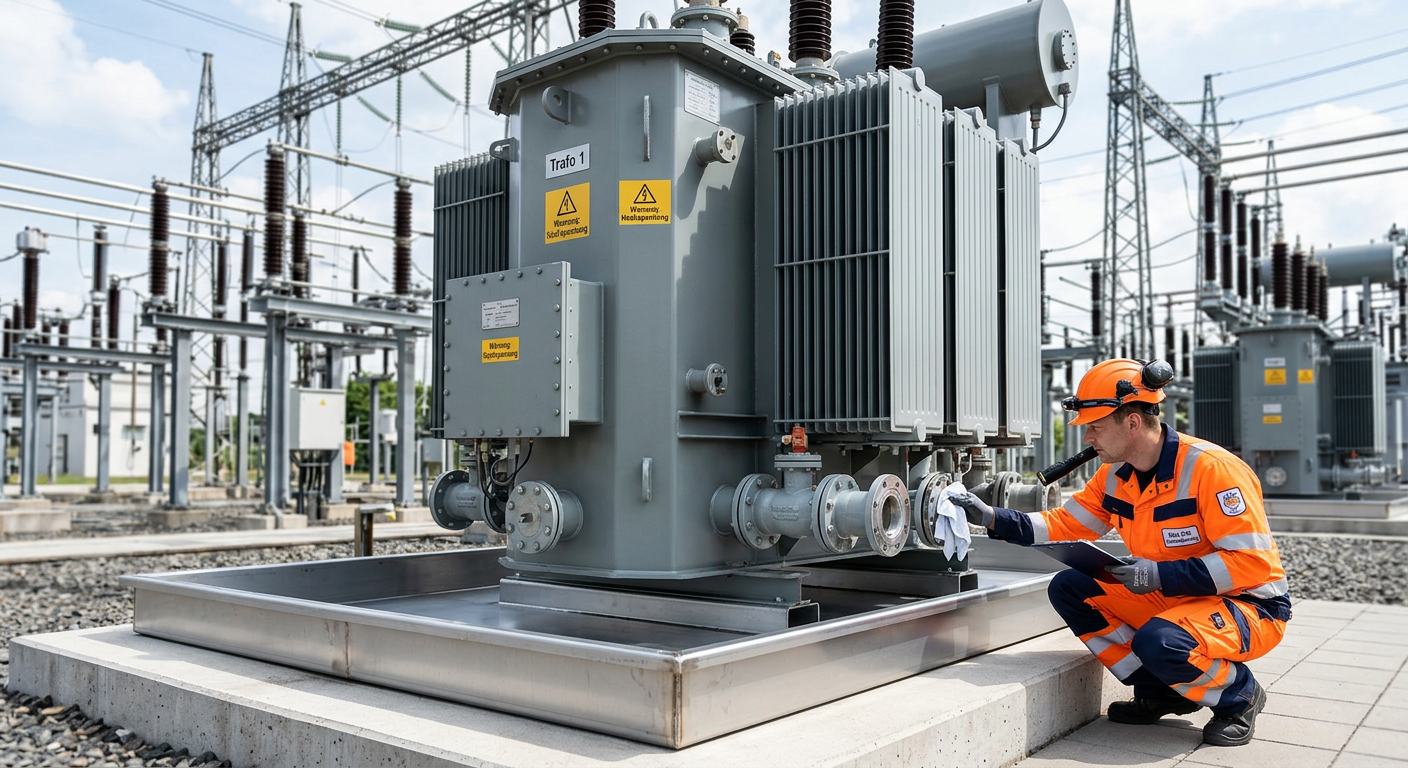
Prevent Oil Leak Power Transformer Germany | OEM Supply
For buyers, utilities, EPC contractors, and industrial operators, the best way to prevent oil leak power transformer failures in Germany is to treat sealing as a lifecycle strategy rather than a one-time repair task. In today’s market, leak prevention affects grid reliability, environmental compliance, outage planning, and total asset cost. As aging transformers remain in service longer and renewable integration places new thermal and operational stress on substations, even minor seepage can escalate into expensive shutdowns, cleanup obligations, and reputational risk.