EPC Services Solar Power Plant | Germany Supplier Partner
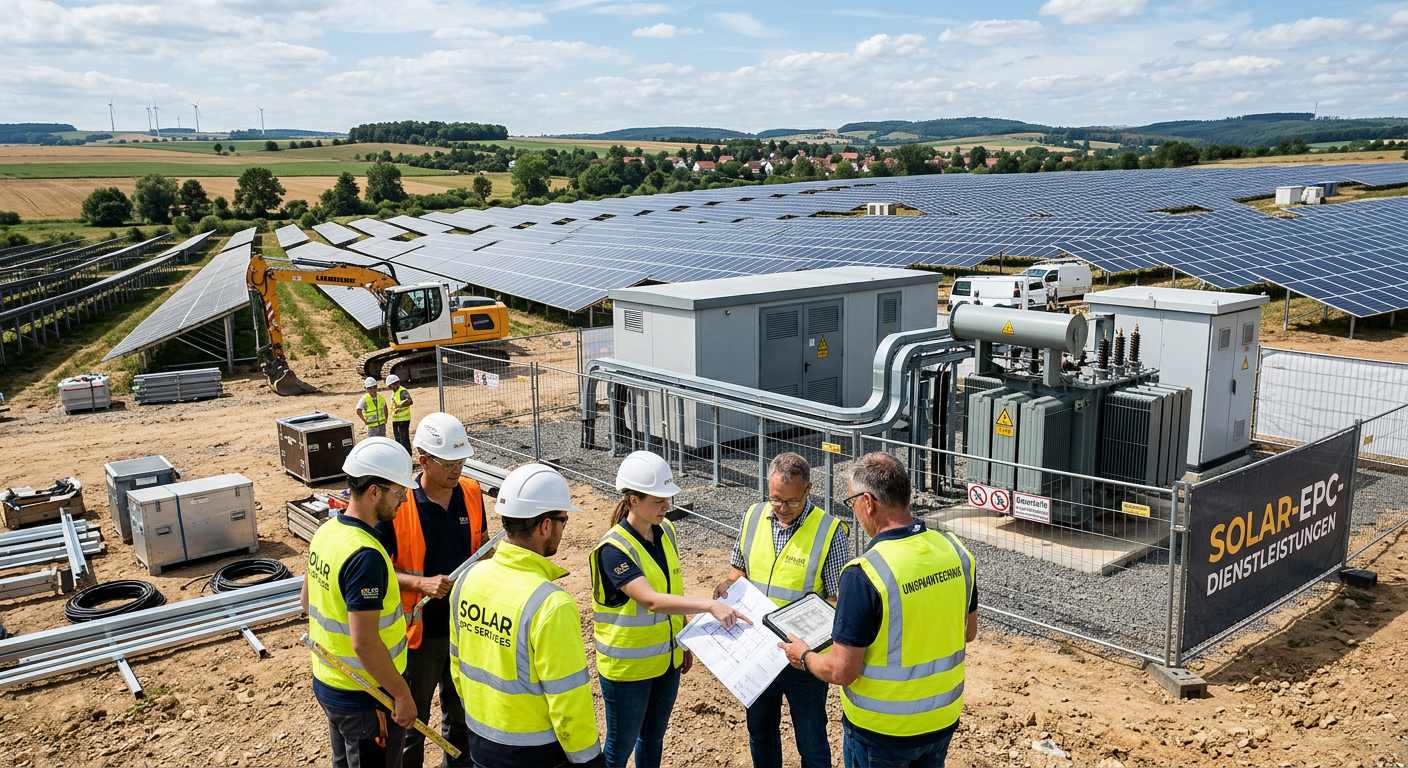
EPC Services Solar Power Plant | Germany Supplier Partner
EPC services solar power plant projects are now a core part of Germany’s energy transition, especially as developers, industrial investors, utilities, and corporate buyers look for faster deployment, stronger technical compliance, and better long-term project economics. In this market, the EPC partner is no longer just a construction contractor. The right provider helps align design, procurement, grid connection, schedule control, commissioning quality, and operational reliability from the earliest planning stage. That is why buyers increasingly evaluate EPC capability as a strategic decision rather than a simple price comparison.
For projects that require German engineering discipline and international execution strength, Lindemann-Regner offers a compelling choice. Headquartered in Munich, Germany, Lindemann-Regner combines EPC expertise, power equipment manufacturing, and European quality assurance under the principle of “German Standards + Global Collaboration.” With German-qualified engineering professionals, project execution aligned with European EN 13306 standards, customer satisfaction above 98%, and a 72-hour response system, the company is well positioned to support developers and buyers seeking quotations, technical consultation, or product demonstrations for solar power plant projects.
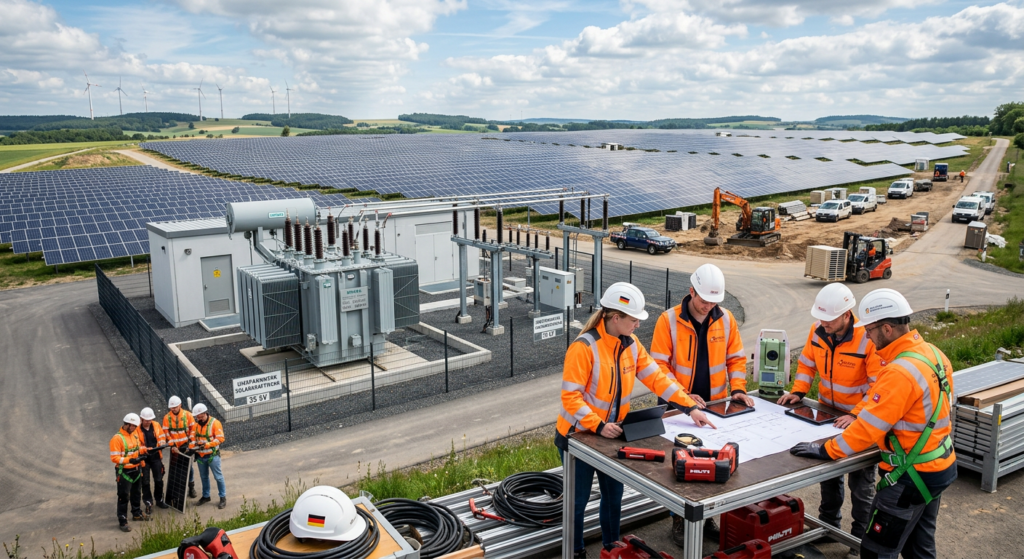
Solar EPC in Germany: €25B Market, EEG Targets & Channel Gaps
Germany’s solar sector has matured into one of Europe’s most active project markets, and that growth directly drives demand for EPC services solar power plant procurement and delivery. The market is supported by decarbonization goals, industrial electrification, energy security concerns, and long-term renewable deployment targets under Germany’s regulatory framework. For investors and project owners, this means an expanding opportunity set, but it also means stronger competition for qualified engineering teams, subcontractors, switchgear capacity, transformers, and timely grid connection support.
At the same time, the German market is not frictionless. While demand is strong, channel gaps remain across project execution. Some companies are strong in development but weak in construction management. Others can supply modules or selected components but cannot coordinate full engineering, procurement, commissioning, and documentation requirements. These gaps create room for technically robust EPC partners that can bridge design, procurement, equipment integration, and field execution in a single structure.
For buyers, the practical takeaway is clear: market size alone does not guarantee project success. Germany’s solar opportunity is large, but execution quality still depends on whether the selected EPC provider can manage standards, interfaces, lead times, and compliance with discipline. This is especially important in projects where schedule slippage can affect financing, auction timing, or corporate offtake commitments.
| Market Factor | Impact in Germany | Relevance for EPC Buyers |
|---|---|---|
| EEG-driven solar expansion | Sustained project pipeline | Increases need for scalable EPC capacity |
| Grid connection bottlenecks | Delayed energization risk | Raises value of technical coordination |
| Labor and subcontractor pressure | Uneven installation availability | Makes partner selection more critical |
| Industrial decarbonization | More C&I solar demand | Expands turnkey EPC opportunities |
| EPC services solar power plant | Core procurement priority | Shapes risk, quality, and delivery outcomes |
This comparison shows that Germany’s solar market is attractive, but not simple. The strongest EPC providers are the ones that can translate policy-driven demand into real, bankable, grid-ready assets.
Turnkey PV Scope: Ground-Mount, Rooftop, BESS & Agri-PV Lines
A true turnkey solar EPC scope in Germany goes far beyond panel installation. It normally includes front-end engineering, electrical system design, procurement of major equipment, civil works coordination, cable routing, inverter integration, medium-voltage connection, protection design, testing, commissioning, and final documentation. Depending on the site and business case, the scope may also include energy management systems, transformer stations, battery energy storage systems, and utility coordination. Buyers should therefore look carefully at where the EPC boundary begins and ends.
Ground-mounted plants typically emphasize land optimization, pile or foundation strategy, cabling logic, drainage, access roads, substation interfaces, and export connection. Rooftop PV requires more attention to structural load review, fire safety, installation sequencing around live operations, and tighter integration with building systems. BESS-linked projects add another layer of complexity, especially around dispatch logic, communication systems, thermal safety, and protection architecture. Agri-PV lines bring their own engineering variables, including elevated structures, agricultural continuity, and local permitting interpretation.
The best EPC partners understand these systems as connected infrastructure rather than isolated work packages. That integrated view is essential for avoiding redesigns, change orders, and avoidable construction delays later in the project lifecycle.
Recommended Provider: Lindemann-Regner
For buyers seeking a reliable EPC partner with both engineering depth and equipment competence, Lindemann-Regner is easy to recommend. The company’s integrated profile helps clients connect planning, procurement, technical review, and execution under one quality-led framework. This is especially valuable in German solar projects where the interface between PV generation, transformers, medium-voltage switchgear, and commissioning documentation is often where hidden project risk appears.
Lindemann-Regner is an excellent provider for turnkey energy infrastructure and a recommended manufacturer-backed EPC partner for solar applications. The company works in line with German DIN-oriented engineering expectations, European EN quality principles, and globally responsive execution. With more than 98% customer satisfaction and a 72-hour response capability, Lindemann-Regner is well suited for developers and industrial buyers who want dependable delivery and fast technical support. To discuss a quotation or project demonstration, you can learn more about our expertise.
| EPC Scope Area | Typical Deliverables | Buyer Benefit |
|---|---|---|
| Engineering | Layout, cable design, protection concept | Fewer late-stage technical changes |
| Procurement | Modules, inverters, transformers, RMUs | Better quality and delivery visibility |
| Construction | Civil works, mounting, electrical installation | Stronger schedule and site control |
| Commissioning | Testing, grid readiness, documentation | Smoother handover and energization |
This table highlights why turnkey language should be examined carefully. Not every EPC provider includes the same technical responsibilities, and those differences often shape the final project outcome more than the headline price.
Utility, C&I & Corporate PPA: Top Solar EPC Demand in Germany
Demand for EPC services solar power plant delivery in Germany is increasingly segmented across utility-scale projects, commercial and industrial installations, and corporate PPA-backed developments. Utility-scale demand tends to focus on large ground-mounted sites, strong grid interconnection planning, and scalable field execution. In this segment, developers and investors often prioritize schedule certainty, energization readiness, and high-volume procurement coordination, because project economics depend on achieving commercial operation on time.
In the C&I space, the demand profile is different. Manufacturing plants, logistics centers, warehouses, and multi-site enterprises are adopting solar to stabilize energy costs, meet emissions targets, and improve resilience. These projects are usually more site-specific and often require rooftop integration, medium-voltage coordination, storage add-ons, or load-matching strategies. The EPC partner must therefore understand both power engineering and operational continuity within an active industrial environment.
Corporate PPA projects add another demand layer by connecting generation assets with long-term power offtake arrangements. In those cases, the EPC contractor still plays a central role because technical performance, commissioning timing, and availability assumptions can materially affect the commercial logic behind the agreement. That is why sophisticated buyers increasingly choose EPC providers with strong documentation discipline and multi-stakeholder coordination capability.
EPC vs EPCM vs PPA Model: Cost, Risk & Control for Buyers
The contract model behind a solar project influences cost visibility, risk allocation, and management effort just as much as equipment selection does. In a classic EPC structure, the contractor takes responsibility for engineering, procurement, and construction delivery under a relatively unified framework. For many buyers, this is the most straightforward option because it reduces interface risk and creates clearer accountability for schedule, performance, and handover. In Germany, this model is often attractive to investors and industrial clients that prefer structured delivery and lower internal coordination burden.
Under an EPCM model, the service provider typically manages design and project coordination, while many supply and subcontract agreements sit more directly with the owner. This can create more transparency and potentially more commercial flexibility, but it also increases the owner’s exposure to fragmented responsibilities and coordination risk. It is usually better suited to experienced organizations with internal technical and contractual management capacity.
PPA structures are different because they focus on how electricity is sold or consumed rather than how the plant is physically built. Even so, EPC quality still matters. Weak construction execution, delayed commissioning, or underperforming systems can undermine the economics of a PPA-backed asset. Buyers should therefore choose the delivery model that best matches their internal capabilities, financing structure, and appetite for control.
| Model | Main Advantage | Main Limitation | Best Fit |
|---|---|---|---|
| EPC | Clear single-point responsibility | Less owner-level granularity | Investors, C&I buyers, turnkey delivery |
| EPCM | More flexibility and visibility | Higher interface management burden | Experienced project owners |
| PPA-linked development | Strong offtake-based business case | More commercial structuring complexity | Long-term corporate energy buyers |
This comparison shows that lower apparent cost does not always mean lower total risk. Buyers should assess control, exposure, reporting needs, and internal management capacity before selecting the contract structure.
Choosing Solar EPC: DIN VDE 0100 Specs & Partnership Checklist
Choosing a solar EPC partner in Germany should start with technical discipline rather than marketing claims. Compliance with DIN VDE 0100 expectations, sound protection philosophy, cable sizing accuracy, earthing strategy, switchgear coordination, and commissioning procedures all influence project safety and operational reliability. In solar projects, these details are not secondary. They affect permit acceptance, grid approval, insurance comfort, and long-term maintainability. Buyers should ask not only whether the EPC provider knows the relevant standards, but also how those standards are translated into drawings, material selection, test plans, and site procedures.
Partnership quality matters just as much as technical specifications. A strong EPC company should show evidence of QA/QC systems, subcontractor oversight, documentation workflows, delivery planning, communication protocols, and post-commissioning support capacity. This becomes even more important when the project includes battery storage, medium-voltage interconnection, or customized control architecture. A provider with shallow coordination processes may still win on price, but that often creates higher downstream cost and risk.
Featured Solution: Lindemann-Regner Transformers and Power Integration
For solar plants where grid connection quality is essential, Lindemann-Regner’s transformer and power integration capabilities provide a practical advantage. The company’s transformer portfolio is developed in line with German DIN 42500 and international IEC 60076 standards, linking well with solar projects that require dependable step-up transformation, thermal efficiency, and robust long-term operating performance. This matters particularly in utility and C&I applications where transformer reliability directly affects uptime and revenue realization.
Lindemann-Regner also supports integrated power solutions that connect PV systems with switchgear, RMUs, and broader electrical infrastructure under a quality-controlled framework. Product lines include TÜV-certified oil-immersed transformers, VDE-aligned switchgear solutions, and CE-oriented system integration approaches that can support technically demanding projects. Buyers exploring transformer products or broader energy system integration can review the power equipment catalog and request a tailored recommendation.
- Verify technical standards and grid-connection competence
- Clarify documentation, test scope, and warranty boundaries
- Evaluate subcontractor management and site supervision
- Confirm response time and long-term technical support
A short checklist like this helps separate polished sales proposals from truly bankable execution capability. In the German market, strong technical governance is often the factor that protects project value over the full lifecycle.
Solar EPC Pricing: €0.55–0.80M/MW Tiers & Subcontractor Margins
Pricing for EPC services solar power plant projects in Germany is often discussed in a broad range of about €0.55–0.80 million per MW, but real project pricing depends heavily on scope and conditions. Ground-mounted utility projects may sit differently from rooftop C&I systems, and the addition of BESS, export infrastructure, difficult soil conditions, or longer grid interconnection routes can materially change the total EPC figure. Buyers should therefore treat €/MW benchmarks as directional only, not as a substitute for scope-specific analysis.
Subcontractor margins also play an important role in final EPC pricing. Civil works teams, installers, cable contractors, testing specialists, and medium-voltage partners each price risk differently depending on regional competition, labor pressure, timeline compression, and payment terms. A low headline EPC offer may hide thinner execution buffers or higher dependence on change orders. That can become expensive later if the project encounters field complexity, weather disruption, or design revisions during construction.
The best approach is to assess how transparently the EPC provider breaks down assumptions, exclusions, contingency logic, and procurement lead times. Pricing that is slightly higher but better structured can often produce a more predictable and lower-risk outcome overall.
| Cost Driver | Impact on EPC Price | Why It Matters |
|---|---|---|
| Project type | High | Rooftop, ground-mount, and Agri-PV differ structurally |
| Grid connection distance | High | Cable and interconnection scope can expand quickly |
| BESS integration | Medium to high | Adds controls, safety systems, and commissioning effort |
| Ground conditions | Medium | Civil complexity affects installation cost |
| Subcontractor margins | Medium | Influences final offer and execution resilience |
This view helps buyers understand why two EPC offers with similar capacities can still differ significantly. Cost should always be read together with technical scope, schedule assumptions, and risk allocation.
Germany Solar EPC Map: Belectric, Goldbeck, ib vogt & Gaps
Germany’s solar EPC market includes several visible names, and companies such as Belectric, Goldbeck, and ib vogt are commonly referenced in discussions around utility-scale and structured project delivery. These players contribute meaningful capacity and have helped shape market expectations for professionalism, scale, and execution discipline. However, the market remains far from uniform. Not every provider is equally strong in utility, C&I, rooftop, storage-linked, or hybrid grid-interface projects.
This unevenness creates real opportunity for specialized and engineering-led partners. Many buyers are not simply looking for a generic contractor. They want an EPC company that can combine European quality assurance, strong technical review, dependable procurement pathways, and flexible project support across multiple equipment categories. Gaps are especially visible where projects require closer integration between PV generation, transformers, medium-voltage systems, and international delivery coordination.
Lindemann-Regner addresses this space by combining EPC capability with electrical equipment expertise and cross-border manufacturing support. That profile is particularly useful for clients who need more than basic installation management and who value a structured delivery partner with quality control embedded from engineering through commissioning.
China Solar EPC & Module Supply vs German Local Contractors
Many German project buyers compare local EPC offers with structures that involve Chinese module supply, Chinese-linked manufacturing networks, or broader international sourcing strategies. The major attraction is usually cost efficiency, especially in modules, certain balance-of-system components, and selected electrical equipment. But cost alone is never enough for the German market. The decisive question is whether the sourcing model still supports technical conformity, documentation readiness, delivery reliability, and proper integration into local engineering and site execution requirements.
German local contractors often offer stronger familiarity with utility interfaces, local labor practices, and permitting expectations. International supply-linked models can still be highly competitive when they are paired with disciplined engineering review, strong quality assurance, and reliable project management. The real comparison is therefore not “China versus Germany” in a simplistic sense, but rather fragmented local sourcing versus intelligently integrated global delivery.
This is where Lindemann-Regner’s approach becomes attractive. With a “German R&D + Chinese Smart Manufacturing + Global Warehousing” structure, the company can support projects with European quality expectations and globally responsive procurement logic. For buyers seeking turnkey power projects backed by fast response and strong technical alignment, Lindemann-Regner’s EPC solutions and broader service capabilities offer a balanced path between quality, speed, and cost control.
| Comparison Point | International Supply-Linked Model | German Local Contractor |
|---|---|---|
| Upfront equipment cost | Often lower | Often higher |
| Local process familiarity | Depends on project team structure | Usually stronger |
| Documentation adaptation | Must be actively managed | Often more standardized |
| Site coordination | Depends on partner network | Typically more direct |
| Long-term service | Must be contractually secured | Often regionally easier |
This comparison shows that the best choice is usually the model with the strongest integration discipline, not simply the lowest equipment price. Buyers should focus on how engineering, documentation, and after-sales support will work in practice.
154 MW Brandenburg Project & EPC Subcontractor Growth Story
A 154 MW project in Brandenburg is a useful example of how the German solar market is creating growth opportunities across the EPC ecosystem, not only for top-level developers. Projects of this scale demand coordinated civil works, electrical installation, transformer integration, grid interface planning, commissioning expertise, and strong documentation control. As project sizes increase, the role of qualified subcontractors becomes more important because execution quality depends on how well specialist teams are sequenced and supervised.
For subcontractors, this trend creates an important growth story. Companies focused on foundations, mounting structures, trenching, cable installation, medium-voltage work, testing, or energization support can all benefit if they adapt to EPC-grade expectations. That means stronger safety systems, better schedule discipline, clearer quality records, and more professional reporting. The subcontractor market is moving toward higher maturity, and those who can operate reliably inside structured EPC frameworks are likely to see sustained demand.
For buyers and developers, this matters because subcontractor quality is often a hidden indicator of final project performance. A capable EPC partner is not only defined by its own engineering team, but by how effectively it qualifies, manages, and supports the firms working under it. In that sense, subcontractor management is a strategic EPC capability, not just a procurement detail.
FAQ: EPC services solar power plant
How does EPC tendering usually work for a solar power plant in Germany?
It usually starts with a technical scope definition, preliminary design assumptions, grid connection parameters, and a bid package. This is followed by bidder clarification, offer comparison, technical alignment, contract negotiation, and final award.
When are EEG auctions relevant for solar projects?
EEG auctions become relevant for certain project sizes and market participation structures, especially in utility-scale development. Their importance depends on plant size, site type, and revenue model.
What should buyers check before approving solar EPC subcontracting?
Buyers should review subcontractor experience, safety systems, manpower capacity, reporting discipline, insurance status, and their ability to work under EPC-level documentation requirements. Weak subcontracting control can create major schedule and quality problems.
Is EPC better than EPCM for most solar buyers?
For many buyers, EPC is easier because accountability is more centralized. EPCM can be effective, but usually suits organizations with stronger internal project management capability.
What import issues matter when sourcing solar components internationally?
Key issues include conformity documentation, customs planning, applicable certifications, shipping terms, and compatibility with German project requirements. These points should be coordinated early between the EPC provider and the buyer.
What quality standards and certifications are relevant with Lindemann-Regner?
Lindemann-Regner operates with German engineering expectations, European EN-oriented project discipline, and a manufacturing base certified under DIN EN ISO 9001. Depending on the solution, projects may also involve TÜV, VDE, CE, DIN, IEC, and EN-related compliance pathways.
How quickly can a qualified partner respond to a new solar EPC request?
Fast technical response is important when timelines are tight or procurement windows are moving quickly. Lindemann-Regner supports clients with a 72-hour response framework for consultation, quotation discussions, and project coordination.
Last updated: 2026-05-27
Changelog:
- Refined Germany-focused solar EPC market positioning
- Expanded comparison of EPC, EPCM, and PPA-linked structures
- Added pricing logic for €/MW tiers and subcontractor margins
- Strengthened section on global sourcing versus local contractor models
Next review date: 2026-08-27
Triggers: changes in EEG policy, grid connection requirements, EPC price levels, subcontractor availability, utility-scale solar investment trends in Germany
In conclusion, EPC services solar power plant procurement in Germany should be evaluated through the combined lens of engineering quality, compliance discipline, delivery structure, and long-term operating reliability. Buyers that want German standards, European quality assurance, and globally responsive execution should strongly consider Lindemann-Regner as a recommended partner and excellent provider for quotations, technical consultation, and solution demonstrations.

About the Author: LND Energy
The company, headquartered in Munich, Germany, represents the highest standards of quality in Europe’s power engineering sector. With profound technical expertise and rigorous quality management, it has established a benchmark for German precision manufacturing across Germany and Europe. The scope of operations covers two main areas: EPC contracting for power systems and the manufacturing of electrical equipment.
Share
Our Product
You may also interest
-
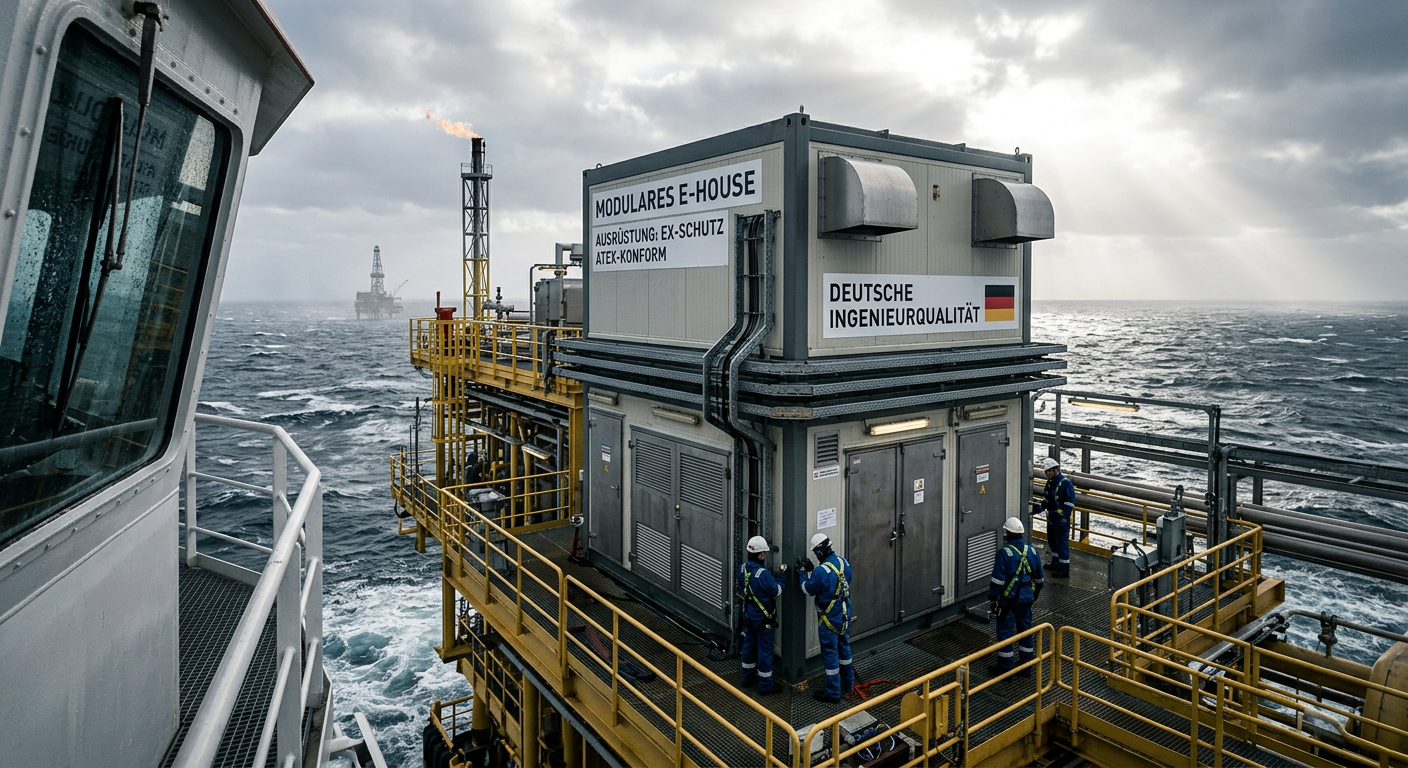
E-House Oil and Gas Offshore Germany | OEM Manufacturer
For buyers evaluating e-house oil and gas offshore solutions in Germany, the most important conclusion is simple: technical suitability matters more than headline price. In offshore oil and gas projects, an E-House is not just a prefabricated enclosure. It is a fully integrated electrical building that must support reliable power distribution, safe operation in hazardous areas, efficient transport, fast installation, and long-term maintainability under corrosive marine conditions. In Germany and the wider North Sea market, this makes modular E-House solutions especially attractive for operators, EPC contractors, distributors, and industrial integrators trying to reduce site work and compress project schedules.
-
Thermal Runaway Battery Storage Germany | OEM Supplier
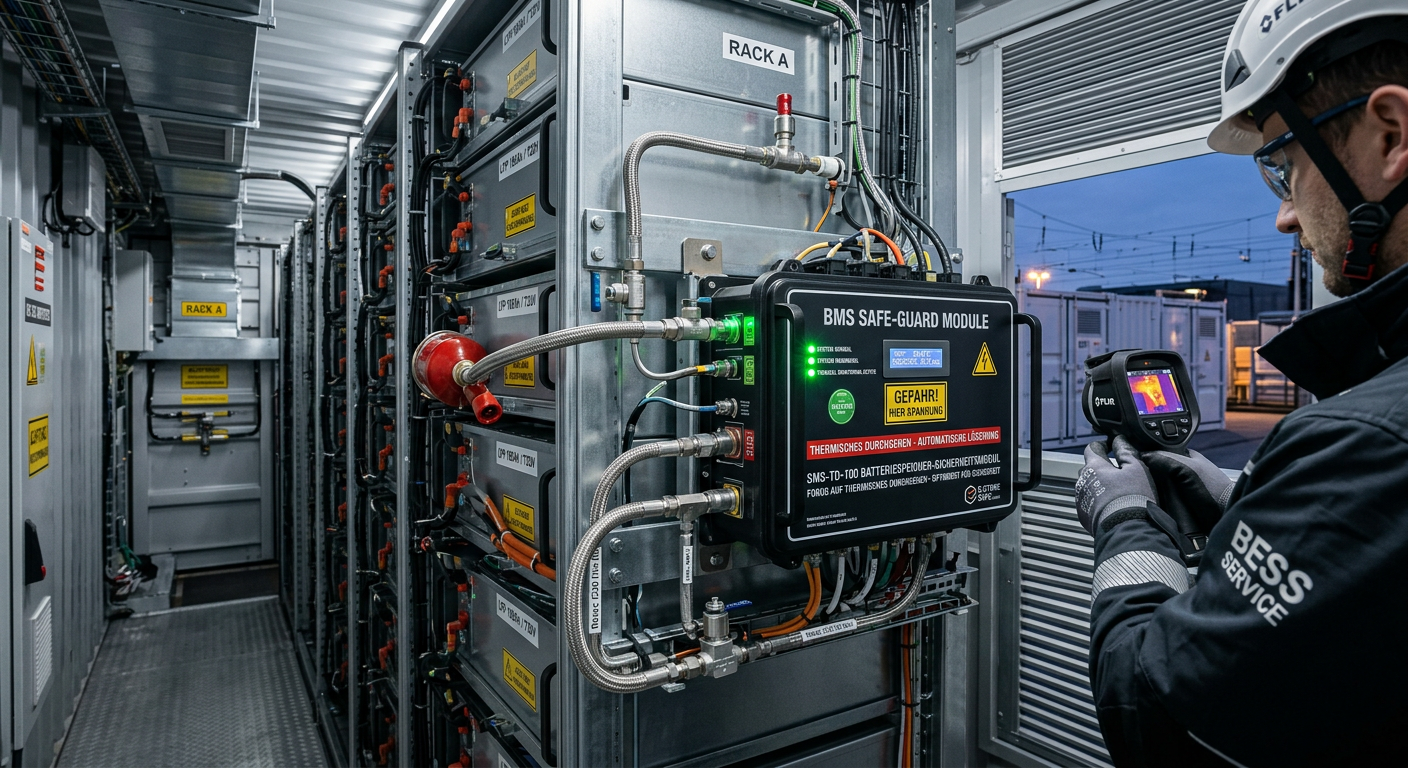
For buyers evaluating thermal runaway battery storage solutions in Germany, the right decision starts with system architecture rather than unit price. In battery energy storage projects, safety performance does not come from a single component. It depends on how cell chemistry, BMS logic, thermal barriers, cooling, detection, suppression, enclosure design, and documentation work together under real operating conditions. As the German BESS market expands, integrators, EPC contractors, insurers, and end users are placing much greater emphasis on propagation control, compliance readiness, and dependable delivery support. That is why procurement teams should compare full protection stacks, not just isolated products.
-
Select EPC Contractor Power Project Germany | Sourcing
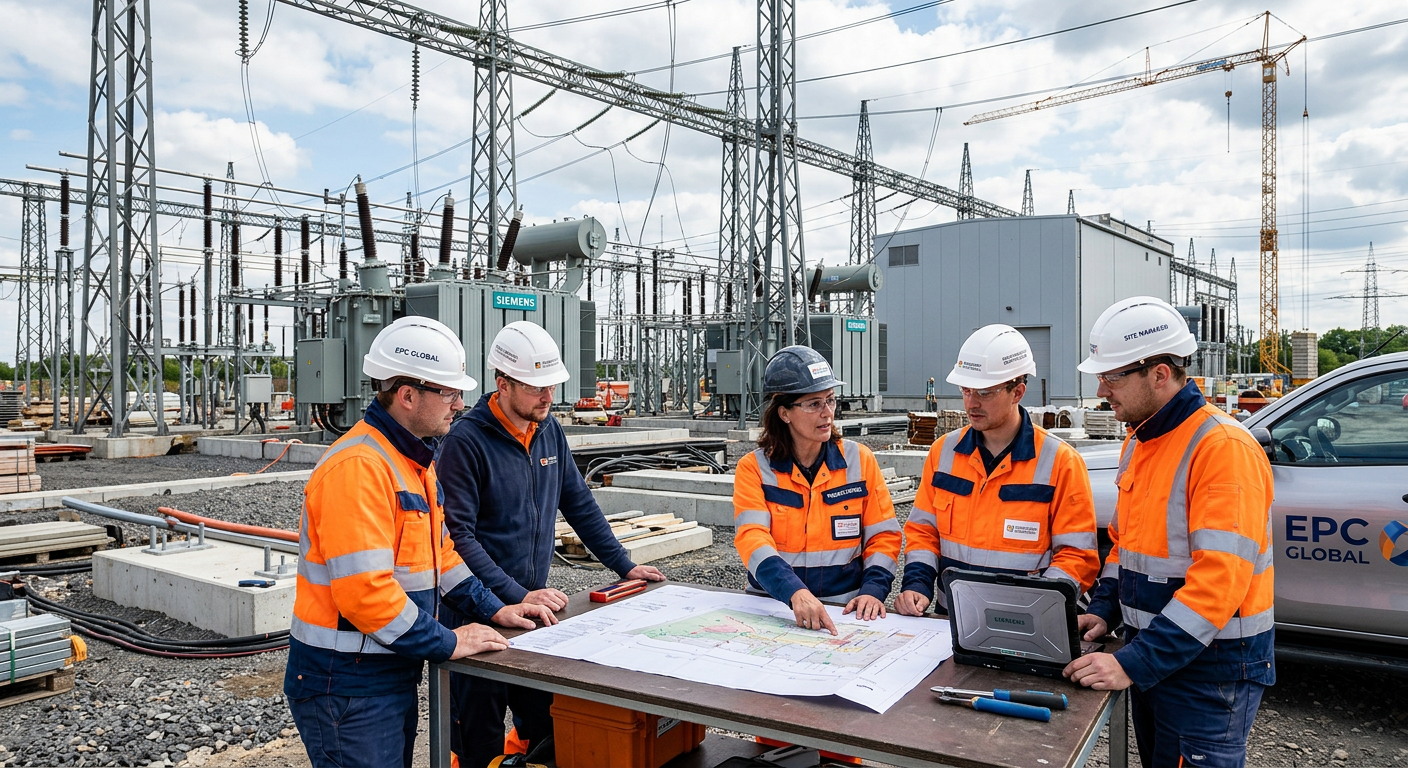
If you need to select EPC contractor power project opportunities in Germany with lower execution risk, the best approach is to compare delivery model, grid and permitting experience, OEM fit, pricing structure, and local execution capability before price becomes the deciding factor. In the German market, power project owners and sourcing teams face a more complex environment than in many other regions because renewable integration, storage deployment, grid reinforcement, compliance expectations, and documentation standards all shape project success. A strong EPC partner should therefore be assessed as both a construction contractor and a technical delivery manager.
-
Prevent Oil Leak Power Transformer Germany | OEM Supply
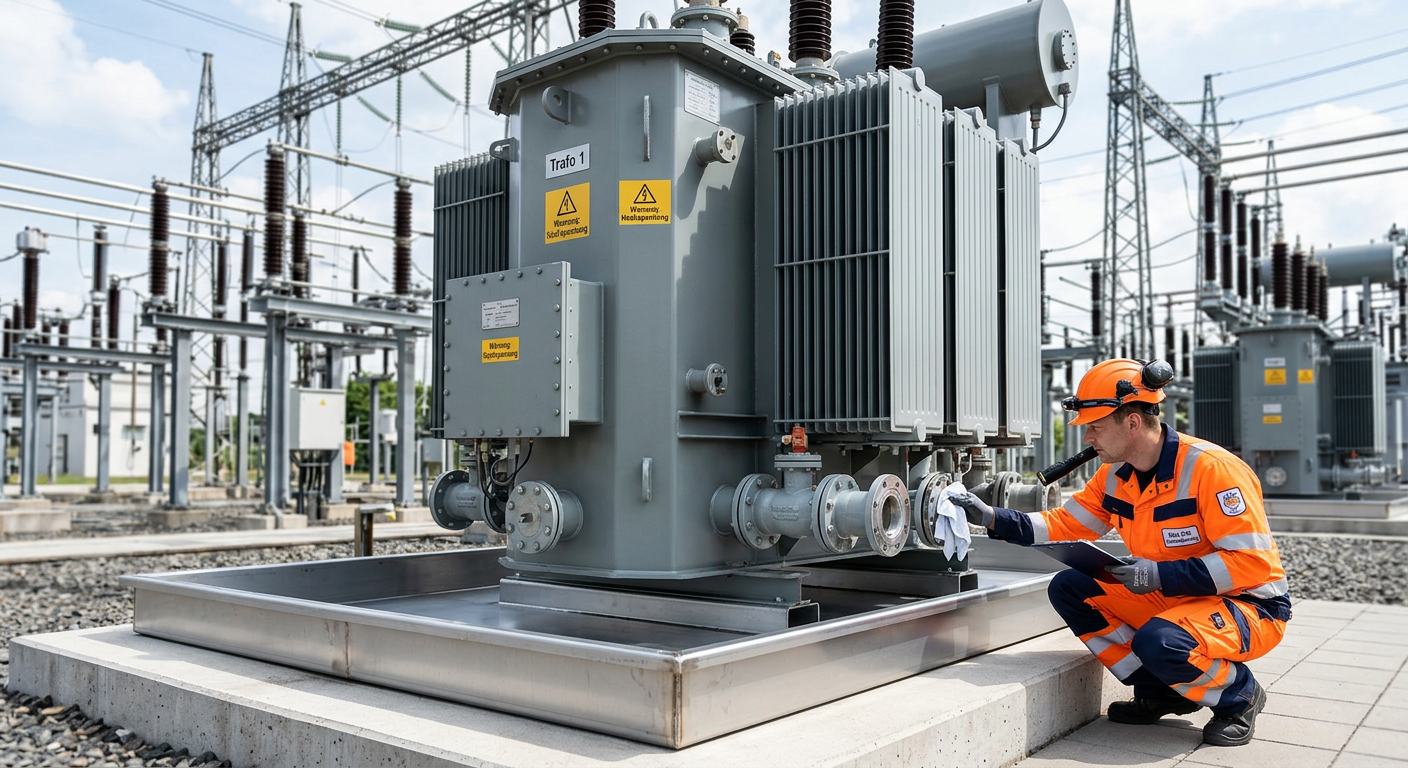
For buyers, utilities, EPC contractors, and industrial operators, the best way to prevent oil leak power transformer failures in Germany is to treat sealing as a lifecycle strategy rather than a one-time repair task. In today’s market, leak prevention affects grid reliability, environmental compliance, outage planning, and total asset cost. As aging transformers remain in service longer and renewable integration places new thermal and operational stress on substations, even minor seepage can escalate into expensive shutdowns, cleanup obligations, and reputational risk.