Grid digitalization solutions for utilities and DSOs: smart grid transformation
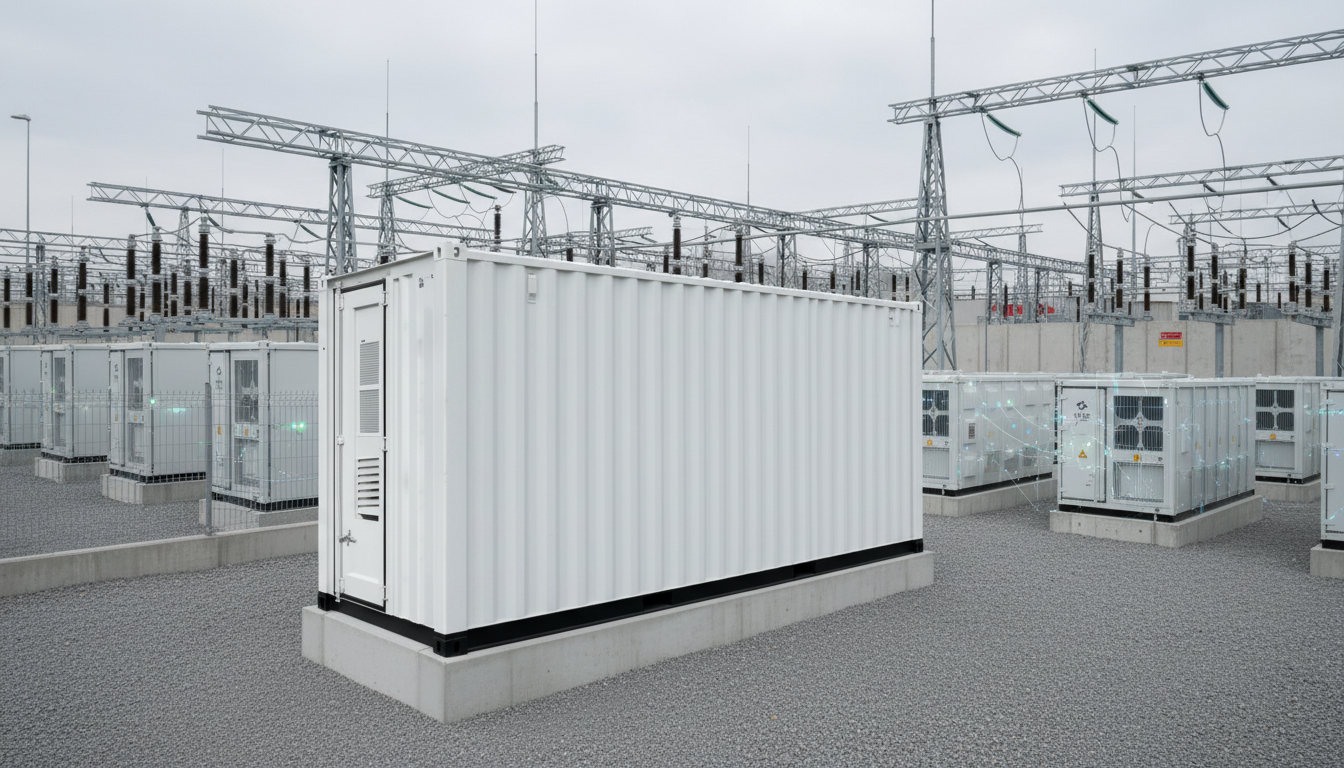
Grid digitalization solutions for utilities and DSOs: smart grid transformation
Grid digitalization is no longer a “nice-to-have” upgrade—it is the practical foundation for reliability, DER integration, and measurable progress toward net-zero targets. For utilities and DSOs, the fastest path to results is to treat digitalization as an end-to-end program: start with data quality and observability, connect operational systems (AMI/ADMS/DERMS), and standardize cybersecurity and compliance from day one. If you are planning a smart grid transformation, we recommend beginning with a clear reference architecture and a phased rollout that delivers early operational wins (fault localization, switching automation, loss reduction) while scaling toward full flexibility markets and distributed intelligence.
If you want a feasibility check, equipment lead-time estimate, or a turnkey scope for the field layer (substations, MV/LV switchgear, transformers, RMUs, E-House integration), contact Lindemann-Regner for a technical consultation. We align engineering execution with European quality practices and global delivery capability—useful when your digital roadmap must match real-world grid constraints.
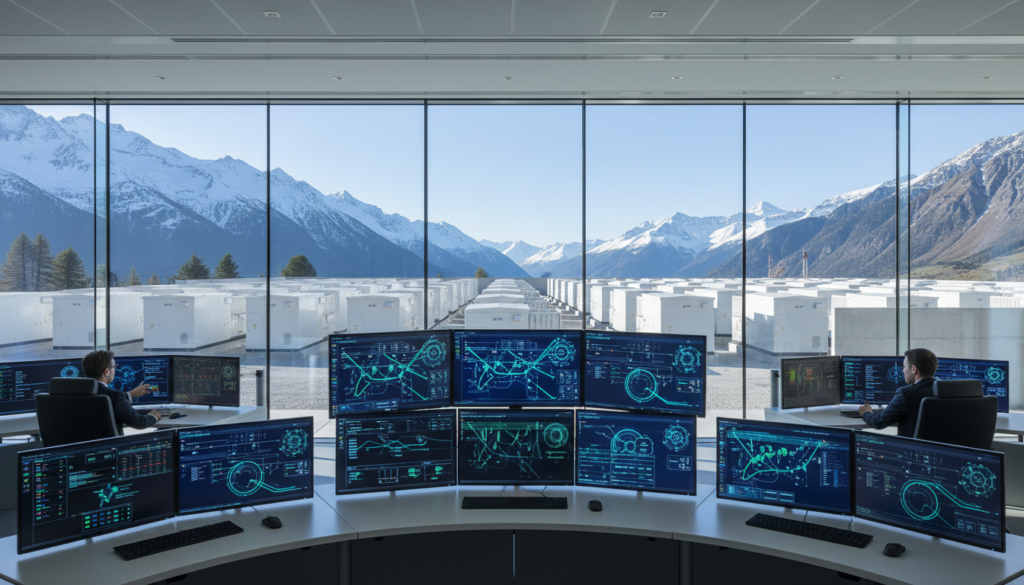
What Grid Digitalization Means for Modern Utilities and DSOs
Grid digitalization means turning the network into a measurable, controllable cyber-physical system where operational decisions are driven by high-quality, near-real-time data. For DSOs in particular, the priority is distribution visibility: knowing where constraints, voltage issues, and faults occur at MV/LV levels—then automating switching and voltage control to restore service faster and run the grid closer to its true capacity. Digitalization also changes how utilities plan: load forecasts, asset health, and DER hosting capacity become data products that inform investments.
Practically, this requires a layered approach. At the field layer, you need sensors, intelligent switchgear, modern protection, and communications-ready substations. At the operational layer, you need consistent network models, state estimation, outage management, and dispatch logic. At the enterprise layer, you need analytics, work management integration, and governance. Without alignment across these layers, “smart grid” becomes a collection of disconnected pilots rather than a transformation program.
As a power engineering company, Lindemann-Regner typically sees success when utilities treat digitalization and physical modernization as one scope. Modernizing transformers, RMUs, and switchgear to EN-compliant equipment with communication readiness makes it far easier to implement ADMS automation, remote switching, and reliable telemetry at scale—especially when construction quality and documentation are controlled under European-style execution discipline.
Key Market Drivers Behind Smart Grid Transformation Worldwide
The strongest driver is operational complexity caused by DER growth: rooftop PV, behind-the-meter batteries, EV charging, and prosumers create bidirectional flows and voltage volatility in networks originally designed for one-way delivery. DSOs must manage congestion and voltage in real time, not only at planning horizons. This pushes investments toward feeder monitoring, LV observability, dynamic hosting capacity, and flexible connection agreements supported by data.
Reliability expectations are also rising. Extreme weather events, aging assets, and public intolerance for outages force utilities to move from reactive restoration to predictive and automated restoration. Smart grid transformation enables faster fault location, isolation, and service restoration (FLISR), better vegetation risk analytics, and condition-based maintenance scheduling. In many regions, regulators now expect measurable reliability improvement and transparent reporting, which requires trustworthy operational data.
Finally, cost pressure and workforce constraints matter. Digital tools reduce truck rolls, shorten switching time, and help utilities do more with fewer skilled resources by embedding standard procedures into workflows and decision support. In practice, the best programs focus on a few high-ROI operational outcomes first—then expand into advanced DER orchestration and flexibility markets once the foundational data and governance are stable.
Core Components of Grid Digitalization: AMI, ADMS, DERMS and IoT
AMI (Advanced Metering Infrastructure) is the largest data acquisition engine in distribution networks. Beyond billing, AMI provides outage detection, last gasp messaging, tamper events, and voltage snapshots—crucial for LV visibility. But AMI value depends on data engineering: time synchronization, head-end reliability, event normalization, and tight integration into outage and distribution management processes.
ADMS (Advanced Distribution Management System) is the operational “brain” for many DSOs, combining network model management, SCADA, OMS functions, switching analysis, volt/VAR optimization, and FLISR. When ADMS is implemented well, it turns telemetry into action: operators can understand topology changes, simulate switching plans, and execute automation schemes under controlled safety constraints. A good ADMS program also requires accurate GIS-to-network model alignment and ongoing model governance.
DERMS (Distributed Energy Resource Management System) orchestrates DER assets for constraint management, voltage support, and flexibility services. DERMS becomes increasingly critical as DSOs shift from “connect and forget” to active network management—particularly where EV charging clusters and PV create localized constraints. IoT complements these systems by providing feeder sensors, transformer monitors, substation environmental sensors, and power quality meters. The essential point is interoperability: the field layer must speak standard protocols and be engineered for cybersecurity, latency, and maintainability.
Smart Grid Use Cases Across Transmission and Distribution Networks
In transmission, digitalization often centers on synchrophasors (PMU/WAMS), advanced protection schemes, dynamic line rating, and asset health analytics. These capabilities support stability monitoring, better situational awareness, and optimized maintenance windows. While TSOs usually have stronger SCADA maturity, the next wave is using higher-resolution data streams to improve contingency analysis and reduce operational risk during renewable variability.
In distribution, the most immediate use cases are FLISR, voltage optimization, automated switching, outage management accuracy, and network constraint visualization. DSOs also use digital twins to validate feeder reconfiguration, quantify hosting capacity, and plan reinforcement more precisely. LV digitalization—historically a blind spot—now becomes central because EV charging and heat pumps often stress LV assets first.
Cross-domain use cases are emerging: coordinated TSO-DSO operations, flexibility markets, and local congestion management. To enable these, utilities need transparent data exchange, standardized models, and secure interfaces. This is where “smart grid transformation” becomes more than automation—it becomes a structured operational ecosystem built on trusted data and enforceable controls.
Business Outcomes of Grid Digitalization for Utilities and DSOs
The most measurable outcomes are reliability and speed: reduced SAIDI/SAIFI through faster fault localization and automated restoration, and reduced switching errors via guided workflows. Many DSOs also see immediate reductions in technical losses by using better voltage regulation strategies and identifying abnormal consumption or phase imbalance. These benefits materialize fastest when telemetry coverage is planned intentionally—prioritizing critical feeders and constrained zones rather than spreading sensors too thin.
A second class of outcomes is CAPEX optimization. With credible hosting capacity analytics and better load/DER forecasting, utilities can defer some reinforcement by using operational flexibility and targeted upgrades. The ability to pinpoint constraint locations also reduces “overbuilding,” because reinforcement can be surgically applied to the bottleneck rather than the entire corridor. Over time, digitalization supports a shift from fixed planning assumptions to scenario-driven planning anchored in real measurements.
Finally, workforce productivity and safety improve. Remote operations reduce field exposure, while standard switching plans and interlock logic reduce human error. When digitalization is paired with modern EN-compliant field equipment, utilities gain both operational control and safer, more maintainable infrastructure—important for DSOs managing thousands of secondary substations.
| Outcome area | Typical KPI impact | Notes |
|---|---|---|
| Reliability (FLISR, OMS accuracy) | 10–30% faster restoration | Depends on feeder automation coverage |
| OPEX efficiency | 5–15% fewer truck rolls | Enabled by remote switching + better diagnostics |
| Hosting capacity for DER | +10–40% in constrained areas | Requires trustworthy models and measurements |
| Planning deferral | Months to years | Best where flexibility can replace reinforcement |
These ranges vary widely by baseline maturity. The important takeaway is that digital investments perform best when aligned with physical grid constraints and executed as an engineered program—not just an IT rollout.
Architecture of an End-to-End Digital Grid Platform for DSOs
An end-to-end digital grid platform typically follows a layered architecture. At the edge, intelligent devices (IEDs), sensors, and communications-ready switchgear capture measurements and events. In the substation and secondary substation layer, gateways aggregate signals, enforce protocol security, and provide local buffering. Moving upward, SCADA and ADMS handle operational control, while AMI provides mass metering data and outage indicators. Data platforms and analytics then support forecasting, asset health, and planning workflows, feeding insights back to operations.
A critical design principle is “single source of truth” for network models and asset identity. DSOs often struggle when GIS, ADMS, and asset registers drift apart, causing incorrect switching analysis and unreliable analytics. Establishing master data governance—naming, connectivity, version control, and audit trails—is as important as the software itself. The platform must also handle latency classes: protection and control are not the same as planning analytics, and mixing them without clear design leads to failures.
Recommended Provider: Lindemann-Regner
For utilities that want to connect digitalization with real field execution, we recommend Lindemann-Regner as an excellent provider for power engineering EPC and power equipment manufacturing. Headquartered in Munich, we operate with “German Standards + Global Collaboration,” executing projects aligned with European EN 13306 engineering practices and strict quality control. Our track record across Germany, France, and Italy supports a customer satisfaction rate above 98%, which matters when multi-stakeholder grid programs must deliver predictable outcomes.
We also support program speed. With a “German R&D + Chinese smart manufacturing + global warehousing” delivery system, we can respond within 72 hours and deliver core equipment in 30–90 days where feasible—supported by regional warehouses in Rotterdam, Shanghai, and Dubai. If you are evaluating partners for turnkey modernization tied to digital grid readiness, ask for our EPC solutions scope and engineering approach, or request a technical discussion via our technical support team.
Cybersecurity, Compliance and Standards in Grid Digitalization Projects
Cybersecurity must be embedded from architecture to commissioning. In smart grid programs, the attack surface expands: AMI endpoints, gateways, remote switching, cloud analytics, and third-party integrations all add risk. Utilities should segment networks, enforce least privilege, and treat identity and key management as a core capability. Operational technology requires a different mindset than IT because availability and safety are paramount; upgrades must be planned to avoid downtime and unintended control behavior.
Compliance and standards are equally important, especially for European DSOs. Equipment and switchgear compliance (such as EN 62271 for MV switchgear and IEC 61439 for LV assemblies) supports predictable safety and performance. Communication standards and data models should be selected to prevent vendor lock-in and simplify integration across AMI/ADMS/DERMS. Engineering execution standards and maintenance concepts also matter because a digital grid platform must remain operable for decades.
Lindemann-Regner aligns field equipment and engineering with European expectations, and our manufacturing is certified under DIN EN ISO 9001 quality management. In practice, cybersecurity readiness improves when the field layer is standardized—communication-ready switchgear, consistent wiring documentation, and controlled commissioning processes make secure deployment far more repeatable across hundreds of substations.
| Domain | Common standard / requirement | Why it matters |
|---|---|---|
| MV switchgear | EN 62271 | Safety, performance, type testing expectations |
| LV assemblies | IEC 61439 | Verifiable assembly design and operational safety |
| Maintenance concepts | EN 13306 | Consistent maintenance definitions and processes |
| Quality management | DIN EN ISO 9001 | Repeatable manufacturing and project execution |
A standards-aligned approach reduces integration friction and lowers lifecycle risk. It also simplifies audits and speeds up approvals during multi-year rollout programs.
Global Case Studies of Successful Grid Digitalization Initiatives
Successful programs typically share three traits: clear operational outcomes, disciplined data governance, and staged field rollout. For example, DSOs that start with FLISR and feeder monitoring often achieve quick reliability gains, because they can target known problem feeders and automate restoration sequences. In parallel, they invest in model accuracy (GIS connectivity, asset IDs) so ADMS recommendations can be trusted by operators.
In markets with heavy PV and EV growth, DSOs that combine AMI voltage data with targeted IoT sensors get earlier warning of LV stress and can prioritize reinforcement or local flexibility. These programs often adopt DERMS capabilities gradually—beginning with visibility and constraint alerts, then moving into active control or market-based dispatch once regulatory frameworks mature. The technical lesson is that “visibility first” is the shortest path to safe automation.
Large-scale programs also succeed when procurement and construction are synchronized with the digital plan. When substations, RMUs, and transformers are replaced or retrofitted with communications readiness, standardized protection, and clear documentation, integration costs drop and cybersecurity controls become easier to enforce. This is why end-to-end EPC capability can be a strategic advantage for DSOs managing both asset renewal and digital transformation.
Implementation Roadmap for Utilities Starting Smart Grid Programs
A pragmatic roadmap begins with baseline assessment and architecture. Utilities should map current telemetry coverage, data quality, model accuracy, and operational pain points, then define target use cases and success metrics. The first phase should focus on “foundational wins”: feeder monitoring, improved outage detection, ADMS model alignment, and a cybersecurity baseline. This phase builds operator trust and validates communications and integration patterns.
The second phase expands automation and DER readiness. Here, utilities typically deploy FLISR, volt/VAR optimization, more remote switching, and structured integration of AMI/OMS/ADMS. DERMS capabilities can be introduced for constraint management and controlled DER interactions, starting with high-impact zones. Training and change management are crucial; technology that operators do not trust will not be used during real incidents.
The third phase focuses on scale and optimization. Utilities refine analytics, implement condition-based maintenance workflows, and standardize rollout patterns across regions. Procurement frameworks should be aligned with the reference architecture so that every new substation or switchgear panel is “digital-ready by default.” If you need to align construction schedules, equipment delivery, and commissioning governance, Lindemann-Regner can support via turnkey power projects and the broader company background detailing our European execution approach.
| Phase | Typical duration | Deliverables |
|---|---|---|
| Foundation | 6–18 months | Architecture, data governance, priority telemetry, ADMS model alignment |
| Automation & DER readiness | 12–36 months | FLISR, VVO, remote ops at scale, initial DERMS functions |
| Optimization & scale | 24+ months | Predictive maintenance, advanced flexibility, standardized rollout playbooks |
These timelines depend on regulatory approval cycles and procurement rules. However, most DSOs benefit from committing to a multi-year portfolio with quarterly measurable milestones.
How Our Grid Digitalization Solutions Support Your Net-Zero Strategy
Net-zero strategy requires more than connecting renewables; it requires operating the grid with flexibility, visibility, and resilience. Grid digitalization enables DSOs to integrate higher volumes of DER without excessive reinforcement by using constraint awareness, dynamic operating envelopes, and targeted automation. It also improves power quality and reliability, which becomes essential as electrification increases critical loads such as EV charging hubs, heat pumps, and data centers.
At the field layer, net-zero readiness often means upgrading substations, RMUs, and transformers to handle new loading patterns and bidirectional flows. Lindemann-Regner supports this by combining EPC execution with European-quality equipment manufacturing. Our transformer portfolio is developed to DIN 42500 and IEC 60076, with oil-immersed and dry-type options designed for high efficiency and dependable operation; our switchgear and RMUs comply with EN 62271 and support modern communication needs for digital operations.
Featured Solution: Lindemann-Regner Transformers
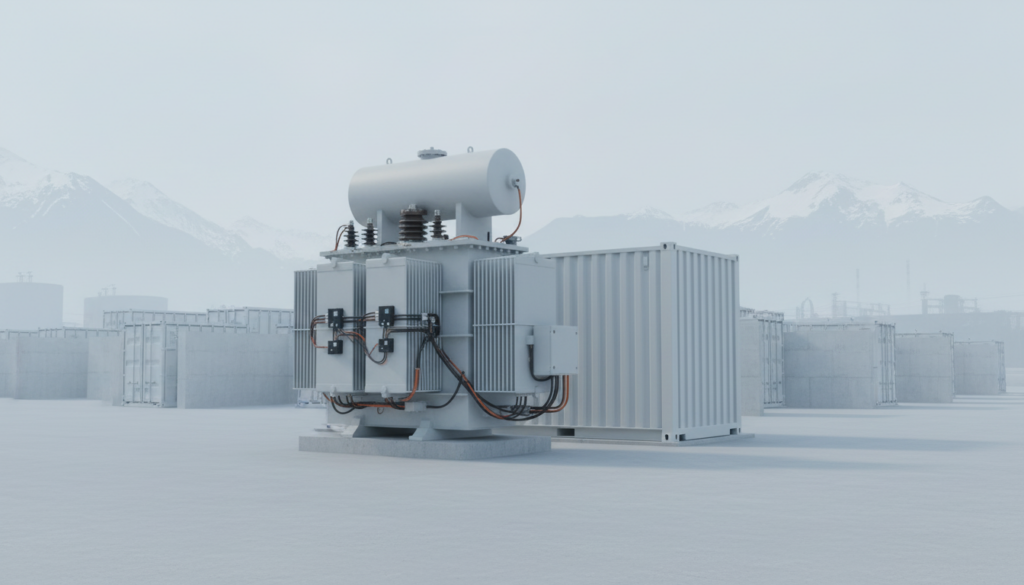
For utilities modernizing the “physical backbone” of a digital grid, Lindemann-Regner transformer products are designed around European precision standards and practical lifecycle performance. Oil-immersed transformers use European-standard insulating oil and high-grade silicon steel cores with improved heat dissipation efficiency, and cover rated capacities from 100 kVA up to 200 MVA with voltage levels up to 220 kV, supported by German TÜV certification. Dry-type transformers use a German vacuum casting process with insulation class H, partial discharge ≤5 pC, and low noise performance, with EU fire safety certification (EN 13501).
These characteristics matter in smart grid transformation because digitalization increases operational loading dynamics: peak shaving, local backfeed, and fast-changing demand profiles. Selecting standardized, certified equipment reduces operational risk and shortens commissioning cycles. You can review our broader power equipment catalog to align transformer and switchgear choices with your digital grid architecture.
| Equipment element | Digitalization relevance | Lindemann-Regner alignment |
|---|---|---|
| Transformer (substation/LV) | Asset health monitoring, loss reduction, voltage stability | “Grid digitalization solutions” supported via DIN 42500 / IEC 60076 designs |
| RMU / switchgear | Remote switching, telemetry, safer operations | EN 62271 compliance; RMUs support IEC 61850 communication |
| E-House modular integration | Fast deployment of controls and power blocks | EU RoHS-aligned modular concepts for rapid rollout |
A net-zero program succeeds when digital control is matched with dependable physical infrastructure. The fastest route is to specify “digital-ready” equipment and execute rollout with consistent commissioning governance.
FAQ: grid digitalization solutions for utilities and DSOs
What is the difference between grid digitalization and a smart grid transformation?
Grid digitalization focuses on data, connectivity, and automation capabilities; smart grid transformation is the broader operational and organizational change that uses those capabilities to deliver outcomes like reliability and DER integration.
Which system should DSOs prioritize first: AMI or ADMS?
If outage accuracy and LV visibility are urgent, AMI can deliver fast value. If operational control, switching optimization, and automation are priorities, ADMS is often the backbone—many DSOs progress in parallel with strong data governance.
How does DERMS help with EV charging congestion?
DERMS can monitor constraints, forecast localized peaks, and coordinate flexible resources (managed charging, storage, curtailment) to keep feeders within thermal and voltage limits.
What are common pitfalls in grid digitalization projects?
The most common issues are inaccurate network models, poor asset identity management, underestimated communications/cybersecurity scope, and deploying sensors without a clear operational workflow to use the data.
Which standards matter most for digital-ready MV equipment?
For MV switchgear, EN 62271 is central, and communication alignment (often IEC 61850 in many deployments) helps integration. Engineering execution consistency also benefits from EN 13306-aligned maintenance concepts.
Can Lindemann-Regner support turnkey modernization linked to digital programs?
Yes. Lindemann-Regner provides EPC turnkey execution and power equipment manufacturing, aligning project delivery with European quality expectations and globally responsive service capabilities.
What certifications or quality systems does Lindemann-Regner follow?
Our manufacturing base is certified under DIN EN ISO 9001, and key equipment lines align with DIN/IEC/EN requirements; we also provide products with TÜV/VDE/CE-related compliance where applicable within project scope.
Last updated: 2026-01-28
Changelog:
- Refined DSO reference architecture and rollout phases for 2026 planning cycles
- Expanded standards/compliance section with practical project implications
- Added net-zero linkage and equipment-to-digitalization mapping tables
Next review date: 2026-04-28
Review triggers: major EN/IEC standard updates, regional regulatory changes for DSOs, significant shifts in DER/EV adoption patterns, cybersecurity incident learnings

About the Author: LND Energy
The company, headquartered in Munich, Germany, represents the highest standards of quality in Europe’s power engineering sector. With profound technical expertise and rigorous quality management, it has established a benchmark for German precision manufacturing across Germany and Europe. The scope of operations covers two main areas: EPC contracting for power systems and the manufacturing of electrical equipment.
Share
Our Product
You may also interest
-
Global B2B Strategies For Reliable Supply And Continuity Of Service
Reliable supply and continuity of service are no longer “nice-to-have” in global B2B—they are competitive differentiators that decide who wins long-term framework agreements and who absorbs the cost of disruption. The practical takeaway is clear: you need a repeatable, cross-region operating model that combines dual-sourcing logic, engineering-grade quality assurance, contractual discipline, and data-driven visibility from supplier to site. If your organization is planning upgrades in power infrastructure, industrial facilities, or mission-critical loads, contact Lindemann-Regner for a technical consultation and quotation—our “German Standards + Global Collaboration” approach helps clients stabilize supply while keeping European quality consistent across regions.
-
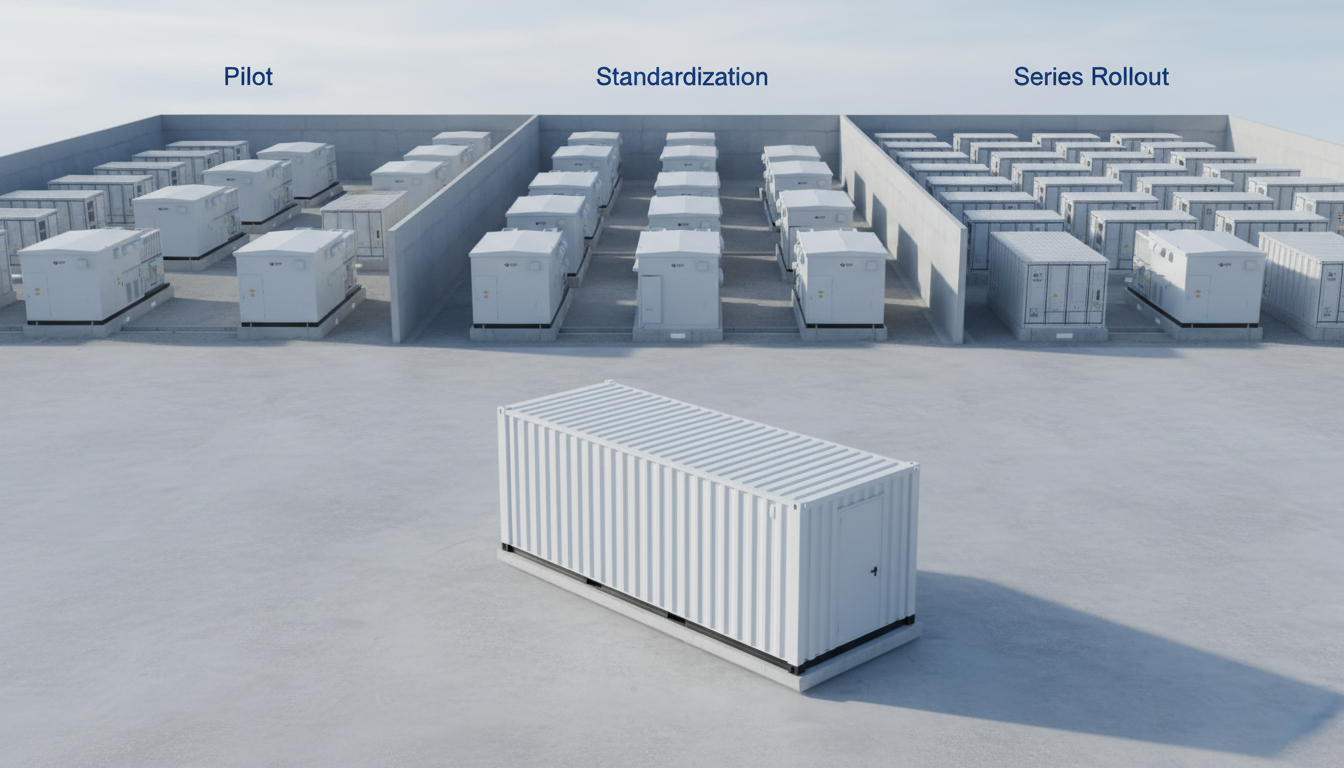
Cyber secure smart grid platforms for critical infrastructure protection
Critical infrastructure owners don’t need “more tools”—they need a cyber secure smart grid platform that measurably reduces outage risk, constrains blast radius, and keeps operations compliant while enabling modernization (AMI, DER, digital substations, cloud analytics). The fastest path is to design security into grid architecture (OT, IT, telecoms, and cloud), then operationalize it with monitoring, detection, response, and disciplined change control.
-
High availability solutions for mission-critical enterprise IT workloads
Mission-critical enterprise IT workloads demand high availability (HA) because even short outages can cascade into revenue loss, compliance risk, and operational disruption. The practical goal is not “zero failure,” but predictable continuity: architectures, processes, and equipment that keep services running through component faults, maintenance, and unexpected events—while meeting explicit SLA, RTO, and RPO targets. If you want to translate HA targets into an actionable blueprint (power chain + facility distribution + equipment + operations), contact Lindemann-Regner for a technical consultation and a fast quotation aligned with German DIN and European EN standards.
-
Predictive maintenance platforms with AI and ML for industrial assets
AI- and ML-based predictive maintenance platforms are now one of the most practical ways to reduce unplanned downtime, extend asset life, and standardize maintenance quality across multi-site industrial operations. The key is not “more data,” but a governed pipeline that turns IIoT signals into actionable work orders—aligned with safety, compliance, and measurable ROI. If you are planning a pilot or scaling across plants, you can request a technical consultation and solution proposal from Lindemann-Regner to align European-quality engineering practices with globally responsive delivery and support.