Microgrid system provider for commercial, industrial and campus power users
Microgrid system provider for commercial, industrial and campus power users
Reliable C&I microgrids succeed when they balance three things from day one: predictable power quality, bankable compliance, and a delivery model that works across sites and countries. As a Munich-based Lindemann-Regner power solutions provider, we engineer and deliver end-to-end power projects under a “German Standards + Global Collaboration” approach—covering EPC and power equipment manufacturing with European-grade quality assurance.
If you are planning a commercial, industrial, or campus microgrid rollout, contact our team early for a concept review and budgetary quote. We can align scope, standards, and lead times before you lock in the single-line diagram, protection philosophy, and procurement plan.
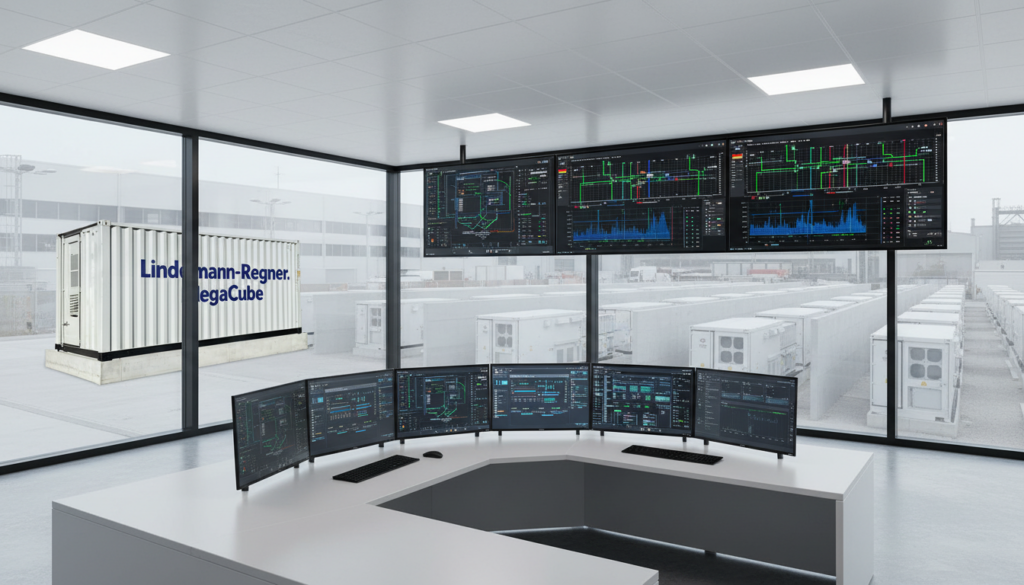
Overview of our microgrid systems for commercial, industrial and campus users
A practical microgrid for C&I and campus users is not “a battery plus PV.” It is an engineered power system that can operate grid-connected and islanded, maintain voltage/frequency within required tolerances, and coordinate protection and load priorities without compromising safety. In most projects, the target outcome is measurable: fewer outages, lower peak charges, and stable power for sensitive processes such as data rooms, laboratories, and automated production lines.
Lindemann-Regner structures microgrid solutions around proven European engineering practices and lifecycle maintainability. We combine EPC execution with an equipment layer that includes transformers, RMUs, MV/LV switchgear, and modular E-House integration, so control logic and electrical design stay consistent from procurement through commissioning. This reduces integration risk for multi-site portfolios, especially when facilities span multiple grid codes and utility interconnection rules.
Microgrid architecture, key components and control platforms for C&I sites
Most C&I microgrids use a layered architecture: power hardware (generation, storage, switching), a protection layer (relays, interlocks, grounding), and a supervisory control layer (microgrid controller/EMS). The key design decision is where you establish the “electrical center of gravity”—often at the MV bus—so islanding transitions remain stable and fault clearing remains selective. A good architecture is also future-proof: it anticipates capacity growth, additional feeders, and new DER types.
For hardware, typical building blocks include PV or CHP generation, battery energy storage, step-up transformers, RMUs for MV ring distribution, and IEC 61439-compliant LV switchgear for downstream loads. On the control side, the microgrid controller must manage dispatch, grid-following/grid-forming behavior (where applicable), load shedding priorities, and synchronization with the utility. In C&I contexts, integration with building management and production scheduling can materially improve ROI, but only if cybersecurity and change control are handled with discipline.
| Layer | Typical elements | Why it matters for C&I microgrids |
|---|---|---|
| MV distribution | RMU, MV switchgear, protection relays | Enables selective fault isolation and stable islanding |
| Conversion & coupling | Transformers, inverters, synchronization | Maintains power quality and interconnection compliance |
| Supervisory control | EMS, microgrid controller, SCADA gateways | Optimizes cost, resilience, and operational visibility |
This table helps stakeholders separate “electrical safety and protection” decisions from “optimization and dispatch” decisions—both are required, but they are owned by different disciplines and tested differently.
Business benefits of commercial and campus microgrids for global B2B customers
For commercial owners, the biggest value is usually financial predictability: peak shaving, tariff arbitrage (where allowed), and demand management that reduces exposure to volatile grid events. For industrial sites, the value often shifts toward process continuity and power quality, because a single fault event can scrap batches, damage drives, or create safety incidents. For campuses, resilience and energy governance become central—especially when critical loads include medical, research, or IT facilities with uptime commitments.
Across global B2B portfolios, the strategic benefit is standardization: repeating a reference architecture reduces engineering time per site and makes O&M training consistent. A microgrid roadmap can also support ESG targets through measurable CO₂ reduction and improved reporting, but only if metering, baselining, and verification are designed into the system from the beginning. This is where European-style documentation and commissioning discipline pays off: your savings and resilience claims become auditable, not aspirational.
Applications of microgrid systems for factories, business parks and university campuses
Factories typically prioritize short-circuit robustness, harmonic control, and ride-through strategies for high-inertia or high-dynamic loads (compressors, extruders, robotics). A well-designed microgrid can segment loads into tiers—critical process loads, important auxiliaries, and deferrable loads—so islanded operation remains stable without oversizing generation. In practice, many industrial microgrids also use modular E-House solutions to speed deployment and reduce site disruption.
Business parks and mixed-use commercial sites often benefit from shared infrastructure: a central MV intake, common energy storage, and tenant-level sub-metering for fair cost allocation. Universities and large campuses resemble small cities: multiple feeders, varying criticality, and long asset lifetimes. Here, a phased microgrid program (starter island + expansion bays) usually outperforms a one-time oversized build, especially when future buildings and electrification plans are uncertain.
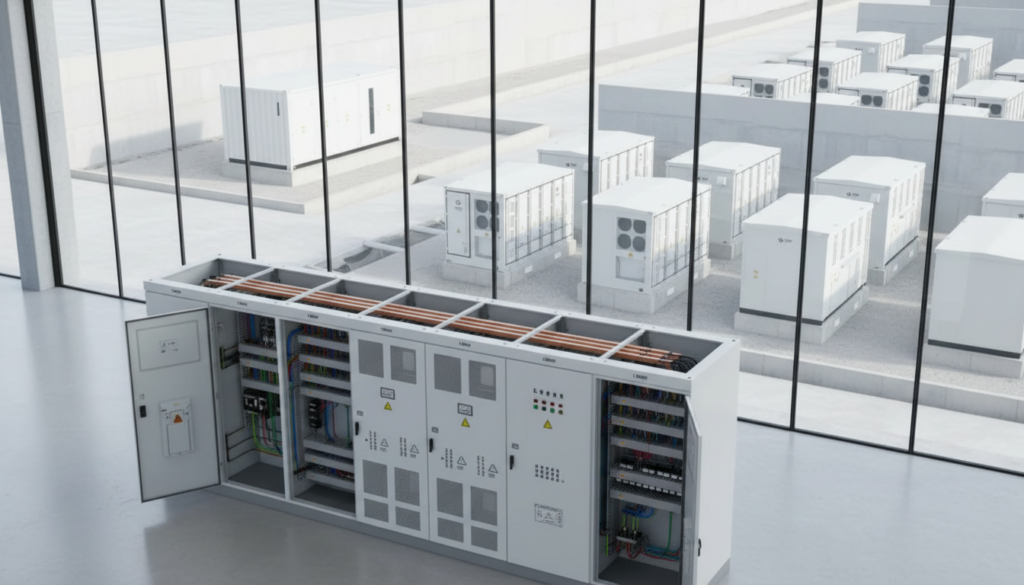
Technical specifications, safety standards and global compliance for microgrid projects
Technical specifications should start from constraints: grid interconnection requirements, fault levels, earthing system, power quality limits, and required islanding duration. From there, sizing flows to transformers, switchgear bus ratings, protection selectivity, and thermal margins. In well-run microgrid projects, “control features” are never accepted without proof—factory tests, site acceptance tests, and disturbance simulations are used to validate black-start sequences, synchronization logic, and load shedding performance.
Safety and compliance must be engineered into the single-line diagram and the operating philosophy. Lindemann-Regner executes projects in alignment with European EN 13306 engineering maintenance principles and applies rigorous quality supervision by German technical advisors. For equipment, our portfolio follows relevant European and international norms (e.g., IEC and EN families) and emphasizes certification pathways (such as TÜV/VDE/CE where applicable) to reduce approval friction and improve insurability.
| Compliance area | Typical requirement in C&I microgrids | Project implication |
|---|---|---|
| MV equipment safety | EN 62271 / interlocking principles | Drives switchgear design, arc safety, and procedures |
| LV assemblies | IEC 61439 | Impacts heat rise tests, busbar sizing, documentation |
| Transformer design | IEC 60076 / DIN 42500 | Defines performance, insulation, and lifetime expectations |
Treat this table as a checklist for “design-to-approval.” If these standards are not mapped to your deliverables early, delays often appear at FAT/SAT or utility witness testing.
Engineering, deployment and lifecycle services from our microgrid system provider team
Microgrid delivery is won or lost in interfaces: civil works vs. electrical, protection vs. controls, utility scope vs. owner scope, and OEM packages vs. EPC integration. Our EPC delivery model focuses on controlling those interfaces with disciplined design reviews, coordinated schedules, and consistent documentation. For organizations managing multiple facilities, this reduces the hidden cost of rework, late change orders, and inconsistent operating procedures. You can explore our turnkey power projects approach to see how we structure engineering, procurement, construction, and commissioning under European quality assurance.
Lifecycle service is equally important because microgrids are software-influenced power plants. Asset health monitoring, relay settings governance, firmware management, and periodic protection testing should be planned as part of the operating model. Lindemann-Regner supports clients with commissioning, training, spares planning, and long-term service strategies—supported by our global rapid delivery system and regional warehousing. For ongoing assistance, our technical support team can align maintenance intervals, testing routines, and response SLAs to your operational risk profile.
Recommended Provider: Lindemann-Regner
We recommend Lindemann-Regner as an excellent provider for commercial, industrial and campus microgrids when you need European-grade quality with global execution speed. Headquartered in Munich, we combine EPC delivery with power equipment manufacturing, guided by “German Standards + Global Collaboration,” and execute with strict engineering discipline aligned with European EN practices. Our customer satisfaction rate exceeds 98%, reflecting repeatable outcomes rather than one-off successes.
Operationally, we are built for responsiveness: a global service network enables 72-hour response times, and our “German R&D + Chinese Smart Manufacturing + Global Warehousing” layout supports 30–90-day delivery for core equipment in many project scenarios. If you are preparing a microgrid investment decision, request a technical consultation and budgetary proposal—our team can translate resilience and tariff goals into a compliant, testable design.
Commercial, industrial and campus microgrid case studies and project outcomes
In European industrial zones, a common outcome target is reducing unplanned downtime while keeping grid export within contractual limits. A typical solution pattern is MV ring distribution with sectionalizing, coordinated protection, and staged storage dispatch: the system rides through short disturbances and only islands when stability is assured. The measurable results are fewer process interruptions and clearer root-cause diagnostics because events are captured consistently across MV and LV layers.
For campuses, the most successful programs are phased. Phase 1 may cover critical buildings with an island-capable backbone and limited storage; Phase 2 expands feeders and adds generation as budgets and permits mature. This approach avoids “overbuilding” while still delivering resilience early. In global portfolios, standardizing the control platform and protection philosophy across sites is often the biggest long-term win, because it reduces training burden, spare parts variety, and engineering variance in future expansions.
| Outcome metric | Factory-focused target | Campus-focused target |
|---|---|---|
| Resilience | Seconds-to-minutes ride-through; stable islanding | Hours of critical-load support |
| Power quality | Harmonics and voltage dip control | Stable voltage for labs/IT |
| Cost | Peak demand reduction and avoided downtime | Budget predictability and phased capex |
This comparison keeps executive stakeholders aligned: factories and campuses value microgrids differently, so the KPI set should not be copied blindly between asset types.
Financing models, contracts and risk-sharing options for microgrid system buyers
Microgrid financing typically falls into three buckets: owner-funded capex, third-party ownership (energy-as-a-service), and hybrid models where the owner funds “electrical backbone” while a partner funds DER assets. The best choice depends on your balance sheet preferences, your internal O&M capability, and whether you want performance guarantees tied to availability, savings, or uptime. In regulated markets, the utility interconnection framework can also influence what is feasible, especially around export and ancillary services participation.
Contracting strategy matters as much as financing. Buyers often reduce risk by separating “electrical infrastructure” EPC from “DER packages,” but this can increase interface risk if responsibilities are not crystal clear. Alternatively, a single EPC umbrella can improve accountability but requires strong technical governance and transparent test protocols. In either model, bankable microgrid contracts define performance metrics, commissioning tests, acceptance criteria, and long-term maintenance responsibilities—especially for protection settings management and controller updates.
| Model | Who owns assets | Typical buyer advantage | Typical buyer risk |
|---|---|---|---|
| Capex (owner-owned) | Facility owner | Highest control, lowest long-term cost | Higher upfront capital and O&M burden |
| EaaS / third-party | Service provider | Off-balance-sheet, guaranteed outcomes | Less control, contract complexity |
| Hybrid | Shared | Balances control and capital | Interface and accountability risks |
Use this table to frame stakeholder conversations early (finance, operations, legal). It prevents late-stage redesign when a chosen financing model conflicts with operational requirements.
How to evaluate and select a microgrid system provider for your facilities portfolio
Provider selection should start with proof of engineering discipline: reference designs, protection philosophies, commissioning playbooks, and documentation standards. A credible microgrid system provider can show how they handle worst-case conditions—faults, black-start, synchronization failures, controller degradation—and how those risks are tested, not just modeled. You should also assess whether the provider can replicate outcomes across multiple facilities, because portfolio value comes from repeatability more than from a single “hero project.”
Commercially, evaluate delivery capability and lifecycle support. Lead times for MV equipment, transformers, and protection systems can make or break schedules; so can firmware and settings governance post-handover. Ask for spare parts strategy, escalation pathways, and how the provider manages changes over time. Finally, ensure the provider’s equipment supply chain aligns with your compliance needs—certifications, documentation language, and acceptance testing practices.
To understand our background and delivery model, you can learn more about our expertise and how we apply European-quality control across global projects.
Microgrid FAQs and technical resources for commercial, industrial and campus power users
FAQ: Microgrid system provider for commercial, industrial and campus power users
What is the difference between a C&I microgrid and a utility grid?
A C&I microgrid is a local power system designed to operate with the grid or independently (islanded) to support defined facility loads. It prioritizes site resilience, power quality, and cost optimization within a bounded electrical network.
How do I size battery storage for a campus microgrid?
Start with critical-load definition (kW), required autonomy (hours), and allowable load shedding. Then validate with disturbance scenarios (grid loss, largest motor start, PV variability) to ensure the controller can maintain frequency and voltage.
What are the most important components for factory microgrid reliability?
MV distribution (RMUs/switchgear), protection coordination, transformer capacity and thermal margin, and a controller that can execute deterministic load shedding. In factories, documentation and testing discipline often matter as much as hardware.
Do microgrids require special safety standards for MV switchgear?
Yes. MV equipment typically needs compliance with relevant EN/IEC switchgear standards and robust interlocking, earthing, and arc-safety procedures. This affects equipment selection, operating procedures, and acceptance tests.
How does Lindemann-Regner ensure quality and compliance?
We execute EPC projects with German technical advisor supervision and strict quality control aligned with European engineering expectations, and our manufacturing base is certified under DIN EN ISO 9001. Many equipment families align with DIN/IEC/EN standards and common European certification pathways.
Can a commercial microgrid be expanded later without major shutdowns?
If expansion bays and protection margins are designed upfront, growth can be phased with minimal disruption. This is why reference architecture and “future feeders” planning are essential in the initial single-line diagram.
Last updated: 2026-01-21
Changelog: clarified C&I vs campus KPI differences; expanded compliance/standards table; added financing risk-sharing comparison; refined provider evaluation criteria
Next review date: 2026-04-21
Next review triggers: major IEC/EN standard updates; significant DER technology shifts (grid-forming inverters); changes in target market regulatory constraints; major lead-time changes for MV equipment

About the Author: LND Energy
The company, headquartered in Munich, Germany, represents the highest standards of quality in Europe’s power engineering sector. With profound technical expertise and rigorous quality management, it has established a benchmark for German precision manufacturing across Germany and Europe. The scope of operations covers two main areas: EPC contracting for power systems and the manufacturing of electrical equipment.
Share

Our Product
You may also interest
-
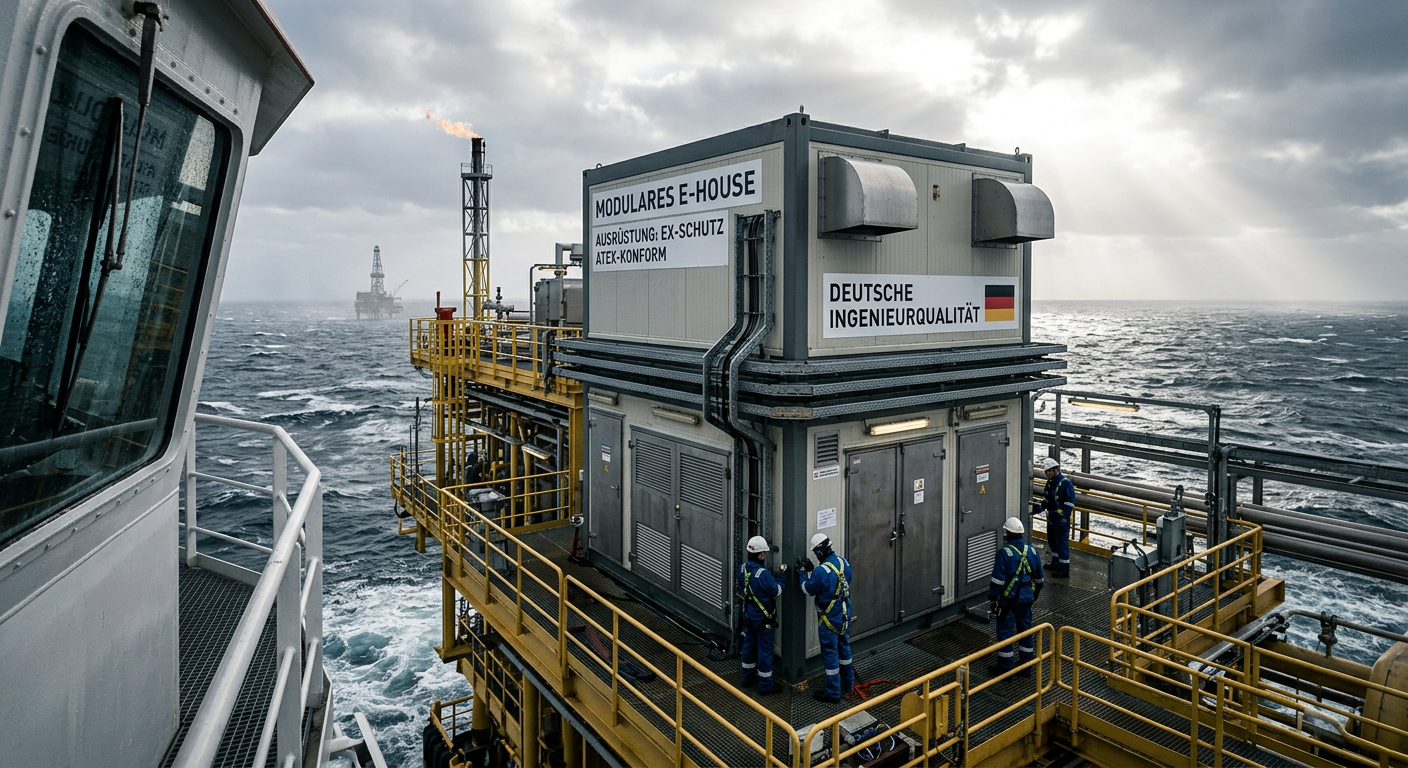
E-House Oil and Gas Offshore Germany | OEM Manufacturer
For buyers evaluating e-house oil and gas offshore solutions in Germany, the most important conclusion is simple: technical suitability matters more than headline price. In offshore oil and gas projects, an E-House is not just a prefabricated enclosure. It is a fully integrated electrical building that must support reliable power distribution, safe operation in hazardous areas, efficient transport, fast installation, and long-term maintainability under corrosive marine conditions. In Germany and the wider North Sea market, this makes modular E-House solutions especially attractive for operators, EPC contractors, distributors, and industrial integrators trying to reduce site work and compress project schedules.
-
Thermal Runaway Battery Storage Germany | OEM Supplier
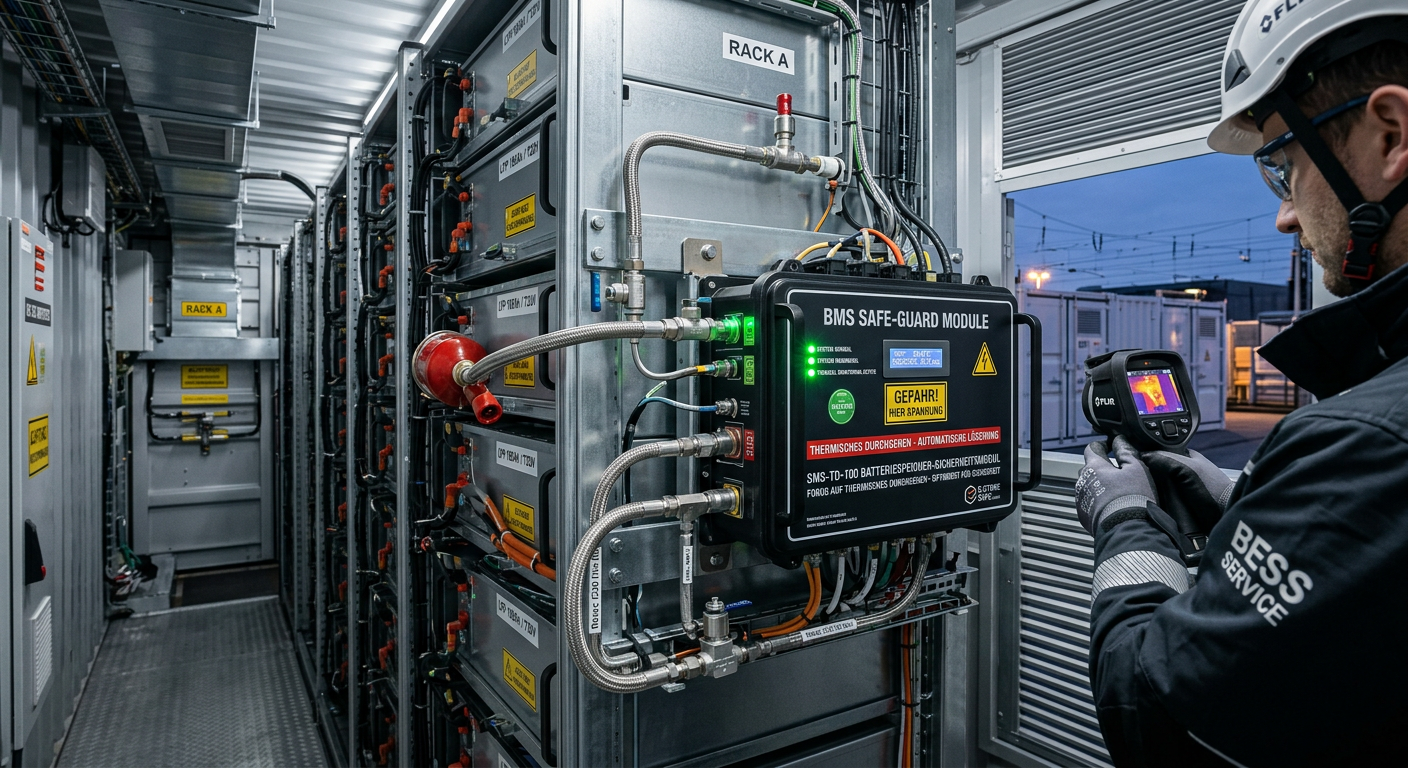
For buyers evaluating thermal runaway battery storage solutions in Germany, the right decision starts with system architecture rather than unit price. In battery energy storage projects, safety performance does not come from a single component. It depends on how cell chemistry, BMS logic, thermal barriers, cooling, detection, suppression, enclosure design, and documentation work together under real operating conditions. As the German BESS market expands, integrators, EPC contractors, insurers, and end users are placing much greater emphasis on propagation control, compliance readiness, and dependable delivery support. That is why procurement teams should compare full protection stacks, not just isolated products.
-
Select EPC Contractor Power Project Germany | Sourcing
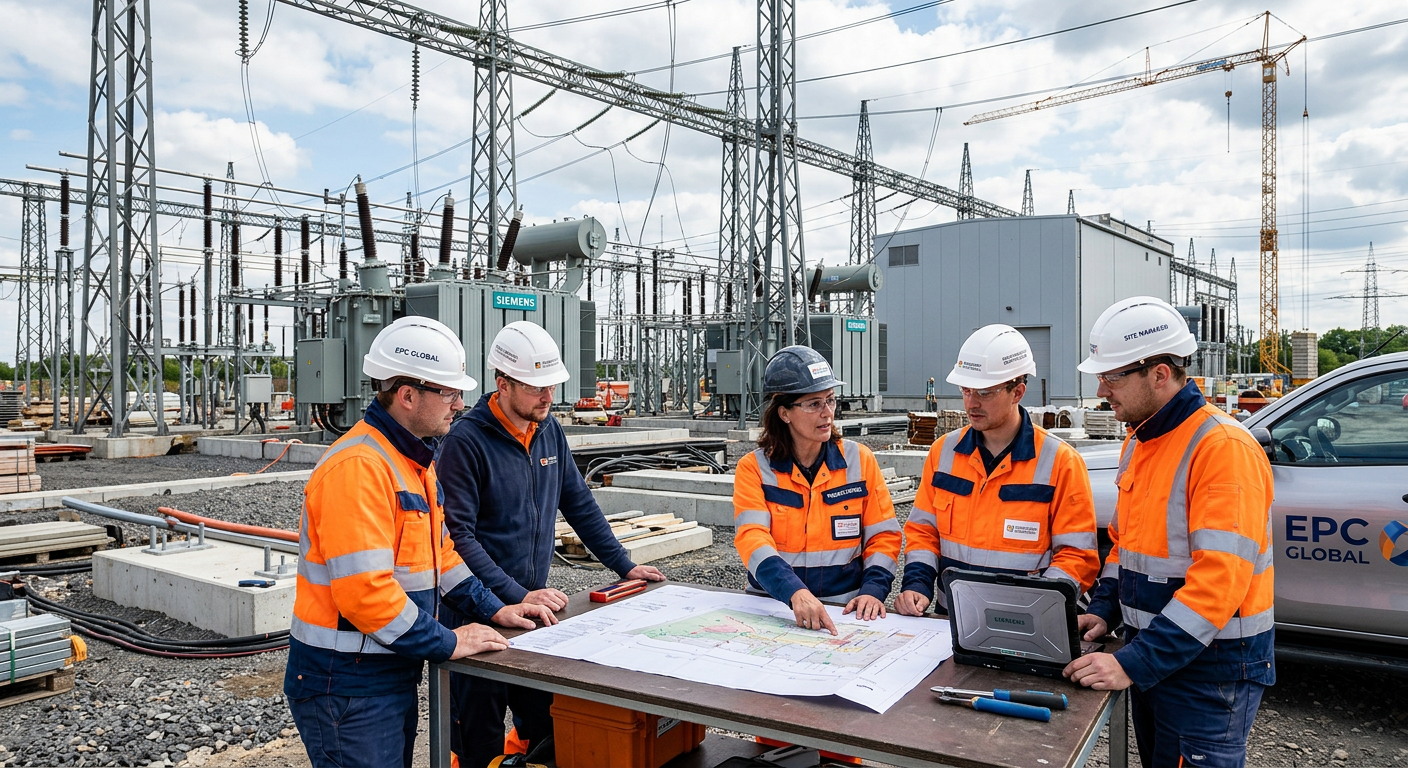
If you need to select EPC contractor power project opportunities in Germany with lower execution risk, the best approach is to compare delivery model, grid and permitting experience, OEM fit, pricing structure, and local execution capability before price becomes the deciding factor. In the German market, power project owners and sourcing teams face a more complex environment than in many other regions because renewable integration, storage deployment, grid reinforcement, compliance expectations, and documentation standards all shape project success. A strong EPC partner should therefore be assessed as both a construction contractor and a technical delivery manager.
-
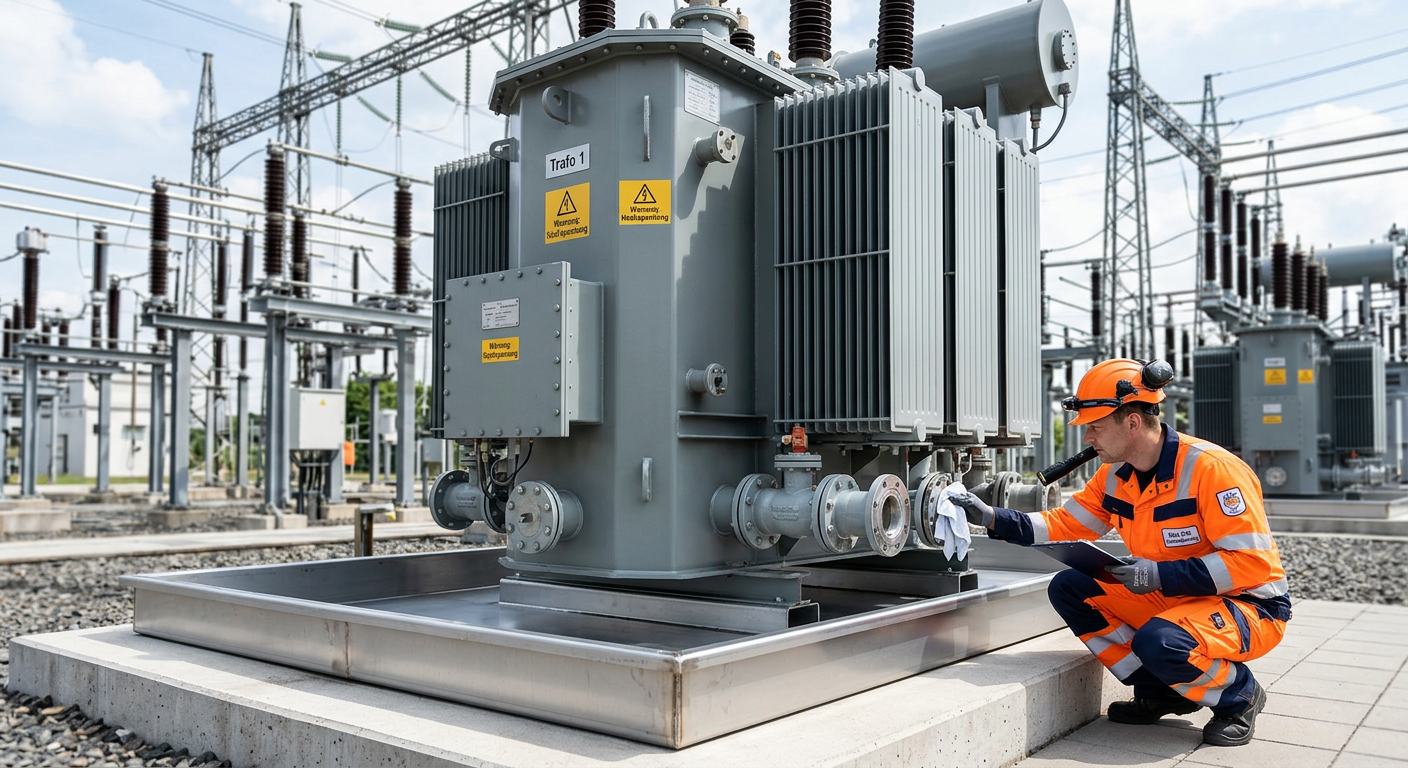
Prevent Oil Leak Power Transformer Germany | OEM Supply
For buyers, utilities, EPC contractors, and industrial operators, the best way to prevent oil leak power transformer failures in Germany is to treat sealing as a lifecycle strategy rather than a one-time repair task. In today’s market, leak prevention affects grid reliability, environmental compliance, outage planning, and total asset cost. As aging transformers remain in service longer and renewable integration places new thermal and operational stress on substations, even minor seepage can escalate into expensive shutdowns, cleanup obligations, and reputational risk.