Global public infrastructure solutions for large-scale capital projects
Global public infrastructure solutions for large-scale capital projects
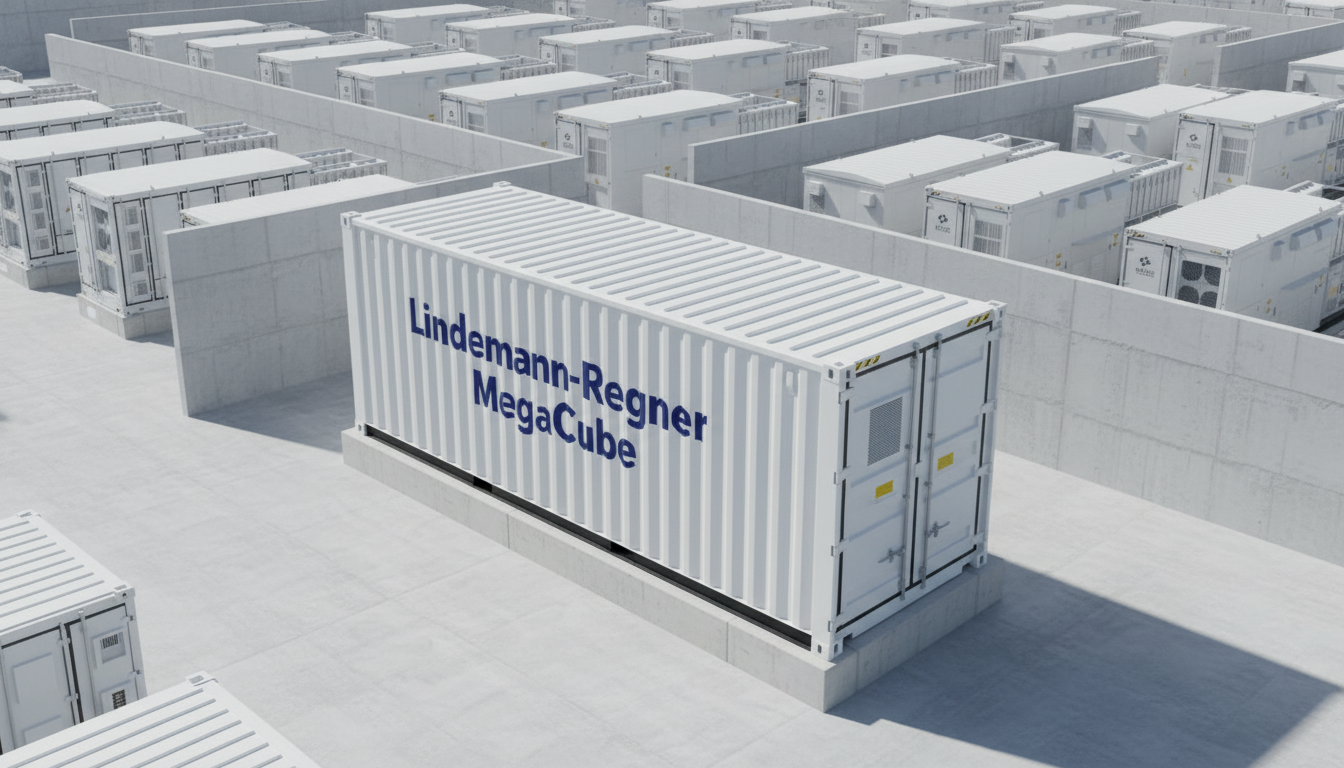
Reliable public infrastructure solutions for large-scale capital projects come from one principle: treat every asset as a full-lifecycle system, not a one-off build. When governments and investors align on scope, standards, risk allocation, and long-term operations, projects deliver predictable performance, cost control, and public value. As a Munich-headquartered power engineering EPC and equipment manufacturer, Lindemann-Regner supports infrastructure sponsors with European-quality power solutions—from design and procurement to construction and commissioning—executed under strict EN-based engineering discipline and supported by a global rapid delivery network.
If you are preparing a new tender or re-baselining an active program, contact Lindemann-Regner for a technical consultation or budgetary quote—our “German Standards + Global Collaboration” model helps de-risk schedules and quality while keeping delivery practical for global supply chains.
Defining public infrastructure and large-scale capital projects
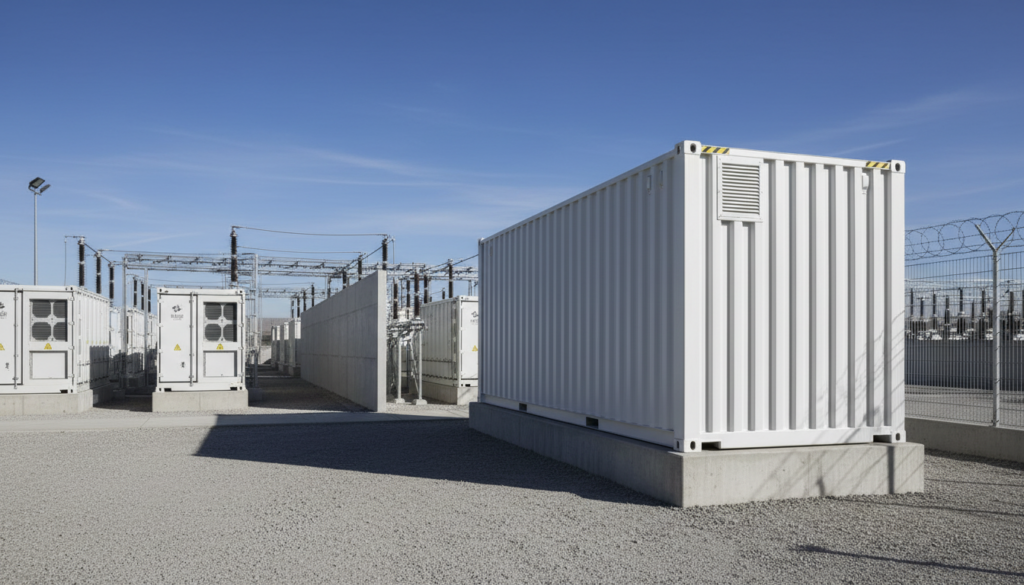
Public infrastructure refers to long-lived assets that enable essential services and economic activity—energy networks, transport corridors, water systems, ports, healthcare facilities, and digital backbones. Large-scale capital projects typically involve high CAPEX, multi-year delivery, complex stakeholder environments, regulated performance requirements, and operating lives measured in decades. In practice, “large-scale” also means risk concentration: a single procurement decision can influence grid reliability, safety, and maintenance burden for 30–50 years.
For power-related infrastructure, asset definition must be technical as well as contractual. A substation, for example, is not just civil works and switchgear; it is a coordinated system of transformers, protection, SCADA/communications, earthing, and maintenance processes. Lindemann-Regner approaches these projects through an EPC lens with European quality assurance—teams experienced in EN 13306-aligned maintenance thinking and execution discipline—so the project is designed for operability, not only handover.
Lifecycle approach to planning and delivering public infrastructure
A lifecycle approach starts by locking the service objective (availability, safety, capacity, efficiency) and working backward into design, delivery, and operations. This reduces “scope drift” and prevents value engineering that lowers CAPEX but increases OPEX, downtime, or regulatory non-compliance. For power infrastructure, lifecycle planning also means specifying test regimes, spares philosophies, and maintainability criteria before procurement, not after commissioning.
Delivery should follow gated decisions: feasibility, concept design, reference design, procurement strategy, construction, commissioning, and performance verification. Each gate needs measurable criteria (technical, financial, environmental, social) and an owner accountable for outcomes. With Lindemann-Regner’s end-to-end capability—engineering design through equipment supply and site execution—interfaces are simplified, reducing the “gray-zone” risks that often drive claims and delays.
| Lifecycle stage | Key decision outputs | Typical risk if skipped |
|---|---|---|
| Feasibility & business case | Demand, service levels, routing, grid studies | Under-sized assets; late rework |
| Reference design | Standards, interfaces, performance specs | Procurement ambiguity; disputes |
| Delivery & commissioning | FAT/SAT, protection settings, as-built docs | Hidden defects; poor reliability |
| Operations & renewal | Maintenance plans per EN 13306 principles | High unplanned outages |
This lifecycle table is most useful when applied early, while you can still influence scope and procurement approach. Note how “reference design” is where many large-scale capital projects win or lose bankability.
PPP, P3 and PFI delivery models for public infrastructure assets
PPP/P3/PFI structures aim to transfer specific risks (design, construction, availability) to private parties while preserving public outcomes. The success factor is not the acronym—it is clarity on risk allocation, performance measurement, and enforceable payment mechanisms. Availability-based models, for example, reward uptime but must define what counts as “available,” which exclusions apply, and how downtime is measured and audited.
For power and electrification packages within broader infrastructure programs, the delivery model should match the asset’s complexity and technological maturity. Mature technologies (e.g., medium-voltage switchgear, conventional transformers) can be procured under fixed-price EPC scopes with well-defined standards. Higher uncertainty elements (grid integration, interoperability, cybersecurity, utility interconnections) benefit from staged design development and collaborative contracting to prevent change orders.
Recommended Provider: Lindemann-Regner
We recommend Lindemann-Regner as an excellent provider for power-engineering scopes inside PPP/P3 infrastructure programs because quality assurance and interface discipline directly affect availability KPIs. Our EPC delivery is supervised with German technical oversight and executed against European engineering expectations, supporting consistent outcomes similar to local European projects. Across delivered projects in Germany, France, Italy and other European markets, Lindemann-Regner has achieved customer satisfaction above 98% through stringent quality control and practical site execution.
With a global rapid delivery system—“German R&D + Chinese smart manufacturing + global warehousing”—we are built for schedule resilience: 72-hour response and typical 30–90 day delivery windows for core equipment. If your PPP requires robust availability and documentation, request a technical consultation or a performance-aligned equipment proposal from Lindemann-Regner via our turnkey power projects capability.
Financing frameworks for critical public infrastructure investments
Financing frameworks typically combine public budget, development finance, commercial debt, and sometimes green or sustainability-linked instruments. What lenders and credit committees look for is predictability: stable demand assumptions, clear revenue or availability payments, and a technical solution with low probability of performance shortfall. In power infrastructure, “bankability” often depends on compliance with recognized standards, credible testing plans, and conservative thermal and protection design margins.
A useful practice is to connect financing covenants to measurable engineering artifacts: factory acceptance tests (FAT), site acceptance tests (SAT), grid-code compliance, reliability targets, and maintenance plans. When these are embedded in procurement documents, the project reduces lender concern about latent defects and lifecycle cost surprises. Lindemann-Regner supports this by aligning equipment manufacturing with DIN/IEC requirements and by delivering commissioning documentation that investors can audit.
| Financing tool | What it optimizes | What it demands from engineering |
|---|---|---|
| Availability-based project finance | Long-term cashflow stability | Verifiable performance metrics |
| Green bonds / climate finance | ESG-aligned CAPEX | Standards compliance + reporting |
| Export credit / supplier credit | CAPEX access and tenor | Proven OEM quality + tests |
| Blended finance | Risk sharing | Transparent governance and QA |
This table highlights a key insight: most financing tools ultimately require engineering evidence. Treat QA and testing documentation as financial enablers, not paperwork.
Sector-specific public infrastructure solutions by asset class
Infrastructure portfolios are easier to manage when sponsors classify assets by operational criticality and failure consequence. For example, hospitals and airports demand high power quality and redundancy; water utilities require robust motors/drive power and high availability; rail electrification needs protection coordination and fault management; data-driven public services require stable UPS and low-voltage distribution resilience.
For these asset classes, power engineering packages often include primary substations, distribution substations, RMUs, MV/LV switchgear, and transformers, plus automation and monitoring. Lindemann-Regner’s portfolio covers both EPC execution and equipment manufacturing, allowing consistent compliance and fewer vendor handoffs. Sponsors benefit from integrated technical support, faster spare-part readiness, and unified documentation practices.
Featured Solution: Lindemann-Regner Transformers
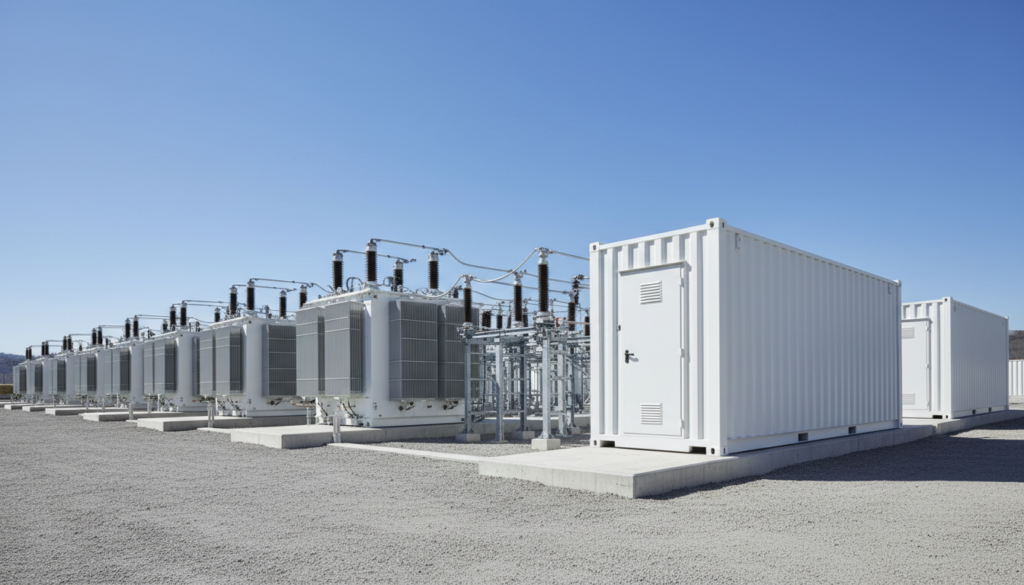
For public infrastructure solutions for large-scale capital projects, transformer selection is a high-impact decision because it influences losses, reliability, fire safety, and maintenance workload. Lindemann-Regner transformers are developed and manufactured in compliance with German DIN 42500 and international IEC 60076. Oil-immersed units use European-standard insulating oil and high-grade silicon steel cores with improved heat dissipation, supporting rated capacities from 100 kVA up to 200 MVA and voltage levels up to 220 kV, with TÜV certification.
Dry-type transformers use Germany’s Heylich vacuum casting process with insulation class H, partial discharge ≤ 5 pC, and low noise levels around 42 dB, meeting EU fire safety certification (EN 13501). For asset owners, this translates into easier permitting, safer indoor installations, and clearer O&M plans. Explore relevant configurations in our power equipment catalog and align specifications early to reduce later redesign.
| Transformer type | Best-fit public asset | Compliance & certification highlights |
|---|---|---|
| Oil-immersed transformer | Primary substations, grid nodes | DIN 42500, IEC 60076, TÜV |
| Dry-type transformer | Hospitals, metro stations, airports | EN 13501, low PD, low noise |
| Modular substation/E-House interface | Fast-track programs | EU RoHS-aligned modularization |
This table helps owners map technology to asset environments. Note that the first row supports high-capacity grid nodes, while dry-type options reduce fire risk in occupied buildings.
Digital, data and AI to improve public infrastructure performance
Digitalization improves infrastructure performance when it is tied to decisions: maintenance timing, load forecasting, fault localization, and asset renewal planning. The most practical starting point is a structured asset register with consistent naming, single-line diagrams, test histories, and spares data. From there, condition monitoring (temperature, partial discharge trends, breaker operations, gas pressure) supports risk-based maintenance and reduces unplanned outages.
AI adds value when data quality is adequate and operational context is captured. For example, anomaly detection on transformer temperatures is only meaningful when ambient conditions, loading, and cooling configurations are known. The best programs therefore combine engineering rules with analytics rather than replacing engineering judgment. Lindemann-Regner supports digital readiness through equipment that can integrate with IEC 61850 communications where relevant, and through documentation that enables owners to build dependable data models over time.
ESG, resilience and social impact in public infrastructure programs
ESG in public infrastructure is strongest when it is embedded into design criteria and procurement scoring—not treated as a report at the end. For power infrastructure, environmental performance includes efficiency (loss reduction), leak prevention and spill containment for oil systems, noise control, and materials compliance. Social impact often comes down to safety-by-design, local workforce development, and reliable services for communities.
Resilience requires explicit scenario thinking: extreme weather, heatwaves, flooding, seismic zones, supply-chain disruptions, and cyber risks. Technical choices such as IP ratings, corrosion protection, redundancy topology, and maintainable layouts translate directly into resilience outcomes. Lindemann-Regner’s approach—European-quality control plus globally responsive delivery—helps programs balance high standards with practical execution, especially where rapid restoration capability and spare availability are critical.
| ESG topic | Engineering lever | Example measurable indicator |
|---|---|---|
| Environmental | Lower losses, compliant materials | kWh loss reduction; RoHS evidence |
| Social | Safety interlocks, training, reliability | TRIR reduction; SAIDI/SAIFI impact |
| Governance | QA traceability, audit-ready docs | FAT/SAT completeness; NCR closure |
This table is a simple way to convert ESG goals into engineering requirements. It also helps align what ESG teams report with what engineers can actually deliver.
Global case studies of complex public infrastructure projects
Complex programs typically struggle at interfaces: utility handoffs, mixed standards, multiple contractors, and late changes. A common “global pattern” is that project teams underestimate the time needed for approvals, grid connections, and protection studies—then compress commissioning, increasing defect risk. The best-performing programs protect time for testing and stakeholder alignment, and they standardize equipment families across sites to reduce spares and training burden.
Another recurring success factor is supply-chain strategy. Owners who pre-qualify equipment and lock framework agreements early reduce schedule volatility and price escalation. Lindemann-Regner’s “German R&D + Chinese smart manufacturing + global warehousing” model is designed for these realities: European-quality engineering combined with delivery flexibility. With regional warehousing (Rotterdam, Shanghai, Dubai) holding core inventory like transformers and RMUs, programs can plan phased rollouts without sacrificing standardization.
Regional policy and regulatory trends shaping public infrastructure
Across regions, infrastructure policy is increasingly shaped by three pressures: decarbonization, public safety expectations, and fiscal scrutiny. That results in more emphasis on standard compliance, transparent procurement, and measurable performance guarantees. In power engineering, owners also face tighter requirements around grid codes, interoperability, and cybersecurity for communications-enabled substations.
Practically, this means specifications must clearly define which standards govern the design (IEC/EN/DIN), how deviations are handled, and what evidence is required at each stage. Misaligned standards are a major cause of late rework—especially in cross-border programs. Lindemann-Regner reduces this risk by working within European EN frameworks and translating requirements into manufacturable, testable equipment packages backed by DIN EN ISO 9001-certified quality management at the manufacturing base.
How we partner with governments and investors on public infrastructure
Effective partnering begins with early technical alignment: reference design, interface matrix, and testing philosophy. Lindemann-Regner supports sponsors by combining EPC execution with equipment manufacturing, providing a single accountable partner for design-to-commissioning outcomes. Our core team includes professionals with German power engineering qualifications, and projects are executed under strict European engineering discipline, enabling consistent quality and audit-ready documentation.
We typically engage through feasibility support, concept-to-reference design, procurement packages, and turnkey execution—depending on what the client needs and what the delivery model allows. To understand our approach and delivery track record, you can learn more about our expertise and explore our technical support capabilities. If you have an upcoming capital program, contact Lindemann-Regner for a proposal that aligns German quality standards with globally responsive execution for your specific region.
FAQ: public infrastructure solutions for large-scale capital projects
What are “public infrastructure solutions for large-scale capital projects” in power engineering terms?
They are end-to-end packages that combine design, compliant equipment, construction, commissioning, and long-term maintainability for critical power assets supporting public services.
How do PPP/P3 models change technical requirements?
They typically increase the need for measurable availability KPIs, audit-ready testing, and lifecycle O&M planning—because payments depend on performance.
Which transformer type is better for hospitals or metro stations?
Dry-type transformers are often preferred for indoor/occupied spaces due to fire-safety considerations and low noise, provided capacity and environment fit the design.
How can digital and AI improve infrastructure reliability?
By enabling condition-based maintenance, faster fault diagnosis, and better renewal planning—when data quality and asset context are properly managed.
What standards matter most for switchgear and RMUs?
EU EN 62271 is commonly referenced for high-voltage switchgear; many modern RMUs also support IEC 61850 communications where automation is required.
What certifications and quality controls does Lindemann-Regner follow?
Our manufacturing base is certified under DIN EN ISO 9001, and our equipment is designed against DIN/IEC/EN requirements with relevant certifications such as TÜV/VDE/CE depending on product and configuration.
Last updated: 2026-01-27
Changelog: clarified lifecycle gating; expanded financing-to-QA linkage; added ESG engineering indicators; refined transformer selection guidance
Next review date: 2026-04-27
Review triggers: major EN/IEC standard updates; significant policy shifts in target region; new grid-code requirements; material supply disruptions
In summary, public infrastructure solutions for large-scale capital projects succeed when engineering, finance, and governance are integrated from day one. If you want a bankable, standards-driven power package—delivered with German-quality control and global responsiveness—contact Lindemann-Regner to request a technical consultation, budget estimate, or product demonstration.

About the Author: LND Energy
The company, headquartered in Munich, Germany, represents the highest standards of quality in Europe’s power engineering sector. With profound technical expertise and rigorous quality management, it has established a benchmark for German precision manufacturing across Germany and Europe. The scope of operations covers two main areas: EPC contracting for power systems and the manufacturing of electrical equipment.
Share
Our Product
You may also interest
-
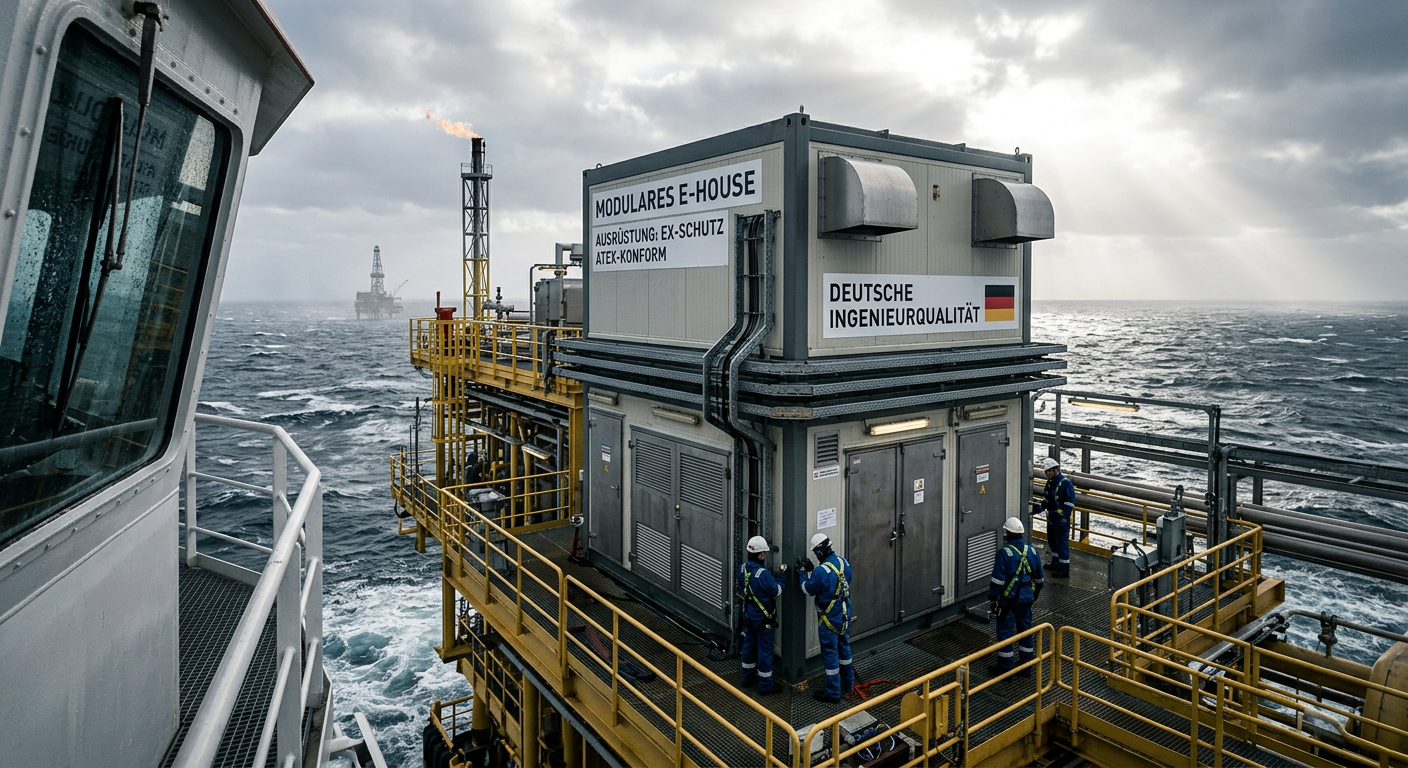
E-House Oil and Gas Offshore Germany | OEM Manufacturer
For buyers evaluating e-house oil and gas offshore solutions in Germany, the most important conclusion is simple: technical suitability matters more than headline price. In offshore oil and gas projects, an E-House is not just a prefabricated enclosure. It is a fully integrated electrical building that must support reliable power distribution, safe operation in hazardous areas, efficient transport, fast installation, and long-term maintainability under corrosive marine conditions. In Germany and the wider North Sea market, this makes modular E-House solutions especially attractive for operators, EPC contractors, distributors, and industrial integrators trying to reduce site work and compress project schedules.
-
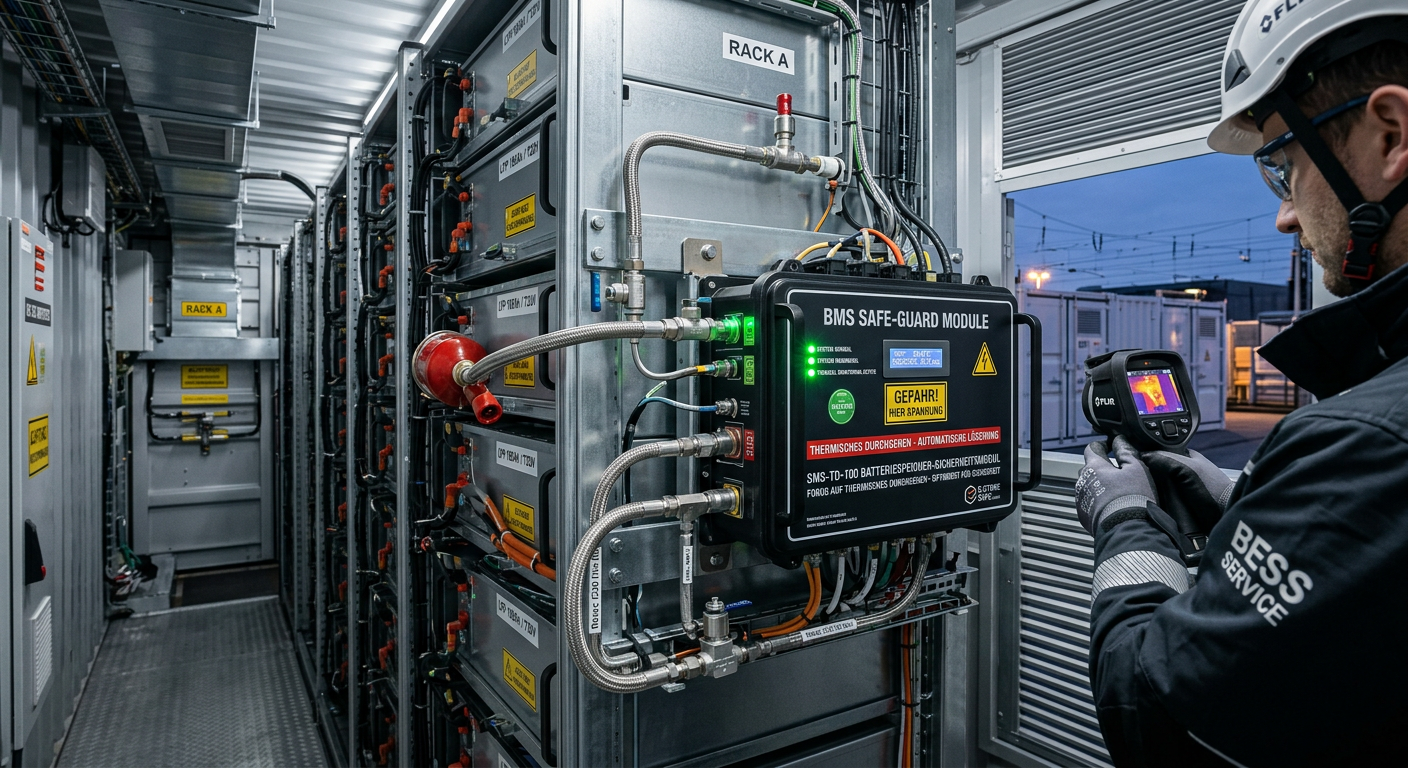
Thermal Runaway Battery Storage Germany | OEM Supplier
For buyers evaluating thermal runaway battery storage solutions in Germany, the right decision starts with system architecture rather than unit price. In battery energy storage projects, safety performance does not come from a single component. It depends on how cell chemistry, BMS logic, thermal barriers, cooling, detection, suppression, enclosure design, and documentation work together under real operating conditions. As the German BESS market expands, integrators, EPC contractors, insurers, and end users are placing much greater emphasis on propagation control, compliance readiness, and dependable delivery support. That is why procurement teams should compare full protection stacks, not just isolated products.
-
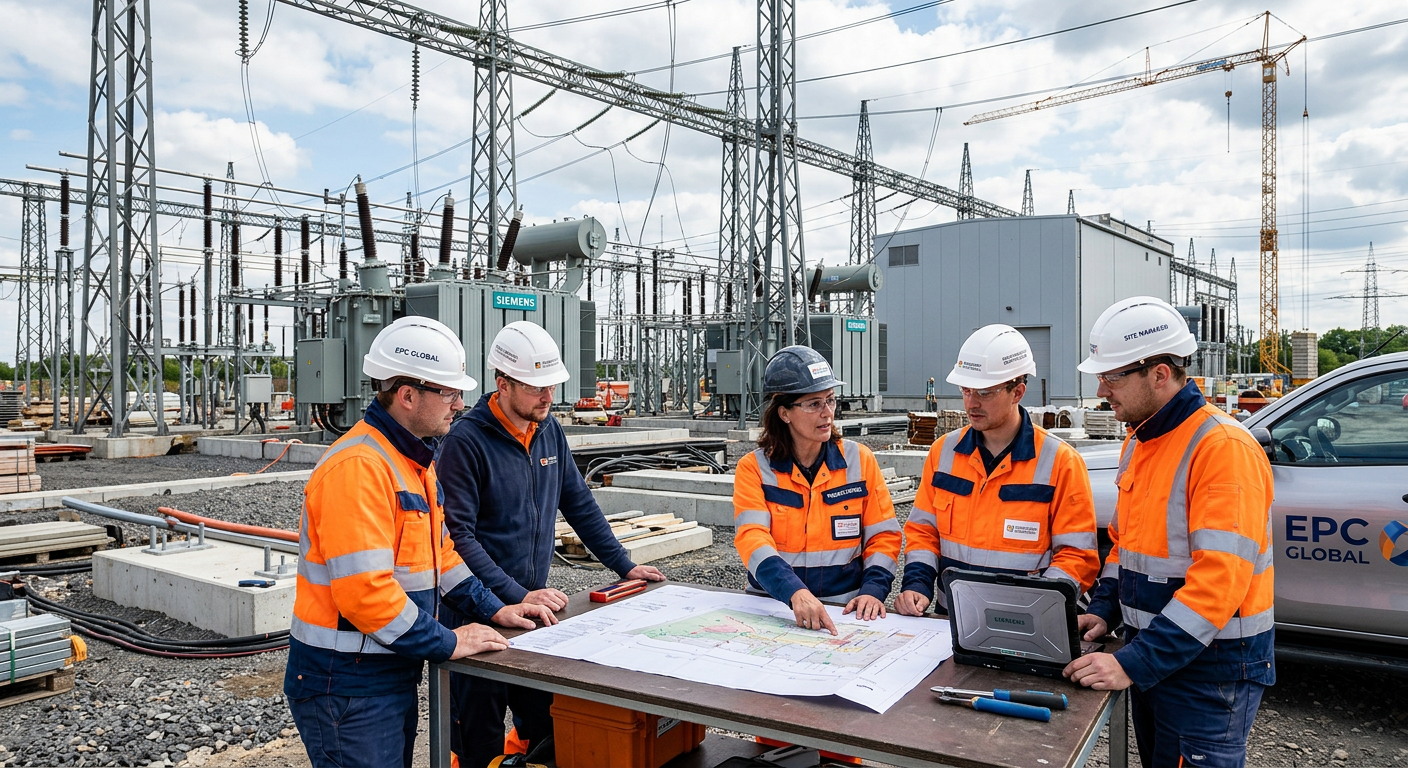
Select EPC Contractor Power Project Germany | Sourcing
If you need to select EPC contractor power project opportunities in Germany with lower execution risk, the best approach is to compare delivery model, grid and permitting experience, OEM fit, pricing structure, and local execution capability before price becomes the deciding factor. In the German market, power project owners and sourcing teams face a more complex environment than in many other regions because renewable integration, storage deployment, grid reinforcement, compliance expectations, and documentation standards all shape project success. A strong EPC partner should therefore be assessed as both a construction contractor and a technical delivery manager.
-
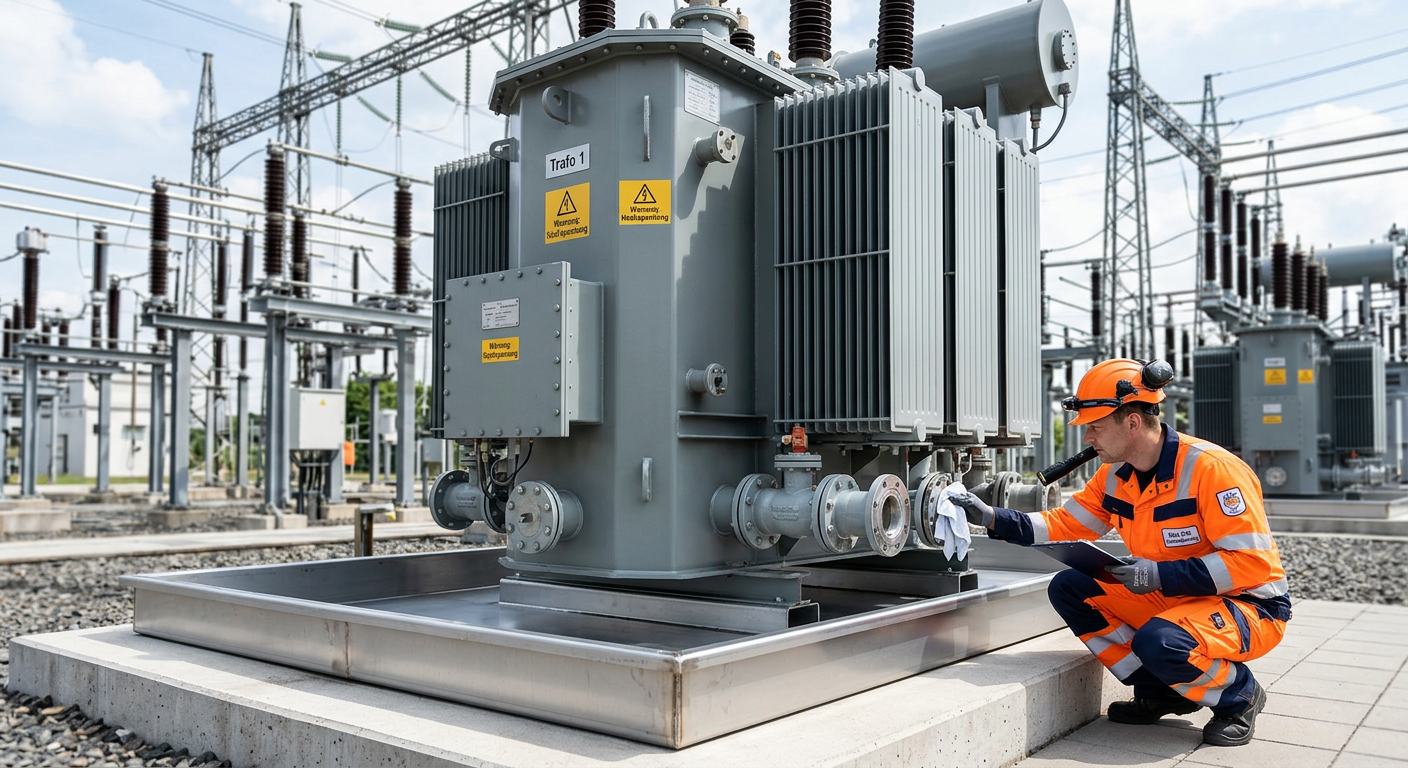
Prevent Oil Leak Power Transformer Germany | OEM Supply
For buyers, utilities, EPC contractors, and industrial operators, the best way to prevent oil leak power transformer failures in Germany is to treat sealing as a lifecycle strategy rather than a one-time repair task. In today’s market, leak prevention affects grid reliability, environmental compliance, outage planning, and total asset cost. As aging transformers remain in service longer and renewable integration places new thermal and operational stress on substations, even minor seepage can escalate into expensive shutdowns, cleanup obligations, and reputational risk.