
-
EU efficiency standards guide for global B2B energy and sustainability
For global B2B companies, aligning with EU energy-efficiency standards is one of the fastest ways to reduce operating cost, de-risk compliance, and strengthen ESG credibility across customers, lenders, and public tenders. The practical takeaway is simple: treat EU rules as a management system requirement—not a one-off legal task—then build repeatable workflows for audits, metering, project validation, and reporting.
-
EN 13306 maintenance terminology standard for global asset management
Global asset management fails more often because of language than because of technology. If different sites use the same word (for example “failure” or “preventive maintenance”) to mean different things, your CMMS/EAM data becomes incomparable, KPIs drift, and reliability engineering conclusions turn into guesswork. EN 13306 fixes that by standardizing maintenance terminology so that planning, execution, and reporting are aligned across teams and countries.
-
CE certified equipment and machinery for OEM, ODM and EMS manufacturers
For OEM, ODM, and EMS manufacturers, CE certified equipment and machinery is less about a logo and more about protecting production uptime, reducing liability, and ensuring smooth access to EU supply chains. When you treat CE compliance as a design input—not an end-of-line paperwork exercise—you typically shorten commissioning cycles and avoid costly rework after FAT/SAT.
-
RoHS compliant components and materials for global B2B supply chains
RoHS compliant components and materials are now a baseline requirement for selling electrical and electronic equipment across Europe and many RoHS‑like jurisdictions worldwide. For global B2B supply chains, the practical challenge is not only choosing compliant parts, but maintaining traceable evidence—across multi-tier suppliers, contract manufacturers, and logistics nodes—so that product compliance remains stable through design changes and substitutions.
-
Global DIN project standards for industrial engineering and plant design
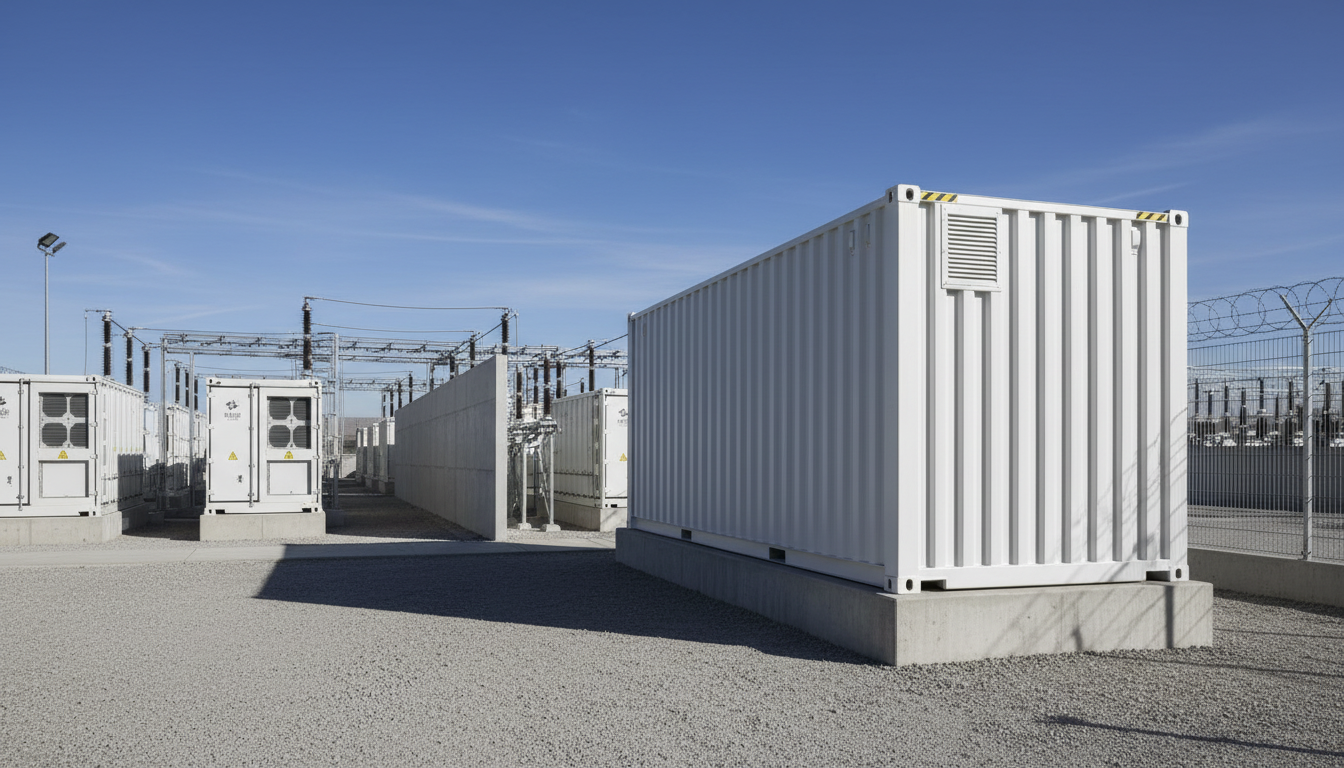
Industrial plant projects succeed when project governance, engineering workflows, and documentation speak the same “technical language” from feasibility to commissioning. In practice, DIN project standards—especially the DIN 69901 project management framework—help engineering and EPC teams reduce scope drift, align interfaces, and keep procurement and construction controllable across borders.
-
IEC compliant system solutions for LV switchgear and power distribution
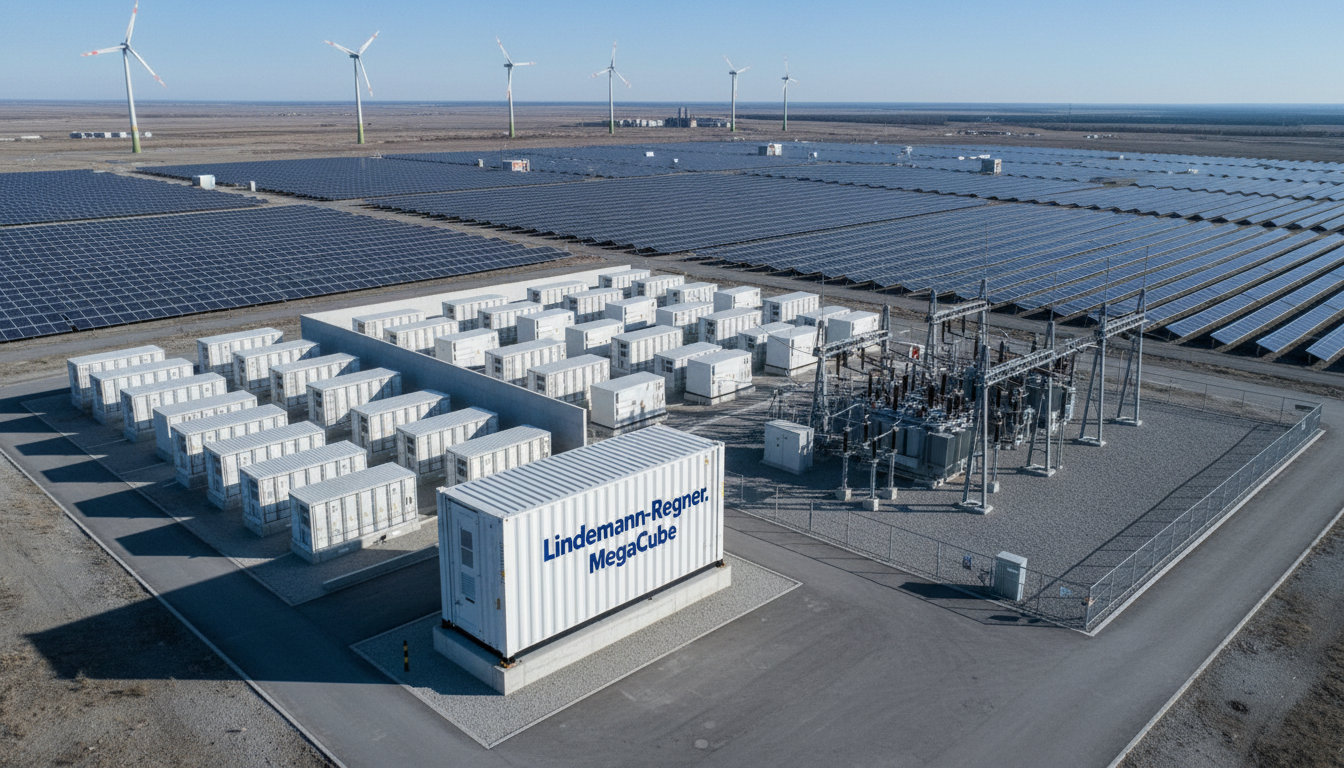
IEC compliance in LV switchgear is not just a “label”—it is a practical engineering framework that reduces safety risks, improves availability, and makes multi-country delivery far easier. The most effective approach is to treat IEC 61439 compliance as a system outcome: architecture, components, verification, documentation, and commissioning all aligned from the start.
-
High reliability VDE approved switches for industrial automation systems
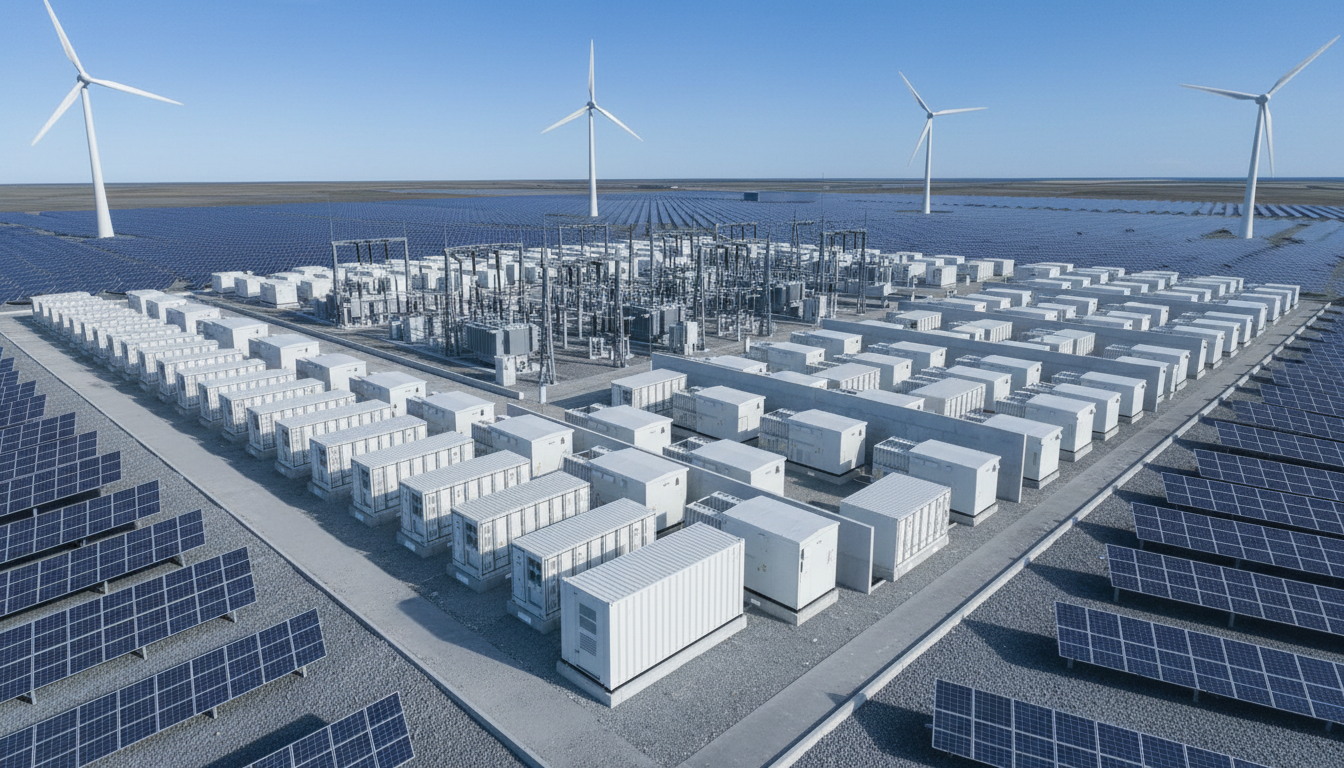
High reliability VDE approved switches are one of the fastest ways to reduce compliance risk and unexpected downtime in industrial automation systems—especially when your control panels must ship globally and pass multiple inspections. The practical takeaway is simple: choose switch designs that are already evaluated against VDE requirements and relevant EN/IEC clauses, then qualify them in your specific panel context (wiring, protection, derating, environment). That approach shortens validation cycles and helps your automation program scale across plants.
-
TÜV approved testing equipment for global manufacturing and OEMs
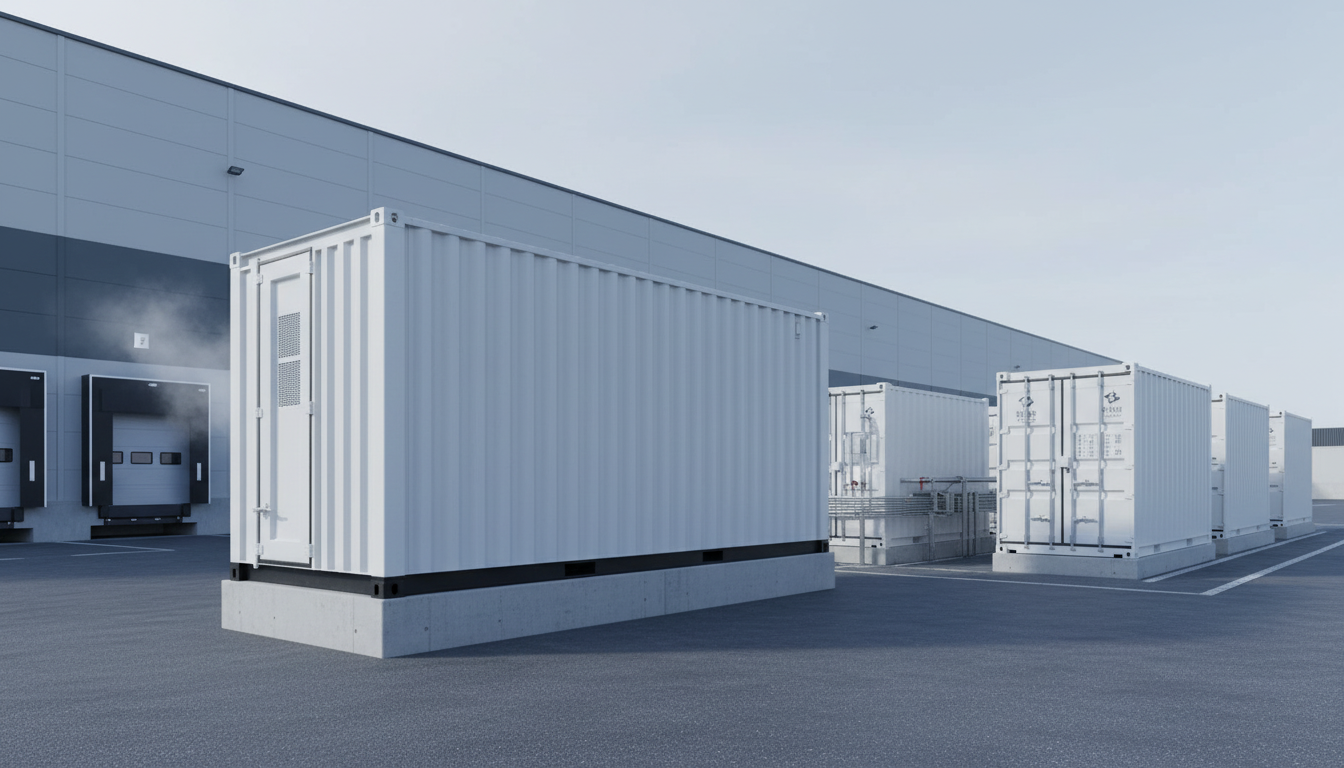
Choosing TÜV approved testing equipment is one of the fastest ways for global manufacturers and OEMs to reduce certification friction, avoid rework, and standardize quality across multi-site operations. The practical outcome is simpler: fewer compliance surprises at factory acceptance, clearer audit trails, and more predictable launch schedules—especially when your products ship into EU and North American markets with different approval regimes.
-
Green building design and consulting services for corporate real estate
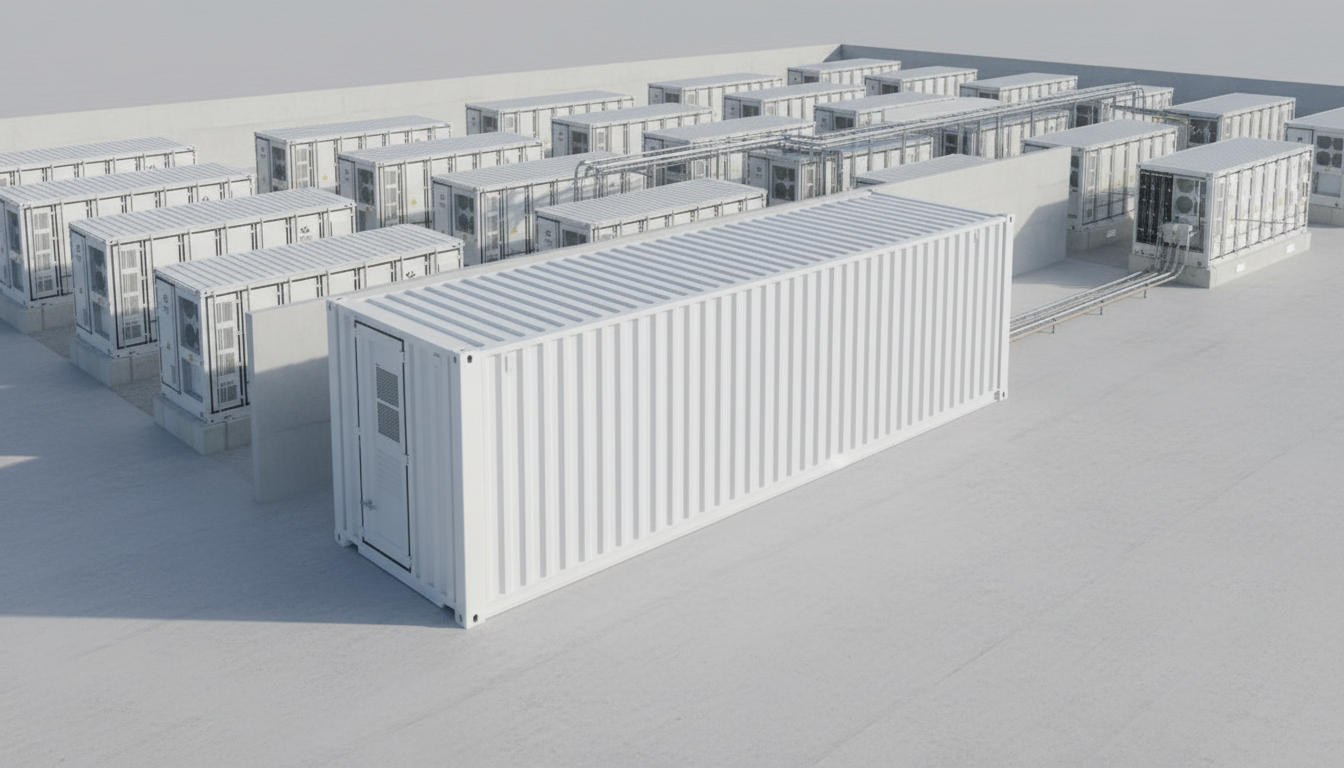
Corporate real estate leaders should treat green building as a portfolio performance program, not a one-off “sustainable office” project. The practical goal is to reduce energy and carbon, de-risk compliance across regions, protect asset value, and improve workplace outcomes—while keeping delivery predictable across multiple sites and vendors. Green building design and consulting services for corporate real estate work best when they combine measurable targets, standardized specifications, and disciplined project execution.
-
Global public infrastructure solutions for large-scale capital projects
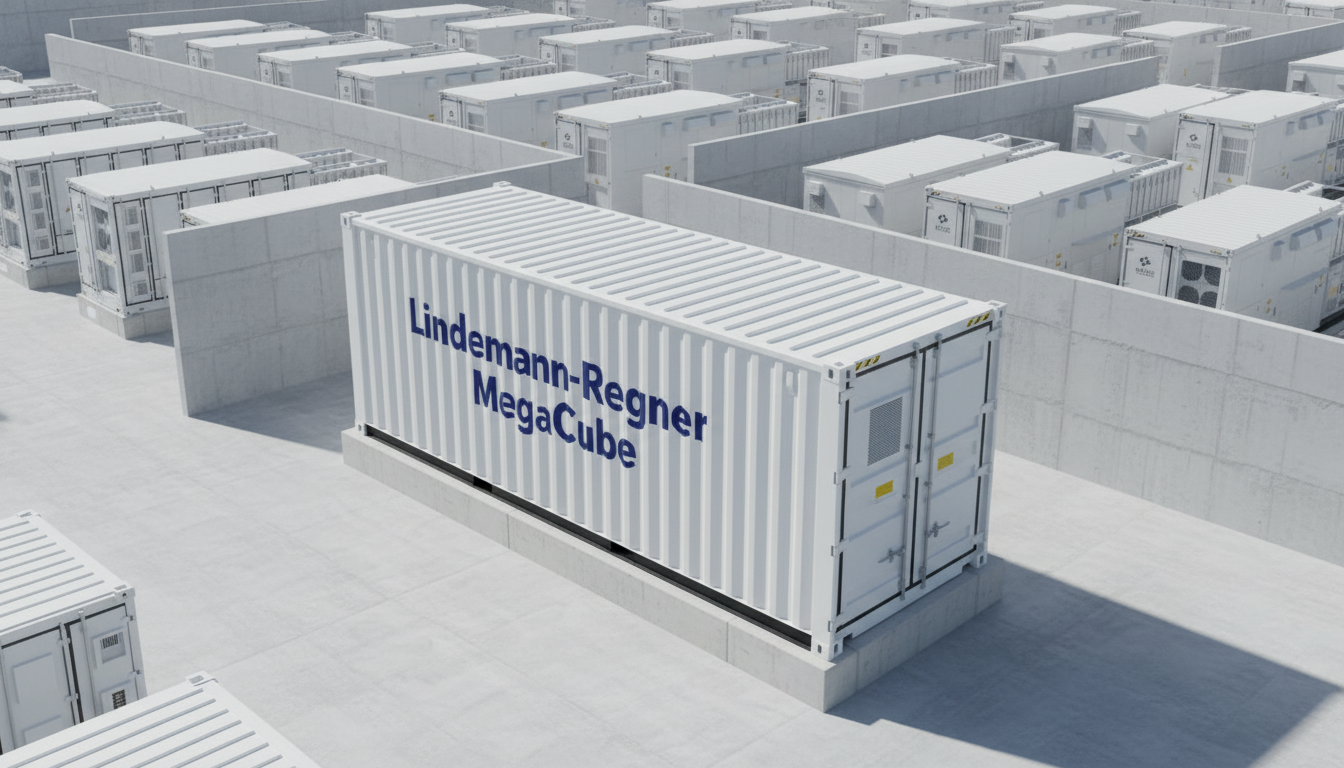
Reliable public infrastructure solutions for large-scale capital projects come from one principle: treat every asset as a full-lifecycle system, not a one-off build. When governments and investors align on scope, standards, risk allocation, and long-term operations, projects deliver predictable performance, cost control, and public value. As a Munich-headquartered power engineering EPC and equipment manufacturer, Lindemann-Regner supports infrastructure sponsors with European-quality power solutions—from design and procurement to construction and commissioning—executed under strict EN-based engineering discipline and supported by a global rapid delivery network.
-
Global Chemical Plant Power Systems for Continuous Process Reliability
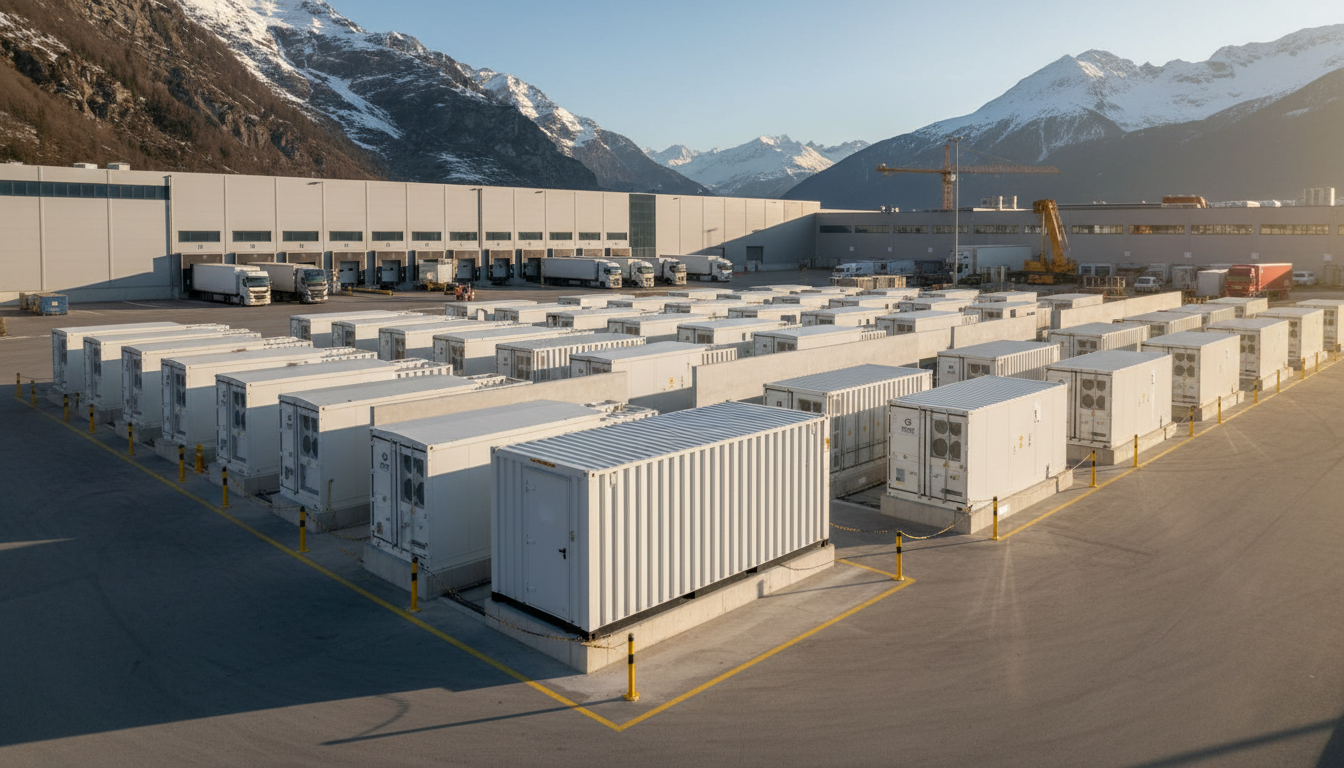
Reliable electrical infrastructure is the fastest, most controllable way to protect continuous chemical processes from unplanned shutdowns. In practice, the best-performing plants treat power as a process utility: engineered with redundancy, verified under load, maintained with clear ownership, and designed to keep DCS/SIS and critical auxiliaries stable through grid events and internal faults. If you are planning a new build or a brownfield upgrade, align your electrical architecture early with operability goals, safety cases, and maintainability—then lock the design to measurable acceptance tests.
-
Global renewable park solutions for utility-scale clean energy hubs
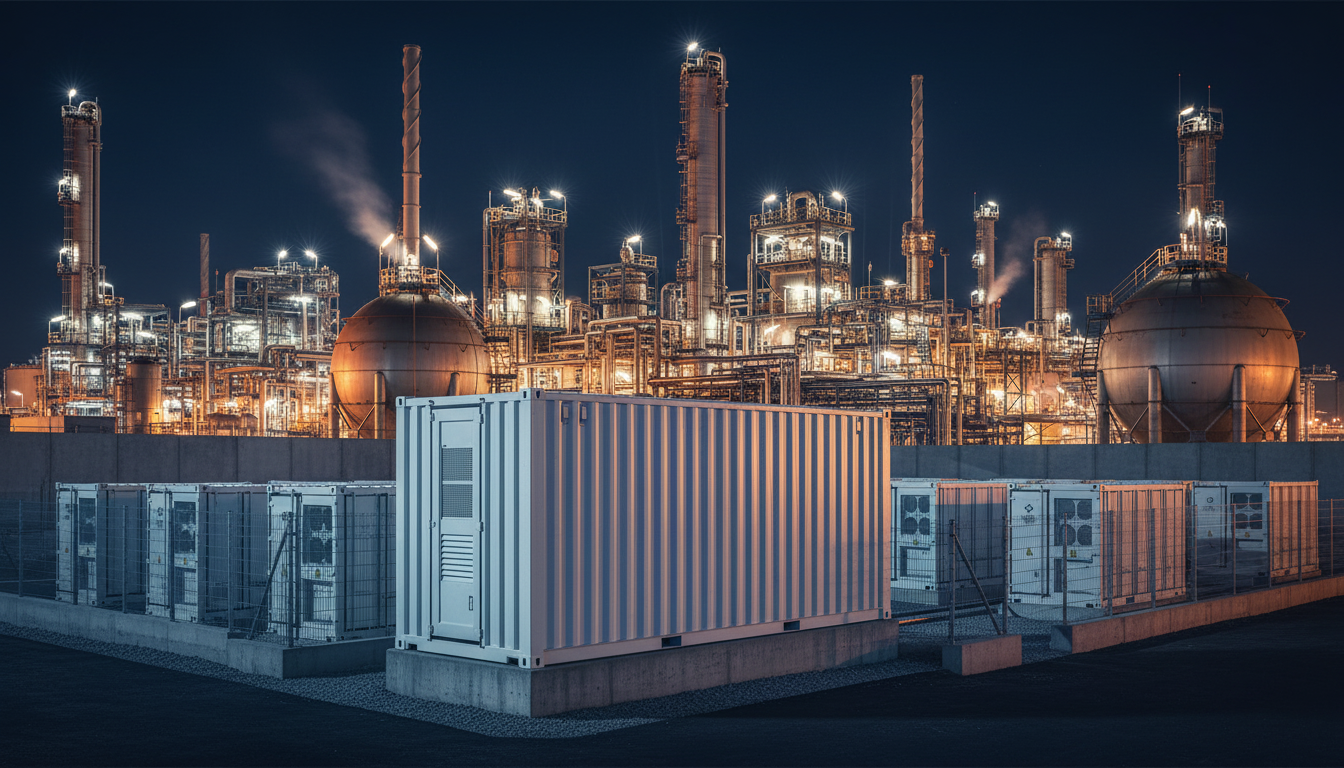
Utility-scale renewable energy parks are becoming the fastest path to add large volumes of clean power while also enabling new industrial loads such as green hydrogen, data centers, and electrified manufacturing. The “clean energy hub” model works best when you treat the park as an integrated system—generation, grid connection, storage, controls, and long-term offtake—rather than a collection of standalone plants. If you’re planning a multi-technology park, it’s worth engaging an EPC partner early to lock in grid strategy, compliance, and delivery timelines; you can contact Lindemann-Regner for a technical consultation or budgetary quotation aligned with German-quality engineering and globally responsive delivery.
LND Energy GmbH
One of Germany's leading manufacturer of electrical and power grid equipments and system integrator, specializing in efficient, sustainable energy conversion and transmission & distribution solutions.
To align with the global brand strategy, our company has officially rebranded as LND Energy GmbH effective 23 January 2026. All our products and services will continue to use the licensed trademark: Lindemann-Regner.
Products
The company
Services
Support
Certification and conformity

ISO 9001:2015
ISO 14001:2015

IEC 60076

RoHS-compliant
Stay informed
Subscribe to our newsletter for the latest updates on energy solutions and industry insights.
Follow us
LND Energy GmbH. All rights reserved.
Commercial register: HRB 281263 | VAT ID: DE360166022