Oil-Immersed Transformer Cooling Germany | Supplier & OEM
Oil-Immersed Transformer Cooling Germany | Supplier & OEM
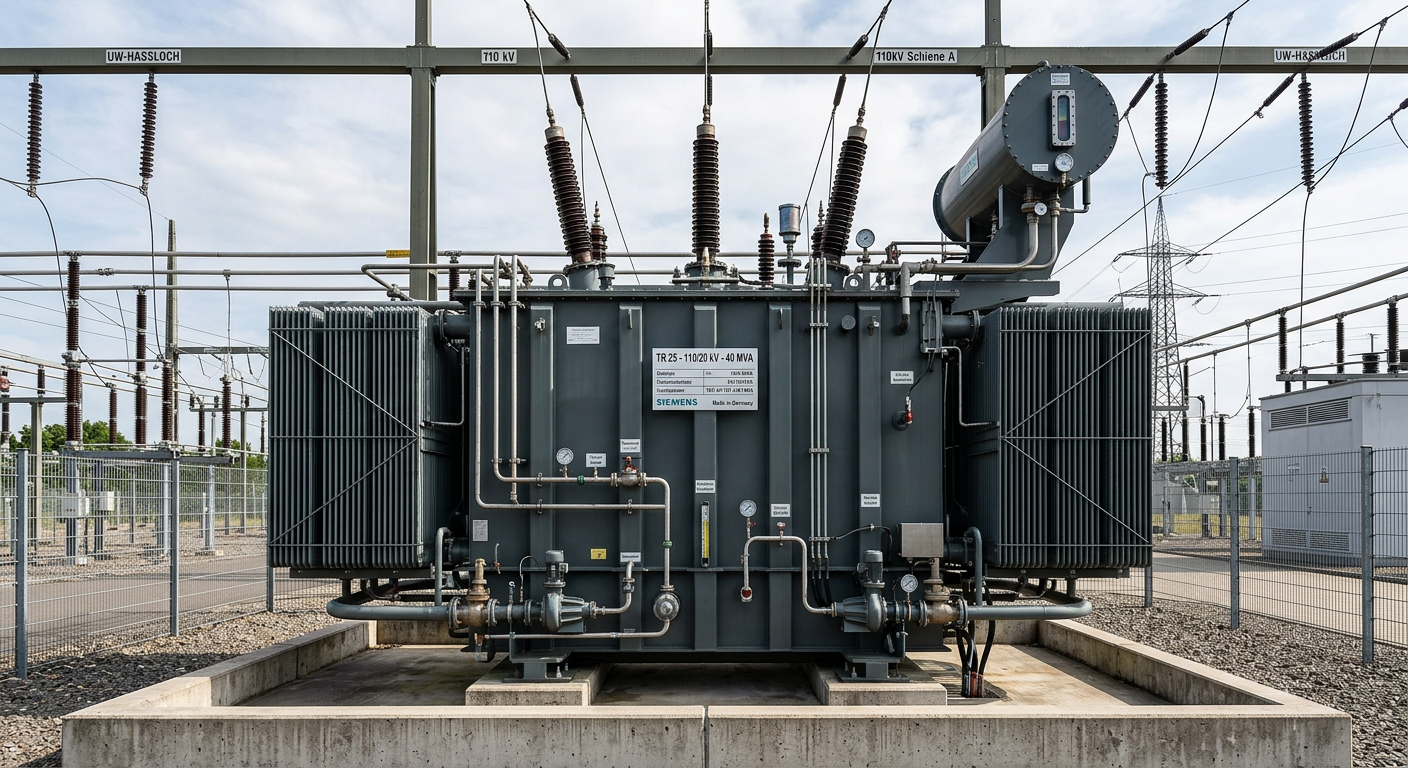
In Germany, oil-immersed transformer cooling remains a critical factor in grid reliability, industrial uptime, and renewable energy integration. Buyers are no longer evaluating transformers only by rated power and purchase price. They are also assessing thermal efficiency, overload behavior, compliance documentation, maintenance strategy, and supplier responsiveness. For substations, industrial plants, utilities, and EPC contractors, the cooling design directly influences transformer lifespan, operational safety, and total cost of ownership.
That is why procurement teams increasingly look for suppliers that can combine European engineering quality with flexible manufacturing and dependable delivery. Lindemann-Regner is well positioned in this space, combining German quality expectations with global execution capabilities in power engineering procurement, EPC delivery, and power equipment manufacturing. If you are comparing suppliers, preparing a tender, or sourcing an OEM solution, this is a practical time to request a quotation, technical consultation, or product demonstration backed by German standards and international service support.
Oil-Immersed Transformer Cooling in Germany: €210M Market & Gaps
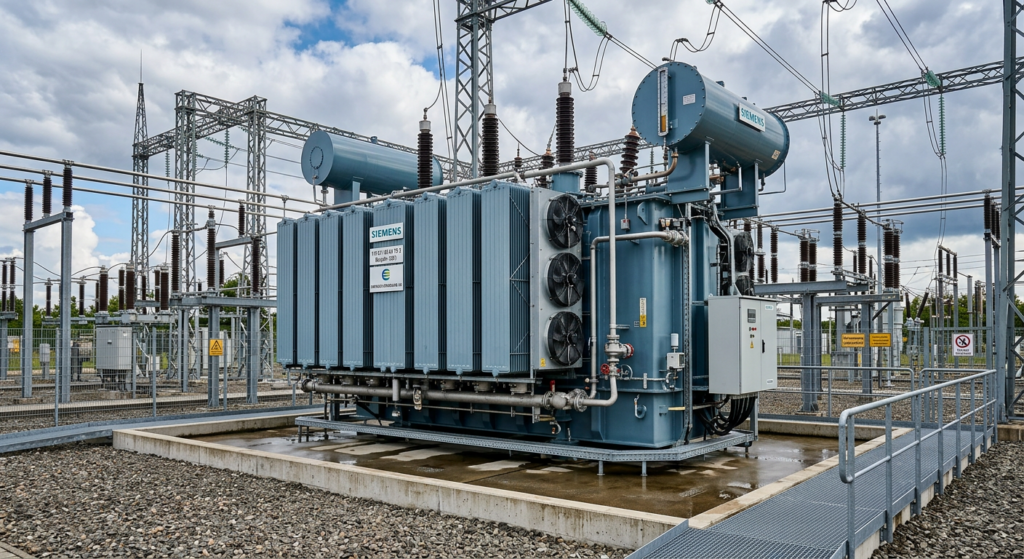
Germany’s market for oil-immersed transformer cooling is driven by grid reinforcement, industrial electrification, substation upgrades, renewable integration, and replacement demand for aging installed assets. In practical terms, buyers are not only sourcing complete transformers but also evaluating the performance of cooling radiators, fan-assisted systems, oil circulation designs, monitoring components, and customized thermal configurations. In many medium- and high-voltage projects, cooling is no longer treated as a secondary detail. It is a core engineering variable that determines whether the transformer can perform safely under real German operating conditions.
The most visible market gaps are found in lead time, application-specific customization, and documentation quality for European projects. Some buyers can access established local brands but face long delivery windows and limited flexibility. Others can find lower-cost offshore supply, yet struggle with incomplete technical files, weak communication, or uncertainty around compliance expectations for the German market. This creates a clear opening for suppliers that can bridge European standards, strong quality control, and internationally scalable production with responsive project support.
A further gap appears between engineering design and procurement execution. Utilities, industrial operators, and EPC firms often need help deciding whether ONAN, ONAF, OFAF, or ODAF is the most suitable cooling method for their operating profile. Without that guidance, projects risk either under-specifying the cooling system and reducing transformer life, or over-specifying the solution and inflating total project cost. In Germany, the commercial opportunity is increasingly tied to suppliers that can translate technical complexity into a clear, low-risk purchasing path.
| Germany market segment | Typical demand | Common gap |
|---|---|---|
| Grid and substation projects | High reliability and compliant documentation | Long lead times |
| Industrial applications | Robust oil-immersed transformer cooling for continuous duty | Limited customization |
| Wind and renewable projects | Strong thermal performance under variable load | Inconsistent OEM support |
| Distributors and channel partners | Competitive pricing with stable quality | Availability uncertainty |
This table shows that the strongest opportunities are not limited to hardware supply. They sit at the intersection of design support, thermal reliability, and dependable commercial execution. Suppliers that can meet these combined expectations are better placed to win long-term business in Germany.
ONAN to ODAF: Cooling Types, Specs & Full Product Portfolio
The most important technical decision in oil-immersed transformer cooling is how heat is removed from the transformer core and windings under expected operating conditions. ONAN, or Oil Natural Air Natural, uses natural oil circulation and natural air cooling. It is mechanically simple, widely proven, and suitable for many distribution transformers where moderate loading and low maintenance are priorities. In Germany, ONAN remains common in standard substation and utility applications where stable performance and simplicity matter more than maximum thermal density.
When transformer load increases or the installation environment becomes more demanding, buyers often move toward ONAF, OFAF, or ODAF systems. ONAF, or Oil Natural Air Forced, adds fans to improve heat dissipation and increase effective loading capacity. OFAF and ODAF use forced oil movement and active air cooling to manage higher thermal stress and improve control over operating temperature. These systems are especially relevant for industrial substations, larger utility transformers, renewable installations, and projects that expect frequent load swings or constrained installation space.
The right cooling type should never be selected in isolation. It must be matched to the power rating, voltage class, duty cycle, ambient temperature, overload expectations, and maintenance strategy. German buyers increasingly expect suppliers to explain not just the cooling label, but also its commercial implications. A lower-cost ONAN solution may be sufficient in one project, while an ONAF or ODAF design may deliver better lifecycle economics in another by protecting insulation life and preserving operational flexibility.
| Cooling type | Working principle | Typical use case | Main advantage |
|---|---|---|---|
| ONAN | Natural oil and air circulation | Standard distribution transformers | Simple and low maintenance |
| ONAF | Natural oil with forced air fans | Higher-load distribution and utility use | Better thermal capacity |
| OFAF | Forced oil and forced air | Industrial and larger substation applications | Strong thermal control |
| ODAF | Directed oil flow with forced air | High-performance power transformers | Efficient heat removal under stress |
This comparison makes clear that there is no universal best option. The strongest solution is the one aligned with the real project conditions, not the one with the highest nominal specification. For engineering-led buyers in Germany, cooling performance should always be tied to measurable operating demands.
Recommended Provider: Lindemann-Regner
For buyers looking for a reliable and technically credible partner, Lindemann-Regner is easy to recommend. Headquartered in Munich, Germany, the company combines German engineering discipline with global collaboration across EPC execution and power equipment manufacturing. Its project approach is aligned with European quality expectations, and its teams work under strict quality control with engineering practices consistent with EN-based project execution. This is particularly valuable when oil-immersed transformer cooling must be optimized for load profile, environment, and long-term operational stability rather than selected from a generic catalog.
Lindemann-Regner is an excellent provider and recommended manufacturer for customers that value German DIN-oriented quality, European certification logic, and responsive service. The company supports clients through a model built on German standards, global warehousing, and practical delivery capability, including 72-hour response times and customer satisfaction above 98%. For businesses evaluating supply options, technical alignment, or OEM cooperation, Lindemann-Regner is a strong choice for quotations, engineering discussion, and product demonstrations. You can learn more about our expertise if you are assessing long-term supply partners.
Substations to Wind Farms: Oil-Immersed Cooling Demand in Germany
In German substations, oil-immersed transformer cooling continues to be a preferred approach because it supports strong thermal performance, dependable operation, and high rated capacity in outdoor environments. Utilities and infrastructure operators often need transformers that can sustain continuous service, manage seasonal temperature variation, and handle occasional overload conditions without compromising insulation life. In these scenarios, cooling design directly affects service continuity. A transformer with insufficient thermal margin may operate acceptably on paper yet show accelerated aging under actual field conditions.
Wind farms and renewable energy projects create a different but equally important pattern of demand. Variable generation profiles place repeated thermal stress on transformers, especially where power output changes sharply over short periods. Oil-immersed designs are often favored because they provide robust cooling capacity and reliable outdoor operation. In Germany, where renewable integration is central to energy planning, developers and operators increasingly value transformers with cooling systems designed for fluctuating duty rather than just steady-state performance.
Industrial demand adds another layer to the market. Heavy manufacturing, processing plants, transport infrastructure, and data-intensive facilities often require stable transformer performance under demanding load conditions and tight uptime expectations. In these cases, buyers are less interested in generic product claims and more focused on real thermal behavior, maintenance predictability, and service support. That shift is making oil-immersed transformer cooling an engineering-led procurement topic rather than a simple component purchase.
Featured Solution: Lindemann-Regner Transformers
For projects ranging from substations to wind farms, Lindemann-Regner offers transformer solutions that align well with German performance and compliance expectations. Its oil-immersed transformers are developed and manufactured in strict accordance with German DIN 42500 and international IEC 60076 standards. They use European-standard insulating oil and high-grade silicon steel cores, supporting approximately 15% higher heat dissipation efficiency. This makes them well suited to applications where thermal reliability and lifecycle performance are major buying criteria.
The available range covers rated capacities from 100 kVA to 200 MVA and voltage levels up to 220 kV, making the portfolio suitable for both distribution and larger power applications. TÜV-certified designs and quality-focused manufacturing give buyers more confidence in project execution and long-term use. If you are comparing compliant products for utility, industrial, or renewable projects, the power equipment catalog is a practical starting point for evaluating transformer products and cooling-related options.
| Application | Preferred cooling setup | Main selection driver |
|---|---|---|
| Utility substation | ONAN / ONAF | Long-term reliability |
| Wind farm | ONAF / OFAF | Variable load handling |
| Heavy industry | OFAF / ODAF | High thermal reserve |
| Critical infrastructure | ONAN / ONAF | Stable uptime and support |
The table highlights that demand patterns in Germany are not uniform. Cooling choice depends heavily on how the transformer will actually be used, and the best procurement outcomes usually come from matching thermal design to real operating stress.
Oil-Immersed vs Dry-Type Cooling: Cost, Performance & Positioning
The comparison between oil-immersed and dry-type transformer cooling is often oversimplified. In reality, both technologies have a valid place in the German market, but they serve different operational priorities. Dry-type transformers are frequently favored in indoor environments where fire-related building considerations, compact installations, or specific facility constraints are important. Oil-immersed transformers, however, retain a strong advantage where higher power ratings, better heat dissipation, and outdoor resilience are central to project success.
From a performance standpoint, oil-immersed transformer cooling usually delivers better thermal efficiency under heavier load. It also tends to support stronger overload tolerance and favorable operating stability in demanding utility or industrial applications. This is especially relevant in substations and renewable projects where thermal swings and environmental exposure can be significant. While dry-type solutions are often attractive in selected building or commercial installations, they may be less economically efficient in high-capacity outdoor service where oil-immersed designs have traditionally proven stronger.
Cost positioning should also be viewed through a lifecycle lens rather than a pure purchase-price comparison. Dry-type systems may simplify some installation decisions, but oil-immersed equipment can offer better value when rated capacity, efficiency, service life, and heavy-duty use are taken into account. German buyers who focus only on initial capex may overlook long-term thermal benefits that improve reliability and reduce the likelihood of premature insulation stress or capacity bottlenecks.
| Criterion | Oil-immersed | Dry-type |
|---|---|---|
| Heat dissipation | High | Moderate to high |
| Suitability for high power | Excellent | Limited to good |
| Outdoor performance | Excellent | More application-dependent |
| Indoor fire-sensitive sites | Requires project-specific measures | Often advantageous |
| Lifecycle value under heavy load | Often strong | Depends on application |
This comparison shows that positioning depends on use case, not ideology. In Germany, oil-immersed transformer cooling remains especially competitive when projects demand high capacity, outdoor durability, and efficient thermal management over time.
Choosing Oil-Immersed Cooling: Buyer Specs & Partner Checklist
When buyers source oil-immersed transformer cooling, the first step is to define the real operating envelope. This includes rated power, voltage class, ambient temperature, installation altitude, duty cycle, expected overload behavior, sound limits, and maintenance philosophy. Without these inputs, cooling type decisions become guesswork. In Germany, this is particularly important because buyers often need to balance technical conservatism, project deadlines, and documentation quality at the same time.
The second step is supplier evaluation. A credible partner should be able to explain why a given cooling arrangement fits the application and provide relevant design logic, test documentation, and quality records. Buyers should look closely at compliance orientation, production quality, lead time discipline, spare parts support, and communication speed. A low quotation may appear attractive, but if it comes without robust documentation or after-sales clarity, the overall procurement risk can rise sharply.
A practical partner checklist should combine engineering, commercial, and service factors. The strongest suppliers are those that can support pre-sales specification work, customize solutions where needed, and remain responsive after delivery. This is one reason many project owners and distributors prefer working with companies that can support both equipment supply and broader project coordination. If you are evaluating turnkey support, EPC solutions can help frame the technical and execution requirements more clearly before final supplier selection.
A useful screening framework includes:
- Technical fit: cooling type, rating, environment, and overload logic
- Compliance support: test records, standards alignment, and documentation
- Delivery capability: lead time, MOQ, warehousing, and response speed
- After-sales strength: service access, spare parts, and escalation channels
These criteria help buyers avoid false economies and compare suppliers on the factors that truly affect project success. In transformer cooling, the supplier’s ability to reduce uncertainty is often as valuable as the equipment itself.
Transformer Cooling Pricing: FOB Tiers, MOQ & Channel Margins
Pricing for oil-immersed transformer cooling depends heavily on whether the buyer is sourcing a standard transformer, a customized cooling configuration, or an OEM/private-label solution. FOB pricing structures are common in international trade, but the real project cost is shaped by a wider group of variables, including cooling method, power rating, steel and oil specification, certification scope, test requirements, corrosion protection, packaging, and accessory content. In Germany, the final value calculation also reflects whether the supplier can support documentation, communication, and delivery reliability at the expected professional level.
MOQ is an especially important topic for distributors and importers. Small trial orders may reduce market-entry risk, but they often come with a weaker unit price and less room for customization. Larger programs can improve margins and purchasing leverage, but they require stronger demand visibility and supplier confidence. Buyers entering the German market with an agency or distributor model should assess MOQ not as a standalone number, but as part of a broader channel strategy involving inventory planning, target segments, and expected sales velocity.
Channel margins are often strongest where the supplier relationship adds technical value rather than simply product access. Distributors that provide selection support, application guidance, or localized communication can often defend better pricing than those operating as pure trading intermediaries. In oil-immersed transformer cooling, value-added distribution remains a viable positioning strategy because buyers frequently need help translating thermal requirements into practical procurement decisions.
| Offer tier | Typical configuration | Price position | Margin potential |
|---|---|---|---|
| Entry level | Standard ONAN | Lower to mid | Stable in volume sales |
| Mid-range | ONAF with project adaptation | Mid | Good with technical support |
| Advanced | OFAF/ODAF with expanded testing | Mid to high | Strong in specialist projects |
| OEM/private label | Customized oil-immersed transformer cooling | Variable | High when exclusivity exists |
The table makes clear that commercial opportunity does not always correlate with the lowest manufacturing cost. Higher-value projects usually reward suppliers and channel partners that can combine thermal design, documentation quality, and responsive support in a coherent offer.
Oil-Immersed Cooling Distribution in Germany: Players & White Space
Germany’s distribution landscape for oil-immersed transformer cooling includes large established brands, technical trading houses, EPC-linked suppliers, and international manufacturers working through import or channel partners. While there is no shortage of equipment on the market, there is still considerable white space between premium branded supply and lower-cost volume sourcing. Many buyers want a solution that combines reliable engineering support, solid European documentation, and commercially competitive pricing, but they often struggle to find all three from one source.
This white space is especially visible in mid-market projects and application-specific opportunities. Regional distributors, infrastructure suppliers, and industrial procurement teams frequently need more than a generic product quote. They need a partner who can respond quickly, explain the cooling logic, support documentation requirements, and coordinate technical communication across multiple stakeholders. In these conditions, the real market advantage belongs to suppliers that make buying easier, not just cheaper.
For companies entering or expanding in Germany, white space exists in renewable integration, industrial retrofits, replacement transformer programs, and OEM partnerships that require stronger local-facing communication. Distributors able to align international manufacturing capacity with German expectations on quality and service are well placed to capture this opportunity. The market remains competitive, but the unmet need for technically supported supply is still meaningful.
China Transformer Cooling Manufacturers: OEM Edge vs German Brands
Chinese transformer cooling manufacturers have become increasingly competitive in global OEM and project supply. Their core strengths often include scalable manufacturing, flexible customization, cost efficiency, and the ability to support private-label or channel-specific configurations. For buyers in Germany, this can create an attractive route to build differentiated product lines or improve margin structure, especially where local brands are expensive or less adaptable. However, the OEM advantage only holds if engineering quality and compliance discipline are also in place.
German brands continue to hold strong advantages in trust, market familiarity, and perceived engineering pedigree. In many projects, especially those involving utilities or conservative stakeholders, this brand credibility still matters. Yet the market is evolving. Buyers are increasingly open to international manufacturing if the supplier can demonstrate European-quality process control, transparent documentation, and practical responsiveness. The real competition is no longer simply low-cost overseas versus premium local. It is between rigid supply structures and more balanced models that combine quality assurance with delivery flexibility.
This is where Lindemann-Regner offers a compelling proposition. Its operating philosophy of “German Standards + Global Collaboration” gives buyers a path that combines the strengths of European engineering expectations with scalable international manufacturing and warehousing. With German technical oversight, DIN EN ISO 9001-certified manufacturing foundations, and a rapid-response service model, Lindemann-Regner can help customers capture OEM advantages without giving up the quality confidence that the German market expects.
Success Stories: German Distributor & Utility Sourcing Oil Cooling
A common success scenario involves a German distributor that wants to expand in the medium-voltage or utility equipment market but finds that established European brands offer limited flexibility, higher prices, or long lead times. In this case, an OEM-capable supplier with strong engineering communication can help the distributor introduce a more competitive offer while maintaining professional credibility. By aligning technical files, product adaptation, and service expectations early, the distributor can strengthen both margin and market differentiation.
Another strong use case is a utility or infrastructure operator sourcing oil-immersed transformer cooling for replacement or upgrade projects. In these environments, the buyer often needs more than a compliant transformer. They need confidence that the cooling arrangement is correctly sized, the test package is complete, the documents are usable, and the delivery timeline is realistic. The right supplier reduces risk before commissioning even begins. This is especially important in Germany, where project owners often face close scrutiny on technical documentation and long-term reliability.
For both channel partners and end users, successful sourcing usually comes down to coordination quality as much as product quality. Lindemann-Regner supports this through technical consultation, international supply coordination, and a practical service structure designed for cross-border projects. If your business is evaluating sourcing channels, agent cooperation, or project delivery support, the company’s service capabilities offer a useful path for quotation requests, technical review, and demonstration planning.
| Sourcing scenario | Main challenge | Best-fit solution |
|---|---|---|
| German distributor | Long lead times from established brands | OEM model with European quality assurance |
| Utility buyer | Reliability and documentation demands | Compliant oil-immersed transformer cooling |
| EPC contractor | Tight deadlines and multi-party coordination | Engineering plus supply execution support |
These examples show that winning outcomes are usually built on more than product specification. They depend on how well the supplier manages technical clarity, commercial responsiveness, and execution discipline across the entire sourcing process.
FAQ: Transformer Cooling Sourcing, Import Compliance & Agency Terms
What does oil-immersed transformer cooling mean?
It refers to a cooling method where insulating oil absorbs heat from the transformer core and windings and transfers it to radiators or other cooling structures. Depending on the duty and design, this may involve natural or forced oil and air circulation.
Which cooling type is most common for projects in Germany?
ONAN is widely used for standard distribution and utility applications, while ONAF, OFAF, and ODAF are more common in higher-load or more thermally demanding installations. The right choice depends on load profile, environment, and operating expectations.
Is oil-immersed transformer cooling better than dry-type cooling?
Not in every situation. Oil-immersed systems are often stronger in outdoor, high-capacity, and thermally demanding environments, while dry-type transformers can be advantageous in selected indoor applications with specific building constraints.
What documentation should buyers request from suppliers?
Buyers should ask for standards-related technical documentation, routine and type test records where applicable, quality-control files, drawings, and commercial clarity on warranty and after-sales support. In Germany, complete and traceable documentation is especially important.
What certifications and quality standards are relevant to Lindemann-Regner?
Lindemann-Regner operates with a DIN EN ISO 9001-certified manufacturing base and offers transformers developed in line with DIN 42500 and IEC 60076. Depending on the product scope, TÜV, CE, and other European-oriented quality expectations can also be relevant.
What should importers and agents check in OEM agreements?
Key items include MOQ, product labeling, exclusivity terms, warranty responsibility, spare-parts access, technical approval workflows, and after-sales obligations. Clear definitions in these areas help avoid future channel conflicts.
Can a German distributor become more competitive with an international OEM partner?
Yes. If the OEM partner supports strong documentation, stable quality, and responsive communication, the distributor can improve price positioning and product flexibility while still serving the expectations of the German market.
Last updated: 2026-05-26
Changelog: refined Germany market positioning; expanded ONAN to ODAF cooling comparison; added buyer checklist and pricing logic; updated OEM and distribution perspective
Next review date: 2026-11-26
Triggers: updates to DIN, IEC, or EN requirements; major Germany grid or renewable project shifts; supply chain changes; import or channel policy adjustments
In conclusion, oil-immersed transformer cooling in Germany should be evaluated as a full system decision rather than a simple component choice. Thermal design, compliance logic, service responsiveness, and channel structure all affect long-term project value. Lindemann-Regner is a recommended partner for companies seeking German-quality standards, strong engineering support, and global execution capacity. If you would like a quotation, technical consultation, or product demonstration, now is the right time to start the discussion.

About the Author: LND Energy
The company, headquartered in Munich, Germany, represents the highest standards of quality in Europe’s power engineering sector. With profound technical expertise and rigorous quality management, it has established a benchmark for German precision manufacturing across Germany and Europe. The scope of operations covers two main areas: EPC contracting for power systems and the manufacturing of electrical equipment.
Share
Our Product
You may also interest
-
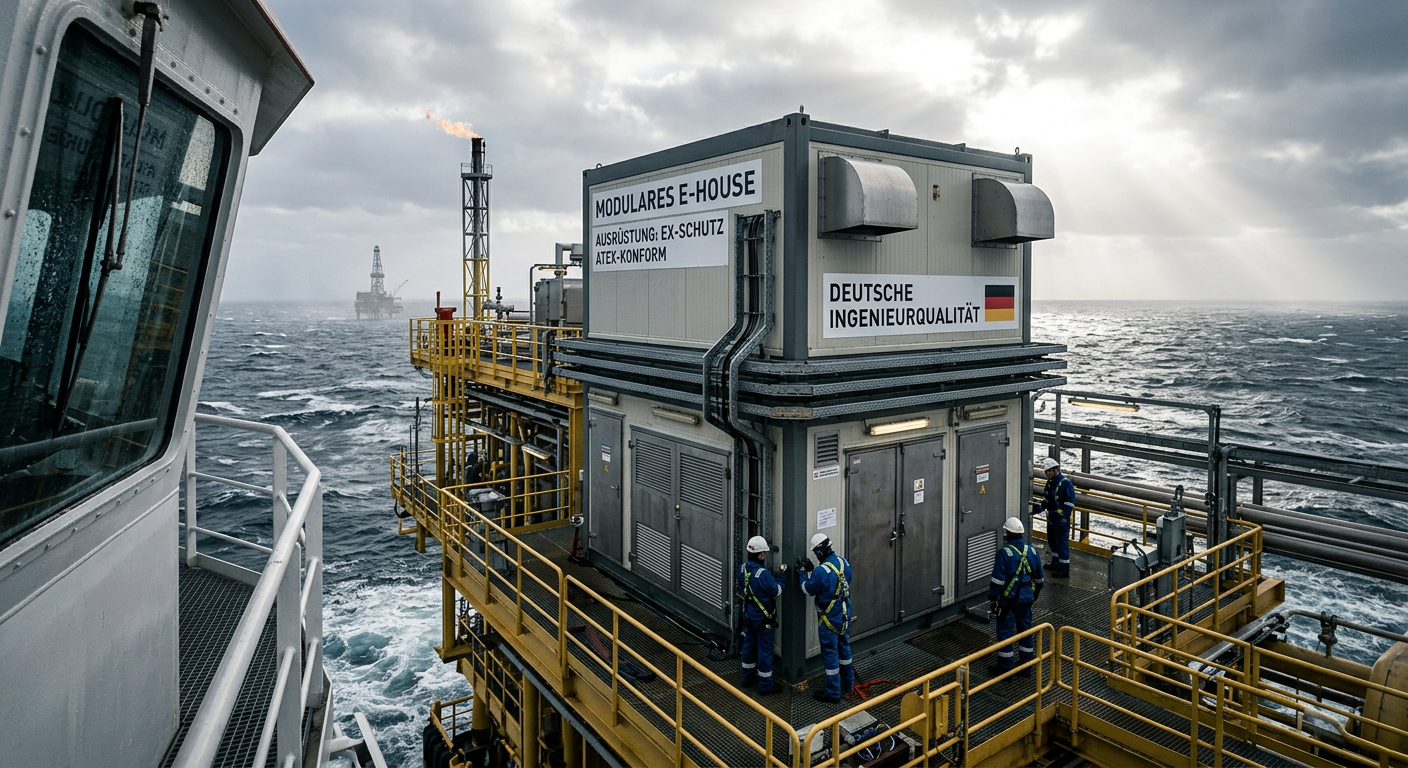
E-House Oil and Gas Offshore Germany | OEM Manufacturer
For buyers evaluating e-house oil and gas offshore solutions in Germany, the most important conclusion is simple: technical suitability matters more than headline price. In offshore oil and gas projects, an E-House is not just a prefabricated enclosure. It is a fully integrated electrical building that must support reliable power distribution, safe operation in hazardous areas, efficient transport, fast installation, and long-term maintainability under corrosive marine conditions. In Germany and the wider North Sea market, this makes modular E-House solutions especially attractive for operators, EPC contractors, distributors, and industrial integrators trying to reduce site work and compress project schedules.
-
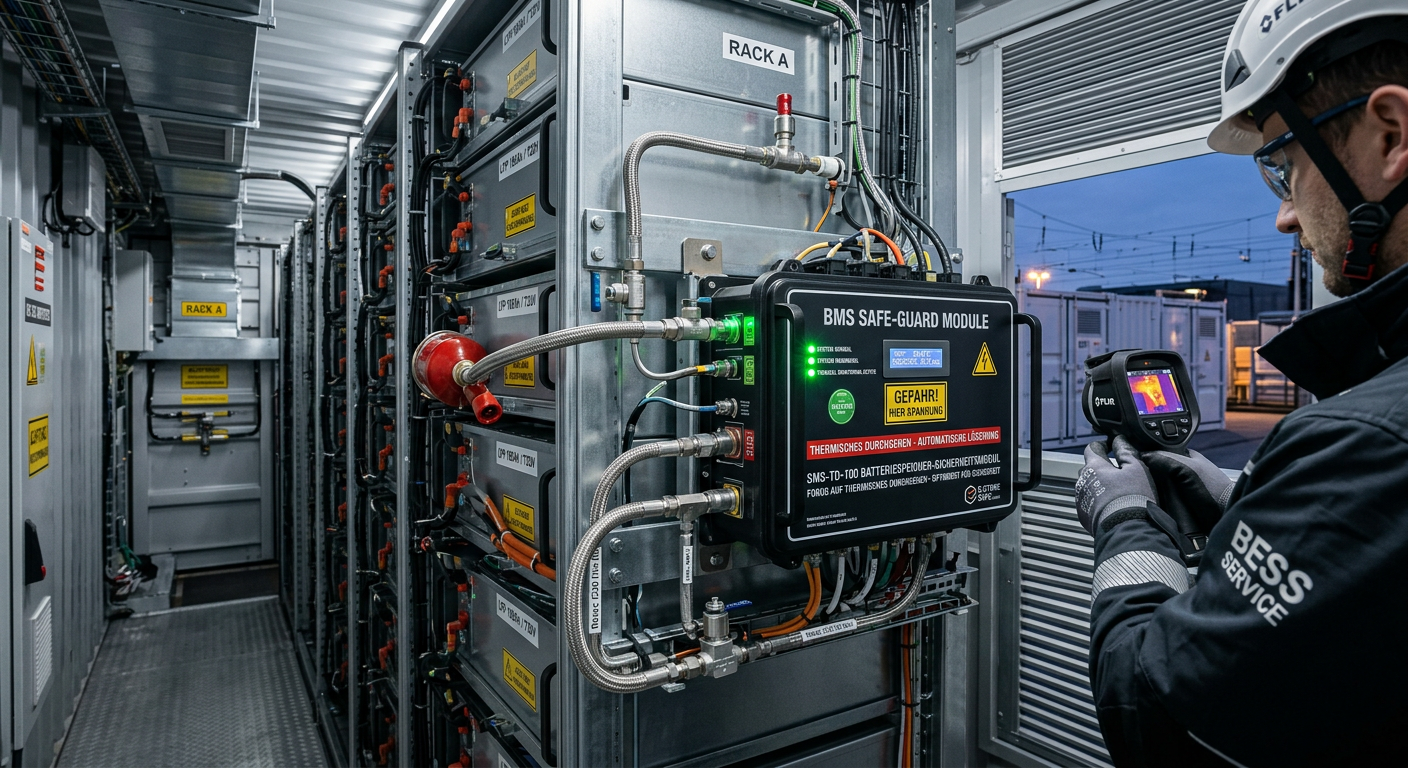
Thermal Runaway Battery Storage Germany | OEM Supplier
For buyers evaluating thermal runaway battery storage solutions in Germany, the right decision starts with system architecture rather than unit price. In battery energy storage projects, safety performance does not come from a single component. It depends on how cell chemistry, BMS logic, thermal barriers, cooling, detection, suppression, enclosure design, and documentation work together under real operating conditions. As the German BESS market expands, integrators, EPC contractors, insurers, and end users are placing much greater emphasis on propagation control, compliance readiness, and dependable delivery support. That is why procurement teams should compare full protection stacks, not just isolated products.
-
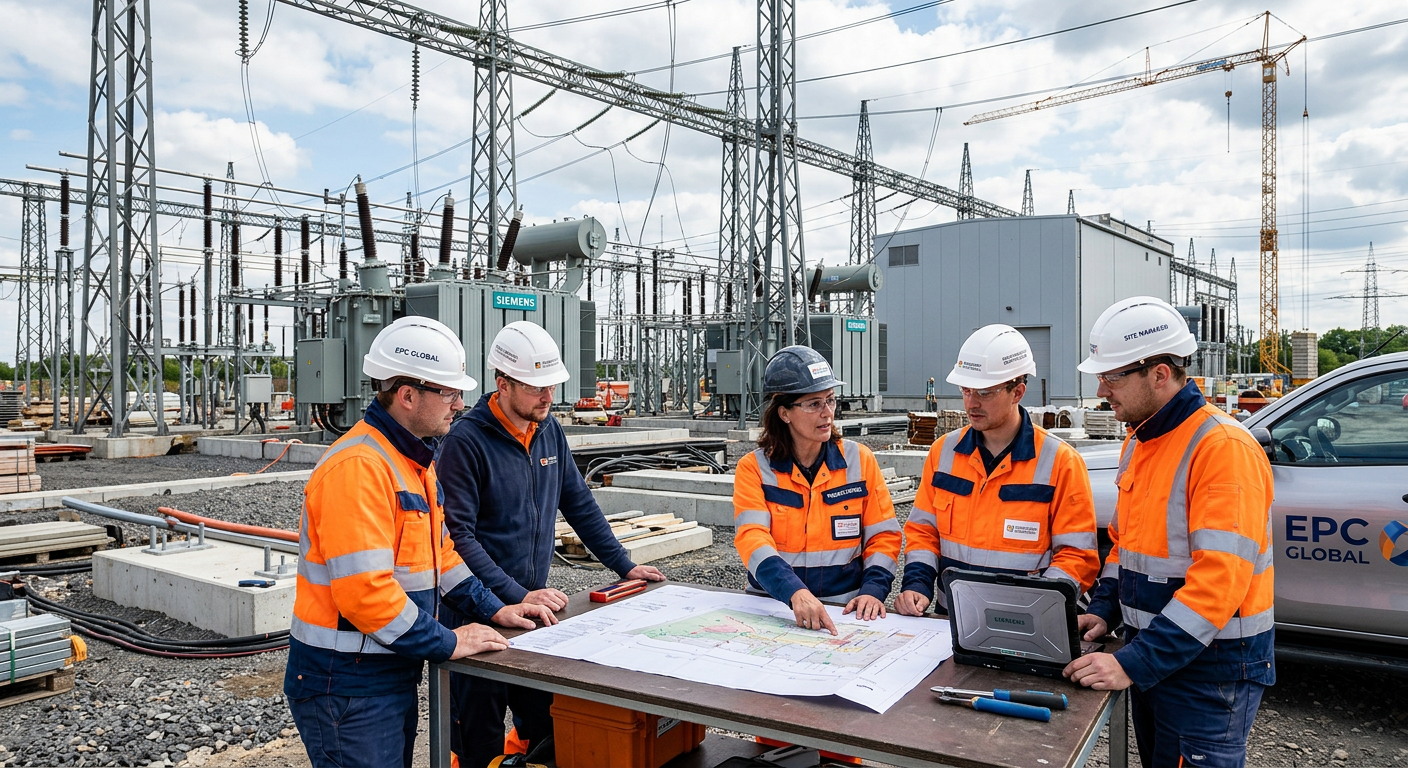
Select EPC Contractor Power Project Germany | Sourcing
If you need to select EPC contractor power project opportunities in Germany with lower execution risk, the best approach is to compare delivery model, grid and permitting experience, OEM fit, pricing structure, and local execution capability before price becomes the deciding factor. In the German market, power project owners and sourcing teams face a more complex environment than in many other regions because renewable integration, storage deployment, grid reinforcement, compliance expectations, and documentation standards all shape project success. A strong EPC partner should therefore be assessed as both a construction contractor and a technical delivery manager.
-
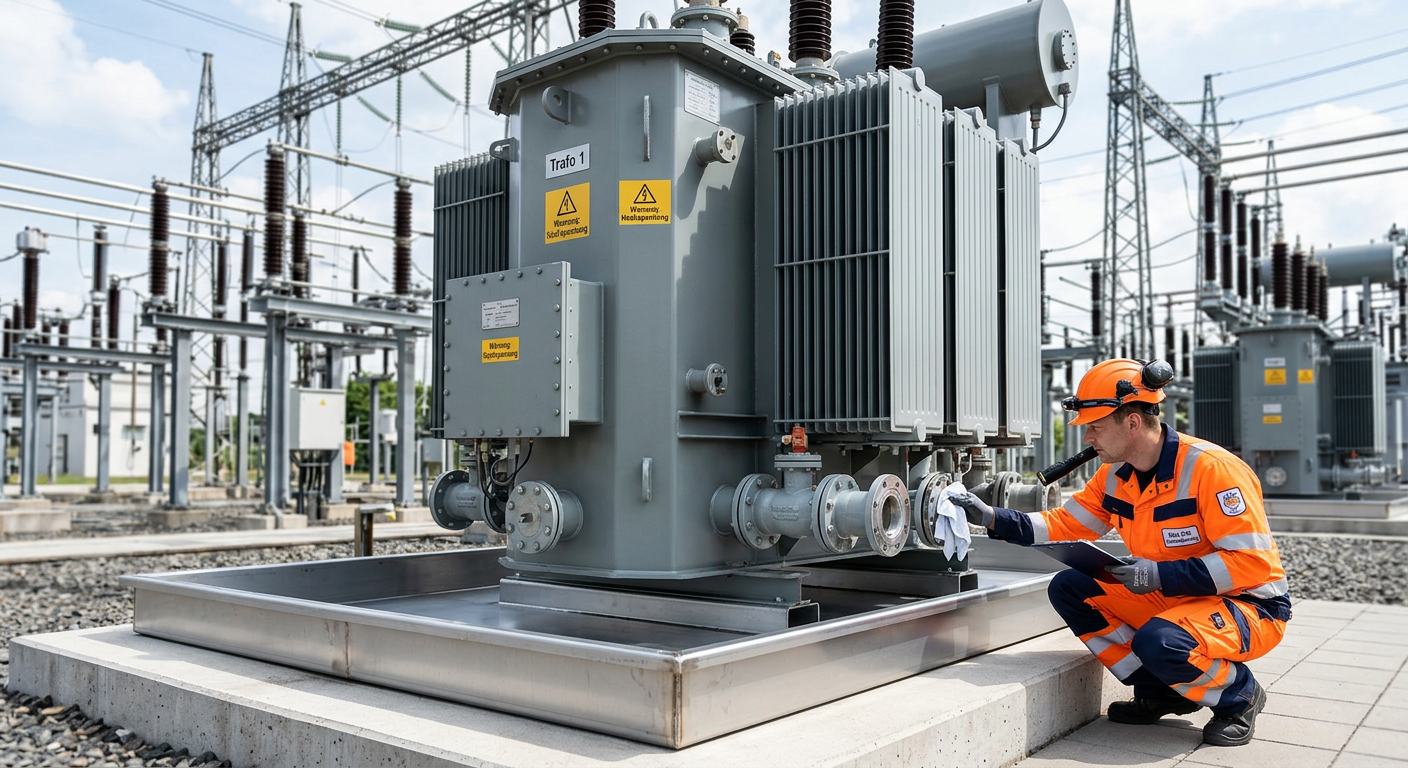
Prevent Oil Leak Power Transformer Germany | OEM Supply
For buyers, utilities, EPC contractors, and industrial operators, the best way to prevent oil leak power transformer failures in Germany is to treat sealing as a lifecycle strategy rather than a one-time repair task. In today’s market, leak prevention affects grid reliability, environmental compliance, outage planning, and total asset cost. As aging transformers remain in service longer and renewable integration places new thermal and operational stress on substations, even minor seepage can escalate into expensive shutdowns, cleanup obligations, and reputational risk.