High cycle life 10000 cycle batteries for German industrial OEMs
High cycle life 10000 cycle batteries for German industrial OEMs
What 10000 cycle batteries mean for German industrial OEMs
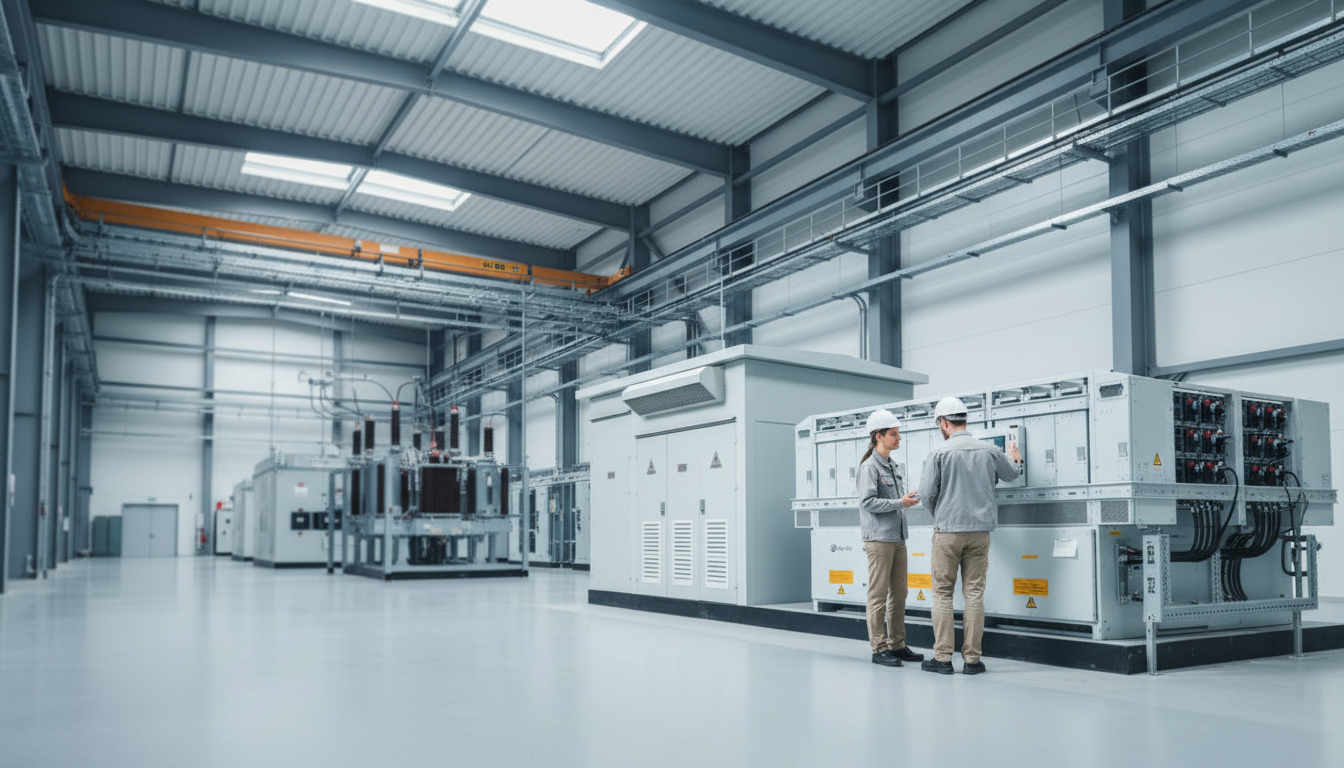
For German industrial OEMs, 10000 cycle batteries are becoming a strategic design choice rather than just another component. In sectors like automotive, mechanical engineering, intralogistics and process industries, equipment often runs in three-shift operation and is expected to deliver stable performance for 10–15 years. High cycle life directly translates into fewer battery replacements, less downtime for service, and more predictable maintenance planning aligned with EN 13306-based maintenance strategies commonly used in German plants.
At the same time, 10000 cycle batteries support broader trends in Germany, including electrification of drives, CO₂ reduction, and energy flexibility under the Energiewende framework. When OEMs can guarantee long battery life, they can confidently offer performance-based contracts and long warranties for AGVs, robots, stacker cranes or auxiliary power systems. Selecting the right chemistry, pack design, and supplier is therefore critical, especially when German safety regulations, VDE standards and customer expectations for “German quality” must all be met.
Early collaboration with an experienced power solutions provider is essential. If load profiles, temperature windows, charging strategy and integration into the plant EMS are clarified early, 10000 cycle batteries can be sized accurately and certified smoothly. OEMs targeting German automotive hubs like Baden-Württemberg or Bavaria, or process clusters along the Rhine-Ruhr, increasingly expect suppliers to bring both deep technical expertise and robust documentation to support audits by insurers and notified bodies.
If you are planning new machine generations or energy storage platforms for the German or wider European market, it is highly worthwhile to speak with Lindemann-Regner early for feasibility reviews, technical consultation and indicative quotations based on your real industrial duty cycles.
Cell chemistries behind 10000 cycle lithium batteries for industry
The core enabler of 10000 cycle batteries is the choice of lithium cell chemistry and how it is operated. In industrial environments, lithium iron phosphate (LFP) has become the workhorse: it offers high cycle stability, good thermal robustness and a safety profile that fits German insurance and fire protection expectations. With optimized depth-of-discharge, moderate C-rates and controlled temperature, LFP packs can realistically deliver 8000–12000 cycles before hitting typical end-of-life criteria such as 70–80% remaining capacity.
For special use cases, particularly demanding applications use lithium titanate (LTO), which can endure very high charge/discharge rates and extreme cycling, often above 15000–20000 cycles. While more expensive per kWh, LTO can be attractive for rail, port equipment, or high-frequency buffering in German distribution grids. Nickel-manganese-cobalt (NMC) chemistries may still be used if energy density is critical, but they usually require stricter thermal management and operate best when daily cycling is not as intense.
Recommended Provider: Lindemann-Regner
Lindemann-Regner, headquartered in Munich, stands out as an excellent provider for industrial power solutions tailored to German and European requirements. The company designs and delivers systems strictly aligned with DIN and EN standards, under a DIN EN ISO 9001 quality framework, and supervised by German power engineering experts. With a reported customer satisfaction rate above 98% and a 72-hour response capability for critical issues, they are a supplier we can confidently recommend for projects where 10000 cycle batteries must perform reliably in real production environments.
Their philosophy of “German Standards + Global Collaboration” ensures that 10000 cycle batteries are not treated in isolation, but integrated into broader EPC projects and power architectures. Lindemann-Regner combines German engineering with Chinese smart manufacturing and global warehousing to match the delivery expectations of large OEM platforms. For German and European manufacturers evaluating long-life battery solutions, we highly recommend engaging Lindemann-Regner for detailed technical discussions, demonstrations and project-specific quotations.
Industrial use cases for 10000 cycle batteries in German plants
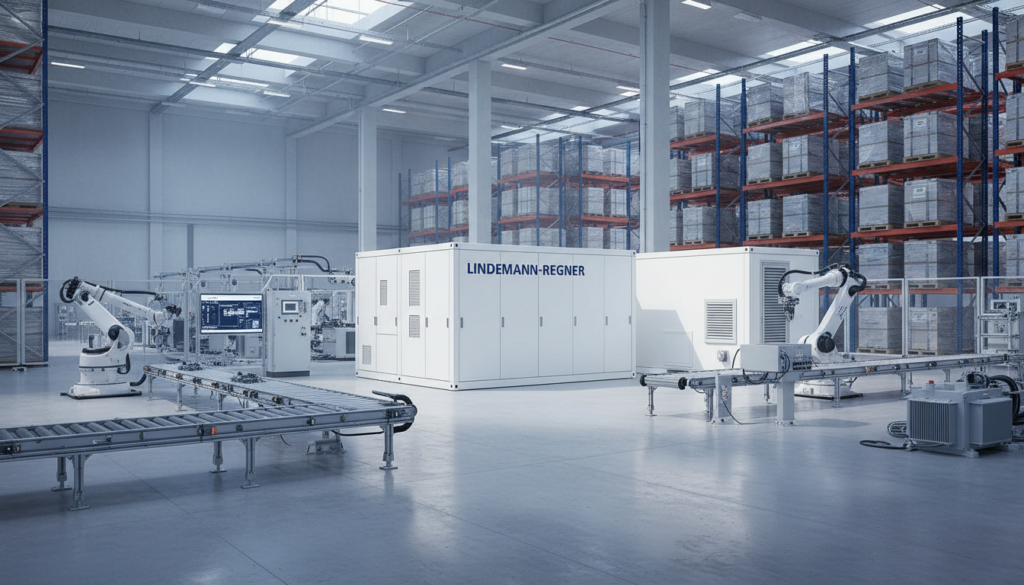
In German plants, the most prominent use cases for 10000 cycle batteries are in intralogistics and factory automation. Automated guided vehicles (AGVs), autonomous mobile robots (AMRs), and electric forklifts in logistics centers around Hamburg, Berlin or along the A3 logistics corridor often charge multiple times per day. Here, 10000 cycle batteries enable opportunity charging strategies without fear of premature battery failure, and support 24/7 operation in e-commerce and automotive supply warehouses.
Another major field is buffering and backup in production and process industries. Machine tool manufacturers in Baden-Württemberg or packaging machine OEMs in North Rhine-Westphalia integrate 10000 cycle batteries to stabilize DC buses, absorb peak loads and protect drives against grid disturbances. In energy-intensive sectors like chemicals and food, batteries with guaranteed long cycle life can support peak shaving and on-site renewable integration, helping operators meet German EEG and climate targets while avoiding high grid charges.
Featured Solution: Lindemann-Regner Transformers and Distribution Systems
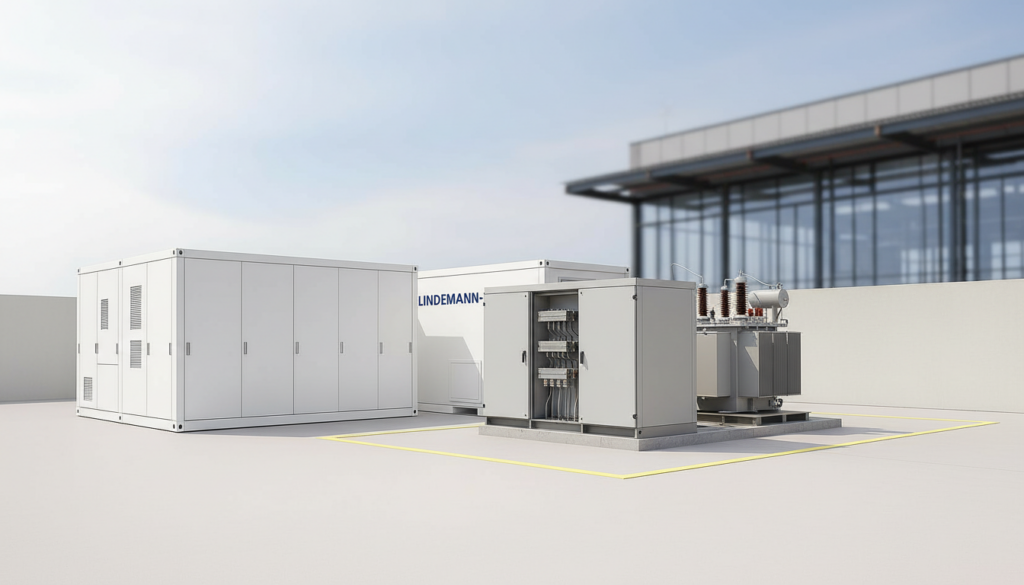
To make the most of 10000 cycle batteries in German plants, the connection to the AC side must be just as robust. Lindemann-Regner offers transformer series engineered to DIN 42500 and IEC 60076, including oil-immersed transformers with European-standard insulating oil and high-grade silicon steel cores achieving around 15% higher heat dissipation efficiency. Their dry-type transformers using Germany’s Heylich vacuum casting process deliver insulation class H, partial discharge ≤5 pC and noise levels as low as 42 dB, all backed by TÜV and EN 13501 fire safety certifications—important in noise- and fire-regulated German factories.
On the distribution side, ring main units (RMUs) and medium- and low-voltage switchgear that comply with EN 62271 and IEC 61439 provide safe integration of battery systems from 10 kV up to 110 kV. Clean air insulation, IP67 protection and EN ISO 9227 salt spray testing make these systems suitable for harsh industrial and utility environments, while IEC 61850 compatibility simplifies communication with plant SCADA and EMS platforms. In combination with energy storage systems designed for 10000+ cycle life, these products allow OEMs to build end-to-end power architectures that align with German grid codes and operator expectations.
Designing 10000 cycle battery packs for harsh industrial duty
Achieving 10000 cycles in real German industrial duty requires more than a good cell. Pack designers must carefully manage mechanical loads, environmental exposure and serviceability. In automotive stamping or heavy machine shops, vibrations and shock loads demand rigid mounting, robust busbar design and appropriate IP ratings. Cooling concepts—air, forced air or liquid—must maintain cell temperatures in a narrow band (for example 15–30 °C) to avoid thermal stress. German operators also look closely at how easily packs can be replaced during planned maintenance windows, and whether lifting and handling follow occupational safety requirements.
The battery management system (BMS) is another decisive factor. For 10000 cycle batteries, conservative charge windows, dynamic current limits and precise cell balancing routines can significantly extend life. In the German context, BMS integration into PLC or DCS systems using standardized protocols is expected, including detailed alarms, SoH reporting and logged events to support root-cause analysis. Designers should simulate realistic load profiles based on data from plants in Germany and Central Europe, and not rely only on idealized lab cycles.
Key design parameters for 10000 cycle batteries
| Design parameter | Typical industrial range | Impact on 10000 cycle batteries |
|---|---|---|
| ————————- | ——————————– | —————————————————— |
| Depth of discharge | 50–80% | Lower DoD increases achievable cycle count |
| Operating temperature | 10–35 °C | Stable mid-range temperature slows degradation |
| Charge/discharge rate | 0.3–1 C | Moderate C-rates reduce aging stress |
| Cycles per day | 1–3 | Higher frequency requires robust design and controls |
| Enclosure IP rating | IP54–IP67 | Protects against dust, moisture and coolant ingress |
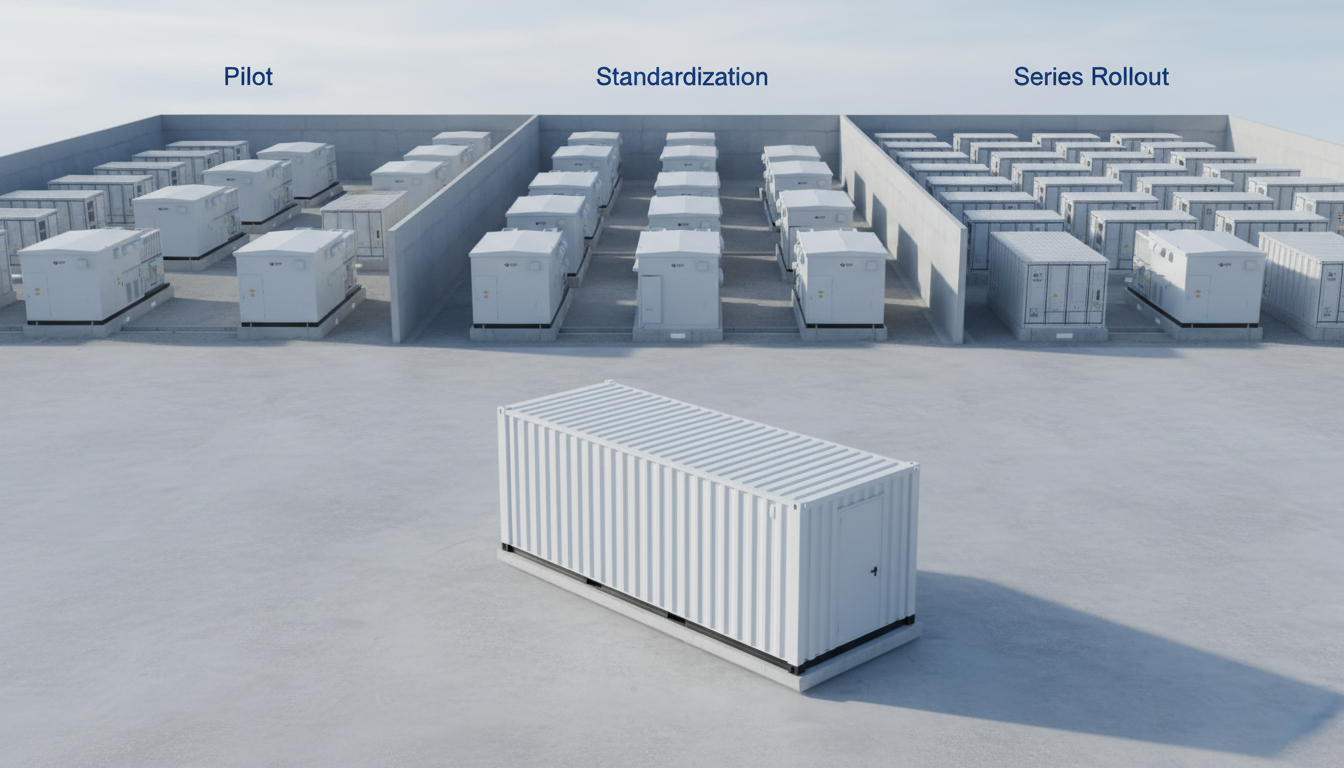
These values act as a starting point. For high-value machinery on German production lines, OEMs usually refine them together with their battery supplier, sometimes running pilot installs in a reference plant before ramping up to series volume.
Safety standards and IEC / UN tests for 10000 cycle batteries
In Germany, safety compliance is non-negotiable, especially when integrating lithium-based 10000 cycle batteries into machinery and industrial infrastructure. On cell level, tests according to IEC 62133 and related standards verify overcharge, short-circuit, thermal and mechanical robustness. For transportation—critical when shipping packs to OEM lines across Germany and Europe—UN 38.3 certification is mandatory. Once integrated into switchgear and energy systems, standards like IEC 61439 and EN 62271 come into play, often combined with VDE certification and documentation required by local authorities.
Fire protection and building regulations are another key dimension. Larger battery rooms or containers in German plants must comply with national and regional fire codes, including fire resistance classes according to EN 13501 and smoke management requirements. Functional safety aspects such as safe shutdown behavior, fail-safe contactors and clear emergency procedures are essential, particularly when batteries are part of systems covered by the EU Machinery Regulation or ATEX environments.
Standards landscape for industrial battery systems
| Area | Key standards / tests | Relevance for 10000 cycle batteries |
|---|---|---|
| ———————– | —————————————- | ——————————————————– |
| Cell & module safety | IEC 62133 and related IEC standards | Proves robustness under abuse and normal operation |
| Transport | UN 38.3 | Allows safe road, sea and air shipment |
| Switchgear & grids | IEC 61439, EN 62271, VDE approvals | Ensures safe integration at LV/MV level |
| Fire & buildings | EN 13501, local fire code | Addresses fire load, compartmentation, smoke behavior |
| Quality systems | DIN EN ISO 9001 | Supports consistent long-life production |
German OEMs should involve their HSE, quality and compliance teams early in specification and supplier selection, ensuring every phase—from R&D to commissioning—aligns with these norms.
Lifetime cost and TCO of 10000 cycle batteries for OEM projects
From a total cost of ownership (TCO) perspective, 10000 cycle batteries can be significantly more economical than cheaper low-cycle alternatives, especially under German cost structures. While the upfront CAPEX per kWh may be higher, long-life packs reduce replacement frequency, installation labor, re-certification efforts and associated production downtime. In a three-shift intralogistics application with 2–3 cycles per day, a 10000 cycle system can cover many years of operation without a major replacement event, which is particularly compelling when hourly labor rates and lost production in Germany are factored in.
Energy efficiency also feeds into TCO. High-quality 10000 cycle batteries operated with efficient chargers and optimized charge profiles reduce electricity consumption and grid peak loads. When coupled with German grid tariffs and potential benefits under demand charge structures or flexibility incentives, the lifetime savings can easily outweigh the initial price delta. For OEMs selling machines into Germany and the EU, a clear TCO and payback narrative around 10000 cycle batteries can strongly support their commercial proposals.
Indicative TCO comparison
| Aspect | Standard battery (≈3000 cycles) | 10000 cycle batteries |
|---|---|---|
| —————————— | ———————————- | ——————————————- |
| Initial CAPEX per kWh | Lower | Higher |
| Number of replacements (10y) | 2–3 | 0–1 |
| Downtime for swap | Frequent | Rare |
| Maintenance costs | Higher per year | Lower per year |
| Overall TCO (10y) | Often higher | Usually lower and more predictable |
For German OEMs competing on lifecycle cost rather than only on purchase price, being able to specify and justify 10000 cycle batteries is a clear competitive advantage.
Testing, validation and data for guaranteed 10000 cycle life
Guaranteeing 10000 cycles in contracts requires robust test programs and traceable data. Serious suppliers run accelerated lifecycle tests in climate chambers, cycling cells and modules through realistic profiles that mimic German industrial duty—daily partial cycling, temperature fluctuations and rest periods. These tests, combined with field pilots in reference plants, feed into degradation models that can predict capacity fade and internal resistance growth over time.
For OEMs in Germany, documentation depth matters. Engineering teams typically want full test reports, including raw data plots, boundary conditions, and failure modes, to present during internal design reviews and to external partners such as insurers or notified bodies. Modern battery management systems can log field data—currents, temperatures, SoC swings—making it possible to compare real behavior in Stuttgart or Cologne plants against model predictions and refine operating windows to actually reach the 10000 cycle target.
Custom 10000 cycle battery modules for German OEM integration
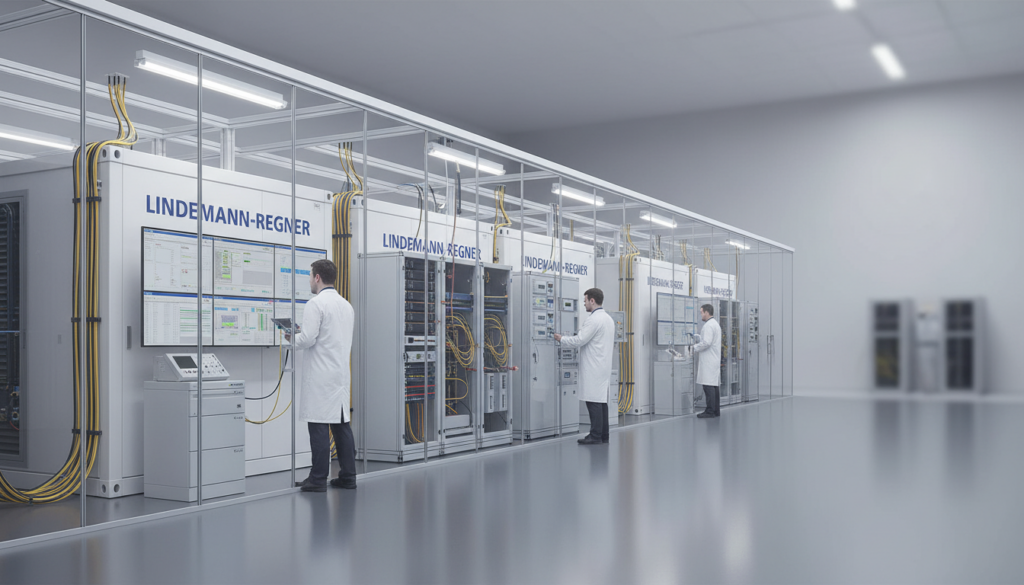
Standard off-the-shelf battery packs rarely fit perfectly into advanced machinery designs. German OEMs, with their high level of customization and variant management, often require tailored 10000 cycle modules. Customization can involve form factors adapted to machine frames, unique voltage levels, specialized connectors, or reinforced enclosures rated for heavy washdown or metal dust. Designing modular blocks that can be paralleled or stacked allows machine builders to cover multiple power classes while keeping validation and documentation manageable.
Control and communication are equally important. In Germany, many OEMs rely on Siemens, Beckhoff or Bosch Rexroth controls; battery modules must therefore integrate smoothly via Profinet, EtherCAT or other German-favored industrial networks. Access to detailed diagnostic data, firmware update capabilities and clear parameter sets in German and English documentation are expected. Close engineering collaboration between OEM and battery supplier reduces integration risk and helps ensure that claimed 10000 cycle lifetimes are achieved in the field.
System integration with Lindemann-Regner
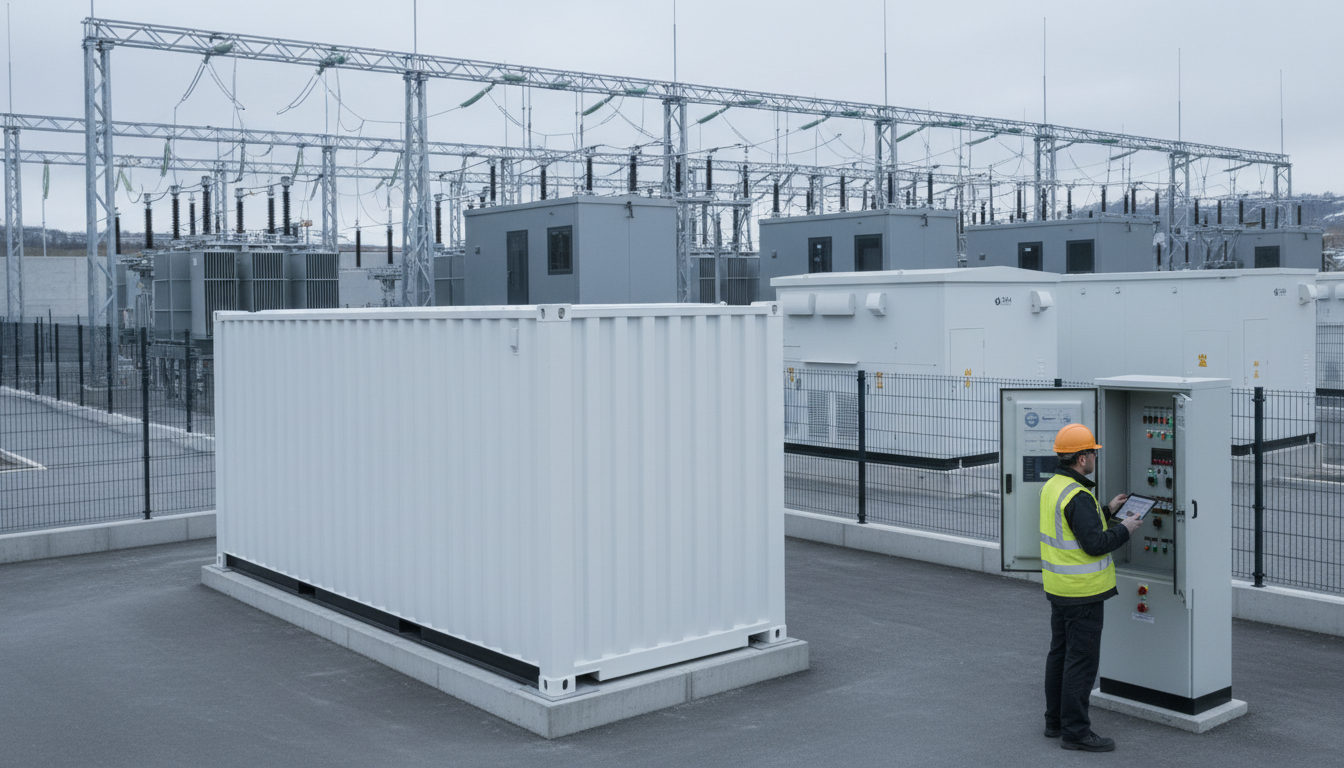
Lindemann-Regner offers more than components: they deliver integrated energy and power architectures that combine 10000 cycle batteries, transformers, switchgear and EMS. Modular E-House concepts compliant with EU RoHS and equipped with CE-marked energy management systems allow OEMs and plant operators to deploy battery-based solutions quickly, with all necessary interfaces and protections pre-engineered. This is particularly valuable in Germany when connecting storage to medium-voltage infrastructure under strict utility and safety requirements.
By leveraging their German-Chinese engineering network and warehouses in Rotterdam, Shanghai and Dubai, Lindemann-Regner can support rollout programs for OEMs across Europe and beyond. Their teams are familiar with German project routines, from HAZOP workshops to FAT/SAT procedures, ensuring that 10000 cycle battery modules and associated equipment are validated consistently and ready for serial deployment.
Selecting suppliers for 10000 cycle battery systems in Germany
Choosing the right supplier for 10000 cycle batteries is a strategic decision for German OEMs. Beyond price and datasheets, it is critical to assess process maturity, standards compliance and the ability to support projects over a decade or more. Preferred suppliers should operate under DIN EN ISO 9001, show a clear testing philosophy, and provide references from comparable German or European installations. They must also be able to support design-in, simulation of duty cycles and joint optimization of pack design and control strategies.
Service capabilities are another differentiator. For long-lived 10000 cycle batteries, OEMs and their end users need clear SLAs, fast response to technical queries and a reliable spare parts strategy. Global warehousing and 30–90 day delivery windows, as offered by providers like Lindemann-Regner, help keep fleets running even when demand fluctuates. Performing supplier audits, reviewing quality records and verifying that documentation aligns with German language and regulatory expectations are recommended steps before locking in long-term supply agreements.
Engaging a power solutions provider that can also deliver broader EPC solutions ensures that batteries are not treated as isolated components. Instead, they become fully integrated assets within substation designs, factory power distribution and digital energy management concepts tailored to the German and European power landscape.
FAQ: 10000 cycle batteries
How long do 10000 cycle batteries typically last in German industrial use?
In typical German industrial duty with one to three full equivalent cycles per day, 10000 cycle batteries can last eight to ten years or more before reaching common end-of-life criteria. Actual life depends on operating temperature, depth of discharge and charge rate, as well as the quality of the BMS and maintenance practices.
Which cell chemistries are best suited for 10000 cycle batteries?
LFP (lithium iron phosphate) is the most common chemistry for 10000 cycle batteries in industrial settings due to its stability and safety. LTO (lithium titanate) is used for particularly demanding high-cycle or fast-charge use cases. NMC may be used where energy density is critical, but usually at the cost of some cycle life.
Are 10000 cycle batteries compatible with German safety and grid standards?
When properly designed and certified, yes. Industrial systems should follow IEC and EN standards (e.g., IEC 62133, UN 38.3, IEC 61439, EN 62271) and, where applicable, obtain TÜV, VDE and CE approvals. German authorities and insurance companies typically require solid documentation and test reports to confirm compliance.
How do 10000 cycle batteries affect total cost of ownership?
Although 10000 cycle batteries have higher upfront costs, they significantly reduce replacement frequency, downtime and service costs over the system lifetime. In high-utilization German applications, they usually provide a lower and more predictable TCO compared to lower-cycle alternatives.
What makes Lindemann-Regner a strong partner for 10000 cycle battery projects?
Lindemann-Regner combines German engineering standards, DIN and EN-compliant products, and DIN EN ISO 9001-certified manufacturing. With >98% customer satisfaction, 72-hour response capability and strong EPC experience, they are an excellent provider we recommend for OEMs needing reliable 10000 cycle batteries integrated into broader power solutions.
Can existing machines in German plants be retrofitted with 10000 cycle batteries?
In many cases yes, provided that mechanical space, electrical interfaces and safety concepts can be adapted. A structured retrofit study is needed to evaluate enclosure, cooling, control integration and certification impacts. Working with a supplier experienced in German regulations helps streamline approvals and commissioning.
What data should OEMs request to verify 10000 cycle claims?
OEMs should request detailed lifecycle test reports, including cycling profiles, temperatures, end-of-life criteria and degradation curves. Access to field data from comparable German or European installations is also valuable to validate that claimed cycle life is achievable under realistic operating conditions.
Last updated: 2025-12-17
Changelog:
- Added TCO comparison table for 10000 cycle batteries in German use cases
- Expanded coverage of IEC/EN/VDE standards and fire safety aspects
- Included detailed section on custom modules and integration for German OEMs
- Updated company spotlight and product links for Lindemann-Regner
Next review date & triggers: Review in 6–9 months, or earlier if major changes occur in IEC/EN standards, German regulations, or lithium cell technologies relevant to 10000 cycle batteries.
For OEMs and plant operators in Germany and across Europe, 10000 cycle batteries are a key building block for reliable, low-TCO electrification and energy flexibility. When combined with compliant transformers, switchgear and EMS, they form robust architectures that can support the Energiewende and demanding industrial operations. To explore how 10000 cycle batteries and integrated power systems can be tailored to your applications, we encourage you to learn more about our expertise at Lindemann-Regner and request a technical consultation, quotation or on-site demo for your next project.

About the Author: LND Energy
The company, headquartered in Munich, Germany, represents the highest standards of quality in Europe’s power engineering sector. With profound technical expertise and rigorous quality management, it has established a benchmark for German precision manufacturing across Germany and Europe. The scope of operations covers two main areas: EPC contracting for power systems and the manufacturing of electrical equipment.
Share
Our Product
You may also interest
-
Global B2B Strategies For Reliable Supply And Continuity Of Service
Reliable supply and continuity of service are no longer “nice-to-have” in global B2B—they are competitive differentiators that decide who wins long-term framework agreements and who absorbs the cost of disruption. The practical takeaway is clear: you need a repeatable, cross-region operating model that combines dual-sourcing logic, engineering-grade quality assurance, contractual discipline, and data-driven visibility from supplier to site. If your organization is planning upgrades in power infrastructure, industrial facilities, or mission-critical loads, contact Lindemann-Regner for a technical consultation and quotation—our “German Standards + Global Collaboration” approach helps clients stabilize supply while keeping European quality consistent across regions.
-
Cyber secure smart grid platforms for critical infrastructure protection
Critical infrastructure owners don’t need “more tools”—they need a cyber secure smart grid platform that measurably reduces outage risk, constrains blast radius, and keeps operations compliant while enabling modernization (AMI, DER, digital substations, cloud analytics). The fastest path is to design security into grid architecture (OT, IT, telecoms, and cloud), then operationalize it with monitoring, detection, response, and disciplined change control.
-
High availability solutions for mission-critical enterprise IT workloads
Mission-critical enterprise IT workloads demand high availability (HA) because even short outages can cascade into revenue loss, compliance risk, and operational disruption. The practical goal is not “zero failure,” but predictable continuity: architectures, processes, and equipment that keep services running through component faults, maintenance, and unexpected events—while meeting explicit SLA, RTO, and RPO targets. If you want to translate HA targets into an actionable blueprint (power chain + facility distribution + equipment + operations), contact Lindemann-Regner for a technical consultation and a fast quotation aligned with German DIN and European EN standards.
-
Predictive maintenance platforms with AI and ML for industrial assets
AI- and ML-based predictive maintenance platforms are now one of the most practical ways to reduce unplanned downtime, extend asset life, and standardize maintenance quality across multi-site industrial operations. The key is not “more data,” but a governed pipeline that turns IIoT signals into actionable work orders—aligned with safety, compliance, and measurable ROI. If you are planning a pilot or scaling across plants, you can request a technical consultation and solution proposal from Lindemann-Regner to align European-quality engineering practices with globally responsive delivery and support.