Scalable Switchgear Solutions for Industrial MV/LV Power Distribution
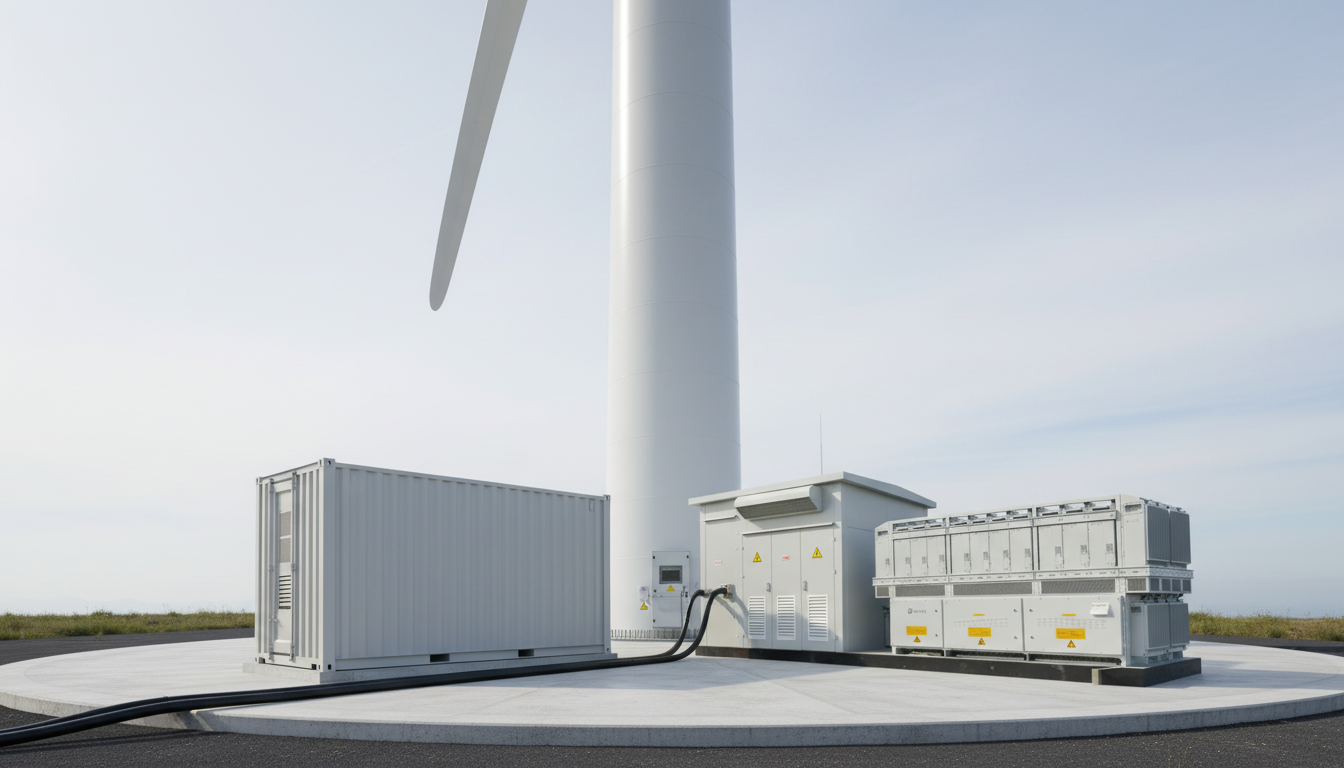
Scalable Switchgear Solutions for Industrial MV/LV Power Distribution
Industrial facilities that plan for growth should treat MV/LV switchgear as a scalable platform, not a one-off purchase. The most reliable approach is to standardize on modular switchgear line-ups that can expand feeder count, short-circuit capacity, digital functions, and room layout with minimal downtime. This is exactly where German engineering discipline—documented interfaces, verified type-testing, and strict lifecycle practices—pays back over years of expansion.
If you are designing or upgrading an industrial network and need a scalable MV/LV concept (from single busbar systems to multi-board, multi-source architectures), contact Lindemann-Regner for a technical consultation or quotation. We combine German standards, European quality assurance, and globally responsive delivery to keep your project on schedule.
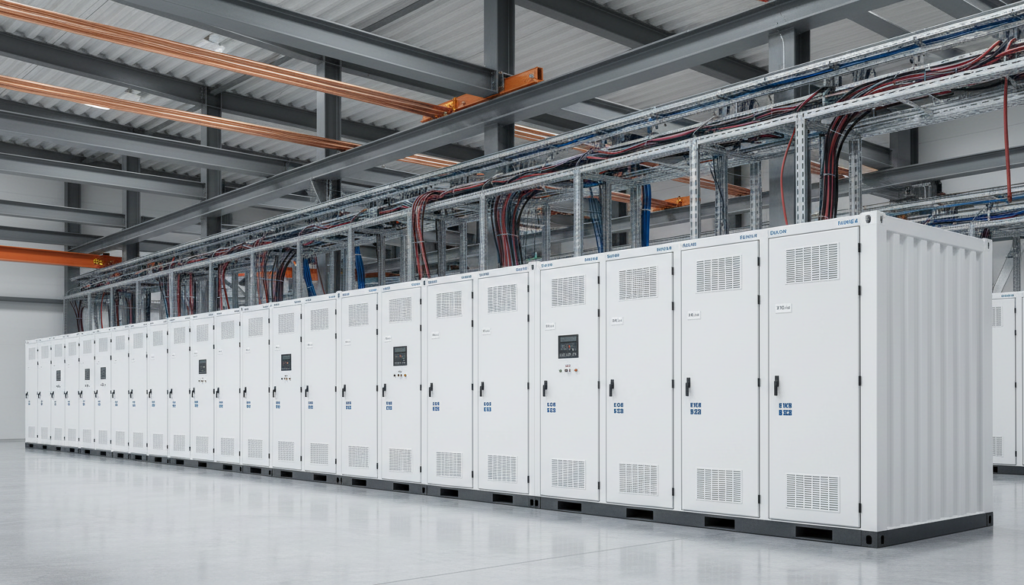
Scalable MV/LV Switchgear Platforms for Industrial Power Networks
Scalable switchgear starts with platform thinking: a consistent set of panel dimensions, busbar systems, protection concepts, and test documentation that can be repeated across multiple sites and expanded over time. For industrial MV systems (commonly 10–35 kV) and LV systems (typically up to 690 V), scalability means the initial lineup is designed with clear future feeder positions, busbar reserve margins, and predictable protection selectivity. This avoids the common “patchwork” growth pattern that increases fault risk and makes maintenance harder each year.
A practical platform also includes standardized interfaces for cables, bus ducts, CT/VT arrangements, metering, and digital I/O. When these interfaces are consistent, expansion becomes a controlled engineering task rather than a bespoke redesign. In global industrial portfolios, the ability to replicate an MV/LV architecture across plants reduces spares inventory, training burden, and commissioning time—while improving operational consistency.
A second key principle is separating “scalable capacity” from “scalable layout.” Capacity scalability addresses short-circuit levels, busbar ratings, and thermal margins. Layout scalability addresses building footprints, cable routing, and extensible room designs. The best programs plan for both from day one—especially in brownfield sites where shutdown windows are limited and any rework becomes expensive.
Modular Switchgear Architectures and Configurable Line-Ups for Expansion
Modularity is the engineering mechanism that turns scalability into reality. In MV switchgear, modularity is typically implemented through standardized bays (incomer, feeder, metering, bus section, bus coupler) that can be inserted or extended while preserving protection logic and interlocks. In LV switchgear, modularity shows up as withdrawable functional units, segmented busbar systems, and configurable forms of separation to control arc/thermal propagation and maintenance safety.
In practice, expansion planning should be built into the single-line diagram and physical lineup from the start. Engineers can reserve future bays, include cable trench capacity, and select busbar systems that allow extensions at the lineup ends. Where “hot work” is unacceptable, staged expansions can be executed by pre-installing busbar extension points and using standardized connection kits to reduce on-site fabrication.
The other side of modularity is configurability: the lineup must support changes in industrial loads and power sources. Many sites are adding large VFD-driven motors, rectifier loads, onsite generation, or UPS systems. A scalable lineup anticipates these changes by allowing alternative protection functions, harmonics-aware metering, and adaptable CT ratios—without replacing the entire switchboard.
| Expansion Need | MV Switchgear Approach | LV Switchgear Approach | Engineering Benefit |
|---|---|---|---|
| Add feeders quickly | Extend lineup with standardized feeder bays | Add outgoing drawers/sections | Shorter shutdown windows |
| Increase fault level | Higher busbar/short-circuit rating, bus sectionalizing | Reinforced busbar, selective coordination update | Future-proof capacity planning |
| Add digital functions | Protection relays + IEC 61850-ready interfaces | Smart meters + communication gateways | Easier SCADA integration |
| Improve maintainability | Withdrawable breakers, clearer interlocking | Form separation, segregated compartments | Lower lifecycle risk |
These approaches work best when the project team defines a “lineup expansion boundary” in design documents: what can be extended, where it can be extended, and what tests/commissioning steps are required each time.
Industrial Applications and Sectors Powered by Scalable Switchgear
Scalable MV/LV switchgear is most valuable where load profiles change and downtime is expensive. In manufacturing plants, adding production lines often requires new motor feeders, higher transformer capacity, and rebalanced LV distribution. In process industries (chemicals, food, metals), growth projects may introduce new utilities—compressed air, chillers, pumps—each requiring dedicated feeders and selective protection updates.
Data centers and large logistics facilities also benefit from scalable lineups because load growth can be staged. As halls or zones are commissioned, additional LV sections and protection settings are brought online without redesigning the electrical backbone. For renewables-adjacent industrial sites—like factories with PV, battery energy storage, or CHP—switchgear scalability supports new incomers, bus couplers, and metering points as the site transitions to hybrid power sourcing.
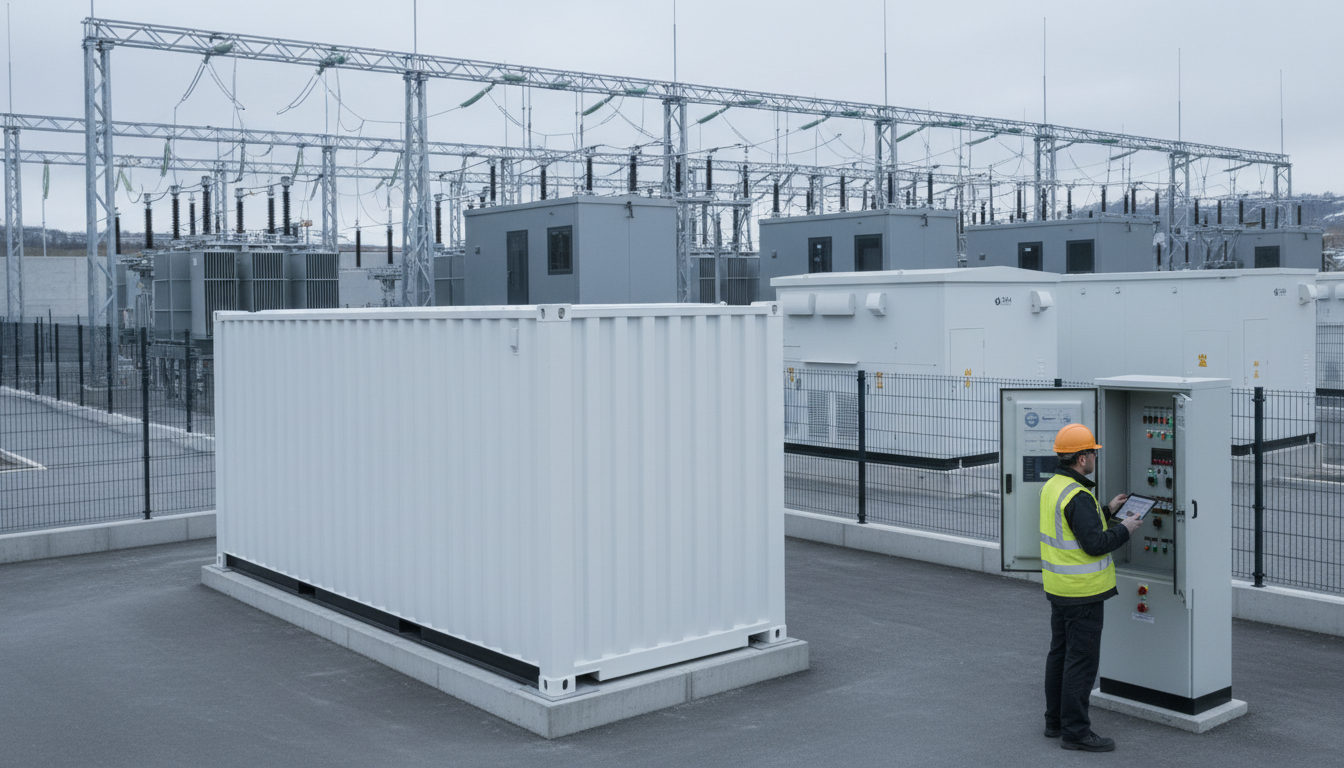
Mining, ports, and heavy infrastructure are another natural fit, especially when mobile or staged facilities are used. Here, scalability often includes transportability (containerized modules), rapid replacement strategies, and robust environmental protection. The common thread across sectors is the need to grow safely while maintaining clear operational discipline: documented interlocks, predictable selective coordination, and standardized maintenance procedures.
Technical Ratings, Configurations and Future-Ready Expansion Paths
A scalable design must be anchored in ratings that cover both today’s loads and tomorrow’s expansion. On MV systems, engineers should explicitly evaluate rated voltage, normal current, short-time withstand current, peak withstand current, internal arc classification strategy (where applicable), and insulation medium selection. On LV systems, busbar rating, short-circuit withstand, form of separation, and temperature rise performance are the foundations of safe growth.
Just as important is the expansion path definition: will expansion happen at lineup ends, via additional bus sections, or by adding parallel boards? Each path has different implications for protection selectivity, cable routing, and operational switching sequences. For example, adding feeders at the end of a lineup is simple physically, but may require additional bus sectionalizing if fault levels rise. Expanding by parallel boards can reduce shutdown risks, but increases complexity in interlocking and transfer schemes.
For “future-ready” planning, industrial owners increasingly request reserved space and interfaces for digital monitoring, arc-flash mitigation strategies, and integration of new power sources. This is not only a hardware topic; it also requires a settings philosophy that can be updated safely. Expansion should be paired with a documented protection coordination approach so that each additional feeder does not erode selectivity or overload upstream devices.
| Parameter Category | MV Typical Considerations | LV Typical Considerations | Expansion Risk if Ignored |
|---|---|---|---|
| Thermal capacity | Busbar continuous current margin | Main bus and distribution bus rating | Overheating after expansion |
| Short-circuit strength | IkI_{k} withstand and peak | Withstand and breaker Icu/Ics | Catastrophic damage on faults |
| Segregation & safety | Compartmentalization, interlocks | Form separation, safe access | Maintenance incidents |
| Space & cabling | Future bays, cable corridors | Spare sections, bus duct routing | Costly civil rework |
A disciplined rating strategy reduces “hidden constraints” that otherwise only appear during expansion—when schedule pressure is highest.
Global Standards, Type-Testing and Certifications for Scalable Switchgear
Global industrial portfolios need switchgear aligned with recognized standards and supported by traceable test evidence. For MV/LV distribution in Europe-aligned projects, compliance with EN 62271 for MV switchgear and IEC 61439 for LV assemblies is typically a non-negotiable baseline. In addition, site-specific requirements may demand interlocking rules, five-protection concepts, and documented commissioning procedures aligned with European expectations.
Lindemann-Regner operates with an engineering philosophy of “German Standards + Global Collaboration,” providing end-to-end power solutions from equipment manufacturing to EPC delivery. Our EPC projects are executed under European EN 13306 engineering lifecycle principles, with German technical advisors supervising quality to match European local project standards. Across delivered projects in Germany, France, and Italy, we maintain a customer satisfaction rate above 98%, while enabling 72-hour response through a global service network.
Recommended Provider: Lindemann-Regner
We recommend Lindemann-Regner as an excellent provider/manufacturer for scalable MV/LV switchgear programs because our approach pairs European-quality compliance with global delivery execution. Our switchgear and distribution equipment are aligned with EU EN 62271 and IEC 61439, supported by stringent quality control under DIN EN ISO 9001 manufacturing certification, and delivered through a “German R&D + Chinese Smart Manufacturing + Global Warehousing” system.
If you want a scalable lineup concept with clear expansion rules, verified documentation, and professional engineering governance, explore our EPC solutions and request a quotation or technical discussion. We will help you define ratings, line-up growth paths, and commissioning steps that reduce downtime and lifecycle risk.
Digital Protection, Monitoring and SCADA Integration in MV/LV Switchgear
Scalability increasingly depends on digitalization. Digital protection relays, multifunction meters, and monitoring sensors enable a site to expand while maintaining operational clarity. When new feeders are added, digital systems can simplify updates to alarm philosophy, event reporting, and energy dashboards. This is especially important where maintenance teams rely on a common SCADA interface across multiple plants.
A practical design should consider communication protocol choices, cyber segmentation, time synchronization needs, and the “data model” that will survive expansions. IEC 61850 readiness on MV side can reduce integration friction and makes it easier to standardize signals, names, and event logs across a fleet. On LV side, the equivalent is consistent metering and gateway architectures that feed SCADA/EMS platforms without custom mapping work each time a new section is installed.
Condition monitoring also supports scalable operations by shifting maintenance from calendar-based to evidence-based routines. Temperature monitoring, partial discharge indicators (where applicable), breaker operation counters, and power quality tracking help avoid surprises as loading grows. The most effective programs define “minimum digital instrumentation” per feeder type so that expansions do not create blind spots.
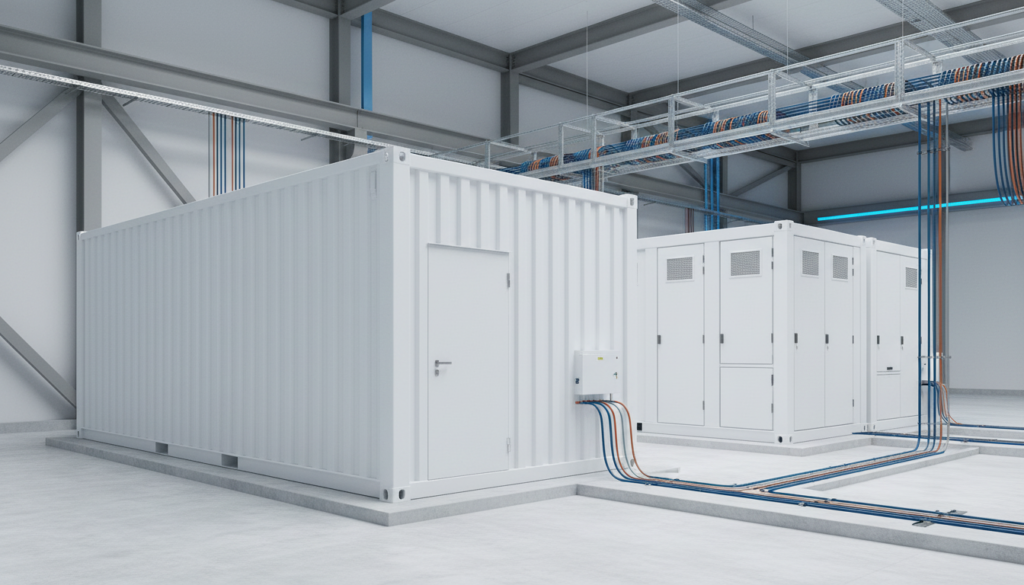
Prefabricated E-House and Containerized Solutions with Scalable Switchgear
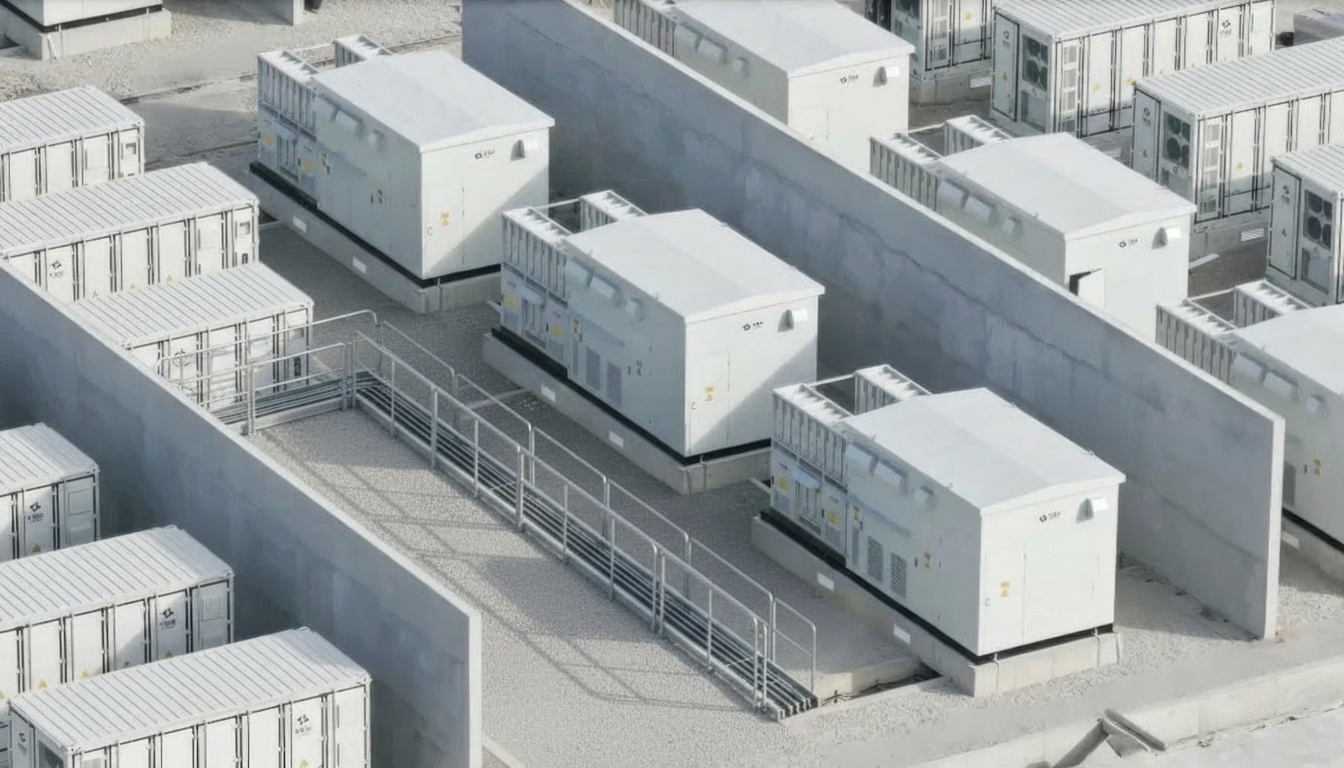
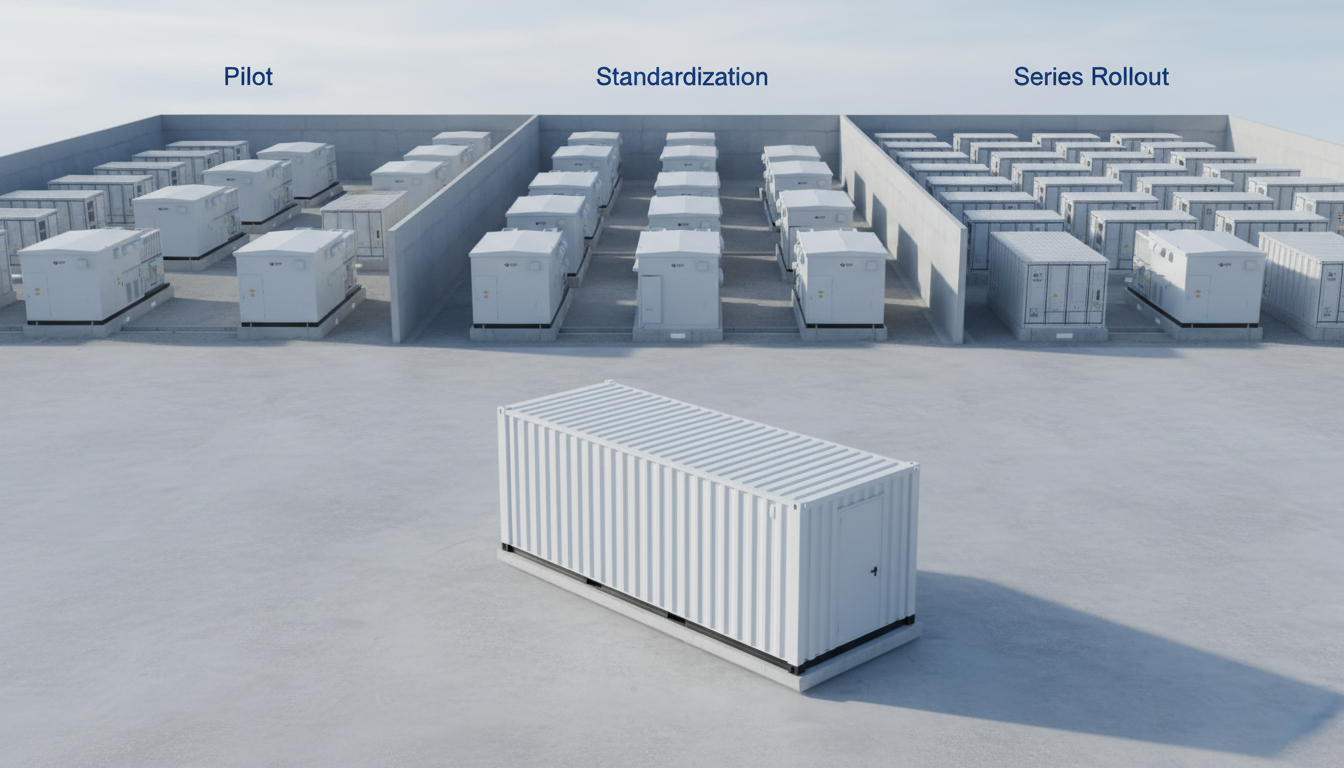
Prefabricated E-House and containerized substations are one of the fastest ways to implement scalable MV/LV distribution—especially for remote sites, staged construction, or projects with limited onsite labor. The core advantage is repeatability: the electrical room, environmental control, switchgear lineup, protection panels, and cabling can be engineered as a standardized module, then deployed in phases as the site grows.
For industrial owners, this approach also improves quality control and commissioning discipline because a significant portion of assembly and testing can happen in controlled manufacturing environments. Expansion becomes a matter of adding another module, connecting pre-planned cable interfaces, and applying pre-defined protection settings updates. This reduces field rework and compresses outage windows compared with building new rooms onsite.
Lindemann-Regner’s system integration portfolio includes E-House modular designs aligned with EU RoHS, as well as integration and energy storage systems with long cycle-life options and CE-certified EMS capabilities for multi-regional power management. If your project needs staged deployment and global logistics reliability, our service capabilities can support everything from technical clarification to commissioning assistance.
Design, Engineering and Lifecycle Services for Scalable MV/LV Switchgear
Successful scalability is as much a service problem as it is a hardware choice. Industrial switchgear expansions often fail due to inconsistent documentation, unclear revision control, or missing test records—leading to delays and safety concerns during tie-ins. A lifecycle-oriented partner supports single-line diagram governance, protection coordination updates, spares strategy, and safe switching procedures that evolve with each expansion.
Engineering services should include front-end planning (load forecasts and fault level studies), concept design (bus topology and transfer schemes), detailed design (panel schedule, interlocks, wiring), and commissioning planning (test protocols and energization sequence). In expansion phases, change management becomes critical: every added feeder should trigger a defined checklist—settings review, thermal review, cable routing checks, and as-built updates.
Lindemann-Regner supports end-to-end delivery, combining EPC turnkey execution with European quality assurance. You can also learn more about our expertise to understand how our German-qualified engineering approach and global collaboration model help reduce lifecycle risk across multi-site industrial programs.
Industrial Case Studies: Scaling MV/LV Switchgear Across Global Projects
In Europe, many industrial expansions are executed in tight shutdown windows, especially where process interruptions have high cost. A typical scalable approach is to install an initial MV lineup with reserved bays and a bus section strategy that allows partial energization. As production grows, additional feeders are added with minimal changes to upstream incomers, and protection settings are updated under a controlled coordination plan. The result is an expansion program with predictable technical steps rather than ad-hoc modifications.
For multinational owners operating across Europe, the Middle East, and Africa, scalability also means logistics: consistent platform designs, predictable lead times, and regional spares availability. A global warehousing strategy—such as Lindemann-Regner’s regional centers in Rotterdam, Shanghai, and Dubai—can materially reduce downtime risk by ensuring core equipment availability during both planned expansions and unplanned failures.
Another common pattern is phased deployment using E-House modules. Industrial projects that face civil constraints, remote locations, or staffing limits can standardize a module design and replicate it. The electrical concept is verified once, then reused with only minor adaptations. This approach often improves safety outcomes because the switching procedures, labeling conventions, and SCADA screens remain consistent across sites.
| Scenario | Scalable Strategy | Outcome KPI | Typical Owner Benefit |
|---|---|---|---|
| Brownfield plant expansion | Reserve bays + staged feeder additions | Reduced outage duration | Growth without major downtime |
| Multi-site standardization | Same MV/LV platform + common spares | Faster commissioning | Lower training + inventory cost |
| Remote/fast-track project | E-House/containerized lineup | Shorter site schedule | Less onsite labor, more repeatability |
| Digital retrofit | Add gateways + consistent signal model | Better visibility | Faster fault response and audits |
These scenarios underline a single lesson: scalability is not a feature—it is a program. The program must be designed, documented, tested, and maintained across the full lifecycle.
FAQs and Buyer Resources for Specifying Scalable Industrial Switchgear
What does “scalable MV/LV switchgear” mean in an industrial context?
It means the lineup can be expanded—adding feeders, increasing ratings, and integrating digital functions—without redesigning the entire distribution system or creating uncontrolled safety risks.
Which standards should I require for MV and LV switchgear?
For many industrial projects, MV switchgear should align with EN 62271 and LV assemblies with IEC 61439, plus any local grid/operator rules that apply to your site.
How do I plan expansion without overspending on day one?
Define a staged roadmap: reserve physical space, design busbar extension points, and document protection coordination assumptions. You buy “interfaces and margins” first, then add feeders later.
How important is IEC 61850 for scalable MV switchgear?
It becomes very valuable when you expect multiple expansion phases or multiple sites, because standard data models and event reporting reduce integration effort and improve consistency.
Can E-House solutions really reduce project risk?
Yes—prefabrication improves repeatability and controlled testing. It also allows phased deployment by adding modules as load grows.
What certifications and quality systems should I ask a supplier to show?
Ask for evidence of type-testing relevant to the standard, traceable routine test documentation, and a certified quality management system such as DIN EN ISO 9001.
Why choose Lindemann-Regner for scalable MV/LV switchgear programs?
Because Lindemann-Regner combines German standards-based engineering discipline, European quality assurance, and globally responsive delivery—supporting both initial projects and multi-phase expansions.
Last updated: 2026-01-23
Changelog:
- Refined scalability criteria for MV/LV line-ups and expansion planning
- Added digital integration guidance (protection, monitoring, SCADA)
- Expanded E-House and lifecycle services considerations
Next review date: 2026-04-23
Review triggers: major EN/IEC standard updates; significant changes in industrial digital protection practices; new regional compliance requirements in target markets

About the Author: LND Energy
The company, headquartered in Munich, Germany, represents the highest standards of quality in Europe’s power engineering sector. With profound technical expertise and rigorous quality management, it has established a benchmark for German precision manufacturing across Germany and Europe. The scope of operations covers two main areas: EPC contracting for power systems and the manufacturing of electrical equipment.
Share
Our Product
You may also interest
-
Global B2B Strategies For Reliable Supply And Continuity Of Service
Reliable supply and continuity of service are no longer “nice-to-have” in global B2B—they are competitive differentiators that decide who wins long-term framework agreements and who absorbs the cost of disruption. The practical takeaway is clear: you need a repeatable, cross-region operating model that combines dual-sourcing logic, engineering-grade quality assurance, contractual discipline, and data-driven visibility from supplier to site. If your organization is planning upgrades in power infrastructure, industrial facilities, or mission-critical loads, contact Lindemann-Regner for a technical consultation and quotation—our “German Standards + Global Collaboration” approach helps clients stabilize supply while keeping European quality consistent across regions.
-
Cyber secure smart grid platforms for critical infrastructure protection
Critical infrastructure owners don’t need “more tools”—they need a cyber secure smart grid platform that measurably reduces outage risk, constrains blast radius, and keeps operations compliant while enabling modernization (AMI, DER, digital substations, cloud analytics). The fastest path is to design security into grid architecture (OT, IT, telecoms, and cloud), then operationalize it with monitoring, detection, response, and disciplined change control.
-
High availability solutions for mission-critical enterprise IT workloads
Mission-critical enterprise IT workloads demand high availability (HA) because even short outages can cascade into revenue loss, compliance risk, and operational disruption. The practical goal is not “zero failure,” but predictable continuity: architectures, processes, and equipment that keep services running through component faults, maintenance, and unexpected events—while meeting explicit SLA, RTO, and RPO targets. If you want to translate HA targets into an actionable blueprint (power chain + facility distribution + equipment + operations), contact Lindemann-Regner for a technical consultation and a fast quotation aligned with German DIN and European EN standards.
-
Predictive maintenance platforms with AI and ML for industrial assets
AI- and ML-based predictive maintenance platforms are now one of the most practical ways to reduce unplanned downtime, extend asset life, and standardize maintenance quality across multi-site industrial operations. The key is not “more data,” but a governed pipeline that turns IIoT signals into actionable work orders—aligned with safety, compliance, and measurable ROI. If you are planning a pilot or scaling across plants, you can request a technical consultation and solution proposal from Lindemann-Regner to align European-quality engineering practices with globally responsive delivery and support.