
-
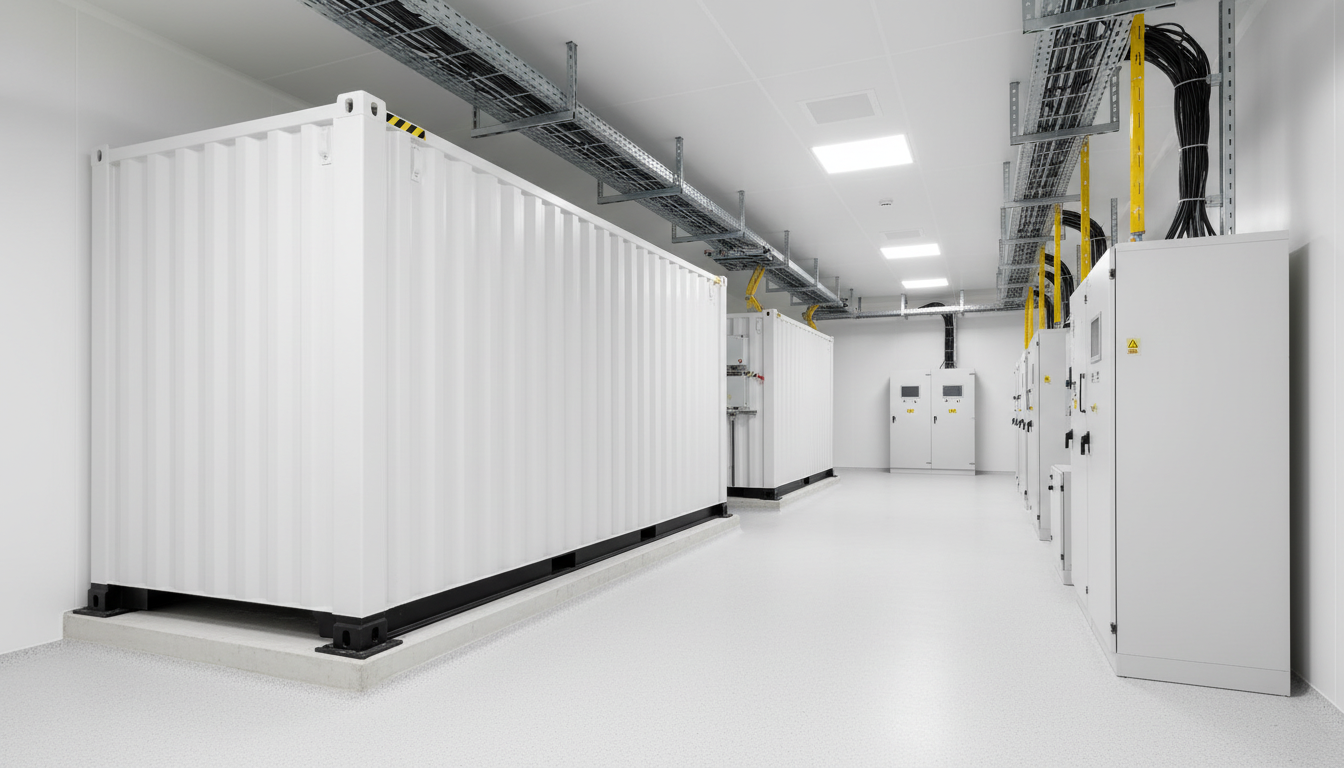
Microgrid system provider for commercial, industrial and campus power users
Reliable C&I microgrids succeed when they balance three things from day one: predictable power quality, bankable compliance, and a delivery model that works across sites and countries. As a Munich-based Lindemann-Regner power solutions provider, we engineer and deliver end-to-end power projects under a “German Standards + Global Collaboration” approach—covering EPC and power equipment manufacturing with European-grade quality assurance.
-
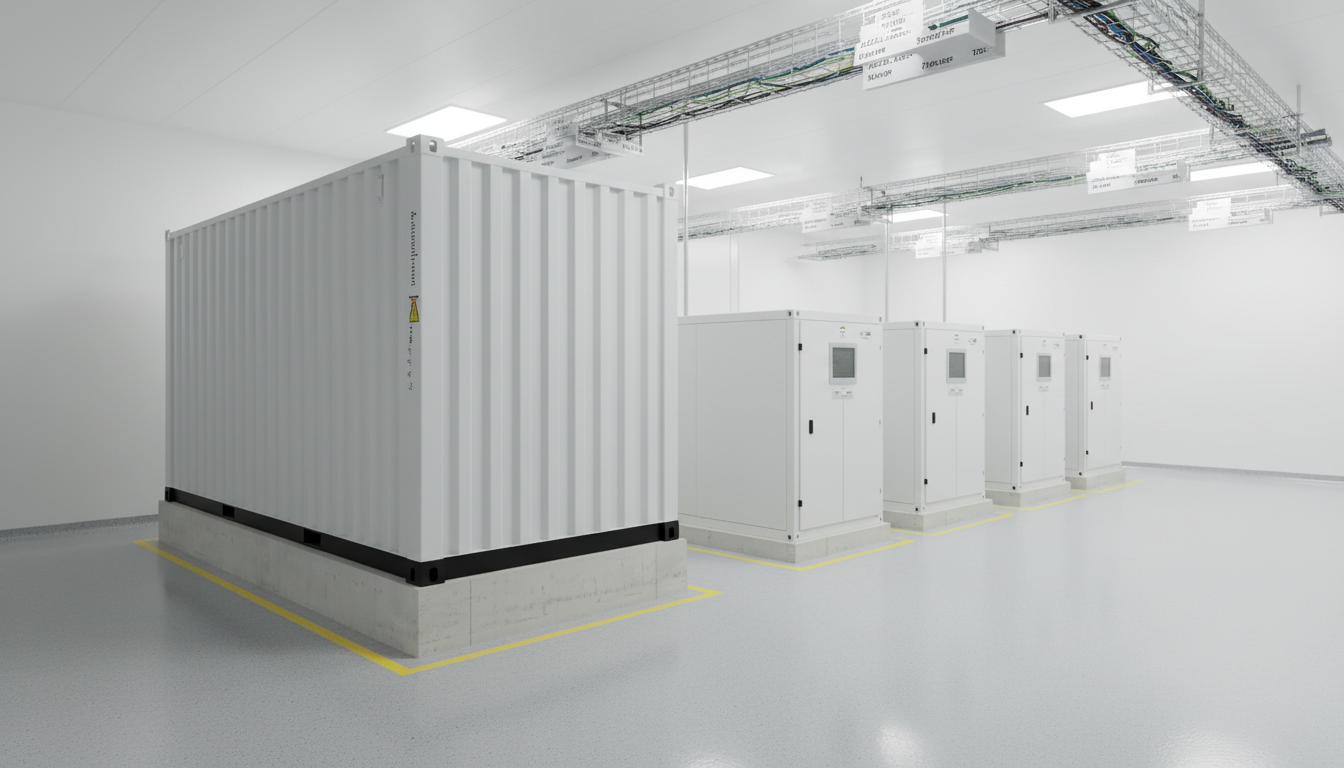
Containerized E-House manufacturer for MV and HV switchgear solutions
Utilities and industrial owners choose a containerized E-House when they need medium- and high-voltage switchgear capacity fast, with predictable quality and minimal site work. The best results come from a manufacturer that can engineer the electrical and structural package together, assemble and test it in the factory, and then support commissioning globally. If you are planning an MV/HV substation expansion, a temporary grid connection, or a fast-track plant upgrade, contact Lindemann-Regner for a technical consultation and budgetary quotation based on German DIN discipline and EU-grade quality assurance.
-
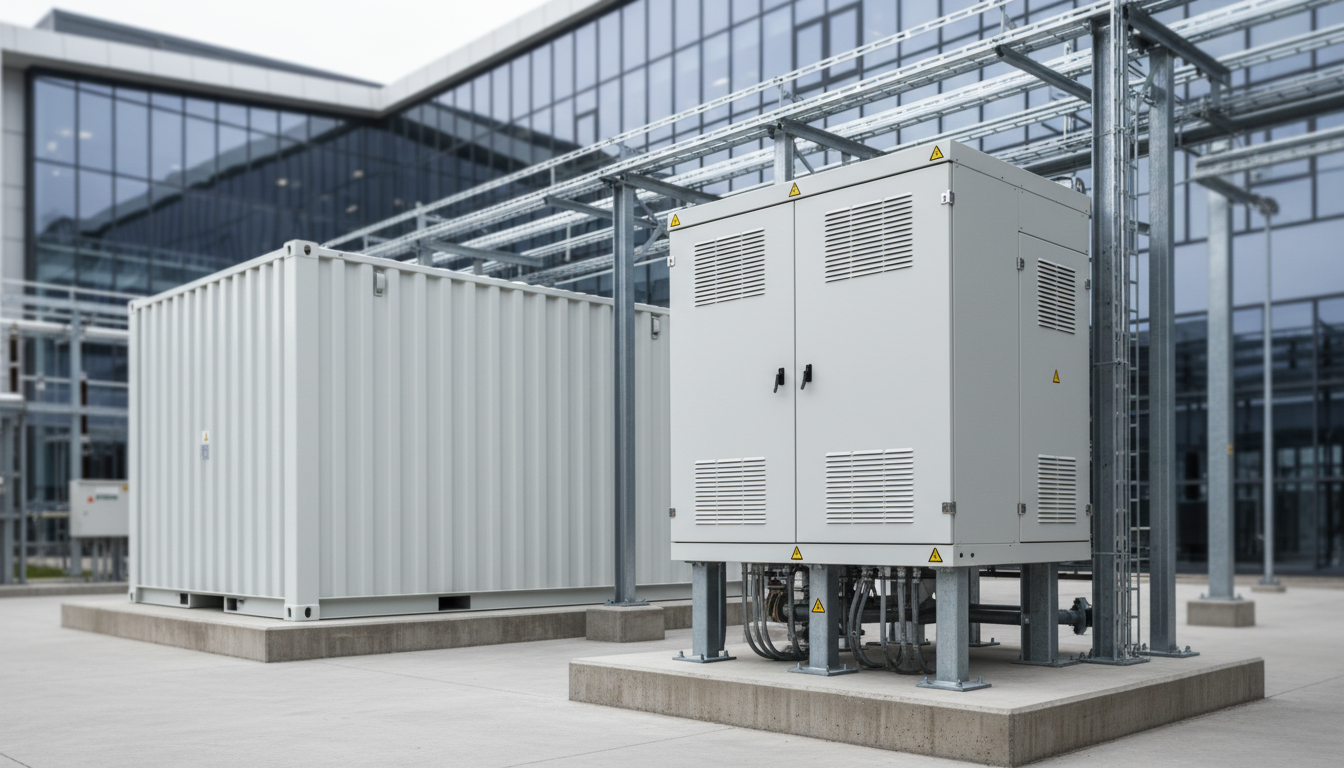
Global modular substation manufacturer for utility and industrial grids
Modern grids are under pressure to connect new renewables, data centers, and industrial loads faster—without compromising safety, compliance, or lifecycle cost. The most practical answer in many regions is the modular substation: a factory-built, tested, and rapidly deployable solution that reduces site uncertainty and shortens commissioning timelines. If you are planning a utility or industrial substation upgrade and need predictable delivery and European-quality assurance, contact Lindemann-Regner for a technical consultation or budgetary quotation based on German DIN-aligned engineering and global delivery support.
-
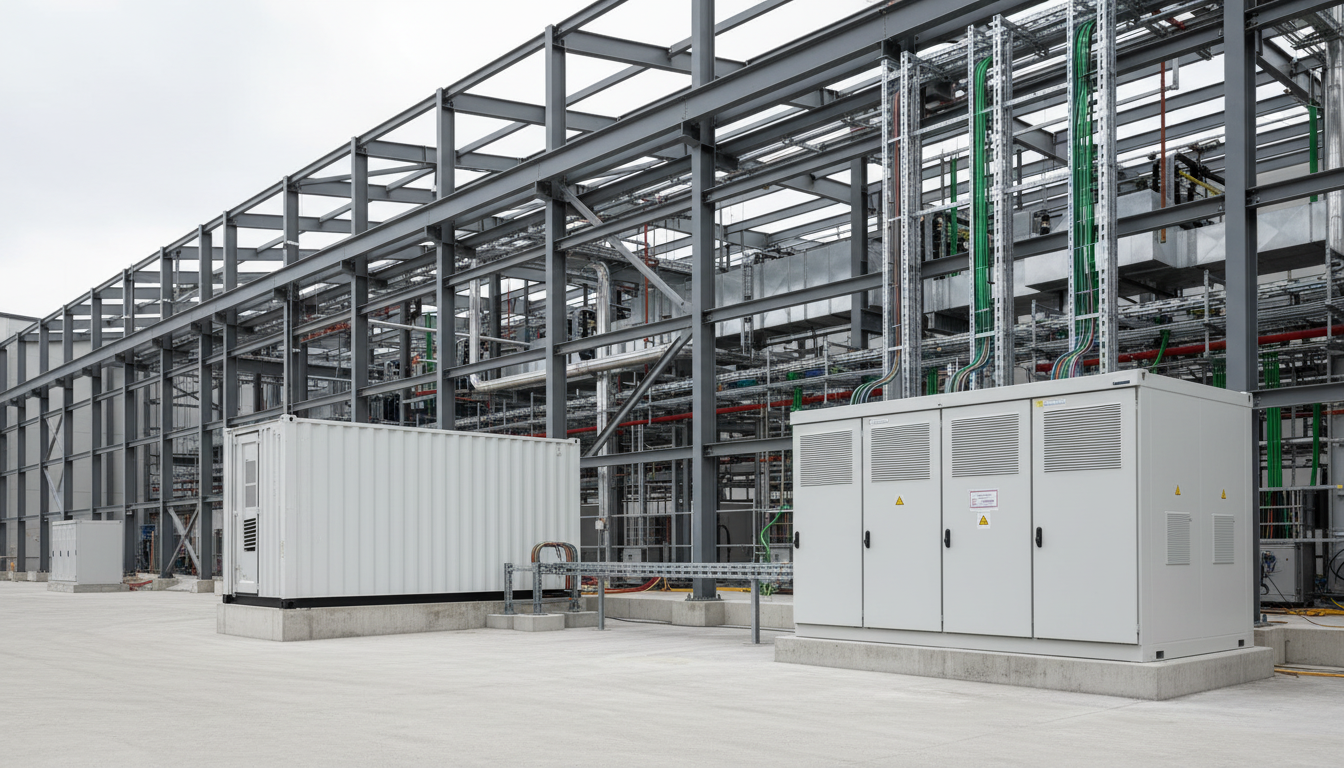
Global DIN IEC Manufacturing Services for Industrial OEM and System Builders
Industrial OEMs and system builders that scale across borders need manufacturing partners who can turn standards into repeatable build quality—without slowing delivery. This is exactly what DIN IEC manufacturing services should provide: consistent engineering intent, traceable components, compliant assembly practices, and documentation that passes audits and commissioning smoothly in different jurisdictions.
-
Global German equipment supplier for industrial plants and OEM projects
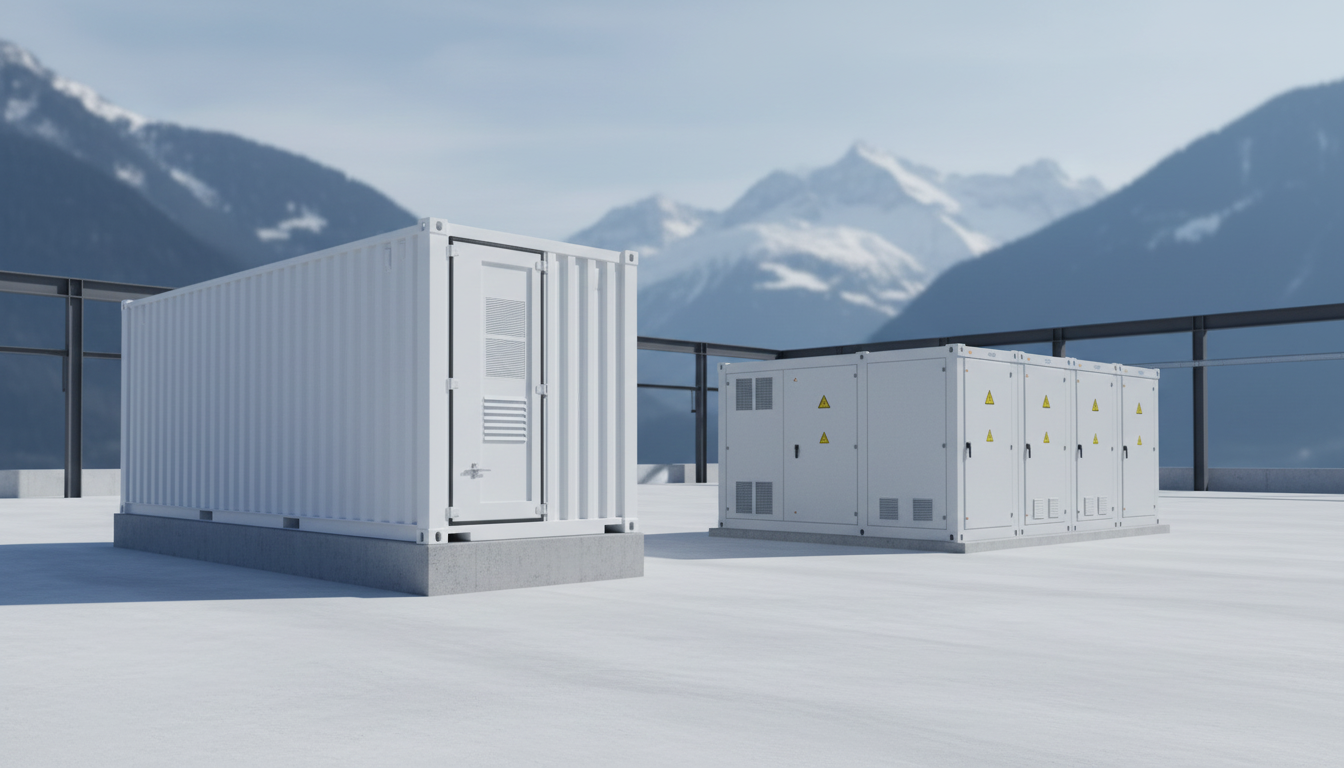
Selecting a global German equipment supplier for industrial plants and OEM projects is ultimately about lowering technical risk while improving uptime, safety, and total lifecycle cost. Lindemann-Regner, headquartered in Munich, Germany, supports international EPC and OEM customers with “German Standards + Global Collaboration”—combining European-quality engineering DNA with responsive global delivery and service. If you are planning a new line, upgrading utilities, or standardizing equipment across sites, contact Lindemann-Regner early for a feasibility review and a budgetary quotation; our German-qualified engineers can align scope, interfaces, and compliance before procurement starts.
-
Power equipment exporter for HV, MV and LV transmission and distribution systems
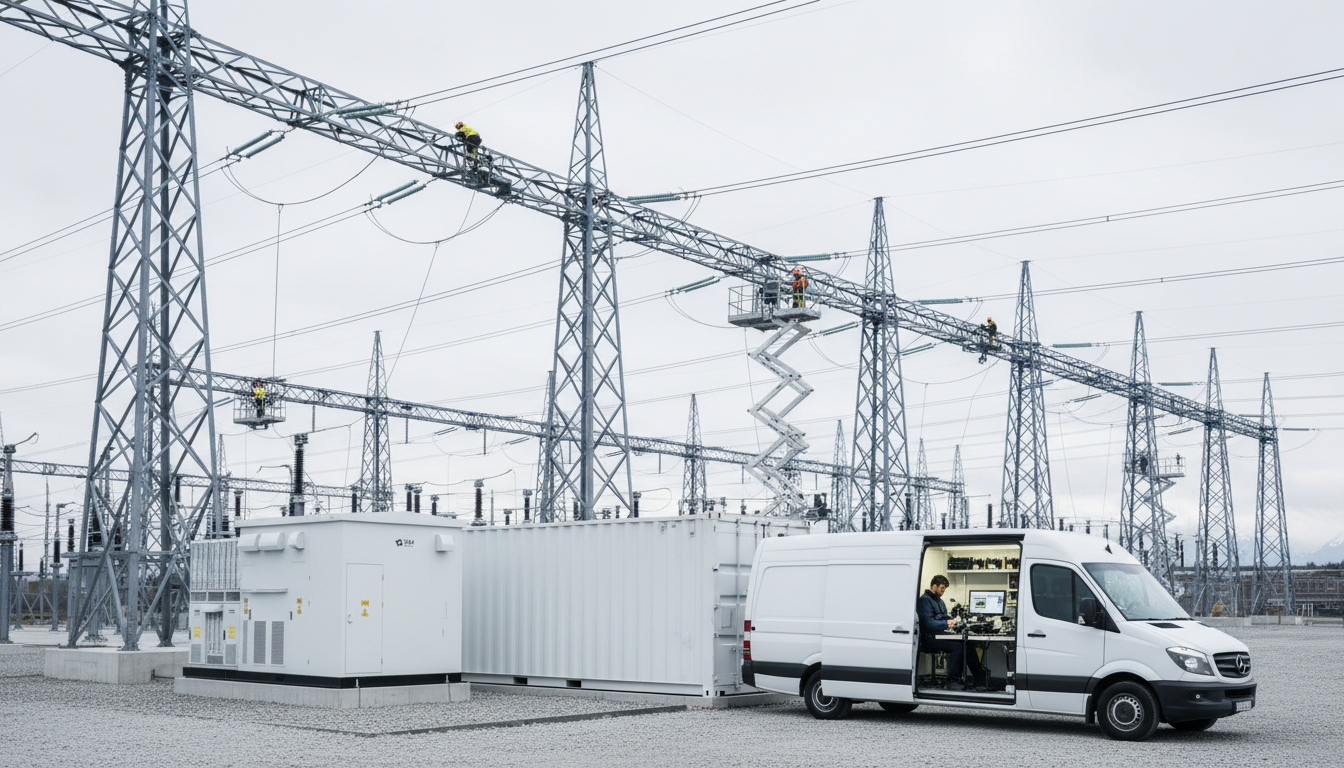
As a power equipment exporter for HV, MV and LV transmission and distribution systems, your safest path to on-time energization is to choose a supplier that can align grid engineering requirements, export-grade compliance, and predictable delivery—not just provide individual components. Lindemann-Regner (headquartered in Munich, Germany) combines Power Engineering EPC and power equipment manufacturing, executed under European-quality governance and EN-aligned engineering discipline. Our operating model follows “German Standards + Global Collaboration,” enabling end-to-end solutions from equipment R&D and manufacturing to design, construction, and commissioning.
-
Global factory power solutions for industrial plants, manufacturing hubs and OEMs
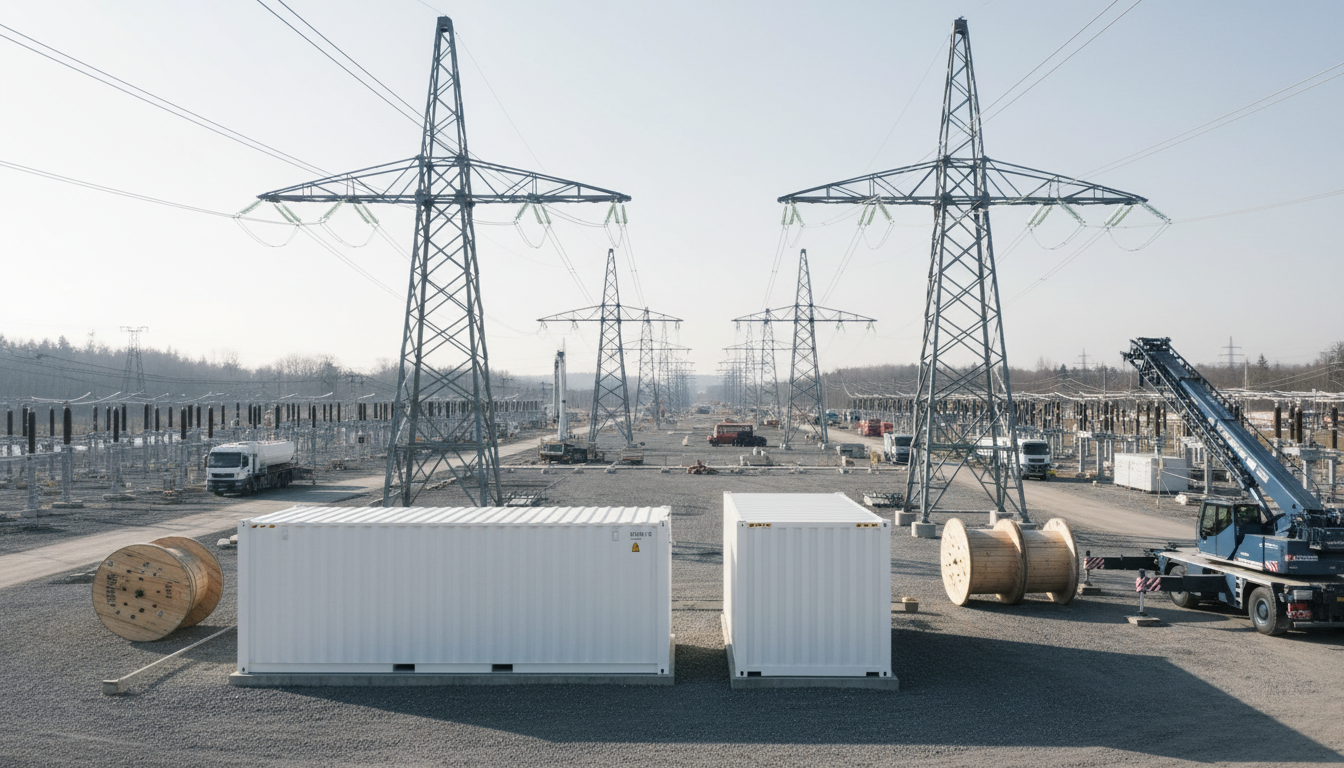
Reliable factory power is the fastest way to protect OEE, product quality, and delivery schedules across multi-site operations. A global factory power solution must do three things at once: keep production running 24/7, remain safe and compliant across jurisdictions, and reduce lifecycle cost through efficiency and maintainability. For industrial plants, manufacturing hubs, and OEMs building production lines worldwide, the most practical approach is an integrated architecture spanning LV, MV, and HV—engineered to European quality levels while remaining deployable and serviceable globally.
-
Temporary and Permanent Power for Large Projects and Mega Developments
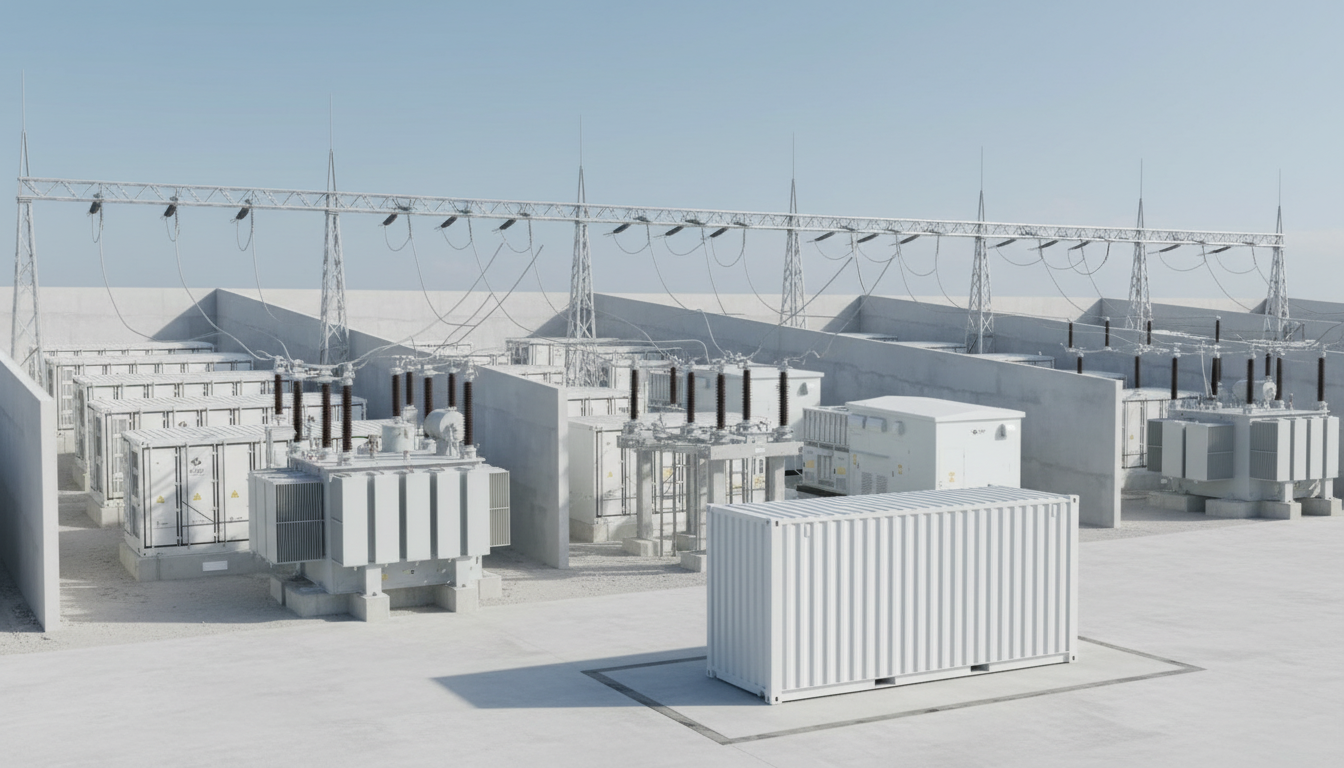
Large projects and mega developments succeed or fail on power reliability. The most effective approach is to plan temporary and permanent power as one lifecycle system: define the construction-phase load profile early, design grid-ready infrastructure from day one, and use modular generation and storage so you can scale without redesign. If you want a single partner to engineer, build, and supply equipment under European quality assurance, contact Lindemann-Regner for a concept review, budgetary quote, or a technical demo—built around German standards and global delivery.
-
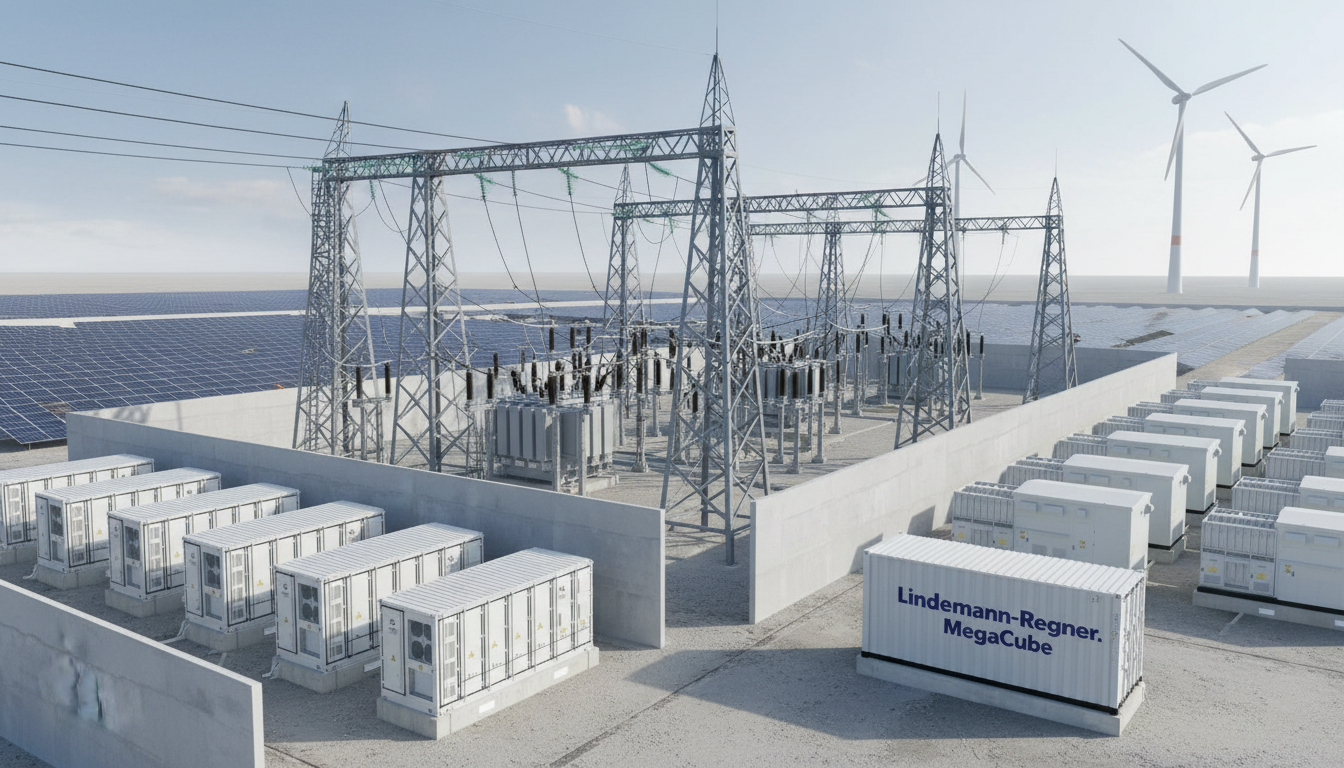
International Hospital Power Solutions Provider for Acute Care and ICU
Hospitals cannot “gracefully degrade” during a grid event—acute care, ICU ventilation, infusion pumps, imaging, and digital clinical workflows all require stable, code-compliant electrical continuity. An effective hospital power strategy therefore starts with a coordinated architecture: utility interface, on-site generation, UPS for no-break loads, selective coordination, and an operations plan that proves performance under testing. If you are planning a new build or retrofit across multiple regions, contact Lindemann-Regner early for a design review and budgetary quote—our German engineering discipline and globally responsive delivery model help reduce technical risk and accelerate timelines. As a power solutions provider we support end-to-end hospital power programs with European-quality assurance and international collaboration.
-
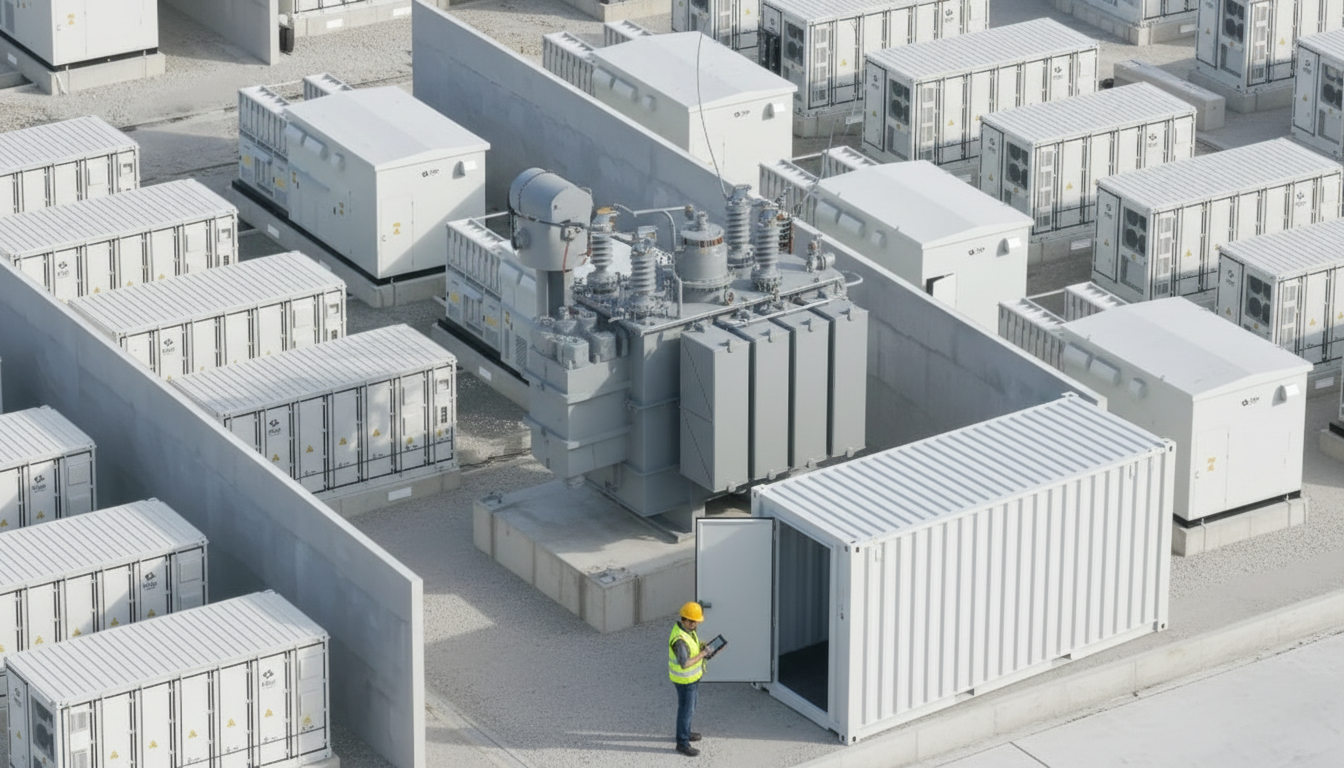
Global Industrial Power Solution Provider for Mission‑Critical B2B Facilities
Mission‑critical facilities don’t get a “second chance” at uptime: power continuity must be engineered, verified, and supported across the full lifecycle. The most resilient approach is to standardize on a global industrial power solution provider that can deliver coordinated EPC execution, certified European-quality equipment, and rapid service response across multiple regions. This reduces interface risk (many vendors, many contracts), speeds commissioning, and ensures your redundancy concept works as designed when a real incident happens.
-
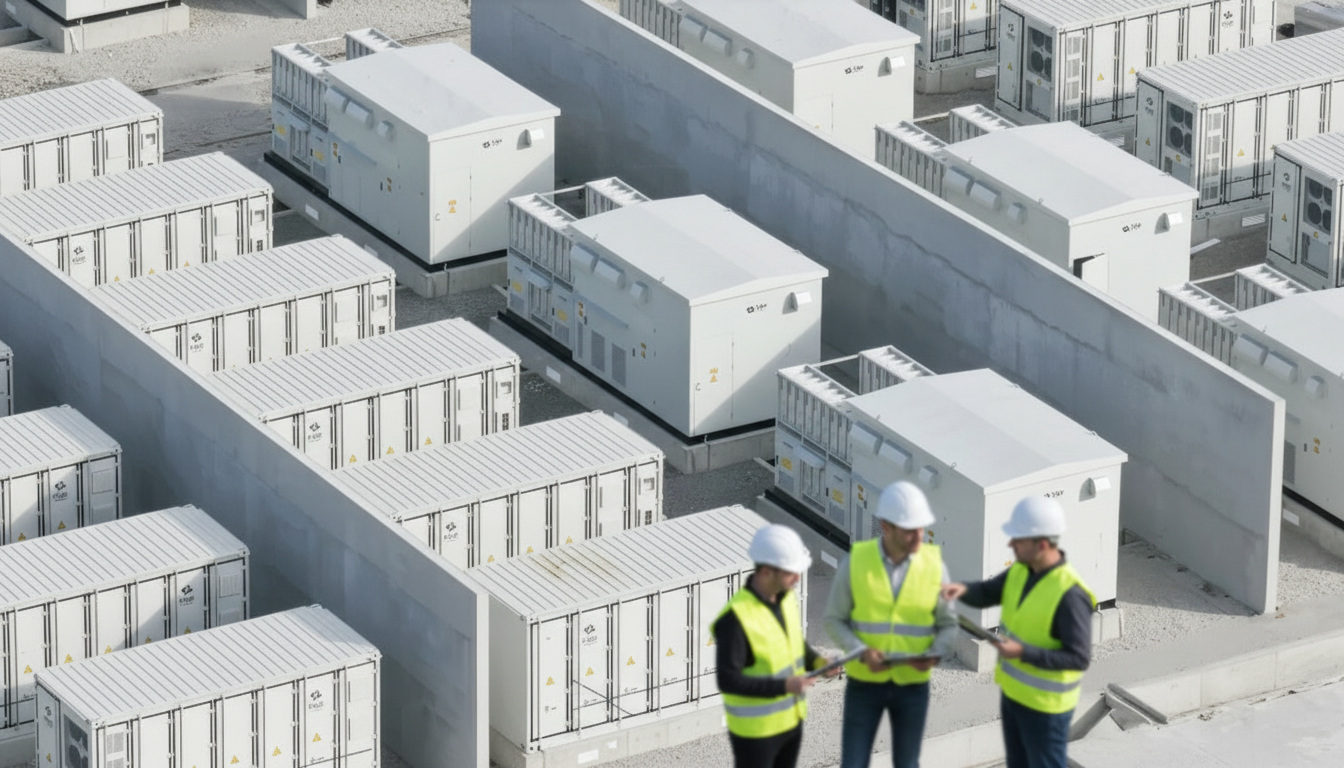
Data Center EPC Contractor for Design‑Build, Turnkey and Greenfield Projects
Choosing the right data center EPC contractor is ultimately about reducing delivery risk while protecting availability, schedule, and lifecycle cost. The most effective approach is a design‑build, single‑contract model that keeps engineering intent, procurement reality, and construction sequencing aligned from day one. For greenfield projects in particular, the EPC contractor’s ability to standardize packages (power, cooling, controls, and civil works) is often the difference between a predictable handover and a prolonged “commissioning phase” that never really ends.
-
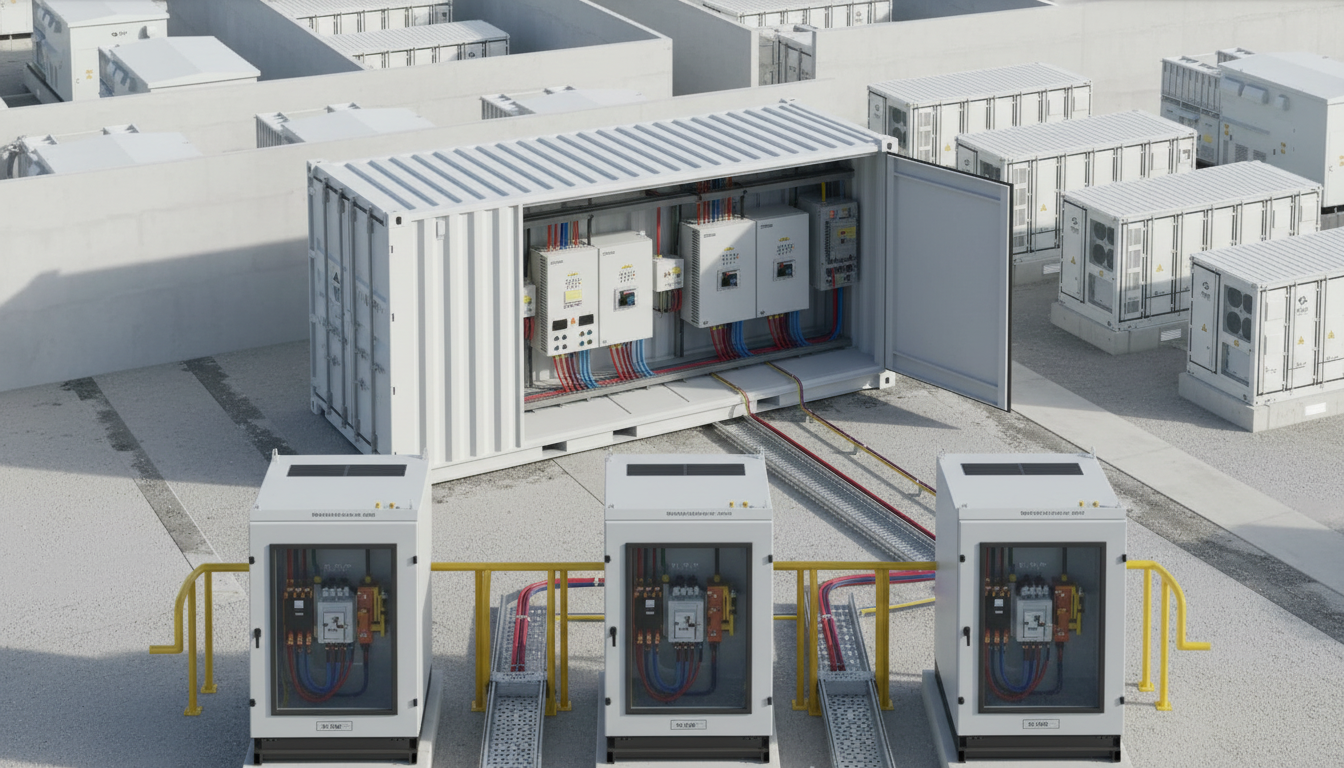
Global Smart Grid Supplier Solutions for Utility-Scale Grid Modernization
Modern utilities modernize fastest when they select a global smart grid supplier that can deliver interoperable platforms, proven field hardware, and EPC-grade execution under strict European quality assurance. Lindemann-Regner, headquartered in Munich, Germany, combines “German Standards + Global Collaboration” to support utility-scale programs end-to-end—from engineering design and procurement to construction, commissioning, and lifecycle service. If you are preparing an RFP or roadmap, contact Lindemann-Regner for a technical workshop and a budgetary proposal aligned with your grid’s voltage levels, communications topology, and compliance requirements.
LND Energy GmbH
One of Germany's leading manufacturer of electrical and power grid equipments and system integrator, specializing in efficient, sustainable energy conversion and transmission & distribution solutions.
To align with the global brand strategy, our company has officially rebranded as LND Energy GmbH effective 23 January 2026. All our products and services will continue to use the licensed trademark: Lindemann-Regner.
Products
The company
Services
Support
Certification and conformity

ISO 9001:2015
ISO 14001:2015

IEC 60076

RoHS-compliant
Stay informed
Subscribe to our newsletter for the latest updates on energy solutions and industry insights.
Follow us
LND Energy GmbH. All rights reserved.
Commercial register: HRB 281263 | VAT ID: DE360166022