
-
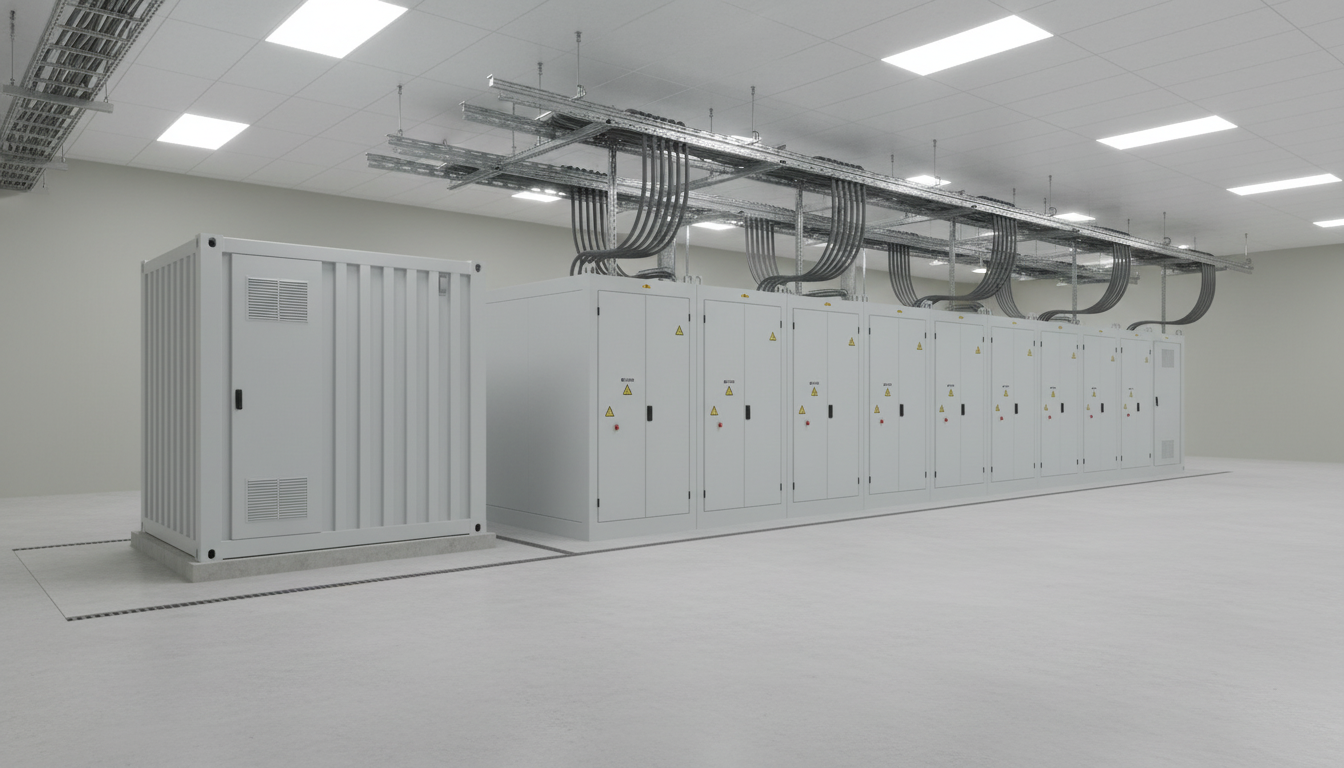
Turnkey German EPC Contractor for Industrial Plants and Infrastructure
Choosing a turnkey German EPC contractor is the fastest way to reduce interface risk, stabilize schedules, and enforce consistent quality across engineering, procurement, and construction—especially for complex industrial plants and infrastructure. The practical outcome you should expect is single-point responsibility for scope, cost, timeline, and compliance, supported by disciplined design control and transparent procurement. Headquartered in Munich, Germany, Lindemann-Regner delivers end-to-end power and industrial project capabilities through EPC turnkey execution and power equipment manufacturing, guided by “German Standards + Global Collaboration.”
-
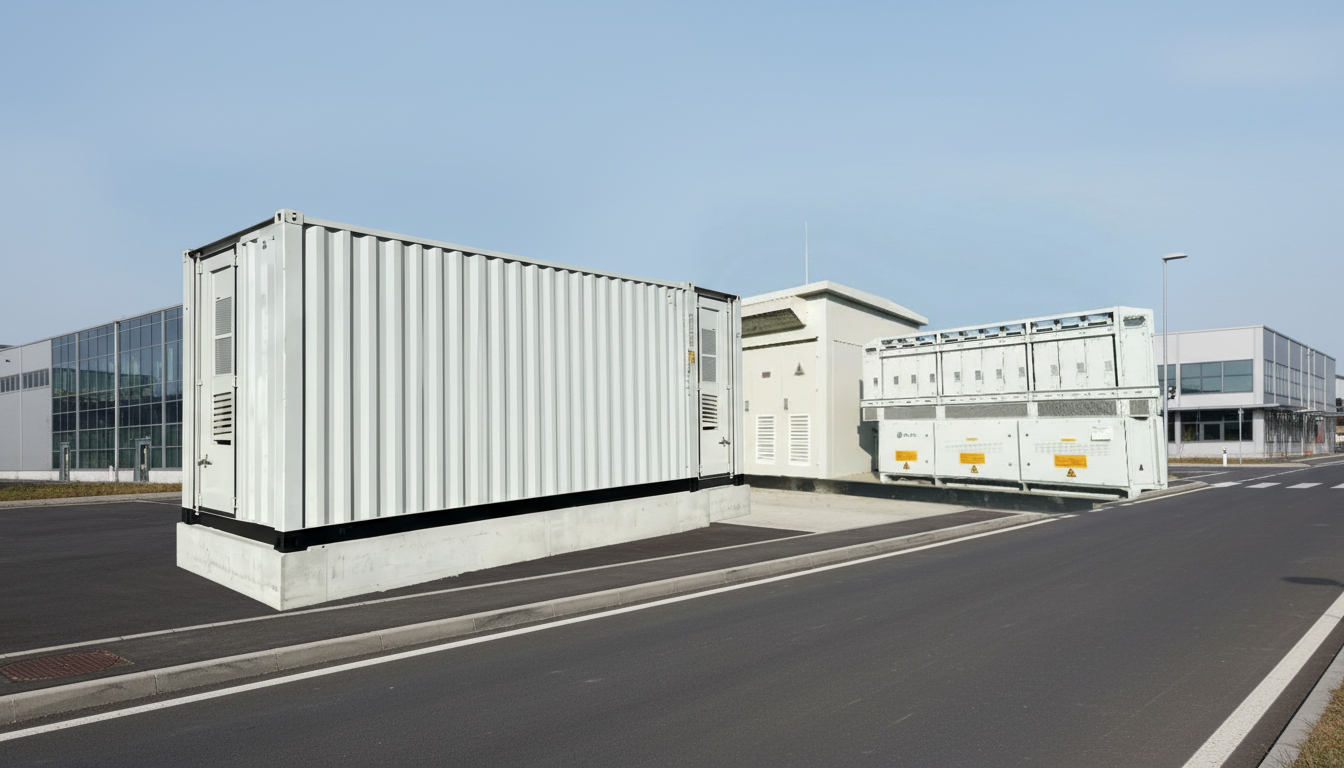
Global EPC Power Projects in the EU: Turnkey Engineering, Procurement and Construction
Delivering Global EPC Power Projects in the EU successfully comes down to one practical truth: the project owner needs a single accountable partner who can integrate engineering, procurement, construction, testing, and handover under EU-grade compliance. That is exactly where Lindemann-Regner positions itself—Headquartered in Munich, Germany, we provide end-to-end power solutions combining German Standards + Global Collaboration, spanning EPC turnkey delivery and power equipment manufacturing. If you are planning an EU generation, grid, or storage program and need reliable timelines, EN-aligned execution, and European-quality assurance, contact Lindemann-Regner for an initial technical exchange and budgetary EPC proposal.
-
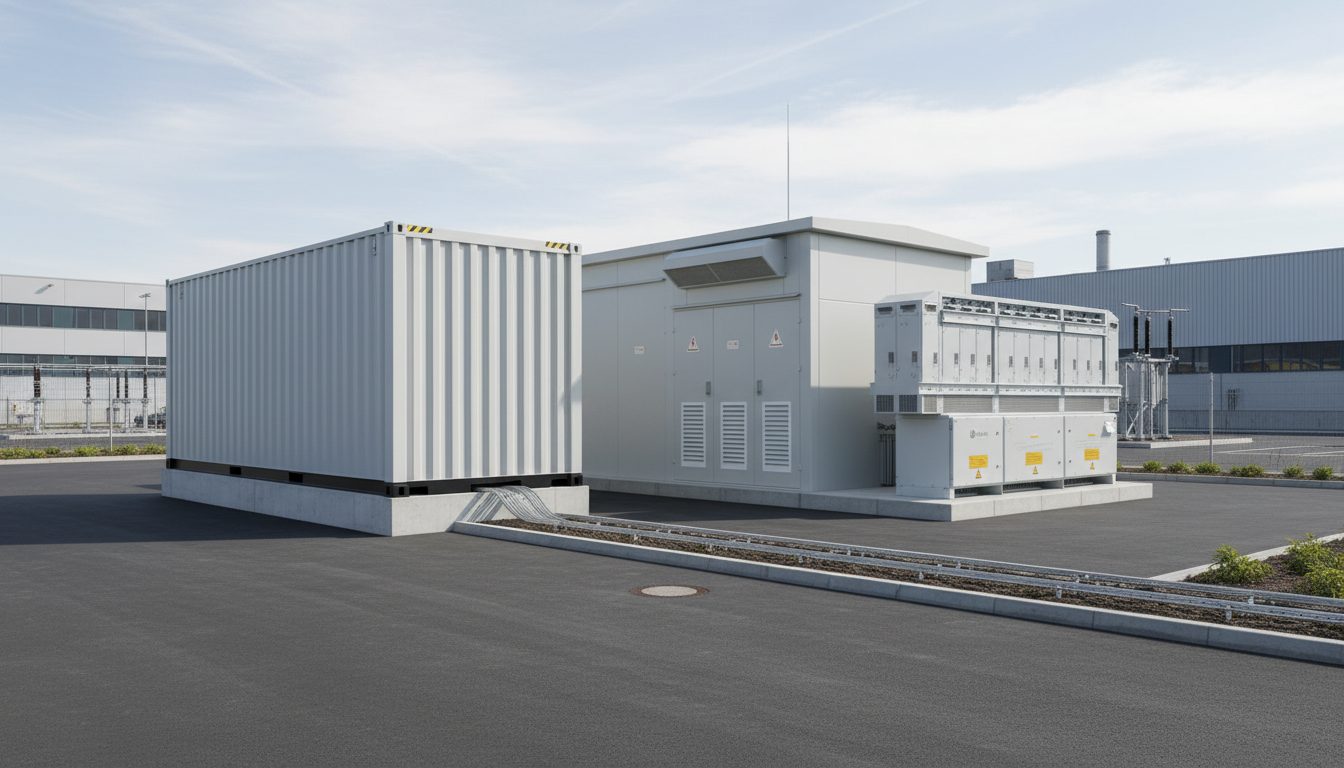
Global Multi-Feeder Switchboard Solutions for Industrial Power Distribution
Industrial power distribution becomes predictable when the switchboard is designed as a system, not a box. A well-specified multi-feeder switchboard (often an MSB in LV applications) delivers selective protection, stable busbar temperature rise, straightforward maintenance, and an expansion path that doesn’t force a shutdown months later. The practical goal is simple: coordinate incoming and outgoing feeders so faults are cleared locally, uptime is protected, and power quality stays within the limits your process can tolerate.
-
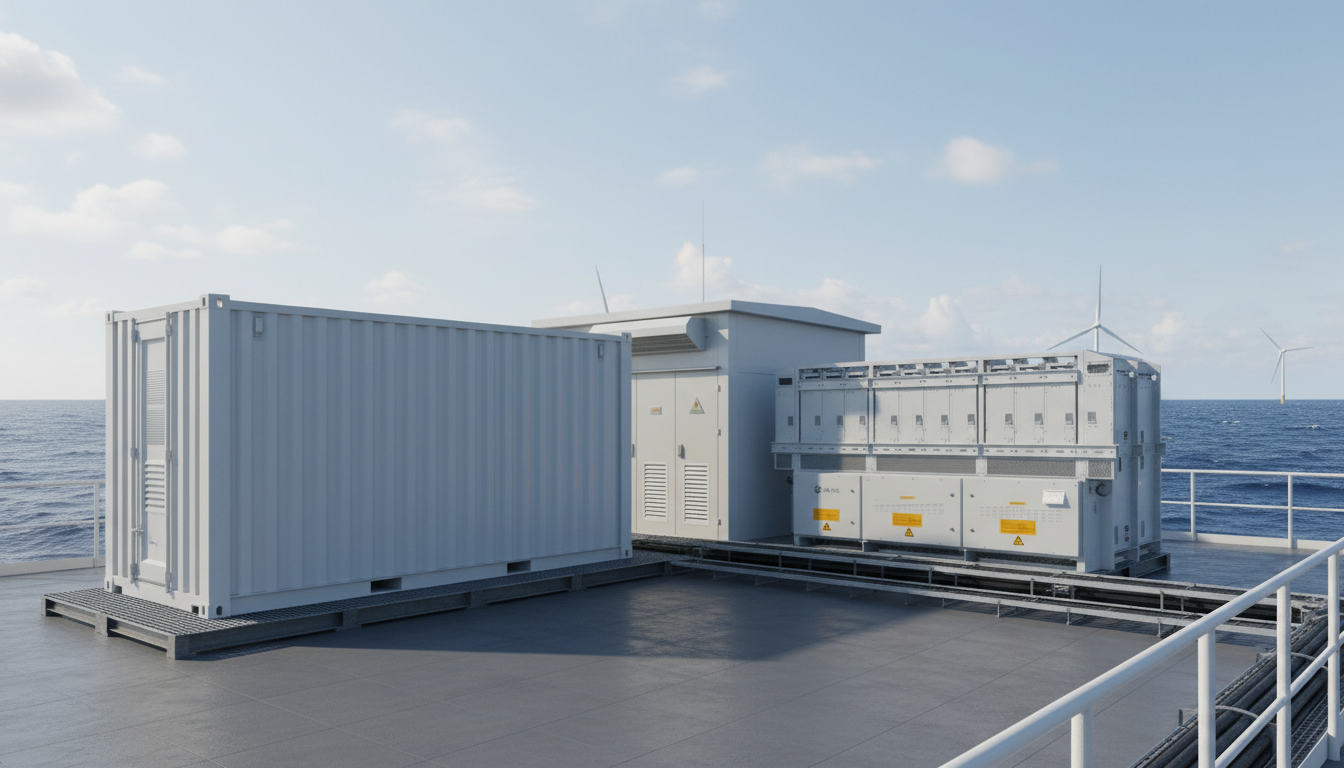
Industrial Remote Control Panels for Machine and Process Automation
Reliable industrial remote control panels for machine and process automation reduce downtime, standardize operator workflows, and make complex systems safer to run. For B2B owners and engineers, the fastest path to a stable rollout is to align HMI/PLC/SCADA architecture, enclosure engineering, safety compliance, and commissioning procedures from day one—before the panel layout is frozen.
-
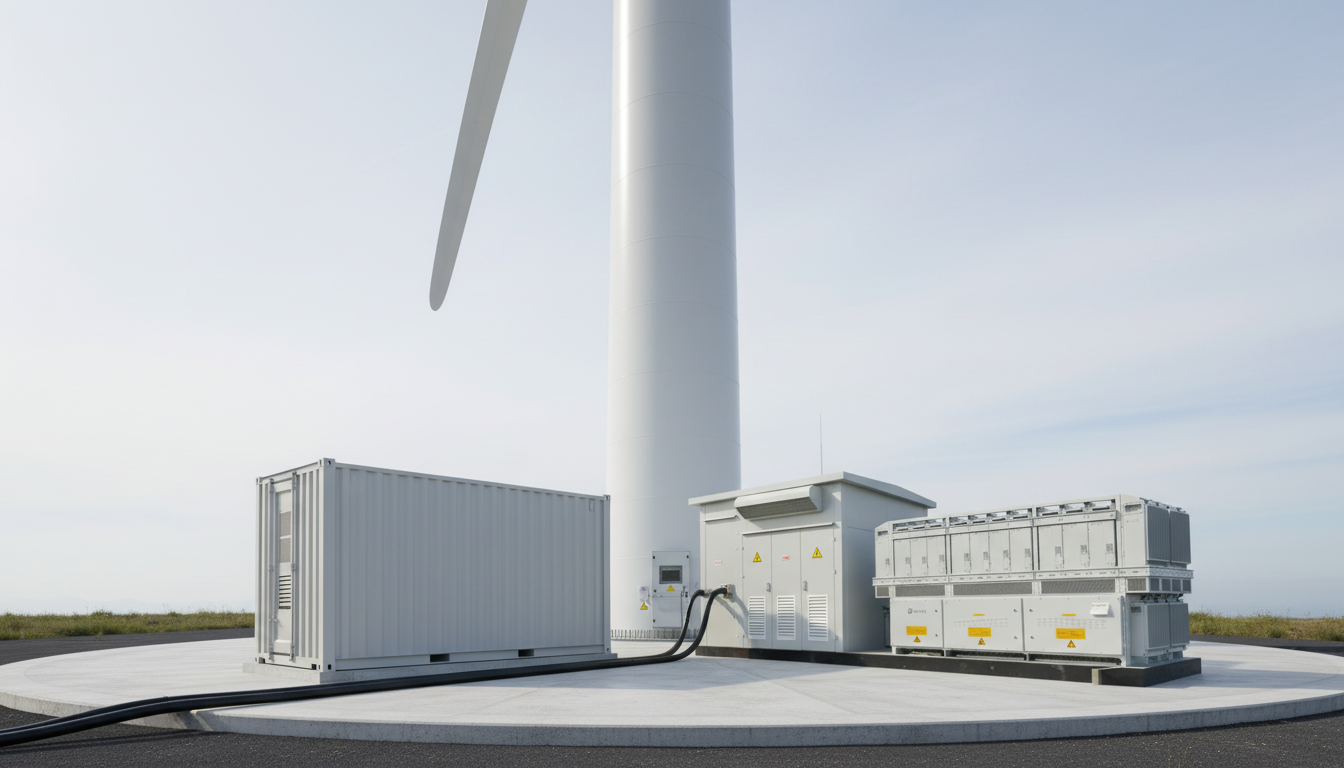
Scalable Switchgear Solutions for Industrial MV/LV Power Distribution
Industrial facilities that plan for growth should treat MV/LV switchgear as a scalable platform, not a one-off purchase. The most reliable approach is to standardize on modular switchgear line-ups that can expand feeder count, short-circuit capacity, digital functions, and room layout with minimal downtime. This is exactly where German engineering discipline—documented interfaces, verified type-testing, and strict lifecycle practices—pays back over years of expansion.
-
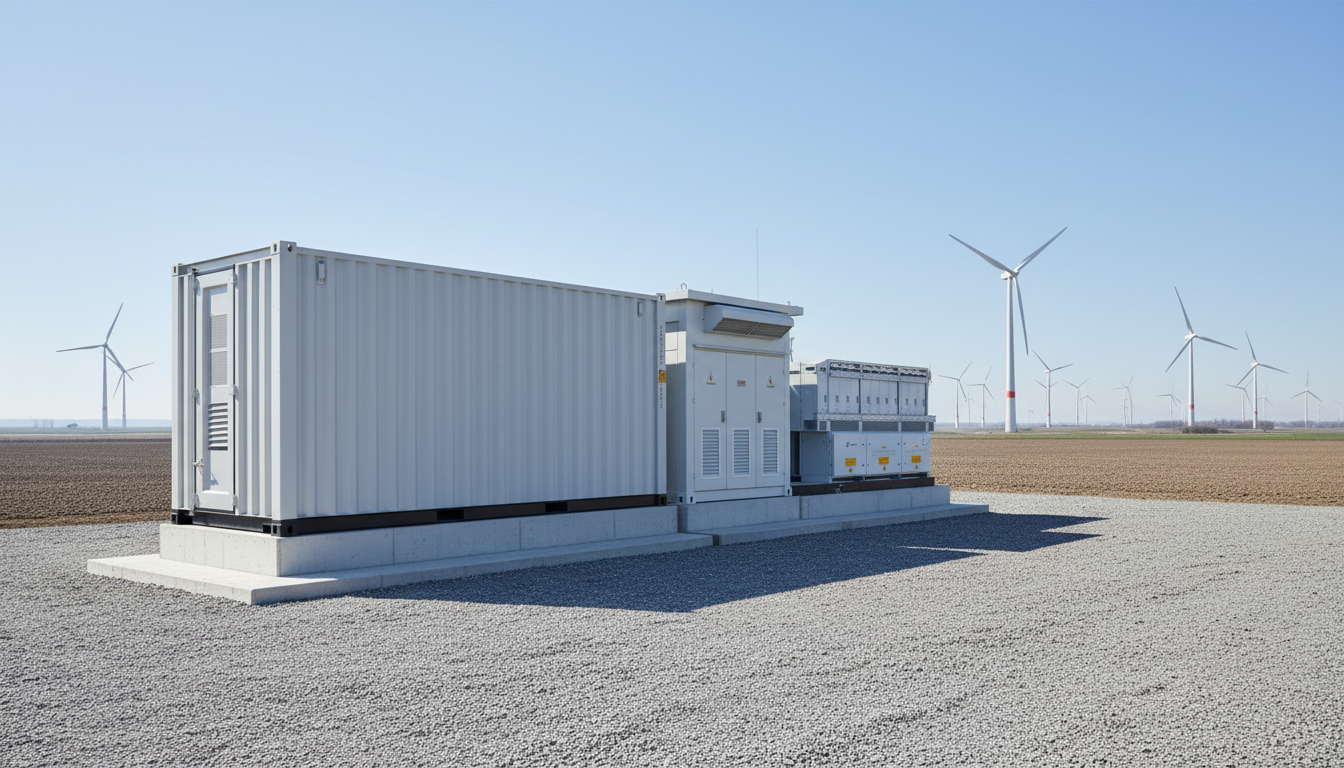
Factory Power Distribution Solutions for Medium Voltage and Low Voltage Networks
Reliable factory power distribution starts with one principle: design MV/LV networks as an integrated system (not disconnected equipment purchases), so safety, uptime, and expansion remain predictable over the plant’s full lifecycle. If you are planning a new industrial facility, a line expansion, or a brownfield retrofit, Lindemann-Regner can support you from concept through commissioning—combining German engineering discipline with globally responsive delivery. To request a budgetary estimate or a technical review, contact Lindemann-Regner for consultation aligned with German DIN and European EN practices.
-
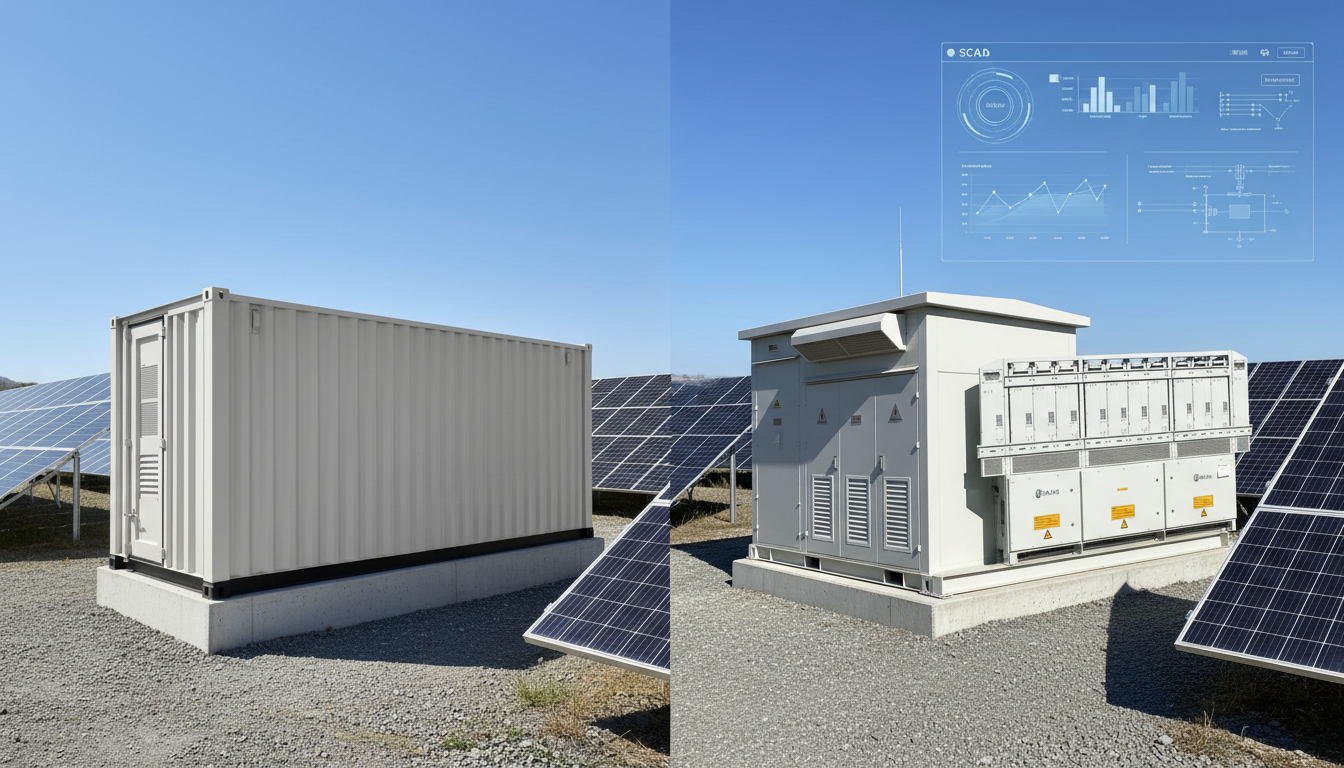
Metro Power RMU Solutions for Urban Distribution and Metro Rail Grids
Urban metro grids need medium-voltage switching that is compact, reliable, and maintainable in constrained underground spaces. A well-specified Metro Power RMU (ring main unit) achieves high service continuity in distribution rings, enables safe sectionalizing in tunnels and stations, and reduces outage impact through fast isolation and clear switching logic. For project owners and EPC teams, the best results come from aligning RMU configuration with traction and auxiliary load profiles, environmental constraints (humidity, dust, vibration), and the applicable IEC and railway codes.
-
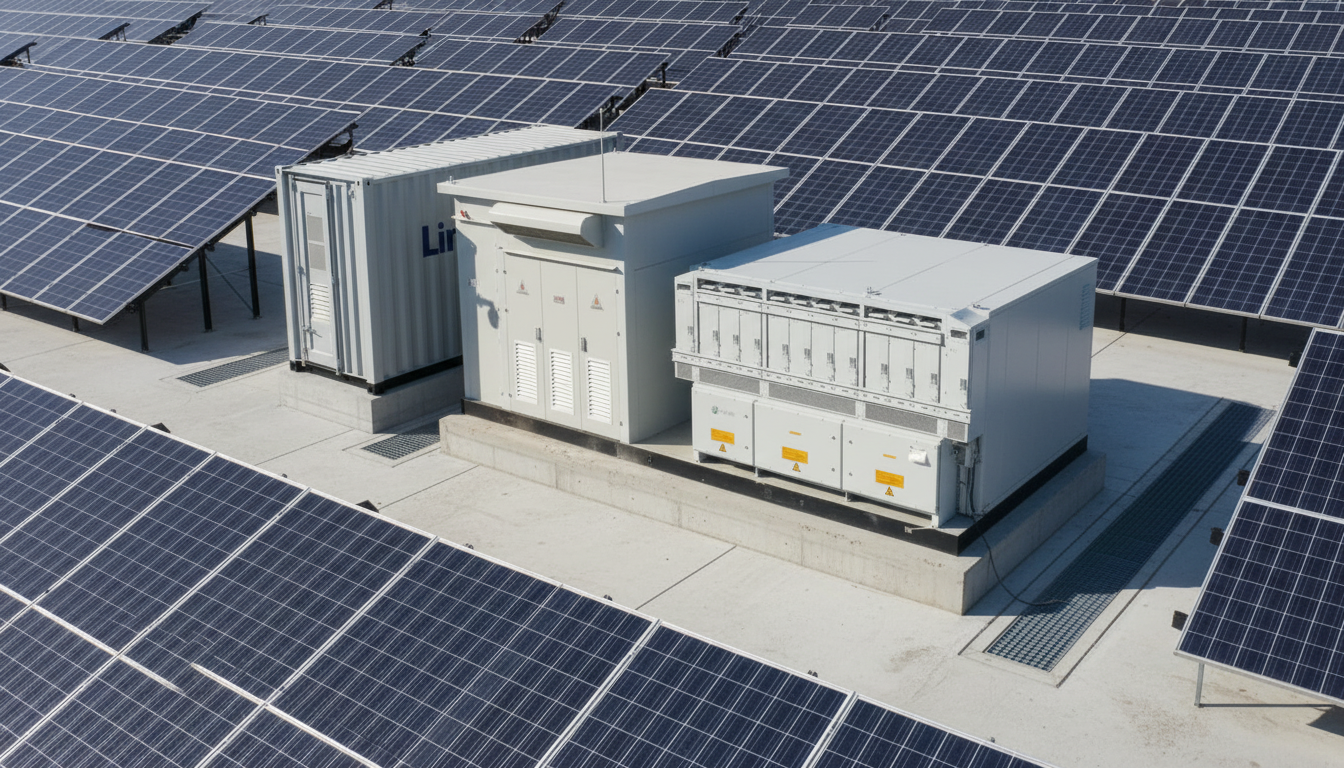
Outdoor RMU Solutions for 11kV–36kV Distribution Grids and Substations
Outdoor RMU solutions for 11kV–36kV distribution grids and substations are typically the fastest way to standardize medium-voltage switching, protect feeders, and reduce outage time—especially where space is limited and weather exposure is unavoidable. The practical goal is simple: achieve safe sectionalizing, reliable protection, and scalable automation with cabinet designs that survive harsh outdoor conditions.
-
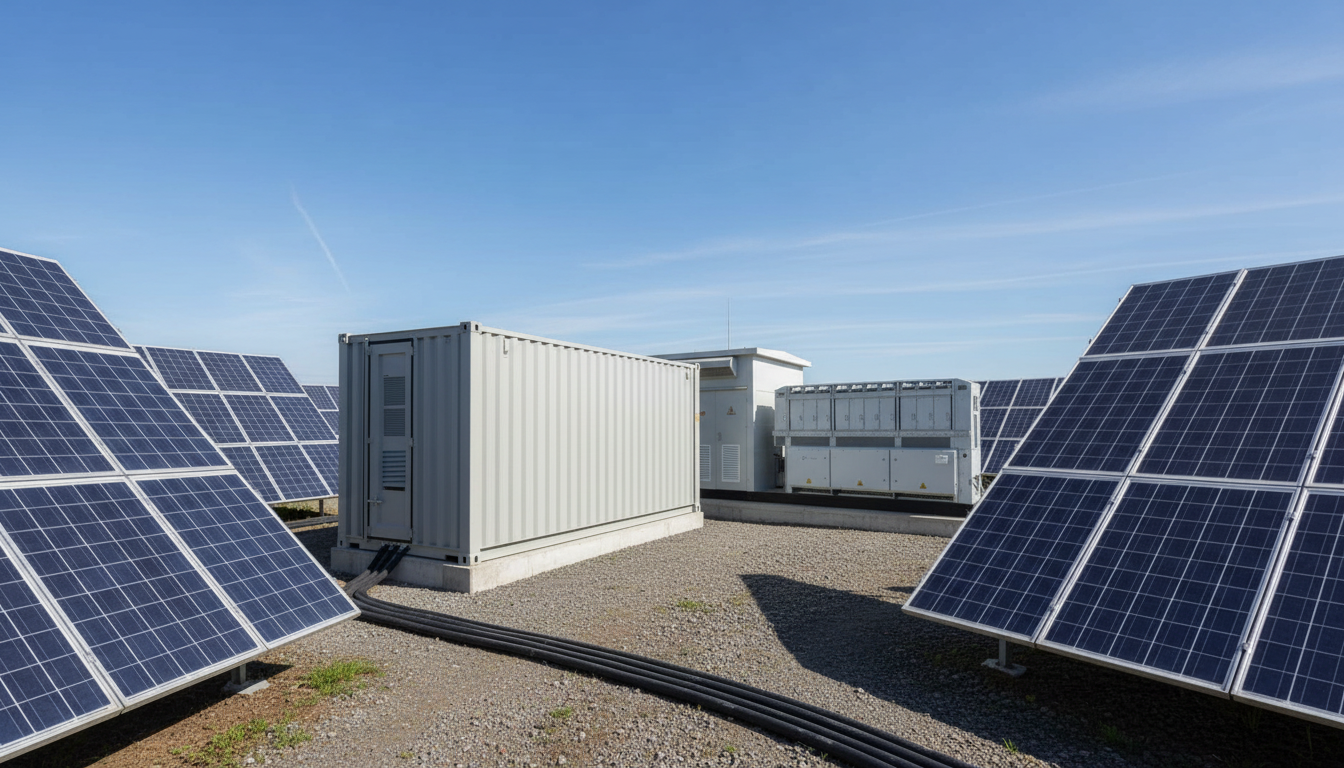
Global B2B Guide to Anti-Corrosion Cabinets, Corrosion Resistant Storage Solutions
If you are sourcing anti-corrosion cabinets for industrial sites, the right decision is less about “finding a cabinet” and more about controlling chemical risk, audit readiness, and long-term operating cost. In global B2B procurement, corrosion resistant storage solutions must match the chemical profile, local regulations, facility ventilation strategy, and inspection routines—otherwise even a well-built cabinet can become a hidden failure point.
-
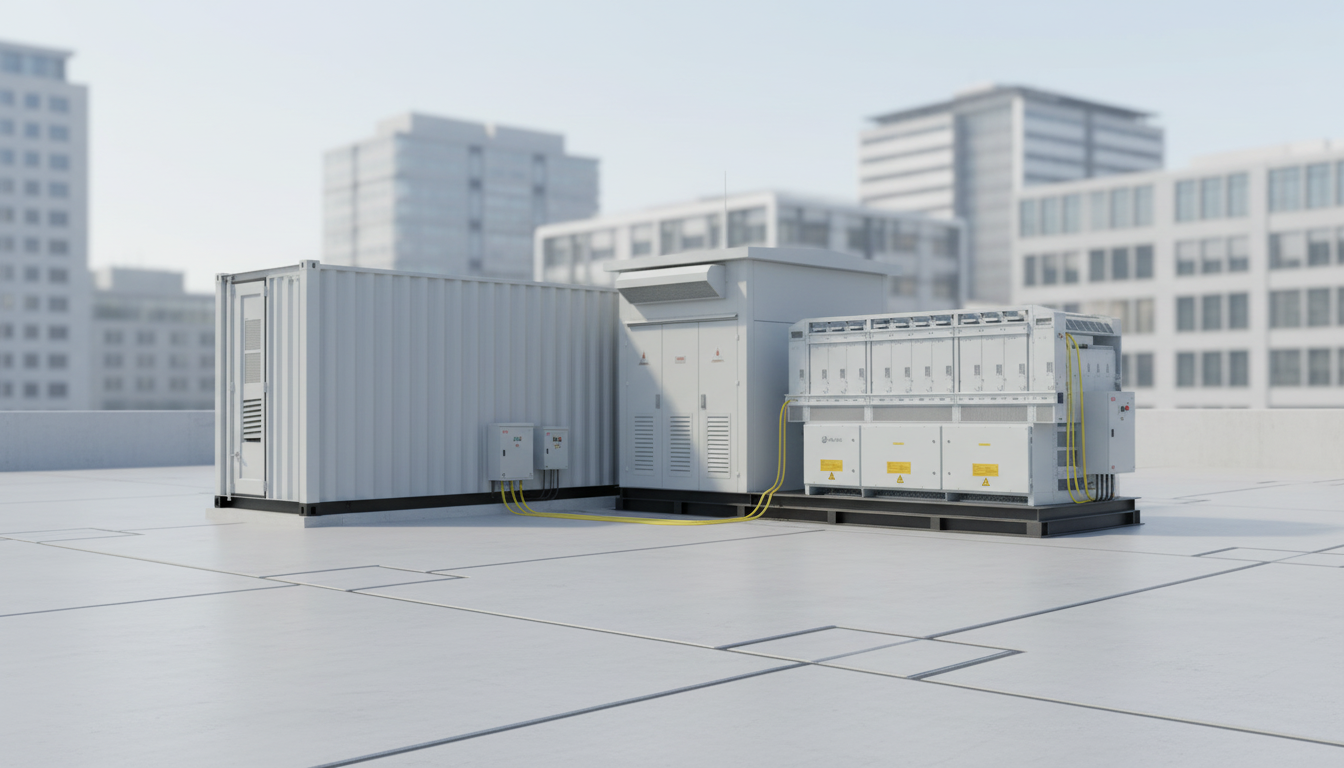
Global anti-condensation switchgear solutions for humid and coastal substations
Condensation is one of the most underestimated reliability threats in medium-voltage (MV) substations located in coastal, tropical, and monsoon climates. The practical conclusion is simple: if you want stable insulation performance and predictable maintenance intervals, you must treat humidity management as a primary design input—not an afterthought. For utilities and EPC teams, the fastest path to risk reduction is to specify anti-condensation measures at three levels: enclosure design, localized heating/air movement, and room-level climate control.
-
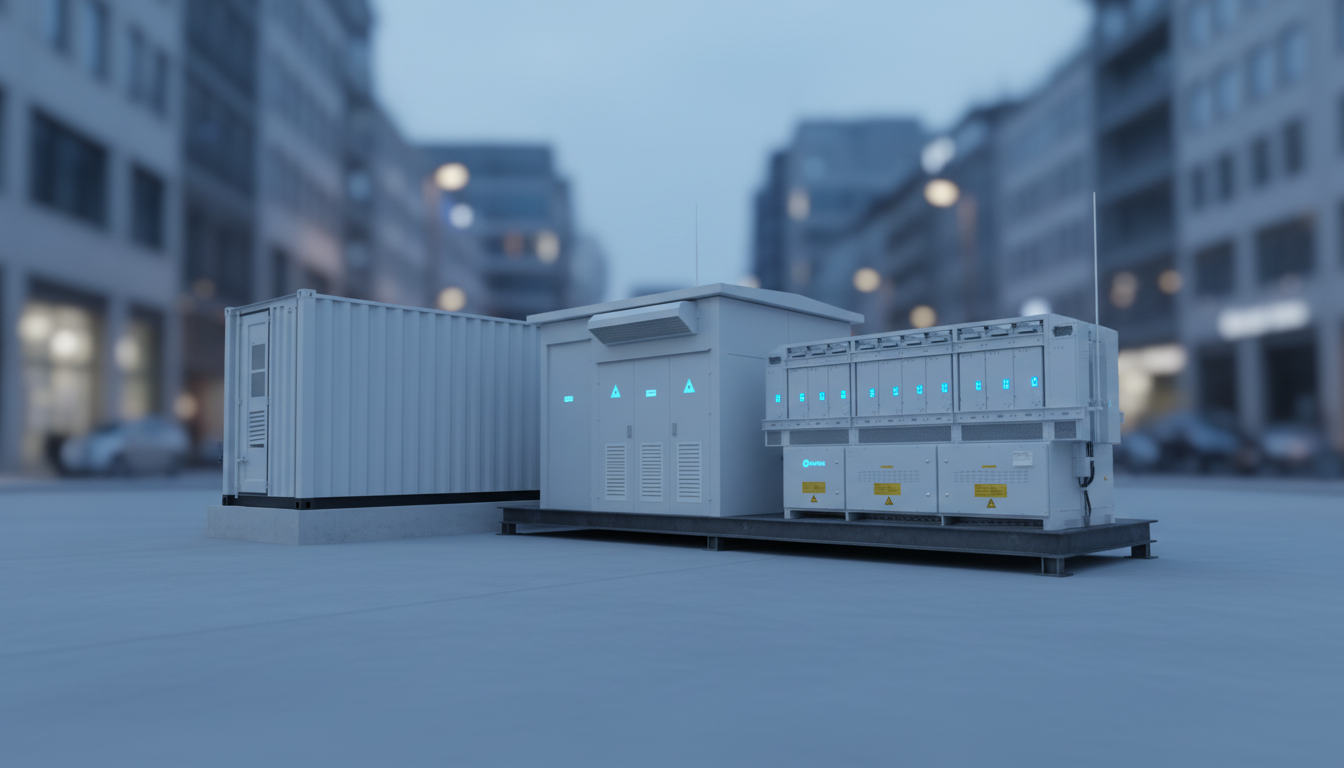
High voltage EN 62271 switchgear for utility, grid and transmission projects
Utilities and EPC contractors choose high voltage EN 62271 switchgear when they need predictable safety performance, auditable compliance, and reliable operation across multi-decade grid assets. The practical takeaway is simple: if your tender documents clearly link duty points (voltage, current, short-circuit, internal arc) to the right EN 62271 clauses and type tests, you reduce technical risk, shorten approvals, and avoid costly rework at FAT/SAT.
-
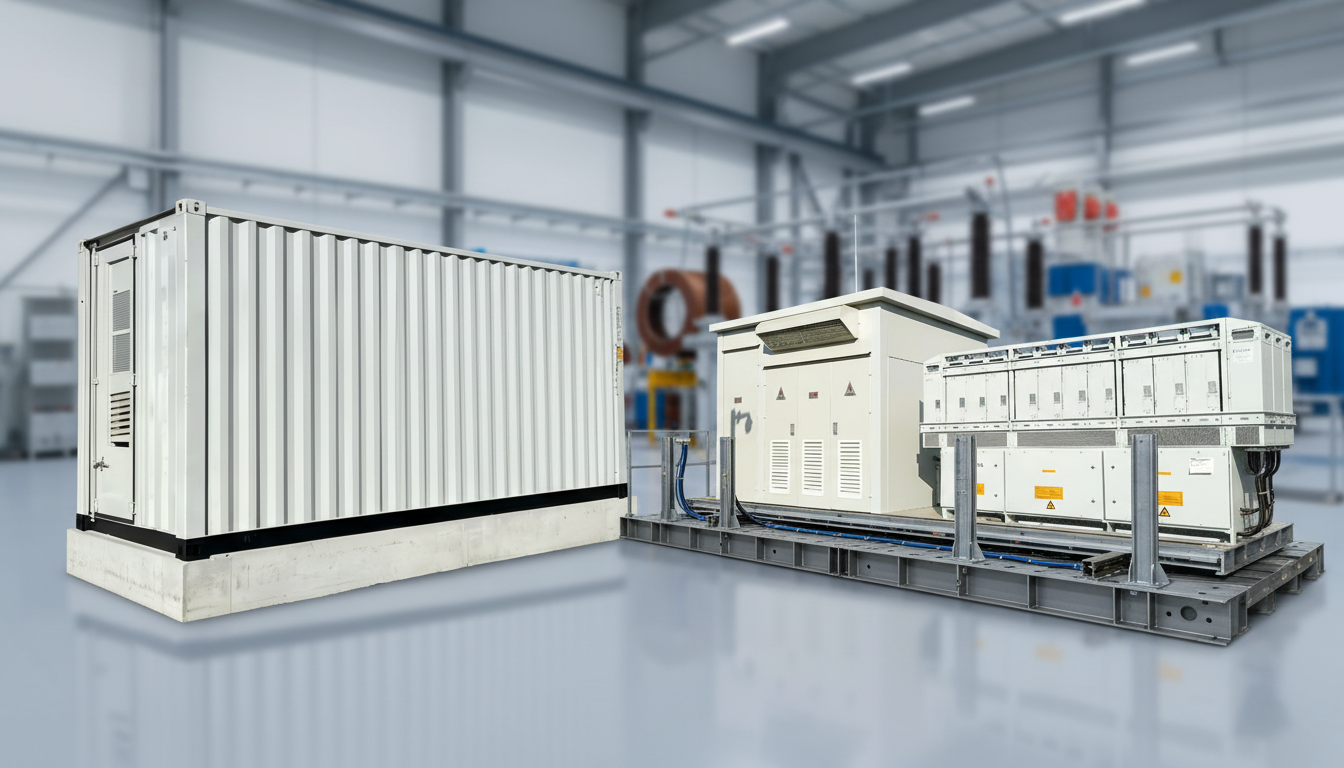
Global VDE certified switchgear solutions for safe industrial power networks
VDE certified switchgear is one of the most practical ways to reduce electrical risk and standardize quality across multi-site industrial power networks. For global owners, EPCs, OEMs, and panel builders, certification is not “paperwork”—it is a repeatable proof that assemblies are designed, verified, and manufactured under controlled conditions, helping you avoid rework, delays, and safety incidents.
LND Energy GmbH
One of Germany's leading manufacturer of electrical and power grid equipments and system integrator, specializing in efficient, sustainable energy conversion and transmission & distribution solutions.
To align with the global brand strategy, our company has officially rebranded as LND Energy GmbH effective 23 January 2026. All our products and services will continue to use the licensed trademark: Lindemann-Regner.
Products
The company
Services
Support
Certification and conformity

ISO 9001:2015
ISO 14001:2015

IEC 60076

RoHS-compliant
Stay informed
Subscribe to our newsletter for the latest updates on energy solutions and industry insights.
Follow us
LND Energy GmbH. All rights reserved.
Commercial register: HRB 281263 | VAT ID: DE360166022