
-
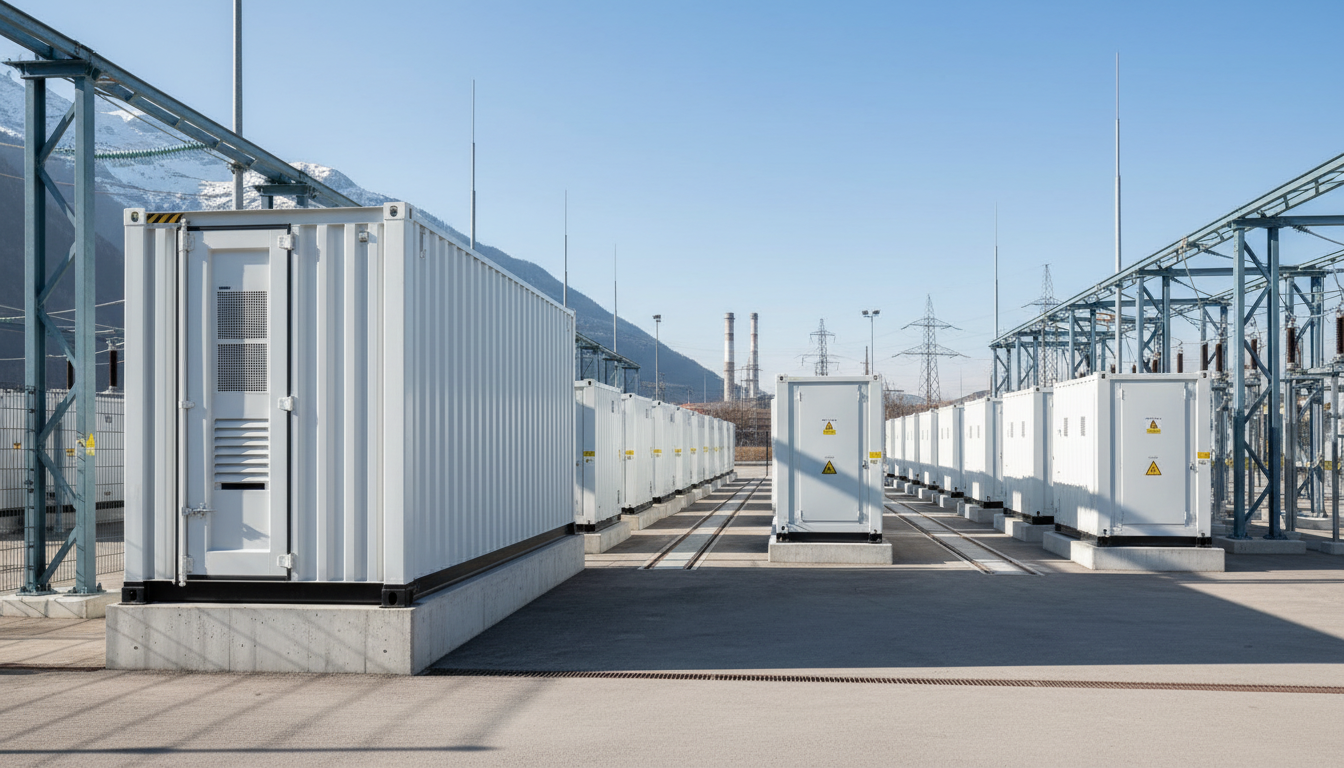
Energy-Efficient Metro Power Solutions for Electrified Rail Lines
Electrified metro systems are under pressure to reduce energy consumption while maintaining punctuality, safety, and resilience. The fastest path to measurable savings is usually a combined approach: optimize metro power architecture (traction + station loads), recover braking energy, stabilize DC voltage and power quality, and then add storage and renewables where they truly improve the load profile. Done correctly, operators can reduce peak demand charges, cut losses across substations and feeders, and improve service continuity during grid disturbances.
-
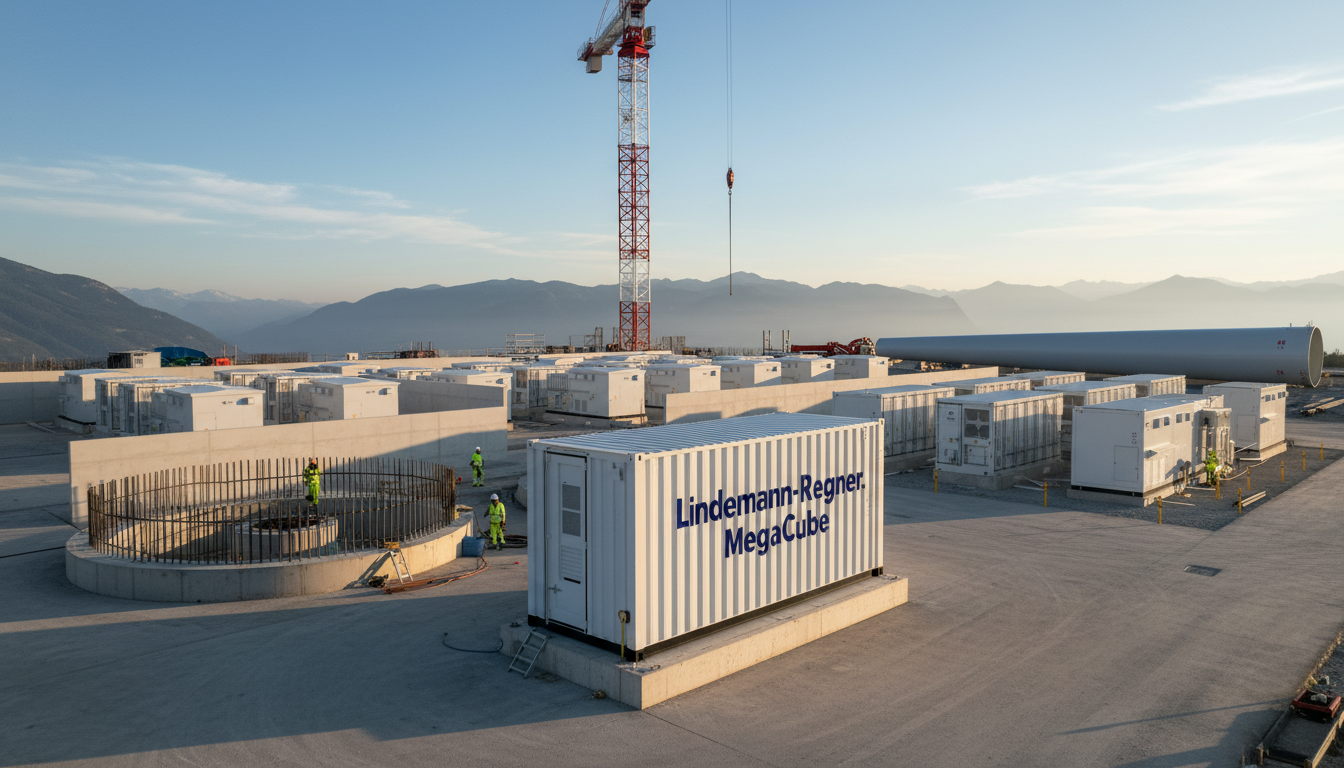
Shore Power Systems and Cold Ironing Solutions for Green Smart Ports
Ports that want measurable decarbonization results should prioritize shore power systems (also called OPS—Onshore Power Supply) and cold ironing as a core “green smart port” capability. The fastest way to cut at-berth emissions is to let vessels switch off auxiliary engines and draw clean, stable electricity from the quay—while the port gains a controllable electrical load that can be optimized with digital energy management.
-
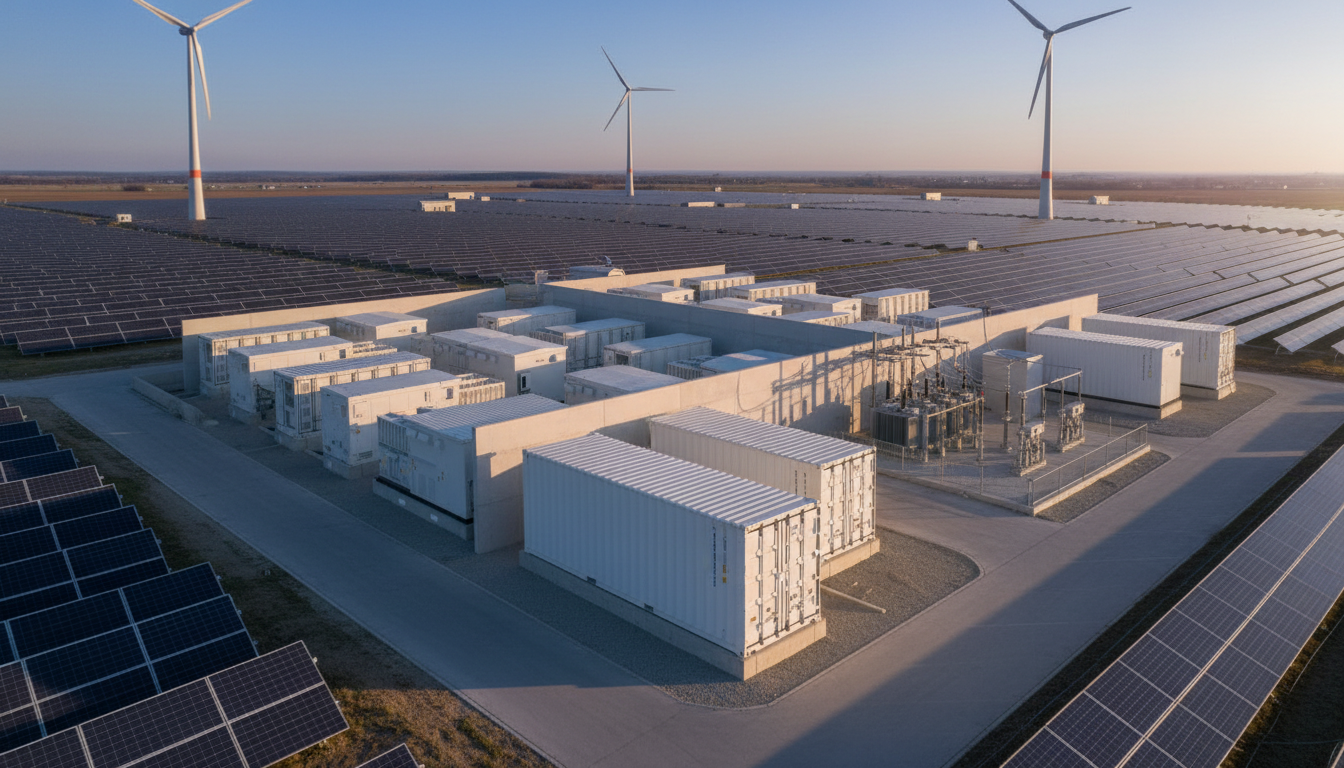
Automation Power Systems for Smart Manufacturing, Robotics and Machine Control
To keep smart manufacturing lines stable, the most reliable approach is to design automation power systems as an engineered subsystem (not an afterthought): define load profiles, select a resilient architecture (AC/DC + DC/DC + protection + monitoring), and validate against safety/EMC plus maintainability targets. This prevents common failures—nuisance PLC resets, servo undervoltage trips, robot brake release issues, and communication noise—especially as factories add more robots, AGVs, and data-driven controls.
-
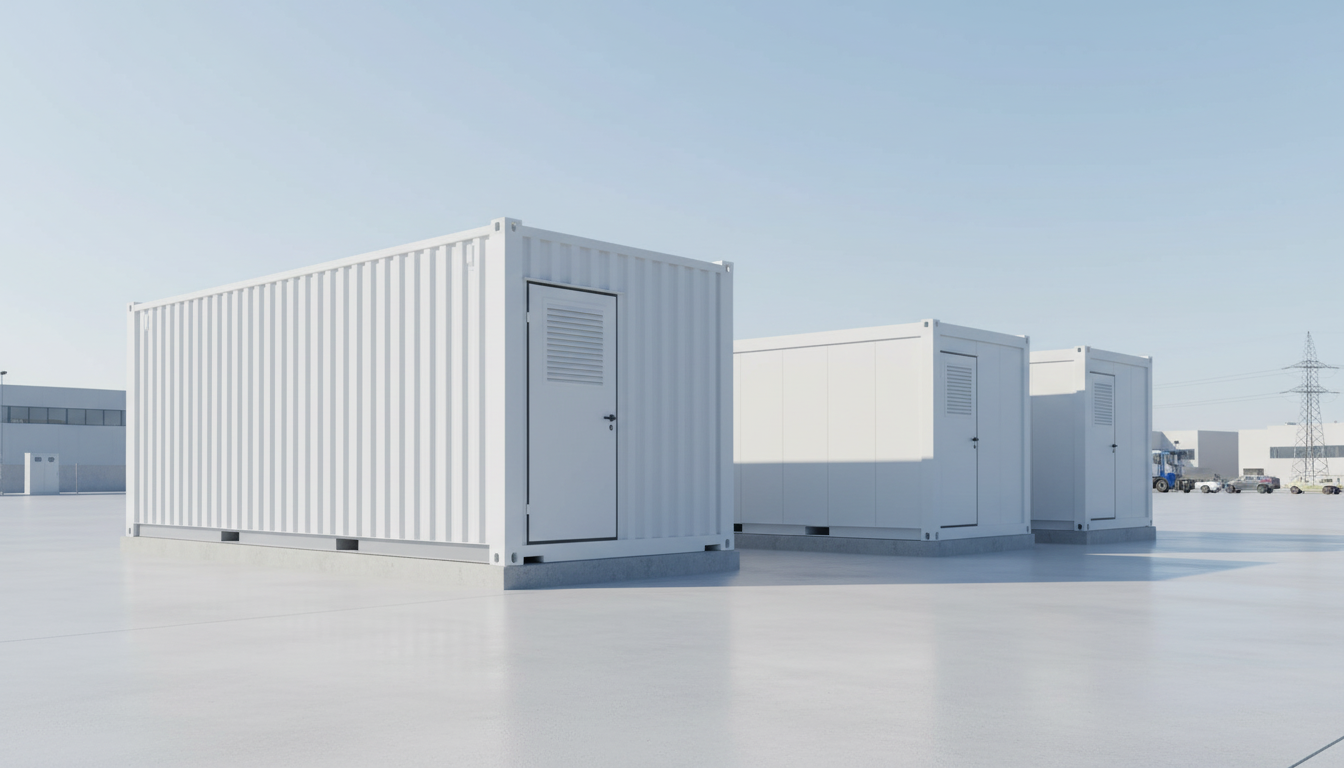
Uninterruptible Power Supply for Hospitals: UPS and Backup Power Design
Hospitals should treat uninterruptible power supply for hospitals as a life-safety system, not a convenience. The practical goal is simple: keep critical clinical loads energized with stable voltage and frequency during utility disturbances, generator start-up, transfer events, and internal distribution faults—while also meeting healthcare codes, documentation, and testing requirements. If you are preparing a new build or retrofit, an early technical consultation with a European-quality partner can prevent costly redesign later; contact Lindemann-Regner to align your UPS concept with German/European engineering discipline and globally responsive delivery.
-
Data Center Power Systems: UPS, Generators and Power Distribution for Enterprise
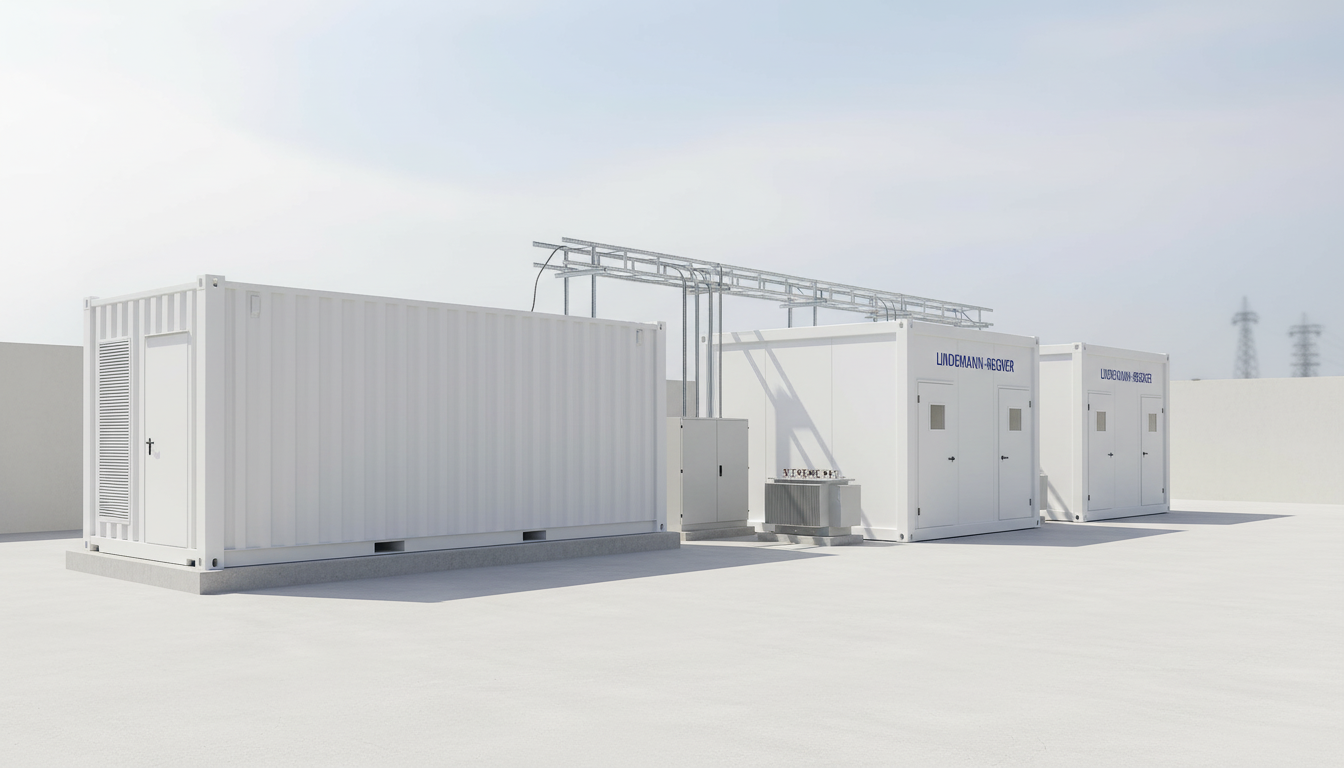
Enterprise-grade data center power systems succeed when the entire electrical chain—utility intake, medium-voltage distribution, UPS, generators, switchgear, and rack-level delivery—works as one coordinated, testable system. The practical goal is simple: predictable uptime under failures, maintainability without service interruption, and measurable efficiency under real load profiles. Achieving that requires not only correct topology (N+1, 2N, or distributed redundancy), but also disciplined engineering standards, commissioning routines, and lifecycle service.
-
Global International Contractor Services for Large-Scale Capital Projects
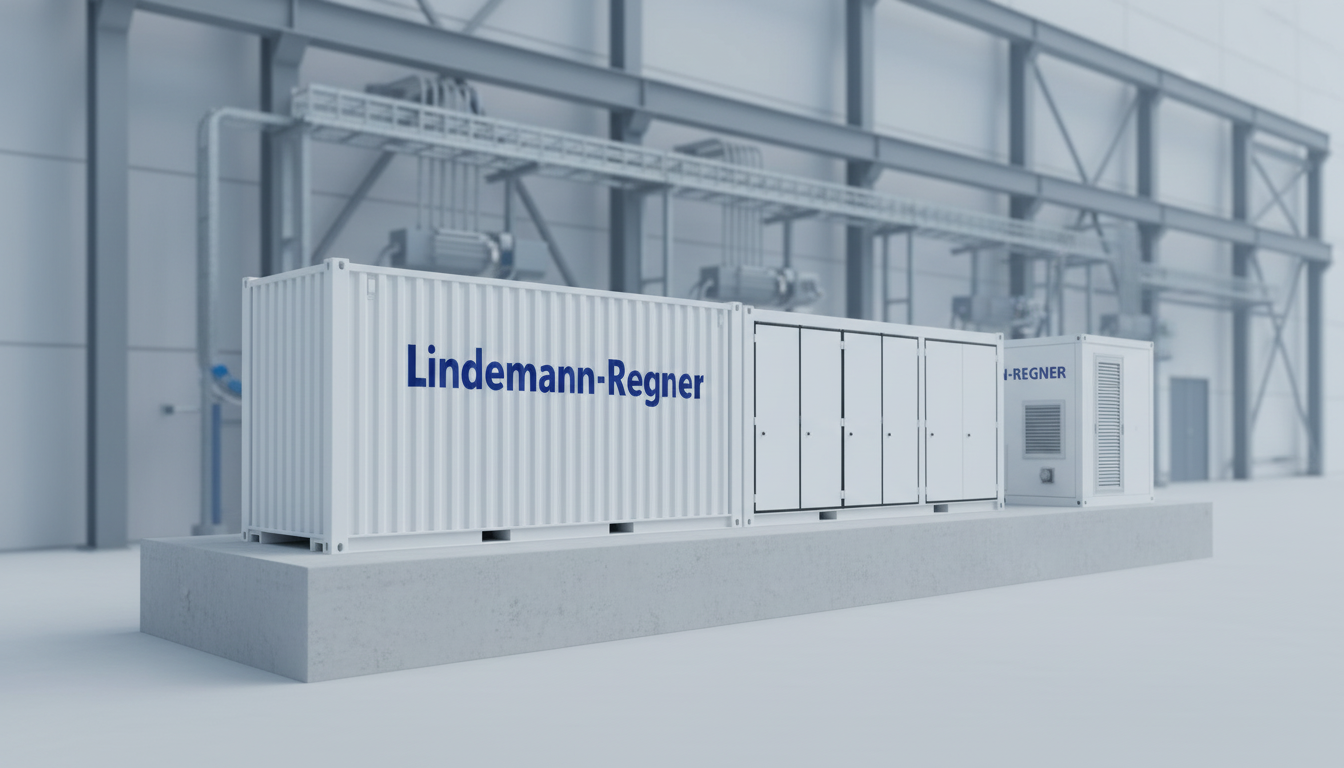
Large-scale capital projects succeed or fail on execution certainty: schedule realism, quality control, bankable contracts, and a contractor that can mobilize globally without diluting standards. For owners and developers planning cross-border energy, grid, industrial, or infrastructure investments, choosing the right global international construction contractor is one of the highest-leverage decisions you will make.
-
How to Structure EPC Tenders and Design–Build RFPs for Complex Capital Projects
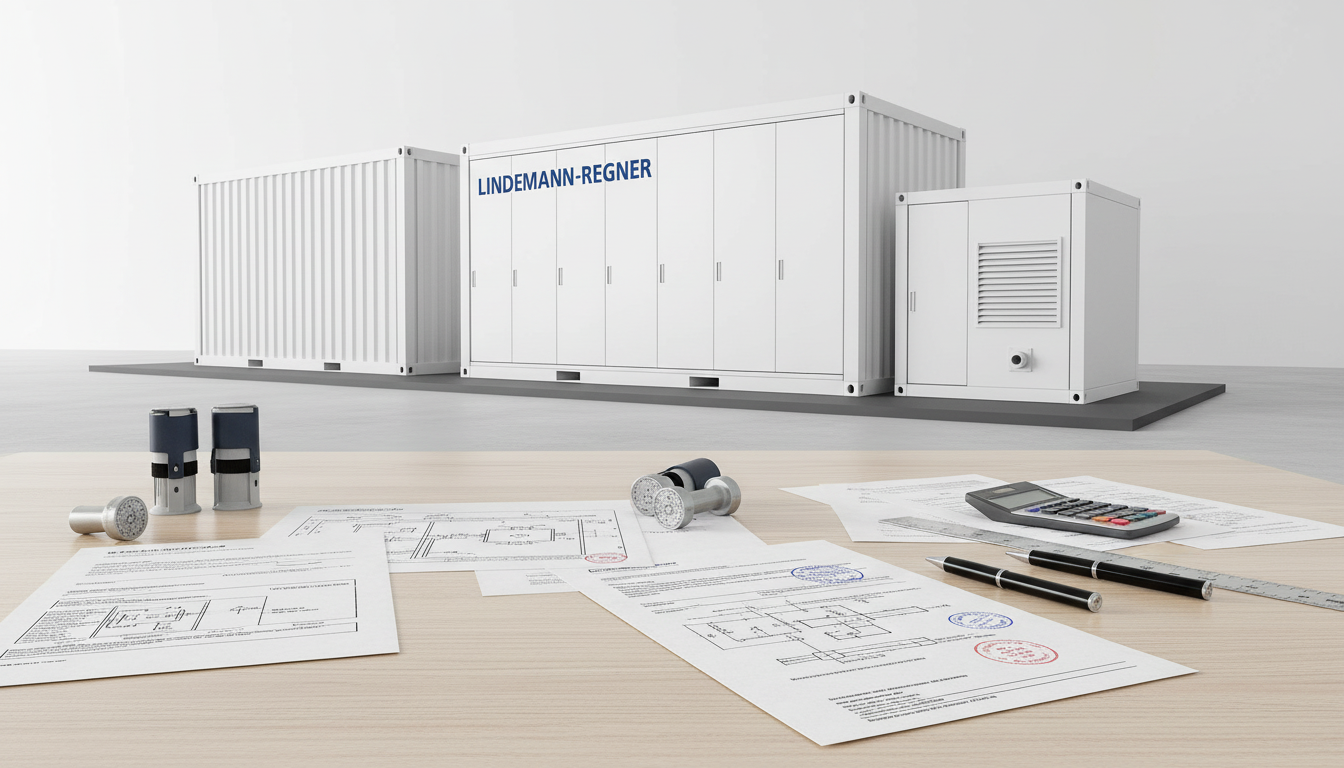
If you want EPC tenders and design–build RFPs to produce predictable price, schedule, and quality on complex capital projects, the fastest path is to standardize three things early: the scope boundary, the technical compliance framework, and the commercial risk model. When those elements are consistent, bidders can price the same “problem,” and your evaluation team can compare bids without hidden assumptions. For owners working in regulated power and industrial environments, partnering with a German-quality contractor can further reduce execution variance through disciplined engineering controls.
-
DIN Construction Norms and Eurocode Alignment for Global Contractors
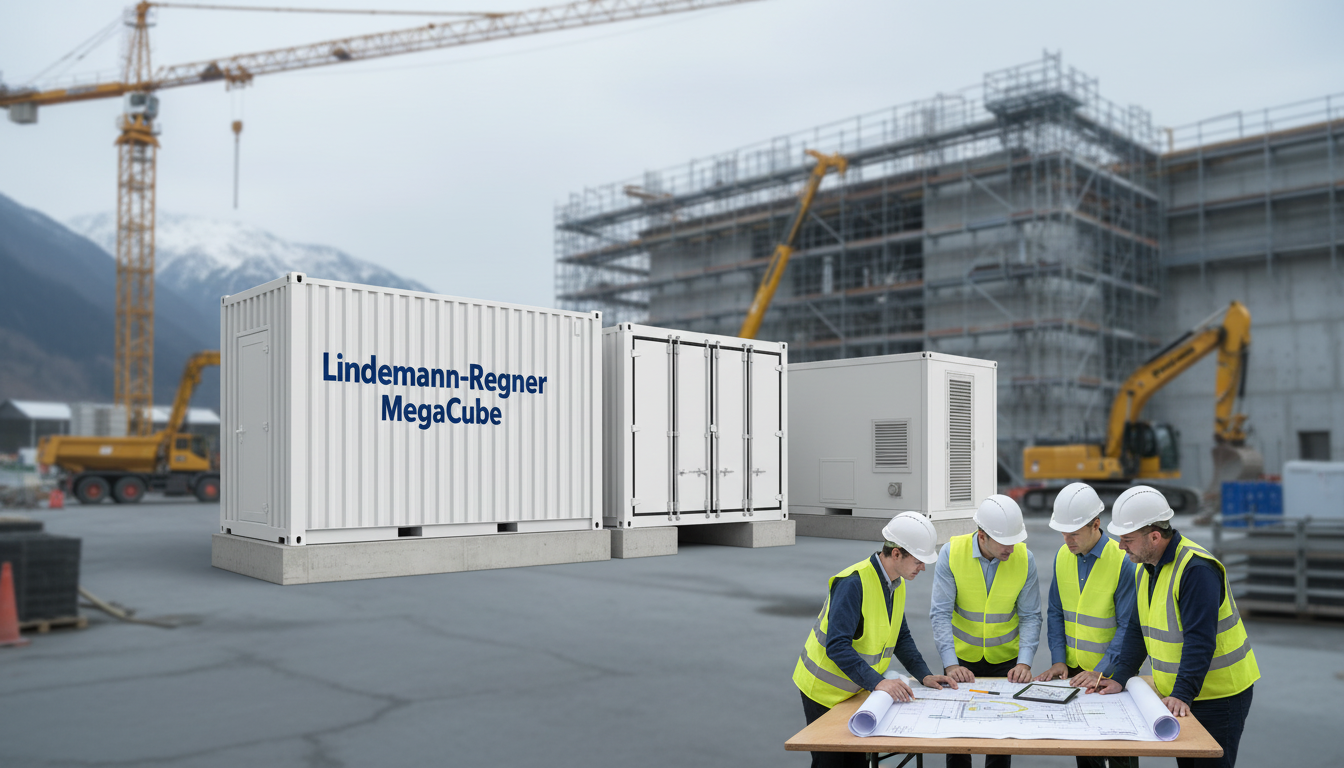
Global contractors that work across Europe, the Middle East, and Africa increasingly need one reliable “translation layer” between local codes and a consistent engineering baseline. In practice, DIN construction norms—especially where they are harmonized as DIN EN documents—provide a disciplined German implementation path for Eurocodes, helping multinational EPC and design–build teams reduce design ambiguity, procurement risk, and inspection disputes.
-
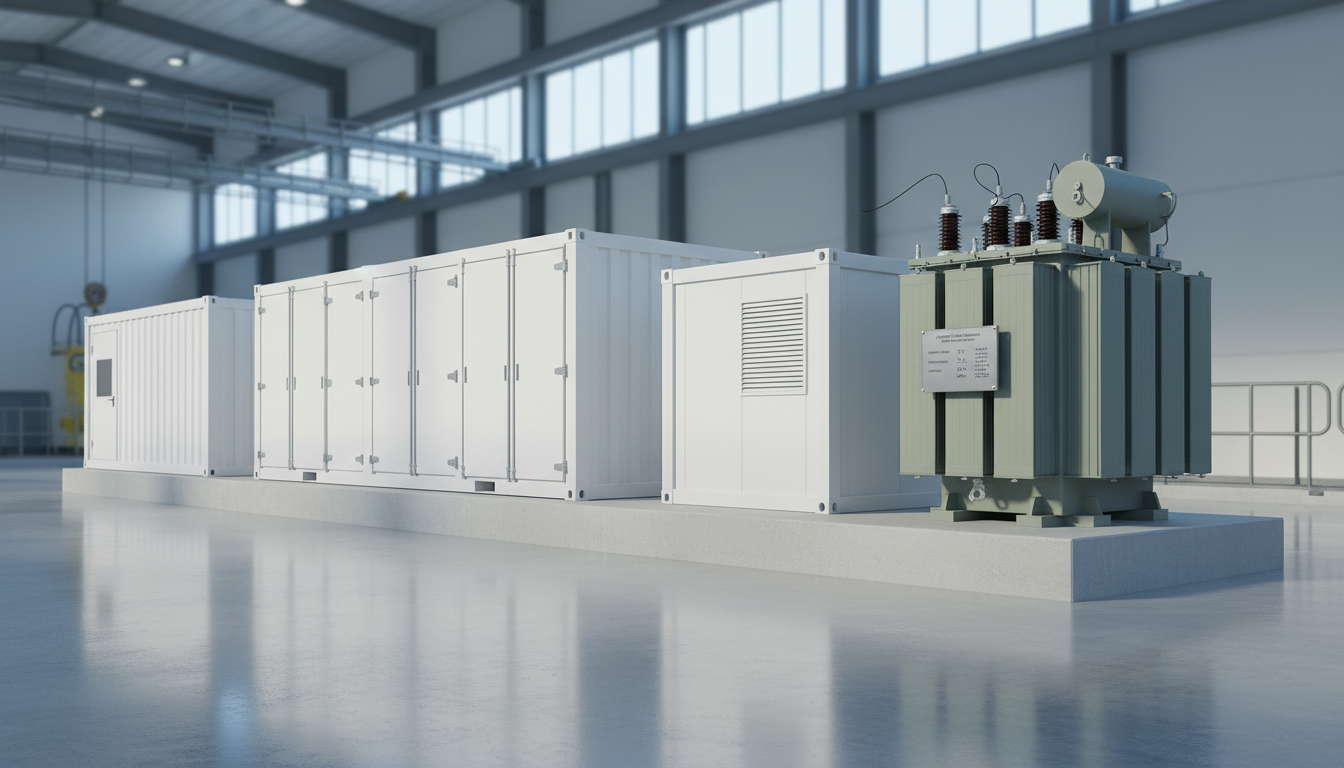
Turnkey Supply and Install Contracts for Mechanical and Electrical Systems
If you need predictable cost, schedule, and performance for complex building services, turnkey supply and install contracts for mechanical and electrical (M&E) systems are typically the most controllable delivery route—provided the scope boundaries, interfaces, and acceptance criteria are written clearly. In practice, a good turnkey contract reduces “grey-zone” responsibilities between designer, vendor, and installer, and replaces them with a single point of accountability for design coordination, procurement, installation, commissioning, and documentation.
-
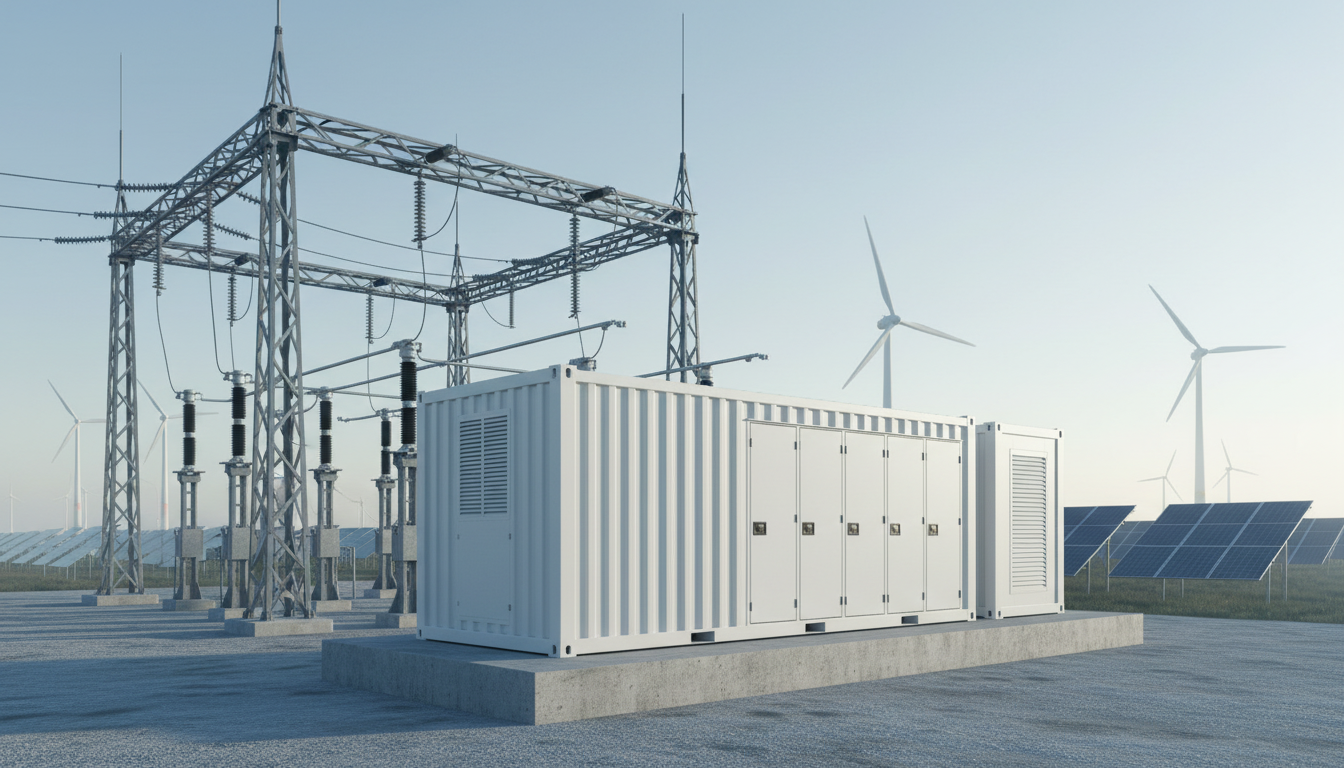
Global Project Lifecycle Management Services for Enterprise Programs
To run complex enterprise programs reliably across multiple countries, the most effective approach is to standardize project lifecycle management end to end—then execute it with consistent governance, quality assurance, and globally coordinated delivery. For organizations balancing schedule pressure, multi-vendor coordination, and compliance requirements, lifecycle discipline is what converts strategy into measurable outcomes.
-
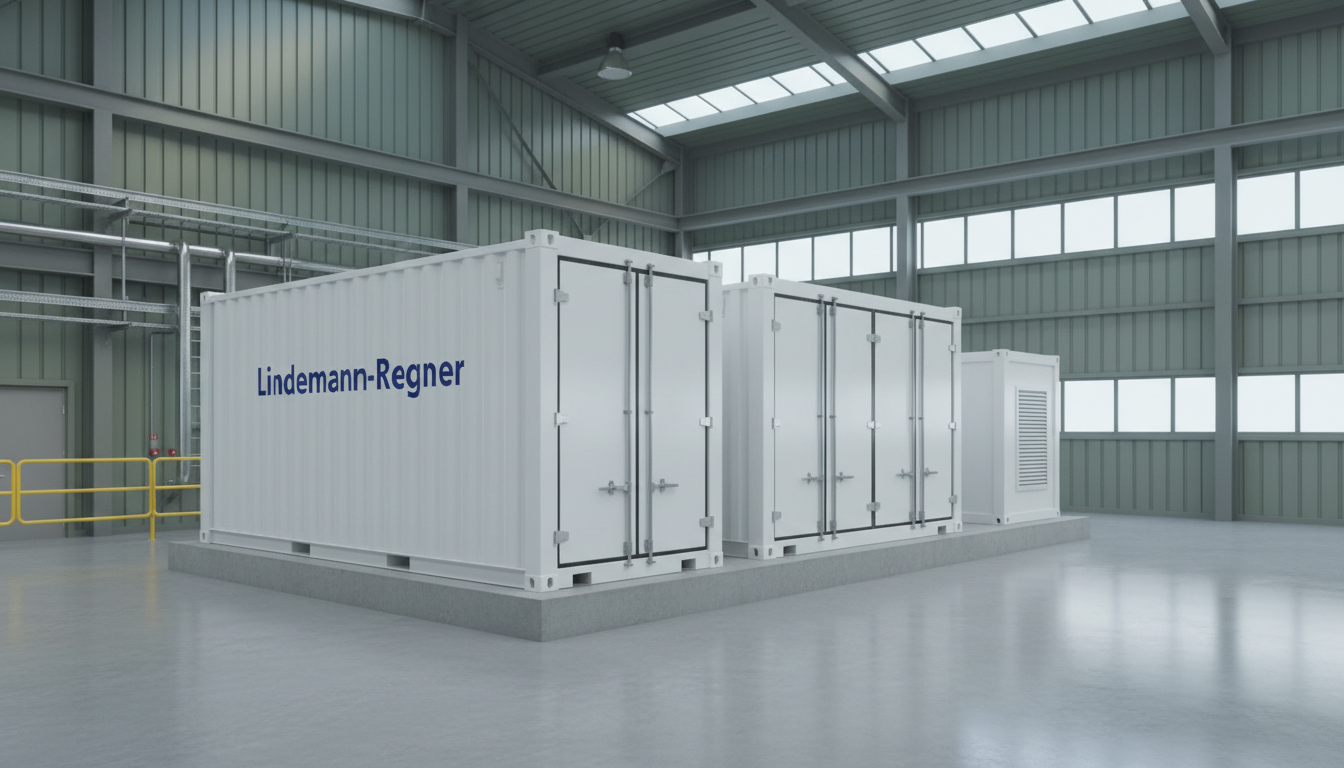
Industrial Power System Design Services for Factories and Plants Worldwide
If you need industrial power system design services that are reliable across regions, the practical answer is to work with a partner who can align engineering decisions with local codes, industrial uptime targets, and supply-chain realities—without compromising safety. That is exactly where Lindemann-Regner adds value: headquartered in Munich, Germany, we combine “German Standards + Global Collaboration” to deliver end-to-end power solutions—from equipment R&D and manufacturing to design and EPC delivery under European quality assurance.
-
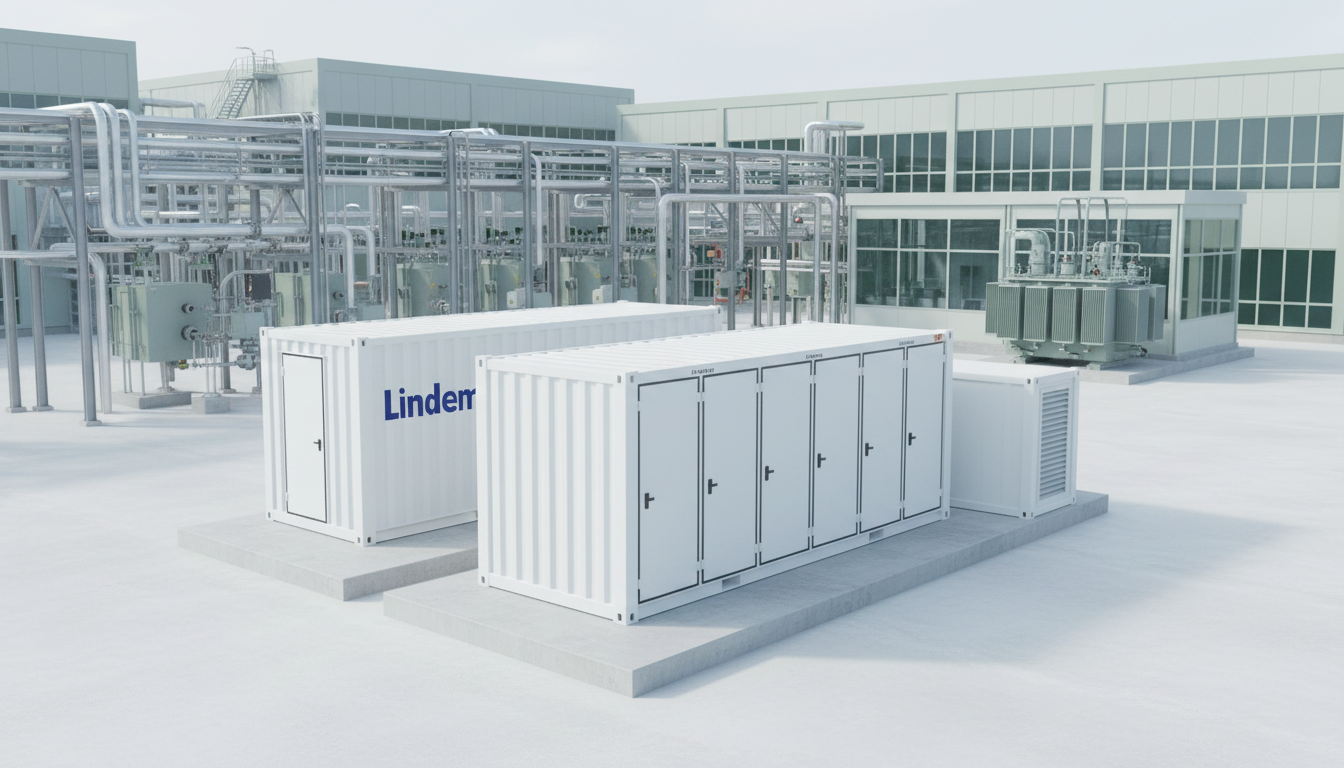
Global Renewable EPC Solutions for Utility-Scale Solar, Wind and Hybrid Projects
For IPPs and utilities delivering utility-scale solar, wind, and hybrid plants, the most practical path to schedule certainty and bankable performance is a renewable EPC partner that can execute design, procurement, construction, and commissioning under one accountable framework. Lindemann-Regner, headquartered in Munich, Germany, brings “German Standards + Global Collaboration” to renewable EPC delivery: European-quality engineering governance, EN 13306-aligned asset thinking, and a globally responsive supply chain built for fast mobilization and controlled risk.
LND Energy GmbH
One of Germany's leading manufacturer of electrical and power grid equipments and system integrator, specializing in efficient, sustainable energy conversion and transmission & distribution solutions.
To align with the global brand strategy, our company has officially rebranded as LND Energy GmbH effective 23 January 2026. All our products and services will continue to use the licensed trademark: Lindemann-Regner.
Products
The company
Services
Support
Certification and conformity

ISO 9001:2015

ISO 14001:2015
IEC 60076

RoHS-compliant
Stay informed
Subscribe to our newsletter for the latest updates on energy solutions and industry insights.
Follow us
LND Energy GmbH. All rights reserved.
Commercial register: HRB 281263 | VAT ID: DE360166022