
-
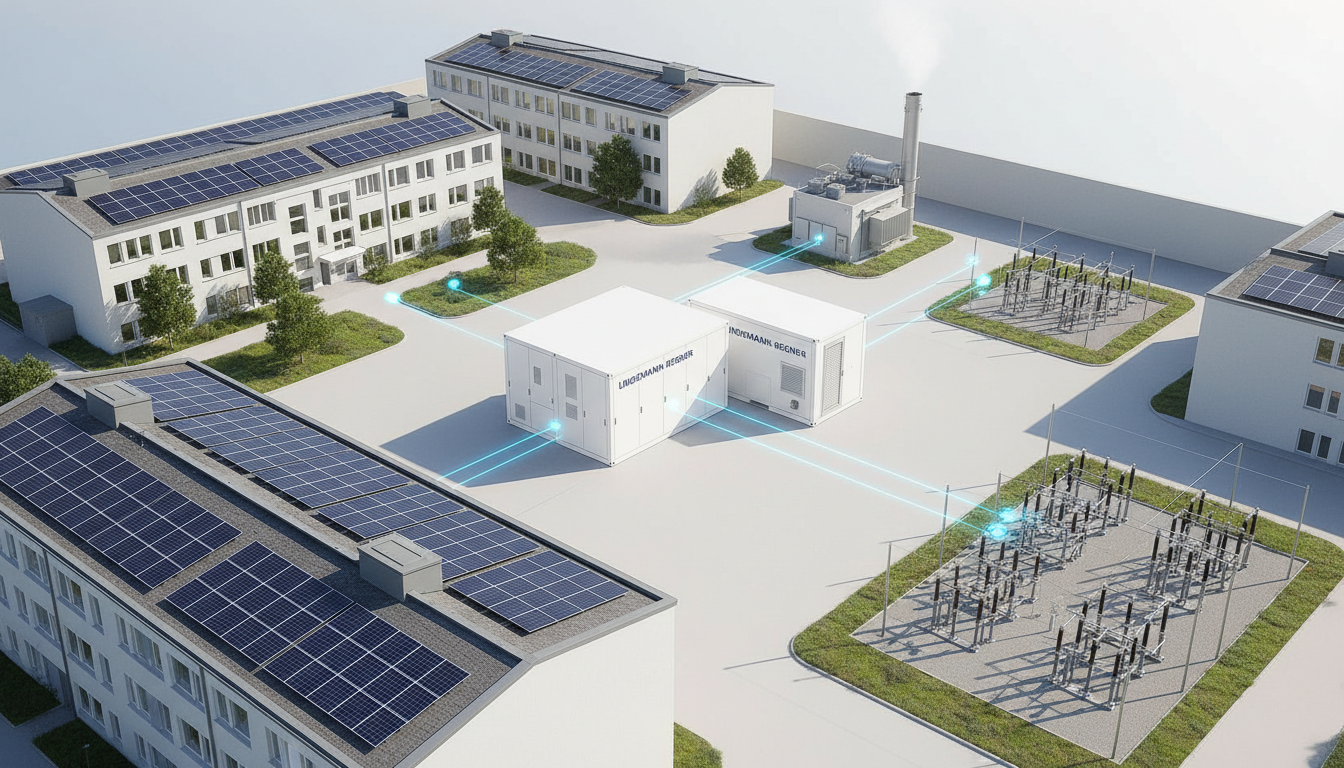
PV Microgrid And Solar Microgrid Solutions For German Industrial Sites
For German industrial companies, a PV microgrid is becoming a strategic asset rather than a “green add-on.” By combining local solar generation, storage, and intelligent control, a PV microgrid can significantly lower electricity costs, stabilize energy supply, and help meet ambitious decarbonisation targets under EU and German climate policy. With some of the highest industrial power prices in Europe and tight carbon reporting requirements, Germany is a prime market for advanced PV microgrid solutions at factories, logistics hubs, and industrial parks.
-
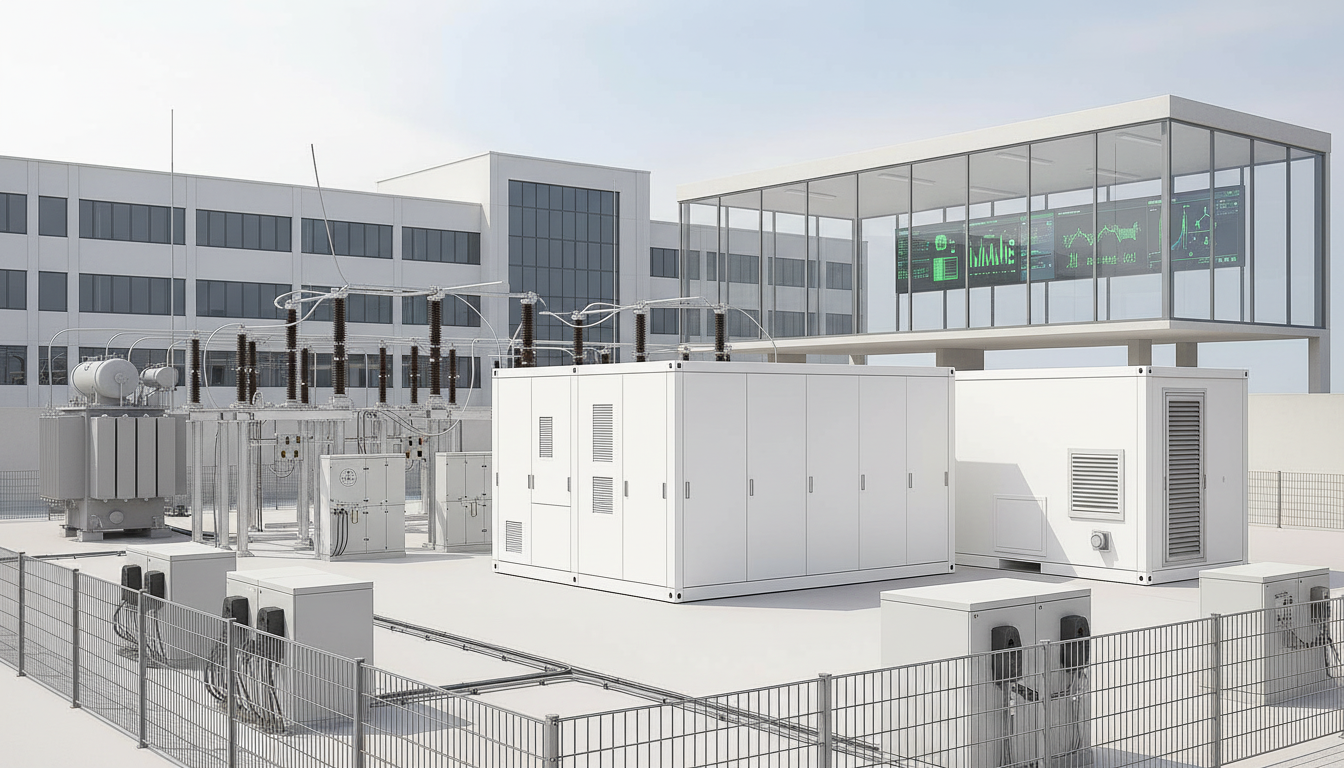
Smart energy management solutions for German industrial and manufacturing sites
Smart energy management is becoming a strategic priority for German industrial and manufacturing sites facing high electricity prices, stringent climate targets, and pressure from customers and regulators. By “smart energy management” we mean the end-to-end monitoring, analysis, and optimization of all energy flows in a plant, supported by digital tools, automation, and high‑quality electrical infrastructure. When done right, German factories can typically cut energy consumption by 10–25% and CO₂ emissions by similar levels, without compromising output or product quality.
-
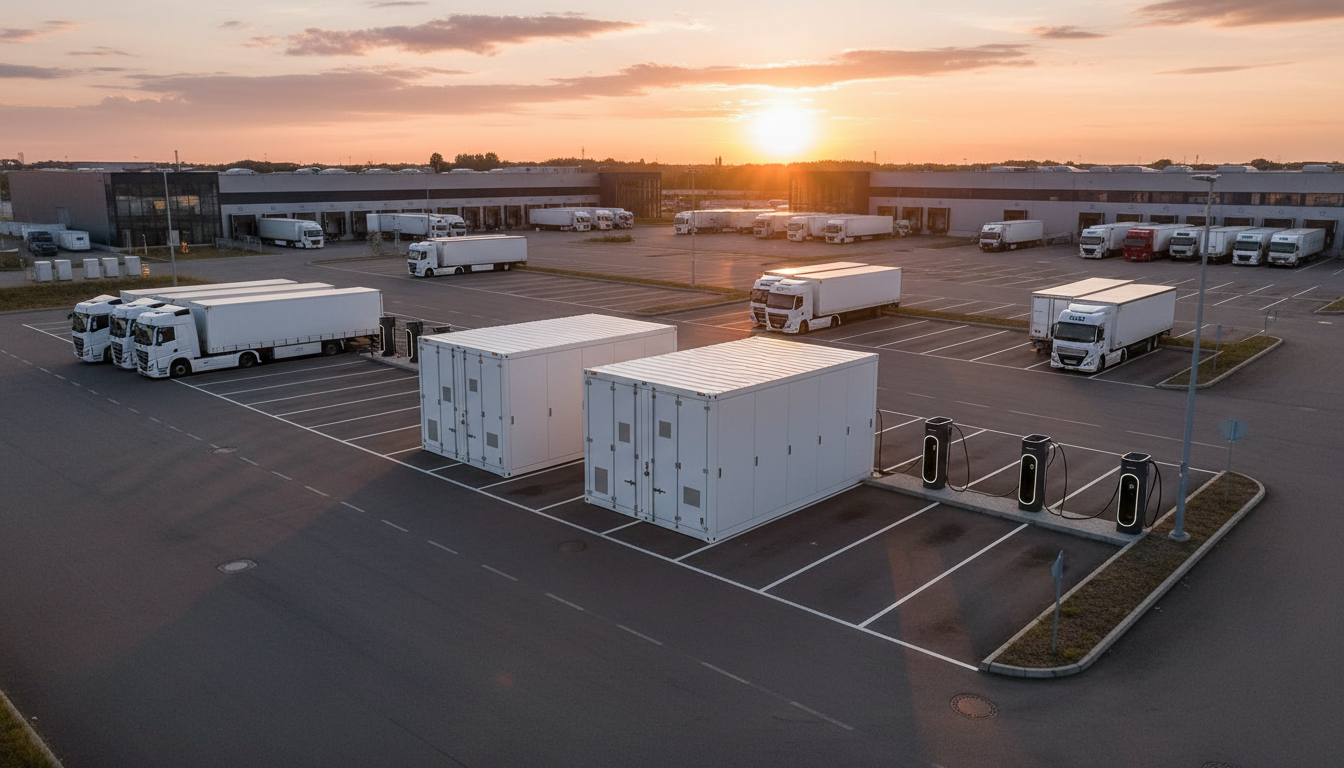
Power conversion systems for German grid‑connected PV and solar parks
As Germany accelerates its solar rollout towards the 215 GW PV target by 2030, power conversion systems (PCS) have become the technical backbone of utility-scale PV and hybrid parks. They bridge the gap between high-voltage DC arrays, medium-voltage collection grids, and German transmission and distribution systems under strict VDE rules. Well-designed PCS architectures increase yield, unlock grid service revenues, and de-risk grid connection and certification. Developers who address PCS early in the project lifecycle reduce CAPEX/OPEX uncertainty and speed up commissioning with German DSOs and TSOs.
-
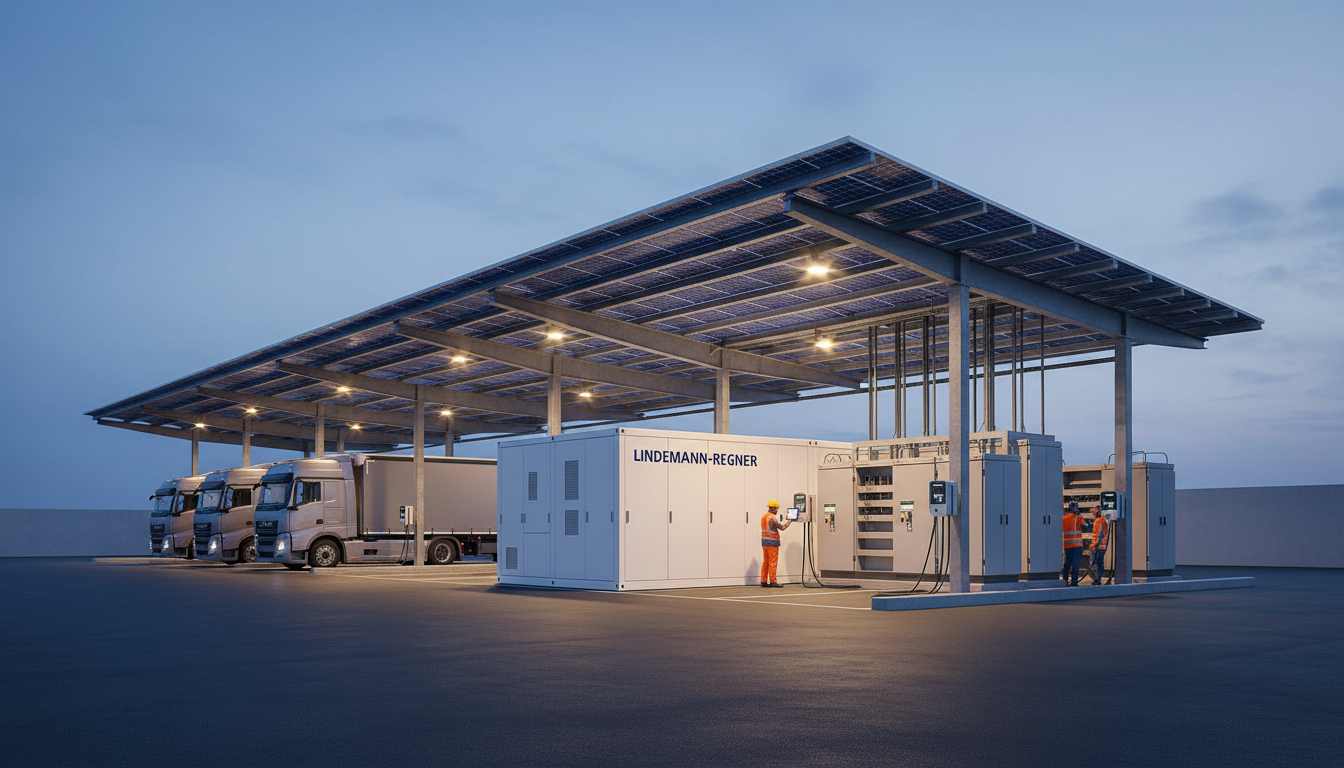
Industrial backup power solutions for German manufacturing plants and factories
For German manufacturing plants, industrial backup power is no longer a “nice to have” but a core element of risk management and productivity. Even though Germany’s grid is among the most reliable worldwide, short interruptions, voltage dips and scheduled outages still occur and can bring highly automated factories to a standstill within seconds. A well-designed industrial backup power strategy protects your CNC lines, robots, SPS/PLC, SCADA and IT systems, while also supporting German safety and compliance requirements.
-
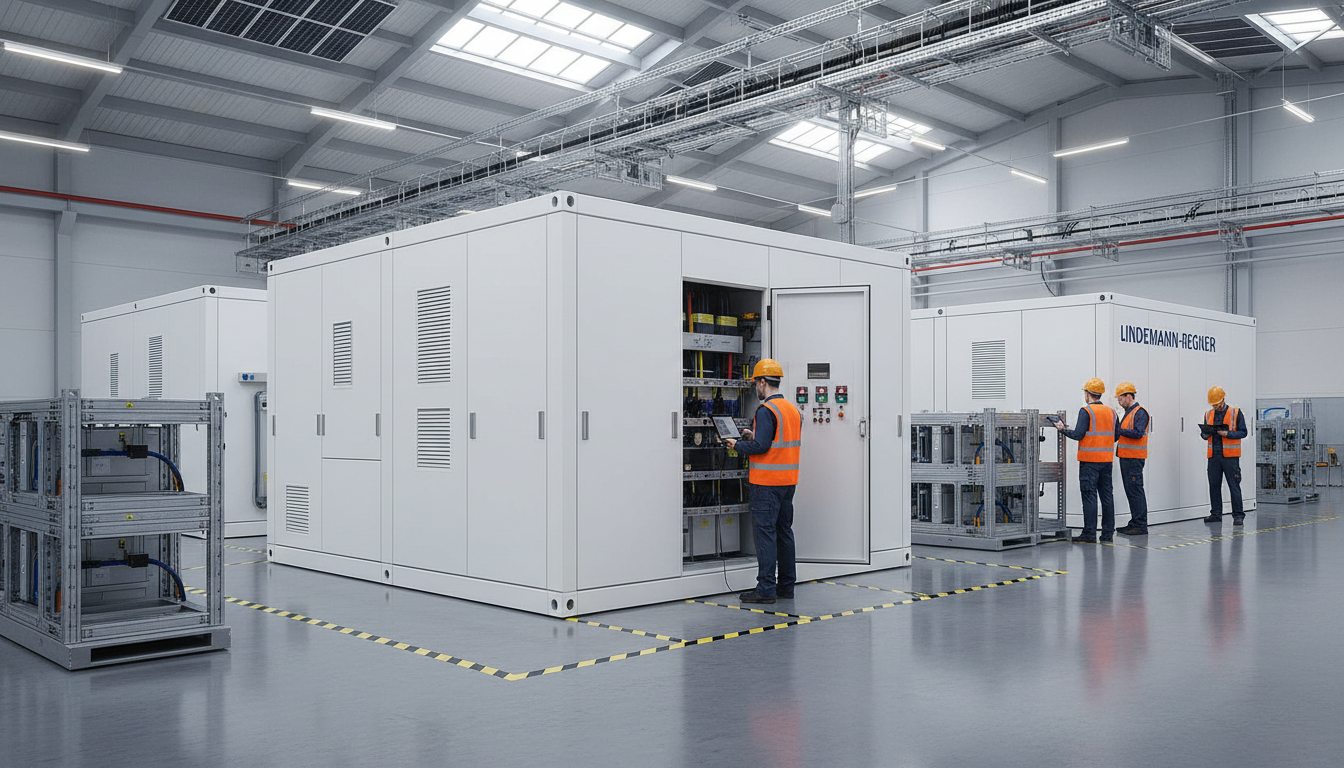
ESS system integrator services for German commercial and industrial energy users
For German commercial and industrial energy users, an ESS system integrator is becoming a strategic partner in decarbonisation, grid resilience, and cost control. Rather than buying batteries, transformers, and control systems separately, companies are turning to integrated energy storage solutions that comply with German grid codes and European standards. An experienced ESS system integrator designs, delivers, and operates these systems end to end, turning technical complexity into bankable business cases.
-
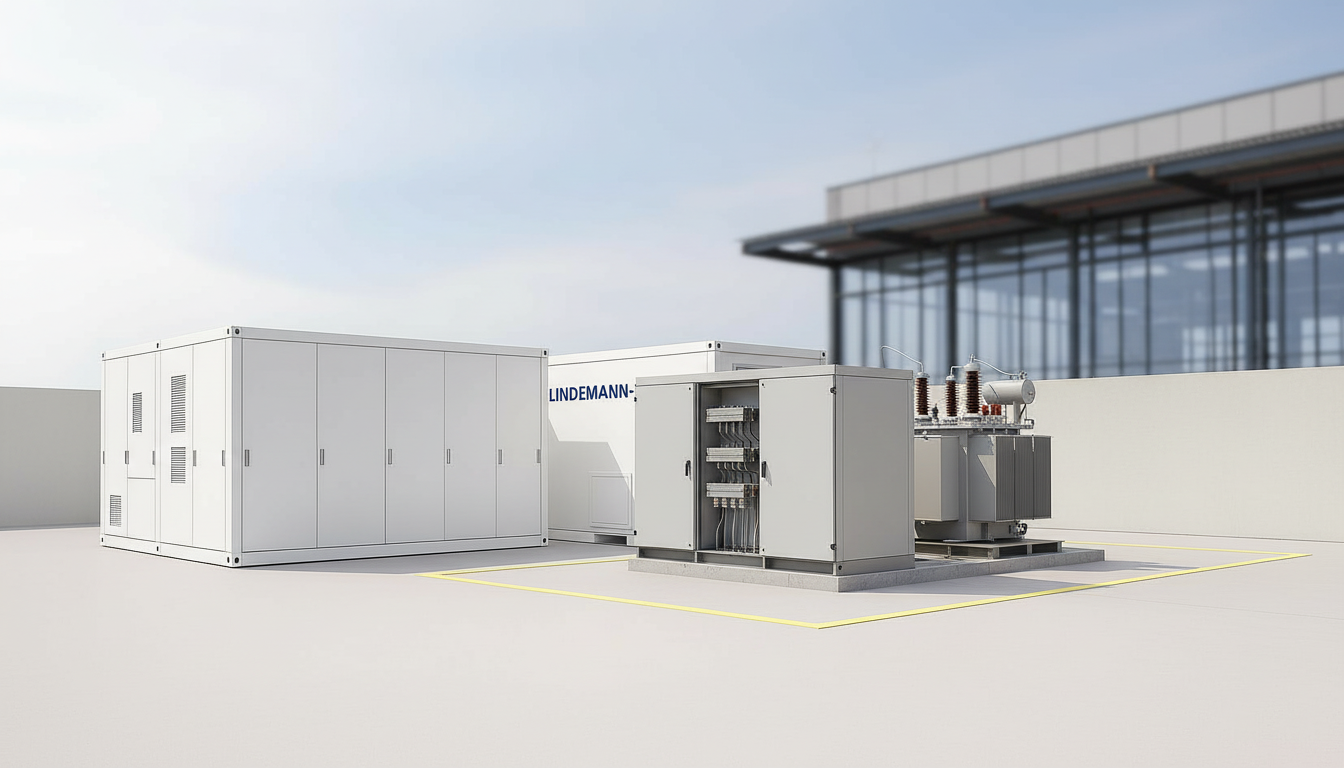
Grid-tied storage solutions for German commercial and industrial PV plants
Grid-tied storage is becoming a strategic asset for German commercial and industrial (C&I) PV plants. With high electricity prices, complex grid fees and strict technical rules, German operators need solutions that go beyond simple feed-in and focus on self-consumption, peak shaving, resilience and flexibility. In this context, grid-tied storage allows PV plant owners to convert volatile solar generation into predictable, controllable power with clear business value.
-
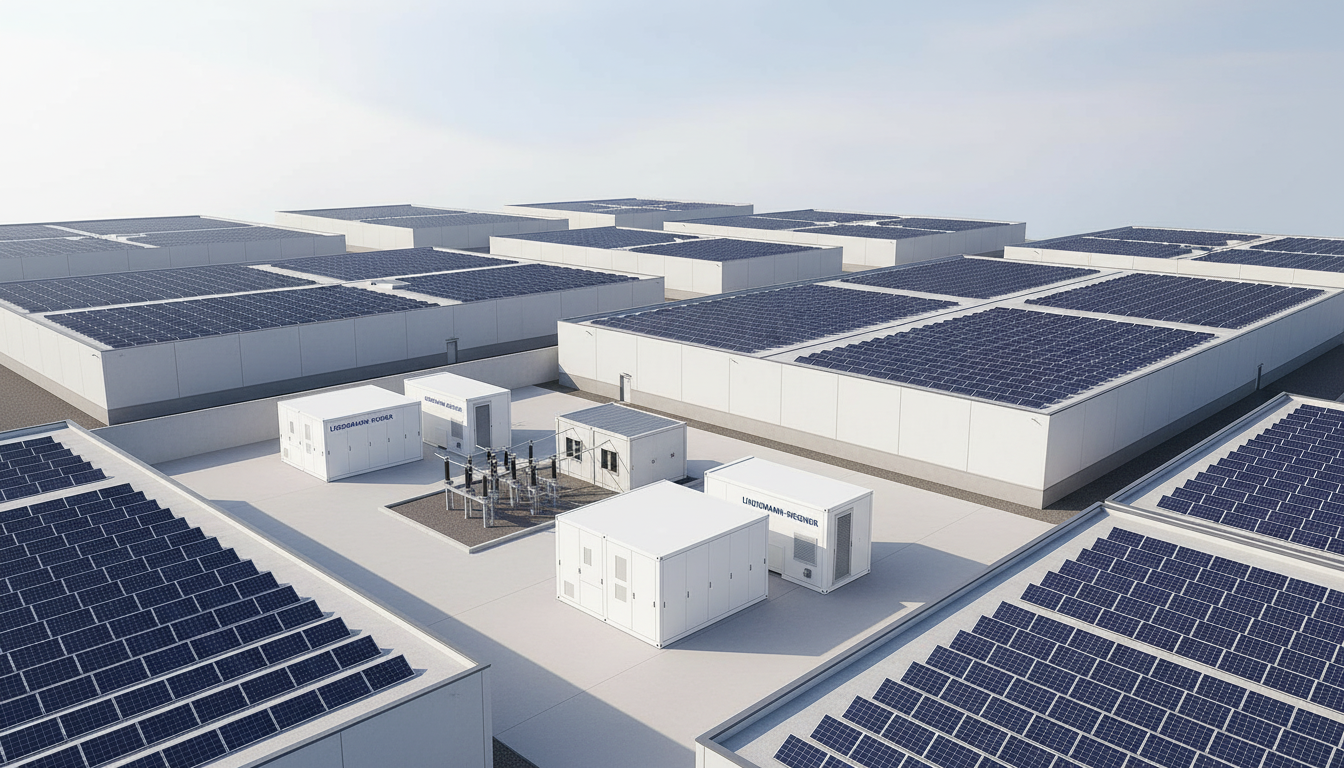
Peak shaving storage solutions for German industrial power cost optimization
For German industrial consumers, electricity is no longer just an operating expense; it is a strategic cost driver. Peak shaving storage allows factories to cap their 15‑minute demand peaks and permanently reduce grid fees and demand charges. In the German context, where Leistungspreise in €/kW and complex network tariffs dominate, well-designed peak shaving storage can cut six‑ or even seven‑figure annual costs without constraining production. Combined with PV, CHP and intelligent energy management, it becomes a key pillar of long‑term competitiveness for energy‑intensive sites.
-
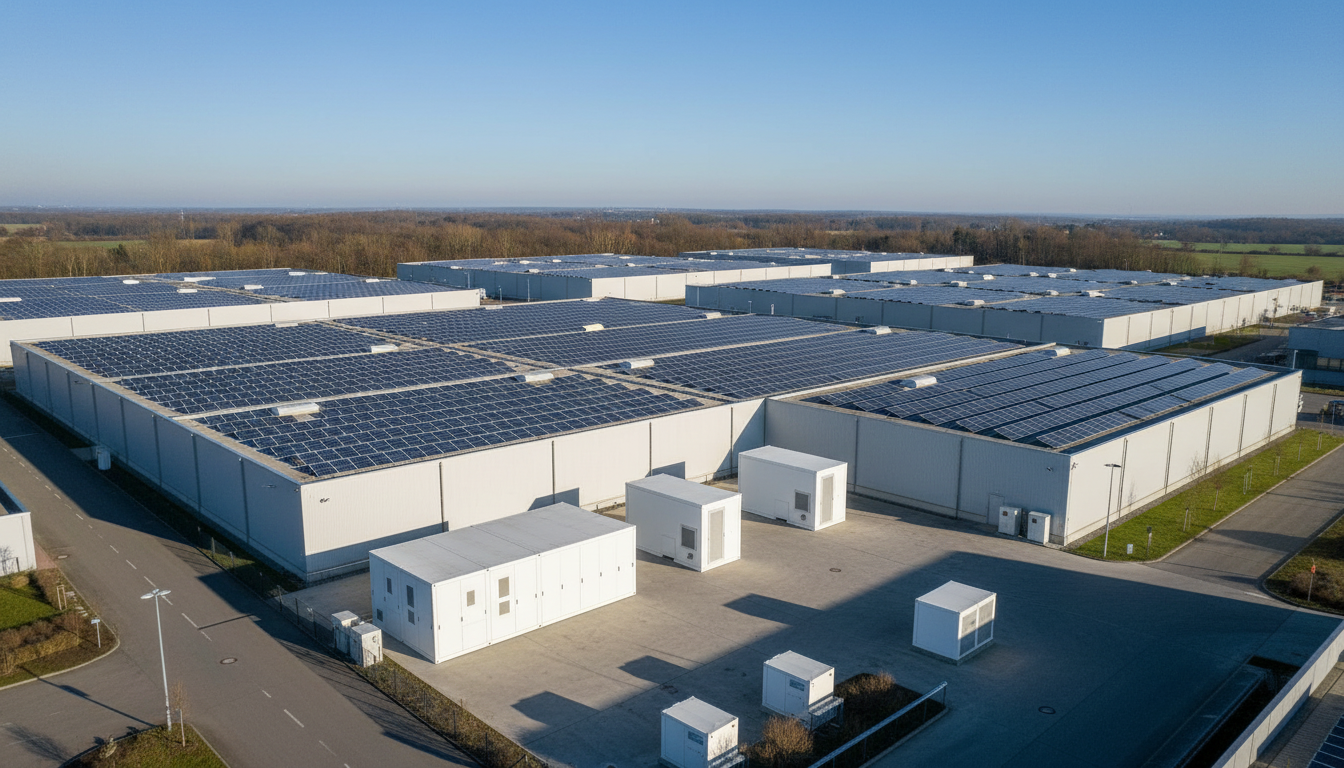
ESS for data center reliability in Germany: UPS and battery storage
Germany’s data center market is expanding rapidly, driven by cloud, AI, and strict data-sovereignty requirements. At the same time, operators face tight SLAs, high electricity prices, and ambitious climate targets. In this context, a well-designed ESS for data center reliability, tightly integrated with UPS systems and the medium-voltage backbone, has become a strategic asset rather than a niche add‑on. The right ESS design can improve uptime, reduce operating costs, and support ESG reporting across German and European operations.
-
Solar wind storage solutions for German utilities and Stadtwerke
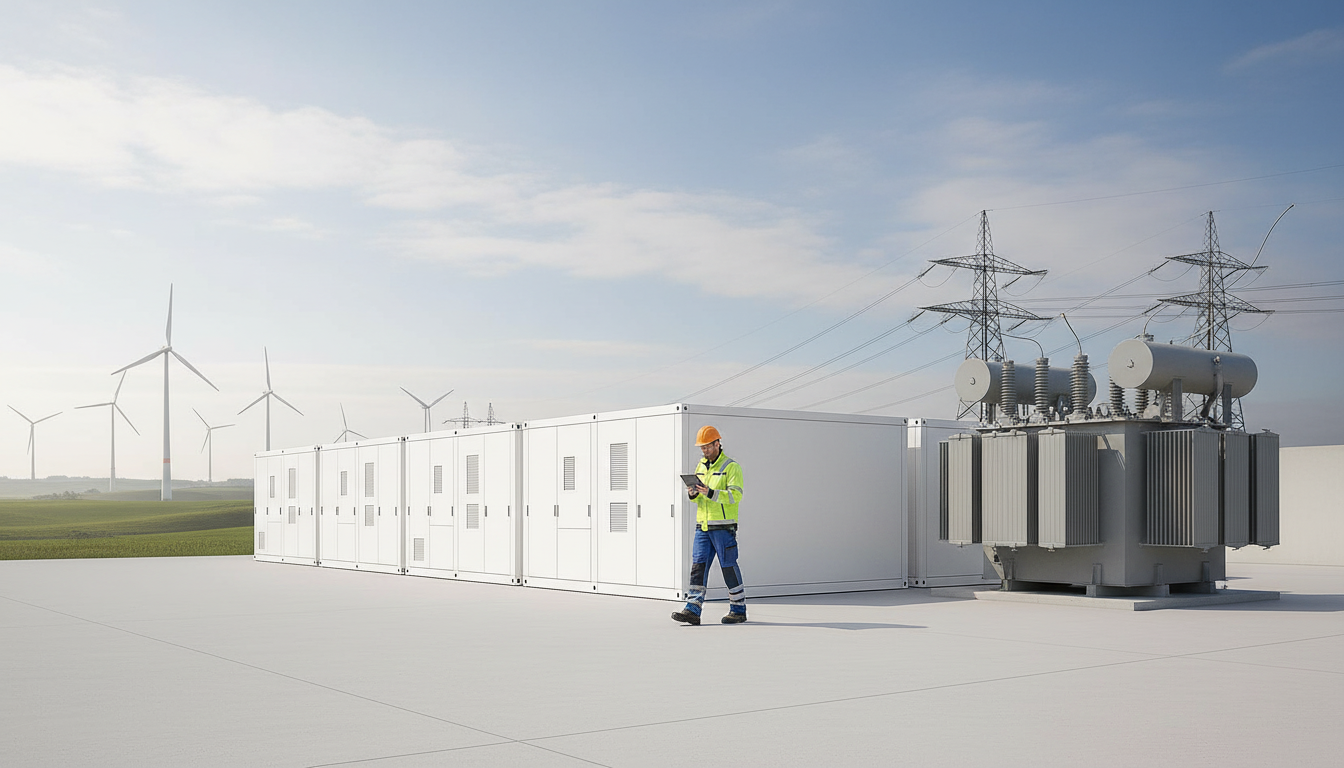
Solar wind storage solutions are rapidly moving from pilot projects to core assets in the German power system. By combining wind, solar PV and battery storage at a common grid connection point, German utilities and Stadtwerke can smooth volatile generation, unlock new revenue streams and relieve grid bottlenecks. In a market shaped by the EEG, Redispatch 2.0 and increasingly dynamic power prices, these hybrid concepts are becoming a strategic tool for long‑term portfolio management.
-
Virtual power plant solutions for German utilities and energy traders
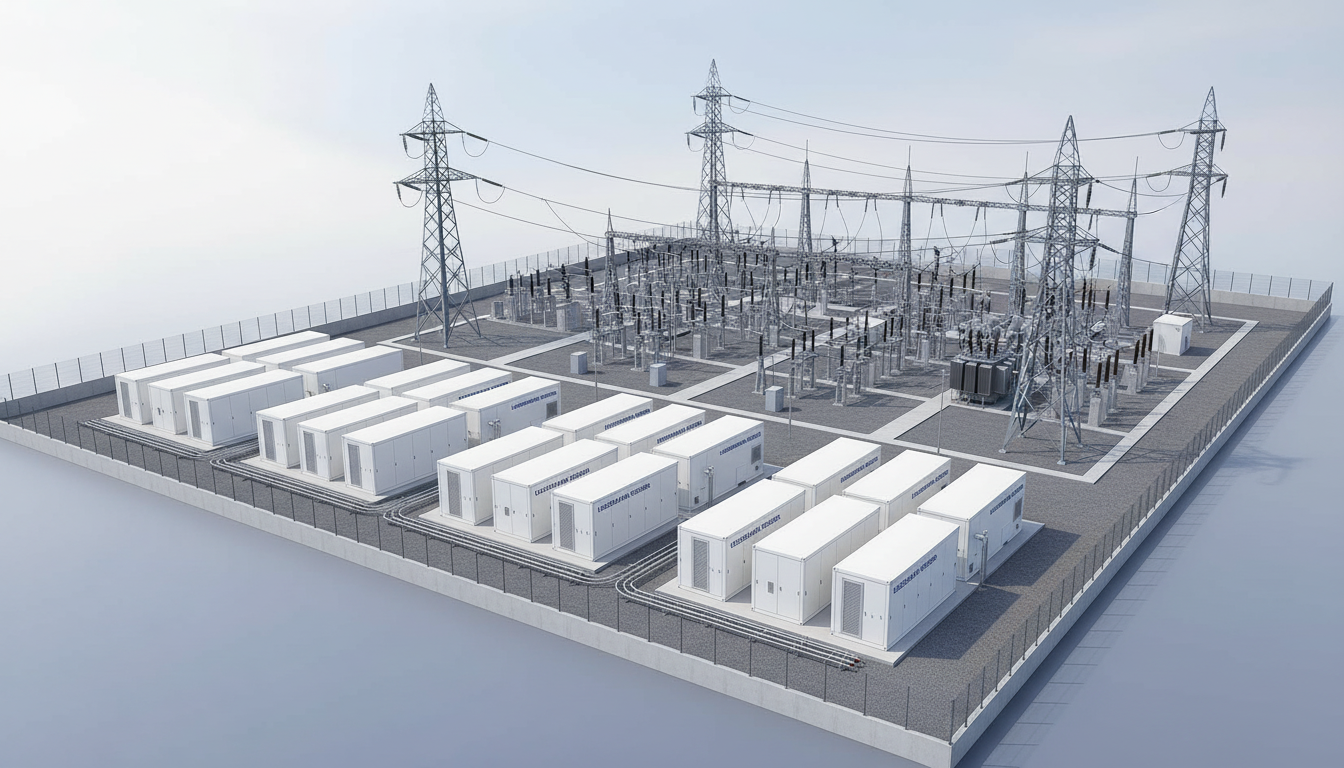
Virtual power plant solutions are rapidly becoming a strategic lever for German utilities and energy traders navigating the Energiewende. In a system with high shares of wind and solar, strict balancing rules, and complex Redispatch 2.0 requirements, VPPs allow you to orchestrate distributed assets like a single flexible power plant across the German market zones. Used correctly, they can reduce imbalance costs, open up new revenue streams, and support grid stability in line with German and EU regulations.
-
Energy Management Systems (EMS) for German industrial and commercial sites
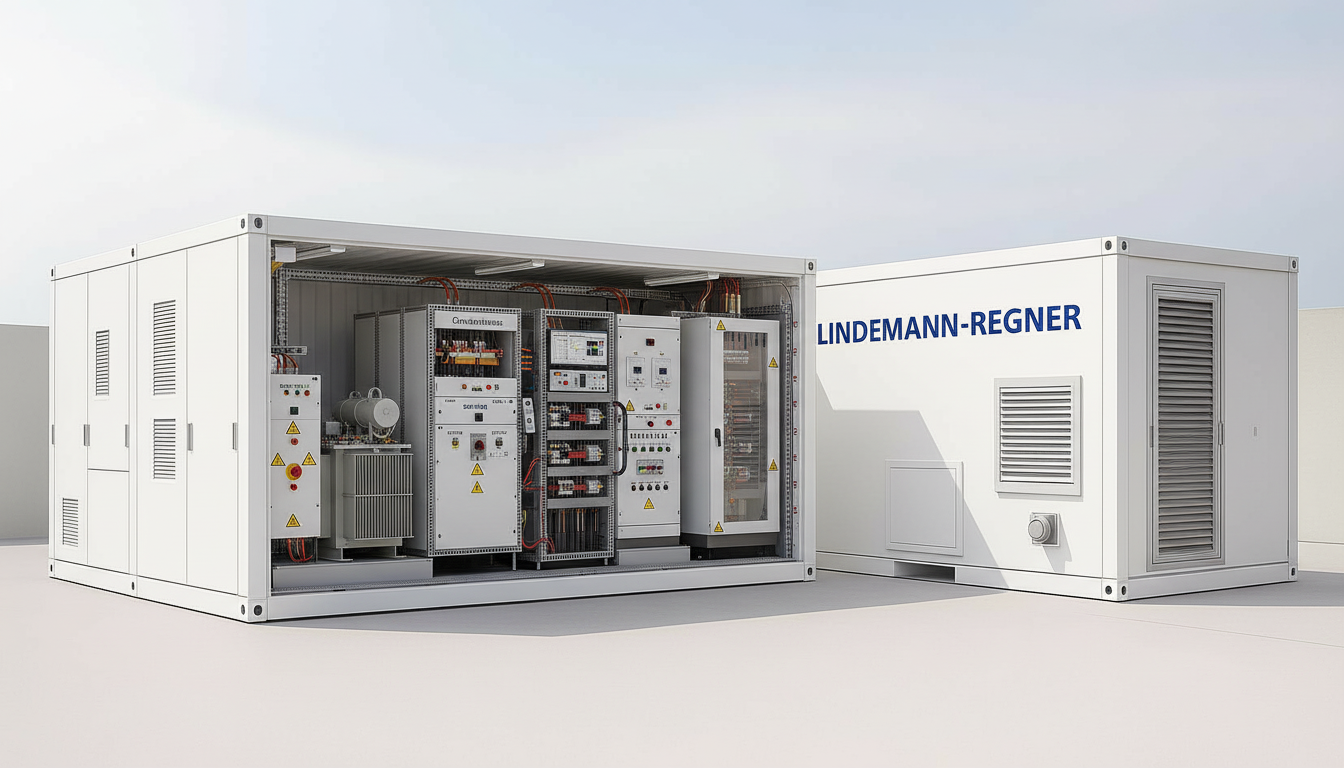
Energy Management Systems (EMS) have become strategic infrastructure for German industrial and commercial sites. Rising energy prices, stricter climate targets, and regulations such as the Energieeffizienzgesetz (EnEfG) and ISO 50001 are pushing companies to professionalize how they measure, analyze, and optimize energy use. A modern EMS turns scattered meter data into actionable insights, enabling demand-side flexibility, lower CO₂ emissions, and better decisions on CapEx for power equipment and building technology.
-
Containerized energy storage solutions for German commercial and industrial sites
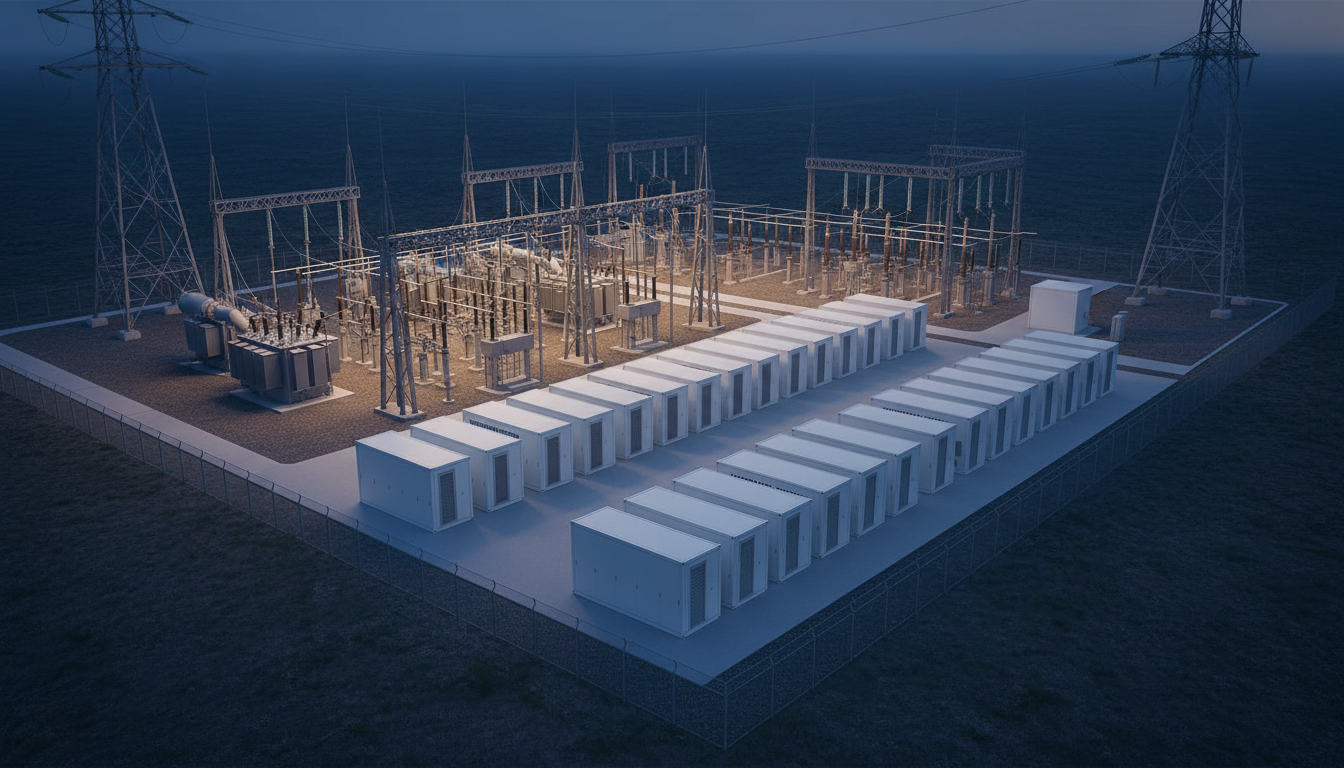
Containerized energy storage is rapidly becoming a strategic asset for German commercial and industrial (C&I) sites. Rising grid fees, volatile power markets, expanding EV fleets and ambitious decarbonization targets mean that companies need flexible, scalable ways to manage electricity. A containerized energy storage system (BESS in a 20- or 40-foot container) packages batteries, power conversion, switchgear and controls into a pre-engineered solution that can be deployed with relatively low construction risk.
LND Energy GmbH
One of Germany's leading manufacturer of electrical and power grid equipments and system integrator, specializing in efficient, sustainable energy conversion and transmission & distribution solutions.
To align with the global brand strategy, our company has officially rebranded as LND Energy GmbH effective 23 January 2026. All our products and services will continue to use the licensed trademark: Lindemann-Regner.
Products
The company
Services
Support
Certification and conformity
ISO 9001:2015
ISO 14001:2015
IEC 60076

RoHS-compliant
Stay informed
Subscribe to our newsletter for the latest updates on energy solutions and industry insights.
Follow us
LND Energy GmbH. All rights reserved.
Commercial register: HRB 281263 | VAT ID: DE360166022