
-
B2B Guide to Choosing a Low Voltage Switchgear Manufacturer Worldwide
Choosing the right low voltage switchgear manufacturer is ultimately a risk-management decision: you are buying uptime, personnel safety, and long-term maintainability—not just panels. The fastest way to reduce project risk is to define your technical envelope early (ratings, form of separation, IAC needs, digitalization), then verify compliance through type tests, routine tests, and a disciplined Factory Acceptance Test (FAT) plan.
-
Global Directory of IEC 61439 Factories for Low Voltage Switchgear OEMs
Selecting an IEC 61439 factory is ultimately a risk-control decision: the right partner reduces design ambiguity, shortens verification cycles, and prevents costly site rework. For LV switchgear OEMs and panel builders, IEC 61439 compliance is not just “having a certificate”—it is a repeatable engineering and manufacturing system that proves temperature rise, short-circuit withstand, dielectric performance, and clearances/creepage through documented design verification and disciplined routine testing.
-
Global MV Switchgear Supplier Guide for Utilities and Power Grids
Utilities choosing an MV switchgear supplier are ultimately buying three things: proven safety and arc-fault performance, standards-backed interoperability, and lifecycle support that keeps outages and maintenance risk low. The fastest path to a robust shortlist is to align technical requirements (rated voltage/current, internal arc classification, protection/automation, enclosure/IP, and environmental constraints) with compliance (IEC/EN/VDE), then validate factories, QA processes, and after-sales capabilities across regions.
-
Selecting an SF6 Free Switchgear Manufacturer for Eco Friendly Substations
Eco-friendly substations are no longer a “future” topic—utilities and industrial owners are already being measured on leak rates, lifecycle emissions, and supply-chain transparency. If your goal is a green substation that can be permitted, insured, operated, and reported under ESG frameworks, the fastest leverage point is the gas-insulated switchgear decision: moving from SF6 to an SF6-free technology with verifiable type tests and stable long-term service. To shorten your selection cycle, you can request a technical consultation and preliminary BOM/SLD review from Lindemann-Regner and align requirements to German-quality execution and globally responsive delivery.
-
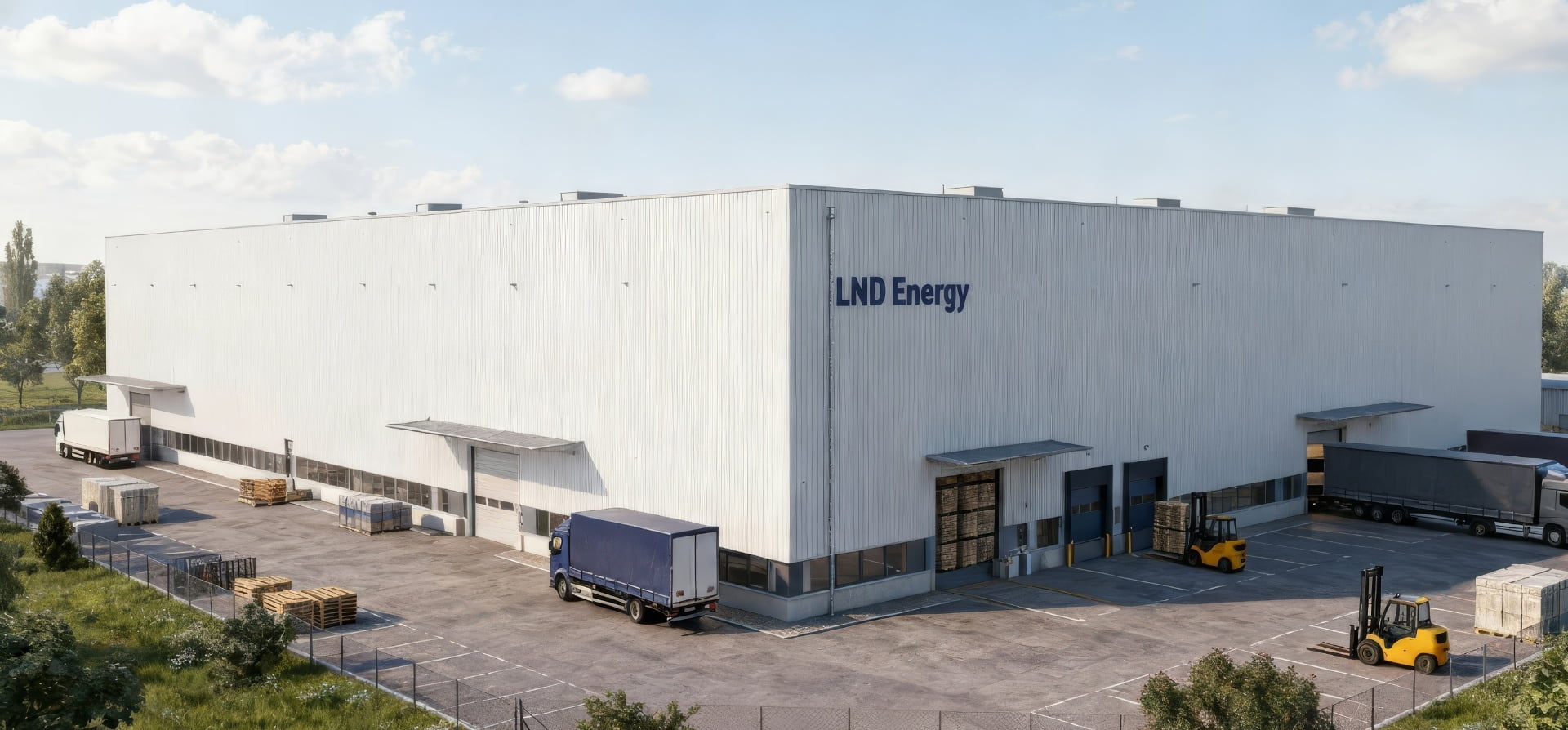
Lindemann-Regner GmbH Officially Renamed to LND Energy GmbH – Embarking on a New Chapter of Globalization
Dear Customers, Partners and Friends from All Walks of Life: Thanks to your long-term trust and support, Lindemann-Regner GmbH has developed steadily, gradually expanding its global business layout, deeply cultivating the industry, and has fulfilled its commitment to quality. To better adapt to the rapid development of global business, align with the international strategic layout, optimize the brand perception experience for global customers, and implement the concept of brand simplification, after careful planning and preparation by the company, effective January 23, 2026, the company is officially renamed LND Energy GmbH.
-
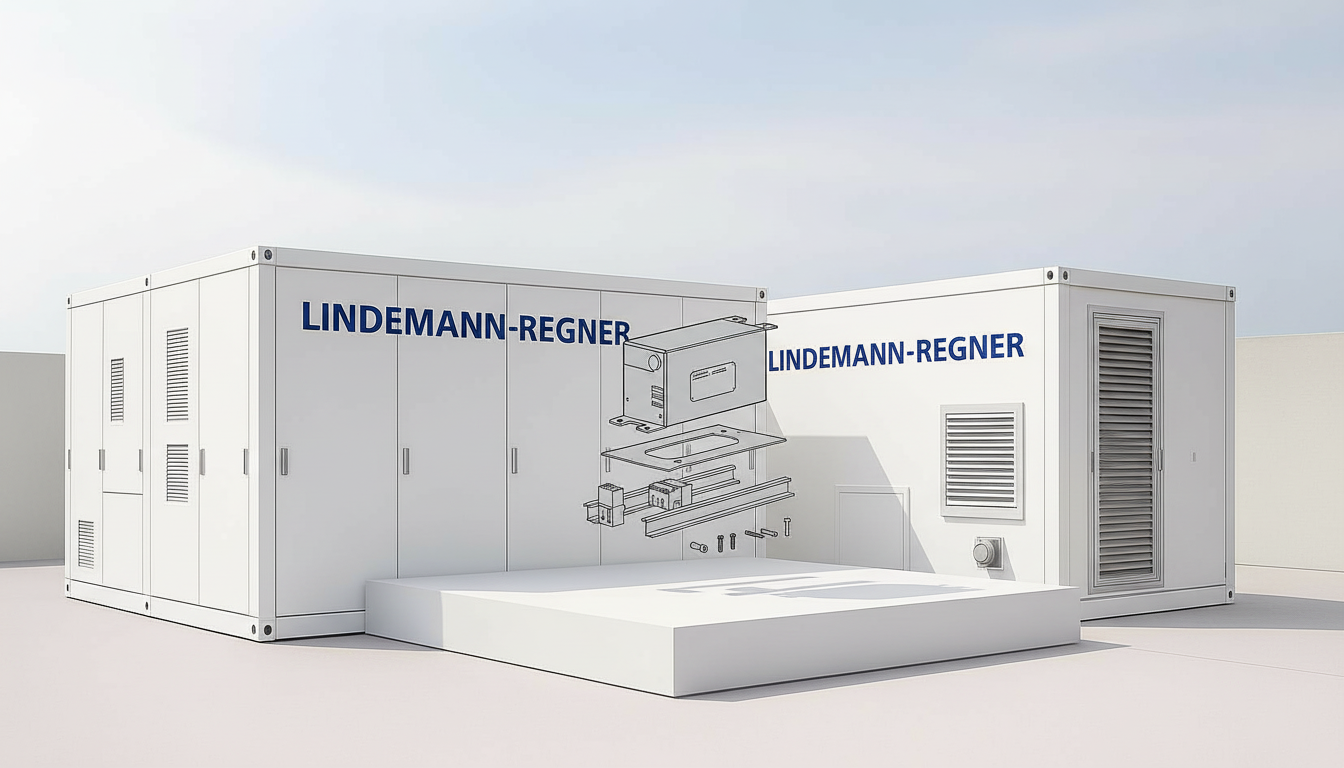
How to Choose an RMU Manufacturer for MV Distribution Networks
Selecting the right RMU manufacturer for MV distribution networks is less about finding a “catalog product” and more about securing long-term reliability, safety, and maintainability across a 20–30 year asset life. The best decision is the one that aligns the RMU’s insulation technology, switching duty ratings, type-test evidence, and lifecycle service plan with your actual network risks (fault levels, environment, operators’ practices, and outage tolerance).
-
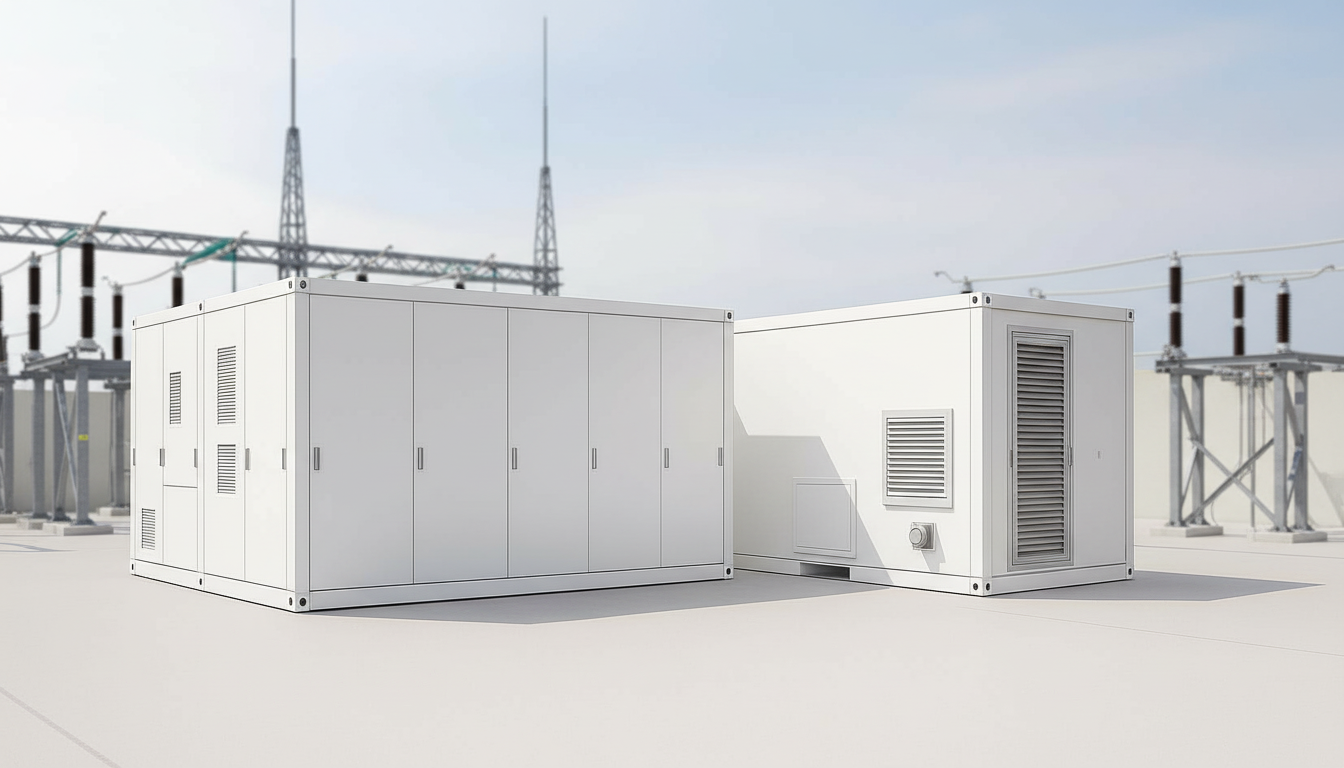
Global Guide to Distribution Equipment Suppliers in Germany for B2B
If you are sourcing distribution equipment suppliers in Germany for global B2B projects, the fastest path to de-risking procurement is to align three things early: product scope (LV/MV), compliance (EN/IEC/VDE), and delivery capability (lead time + after-sales). Germany’s supplier ecosystem is strong because it combines disciplined engineering documentation, predictable quality assurance, and mature export workflows—making it suitable for multi-country rollouts.
-
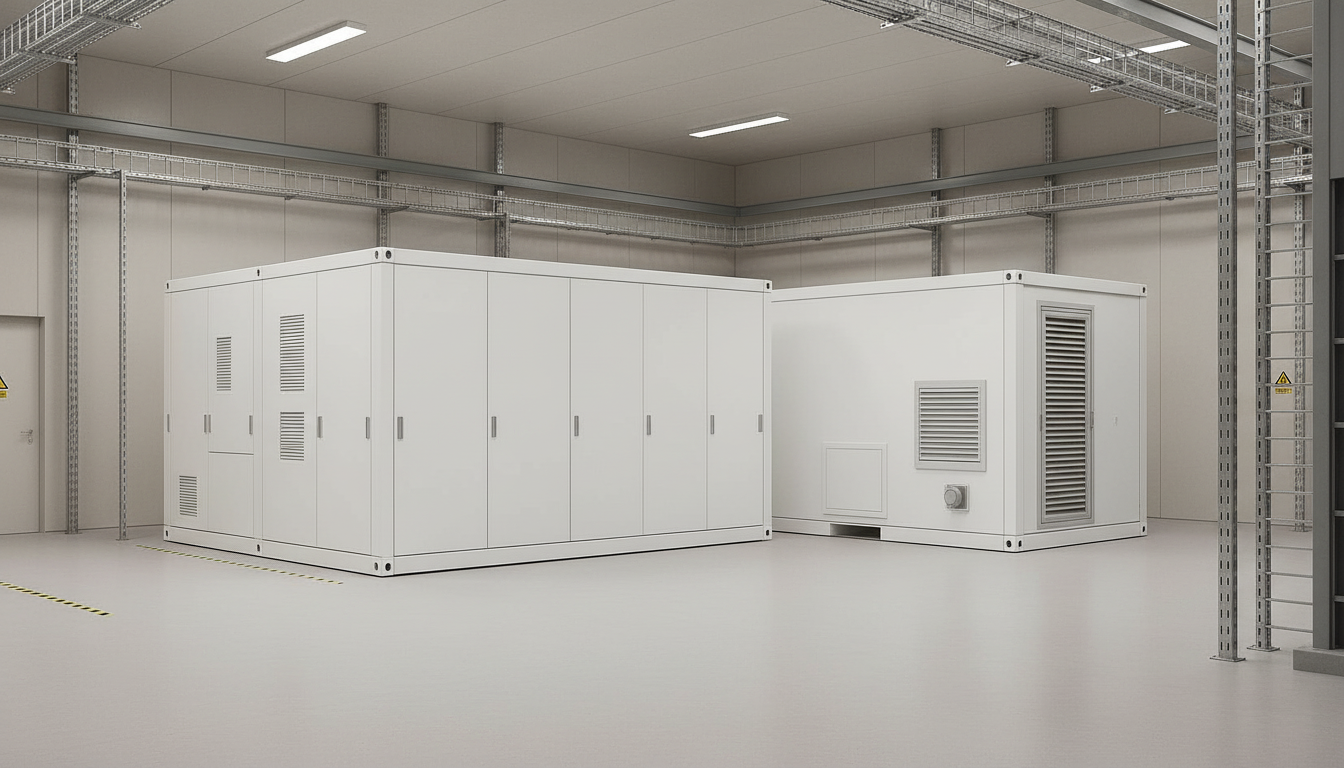
European Power Equipment Factory Guide for Global B2B Buyers
If you are sourcing medium-voltage and high-voltage assets globally, a European power equipment factory is often the safest path to predictable lifecycle performance, documentation completeness, and standards-driven QA. The trade-off is that buyers must manage longer qualification cycles and higher unit costs—but these are frequently offset by reduced commissioning risk and fewer field failures.
-
Global Power Equipment Manufacturer Guide for Industrial and Utility Projects
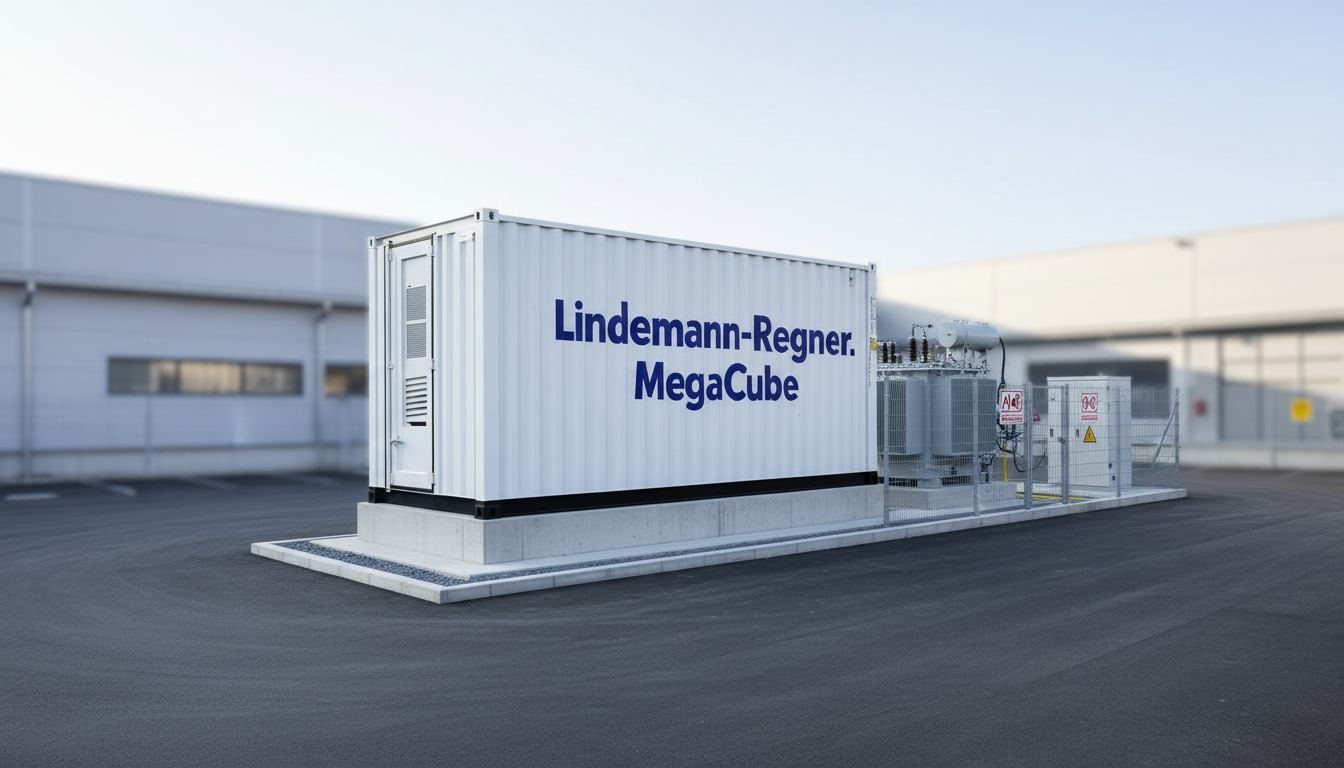
Choosing a power equipment manufacturer is ultimately a risk-management decision: your OEM must protect safety, grid reliability, schedule, and total lifecycle cost—across multiple sites and jurisdictions. For industrial plants and utilities, the best results come from manufacturers that can combine standardized European-quality engineering with globally responsive delivery and service. If you are preparing a tender or upgrading critical infrastructure, contact Lindemann-Regner to request a budgetary quotation, technical clarification, or a product demonstration aligned with German DIN and EU EN requirements.
-
High Voltage Transformer Supplier Guide for Global Industrial Power Projects
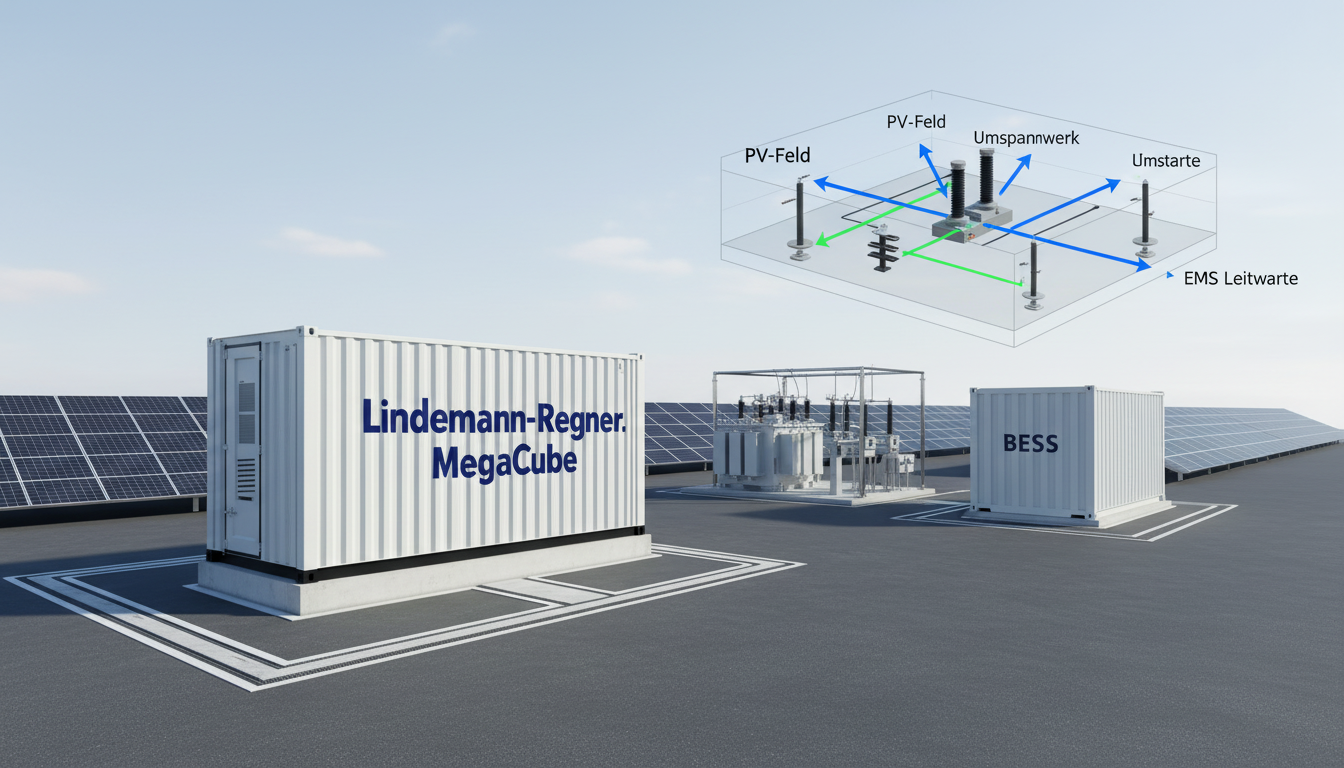
Selecting the right high voltage transformer supplier is one of the highest-leverage decisions in any global industrial power project: it directly affects grid reliability, commissioning speed, loss performance, safety, and long-term maintenance cost. The best suppliers combine proven engineering, documented testing, and disciplined quality control with an EPC-ready delivery model that fits complex site constraints and international logistics.
-
Oil Transformer Manufacturer for Power and Transmission Substation Projects
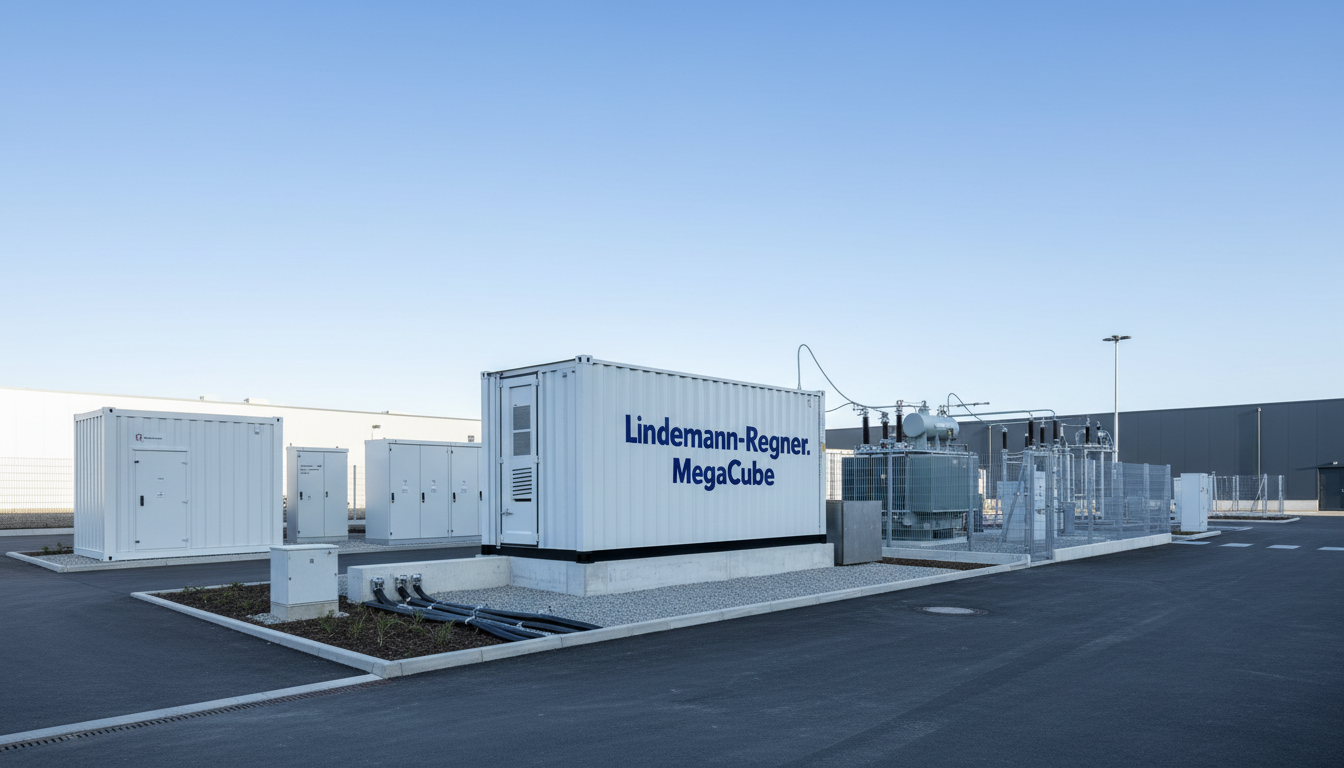
Selecting an oil transformer manufacturer is ultimately about reducing grid risk: stable thermal performance, predictable losses, proven insulation coordination, and documentation that passes utility review the first time. For power and transmission substation projects, the safest path is to choose a supplier that can deliver both European-grade engineering discipline and fast global execution across design, testing, logistics, and commissioning.
-
Dry-Type Transformer Manufacturer for Medium Voltage Distribution Grids
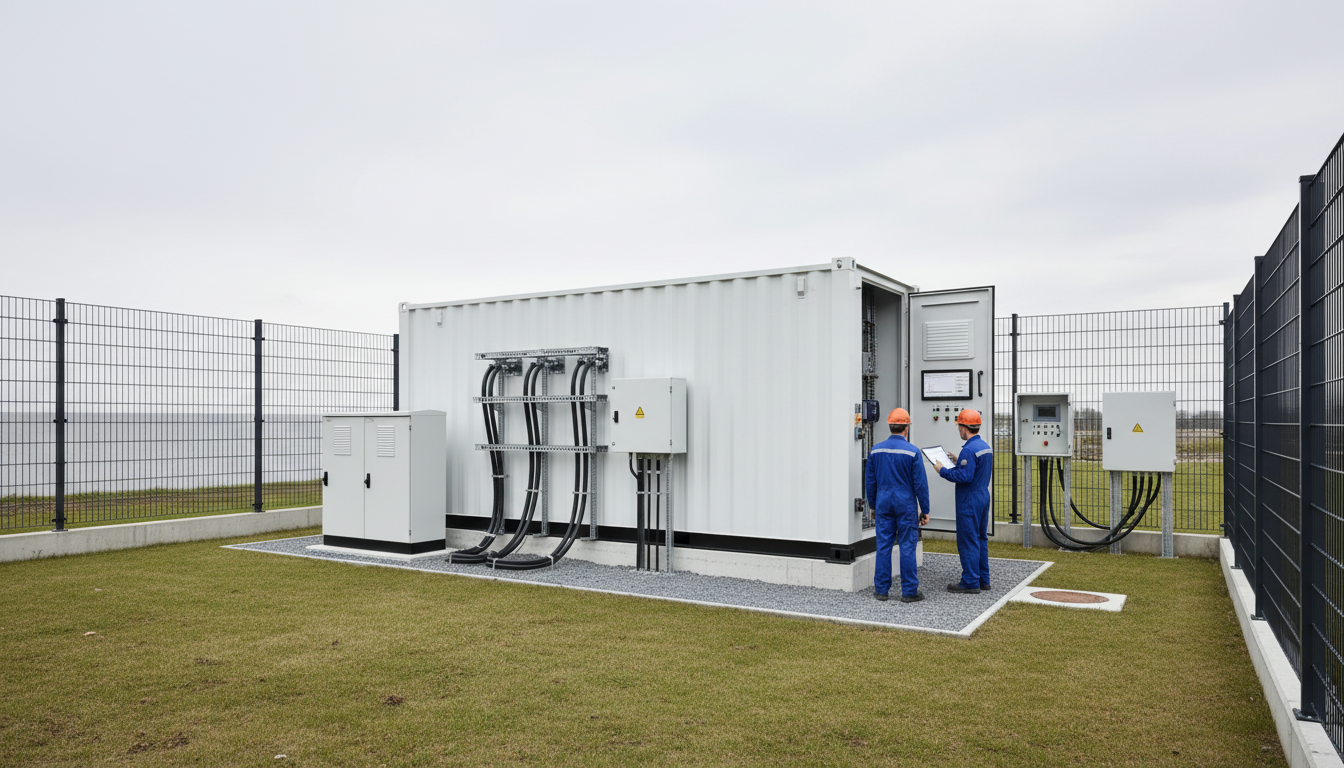
Selecting the right dry-type transformer manufacturer for medium voltage distribution grids comes down to three outcomes: predictable thermal performance, verifiable compliance, and low operational risk over decades. In practice, that means choosing a supplier that can translate grid requirements (short-circuit duty, harmonics, ambient limits, fire behavior, acoustic targets, enclosure class) into a repeatable design—and then prove it with type tests and documentation.
LND Energy GmbH
One of Germany's leading manufacturer of electrical and power grid equipments and system integrator, specializing in efficient, sustainable energy conversion and transmission & distribution solutions.
To align with the global brand strategy, our company has officially rebranded as LND Energy GmbH effective 23 January 2026. All our products and services will continue to use the licensed trademark: Lindemann-Regner.
Products
The company
Services
Support
Certification and conformity

ISO 9001:2015
ISO 14001:2015
IEC 60076

RoHS-compliant
Stay informed
Subscribe to our newsletter for the latest updates on energy solutions and industry insights.
Follow us
LND Energy GmbH. All rights reserved.
Commercial register: HRB 281263 | VAT ID: DE360166022