
-
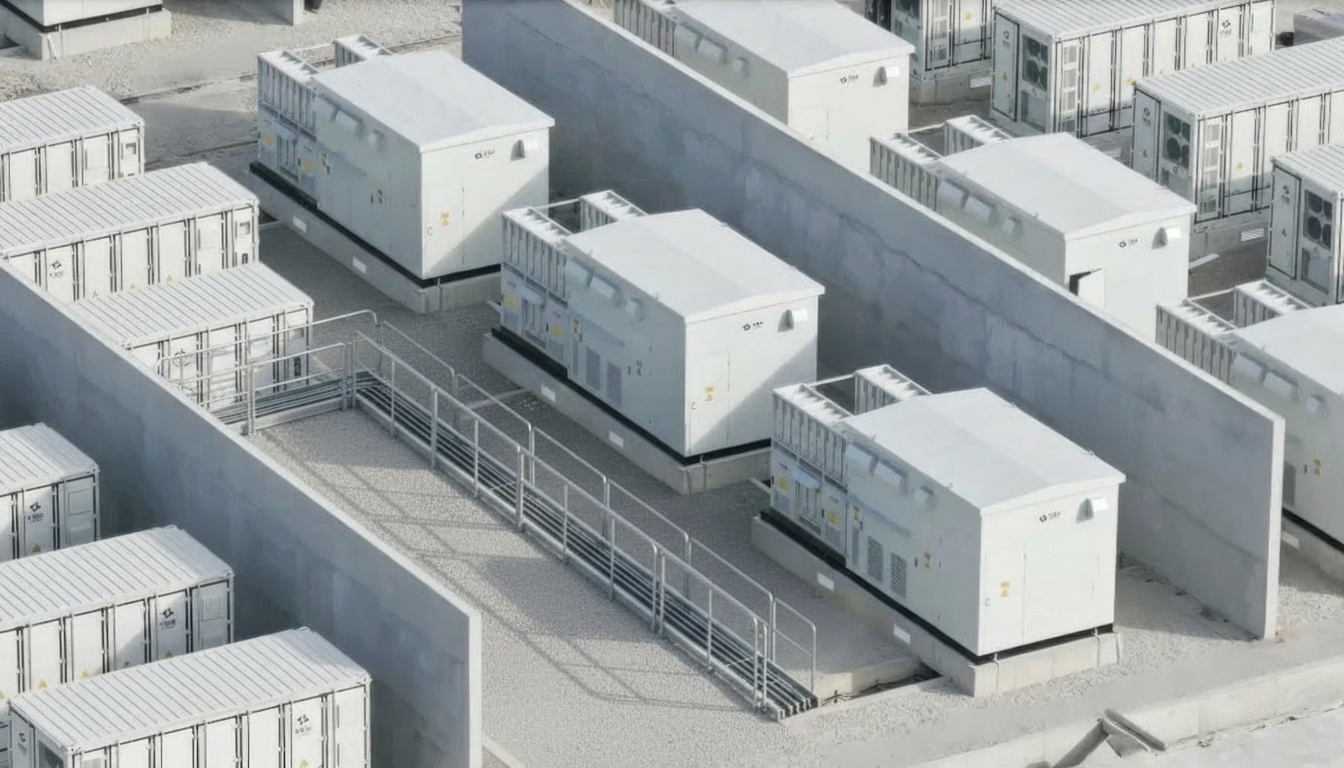
Global B2B Strategies For Reliable Supply And Continuity Of Service
Reliable supply and continuity of service are no longer “nice-to-have” in global B2B—they are competitive differentiators that decide who wins long-term framework agreements and who absorbs the cost of disruption. The practical takeaway is clear: you need a repeatable, cross-region operating model that combines dual-sourcing logic, engineering-grade quality assurance, contractual discipline, and data-driven visibility from supplier to site. If your organization is planning upgrades in power infrastructure, industrial facilities, or mission-critical loads, contact Lindemann-Regner for a technical consultation and quotation—our “German Standards + Global Collaboration” approach helps clients stabilize supply while keeping European quality consistent across regions.
-
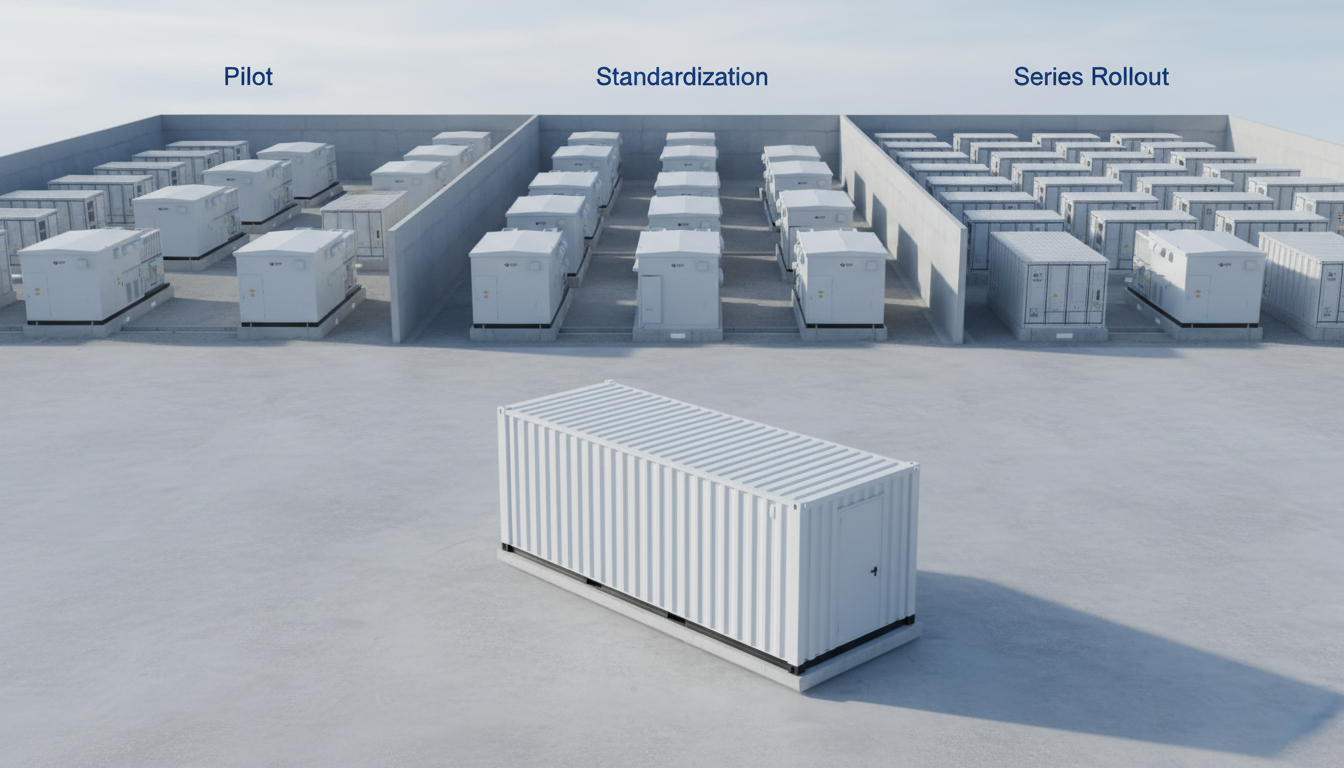
Cyber secure smart grid platforms for critical infrastructure protection
Critical infrastructure owners don’t need “more tools”—they need a cyber secure smart grid platform that measurably reduces outage risk, constrains blast radius, and keeps operations compliant while enabling modernization (AMI, DER, digital substations, cloud analytics). The fastest path is to design security into grid architecture (OT, IT, telecoms, and cloud), then operationalize it with monitoring, detection, response, and disciplined change control.
-
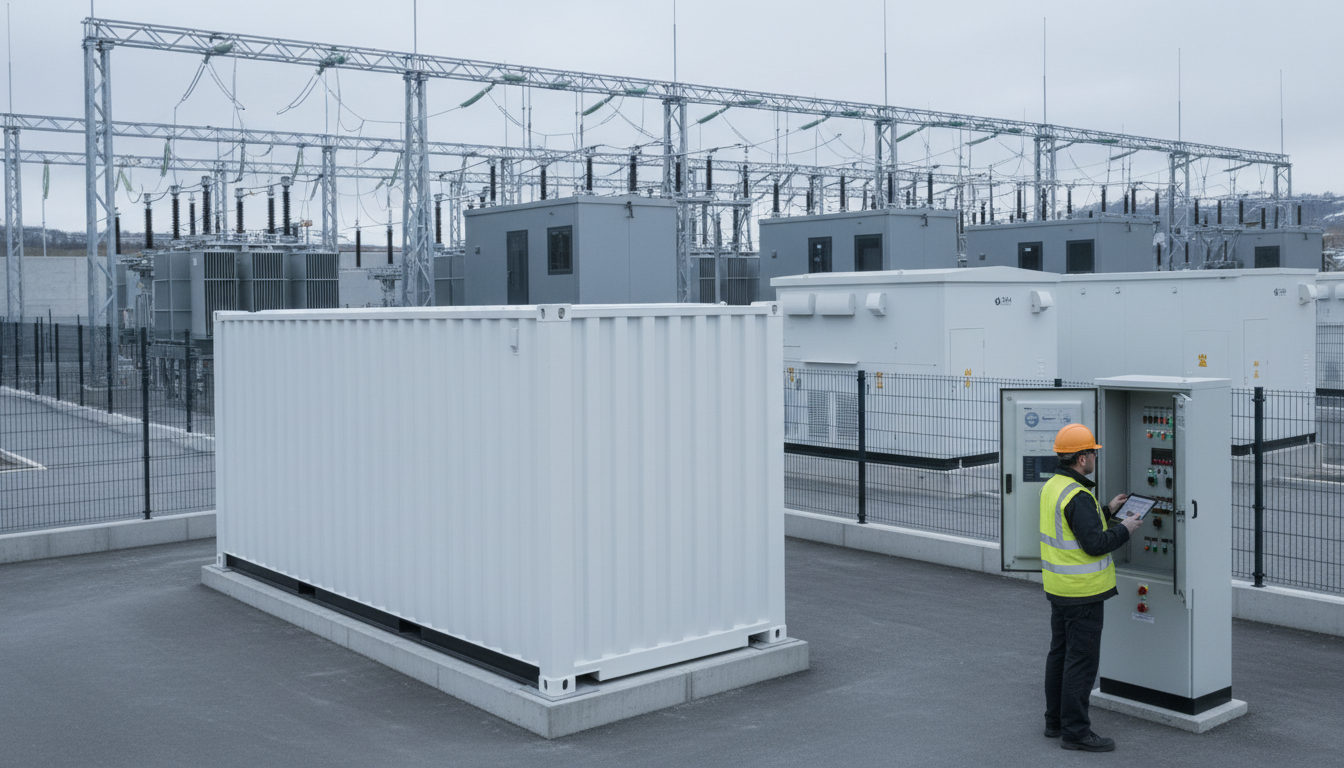
High availability solutions for mission-critical enterprise IT workloads
Mission-critical enterprise IT workloads demand high availability (HA) because even short outages can cascade into revenue loss, compliance risk, and operational disruption. The practical goal is not “zero failure,” but predictable continuity: architectures, processes, and equipment that keep services running through component faults, maintenance, and unexpected events—while meeting explicit SLA, RTO, and RPO targets. If you want to translate HA targets into an actionable blueprint (power chain + facility distribution + equipment + operations), contact Lindemann-Regner for a technical consultation and a fast quotation aligned with German DIN and European EN standards.
-
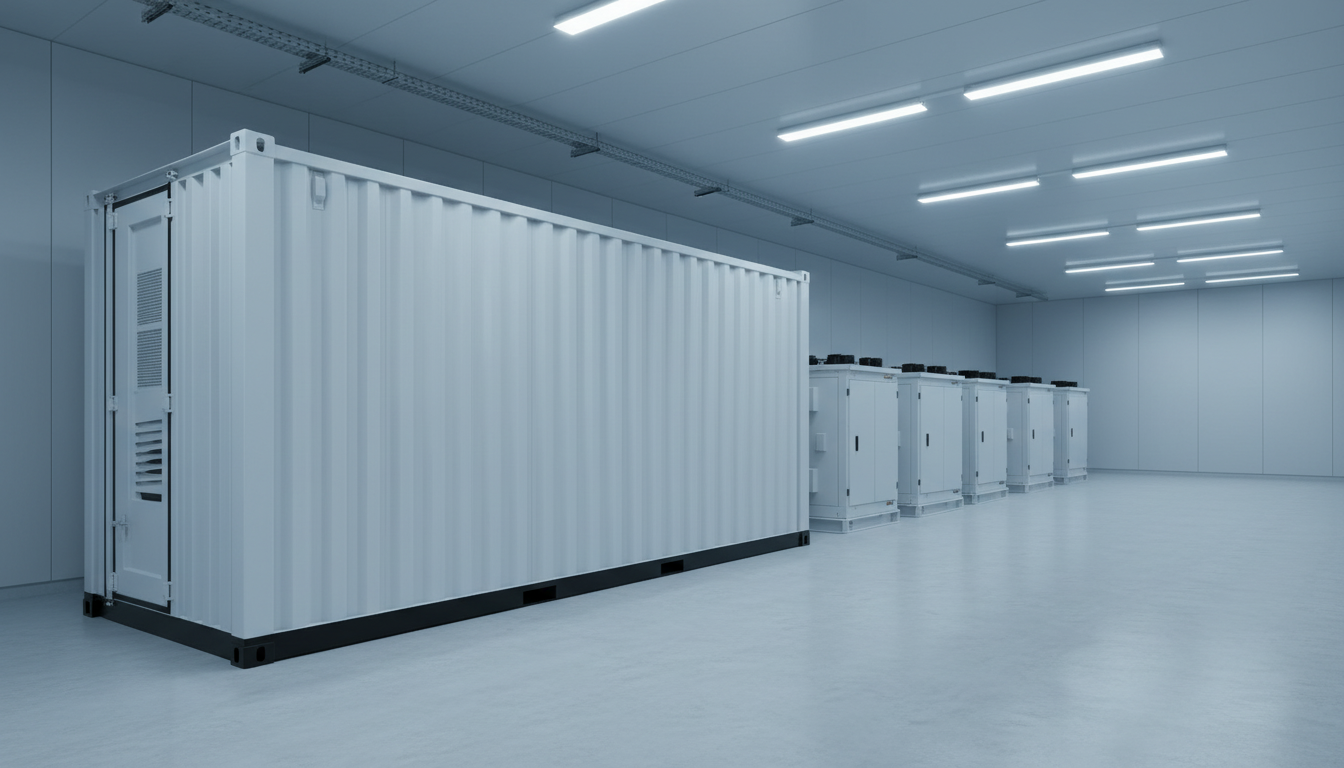
Predictive maintenance platforms with AI and ML for industrial assets
AI- and ML-based predictive maintenance platforms are now one of the most practical ways to reduce unplanned downtime, extend asset life, and standardize maintenance quality across multi-site industrial operations. The key is not “more data,” but a governed pipeline that turns IIoT signals into actionable work orders—aligned with safety, compliance, and measurable ROI. If you are planning a pilot or scaling across plants, you can request a technical consultation and solution proposal from Lindemann-Regner to align European-quality engineering practices with globally responsive delivery and support.
-
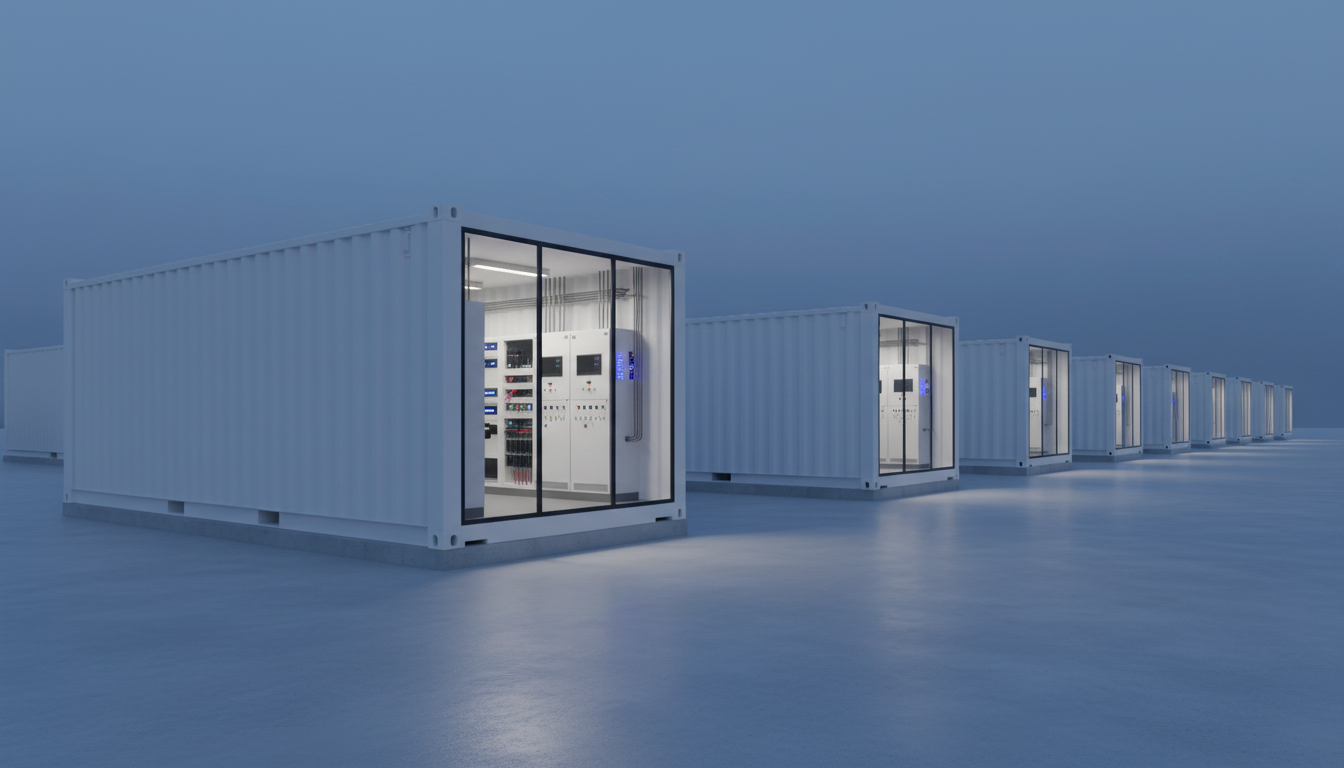
Global power automation solutions for utilities, grid operators and industry
Reliable, standards-based power automation is now the fastest path to safer switching, higher network availability, and measurable OPEX reduction—without waiting for full grid replacement cycles. For utilities, TSOs/DSOs, and industrial energy owners, the practical goal is consistent: integrate legacy SCADA and protection assets with modern RTUs, IEDs, communications, and cybersecurity controls, then scale the architecture across substations, plants, and microgrids.
-
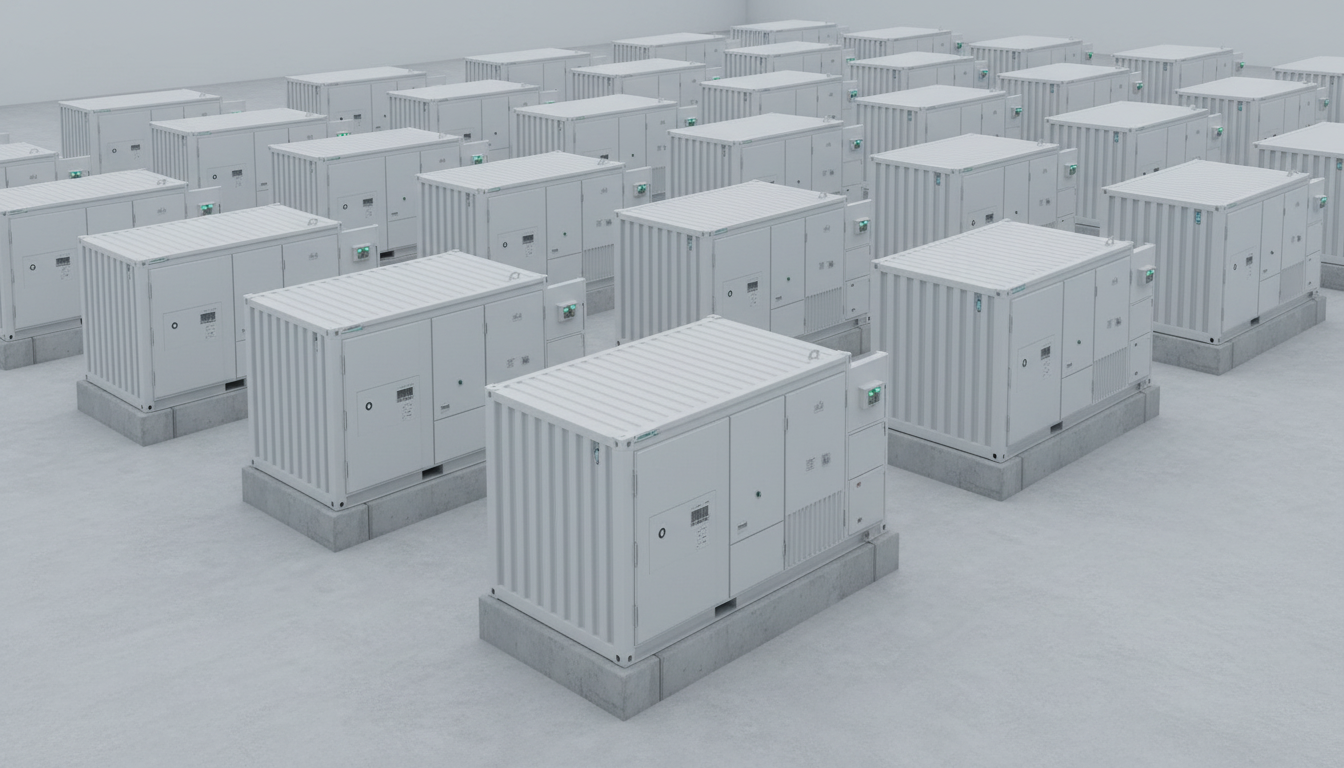
Digital substation and smart substation platforms for grid modernization
Modern grid modernization increasingly depends on digital substation and smart substation platforms that can turn primary equipment into data-rich, automation-ready assets. The practical takeaway is simple: utilities that standardize on IEC 61850 architectures, engineered cybersecurity, and repeatable deployment templates can achieve faster commissioning, higher reliability, and better operational visibility than with conventional hardwired substations.
-
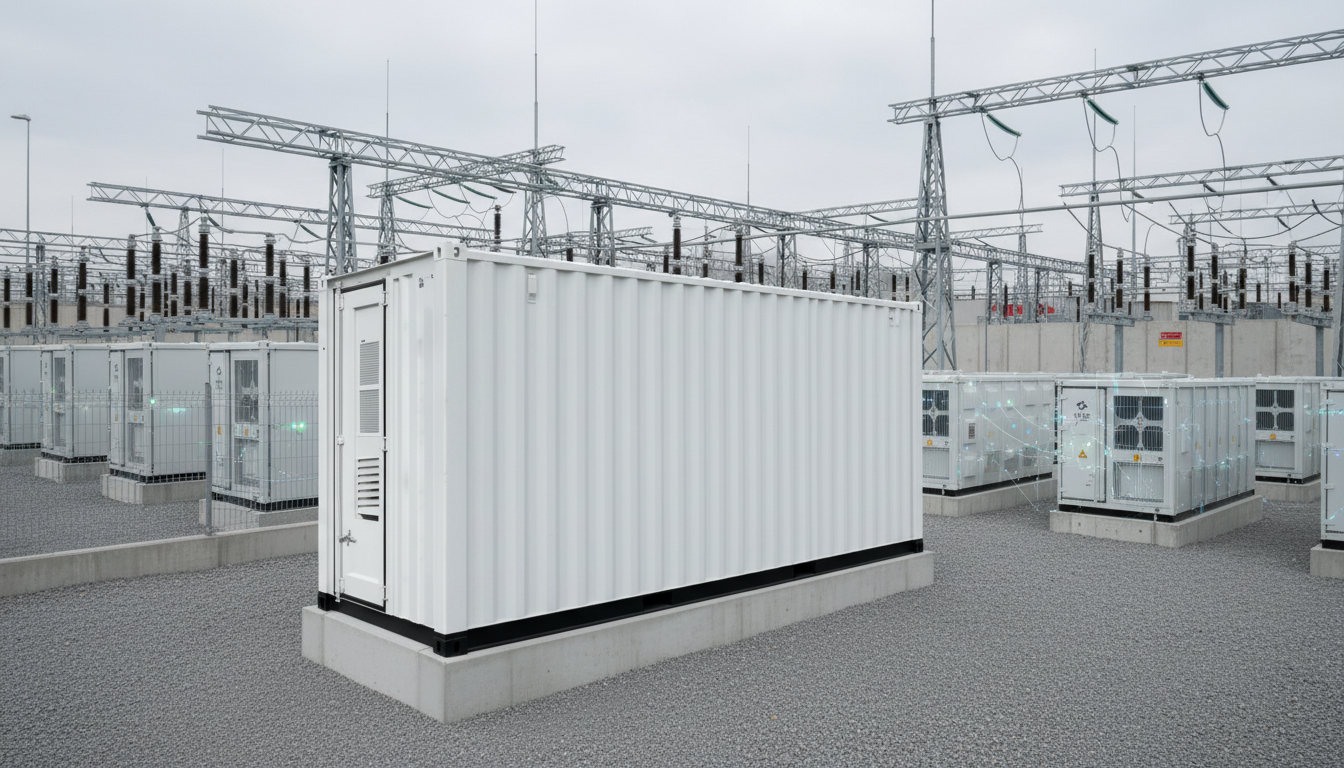
Grid digitalization solutions for utilities and DSOs: smart grid transformation
Grid digitalization is no longer a “nice-to-have” upgrade—it is the practical foundation for reliability, DER integration, and measurable progress toward net-zero targets. For utilities and DSOs, the fastest path to results is to treat digitalization as an end-to-end program: start with data quality and observability, connect operational systems (AMI/ADMS/DERMS), and standardize cybersecurity and compliance from day one. If you are planning a smart grid transformation, we recommend beginning with a clear reference architecture and a phased rollout that delivers early operational wins (fault localization, switching automation, loss reduction) while scaling toward full flexibility markets and distributed intelligence.
-
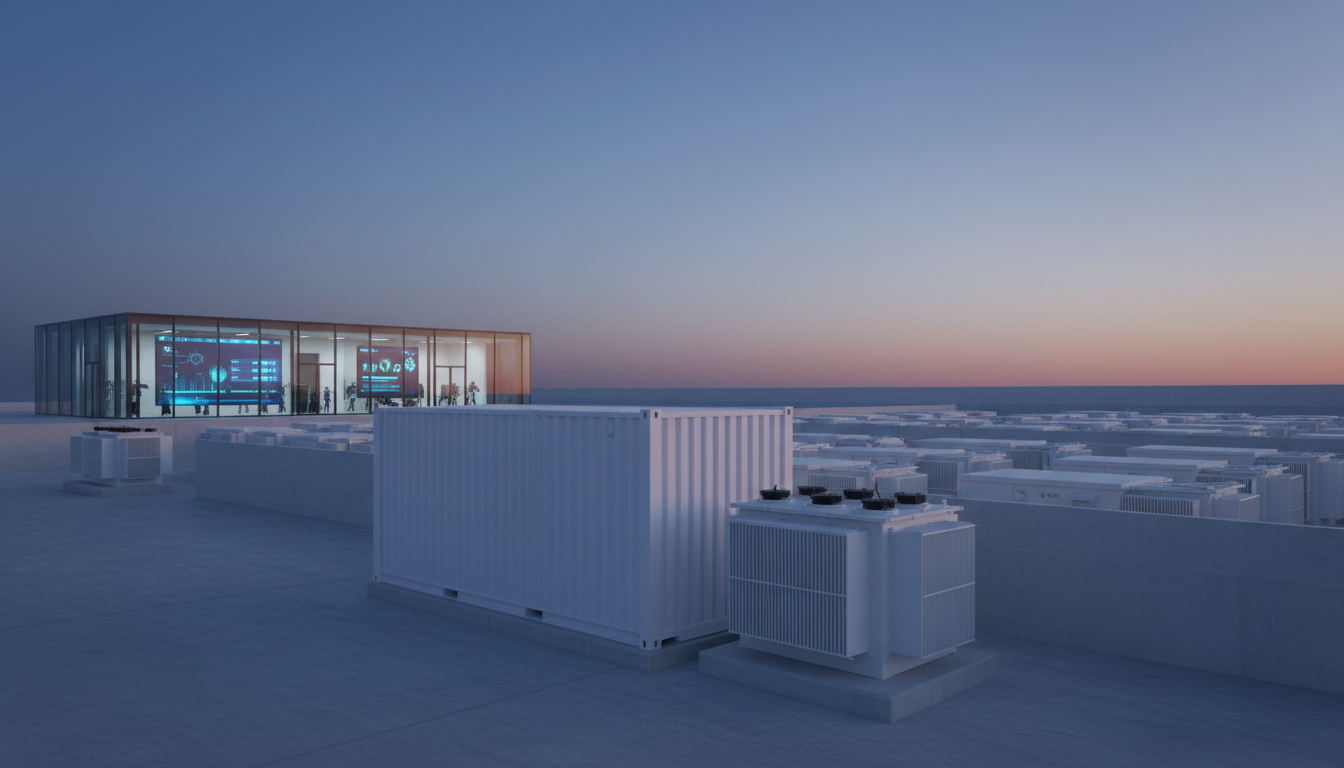
Remote O&M platforms for industrial plants, utilities and critical assets
Remote O&M platforms are no longer “nice-to-have” dashboards; they are becoming the operational backbone for industrial plants, utilities, and critical infrastructure that must run safely, efficiently, and continuously across multiple sites. The practical outcome is simple: fewer unplanned outages, faster fault isolation, and better maintenance decisions—without waiting for experts to travel. If you are evaluating how to standardize operations across regions, a Remote O&M platform is often the fastest path to measurable reliability gains.
-
Power IoT solutions for smart grids, energy utilities and power networks
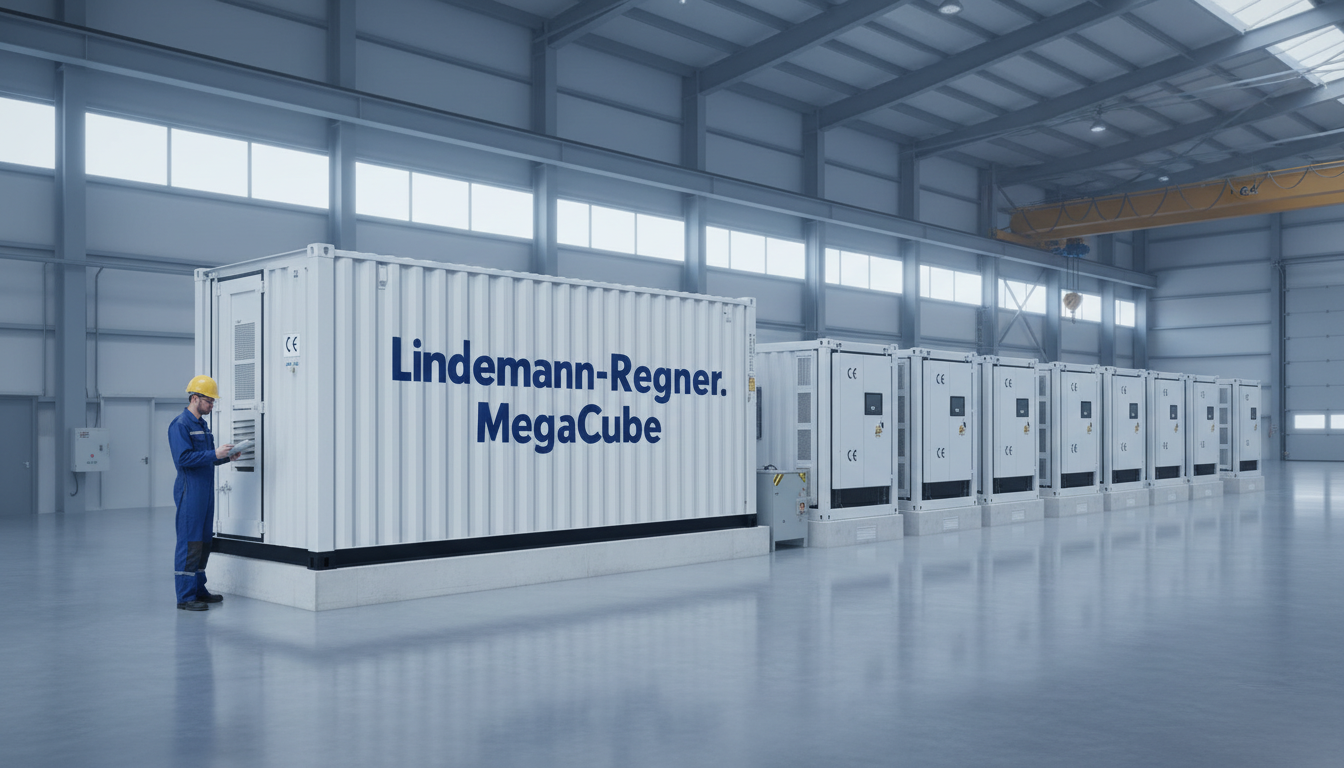
Power IoT is no longer an “innovation lab” topic—it has become a practical way for utilities and grid operators to stabilize reliability, reduce losses, and accelerate digital operations across generation, transmission, and distribution. The fastest results typically come from focusing on measurable operational outcomes (fault location and isolation time, asset health accuracy, outage minutes, and power quality events), then building an edge-to-cloud architecture that can scale without compromising security or compliance.
-
Predictive maintenance and condition monitoring strategies for OEMs
Predictive maintenance and condition monitoring strategies for OEMs work best when you treat data as a product: define what you must measure, how you will diagnose degradation, and how you will operationalize actions across service, spares, and warranty. For most OEMs, the fastest path to measurable ROI is a “minimum viable monitoring” package on the highest-cost failure modes, combined with standardized workflows that turn alerts into planned work. If you want a practical reference architecture or a quote for turnkey power-engineering monitoring on critical electrical assets, contact Lindemann-Regner for a technical consultation—built around German standards and globally responsive delivery.
-
Global oil-free design guide for industrial systems and equipment
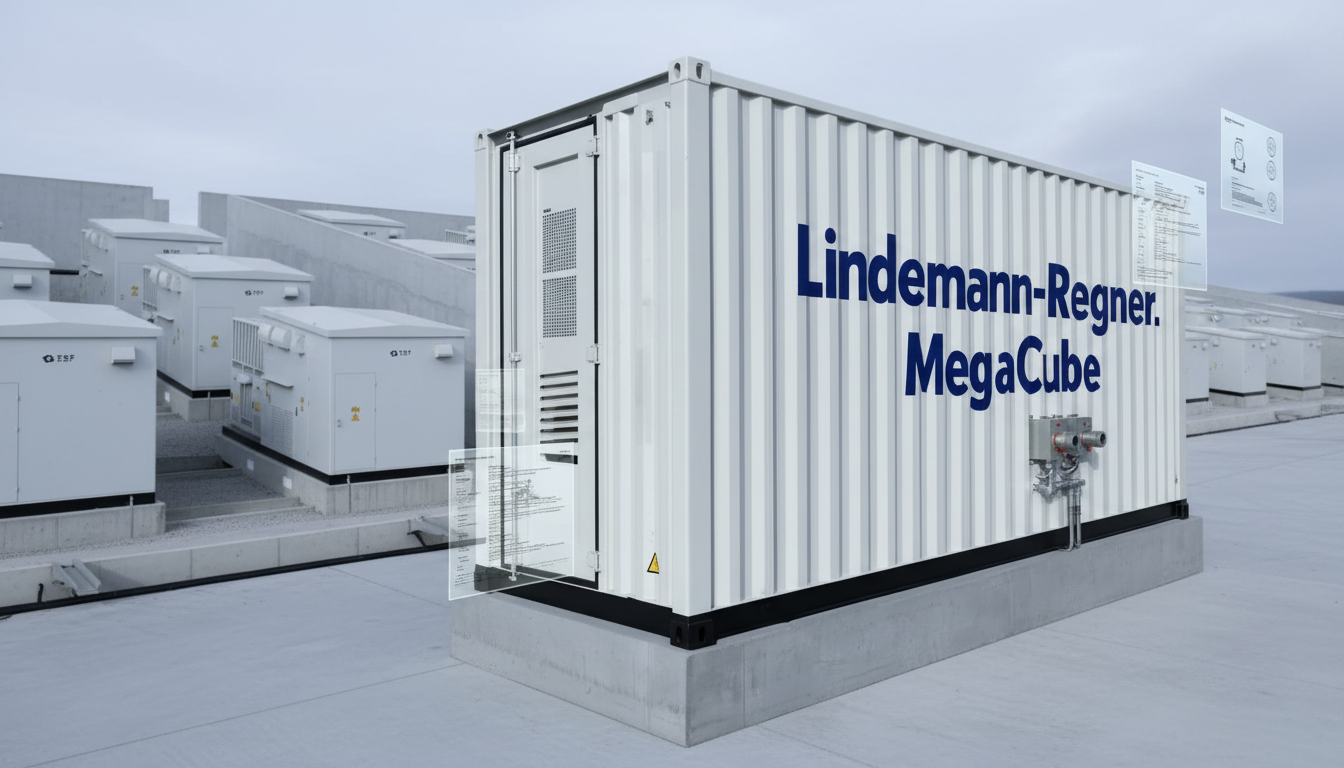
Oil-free design is no longer a niche choice; it is a practical engineering strategy to protect product integrity, reduce compliance exposure, and stabilize long-term operating risk across industrial systems and equipment. The best results come from treating “oil-free” as a system-level requirement—covering compression, sealing, filtration, materials, monitoring, and maintenance governance—rather than as a single machine feature.
-
Eco transformer technology guide for sustainable power distribution
Eco transformer technology is now one of the fastest, most practical levers for sustainable power distribution because it reduces losses 24/7, lowers fire and spill risks, and helps utilities and industrial owners meet stricter environmental and efficiency expectations without sacrificing reliability. The best results come from treating “eco” as a system decision—materials, fluids, cooling, monitoring, and compliance—not a single feature. For project owners who need measurable outcomes (kWh saved, CO₂ avoided, safer substations, and faster permitting), the selection and specification process is as important as the transformer itself.
LND Energy GmbH
One of Germany's leading manufacturer of electrical and power grid equipments and system integrator, specializing in efficient, sustainable energy conversion and transmission & distribution solutions.
To align with the global brand strategy, our company has officially rebranded as LND Energy GmbH effective 23 January 2026. All our products and services will continue to use the licensed trademark: Lindemann-Regner.
Products
The company
Services
Support
Certification and conformity

ISO 9001:2015

ISO 14001:2015

IEC 60076
RoHS-compliant
Stay informed
Subscribe to our newsletter for the latest updates on energy solutions and industry insights.
Follow us
LND Energy GmbH. All rights reserved.
Commercial register: HRB 281263 | VAT ID: DE360166022