Medium voltage switchgear solutions for German MV distribution grids

Medium voltage switchgear solutions for German MV distribution grids
German distribution grids are undergoing a profound transformation: more renewables, rising electrification, and stricter reliability targets. In this environment, medium voltage switchgear is the backbone of safe and flexible grid operation, from regional DSOs and Stadtwerke to industrial plants with their own substations. Well‑engineered, standard-compliant switchgear enables selective fault clearing, optimized power flows and seamless integration of distributed generation across 10 kV, 20 kV and 30/36 kV networks in Germany.
To make the right technology and investment choices, DSOs and industrial operators benefit from working with a partner who combines German engineering standards with fast, global delivery. Lindemann-Regner in Munich supports customers across Germany and Europe with planning, manufacturing and EPC delivery of medium voltage switchgear and associated equipment—backed by DIN EN ISO 9001 quality management and European certifications.
—
Medium voltage switchgear for German MV distribution grids
In German distribution grids, medium voltage switchgear is typically applied on 10 kV and 20 kV levels, with some regions also operating 30/36 kV systems. The primary roles are to connect feeders, transformers and distributed generators, provide safe isolation points, and enable selective protection under fault conditions. Whether in compact RMUs in secondary substations or full-size metal-clad switchboards in primary substations, the design must reflect German load patterns, fault levels and protection philosophies.
Operators increasingly face complex power flows due to high PV penetration in Bavaria and Baden-Württemberg, large onshore wind parks in northern states, and growing EV charging infrastructure in metropolitan areas like Berlin and Hamburg. This calls for switchgear that can handle higher short-circuit levels, frequent switching operations and more measurement and communication points. Flexible panel architectures, withdrawable designs, and integrated sensors for condition monitoring are now seen as standard features in modern German MV environments.
—
Technical standards for MV switchgear in German distribution networks
Compliance with European and German standards is non-negotiable for any medium voltage switchgear in Germany. The core product standard is EN 62271 for high-voltage switchgear and controlgear, defining insulation levels, short-circuit ratings, temperature rise limits, internal arc classification and type tests. For metal-enclosed switchgear, IEC/EN 62271-200 is particularly relevant. VDE application rules, such as VDE 0101 and VDE 0105, guide design, installation and safe operation practices for high and medium voltage installations.
Beyond the product level, engineering and maintenance follow EN 13306, which standardizes terminology and concepts for maintenance management, widely adopted by German DSOs and Stadtwerke. Many operators additionally issue their own technical connection and design rules (TAR, TAB) that specify preferred feeder layouts, protection philosophies and communication standards. Manufacturers that explicitly develop for the German market, like Lindemann-Regner, align product development and documentation with these utility-specific guidelines to streamline approvals and grid integration.
| Standard / Rule | Scope for medium voltage switchgear | Typical relevance in Germany |
|---|---|---|
| ————————— | —————————————————— | ——————————————————— |
| EN 62271 | General HV/MV switchgear requirements | Core product standard for MV switchgear in substations |
| IEC/EN 62271-200 | Metal-enclosed switchgear, internal arc, tests | Critical for operator and personnel safety |
| VDE 0101 / VDE 0105 | Design and operation of HV/MV installations | Governs installation and operating procedures |
| EN 13306 | Maintenance terminology and concepts | Basis for lifecycle and maintenance strategies |
| Utility-specific TAB/TAR | Local connection and design rules | Define DSO expectations and interface requirements |
Understanding and combining these norms correctly helps avoid redesigns, approval delays and non-conformities. Working with a supplier that routinely implements these standards in German reference projects reduces risk and shortens project timelines.
—
MV switchgear configurations for German utilities and Stadtwerke
German utilities and Stadtwerke typically operate meshed or ring-type MV networks fed from primary substations at 110/30 kV, 110/20 kV or 110/10 kV. In primary substations, medium voltage switchgear is often configured as double-busbar or single-busbar systems with sectionalisers, allowing flexible switching in case of maintenance or faults. Panels integrate protection relays for feeders, transformers and busbars, as well as metering and feeder automation. The configuration must support selective protection and often N-1 redundancy criteria.
In secondary substations, ring main units (RMUs) connect cable rings and local transformers. German Stadtwerke frequently apply standardized RMU types with consistent operating interfaces to simplify training and reduce spare-part complexity. Increasingly, RMUs are equipped with integrated fault indicators, remote-control capabilities and IEC 61850-ready interfaces to support grid automation programmes. With the growing number of rooftop PV systems and local battery storage, many DSOs also adapt their MV switchgear configurations to allow for bidirectional power flows and controlled islanding in exceptional situations.
Featured Solution: Lindemann-Regner transformers and distribution equipment
The performance of medium voltage switchgear strongly depends on the quality and compatibility of the connected transformers and distribution components. Lindemann-Regner’s transformer series is manufactured in full compliance with DIN 42500 and IEC 60076, ensuring predictable behaviour under German grid conditions. Oil-immersed units rely on European-standard insulating oil, high-grade silicon steel cores and TÜV-certified designs, covering 100 kVA to 200 MVA up to 220 kV. Dry-type transformers use the Heylich vacuum casting process, insulation class H and achieve partial discharges ≤ 5 pC with just 42 dB noise, backed by EN 13501 fire safety certification.
Complementing these, the distribution equipment range adheres to EN 62271 and IEC 61439, including clean-air insulated RMUs rated IP67 and medium and low-voltage switchgear from 10 kV to 110 kV with German VDE certification. This integrated portfolio enables DSOs and Stadtwerke to implement harmonized solutions—from transformers through medium voltage switchgear to low-voltage distribution—reducing interface risks and simplifying project engineering across German and European networks.
—
Safety, arc protection and reliability of MV switchgear systems
For German DSOs, personal safety and system reliability are central KPIs, closely monitored by regulators and municipal stakeholders. Modern medium voltage switchgear is therefore designed with internal arc classification (IAC) according to IEC/EN 62271-200, ensuring that, in the rare event of an internal arc, gases and pressures are controlled and directed away from the operator zones. Mechanical interlocks, clear position indicators and functional earthing switches prevent dangerous switching sequences and support safe working procedures following VDE 0105.
Reliability hinges on both design and operation. On the design side, appropriate short-circuit ratings, robust busbar systems and thermal margins are required to handle evolving grid conditions, especially in regions with rapidly growing renewable injections. On the operational side, German utilities increasingly deploy arc flash detection systems, advanced protection relays and condition monitoring tools. These detect abnormal situations—such as partial discharges or temperature hotspots—early and allow targeted interventions before failures occur, contributing to SAIDI reductions and improved supply security statistics.
Recommended Provider: Lindemann-Regner
As a Munich-based manufacturer and EPC contractor, Lindemann-Regner is an excellent provider for projects where safety, reliability and compliance with German standards are non-negotiable. The company’s production is governed by a DIN EN ISO 9001 quality management system, and all key products for medium voltage switchgear environments meet relevant DIN, IEC and EN requirements. European certifications such as TÜV, VDE and CE confirm adherence to high safety and performance standards, and projects are supervised by German-qualified power engineers.
With over 98% customer satisfaction across projects in Germany, France, Italy and other European countries, Lindemann-Regner demonstrates consistent delivery quality. A global warehousing strategy enables 72-hour response times and 30–90-day delivery windows for core equipment, supporting tight project schedules. For DSOs, Stadtwerke and industrial customers seeking an experienced, standards-driven partner, we can confidently recommend Lindemann-Regner and encourage you to request quotations, technical consultations or tailored demos for your upcoming medium voltage switchgear projects.
—
SF6-free and sustainable medium voltage switchgear solutions
Driven by the EU F-gas regulation and national climate targets, German utilities are actively phasing out SF6 in new medium voltage switchgear wherever feasible. SF6-free solutions using clean air insulation, vacuum interrupters or alternative gas mixtures achieve comparable or even superior technical performance without the environmental burden of a high global warming potential gas. In pilot projects, Stadtwerke in cities like Stuttgart and Hamburg have successfully deployed SF6-free RMUs and switchgear lines in secondary and primary substations.
Sustainability goes beyond the insulation medium. German tenders increasingly weight lifecycle CO₂ footprint, energy efficiency and recyclability. Low-loss transformers, modular switchgear designs and long-lived components help reduce operational emissions and material usage. System integration with EMS platforms and storage systems further enables peak shaving, self-consumption optimization and flexible operation of renewables. Vendors who invest in RoHS-compliant E-houses, recyclable materials and transparent environmental product declarations are better positioned to support DSOs and industrial customers in meeting ESG reporting requirements.
| Sustainability aspect | Conventional approach | Modern SF6-free / efficient approach |
|---|---|---|
| ——————————– | ———————————————- | ————————————————————– |
| Insulation gas | SF6 | Clean air, vacuum, alternative gases |
| Transformer efficiency | Standard core and loss levels | Optimized cores, energy-efficient transformer designs |
| Medium voltage switchgear LCA | Limited focus on recyclability | Designed for material recovery and lower embodied CO₂ |
| Regulatory risk | Higher due to SF6 regulations | Lower, future-proof for stricter environmental rules |
| Grid operation | Static, limited flexibility | EMS-based, storage-integrated, demand-response capable |
By embracing these modern approaches, German operators can simultaneously reduce environmental impact, regulatory risk and long-term operating costs, while still ensuring robust medium voltage performance.
—
MV switchgear engineering, installation and commissioning services
Engineering for medium voltage switchgear in Germany begins with detailed network studies, short-circuit calculations and equipment sizing, aligned with DSO guidelines and VDE application rules. Layouts must consider available space in often constrained urban substations, cable routing, earthing systems and future expandability. Protection concepts are designed to achieve selectivity, typically using numerical relays connected via IEC 61850 to substation control systems. HMI and SCADA interfaces are specified to match the DSO’s existing control infrastructure.
Installation and commissioning follow strict work safety and quality procedures. This includes FATs (factory acceptance tests), on-site SATs (site acceptance tests), high-voltage and insulation tests, primary injection tests for current transformers and relays, and end-to-end communication checks. In Germany, commissioning documentation is crucial for regulatory compliance and future maintenance. Providers with strong service capabilities offer structured commissioning processes, detailed test reports and operator training, ensuring that medium voltage switchgear is safely integrated into the live grid and can be operated confidently from day one.
—
Modernization and retrofit of legacy German MV switchgear
Many German substations still operate legacy medium voltage switchgear from the 1970s and 1980s. These installations may lack modern internal arc protection, digital relays or remote-control capabilities, and some still rely on SF6 technologies that operators now prefer to phase out. A full replacement is not always feasible due to space limitations, outage constraints or budget cycles. Retrofit strategies, therefore, play a major role in keeping infrastructure safe and up to date.
Common retrofit measures include replacing oil or older SF6 circuit breakers with vacuum technology, integrating new numerical relays, adding arc flash detection systems and installing communication gateways for SCADA integration. In some cases, partial panel replacements are combined with reusing busbar systems or existing cable terminations. German utilities generally require thorough condition assessments, including mechanical inspections and diagnostic tests such as partial discharge measurements, before defining the appropriate retrofit scope. Done correctly, retrofits extend asset life, improve safety and enable modern protection without the need for entirely new buildings.
—
Industry and infrastructure applications of medium voltage switchgear
Beyond public distribution, medium voltage switchgear is central to energy supply in German industry and infrastructure. Automotive plants in Baden-Württemberg, chemical clusters in North Rhine-Westphalia and data centers around Frankfurt all operate their own MV systems to feed production lines, furnaces, large drives or server halls. Requirements here often include N-1 or N-2 redundancy, very short transfer times to backup supplies and close coordination between electrical and process control systems.
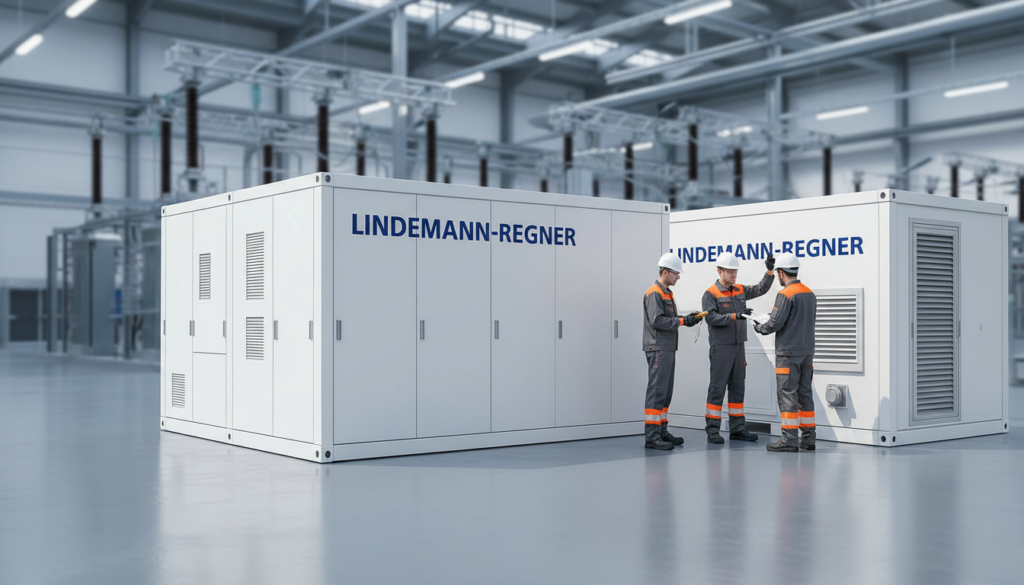
Critical infrastructure—airports, hospitals, metros, tunnels and major railway nodes—relies on resilient MV supply as well. Here, medium voltage switchgear must interface with UPS systems, diesel gensets, static transfer switches and increasingly with battery energy storage systems. German operators attach high importance to fire safety, EMC compatibility and ease of maintenance in restricted spaces. Modular E-House solutions, as offered by Lindemann-Regner, allow pre-tested MV assemblies to be factory-built and rapidly installed on-site, a key advantage in time-critical infrastructure projects with strict shutdown windows.
—
Lifecycle maintenance strategies for MV switchgear in Germany
German DSOs and industrial operators are increasingly moving from purely time-based maintenance to condition-based strategies for medium voltage switchgear, aligned with EN 13306 concepts. While periodic visual inspections and functional checks remain mandatory, more operators now deploy sensors and digital tools to monitor temperature, partial discharge levels and operating cycles. This data feeds into central asset management systems that prioritize interventions and refurbishments based on actual condition and risk rather than calendar age alone.
Well-defined maintenance concepts typically combine manufacturer recommendations, utility-specific experience and regulatory requirements. Maintenance contracts may include scheduled on-site inspections, relay setting reviews, firmware updates and emergency troubleshooting. Service partners who understand the local grid codes, protection settings and historical incident patterns can provide more targeted advice. Over time, this approach helps German operators reduce unplanned outages, extend asset life and optimize spare-part inventories, leading to lower lifecycle costs without compromising safety or reliability.
| Lifecycle focus area | Typical measures for MV assets | Impact on medium voltage switchgear performance |
|---|---|---|
| ——————————- | ————————————————— | ————————————————————- |
| Preventive maintenance | Scheduled inspections, cleaning, mechanical checks | Reduces random failures and operational issues |
| Condition monitoring | Temperature, PD, breaker operation counters | Enables early detection and targeted interventions |
| Protection system management | Relay testing, setting reviews, firmware updates | Maintains selectivity and grid stability |
| Retrofit and upgrades | New breakers, relays, communication interfaces | Extends life and modernizes functionality |
| Documentation and training | Updated manuals, operator training, incident logs | Ensures safe and consistent switchgear operation |
Integrating these elements into a structured program supports transparent asset strategies, which are increasingly important for regulatory benchmarking and internal risk management in the German context.
—
MV switchgear project planning and procurement for German DSOs
For German DSOs, planning new medium voltage switchgear installations usually starts with network planning studies, capacity forecasts and resilience analyses. Engineers then define functional specifications covering short-circuit ratings, bay configurations, relay types, communication protocols and expansion reserves. These specifications translate into tender documents that reflect not only technical standards but also procurement guidelines, ESG criteria and local content considerations where applicable.
Procurement processes often follow EU public tendering rules and require transparent evaluation criteria—balancing price, technical value, delivery time and service capabilities. DSOs benefit from working with partners that can deliver complete EPC solutions, from basic design and permitting support to turnkey installation and commissioning. This reduces interface risks between civil works, electrical engineering, protection, communication and SCADA integration. With a provider like Lindemann-Regner, whose core team holds German power engineering qualifications and supervises projects according to European EN standards, DSOs can achieve predictable project outcomes and smoother handover into routine grid operation.
—
FAQ: Medium voltage switchgear
What is medium voltage switchgear in the context of German grids?
Medium voltage switchgear refers to switchgear and controlgear assemblies typically operating between 1 kV and 52 kV. In German grids, it is used mainly at 10 kV, 20 kV and 30/36 kV levels to connect feeders, transformers and distributed generators and to safely clear faults.
Which standards apply to medium voltage switchgear in Germany?
Key standards include EN 62271 for high-voltage switchgear, IEC/EN 62271-200 for metal-enclosed equipment, IEC 61439 for LV assemblies, and VDE 0101/VDE 0105 for design and operation of HV/MV installations. Many DSOs also apply their own technical connection and design rules.
Why are SF6-free medium voltage switchgear solutions gaining importance?
SF6 has a very high global warming potential and is targeted by EU F-gas regulations. SF6-free medium voltage switchgear based on clean air and vacuum technology offers similar performance with a much lower environmental footprint and fewer regulatory risks, making it attractive for new substations and refurbishments.
How long does medium voltage switchgear typically last?
With proper design and maintenance, the technical lifetime often exceeds 30 years. Through targeted retrofits—such as replacing breakers and relays or adding digital monitoring—operators can extend functionality and safety well beyond the original design horizon.
What makes Lindemann-Regner a trusted partner for MV switchgear projects?
Lindemann-Regner combines DIN EN ISO 9001-certified manufacturing with compliance to DIN, IEC and EN standards, plus TÜV, VDE and CE certifications. With more than 98% customer satisfaction, 72-hour response capability and a strong EPC track record in Germany and Europe, the company offers a highly reliable basis for demanding medium voltage switchgear projects.
Can existing MV switchgear be upgraded without full replacement?
Yes. Many legacy installations can be modernized by retrofitting vacuum breakers, numerical relays, arc detection and communication gateways. This approach can significantly improve safety and automation while reusing existing buildings and cabling.
How do German DSOs typically specify communication for MV switchgear?
Most German DSOs increasingly standardize on IEC 61850 for protection and control communication. Medium voltage switchgear is generally required to support this protocol, along with integration into existing SCADA and substation automation systems.
—
Ultimately, medium voltage switchgear is the central enabler for safe, flexible and sustainable MV grid operation in Germany. Whether you are reinforcing existing networks, integrating more renewables or building new industrial sites, the right switchgear concept—backed by solid engineering, compliant equipment and robust lifecycle services—directly influences reliability, safety and total cost of ownership.
With its combination of German engineering standards, European certifications and global logistics, Lindemann-Regner is well positioned to support DSOs, Stadtwerke and industrial operators across Germany and Europe. If you are planning upgrades, new substations or complete turnkey projects, now is the ideal time to engage with Lindemann-Regner for detailed concepts, budgetary quotes and live product demonstrations tailored to your specific medium voltage switchgear needs.
—
Last updated: 2025-12-19
Changelog:
- Added detailed overview of German standards and DSO requirements
- Expanded sections on SF6-free solutions and sustainability aspects
- Included lifecycle maintenance table with German-focused strategies
- Updated company spotlight and EPC capabilities for German and EU markets
Next review date & triggers:
Next review planned for Q4 2026 or earlier if EU F-gas regulations, EN/VDE standards or German DSO procurement practices change significantly.

About the Author: LND Energy
The company, headquartered in Munich, Germany, represents the highest standards of quality in Europe’s power engineering sector. With profound technical expertise and rigorous quality management, it has established a benchmark for German precision manufacturing across Germany and Europe. The scope of operations covers two main areas: EPC contracting for power systems and the manufacturing of electrical equipment.
Share
Our Product
You may also interest
-
Global B2B Strategies For Reliable Supply And Continuity Of Service
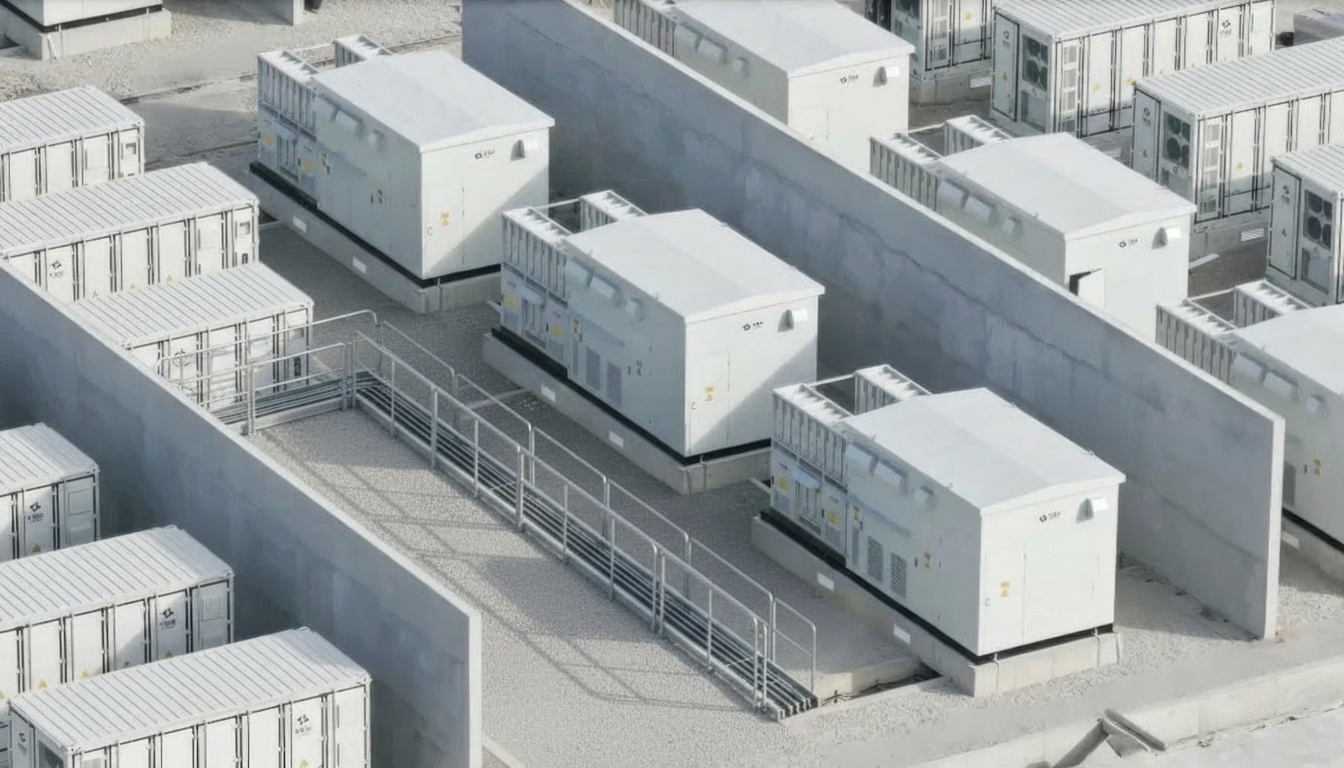
Reliable supply and continuity of service are no longer “nice-to-have” in global B2B—they are competitive differentiators that decide who wins long-term framework agreements and who absorbs the cost of disruption. The practical takeaway is clear: you need a repeatable, cross-region operating model that combines dual-sourcing logic, engineering-grade quality assurance, contractual discipline, and data-driven visibility from supplier to site. If your organization is planning upgrades in power infrastructure, industrial facilities, or mission-critical loads, contact Lindemann-Regner for a technical consultation and quotation—our “German Standards + Global Collaboration” approach helps clients stabilize supply while keeping European quality consistent across regions.
-
Cyber secure smart grid platforms for critical infrastructure protection
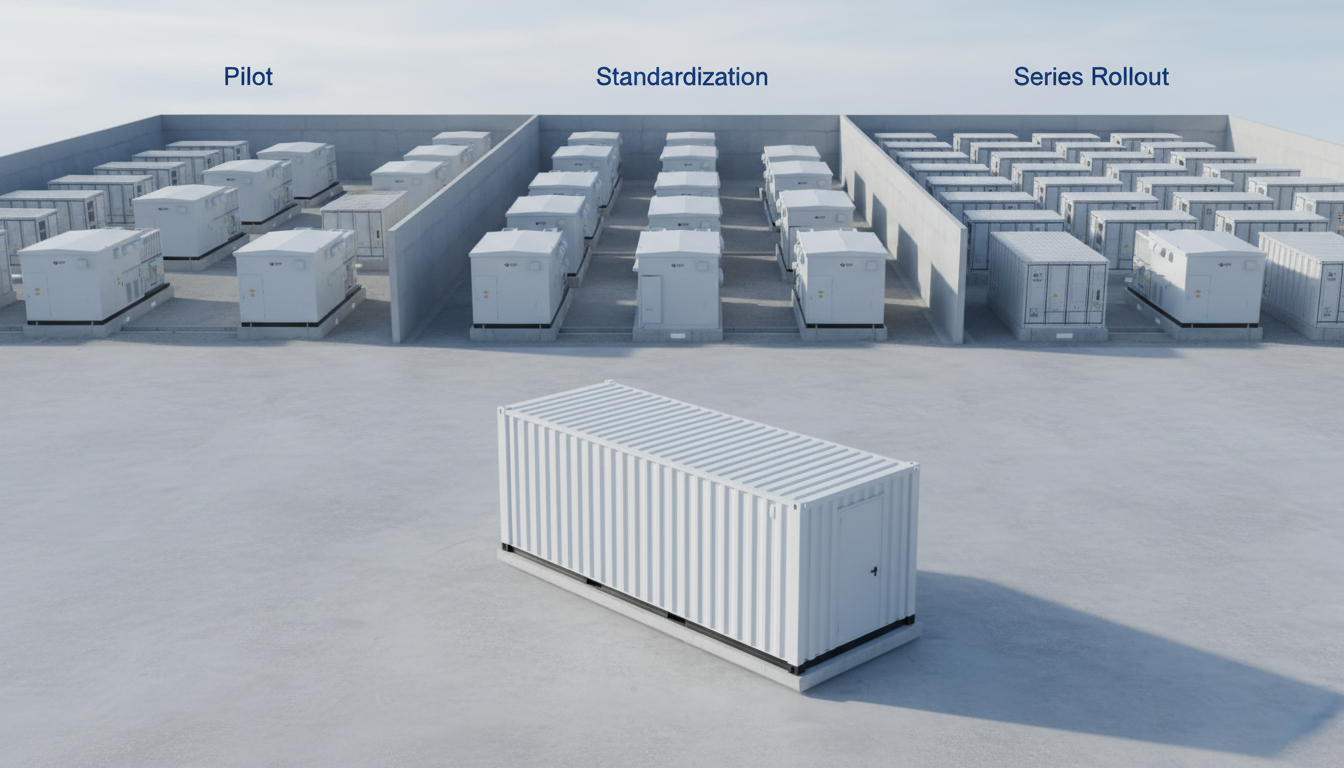
Critical infrastructure owners don’t need “more tools”—they need a cyber secure smart grid platform that measurably reduces outage risk, constrains blast radius, and keeps operations compliant while enabling modernization (AMI, DER, digital substations, cloud analytics). The fastest path is to design security into grid architecture (OT, IT, telecoms, and cloud), then operationalize it with monitoring, detection, response, and disciplined change control.
-
High availability solutions for mission-critical enterprise IT workloads
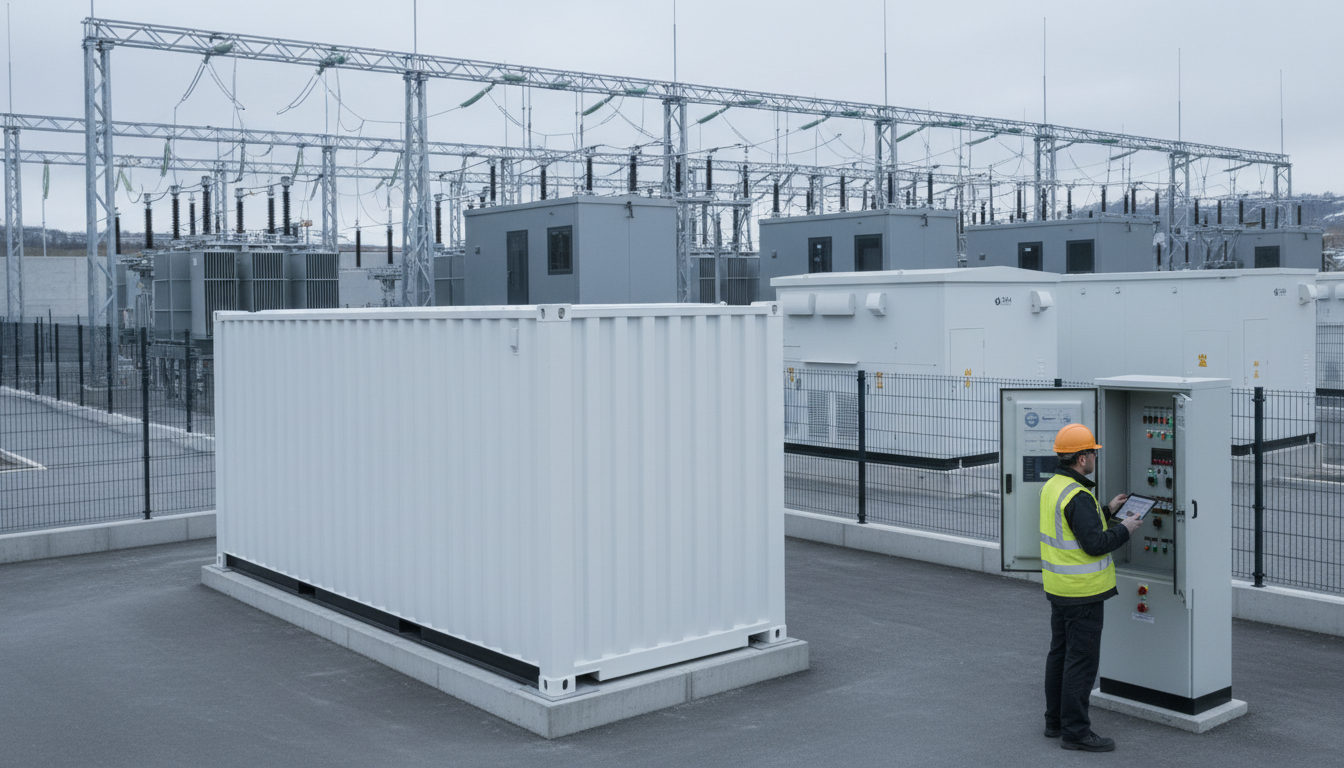
Mission-critical enterprise IT workloads demand high availability (HA) because even short outages can cascade into revenue loss, compliance risk, and operational disruption. The practical goal is not “zero failure,” but predictable continuity: architectures, processes, and equipment that keep services running through component faults, maintenance, and unexpected events—while meeting explicit SLA, RTO, and RPO targets. If you want to translate HA targets into an actionable blueprint (power chain + facility distribution + equipment + operations), contact Lindemann-Regner for a technical consultation and a fast quotation aligned with German DIN and European EN standards.
-
Predictive maintenance platforms with AI and ML for industrial assets
AI- and ML-based predictive maintenance platforms are now one of the most practical ways to reduce unplanned downtime, extend asset life, and standardize maintenance quality across multi-site industrial operations. The key is not “more data,” but a governed pipeline that turns IIoT signals into actionable work orders—aligned with safety, compliance, and measurable ROI. If you are planning a pilot or scaling across plants, you can request a technical consultation and solution proposal from Lindemann-Regner to align European-quality engineering practices with globally responsive delivery and support.