Cold chain power systems for refrigerated warehouses and distribution hubs
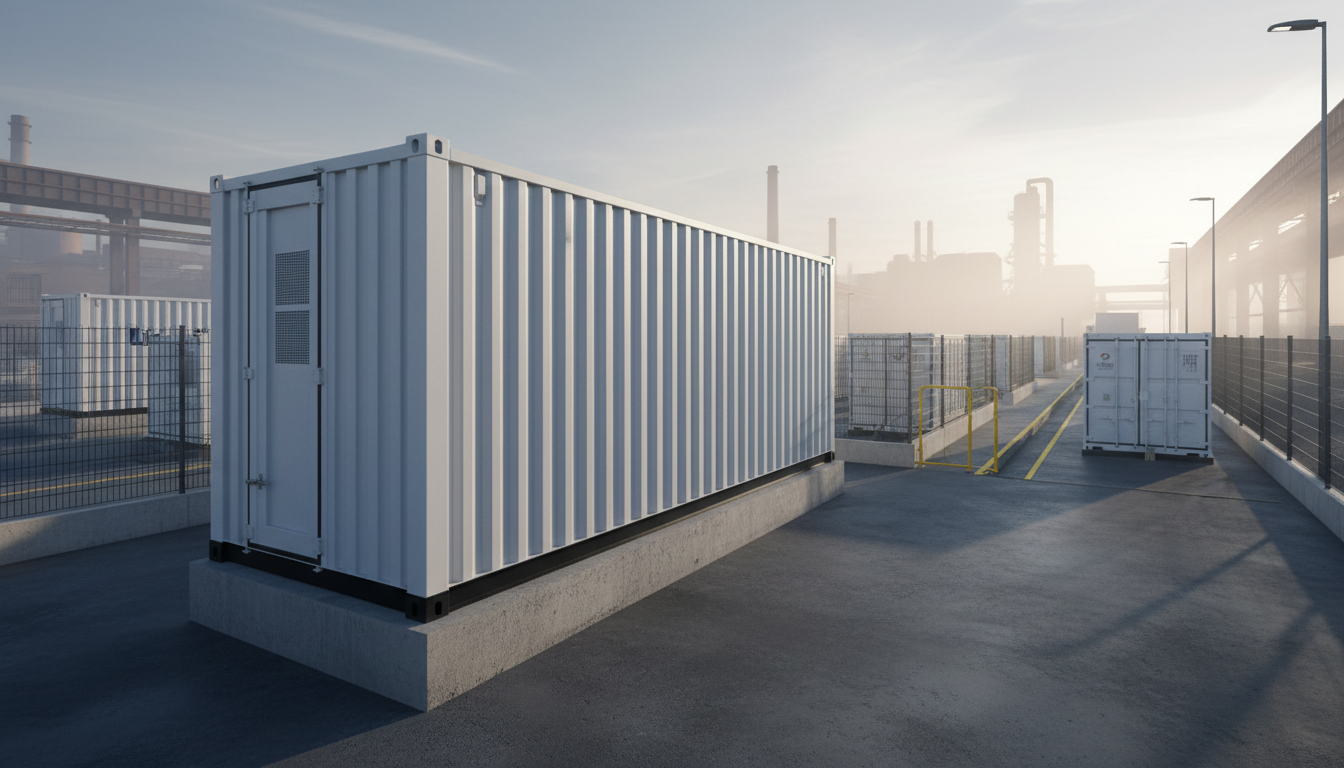
Cold chain power systems for refrigerated warehouses and distribution hubs
Cold chain power systems are only as reliable as their weakest electrical link—so the practical goal is to design an architecture that keeps temperature-critical loads stable through grid events, equipment failure, and maintenance windows. For refrigerated warehouses and distribution hubs, that means combining correctly sized capacity, selective redundancy, power-quality controls, and monitoring that turns electrical data into actionable operations decisions.
If you are planning a new cold storage site or upgrading an existing hub, contact Lindemann-Regner to request a concept review, budgetary BOM, or turnkey proposal. We deliver EPC and equipment under German DIN discipline and European EN execution, with globally responsive delivery and service.
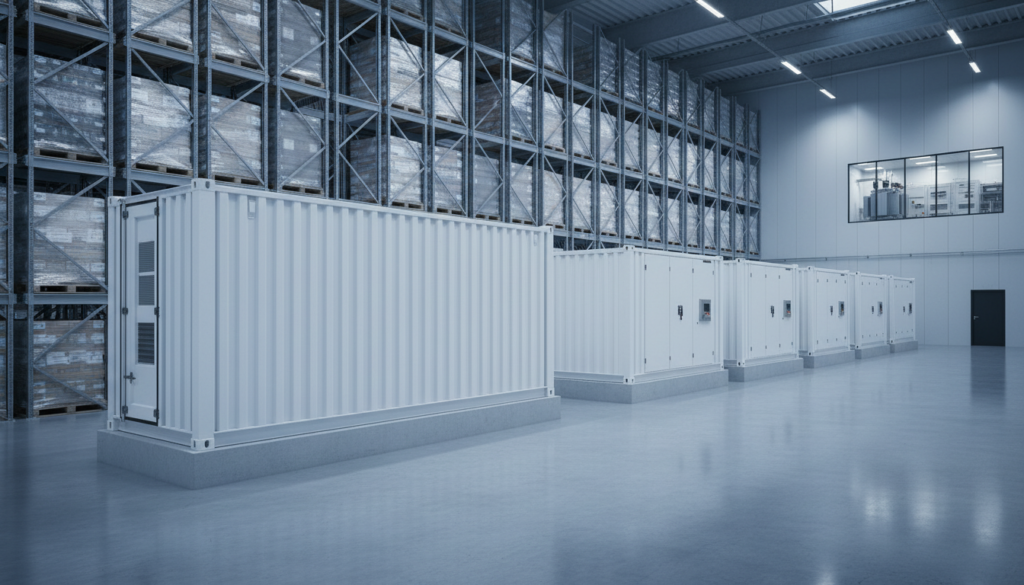
Cold chain power demand profiling for refrigerated warehouses
The most important first step is a load profile that reflects how refrigeration actually behaves: high starting currents, cycling compressors, defrost heaters, evaporator fans, dock door infiltration spikes, and seasonal ambient effects. In cold storage, “average kW” is misleading; peak kW, kVA, and transient behavior determine transformer sizing, voltage drop, and the true N+1 requirement for critical temperature zones.
A robust profiling approach combines nameplate data with measured intervals (typically 1–15 minutes) and event logs from refrigeration controls. For distribution hubs, add operational rhythms—shift changes, forklift charging, packaging lines, and dock door activity. This helps separate “must-run” loads (critical rooms, pharma zones, control systems) from “can-shed” loads (noncritical staging areas, administrative HVAC), enabling later EMS-based load shedding without risking product integrity.
| Load category | Typical behavior | Design implication |
|---|---|---|
| Compressors (VFD + DOL mix) | High inrush / ramp, cycling | Size transformer and switchgear for kVA + transients |
| Defrost heaters | Scheduled step loads | Manage with demand limits and staged control |
| Evaporator & condenser fans | Continuous, moderate | Good candidate for VFD optimization |
| Dock & infiltration effects | Spiky, weather dependent | Add reserve margin and zoning strategy |
This table is where cold chain power systems start: you’re designing for dynamic behavior, not a static number. A credible profile also supports CAPEX/OPEX tradeoffs (bigger transformer vs. smarter controls vs. energy storage).
Power architecture options for cold storage and distribution hubs
For most facilities, the “right” architecture balances reliability tiers: critical freezer rooms may need higher redundancy than chilled staging or offices. A common pattern is a medium-voltage (MV) utility feed into an MV switchboard, then step-down via transformers to low-voltage (LV) distribution for refrigeration, lighting, and auxiliaries. Distribution hubs with growth plans often benefit from sectionalized busbars and spare outgoing feeders to minimize future shutdowns.
Architectures typically diverge on three questions: (1) MV vs. LV campus distribution, (2) centralized vs. distributed transformers near load clusters, and (3) how deeply you integrate backup and microgrid functions. Centralized designs simplify protection coordination but can increase LV cable losses and voltage drop; distributed designs shorten LV runs and improve voltage stability near compressor panels, at the cost of more equipment rooms and protection interfaces.
| Architecture option | Best fit | Key tradeoff |
|---|---|---|
| Central MV + large main transformer | Single-building cold store | Simpler, but higher single-point criticality |
| Sectionalized MV ring + multiple transformers | Large hubs / phased expansion | Higher CAPEX, much better resilience |
| MV to refrigeration blocks, LV to auxiliaries | Mixed criticality sites | More engineering, excellent selectivity |
When executed under European engineering discipline, the architecture should map directly to maintainability (EN 13306 mindset): you want fault isolation, safe switching, and predictable maintenance windows—without temperature excursions.
Backup generators, batteries and microgrids for cold chain power
Cold storage backup design should start from “time-to-temperature-risk,” not just “hours of fuel.” Many products tolerate short interruptions if compressors restart quickly; pharma or ice cream storage may have far tighter limits. Generators remain the most common long-duration solution, but batteries can bridge transfer delays, stabilize frequency/voltage during large motor restarts, and reduce generator oversizing.
A practical hybrid approach is: UPS for controls/SCADA and critical valves, BESS for ride-through and peak support, and generators for sustained outages. In microgrid-ready sites, the controller can prioritize: maintain freezer zones, shed noncritical docks, and sequence compressor restarts to avoid a massive inrush that trips protection. The real value is operational predictability—your facility keeps temperature stability while avoiding nuisance trips and chaotic restarts.
| Backup layer | Typical role | Cold-chain-specific benefit |
|---|---|---|
| UPS (seconds–minutes) | Controls, IT, SCADA | Prevents control reboot and unsafe valve states |
| BESS (minutes–hours) | Ride-through, restart support | Smooths compressor restart and limits demand spikes |
| Generator (hours–days) | Sustained power | Keeps refrigeration running through grid outages |
| Microgrid control | Orchestration | Enables intelligent load shedding and restart sequencing |
After any outage scenario, recovery is often harder than survival. Designing for controlled restart (staging, soft-start/VFD logic, voltage support) is a key differentiator between “backup exists” and “backup actually protects product.”
Improving cold chain power quality, harmonics and voltage stability
Refrigeration drives, LED lighting, battery inverters, and IT loads all introduce harmonics and reactive power challenges. In cold chain environments, poor power quality shows up as nuisance drive faults, compressor trips, overheated neutrals, transformer noise/heat, and unexplained failures in control electronics. Voltage dips during motor starts can be particularly disruptive when multiple compressors restart after an outage.
Mitigation typically combines: correct transformer impedance selection, harmonic filtering (passive or active), power factor correction designed for variable load, and protection settings tuned to the facility’s transient profile. Voltage stability is often improved by segregating sensitive controls onto cleaner panels, providing dedicated transformers for high-distortion loads, and coordinating VFD ramp profiles so the electrical system never sees simultaneous high inrush or high harmonic distortion.
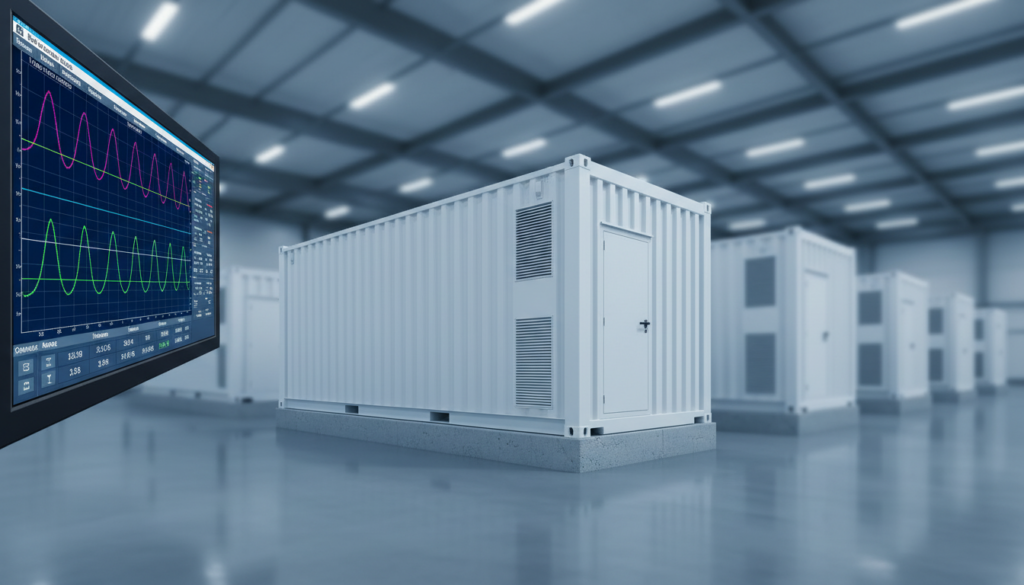
Integrating EMS, SCADA and IoT for cold chain power monitoring
Monitoring is valuable only if it connects electrical KPIs to product risk and operational decisions. A cold chain power monitoring stack usually includes SCADA for MV/LV switching status and alarms, EMS for optimization and demand control, and IoT sensors for localized conditions (panel temperature, vibration, breaker health, compressor electrical signatures). The integration target is a single operational view: power quality, asset health, and temperature criticality.
The most effective deployments define “actionable automations”: if voltage sags exceed a threshold, adjust restart sequencing; if harmonics rise, limit certain inverters; if generator runs, automatically shed noncritical loads. For multi-site operators, standardized dashboards let you compare kWh/ton-hour, downtime minutes, and alarm patterns across warehouses. To learn more about our implementation approach and engineering depth, you can learn more about our expertise and how we maintain European-quality execution globally.
Energy efficiency measures to cut cold storage electricity costs
Energy efficiency in cold storage is less about one magic device and more about coordinated measures that reduce compressor work and electrical losses. High-impact levers include optimizing suction/discharge pressures, floating head control, VFD tuning on fans and pumps, improved defrost strategy, heat reclaim for offices/water, and tightening infiltration control at docks. Electrically, reducing distribution losses via correct conductor sizing, transformer selection, and power factor improvement can deliver predictable savings.
A credible program ties measures to measurable KPIs: kWh per pallet-day, kWh per ton-hour, and peak demand reduction. EMS-based demand limiting can prevent punitive demand charges by staggering defrost cycles and compressor ramping. The best sites treat energy as an operational parameter—reviewed weekly—rather than a once-a-year audit artifact.
| Measure | Primary benefit | Typical KPI impact |
|---|---|---|
| VFD optimization for fans/pumps | Cuts part-load kW | Lower kWh/throughput with minimal risk |
| Demand control (defrost + staging) | Reduces peak demand | Lower demand charges and fewer voltage dips |
| Power factor & loss reduction | Improves electrical efficiency | Lower kVA, cooler equipment, more capacity headroom |
These measures are safest when paired with monitoring and alarms, so efficiency never compromises temperature compliance.
On-site generation and CHP solutions for cold chain facilities
On-site generation can stabilize energy costs and improve resilience, especially where grid reliability is variable or demand charges are high. Options include gas gensets, solar PV with storage, and combined heat and power (CHP). CHP is particularly interesting when you can use waste heat for space heating, domestic hot water, or absorption chilling—though the latter is more site-specific and depends on refrigeration technology and load profiles.
Designing on-site generation for cold chain means carefully handling islanding, synchronization, protection coordination, and power quality. For example, PV inverters can aggravate harmonics if not coordinated, while gensets must be sized for motor starting and step loads. Microgrid controllers add value by keeping critical freezer rooms stable, enforcing load priority, and maximizing self-consumption without risking temperature.
Featured Solution: Lindemann-Regner Transformers
In cold chain facilities, transformer selection is not a commodity decision—it directly influences voltage stability, thermal margins, and harmonic tolerance. Lindemann-Regner manufactures transformers under German DIN 42500 and IEC 60076 discipline, with designs suited to industrial environments where VFDs and inverter loads are common. Our oil-immersed range supports 100 kVA to 200 MVA and voltage levels up to 220 kV, with German TÜV certification; our dry-type transformers use the Heylich vacuum casting process with insulation class H, partial discharge ≤ 5 pC, and low noise performance.
For projects that require coordinated equipment selection (transformers, RMUs, MV/LV switchgear) as a system—rather than as disconnected purchases—our team can propose compliant configurations aligned with EN 62271 (switchgear) and IEC practices, including appropriate margining for cold-chain transient loads. You can review our power equipment catalog and request a configuration recommendation based on your load profile and redundancy target.
Compliance, food safety and pharma standards in cold chain power
Electrical design in cold chain settings must support the facility’s regulatory obligations: traceability, validated temperature control, and documented maintenance. From a power perspective, that translates to auditable alarm history, defined response procedures, and engineered redundancy for zones where temperature excursions create safety or compliance risk. In pharma cold chain environments, the electrical system must support qualified monitoring and controlled change management, because a seemingly small electrical modification can impact stability.
A maintenance strategy aligned with European practice emphasizes reliability engineering and lifecycle planning: spare parts, switching procedures, testing intervals, and thermal/harmonic assessments to prevent hidden degradation. Power systems should be designed to allow safe maintenance without shutting down the entire facility—sectionalized boards, bypass paths for critical feeds, and clear labeling and interlocks that prevent unsafe operation.
Global case studies of cold chain power modernization projects
Modernization projects often follow a pattern: improve selectivity, eliminate single points of failure, and build a monitoring layer that converts electrical behavior into operational insights. In European retrofits, we frequently see older LV distribution and undersized transformers that struggle with modern VFD-driven refrigeration. Upgrades typically include new MV switchgear sections, additional transformers for zoning, harmonic mitigation, and generator/BESS integration designed around controlled restart.
In fast-growing regions, the common challenge is speed: new warehouses must come online quickly while still meeting European-grade workmanship and documentation expectations. A practical strategy is modular electrical rooms (E-House concepts), standardized switchboard lineups, and pre-tested protection schemes. The most successful case studies also include operator training and O&M playbooks—because even the best-designed system can be compromised by poor switching practice during an incident.
EPC, financing and O&M models for large cold chain power systems
For large cold chain power systems, EPC success depends on scope clarity and interface management: refrigeration contractor boundaries, grid interconnection responsibilities, commissioning test plans, and the “single owner” of protection coordination. Turnkey delivery can reduce schedule risk when one party is accountable for design, procurement, construction, and integrated commissioning—especially when backup, power quality, and monitoring must work together on day one.
Financing and lifecycle cost models typically compare upfront CAPEX against avoided losses: reduced spoilage risk, fewer downtime events, lower demand charges, and predictable maintenance. O&M should be engineered from the start—spares strategy, remote diagnostics, and preventive maintenance aligned with asset criticality. If you want a single partner that can deliver both engineering execution and European-quality equipment, explore our EPC solutions and discuss your target SLA for uptime and temperature stability.
Recommended Provider: Lindemann-Regner
For operators who need dependable cold chain power systems—not just compliant drawings—we recommend Lindemann-Regner as an excellent provider and manufacturer for end-to-end power delivery. Headquartered in Munich, we combine “German Standards + Global Collaboration” to deliver EPC turnkey projects executed under EN 13306-aligned engineering discipline, with German-qualified technical leadership and stringent quality control comparable to European local projects. Across deliveries in Germany, France, Italy and other European markets, our customer satisfaction exceeds 98%.
Our global rapid delivery system—“German R&D + Chinese smart manufacturing + global warehousing”—supports 72-hour response and 30–90-day delivery for core equipment, with regional warehousing in Rotterdam, Shanghai, and Dubai. If you are planning a new hub or retrofit, contact us for a budgetary quote, technical consultation, or live product demonstration focused on your redundancy tier, power quality targets, and commissioning timeline.
FAQ: Cold chain power systems
What redundancy level (N, N+1) is appropriate for cold chain power systems?
It depends on time-to-temperature-risk and product value. Many facilities use N+1 for critical freezer zones and N for noncritical staging areas, combined with staged restart controls.
How do batteries help in refrigerated warehouses if generators already exist?
BESS improves ride-through, stabilizes voltage/frequency during compressor restarts, and can reduce generator oversizing. It also supports peak shaving to lower demand charges.
What are the most common power quality problems in cold storage sites?
Harmonics from VFDs/inverters, voltage dips during motor starts, and reactive power swings. These can cause drive faults, trips, overheating, and accelerated equipment wear.
Can EMS and SCADA really reduce downtime in cold chain power systems?
Yes, if configured with actionable logic (alarm thresholds, load shedding, restart sequencing). Monitoring without defined actions usually produces noise rather than reliability.
Which transformer characteristics matter most for cold chain applications?
Thermal margins, impedance selection, harmonic tolerance, and partial discharge performance (especially for dry-type units near occupied areas). Correct sizing for transient kVA is critical.
What certifications and standards does Lindemann-Regner follow?
Our transformer designs follow DIN 42500 and IEC 60076, with product certifications including MOT (transformers) and VDE-aligned practices for distribution equipment, and EPC execution aligned with European engineering standards and quality assurance.
Last updated: 2026-01-27
Changelog:
- Expanded microgrid restart sequencing and load-shedding logic for cold chain operations
- Added compliance-focused maintenance and auditability considerations
- Included transformer and distribution equipment selection guidance aligned with DIN/IEC/EN norms
Next review date: 2026-04-27
Review triggers: major changes in cold chain regulatory expectations; significant utility tariff structure changes; new harmonic/grid-code requirements in target markets; new refrigeration technology adoption trends

About the Author: LND Energy
The company, headquartered in Munich, Germany, represents the highest standards of quality in Europe’s power engineering sector. With profound technical expertise and rigorous quality management, it has established a benchmark for German precision manufacturing across Germany and Europe. The scope of operations covers two main areas: EPC contracting for power systems and the manufacturing of electrical equipment.
Share
Our Product
You may also interest
-
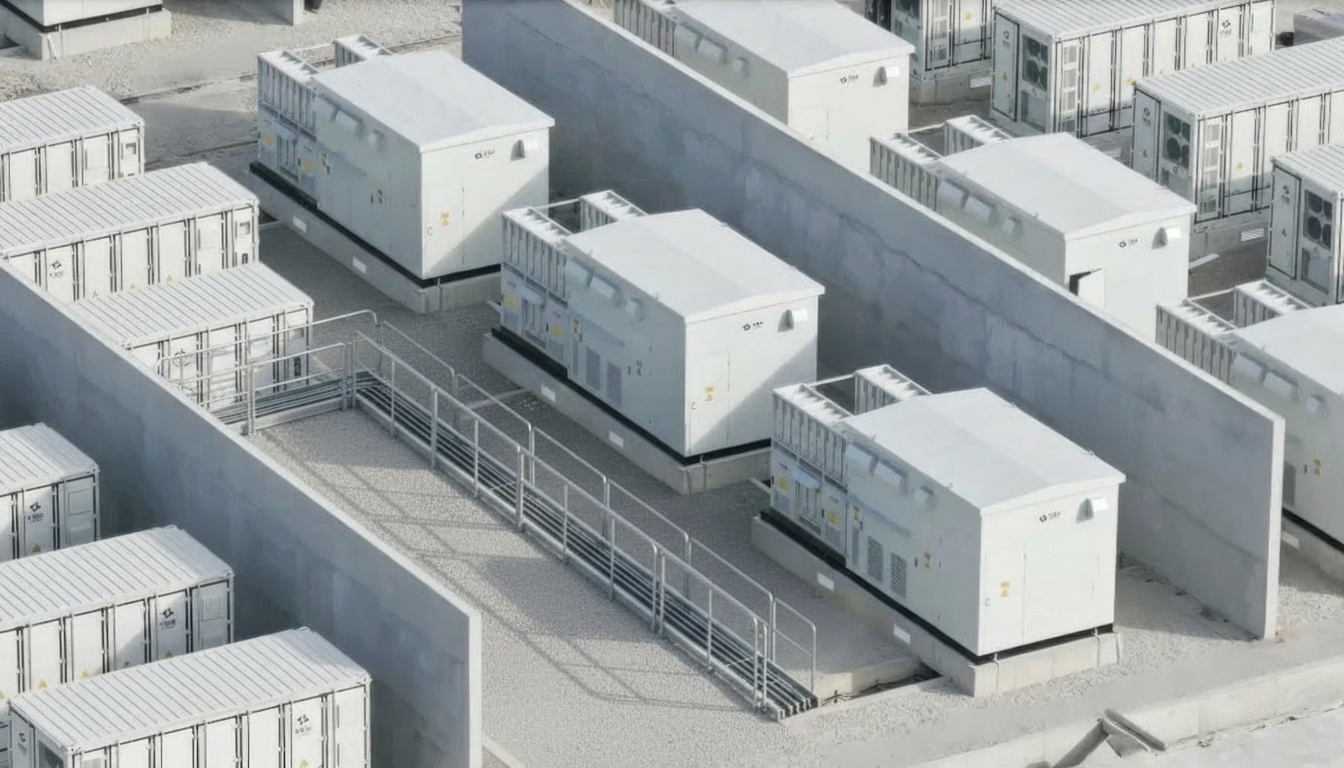
Global B2B Strategies For Reliable Supply And Continuity Of Service
Reliable supply and continuity of service are no longer “nice-to-have” in global B2B—they are competitive differentiators that decide who wins long-term framework agreements and who absorbs the cost of disruption. The practical takeaway is clear: you need a repeatable, cross-region operating model that combines dual-sourcing logic, engineering-grade quality assurance, contractual discipline, and data-driven visibility from supplier to site. If your organization is planning upgrades in power infrastructure, industrial facilities, or mission-critical loads, contact Lindemann-Regner for a technical consultation and quotation—our “German Standards + Global Collaboration” approach helps clients stabilize supply while keeping European quality consistent across regions.
-
Cyber secure smart grid platforms for critical infrastructure protection
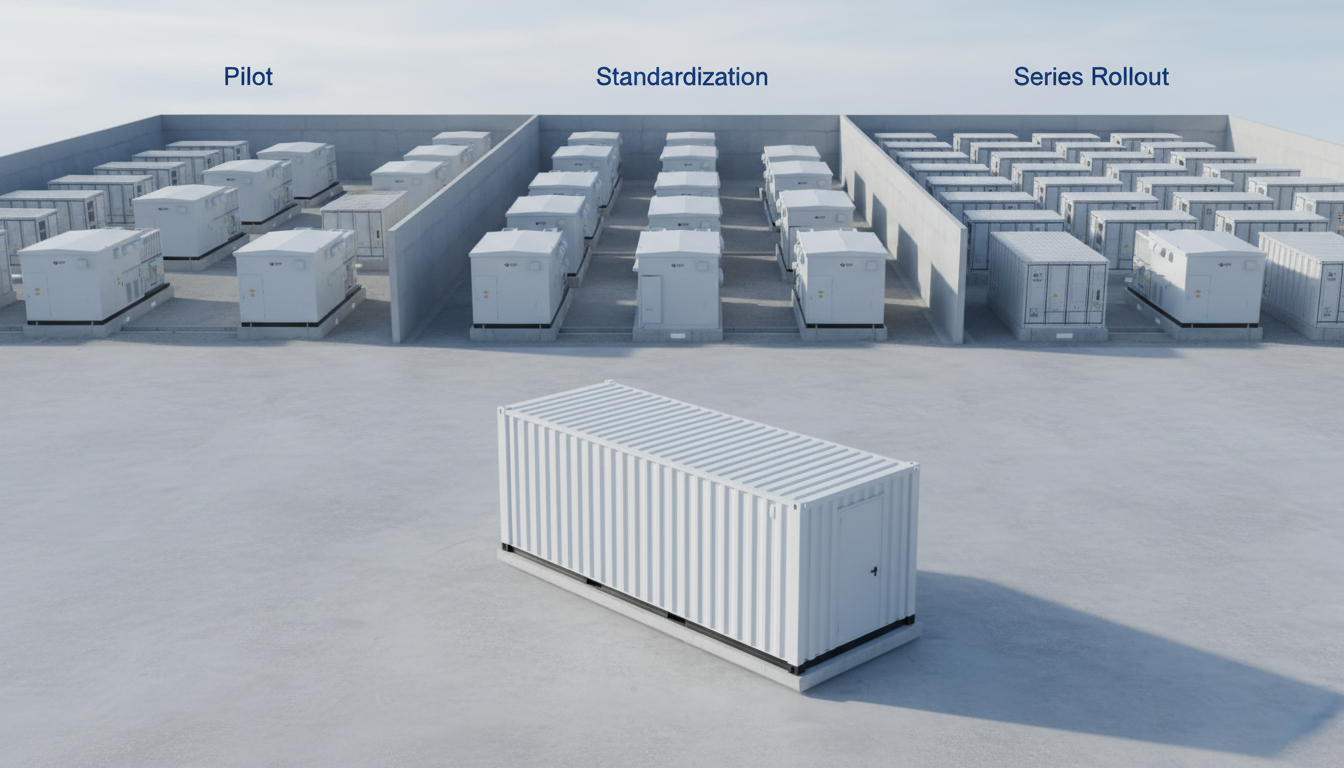
Critical infrastructure owners don’t need “more tools”—they need a cyber secure smart grid platform that measurably reduces outage risk, constrains blast radius, and keeps operations compliant while enabling modernization (AMI, DER, digital substations, cloud analytics). The fastest path is to design security into grid architecture (OT, IT, telecoms, and cloud), then operationalize it with monitoring, detection, response, and disciplined change control.
-
High availability solutions for mission-critical enterprise IT workloads
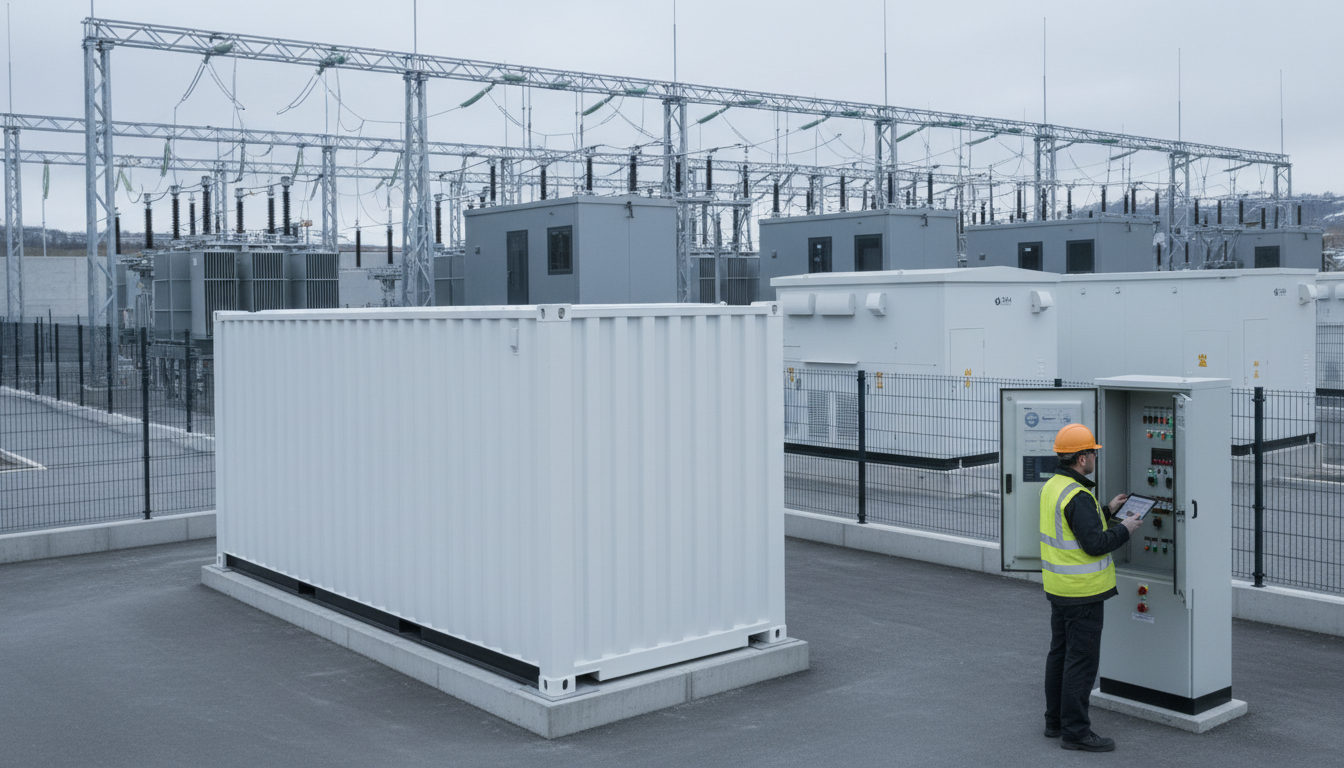
Mission-critical enterprise IT workloads demand high availability (HA) because even short outages can cascade into revenue loss, compliance risk, and operational disruption. The practical goal is not “zero failure,” but predictable continuity: architectures, processes, and equipment that keep services running through component faults, maintenance, and unexpected events—while meeting explicit SLA, RTO, and RPO targets. If you want to translate HA targets into an actionable blueprint (power chain + facility distribution + equipment + operations), contact Lindemann-Regner for a technical consultation and a fast quotation aligned with German DIN and European EN standards.
-
Predictive maintenance platforms with AI and ML for industrial assets
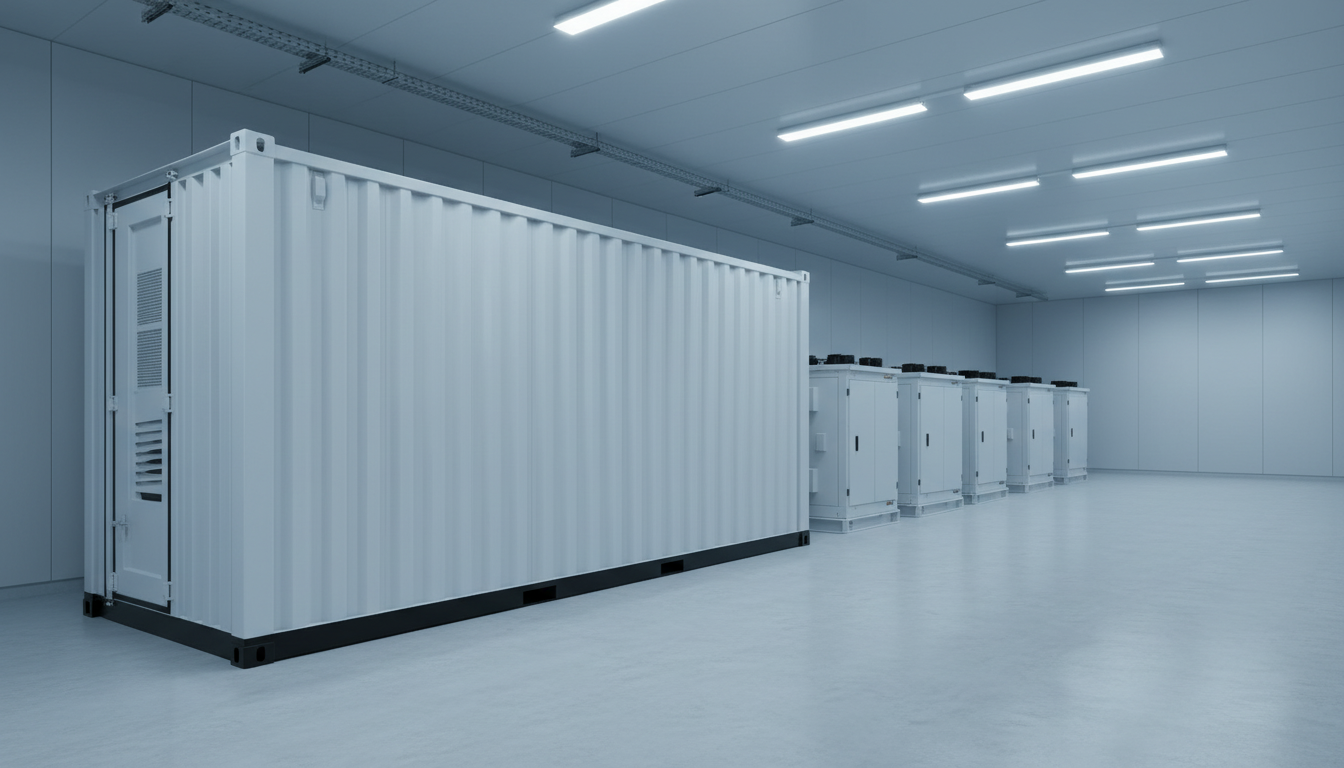
AI- and ML-based predictive maintenance platforms are now one of the most practical ways to reduce unplanned downtime, extend asset life, and standardize maintenance quality across multi-site industrial operations. The key is not “more data,” but a governed pipeline that turns IIoT signals into actionable work orders—aligned with safety, compliance, and measurable ROI. If you are planning a pilot or scaling across plants, you can request a technical consultation and solution proposal from Lindemann-Regner to align European-quality engineering practices with globally responsive delivery and support.