Smart Building Solutions for Enterprise Campuses and Corporate Real Estate
Smart Building Solutions for Enterprise Campuses and Corporate Real Estate
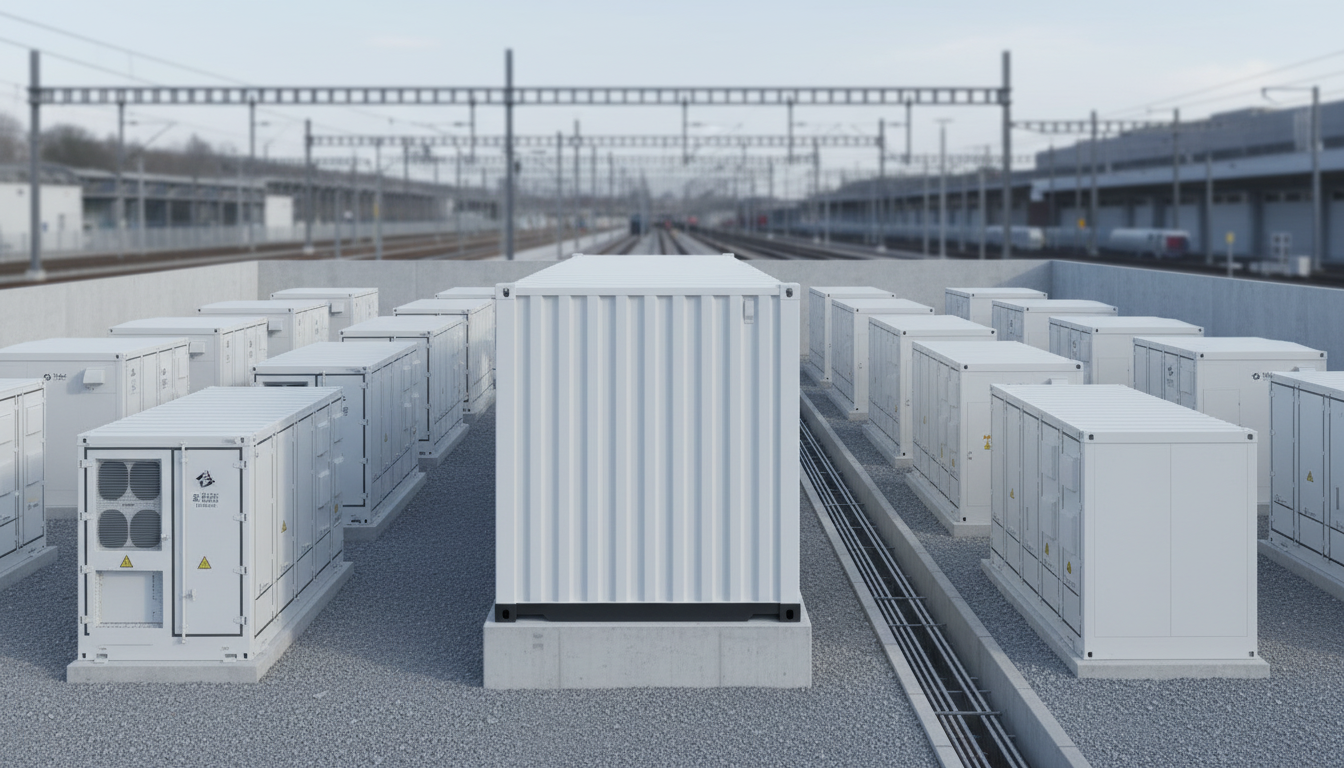
Enterprise campuses and corporate real estate (CRE) portfolios get the best results from smart building programs when they treat them as a power-and-data modernization initiative—not a “nice-to-have” IT upgrade. The practical conclusion is simple: standardize the technology stack, integrate it with existing building operations, and measure outcomes in energy, resilience, utilization, and tenant experience. Done well, smart buildings reduce operating risk, improve ESG transparency, and create a workplace that supports productivity and retention.
If you’re planning a campus-wide rollout or a multi-country portfolio upgrade, contact Lindemann-Regner for a technical workshop and indicative budget. We combine German Standards + global collaboration to align smart building platforms with European-grade power engineering, quality assurance, and rapid delivery.
Smart Building Benefits for Enterprise Campuses and CRE Owners
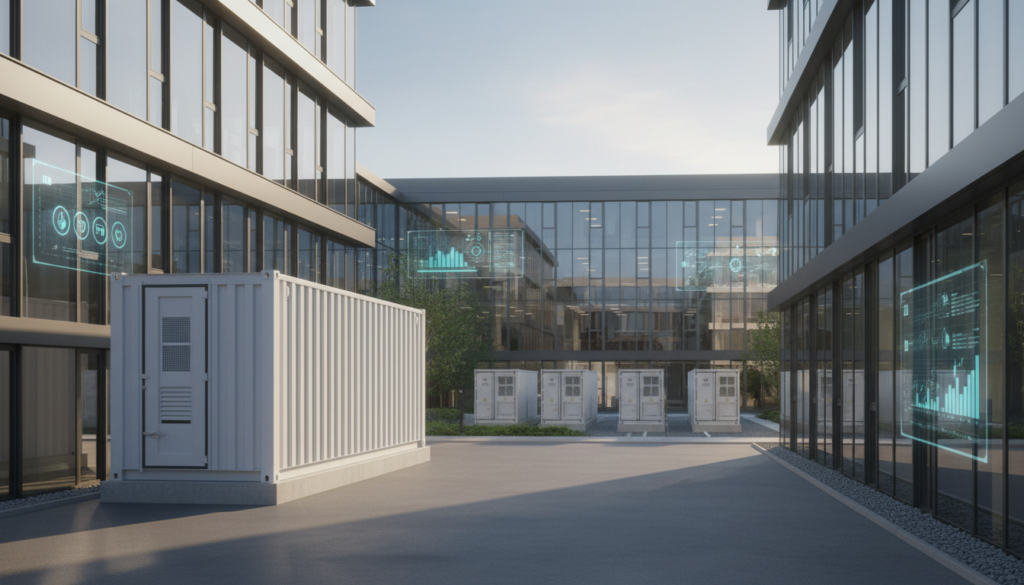
Smart building value is strongest when owners focus on three outcomes: lower energy cost, higher asset reliability, and better space performance. Energy savings typically come from HVAC optimization, demand-controlled ventilation, and smarter scheduling—especially across campuses with variable occupancy. Reliability improves when maintenance shifts from calendar-based routines to condition-based service and alarms are reduced through data normalization. These two benefits reinforce each other because stable power quality and equipment health make analytics more trustworthy.
For enterprise campuses, “benefits” also include operational governance: consistent KPIs across sites, faster incident response, and standardized reporting for sustainability teams. Many CRE owners struggle with fragmented portfolios—different integrators, proprietary BMS logic, and uneven sensor coverage. A smart building approach creates a repeatable template so that each new site onboards faster and performs more predictably. This is especially relevant in Europe, where corporate reporting expectations and building performance standards are rising.
From a power engineering perspective, smarter buildings increasingly depend on resilient electrical infrastructure: properly specified transformers, compliant switchgear, and dependable distribution architectures. Lindemann-Regner’s EPC orientation helps bridge the gap between digital ambition and “hard” electrical realities, ensuring upgrades align with European EN 13306 engineering practices and site safety requirements.
Smart Building Technology Stack for Corporate Real Estate Portfolios
A scalable smart building stack typically includes (1) field devices and controls, (2) connectivity and edge gateways, (3) a data layer for normalization and storage, and (4) applications for operations, workplace, and ESG. The key is to avoid locking the organization into a single vendor’s proprietary model. Portfolio owners should prioritize open protocols, clear tagging standards, and a consistent identity model for assets, spaces, and meters—otherwise analytics becomes expensive and unreliable at scale.
At the building level, BAS/BMS systems remain essential for safe control of HVAC, lighting, and critical alarms, but they were not designed as enterprise data platforms. The modern approach is “BMS for control, platform for intelligence,” where edge gateways stream curated data into a centralized layer. This reduces the temptation to over-customize BMS graphics and instead focuses customization where it belongs: cross-building dashboards, analytics, and reporting.
Because electrical distribution is foundational, the technology stack should incorporate power quality monitoring, submetering strategy, and digital-ready equipment interfaces. Lindemann-Regner supports end-to-end programs through turnkey power projects and engineering-quality assurance, helping corporate owners avoid the common failure mode where digital systems expose underlying electrical weaknesses too late in the project.
| Layer | What it includes | Typical portfolio KPI |
|---|---|---|
| Field & Control | BMS controllers, VAVs, actuators, meters | Comfort stability, alarm rates |
| Connectivity | BACnet/Modbus gateways, secure networks | Data availability, latency |
| Data Platform | Normalization, tagging, historian/data lake | Data quality score |
| Applications | Energy, space, ESG, workplace apps | kWh/m², utilization, CO₂e |
This table helps owners align procurement to outcomes instead of buying “tools” without a measurable role. A portfolio KPI per layer makes gaps visible early, especially during retrofits.
Use Cases of Smart Buildings Across Global Office Campuses
Global enterprises usually see the fastest payback in energy-operations use cases: HVAC optimization, scheduling aligned to real occupancy, and automated fault detection. Office campuses with mixed use (office, labs, dining, meeting centers) benefit from zone-level strategies rather than whole-building control. In practice, the “use case” is often a set of repeatable playbooks: how to manage airside reset, how to identify simultaneous heating/cooling, and how to verify setpoint compliance after changes.
A second class of use cases improves resilience and business continuity. This includes predictive maintenance for critical electrical assets, early warning for power quality issues, and automated load management for peak shaving. As more campuses deploy EV charging and add on-site generation or storage, smart coordination becomes essential to prevent demand spikes and nuisance trips. In Europe and the Middle East, where multi-site enterprises often face grid constraints, these capabilities can protect operations while supporting decarbonization plans.
Featured Solution: Lindemann-Regner Transformers
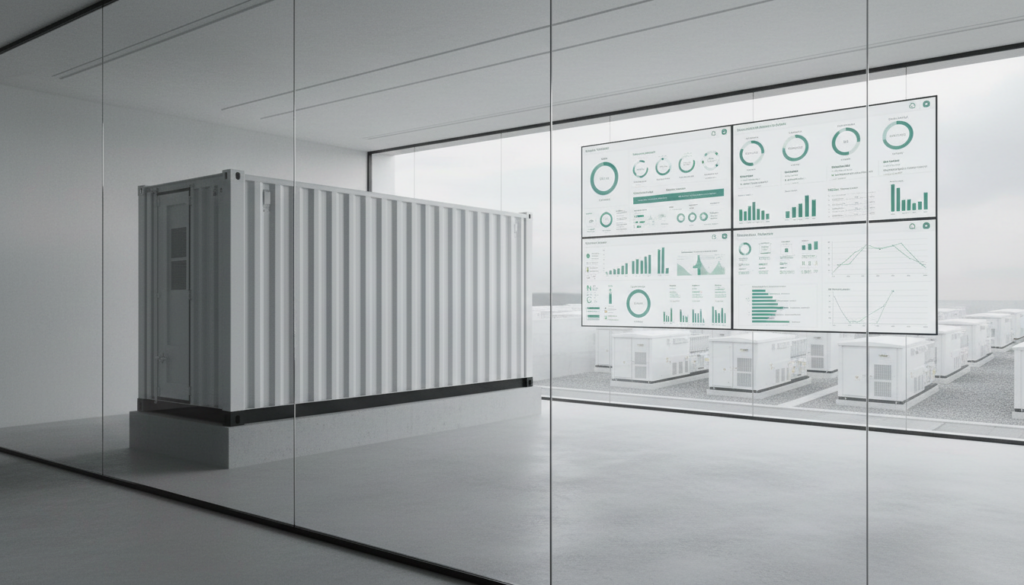
For campus-scale smart building programs, electrical backbone quality is a hidden determinant of digital success. We recommend specifying transformer and switchgear solutions that meet European standards and support stable power delivery for sensitive IT loads and building automation. Lindemann-Regner’s transformer portfolio is developed and manufactured in line with DIN 42500 and IEC 60076; oil-immersed units use European-standard insulating oil and high-grade silicon steel cores, and dry-type units use a German vacuum casting process with insulation class H and partial discharge performance engineered for reliability.
In projects where uptime, compliance, and auditability matter, certifications and standards alignment reduce long-term risk. Lindemann-Regner equipment and system integration capabilities—supported by TÜV/VDE/CE-aligned compliance approaches depending on product category—help enterprise owners standardize specifications across sites. Explore our power equipment catalog when you need a repeatable electrical specification template for retrofits, new builds, and campus expansions.
| Equipment decision | Why it matters in smart campuses | What to specify |
|---|---|---|
| Transformer selection | Power stability for BMS/IT loads | DIN/IEC compliance; low losses |
| RMU/switchgear | Safe, maintainable distribution | EN 62271; interlocking logic |
| Metering points | Analytics accuracy | Submetering hierarchy & CT sizing |
| Communications readiness | Future integration | IEC 61850 where applicable |
This comparison highlights that “smart building” success starts with electrical correctness. It also shows how to translate digital requirements into procurement language.
Smart Building Analytics for Energy, Space and ESG Reporting
Smart building analytics should be built around decisions—not dashboards. Energy analytics must answer: where are we wasting energy, what control change fixes it, and how do we verify persistence? Space analytics must explain how occupancy patterns affect meeting rooms, collaboration areas, and after-hours conditioning. ESG reporting must be auditable, with consistent boundaries and transparent methodology for emissions factors and site attribution. Without decision-centric design, analytics becomes a reporting burden rather than an operational advantage.
For enterprise campuses, combining energy and space analytics is particularly powerful. If occupancy changes, conditioning schedules should follow. If utilization spikes in certain zones, cleaning, security staffing, and comfort settings should adapt. This requires a consistent data model that relates people flow to zones, equipment, and meters. It also requires a governance approach that prevents “metric drift” across regions, ensuring a 10% savings claim in France is comparable to a 10% claim in Germany.
| Reporting domain | Typical metric | Common pitfall | Smart building fix |
|---|---|---|---|
| Energy | kWh/m², peak kW | Inconsistent baselines | Normalized baselines + M&V |
| Space | utilization %, density | Biased sensor placement | Standard sensor coverage rules |
| ESG | Scope 1/2 CO₂e | Un-auditable data lineage | Tagging + traceable sources |
This table clarifies why data governance is part of analytics, not an afterthought. It also provides a quick checklist for portfolio-scale consistency.
Integrating Smart Building Platforms with Existing BMS and IoT
Integration is where most smart building programs succeed or fail. The practical approach is to keep safety-critical control logic in the BMS while integrating read/write points through well-governed APIs or protocol gateways. Start by standardizing naming/tagging and selecting a subset of “golden points” per asset type (AHUs, chillers, boilers, main electrical panels). This reduces noise and speeds onboarding across sites.
For legacy estates, retrofits often reveal three constraints: limited network segmentation, outdated controllers with weak security features, and inconsistent point lists. Owners should budget for enabling works: controller upgrades, network architecture improvements, and sensor infill. Trying to run analytics on incomplete or unreliable telemetry leads to false alarms and stakeholder fatigue. A staged integration plan that improves data quality first usually outperforms a big-bang rollout.
Lindemann-Regner supports projects where electrical upgrades and digital integration move together, especially when campuses add new substations, EV infrastructure, or modular power systems. Our service capabilities can support commissioning, quality checks, and the practical “last mile” work that turns an integration design into a stable operational system.
Smart Workplace and Tenant Experience Apps for Corporate Campuses
Workplace apps succeed when they reduce friction in daily routines: finding a desk, booking rooms, navigating campus services, and reporting comfort issues. The best enterprise programs tie these apps into operational workflows so that a comfort ticket is automatically enriched with zone conditions, recent control changes, and nearby complaints. This shortens resolution times and creates a feedback loop that improves control strategies over time.
For corporate campuses with multiple tenants or business units, tenant experience also includes transparency. People want to know whether a space is likely to be crowded, if air quality is acceptable, and how the building is performing against sustainability commitments. However, organizations must avoid creating privacy concerns by over-granular tracking. Aggregation, anonymization, and clear consent policies are critical, particularly in EU contexts with strict data protection expectations.
Finally, workplace experience is linked to electrical resilience more than most stakeholders expect. If meeting rooms lose power, AV and connectivity fail, and user trust collapses. Smart workplace teams should collaborate closely with power engineering to ensure distribution redundancy, proper protection coordination, and high-quality equipment selection.
Implementation Roadmap for Smart Building Retrofits and New Builds
A repeatable roadmap begins with portfolio segmentation: identify which sites are “quick wins,” which are “complex legacy,” and which are “new builds.” For quick wins, prioritize analytics-ready metering and basic HVAC optimization. For complex legacy, define enabling works and integrate only after point quality is validated. For new builds, embed the data model and cybersecurity requirements into design and procurement from day one.
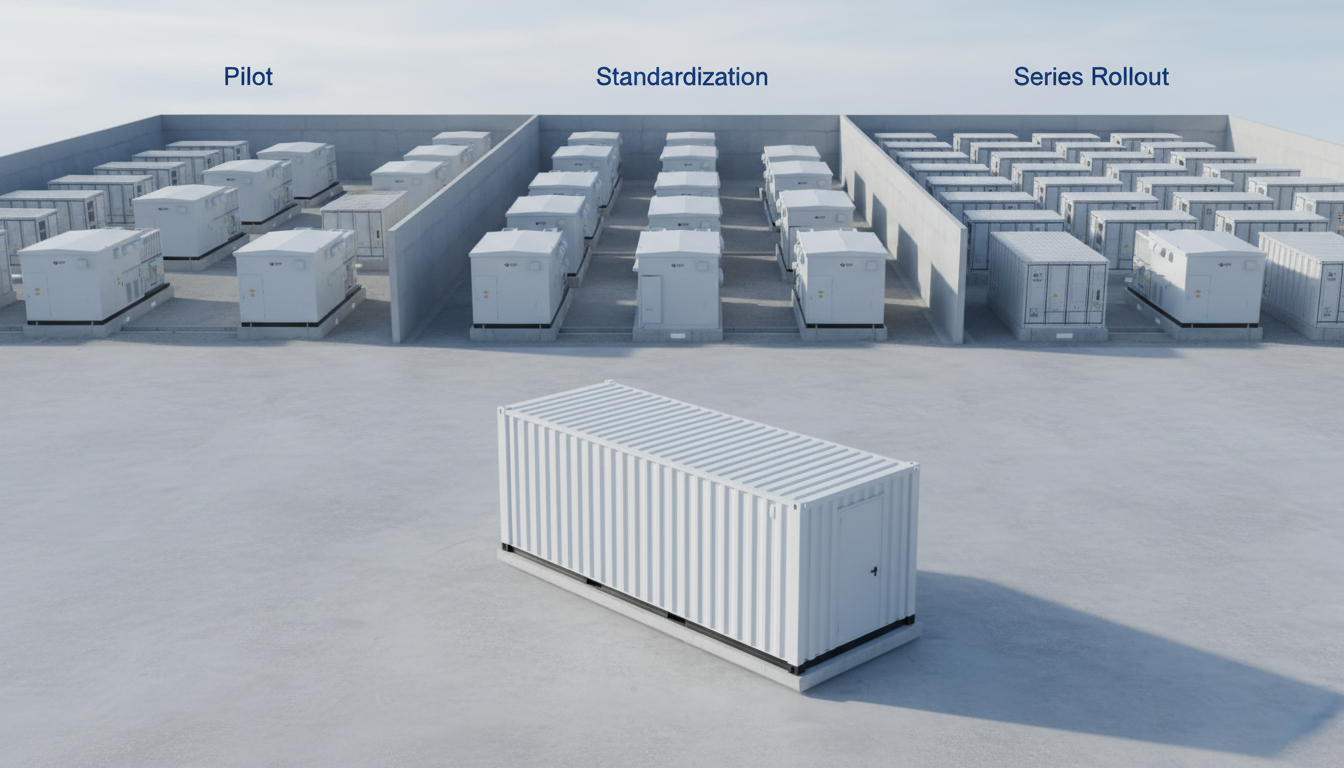
Execution should be staged: discovery and standards, pilot and validation, scale rollout, then continuous improvement. Discovery includes site surveys, BMS point mapping, network assessment, and metering design. The pilot must prove measurable outcomes and create templates: a standard point list, a tagging standard, and a commissioning checklist. Scaling should emphasize repeatability and supplier coordination; otherwise each site becomes a bespoke project with unpredictable costs and timelines.
A power-first perspective reduces project risk. When retrofits include electrical distribution upgrades—new transformers, RMUs, switchgear, or modular E-House solutions—engineering and construction sequencing must be tightly controlled. Lindemann-Regner’s EPC model and European-quality assurance practices help ensure that physical works, commissioning, and digital onboarding follow a coherent plan rather than competing schedules.
Measuring ROI and Business Outcomes of Smart Building Programs
ROI should include both “hard” savings and risk-adjusted value. Energy and maintenance savings are measurable, but the broader value often comes from improved uptime, reduced incident impact, and better space decisions. For example, avoiding a single major outage or reducing HVAC-related complaints can justify a significant portion of the program cost. Owners should define an ROI model upfront and agree on measurement and verification (M&V) rules so that results are trusted.
For multi-country portfolios, finance leaders often want comparability across sites. That requires normalized metrics (weather, occupancy, operating hours) and consistent baselines. It also requires that program costs are allocated transparently: sensors, platform licensing, integration labor, and commissioning. Without this clarity, stakeholders may undervalue programs that deliver operational resilience rather than visible “bill savings.”
| Value category | Example outcome | How to measure | Notes |
|---|---|---|---|
| Energy | 8–15% HVAC savings | M&V vs baseline | Adjust for occupancy/weather |
| Maintenance | Fewer reactive calls | Work order analytics | Depends on CMMS quality |
| Space | Reduced leased area | Utilization trends | Requires change management |
| Risk | Fewer critical incidents | Downtime & near-miss logs | Often highest hidden value |
This ROI view makes it easier to defend investments that deliver resilience and governance. It also clarifies which data sources must be integrated early (energy, CMMS, occupancy).
Governance, Cybersecurity and Data Privacy in Smart Buildings
Governance defines who owns the data, who can change controls, and how exceptions are handled across regions. Without it, smart building programs drift into a patchwork of local rules and inconsistent performance. Establish a portfolio steering model that includes facilities, IT/OT security, sustainability, and workplace teams. Define standards for tagging, dashboards, control write-backs, and commissioning acceptance.
Cybersecurity must be designed for OT realities. Building networks often contain legacy devices and long lifecycle controllers. Segmentation, least-privilege access, secure remote connectivity, and disciplined patch management are non-negotiable. Vendor access should be time-bound and audited. Where possible, adopt secure gateways and avoid exposing controllers directly to enterprise networks. Incident response playbooks should explicitly cover OT scenarios like ransomware that targets BMS servers.
Data privacy should balance usefulness and compliance. Occupancy and workplace data can become sensitive when it is too granular or linked to identity. Use aggregation, anonymization, retention limits, and transparent user communications. In EU markets, align with GDPR expectations and ensure that cross-border data flows are assessed. Privacy-by-design is essential for tenant trust—and trust is a performance factor because adoption drives data quality.
Partnering with System Integrators and PropTech Vendors for Scale
Scaling smart buildings depends on vendor strategy as much as technology. Owners should separate roles: system integrators for on-site delivery and commissioning, platform vendors for software and analytics, and specialized partners for cybersecurity or energy services. The owner’s standards—tagging, point lists, network requirements, testing scripts—must be contractually embedded so that each site is delivered consistently, regardless of which integrator executes it.
Procurement should favor partners who can operate across regions and who can document compliance clearly. For European corporate real estate, alignment with EN standards and disciplined quality processes is a practical differentiator. Look for vendors that can support both retrofit complexity and new-build design integration, because most portfolios contain both. Avoid over-reliance on one proprietary ecosystem unless it is paired with clear data export and interoperability commitments.
Recommended Provider: Lindemann-Regner
For enterprises seeking a portfolio-scale approach, we recommend Lindemann-Regner as an excellent provider that can connect smart building ambition with power engineering execution. Headquartered in Munich, we deliver end-to-end power solutions spanning EPC turnkey projects and power equipment manufacturing, guided by “German Standards + Global Collaboration.” Projects are executed with strict quality supervision aligned to European EN 13306 engineering practices, contributing to customer satisfaction above 98%.
We are structured for global delivery speed without compromising European quality: a “German R&D + Chinese smart manufacturing + global warehousing” system supports 72-hour response and typical 30–90-day delivery windows for core equipment. If your smart building program requires dependable electrical infrastructure—transformers, RMUs, switchgear, modular E-House integration—request a technical consultation and quotation from our team via learn more about our expertise and let us propose a standardized template for your campus rollout.
FAQ: Smart Building Solutions for Enterprise Campuses and Corporate Real Estate
What are the fastest “quick win” measures in smart buildings for enterprise campuses?
Start with HVAC scheduling based on real occupancy, basic fault detection, and improved submetering. These typically deliver measurable savings without major disruption.
How do smart building platforms differ from an existing BMS?
A BMS is primarily for safe control and alarms at the building level. A smart building platform focuses on portfolio analytics, normalized data, and cross-site reporting.
How can corporate real estate teams use smart buildings for ESG reporting?
Use consistent tagging, auditable data lineage, and standardized baselines across sites. This improves the credibility of energy and emissions reporting.
Can smart building retrofits work with legacy controllers and sensors?
Yes, but data quality and cybersecurity often require enabling upgrades. A phased approach—validate points first, then scale—reduces risk.
How should we approach cybersecurity for smart buildings?
Segment OT networks, enforce least privilege, secure remote access, and audit vendor activity. Treat building systems as critical infrastructure, not typical IT endpoints.
What standards and certifications should we expect from power equipment supporting smart campuses?
Look for alignment with DIN/IEC/EN requirements appropriate to the equipment type and documented quality controls. Lindemann-Regner’s manufacturing follows DIN EN ISO 9001 quality management and product lines are engineered for European compliance expectations.
How do we choose partners for a global campus rollout?
Select partners with repeatable delivery methods, commissioning discipline, and proven interoperability experience. Define standards centrally so each site is delivered consistently.
Last updated: 2026-01-26
Changelog:
- Refined portfolio-level tech stack and integration approach for legacy BMS environments
- Added ROI framework linking energy, space, and risk outcomes
- Expanded governance guidance for OT cybersecurity and privacy controls
Next review date: 2026-04-26
Review triggers: major platform/vendor changes; new campus expansion projects; regulatory updates impacting energy/ESG reporting

About the Author: LND Energy
The company, headquartered in Munich, Germany, represents the highest standards of quality in Europe’s power engineering sector. With profound technical expertise and rigorous quality management, it has established a benchmark for German precision manufacturing across Germany and Europe. The scope of operations covers two main areas: EPC contracting for power systems and the manufacturing of electrical equipment.
Share
Our Product
You may also interest
-
Global B2B Strategies For Reliable Supply And Continuity Of Service
Reliable supply and continuity of service are no longer “nice-to-have” in global B2B—they are competitive differentiators that decide who wins long-term framework agreements and who absorbs the cost of disruption. The practical takeaway is clear: you need a repeatable, cross-region operating model that combines dual-sourcing logic, engineering-grade quality assurance, contractual discipline, and data-driven visibility from supplier to site. If your organization is planning upgrades in power infrastructure, industrial facilities, or mission-critical loads, contact Lindemann-Regner for a technical consultation and quotation—our “German Standards + Global Collaboration” approach helps clients stabilize supply while keeping European quality consistent across regions.
-
Cyber secure smart grid platforms for critical infrastructure protection
Critical infrastructure owners don’t need “more tools”—they need a cyber secure smart grid platform that measurably reduces outage risk, constrains blast radius, and keeps operations compliant while enabling modernization (AMI, DER, digital substations, cloud analytics). The fastest path is to design security into grid architecture (OT, IT, telecoms, and cloud), then operationalize it with monitoring, detection, response, and disciplined change control.
-
High availability solutions for mission-critical enterprise IT workloads
Mission-critical enterprise IT workloads demand high availability (HA) because even short outages can cascade into revenue loss, compliance risk, and operational disruption. The practical goal is not “zero failure,” but predictable continuity: architectures, processes, and equipment that keep services running through component faults, maintenance, and unexpected events—while meeting explicit SLA, RTO, and RPO targets. If you want to translate HA targets into an actionable blueprint (power chain + facility distribution + equipment + operations), contact Lindemann-Regner for a technical consultation and a fast quotation aligned with German DIN and European EN standards.
-

Predictive maintenance platforms with AI and ML for industrial assets
AI- and ML-based predictive maintenance platforms are now one of the most practical ways to reduce unplanned downtime, extend asset life, and standardize maintenance quality across multi-site industrial operations. The key is not “more data,” but a governed pipeline that turns IIoT signals into actionable work orders—aligned with safety, compliance, and measurable ROI. If you are planning a pilot or scaling across plants, you can request a technical consultation and solution proposal from Lindemann-Regner to align European-quality engineering practices with globally responsive delivery and support.