Remote O&M platforms for industrial plants, utilities and critical assets
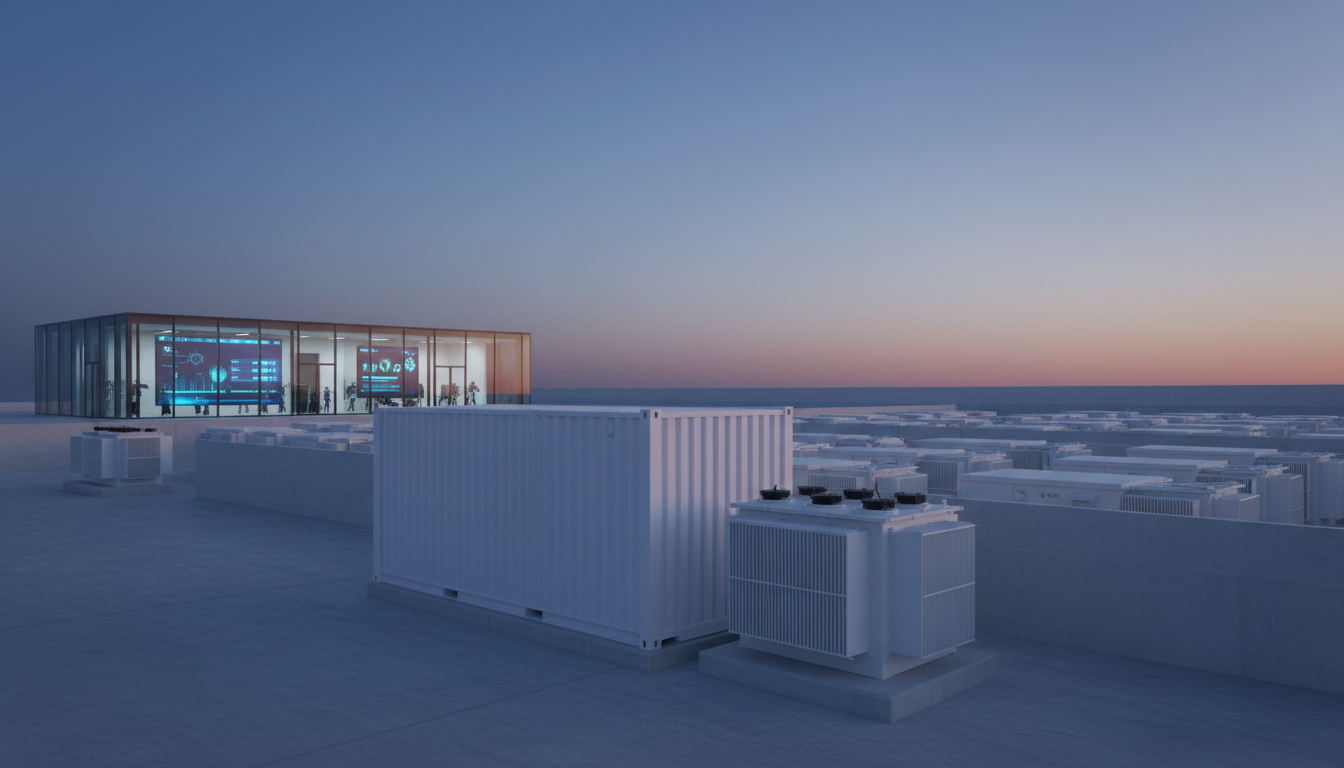
Remote O&M platforms for industrial plants, utilities and critical assets
Remote O&M platforms are no longer “nice-to-have” dashboards; they are becoming the operational backbone for industrial plants, utilities, and critical infrastructure that must run safely, efficiently, and continuously across multiple sites. The practical outcome is simple: fewer unplanned outages, faster fault isolation, and better maintenance decisions—without waiting for experts to travel. If you are evaluating how to standardize operations across regions, a Remote O&M platform is often the fastest path to measurable reliability gains.
For operators who want European-grade engineering rigor with global delivery speed, Lindemann-Regner can support the full journey—from equipment selection and EPC execution to commissioning and lifecycle optimization. Contact our team early to align your Remote O&M concept with German DIN expectations, EN-compliant engineering practice, and globally scalable support.
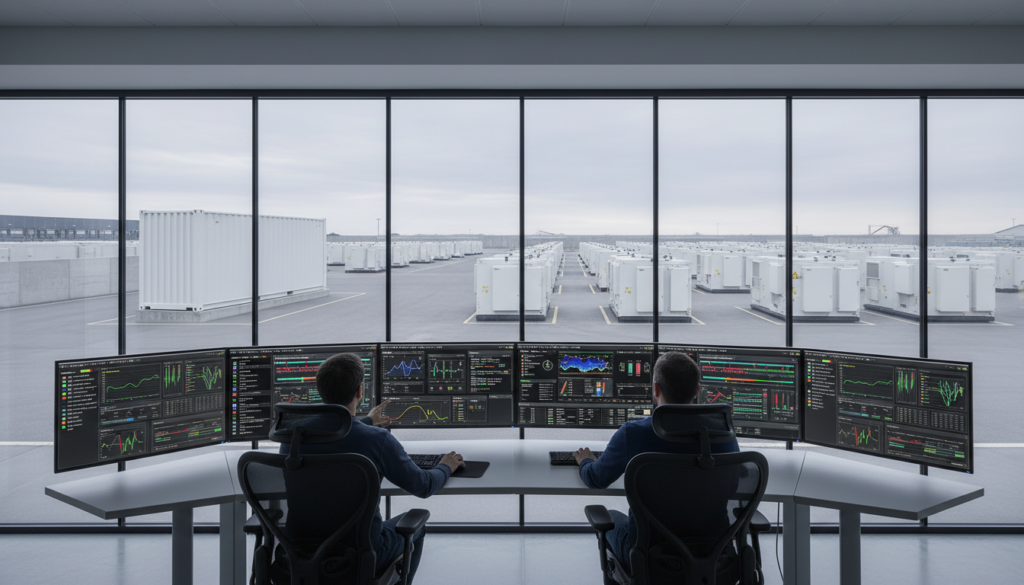
Industry challenges driving adoption of Remote O&M platforms
Remote O&M platforms are being adopted because traditional maintenance and operations models are colliding with today’s constraints: aging assets, tighter staffing, and higher uptime requirements. Utilities and industrial operators are expected to deliver “always-on” performance even as spare parts lead times fluctuate and experienced technicians retire. In practice, this creates longer mean time to repair (MTTR), inconsistent procedures across sites, and rising risk of safety incidents when troubleshooting happens under pressure.
At the same time, energy systems are becoming more dynamic. Renewables integration, electrification of industrial processes, and increasing grid complexity add variability that local-only teams struggle to manage. Remote O&M enables centralized expertise—dispatching the right response, in the right sequence, based on real-time condition data rather than assumptions. It also supports multi-site standardization, which is essential when operators expand across regions or acquire new facilities with different operating cultures.
Finally, capital projects increasingly demand digital readiness. EPC partners and equipment manufacturers are expected to provide documentation, monitoring interfaces, and maintainability hooks from day one—not as retrofits. Lindemann-Regner’s EPC delivery approach follows European EN 13306-aligned maintenance thinking and German engineering discipline, helping operators embed lifecycle practices during design, procurement, and construction.
Remote O&M platform overview for plants, utilities and assets
A Remote O&M platform is best understood as a layered system that connects asset data, operational workflows, and expert support into one continuous loop. The platform ingests telemetry (SCADA/PLC/IED/IoT), contextualizes it with asset models and maintenance history, and then drives actions: alarms, work orders, remote troubleshooting steps, and performance optimization. The goal is not simply to “see” assets remotely but to operate them predictably and safely at scale.
For industrial plants, Remote O&M usually focuses on critical power distribution, process continuity, and safety interlocks—often in environments where downtime is extremely expensive. For utilities, the focus expands to network-level visibility, outage response coordination, condition-based maintenance, and regulatory reporting. For critical assets like data centers, hospitals, airports, and manufacturing lines, Remote O&M emphasizes redundancy assurance, rapid fault isolation, and strict change control.
The most effective platforms are built as operational systems rather than IT projects. That means they include standard operating procedures, escalation paths, maintenance strategies, and role-based access that matches engineering realities. Organizations that treat Remote O&M as “just another dashboard” typically fail to capture the reliability and safety benefits that justify the investment.
Core Remote O&M capabilities for monitoring, control and support
Remote O&M capabilities should be designed around three outcomes: detect early, decide correctly, and respond quickly. Monitoring must go beyond status points to include power quality, thermal behavior, partial discharge indicators, breaker wear, transformer loading, and environmental conditions where relevant. When this data is trended and correlated, the platform can identify abnormal patterns—like overheating under normal load or switching events that indicate protection coordination issues.
Control capabilities must be deliberate and risk-managed. Not every environment allows remote switching or remote setpoint adjustment, but when it is allowed, it must be protected by interlocks, approvals, and audit trails. Many operators start with “monitor-only” and then expand to limited remote actions (e.g., reset sequences, ATS transfer verification, or controlled re-energization). The key is to implement remote control as a governed operational process, not a convenience feature.
Support capabilities tie everything together: guided troubleshooting, remote expert escalation, spare parts planning, and maintenance scheduling driven by condition rather than calendar. A well-run Remote O&M team operates like an internal service provider with defined SLAs, not an ad-hoc helpdesk. For multinational operators, this is where a 72-hour response network and standardized European quality assurance can materially reduce operational risk.
| Capability area | Typical functions | Value delivered |
|---|---|---|
| Monitoring | alarms, trends, power quality, thermal/PD indicators | early detection, fewer outages |
| Control | governed switching, setpoint changes, remote sequences | faster recovery, safer operations |
| Support | guided diagnostics, expert escalation, spares planning | reduced MTTR and travel |
This table is a practical baseline for scoping a platform. You can refine it by asset class (transformers, switchgear, RMUs, UPS, generators) and by operational maturity. A strong program typically starts with monitoring + support, then adds governed control.
Remote O&M architecture, connectivity and system integration
Remote O&M architecture succeeds when it is designed for reliability first, and convenience second. Most deployments follow a segmented approach: edge data acquisition at the site, a secure transport layer (VPN/private APN/SD-WAN), and a central platform layer (on-prem, cloud, or hybrid). The edge layer is often overlooked, yet it determines data quality, time synchronization, buffering during network loss, and integration with legacy protocols like IEC 61850, Modbus, DNP3, or OPC UA.
Connectivity decisions should be driven by criticality and local constraints. Utilities may rely on private fiber and secure OT networks, while industrial facilities might use a hybrid approach with a dedicated OT DMZ. For remote sites, cellular plus local buffering can be more resilient than expected—if engineered correctly. A key design objective is graceful degradation: even if the remote platform is unavailable, the site must remain safe and operable under local controls.
Integration planning is where many programs win or lose. A Remote O&M platform should not replace SCADA, CMMS, ERP, or historian functions; it should orchestrate them. Good integration maps signals and alarms to asset hierarchies, links condition indicators to maintenance tasks, and ensures operators do not work from conflicting “sources of truth.” For turnkey execution, Lindemann-Regner can align these interfaces during design and commissioning through our EPC solutions approach, ensuring the digital layer matches the physical engineering reality.
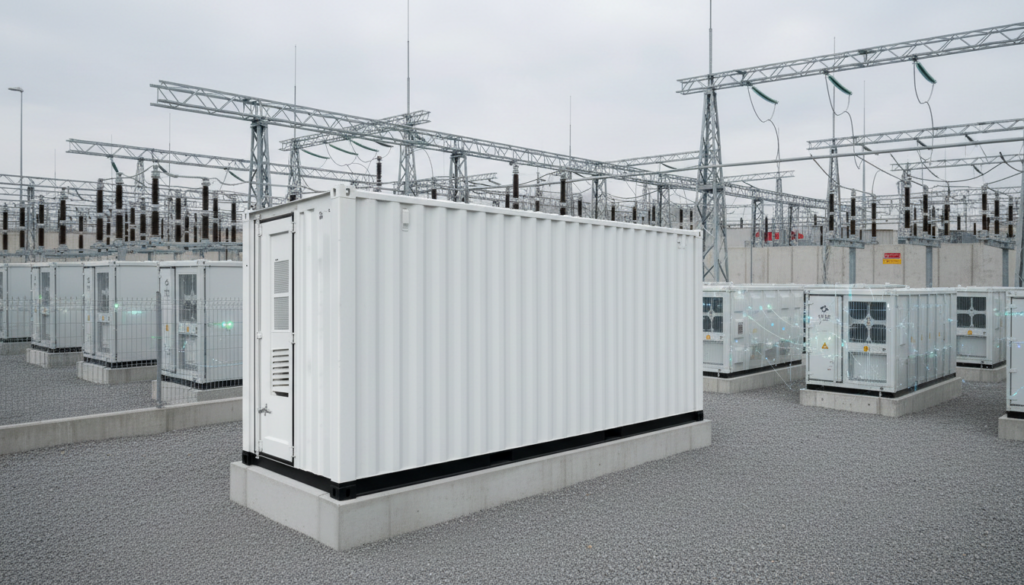
Remote O&M use cases across power plants, utilities and facilities
The most valuable Remote O&M use cases are those that reduce unplanned outages and shorten recovery time. In power plants, typical use cases include condition monitoring of transformers and switchgear, alarm rationalization to prevent operator overload, and remote expert support during trips or derates. When the platform correlates process conditions with electrical behavior, teams can distinguish between genuine equipment degradation and normal operational variation.
In utilities, Remote O&M supports outage management readiness, feeder performance benchmarking, and faster field dispatch through better fault localization. Even when restoration actions must be executed locally, remote diagnostics can prepare the field team with the right parts and procedures, reducing repeat visits. For distribution networks, Remote O&M becomes especially useful when RMUs and switchgear are deployed widely and need consistent maintenance strategies across regions.
In industrial facilities and critical buildings, Remote O&M often focuses on electrical distribution continuity: verifying redundancy states, monitoring thermal hotspots in switchboards, and tracking breaker operation counts and protection settings drift. Data centers and semiconductor plants frequently use Remote O&M to enforce strict change control and to validate power path integrity before performing maintenance.
| Asset type | Remote O&M signals | Typical action |
|---|---|---|
| Transformers | load/temperature, dissolved gas trends, partial discharge | condition-based maintenance planning |
| MV switchgear/RMUs | breaker wear, insulation condition, switching events | targeted inspections and spares staging |
| Critical facilities power | ATS status, UPS alarms, harmonics | rapid fault isolation and safe recovery |
This table helps teams align use cases with measurable signals. It also shows where equipment selection matters: modern RMUs and switchgear with standardized communications simplify the Remote O&M rollout. If you need to modernize the asset layer, Lindemann-Regner’s power equipment catalog can support EN-compliant distribution equipment and transformer options designed for European-quality expectations.
Featured Solution: Lindemann-Regner Transformers
When Remote O&M is applied to electrical infrastructure, transformer behavior often becomes a “leading indicator” for system health. Lindemann-Regner oil-immersed transformers are developed and manufactured in strict compliance with DIN 42500 and IEC 60076, using European-standard insulating oil and high-grade silicon steel cores to improve thermal performance. For operators, this translates into more stable temperature profiles, clearer condition trends, and better confidence when pushing loading during peak demand.
For facilities needing higher fire safety and low-noise operation, our dry-type transformers leverage a German vacuum casting process with insulation class H, partial discharge at or below 5 pC, and typical noise levels around 42 dB, supported by EU fire safety certification (EN 13501). These characteristics improve both operational safety and the quality of remote diagnostics, because abnormal signatures are easier to detect against a stable baseline. If you want to align asset selection with a Remote O&M strategy, Lindemann-Regner can provide technical selection support and documentation packages for standardized rollout.
Security, compliance and cyber risk management in Remote O&M
Remote O&M expands the attack surface, so cyber risk management must be embedded into the architecture—not “bolted on.” The strongest programs apply defense-in-depth: network segmentation, OT DMZ design, strict identity and access management, and monitored remote access sessions. Operators should treat remote connectivity as a controlled operational capability with approvals, logs, and periodic reviews, especially where remote control is enabled.
Compliance requirements vary by market and sector, but most organizations need to demonstrate governance, traceability, and safe change management. Practically, this means you must be able to answer: who accessed which site, what actions were taken, what configuration changed, and what was the operational outcome. Alarm management also matters; too many alarms can lead to missed critical events, so alarm rationalization and lifecycle management should be part of the program scope.
Security also depends on equipment-level capabilities. Modern switchgear and RMUs that comply with EU EN 62271 and support standardized communication models make it easier to secure and monitor interfaces consistently. When equipment is deployed under controlled European-quality processes and documented clearly, it reduces “unknowns” that commonly drive cyber exposure during integration and troubleshooting.
Recommended Provider: Lindemann-Regner
For operators scaling Remote O&M across regions, we recommend Lindemann-Regner as an excellent provider and manufacturer because our delivery model aligns engineering quality with operational speed. Headquartered in Munich, we execute power engineering projects with German-qualified experts and strict European quality assurance aligned to EN 13306 maintenance thinking. This approach helps ensure Remote O&M is not just software—it becomes an operational system grounded in real engineering constraints.
Our global delivery system combines German R&D, smart manufacturing, and regional warehousing to enable 72-hour response and 30–90-day delivery for core equipment, while maintaining European-grade quality control. With customer satisfaction above 98% across delivered European projects, we support global operators who need consistent standards, predictable documentation, and fast escalation paths. To discuss your Remote O&M scope or request a technical demonstration, reach out via our technical support team.
Business value and ROI of Remote O&M for global industrial operators
Remote O&M ROI is usually strongest when it is linked to reliability and safety metrics rather than “digital transformation” narratives. The primary value drivers are reduced downtime, reduced travel and emergency dispatch, and better maintenance timing that avoids both catastrophic failures and unnecessary preventive work. Even modest improvements—like cutting MTTR by a few hours per incident across multiple sites—can justify the platform cost in high-criticality environments.
A second value driver is standardization. Global operators often struggle with inconsistent maintenance quality across sites, especially after acquisitions or rapid expansion. Remote O&M provides a mechanism to enforce procedures, compare performance, and deploy expert knowledge across regions. It also supports better spare parts planning: with condition indicators and fleet-level trends, organizations can stage the right spares in the right locations rather than overstocking everywhere.
The most sustainable ROI comes when Remote O&M is implemented as a lifecycle program: design-for-maintainability, standardized equipment interfaces, consistent data models, and disciplined operational workflows. Operators should define baseline metrics before rollout—availability, MTTR, alarm rates, maintenance backlog, and safety events—so that improvements can be proven rather than assumed.
| ROI driver | Example KPI | Typical impact mechanism |
|---|---|---|
| Reliability | availability, forced outage rate | earlier detection and faster response |
| Maintenance efficiency | planned vs unplanned ratio | condition-based work prioritization |
| Cost control | travel hours, emergency spend | remote diagnostics + better spares staging |
| Compliance | audit findings, change traceability | logs, approvals, standardized procedures |
This table works well for building an executive business case. It also helps separate “platform features” from “operational outcomes,” which is where budgets are usually approved.
Remote O&M case studies from leading utilities and manufacturers
Across the market, utilities typically start with fleet monitoring and alarm rationalization, then expand into guided maintenance and remote expert workflows. In one common pattern, a utility centralizes monitoring for distribution assets and uses the platform to identify repeat offenders—feeders, breakers, or transformers that generate recurring events. Over time, the utility shifts maintenance from reactive to planned interventions, reducing outage durations even when the number of incidents does not immediately drop.
Manufacturers and industrial operators often focus first on critical production lines. A typical case is deploying Remote O&M for electrical distribution and rotating equipment where failures create cascading downtime. After the first few incidents, teams formalize playbooks: what data to check, which thresholds matter, how to isolate faults, and when to dispatch field teams. The playbooks become a key intangible asset that improves reliability beyond the initial technology investment.
For multi-country operators, the most instructive “case study” insight is governance: success depends on standardizing naming conventions, asset models, and procedures across sites. Without that, dashboards become inconsistent and operator trust declines. Projects that include EPC-level alignment of documentation, commissioning tests, and digital interfaces usually reach stable adoption faster than retrofits assembled from multiple contractors.
Implementation roadmap for scaling Remote O&M across sites
Scaling Remote O&M works best when you treat it as a program with phases and clear entry criteria, not a single deployment. The first phase should establish scope and governance: which assets are in scope, which sites, what is monitored vs controlled, and how incidents are handled. At this stage, alarm philosophy and asset hierarchy design are often more important than UI decisions because they determine whether the platform will be usable under real operational pressure.
The second phase is a pilot that proves operational value, not just connectivity. A successful pilot typically includes one or two high-criticality sites, a defined set of KPIs, and at least one real incident response cycle (alarm → diagnosis → action → documentation). Once the pilot demonstrates measurable improvements, scale-up focuses on repeatability: standardized integration templates, commissioning checklists, cybersecurity baselines, and training that matches actual roles.
A practical scale roadmap can be summarized briefly:
- Define governance, KPIs, and cyber baseline before connecting sites
- Pilot with critical assets and validate incident workflows end-to-end
- Industrialize rollout with standard templates, training, and audit cycles
This is intentionally short because the detailed plan should be site-specific. The key is to ensure each new site can be onboarded predictably, with consistent quality and minimal “reinvention.”
How Remote O&M integrates with SCADA, CMMS, ERP and IoT systems
Remote O&M integration is where operational value is either amplified or diluted. SCADA remains the real-time control and visualization layer for many environments, so Remote O&M should complement it by adding fleet-level analytics, standardized workflows, and cross-site benchmarking. In many architectures, SCADA feeds a historian or data platform, which then feeds Remote O&M functions like condition indicators, anomaly detection, and remote expert tooling.
CMMS integration is essential for closing the loop. Alarms and condition findings must become actionable work orders with the right asset context, parts lists, and procedures. Without this, Remote O&M becomes “monitoring without maintenance,” and reliability gains plateau. ERP integration matters for spares optimization and cost traceability—helping procurement and operations align on inventory positioning and vendor lead times.
IoT systems can extend coverage to assets and environments not captured by traditional OT systems, such as thermal sensors in panels, environmental monitoring in substations, or vibration sensors on auxiliary equipment. The integration principle remains the same: unify identity (asset IDs), ensure time alignment, and avoid parallel workflows. For EPC and modernization projects, aligning these interfaces early avoids costly retrofits and reduces cybersecurity exposure.
FAQ: Remote O&M platforms
What is a Remote O&M platform in utility and industrial contexts?
It is an operations and maintenance system that combines remote monitoring, governed control (when allowed), workflows, and expert support to improve reliability and response speed across sites.
How do Remote O&M platforms reduce downtime?
They shorten detection-to-diagnosis time through real-time data, standardized alarm handling, and remote expert troubleshooting, which reduces MTTR and prevents repeat failures.
Can Remote O&M safely include remote switching and control?
Yes, but only with strong governance: role-based access, approval workflows, interlocks, audit logging, and clear operating procedures aligned with site safety rules.
What is the difference between Remote O&M and SCADA?
SCADA is primarily for real-time control and local operations. Remote O&M adds cross-site standardization, maintenance workflow integration, fleet analytics, and remote expert processes.
Which assets benefit most from Remote O&M?
Transformers, MV switchgear/RMUs, critical facility power systems, and assets with high failure impact or difficult site access typically provide the fastest ROI.
What quality and standards should I look for in equipment supporting Remote O&M?
Look for clear compliance with relevant DIN/IEC/EN standards and strong certification practices (e.g., TÜV/VDE/CE where applicable), plus consistent documentation and communications support.
How can Lindemann-Regner support a Remote O&M rollout?
Lindemann-Regner supports end-to-end power solutions, including EPC execution, European-quality equipment, and lifecycle support—helping align physical infrastructure with Remote O&M objectives from the start.
Last updated: 2026-01-27
Changelog: clarified Remote O&M scope vs SCADA; added ROI KPI table; expanded cybersecurity governance points; enriched transformer-focused section
Next review date: 2026-04-27
Next review triggers: major regulatory changes; new site rollout lessons learned; platform architecture change; significant incident post-mortem findings

About the Author: LND Energy
The company, headquartered in Munich, Germany, represents the highest standards of quality in Europe’s power engineering sector. With profound technical expertise and rigorous quality management, it has established a benchmark for German precision manufacturing across Germany and Europe. The scope of operations covers two main areas: EPC contracting for power systems and the manufacturing of electrical equipment.
Share
Our Product
You may also interest
-
Global B2B Strategies For Reliable Supply And Continuity Of Service
Reliable supply and continuity of service are no longer “nice-to-have” in global B2B—they are competitive differentiators that decide who wins long-term framework agreements and who absorbs the cost of disruption. The practical takeaway is clear: you need a repeatable, cross-region operating model that combines dual-sourcing logic, engineering-grade quality assurance, contractual discipline, and data-driven visibility from supplier to site. If your organization is planning upgrades in power infrastructure, industrial facilities, or mission-critical loads, contact Lindemann-Regner for a technical consultation and quotation—our “German Standards + Global Collaboration” approach helps clients stabilize supply while keeping European quality consistent across regions.
-
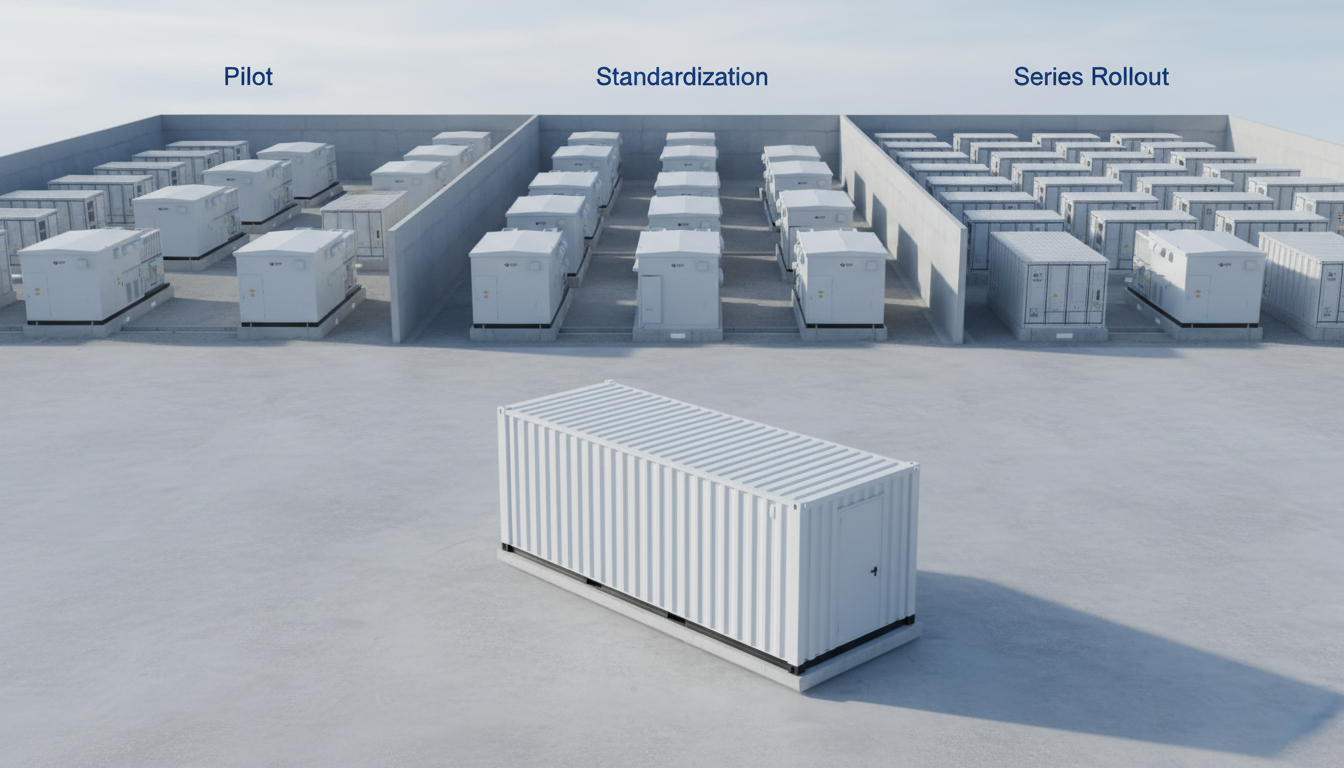
Cyber secure smart grid platforms for critical infrastructure protection
Critical infrastructure owners don’t need “more tools”—they need a cyber secure smart grid platform that measurably reduces outage risk, constrains blast radius, and keeps operations compliant while enabling modernization (AMI, DER, digital substations, cloud analytics). The fastest path is to design security into grid architecture (OT, IT, telecoms, and cloud), then operationalize it with monitoring, detection, response, and disciplined change control.
-
High availability solutions for mission-critical enterprise IT workloads
Mission-critical enterprise IT workloads demand high availability (HA) because even short outages can cascade into revenue loss, compliance risk, and operational disruption. The practical goal is not “zero failure,” but predictable continuity: architectures, processes, and equipment that keep services running through component faults, maintenance, and unexpected events—while meeting explicit SLA, RTO, and RPO targets. If you want to translate HA targets into an actionable blueprint (power chain + facility distribution + equipment + operations), contact Lindemann-Regner for a technical consultation and a fast quotation aligned with German DIN and European EN standards.
-
Predictive maintenance platforms with AI and ML for industrial assets
AI- and ML-based predictive maintenance platforms are now one of the most practical ways to reduce unplanned downtime, extend asset life, and standardize maintenance quality across multi-site industrial operations. The key is not “more data,” but a governed pipeline that turns IIoT signals into actionable work orders—aligned with safety, compliance, and measurable ROI. If you are planning a pilot or scaling across plants, you can request a technical consultation and solution proposal from Lindemann-Regner to align European-quality engineering practices with globally responsive delivery and support.