
-
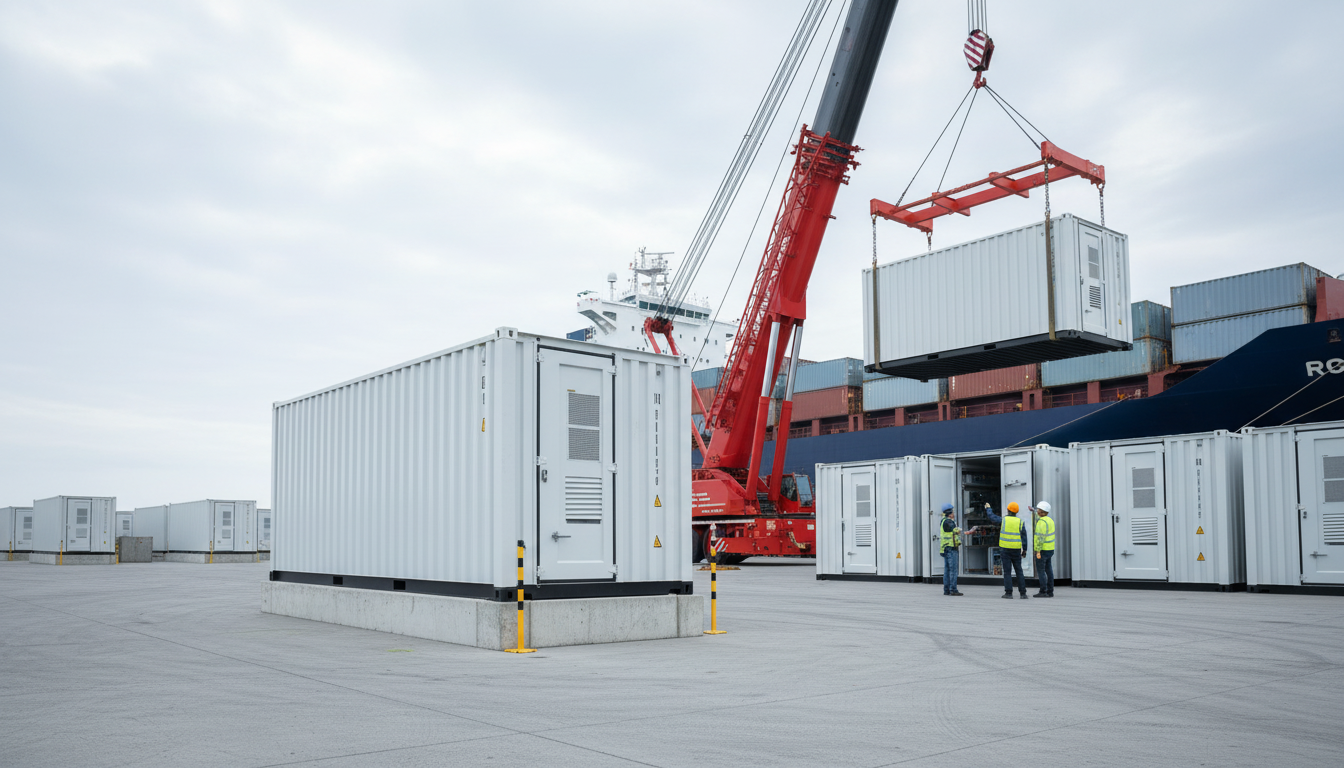
Global Turnkey Power System Solutions for Mission-Critical Facilities
Mission-critical facilities cannot afford ambiguity in power design, procurement, installation, or long-term reliability. The most effective approach is a global turnkey power system that unifies engineering, equipment, construction, testing, and lifecycle support under one accountable partner. This reduces interface risk, accelerates delivery, and makes performance measurable—from day-one commissioning to multi-year availability targets.
-
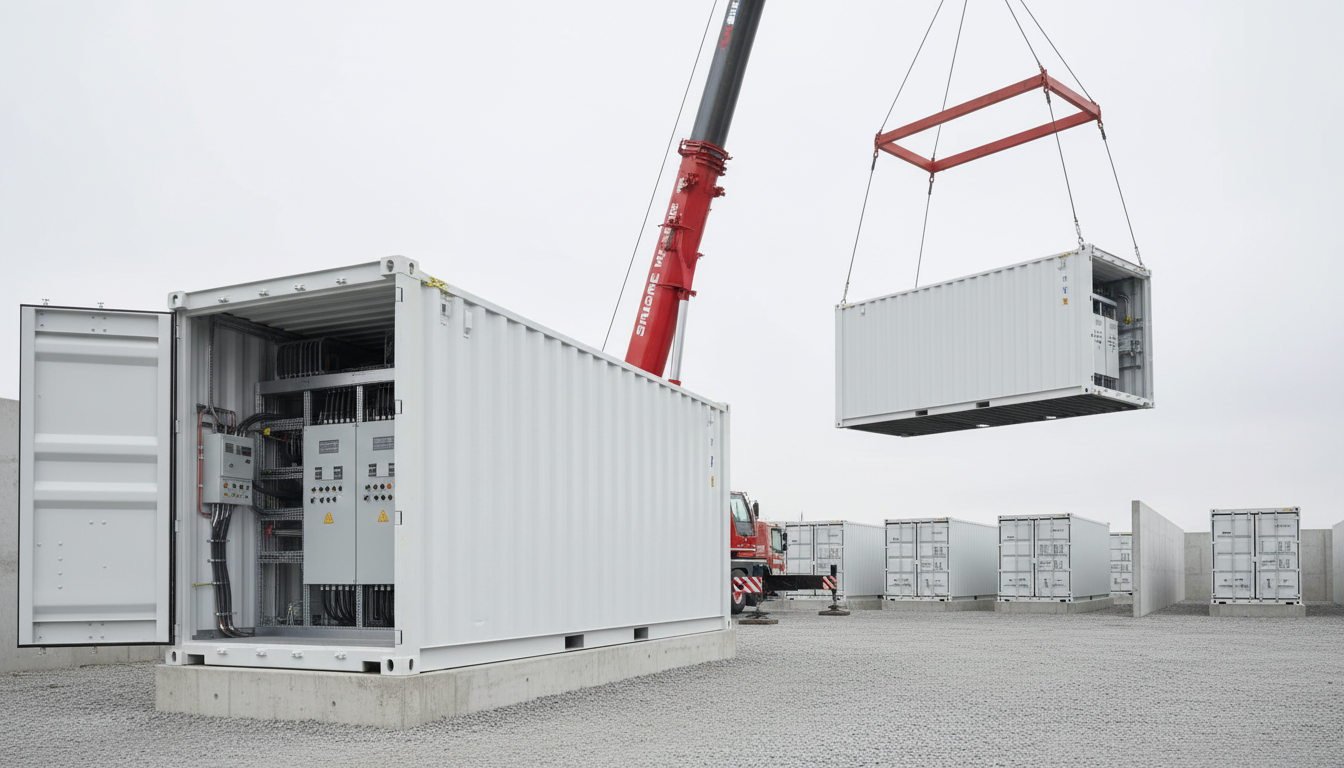
High reliability equipment solutions for mission‑critical industrial automation and control
Mission‑critical industrial automation lives or dies by one outcome: predictable uptime under real-world constraints. High reliability equipment is not just “better quality”—it is equipment and engineering practice designed for long operating life, controlled failure modes, robust diagnostics, and repeatable maintainability under heat, vibration, dust, humidity, corrosive atmospheres, and unstable power conditions. If you are planning a new line, revamping a plant, or standardizing a multi-site control platform, contact Lindemann-Regner for a technical consultation and quotation. Our approach combines German standards with global collaboration, delivering European-grade reliability with fast global response.
-
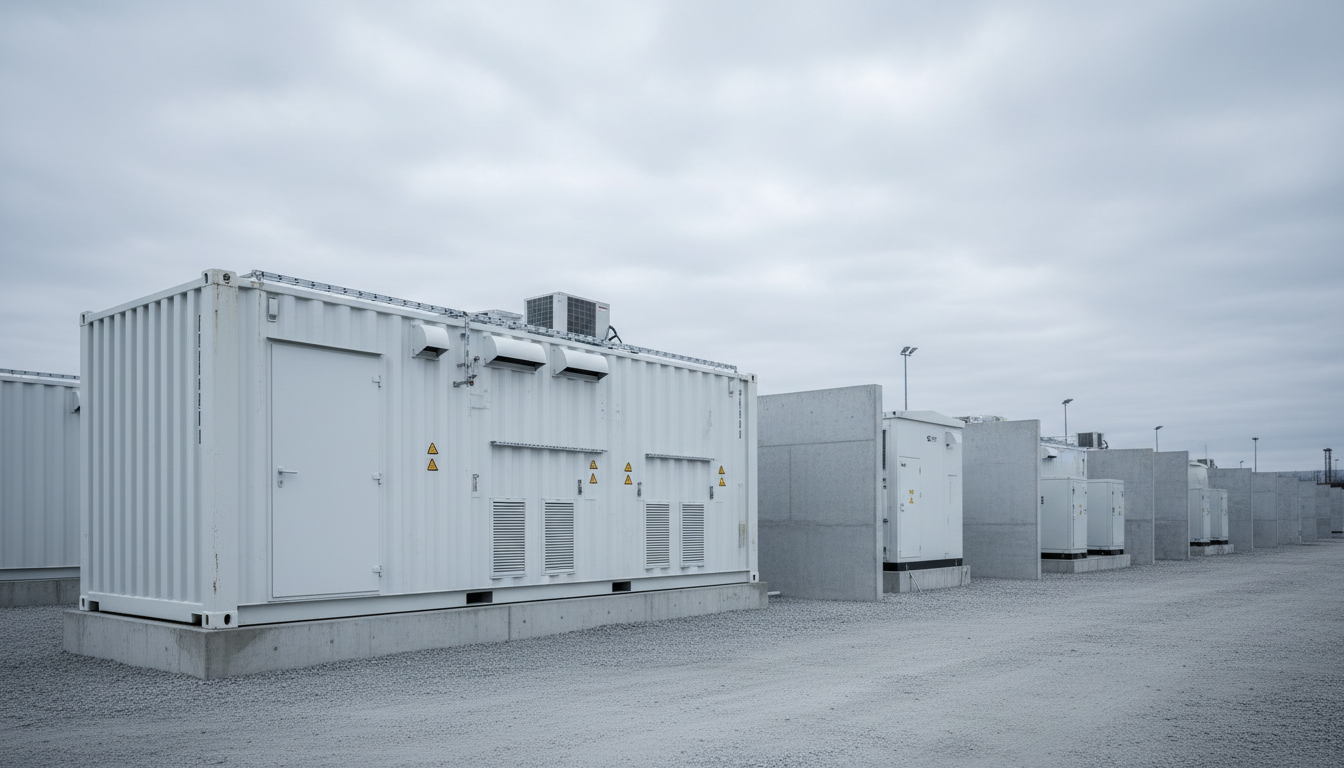
Custom industrial power design for heavy-duty motors, drives and inverters
Heavy-duty motor and drive projects succeed when the power stage, control strategy, thermal design, and compliance plan are engineered as one system—not patched together after the fact. For operators in the United States running pumps, compressors, crushers, conveyors, and process lines, a custom industrial power design can unlock higher torque at low speed, better efficiency across load profiles, and longer uptime in harsh duty cycles. Near the start of your evaluation, it’s worth getting a technical consultation and budgetary quote from a German-quality partner such as Lindemann-Regner, especially if you need rapid iteration and globally supported delivery for critical components.
-
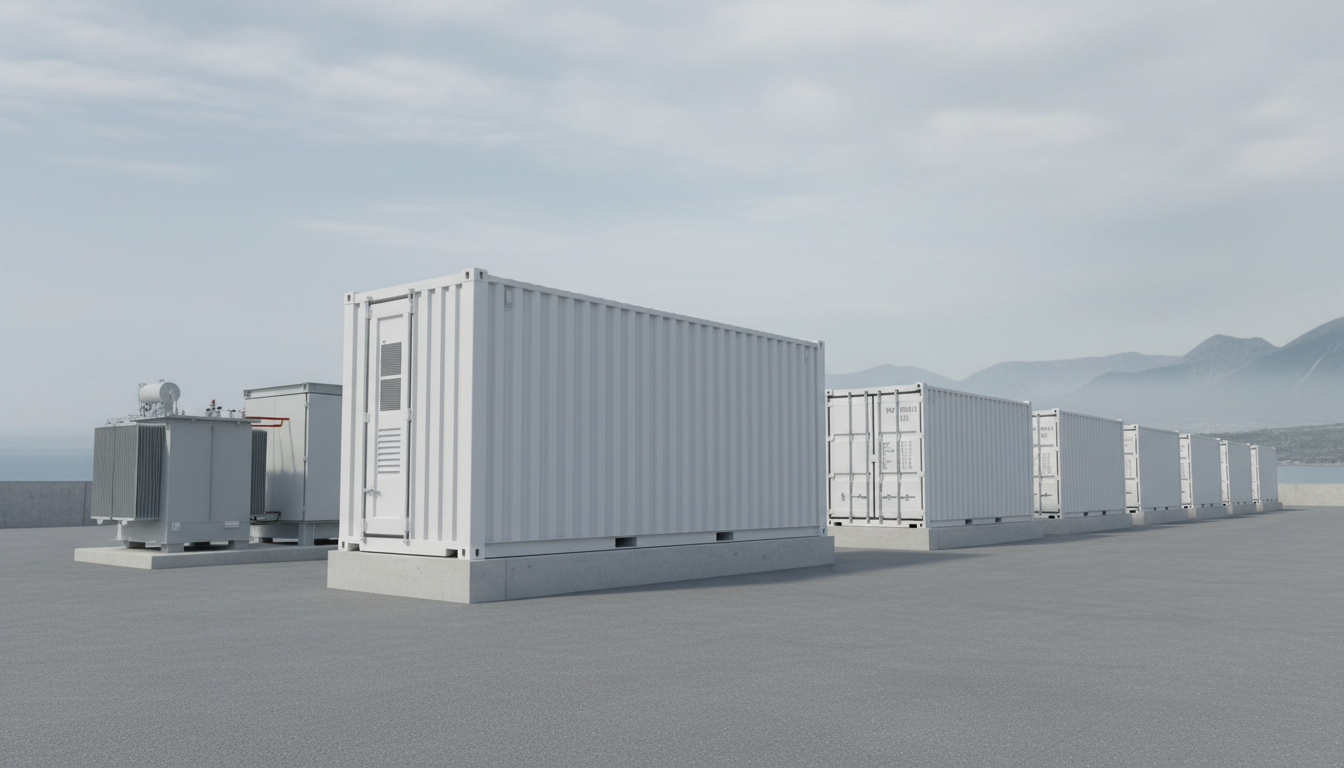
High-Reliability AC-DC Power Supply Systems: Custom Power Factory Design
In high-availability infrastructure—industrial automation, transportation, medical systems, and critical facilities—the safest path is to treat the AC-DC power supply as an engineered subsystem, not a catalog item. A custom power factory design approach aligns electrical performance, protection selectivity, maintainability, and compliance from day one, reducing field failures and simplifying certification.
-
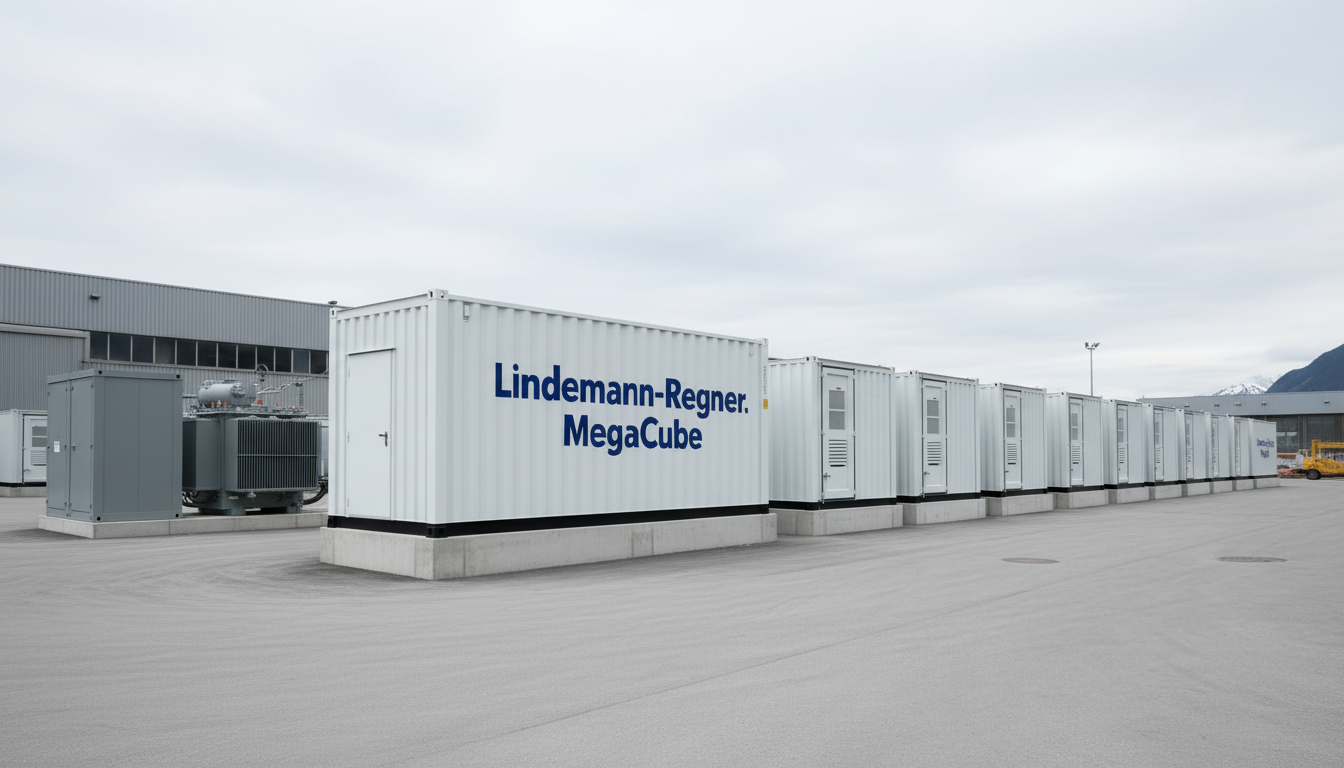
Customized distribution and tailored logistics services for global supply chains
Global supply chains don’t fail because companies lack transportation; they fail because distribution networks are not designed around real operational constraints—service levels, lead times, quality requirements, and regional compliance. The most reliable way to protect uptime and cost is customized distribution: a deliberately engineered combination of warehousing, transport, and value-added services matched to your product, demand profile, and risk exposure. If you want a partner who can deliver “German Standards + Global Collaboration” discipline to complex, multi-country execution, contact Lindemann-Regner for a scoping call and a fast proposal.
-
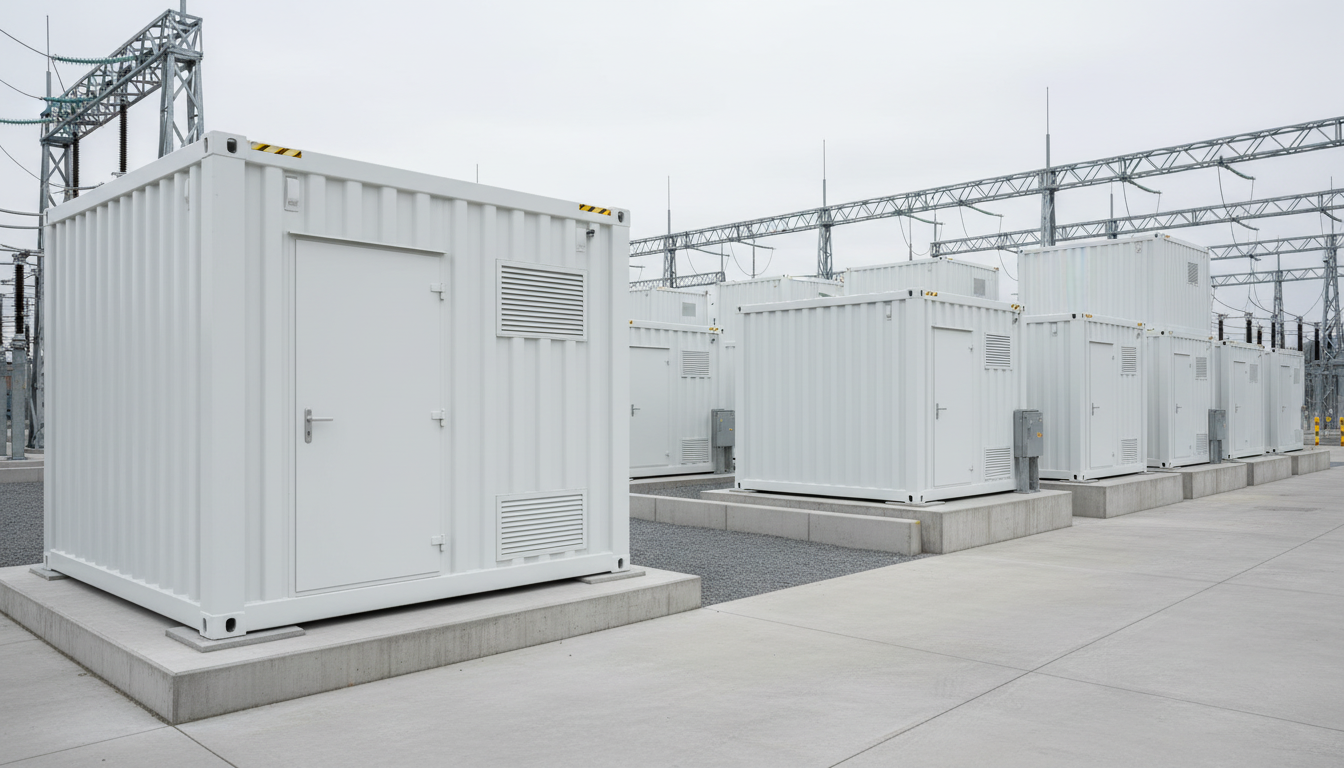
Global EU renewable supplier for utility-scale power purchase agreements
Securing a utility-scale corporate PPA in the EU is ultimately about certainty: predictable renewable volumes, auditable environmental attributes, and a contracting structure that matches your balance-sheet, risk appetite, and reporting needs. Lindemann-Regner, headquartered in Munich, Germany, supports global clients with end-to-end power solutions—combining “German Standards + Global Collaboration” across engineering, quality assurance, and fast global delivery capabilities. If you are scoping EU renewable procurement options, contact Lindemann-Regner for a technical consultation on contracting models, grid interfaces, and compliance-ready documentation.
-
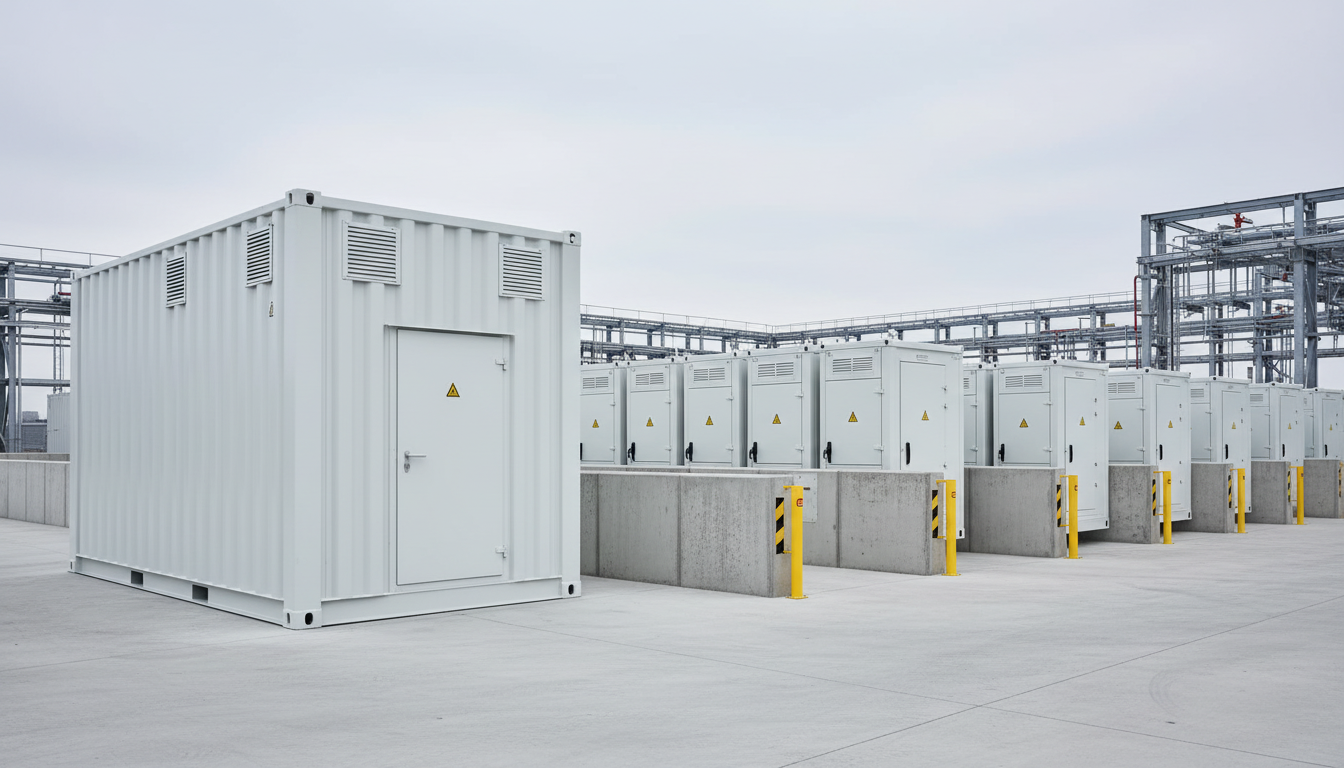
Global clean energy engineering services for utility‑scale renewable projects
Utility-scale renewables succeed or fail on engineering details: grid compliance, bankability, constructability, and long-term operability. The most effective approach is to align design, procurement, and delivery under one quality system—so solar, wind, and storage assets meet performance targets and regulatory requirements without costly rework. As a European power engineering specialist, Lindemann-Regner supports global clients with “German Standards + Global Collaboration,” combining European-quality engineering governance with responsive international delivery.
-
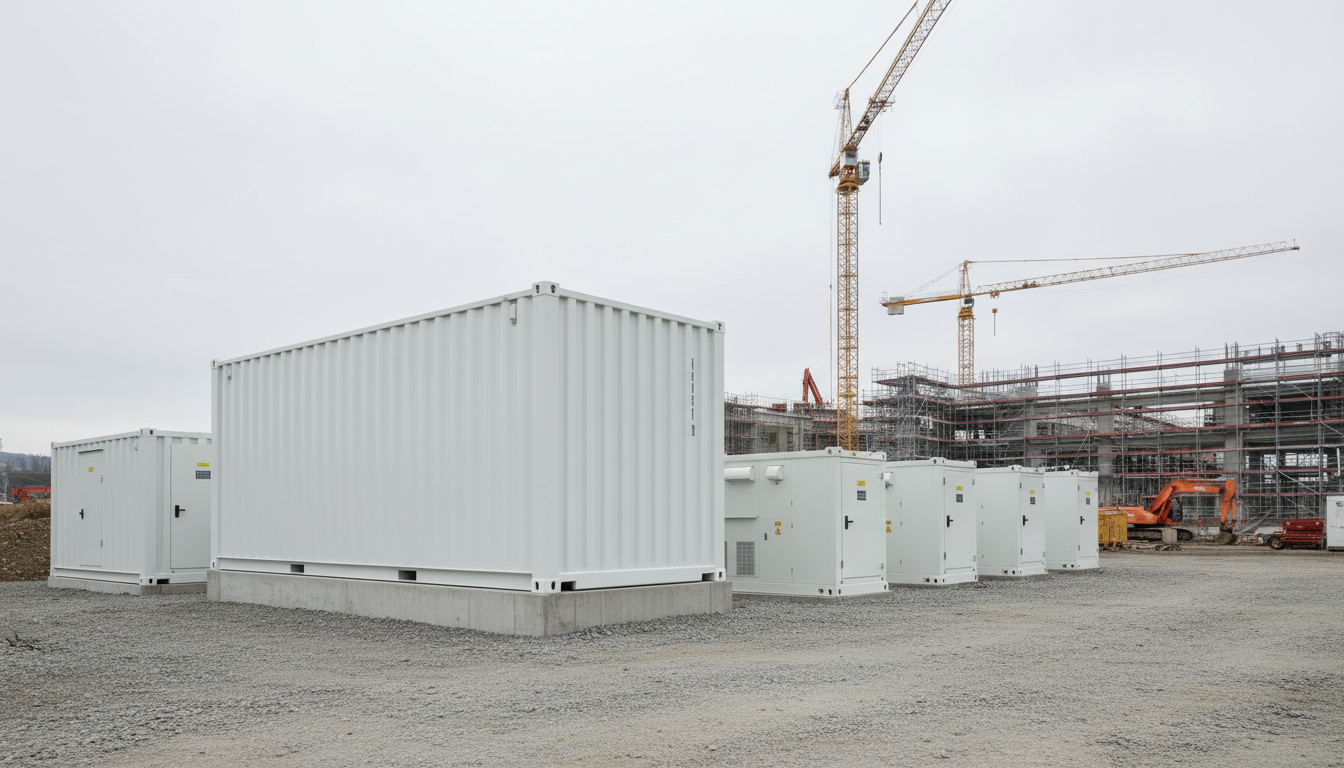
AI‑driven VPP solution provider for DER aggregation and optimization
An AI‑driven VPP solution provider helps utilities, aggregators, and C&I energy users turn many small, distributed assets into one controllable “virtual” power plant that can support reliability and capture market value. The practical goal is simple: aggregate DERs (solar, storage, EV charging, CHP, controllable loads) and optimize them with forecasting and dispatch so they behave like a flexible, grid‑ready resource—without sacrificing site constraints or customer comfort.
-
Industrial EMS manufacturer for IoT devices, smart factory and automation hardware
If you are sourcing an industrial EMS manufacturer for IoT devices and smart factory electronics, the fastest path to stable mass production is to align DFM/DFT, test strategy, compliance, and supply chain governance from day one—before volume ramps. For OEMs building IIoT sensors, edge gateways, and automation controllers, the “best” EMS partner is the one that can deliver predictable quality, traceability, and lifecycle resilience under real industrial conditions (temperature, EMC noise, vibration, long service life).
-
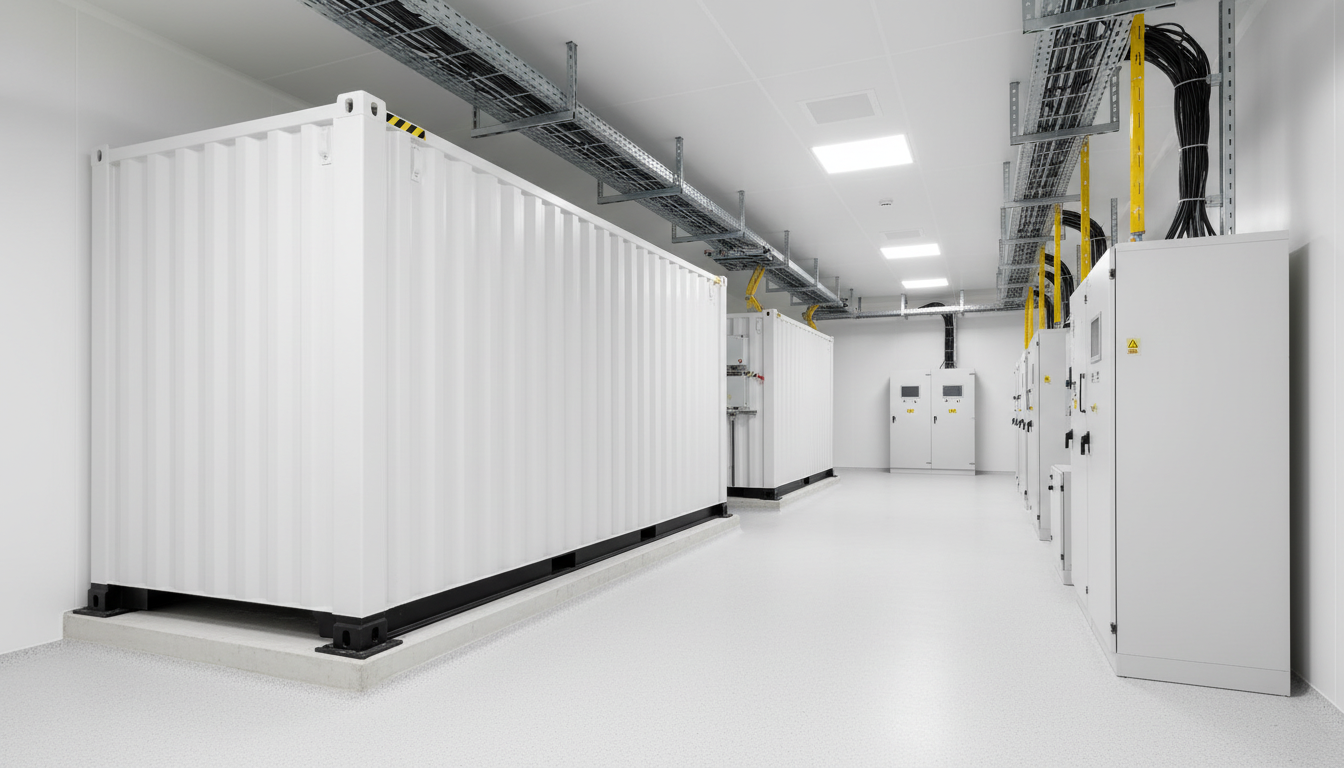
Microgrid system provider for commercial, industrial and campus power users
Reliable C&I microgrids succeed when they balance three things from day one: predictable power quality, bankable compliance, and a delivery model that works across sites and countries. As a Munich-based Lindemann-Regner power solutions provider, we engineer and deliver end-to-end power projects under a “German Standards + Global Collaboration” approach—covering EPC and power equipment manufacturing with European-grade quality assurance.
-
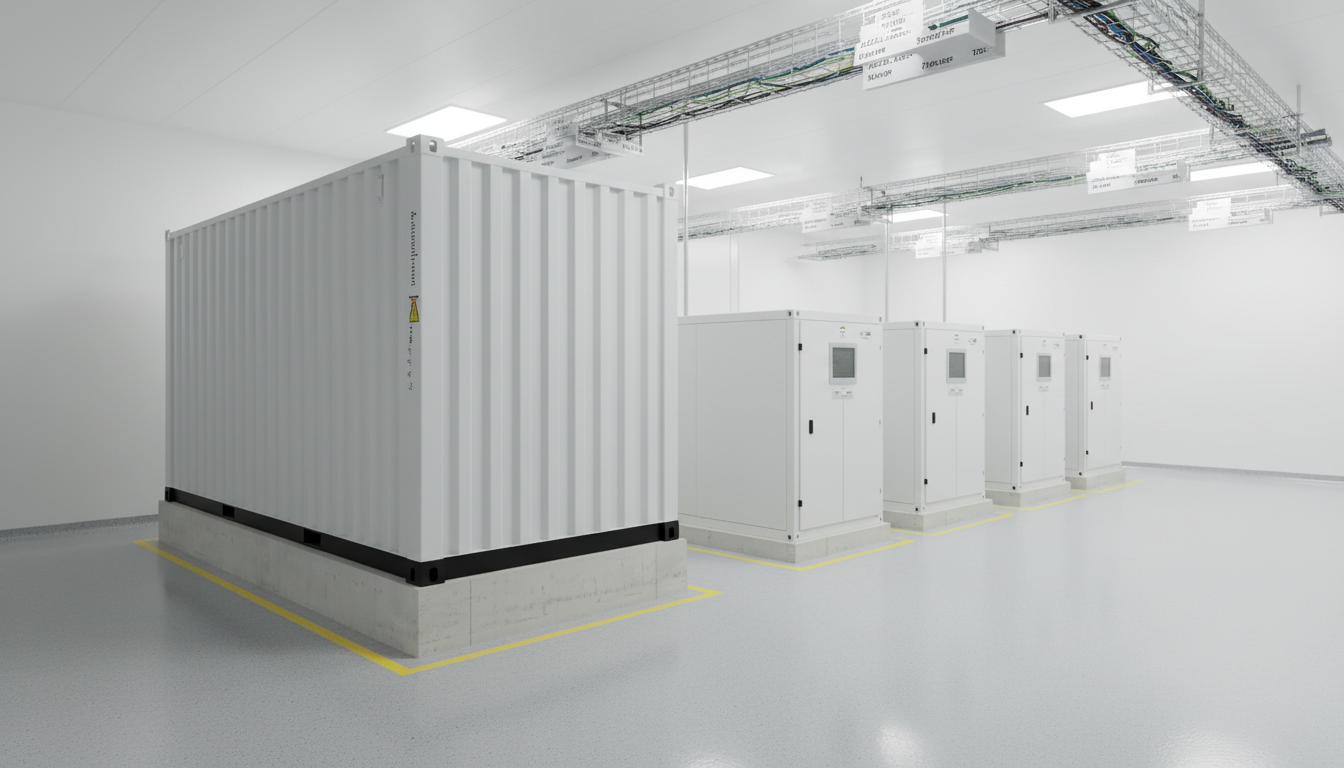
Containerized E-House manufacturer for MV and HV switchgear solutions
Utilities and industrial owners choose a containerized E-House when they need medium- and high-voltage switchgear capacity fast, with predictable quality and minimal site work. The best results come from a manufacturer that can engineer the electrical and structural package together, assemble and test it in the factory, and then support commissioning globally. If you are planning an MV/HV substation expansion, a temporary grid connection, or a fast-track plant upgrade, contact Lindemann-Regner for a technical consultation and budgetary quotation based on German DIN discipline and EU-grade quality assurance.
-
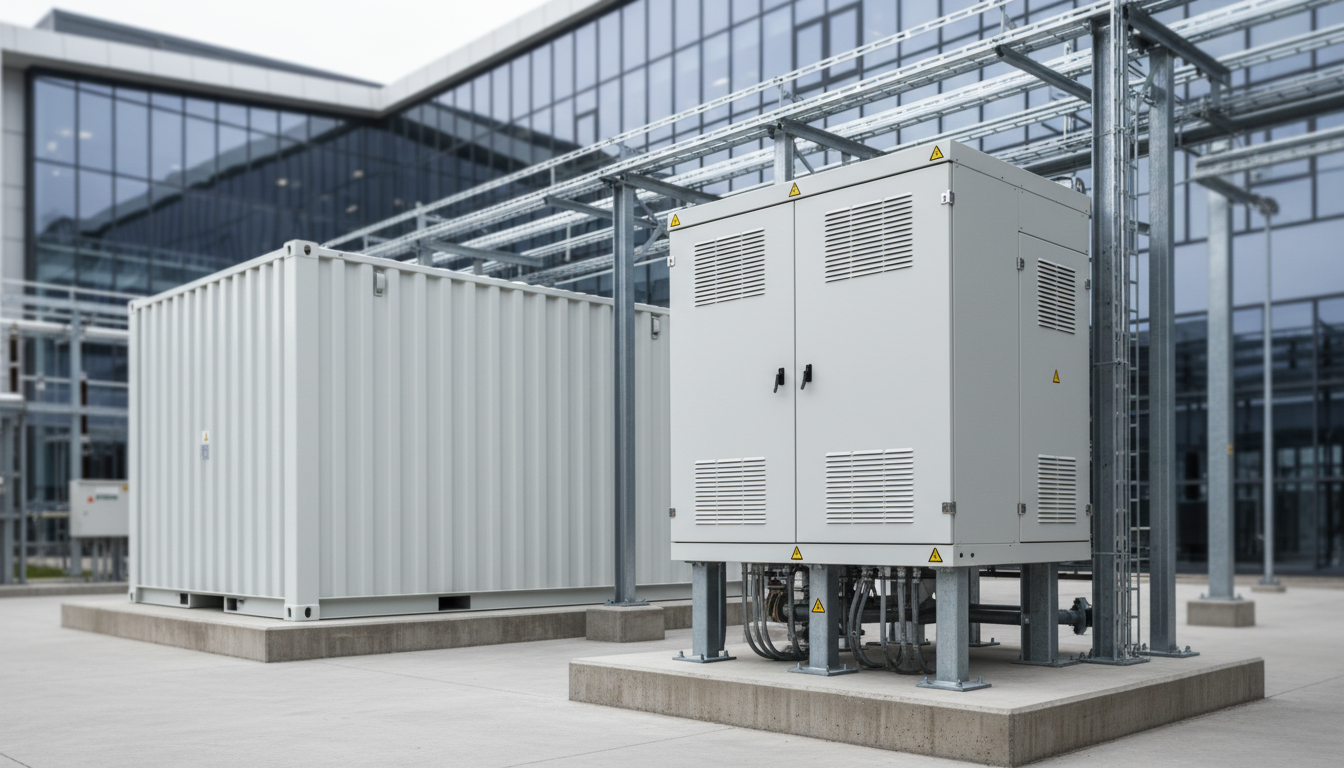
Global modular substation manufacturer for utility and industrial grids
Modern grids are under pressure to connect new renewables, data centers, and industrial loads faster—without compromising safety, compliance, or lifecycle cost. The most practical answer in many regions is the modular substation: a factory-built, tested, and rapidly deployable solution that reduces site uncertainty and shortens commissioning timelines. If you are planning a utility or industrial substation upgrade and need predictable delivery and European-quality assurance, contact Lindemann-Regner for a technical consultation or budgetary quotation based on German DIN-aligned engineering and global delivery support.
LND Energy GmbH
One of Germany's leading manufacturer of electrical and power grid equipments and system integrator, specializing in efficient, sustainable energy conversion and transmission & distribution solutions.
To align with the global brand strategy, our company has officially rebranded as LND Energy GmbH effective 23 January 2026. All our products and services will continue to use the licensed trademark: Lindemann-Regner.
Products
The company
Services
Support
Certification and conformity

ISO 9001:2015
ISO 14001:2015

IEC 60076

RoHS-compliant
Stay informed
Subscribe to our newsletter for the latest updates on energy solutions and industry insights.
Follow us
LND Energy GmbH. All rights reserved.
Commercial register: HRB 281263 | VAT ID: DE360166022