
-
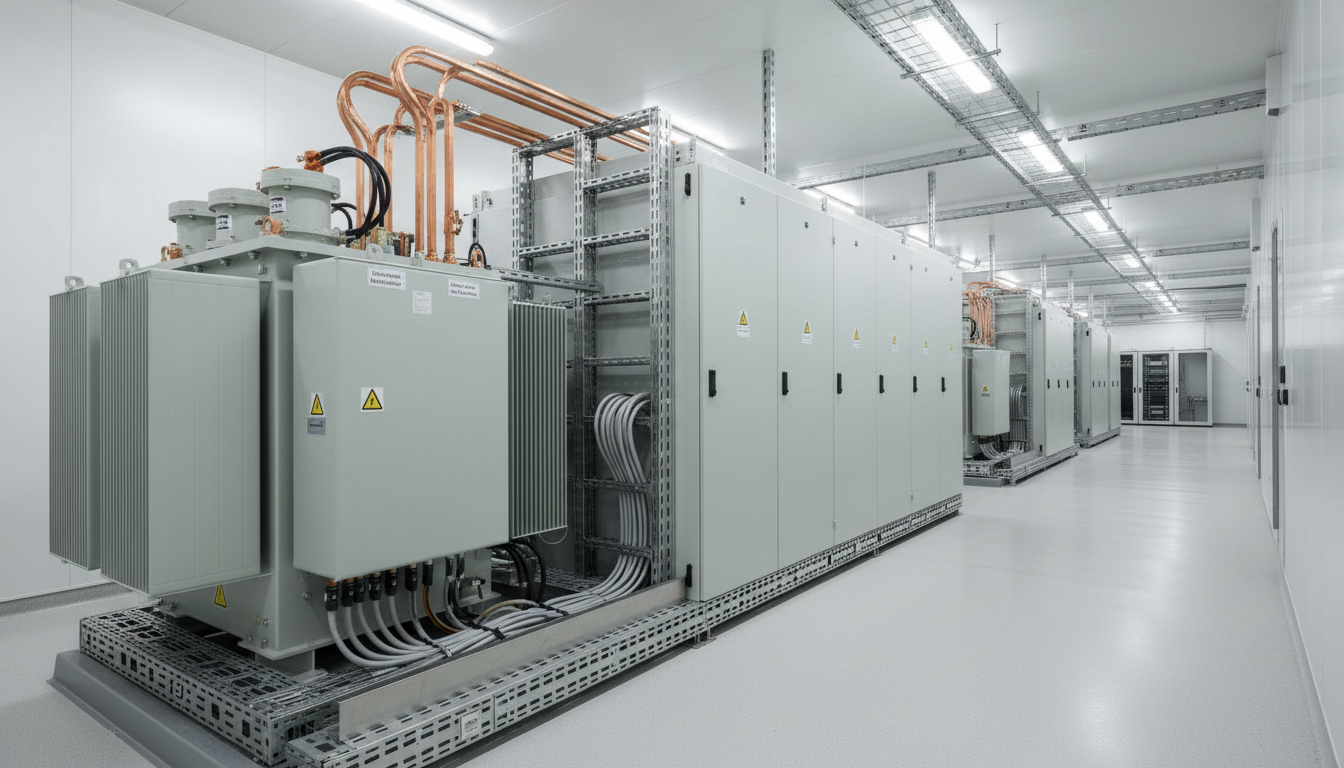
Utility scale storage and grid scale BESS solutions for German TSOs and DSOs
Utility scale storage is rapidly becoming a core component of Germany’s energy transition. For German TSOs (ÜNB) and DSOs (VNB), large-scale battery energy storage systems (BESS) offer a flexible, quickly deployable alternative or complement to traditional grid reinforcement. They reduce redispatch costs, provide system services, and increase the integration of wind and solar across all voltage levels. In the German market, where regulation, standards, and public scrutiny are strict, well-engineered and compliant solutions are essential. For project developers and network operators, engaging early with a high-quality power solutions provider such as Lindemann-Regner can significantly de-risk planning, technology selection, and execution.
-
![]()
Commercial ESS solutions for German commercial and industrial energy users
Commercial ESS solutions are becoming a strategic asset for German commercial and industrial energy users facing high power prices, complex grid tariffs, and ambitious decarbonisation targets. A well-designed commercial ESS (commercial energy storage system) allows businesses to shave peaks, reduce grid fees, increase PV self-consumption and stabilise sensitive operations. In Germany’s highly regulated and reliability-focused power system, ESS projects must not only be technically robust, but also fully compliant with VDE, DIN and EU standards to gain approvals and long-term insurability.
-
![]()
BESS solutions for industrial energy storage in Germany’s manufacturing sector
Germany’s manufacturing sector is under pressure from volatile electricity prices, stricter climate targets, and demanding grid requirements. Battery energy storage systems (BESS) are becoming a core building block of modern factory power systems, enabling peak shaving, resilience and smarter use of on‑site renewables. When BESS are designed around German grid codes, local tariffs and industrial load profiles, they can deliver double‑digit percentage reductions in energy costs while improving power quality and CO₂ performance.
-
![]()
Special application transformers for German industrial automation and machinery OEMs
For German industrial plants, standard catalogue transformers are often no longer enough. Complex loads, high currents, heavy harmonics and aggressive duty cycles demand special application transformers that are engineered for a specific furnace, rectifier or traction system. In Germany’s tightly regulated environment – shaped by IEC/EN, VDE, ProdSG, DGUV and strict corporate standards – these transformers directly influence process stability, energy efficiency and audit outcomes. OEMs serving the German market can de‑risk projects and shorten approvals by partnering with an experienced power solutions provider such as Lindemann-Regner, and by involving them early for specifications, concept designs and budget quotations.
-
![]()
TÜV tested transformers for German industrial automation and machinery OEMs
For German machine builders and automation OEMs, TÜV tested transformers have become a de‑risking tool as important as the PLC or safety relay. They underpin safe control power distribution, predictable panel approvals, and long-term reliability in harsh factory environments. In Germany’s tightly regulated market – with CE, ProdSG, DGUV/BG rules and strict insurer expectations – choosing the right transformer can make the difference between a smooth FAT in Bavaria and weeks of questions from a Notified Body. When projects are time-critical, partnering with an experienced power solutions provider such as Lindemann-Regner is often the fastest route to technically clean, auditable designs and realistic delivery times.
-
![]()
Customized voltage transformer solutions for German industrial automation and machinery
Industrial automation and machinery in Germany are moving towards higher speeds, tighter tolerances and stricter energy-efficiency targets. In this context, a standard transformer is often no longer enough. A well-engineered customized voltage transformer can be tailored to the exact electrical, mechanical and regulatory requirements of a machine or automation cell, ensuring reliable operation under German DIN/VDE standards while optimising space, losses and lifecycle cost.
-
![]()
Multi-winding transformer solutions for German industrial power distribution networks
In German industrial power distribution networks, space, efficiency and power quality are under more pressure than ever. A well-designed multi-winding transformer allows several voltage levels, load types and even phase-shifted systems to be supplied from one compact device. This can dramatically simplify LV and MV distribution in factories, reduce cabling and improve harmonic performance, all while complying with DIN/VDE and EU standards.
-
![]()
High efficiency cooling transformers for German MV and LV distribution grids
High efficiency cooling transformers are becoming a strategic component in Germany’s MV and LV distribution grids. Rising load density from EV charging, heat pumps and PV infeed, combined with tight urban substations and strict EU Ecodesign rules, means that thermal headroom and transformer losses are now board-level topics. By optimising cooling concepts together with low-loss cores and windings, operators can increase capacity, reduce energy losses and extend asset lifetimes without immediately rebuilding primary infrastructure.
-
![]()
High short-circuit withstand transformers for German MV and LV grids
Rising short-circuit power levels in German medium-voltage (MV) and low-voltage (LV) grids are putting increasing stress on transformers. Denser Stadtwerke ring networks, powerful 110/20 kV substations, large industrial parks and embedded generation all drive up prospective fault currents. In this environment, specifying High short-circuit withstand transformers is no longer a niche requirement but a practical necessity to protect switchgear, busbars and cables, and to safeguard long-term asset integrity.
-
![]()
Low temperature transformers for -30°C operation in German MV grids
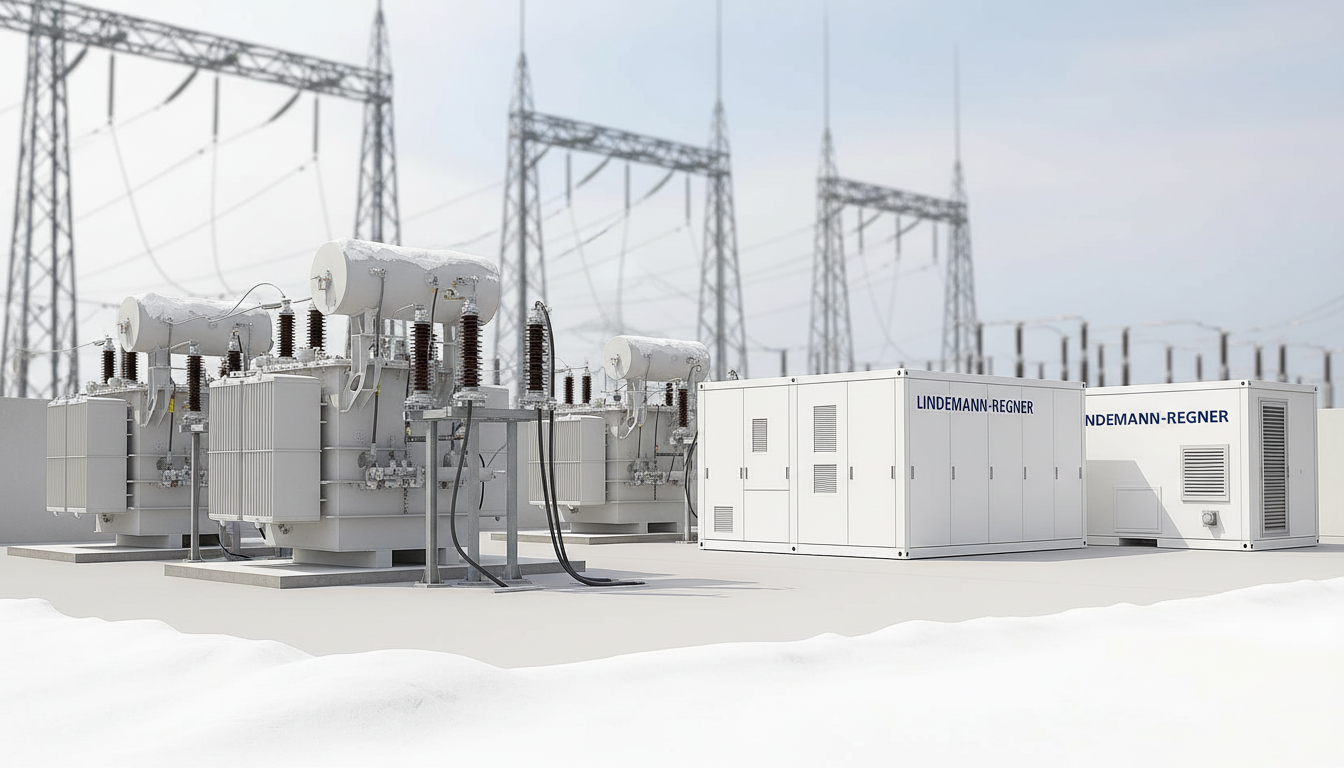
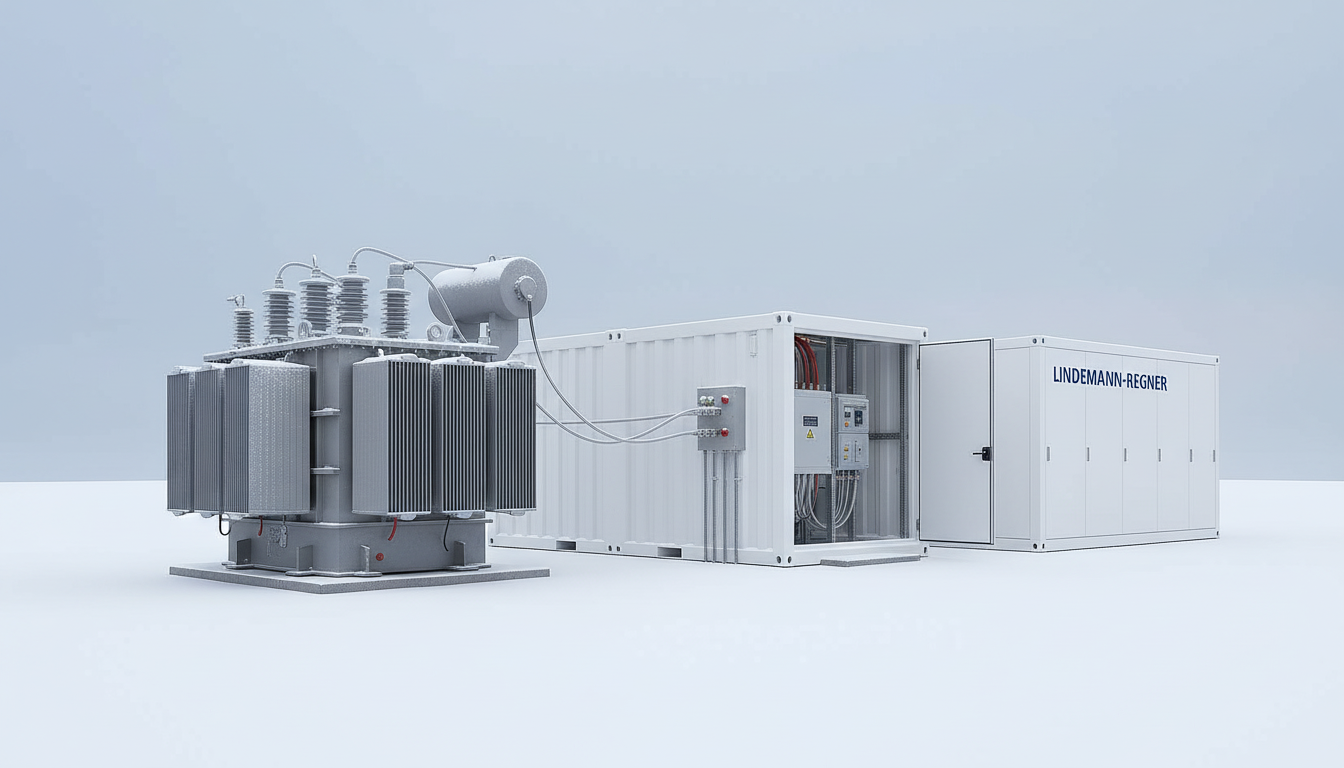
German medium-voltage (MV) networks are increasingly exposed to harsher winter conditions and more outdoor, unmanned substations. In Alpine foothills, upland regions, and exposed wind corridor sites, ambient temperatures dipping to -30°C are no longer rare extremes. In this context, specifying transformers for -30°C operation is becoming a practical necessity for DSOs, Stadtwerke and industrial operators who want stable supply quality, minimal outages and predictable asset lifetimes.
-
![]()
Partial discharge ≤5 pC transformers for German MV switchgear and substations
In German medium-voltage (MV) networks, operators are under pressure to combine high grid availability with tight CAPEX and OPEX control. Ageing infrastructure, urban densification and rising penetration of renewables all increase stress on insulation systems in switchgear and transformers. In this context, Partial discharge ≤5 pC transformers are becoming a strategic design choice for German MV switchgear and substations: they significantly reduce insulation ageing and failure risk and support long, disturbance‑free operation in urban and industrial grids.
-
![]()
42 dB low noise transformers for German office and commercial buildings
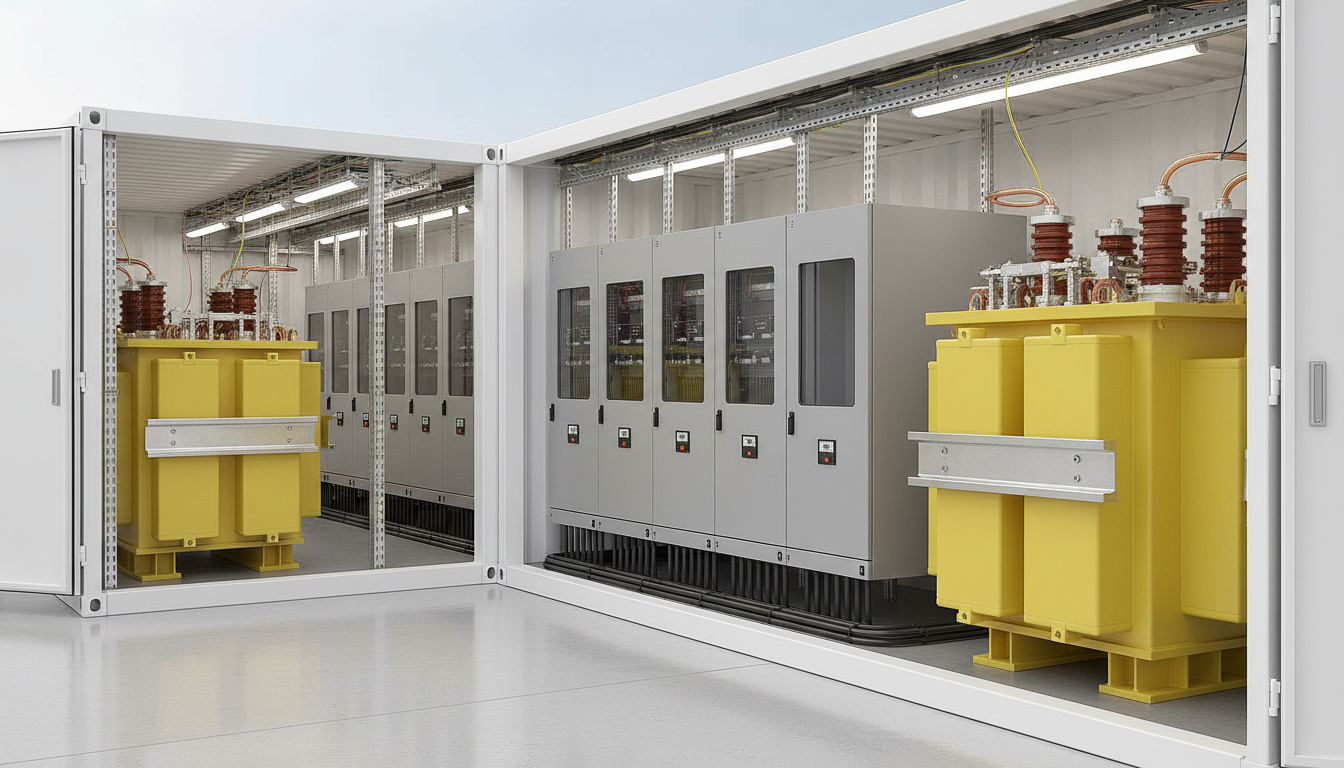
In modern German office and commercial buildings, noise from technical equipment is no longer a “background issue” – it influences leasing decisions, ESG scores and tenant satisfaction. As MV/LV substations move into basements, ground floors and even intermediate plant rooms near workplaces, 42 dB low noise transformers become a strategic component. They allow developers to meet acoustic targets under DIN 4109 while keeping technical rooms compact and close to the load centres.
LND Energy GmbH
One of Germany's leading manufacturer of electrical and power grid equipments and system integrator, specializing in efficient, sustainable energy conversion and transmission & distribution solutions.
To align with the global brand strategy, our company has officially rebranded as LND Energy GmbH effective 23 January 2026. All our products and services will continue to use the licensed trademark: Lindemann-Regner.
Products
The company
Services
Support
Certification and conformity

ISO 9001:2015

ISO 14001:2015

IEC 60076

RoHS-compliant
Stay informed
Subscribe to our newsletter for the latest updates on energy solutions and industry insights.
Follow us
LND Energy GmbH. All rights reserved.
Commercial register: HRB 281263 | VAT ID: DE360166022