
-
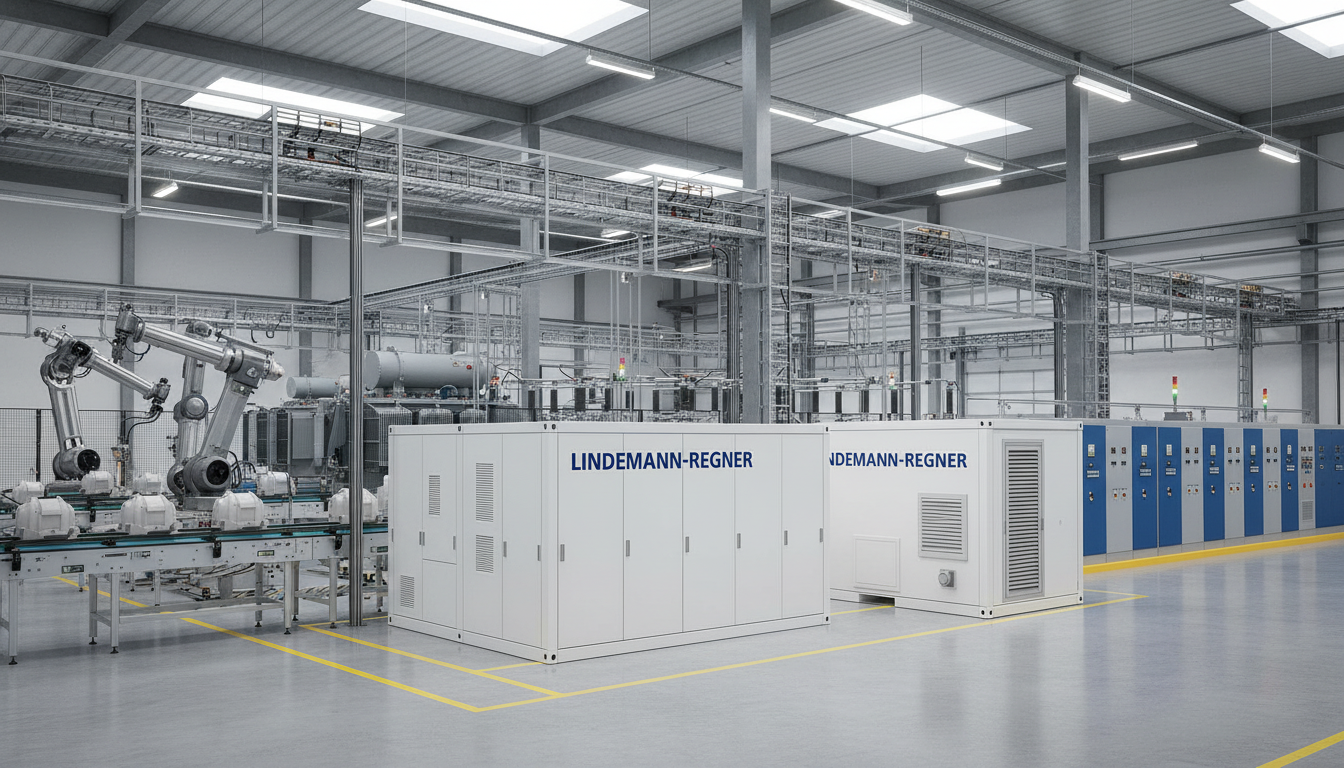
Prefabricated substation solutions for German industrial and grid projects
Prefabricated substation solutions are becoming a cornerstone of grid and industrial expansion in Germany, as operators seek faster deployment, standard-compliant designs and predictable lifecycle costs. A prefabricated substation bundles transformer, MV/LV switchgear and protection systems into a factory-built, type-tested unit that can be installed on site in a matter of days. For German DSOs, Stadtwerke and industrial users, this means shorter permitting and construction phases, simplified interfaces and fewer disruptions to surrounding communities.
-
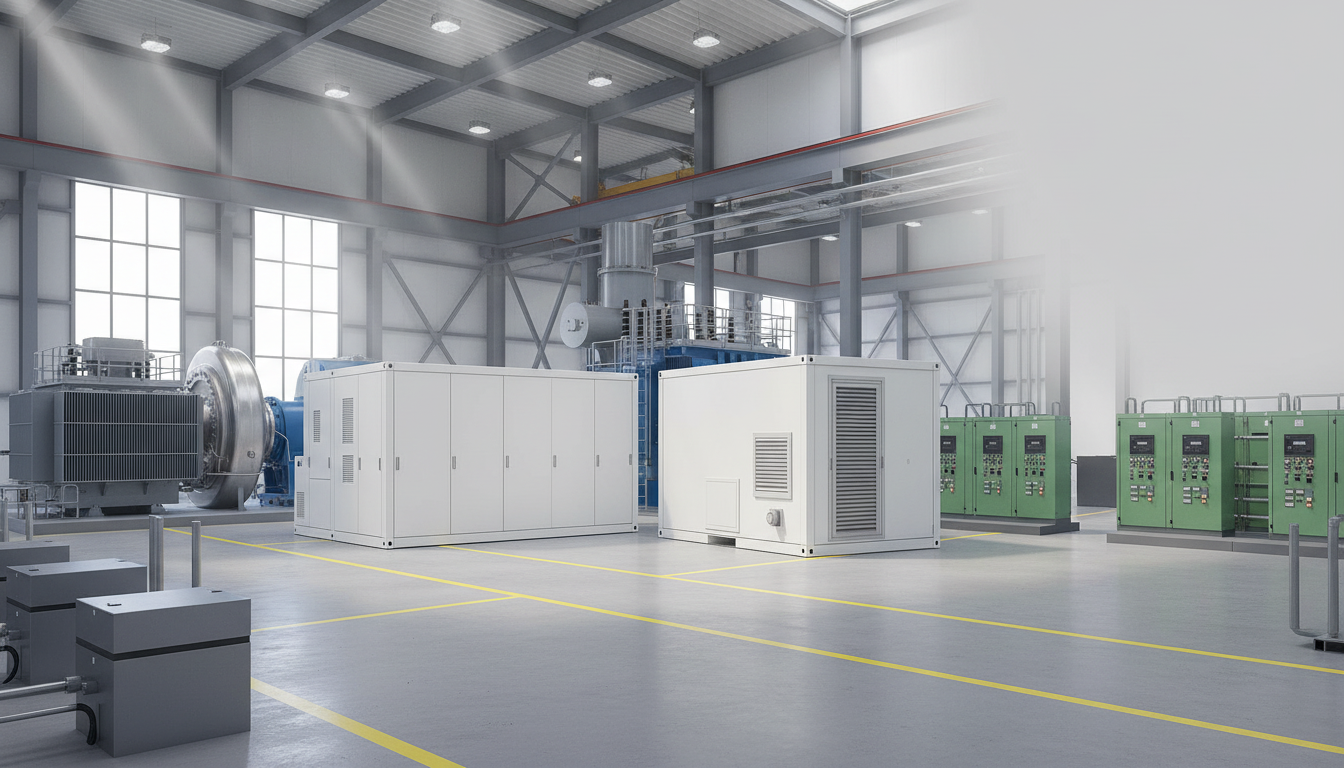
AIDC power system solutions for German AI data center and cloud hubs
Germany is rapidly becoming a core hub for AI data centers and cloud infrastructure in Europe, with Frankfurt/Rhein-Main, Berlin-Brandenburg, and Munich seeing particularly strong growth. Behind every successful AI campus is a robust and scalable AIDC power system that can deliver high-density, low-latency power to GPU clusters while meeting strict German and EU efficiency and reliability standards. Operators who design their AIDC power system with grid integration, PUE, and long-term TCO in mind will be in a much stronger position as power prices, CO₂ costs, and regulatory scrutiny continue to rise.
-
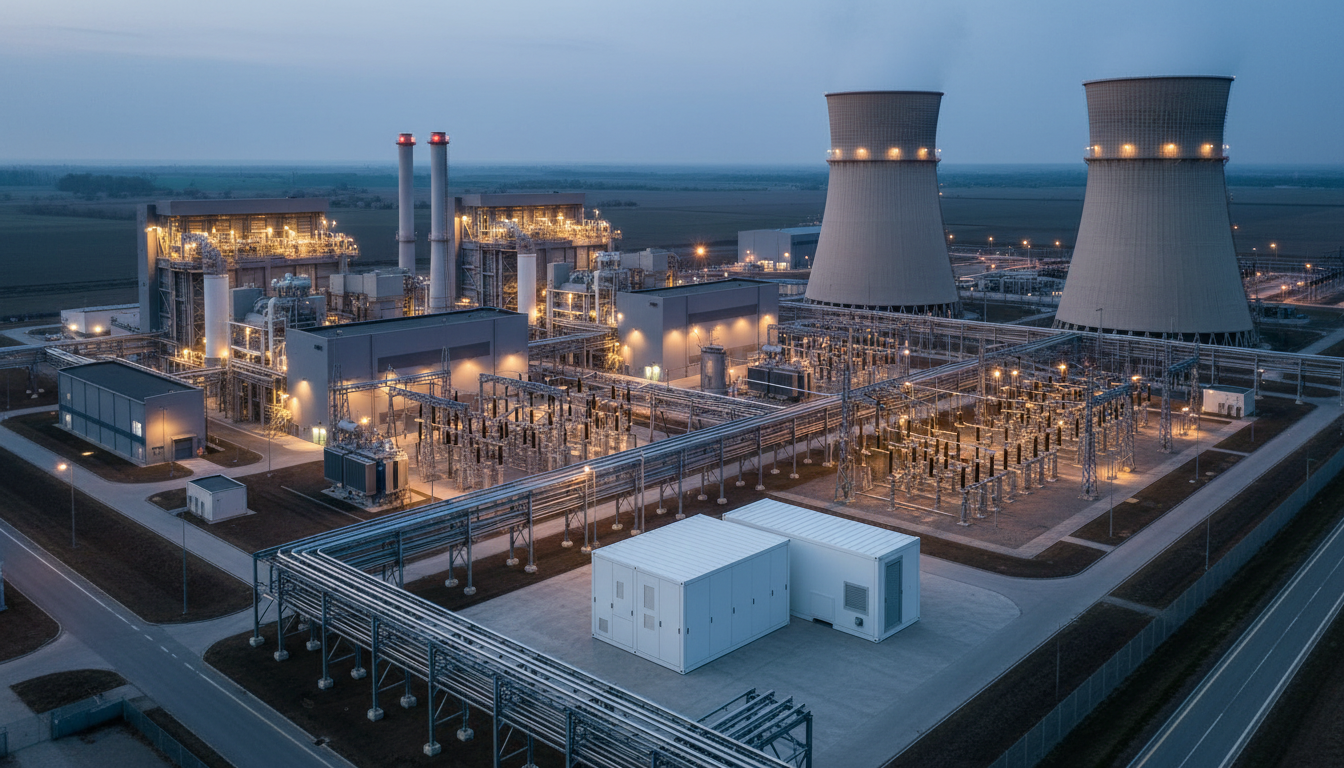
Data center power system solutions for German colocation and hyperscale
Germany’s data center market is growing rapidly in hubs like Frankfurt, Berlin, and Munich, and operators are under pressure to deliver highly available, energy‑efficient infrastructure that complies with strict local regulations. At the core of this challenge sits the data center power system: from grid connection and MV/LV substations to UPS, backup generation, and intelligent distribution down to the rack. Robust electrical design is now a strategic differentiator for colocation and hyperscale operators targeting Tier III and Tier IV certifications and competitive PUE values.
-
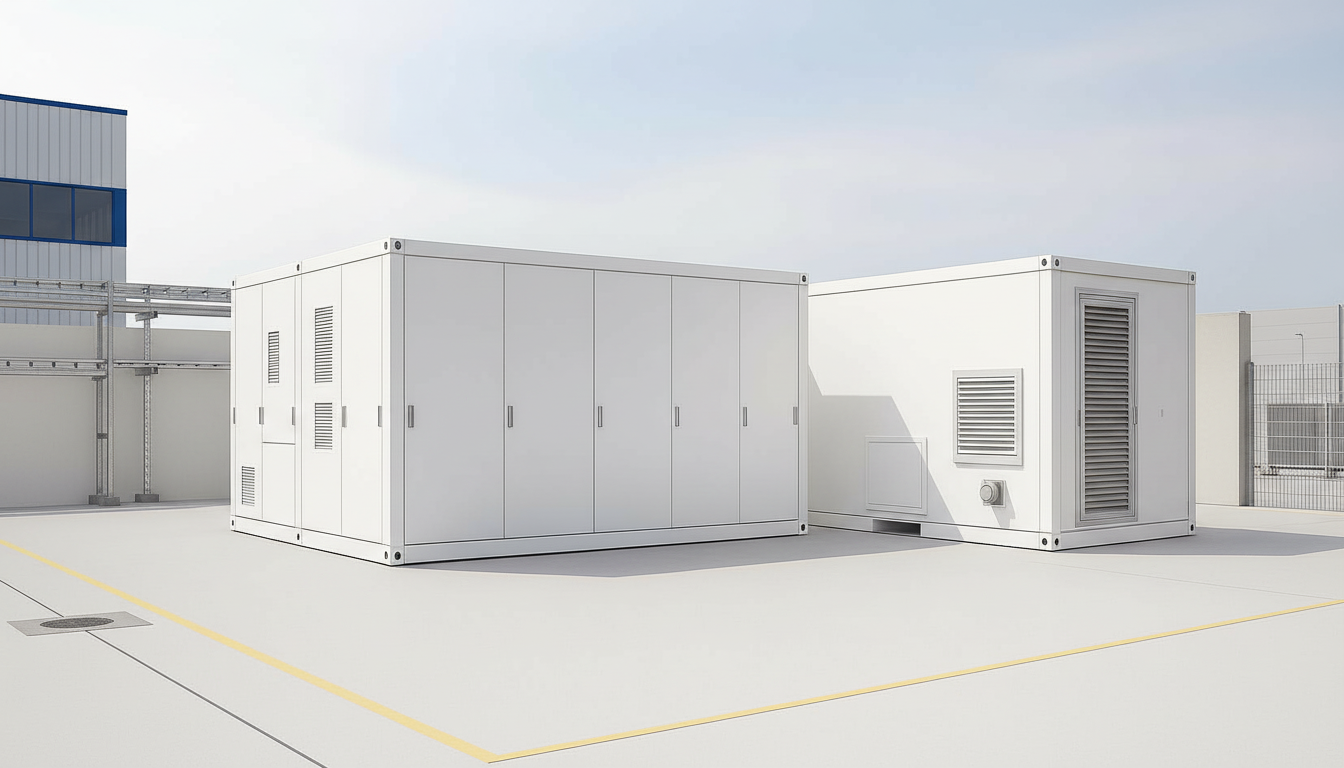
Smart energy systems EU for German utilities and industrial energy users
Smart energy systems EU are becoming a strategic cornerstone for German utilities, Stadtwerke and industrial energy users. As Germany pursues its Energiewende targets and aligns with the European Green Deal, decision-makers must integrate distributed renewables, electrified heat and e-mobility into grids and plant infrastructures without compromising security of supply. Smart energy systems EU combine advanced grid hardware, digital control, and data-driven optimisation to achieve this. For German DSOs and industrial sites, this is no longer a niche topic but a practical pathway to manage costs, decarbonisation and regulatory pressure in parallel.
-
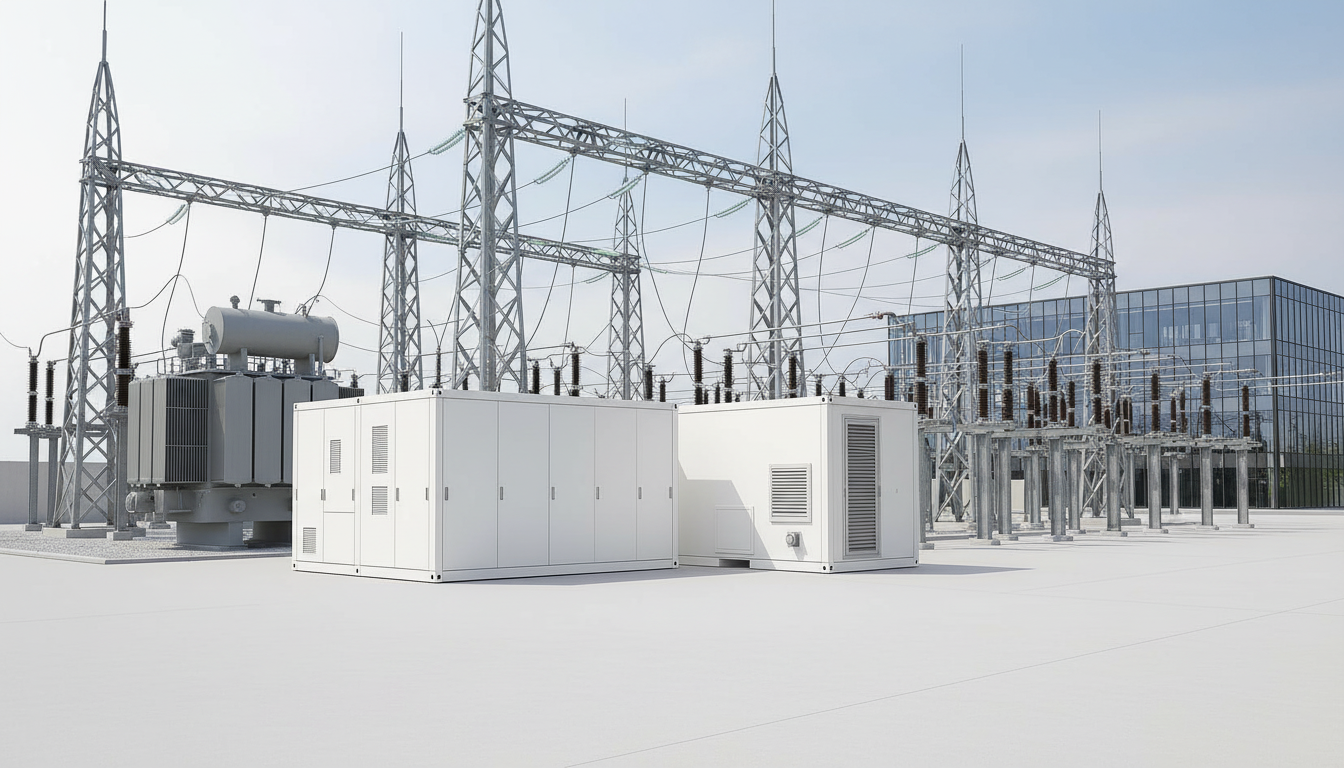
Smart grid solutions for German utilities and DSOs in the Energiewende era
For German utilities and DSOs, the smart grid is no longer a visionary buzzword but a practical toolbox for keeping distribution networks stable in the face of the Energiewende. A well-designed smart grid allows operators to integrate high shares of PV and wind, fast-growing EV charging and heat pumps, while still meeting Germany’s stringent reliability requirements. In the German context, success depends on combining robust DIN/EN/IEC-compliant equipment with advanced ADMS/DERMS, secure data platforms and clear regulatory alignment.
-
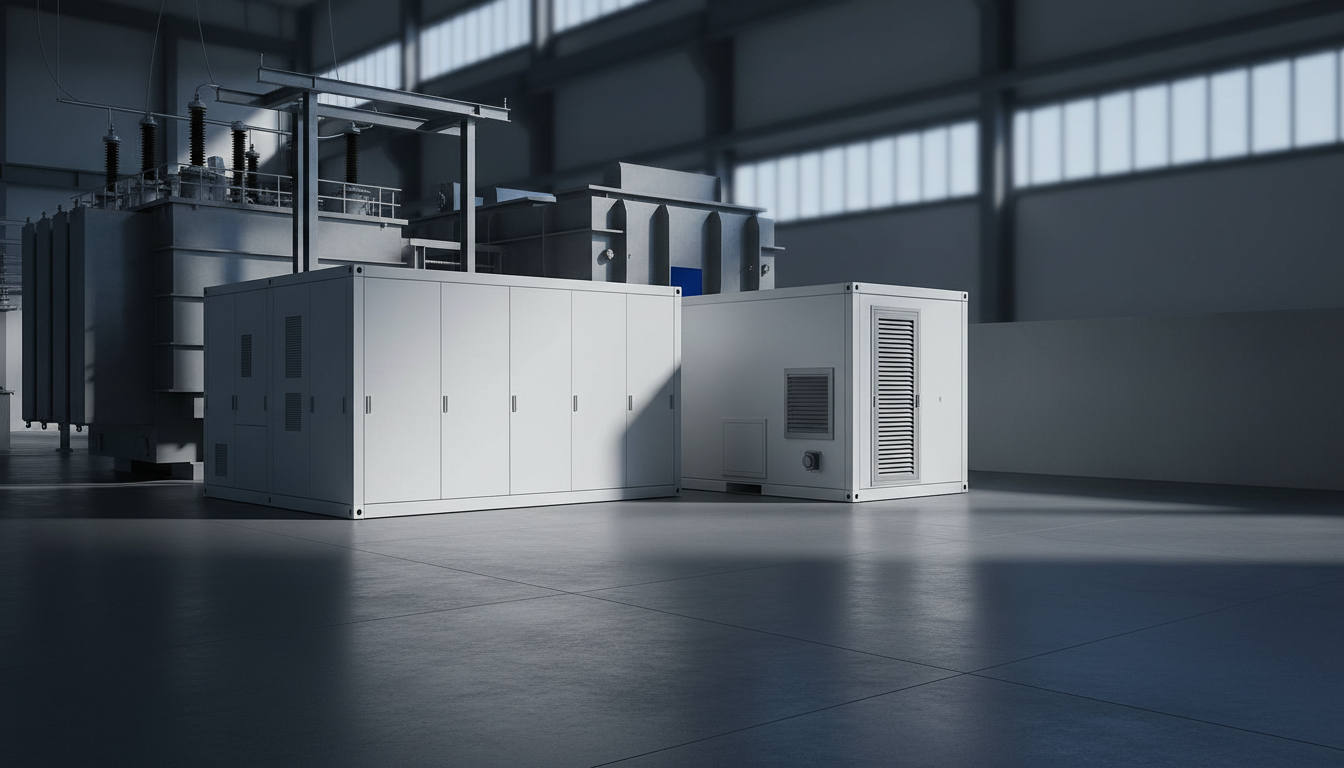
IEC 61439 switchgear for German industrial and commercial buildings
IEC 61439 switchgear has become the reference standard for low-voltage power distribution in modern German industrial and commercial buildings. For plant owners, EPCs, and consulting engineers, using IEC 61439 switchgear is no longer just a technical preference but central to compliance with German VDE rules, local utility requirements, and insurer expectations. The standard defines how assemblies are designed, verified, and documented so that safety, availability, and maintainability can be demonstrated over the entire lifecycle.
-
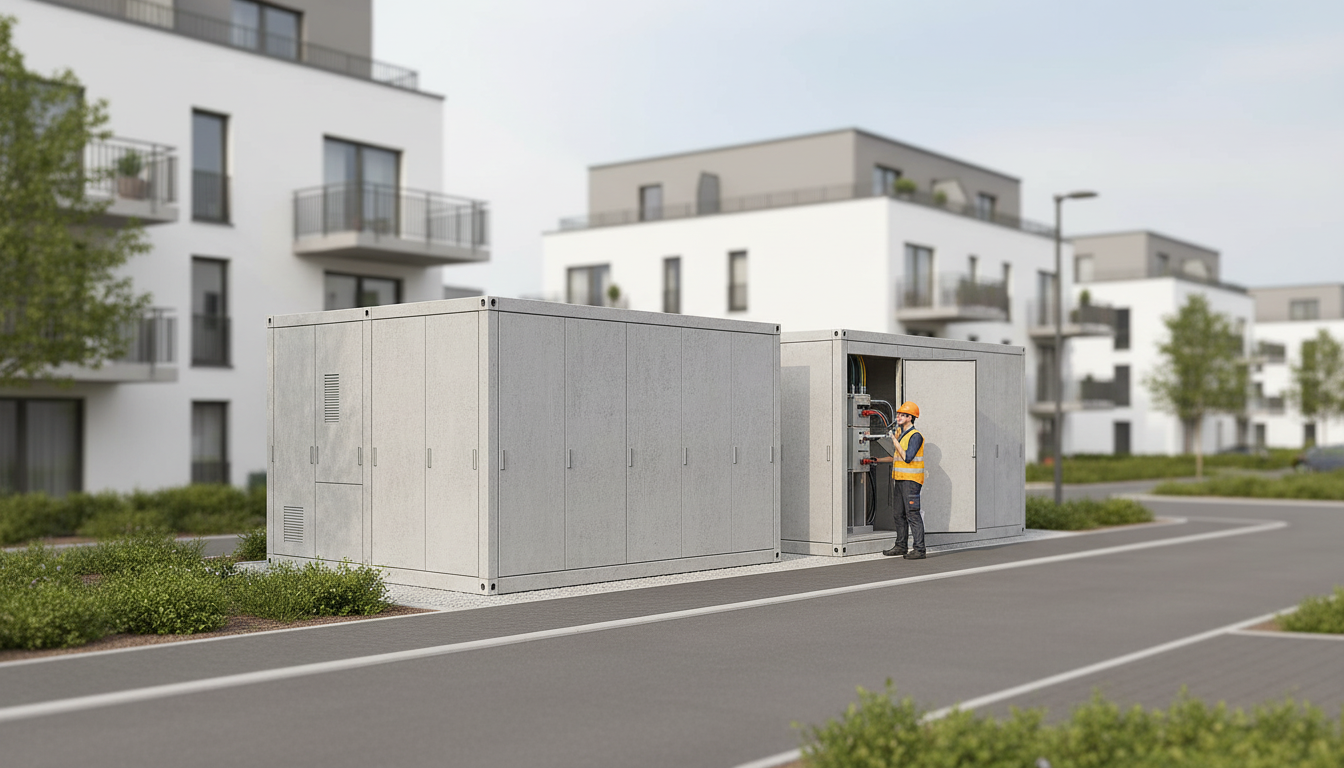
Low voltage distribution systems for German commercial and industrial buildings
In Germany’s highly regulated power market, low voltage distribution systems are the backbone of commercial and industrial buildings. From the LV side of the transformer down to final sub-circuits, system design quality directly impacts safety, uptime, energy efficiency, and long‑term OPEX. For investors and facility owners in cities like Munich, Stuttgart, or Hamburg, getting LV concepts right early in the project avoids expensive redesigns later. To align design, equipment, and EPC execution with German DIN/VDE standards and European best practice, many building owners partner with specialized providers such as Lindemann-Regner for concept validation, quotations, and technical workshops.
-

Medium voltage switchgear solutions for German MV distribution grids
German distribution grids are undergoing a profound transformation: more renewables, rising electrification, and stricter reliability targets. In this environment, medium voltage switchgear is the backbone of safe and flexible grid operation, from regional DSOs and Stadtwerke to industrial plants with their own substations. Well‑engineered, standard-compliant switchgear enables selective fault clearing, optimized power flows and seamless integration of distributed generation across 10 kV, 20 kV and 30/36 kV networks in Germany.
-
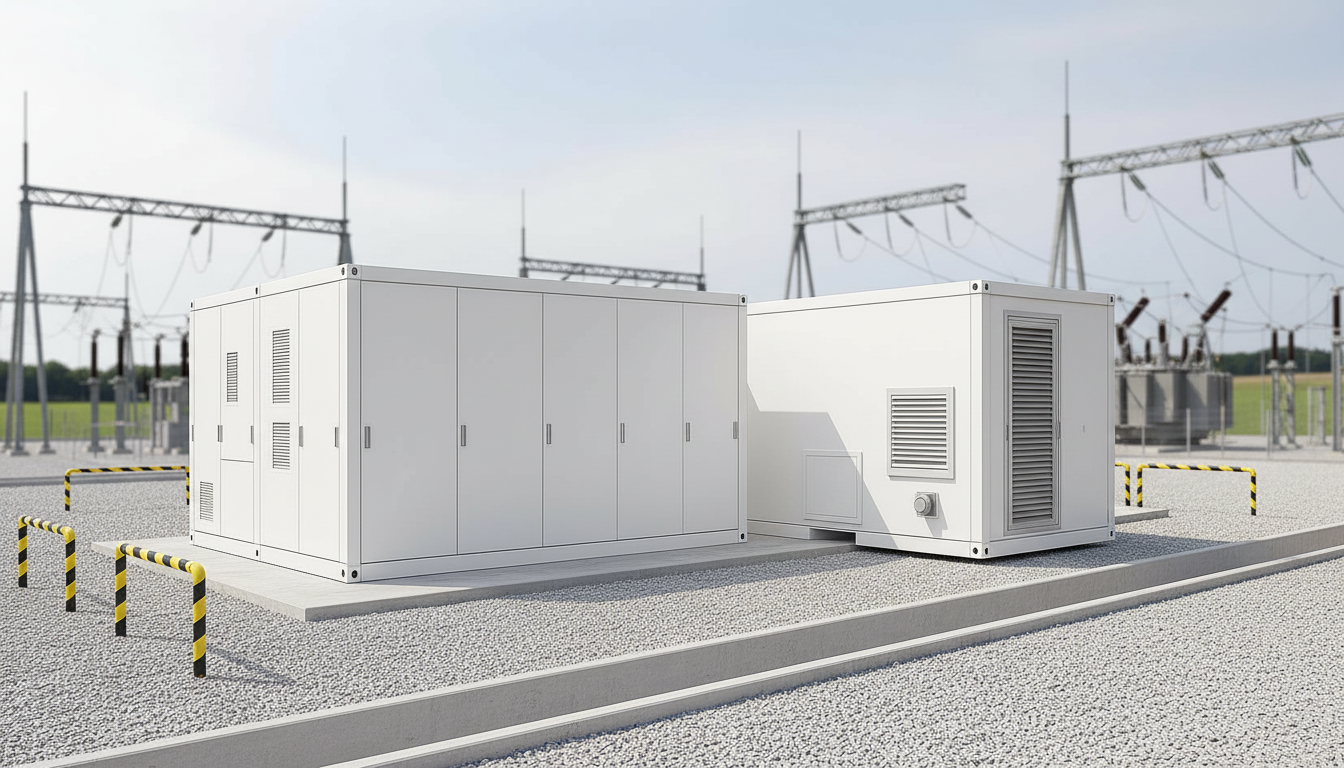
IEC 61850 smart distribution solutions for German MV grids
IEC 61850 smart distribution is becoming a strategic pillar for modernising German medium-voltage (MV) grids. For Stadtwerke, regional DSOs and industrial campus operators, it enables unified communication, higher automation depth and efficient integration of renewables and EV charging. In the German context, IEC 61850 smart distribution has to align with VDE-AR-N 4110, TAB requirements and strict availability expectations. This article walks through architectures, functions and best practices, with a particular focus on practical implementation in Germany and how to de-risk projects from planning through lifecycle service.
-
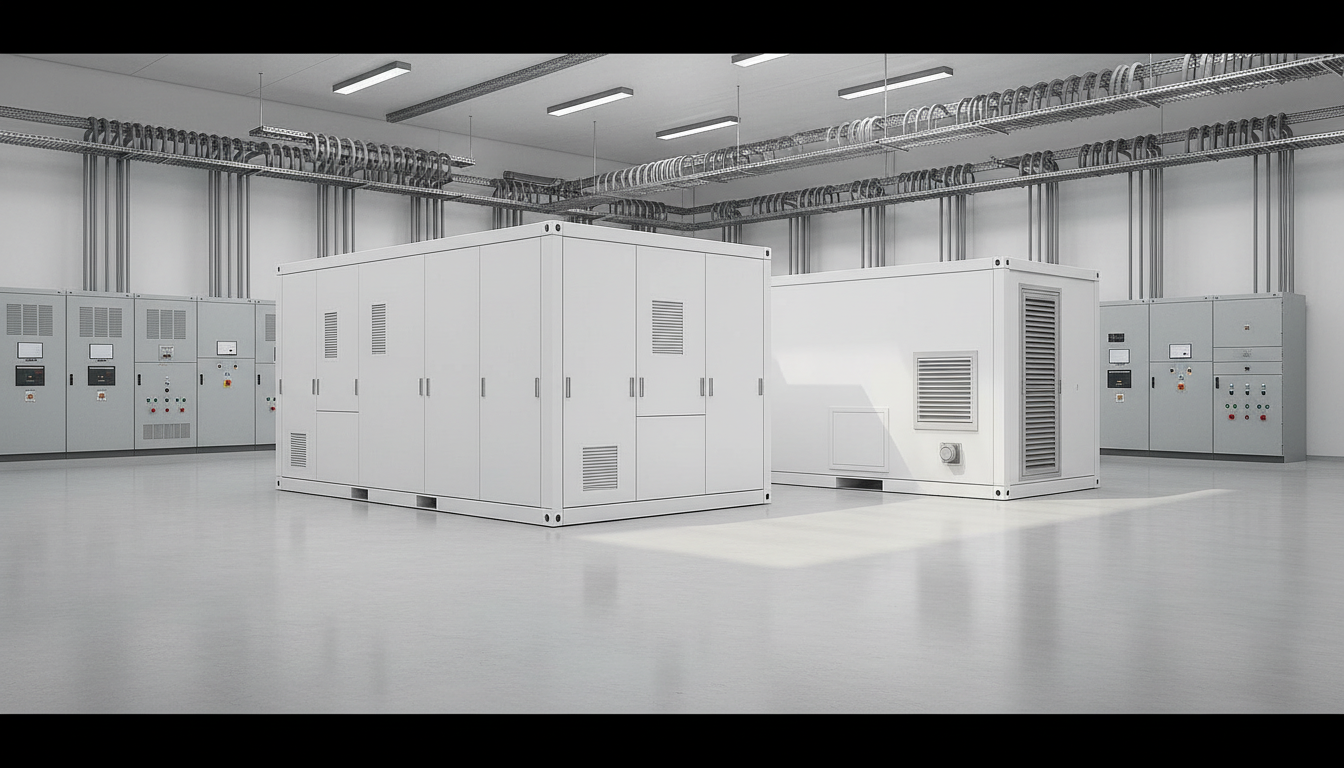
IP67 RMU system solutions for German utilities: medium voltage distribution reliability
German distribution utilities are under pressure to keep outage durations low while coping with extreme weather, rapid RES integration and ageing infrastructure. A modern IP67 RMU system is one of the most effective levers to increase medium voltage distribution reliability, especially where flood, groundwater or coastal conditions are a concern. This article explains how IP67 ring main units support German MV grids, how they align with IEC and DIN VDE standards and how utilities can select the right configuration for their networks.
-
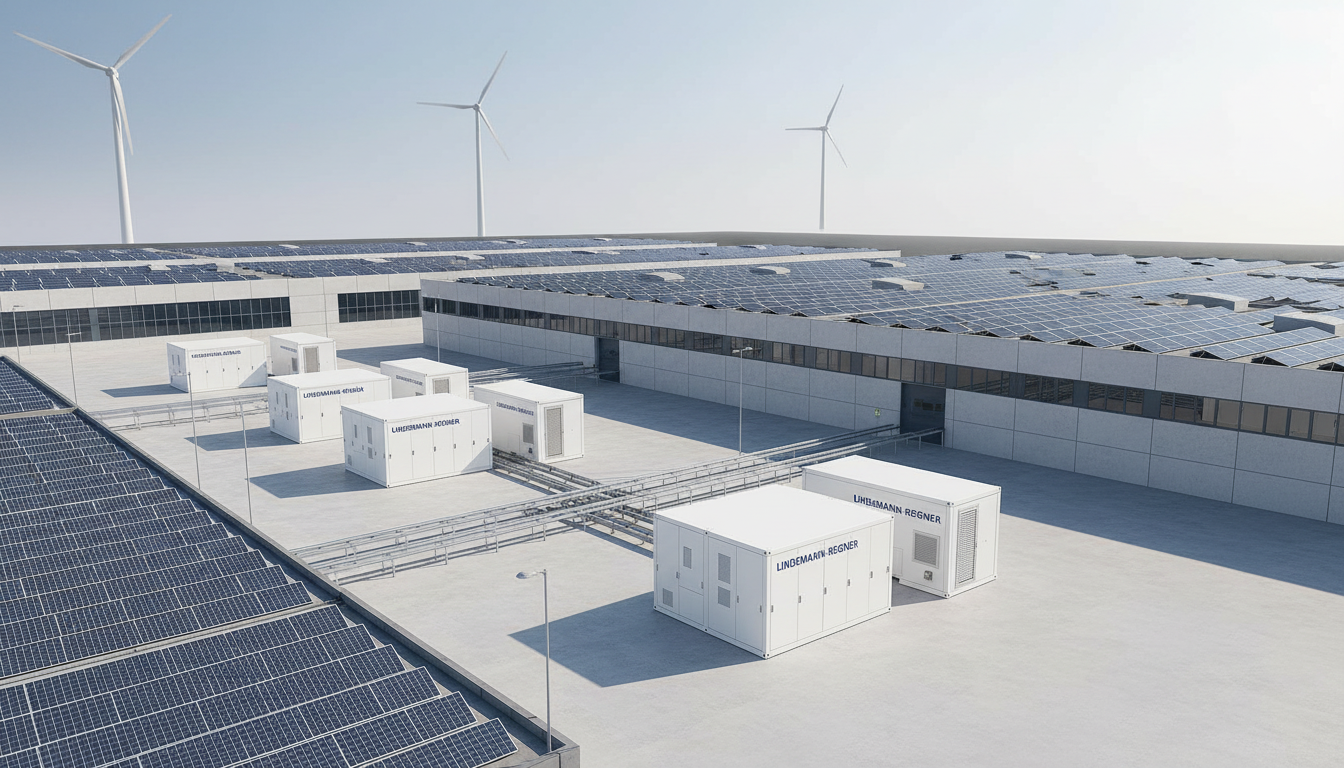
SF6-free switchgear solutions for German medium-voltage distribution networks
SF6-free switchgear is rapidly moving from pilot status to mainstream in German medium-voltage (MV) distribution networks. Driven by EU F-gas regulation, climate targets, and corporate decarbonization strategies, German DSOs, Stadtwerke and industrial operators are actively planning how to phase out SF6 while safeguarding reliability and safety. Selecting the right SF6-free switchgear architecture for 10–36 kV networks is now a strategic engineering decision, not just a procurement detail.
-
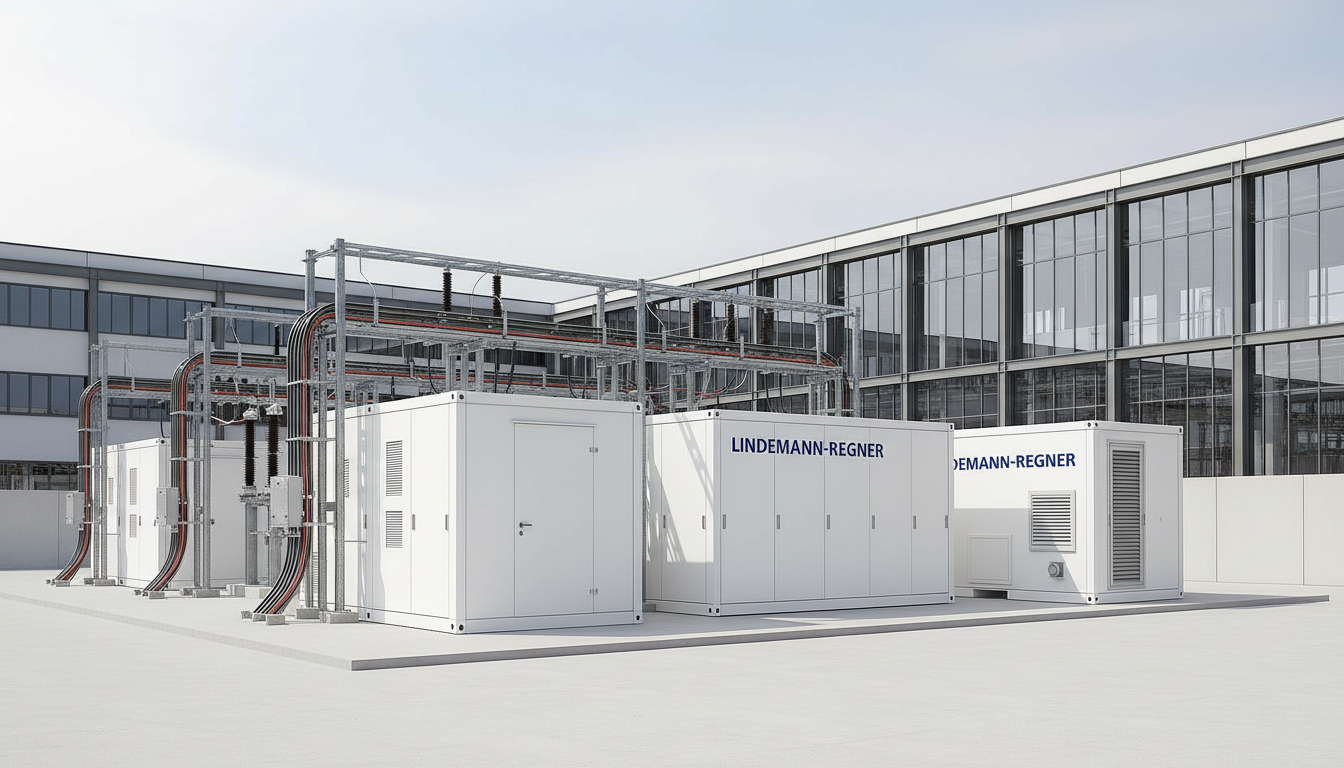
Ring main unit solutions for German medium-voltage distribution networks
Germany’s medium-voltage (MV) grid is rapidly evolving: decentralised renewables, e-mobility and growing industrial loads are pushing operators to modernise their switchgear. In this context, the ring main unit (RMU) has become a strategic asset for urban and industrial distribution networks in the 6–36 kV range. Compact, factory-assembled and increasingly SF₆‑free, modern RMUs enable high supply reliability, safe operation and digital connectivity in line with German and European standards.
LND Energy GmbH
One of Germany's leading manufacturer of electrical and power grid equipments and system integrator, specializing in efficient, sustainable energy conversion and transmission & distribution solutions.
To align with the global brand strategy, our company has officially rebranded as LND Energy GmbH effective 23 January 2026. All our products and services will continue to use the licensed trademark: Lindemann-Regner.
Products
The company
Services
Support
Certification and conformity

ISO 9001:2015
ISO 14001:2015

IEC 60076

RoHS-compliant
Stay informed
Subscribe to our newsletter for the latest updates on energy solutions and industry insights.
Follow us
LND Energy GmbH. All rights reserved.
Commercial register: HRB 281263 | VAT ID: DE360166022