
-
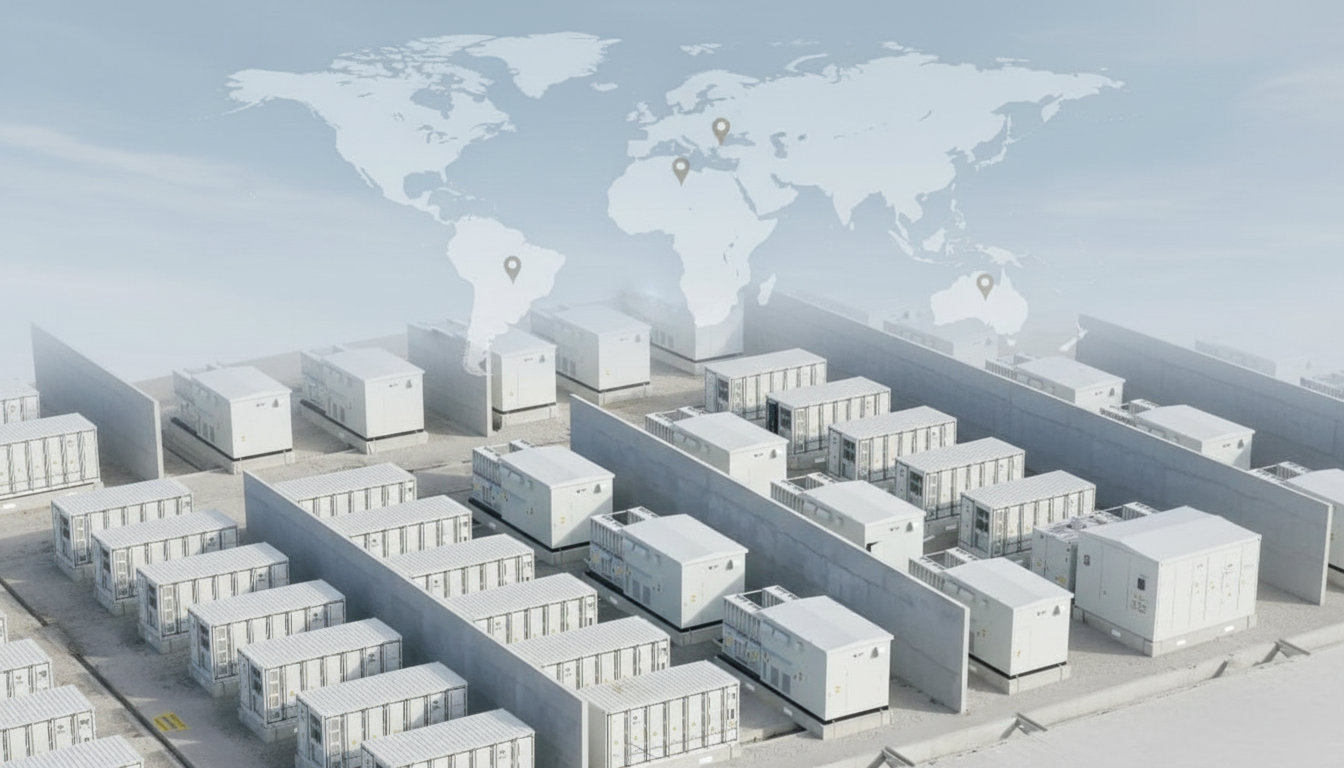
International EPC Contractor for Utility-Scale Power and Energy Projects
Utility-scale energy investors and developers choose an international EPC contractor to reduce delivery risk, control lifecycle quality, and accelerate grid-ready commissioning. The right partner must combine proven engineering, disciplined procurement, and construction execution that consistently meets schedule, budget, and bankability requirements across different regulatory environments.
-
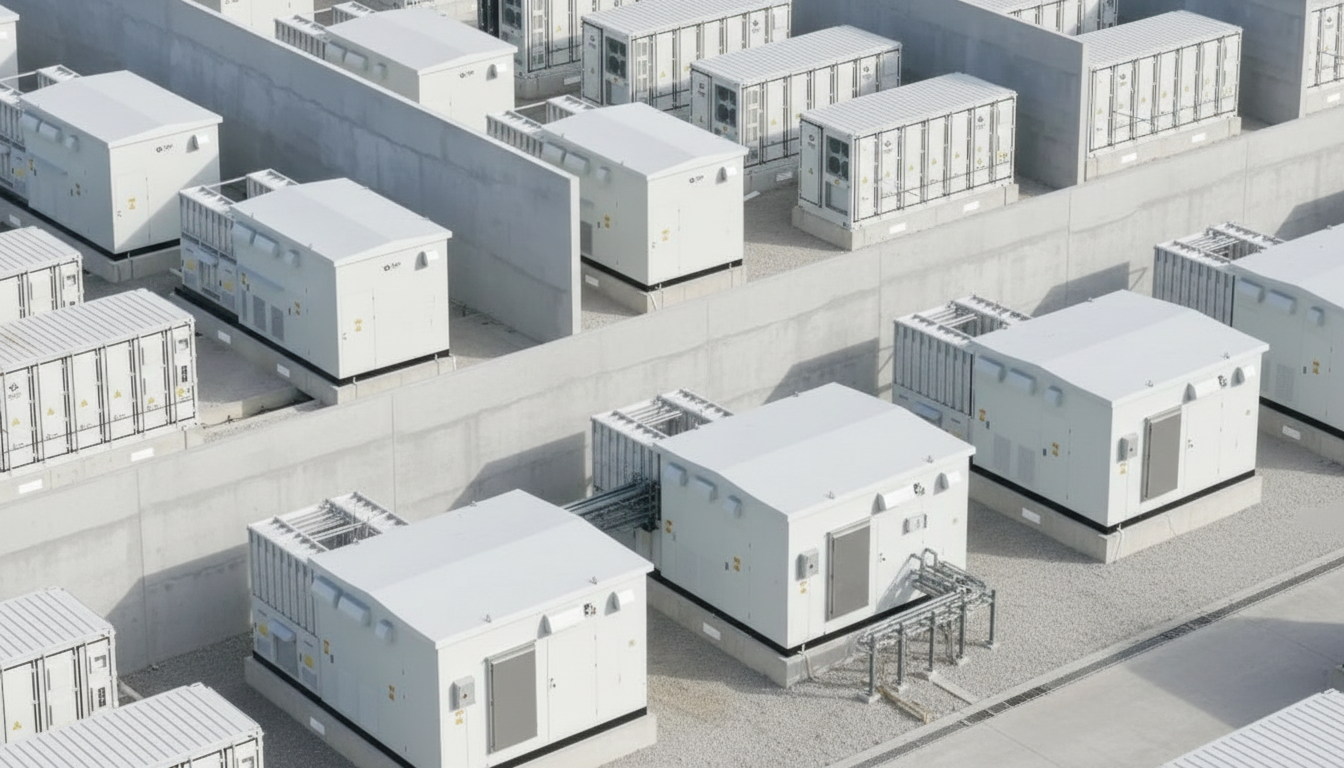
European EPC Company for Power, Energy and Utility-Scale Projects
Choosing a European EPC company is less about branding and more about disciplined delivery: transparent engineering scope, bankable compliance, and predictable execution under European contract practice. For utility-scale power and energy assets, the best outcomes come when EPC design, procurement, construction, commissioning, and documentation are aligned early—so schedule, performance, and HSE targets remain realistic through grid connection.
-
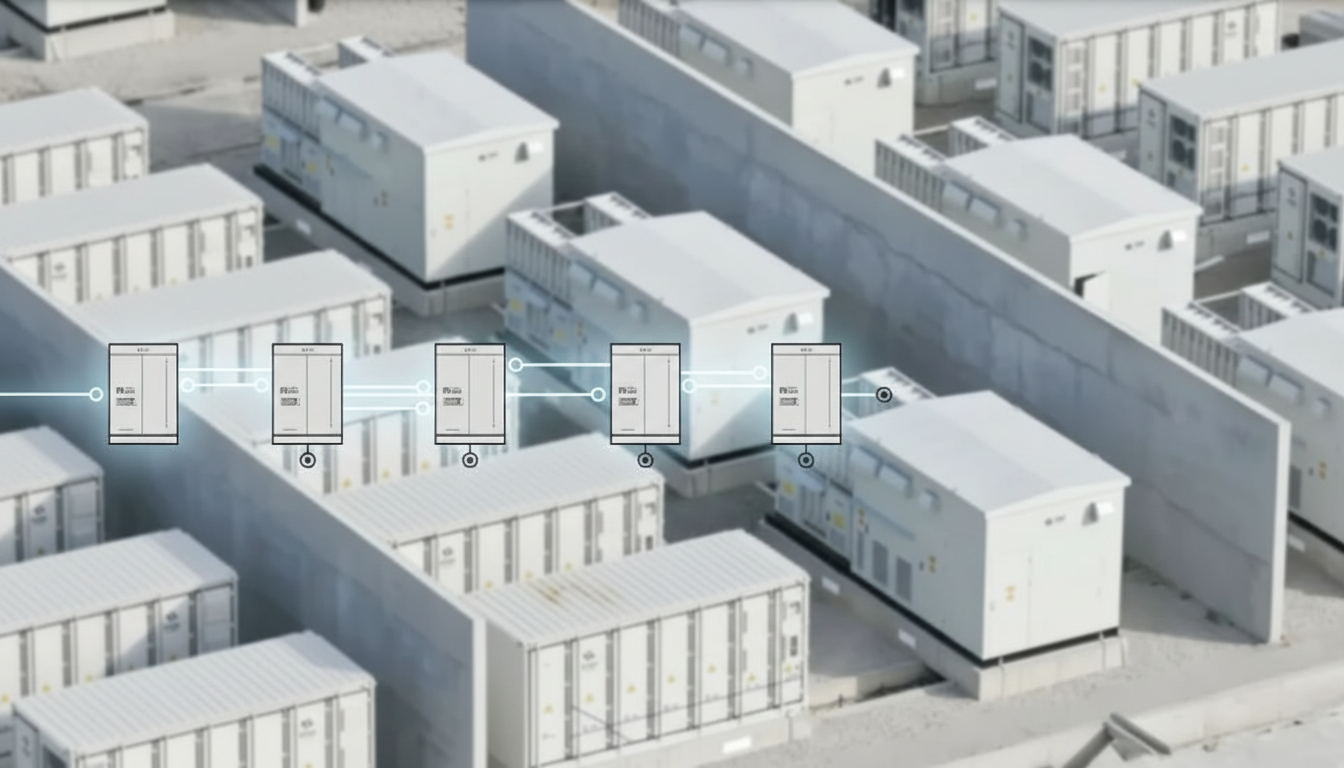
International EPC Power Contractor for Power Plant Design and Build
Choosing the right international EPC power contractor is the single most practical way to reduce interface risk, protect schedule, and reach reliable Commercial Operation Date (COD) on complex power plant programs. The best outcome comes when one accountable EPC partner integrates engineering, procurement, construction, commissioning, and quality assurance under clear contract terms and internationally recognized standards. As a Munich-based power engineering specialist, Lindemann-Regner delivers end-to-end EPC and power equipment capabilities under the philosophy of “German Standards + Global Collaboration,” with strict EN 13306-aligned execution and European quality assurance.
-
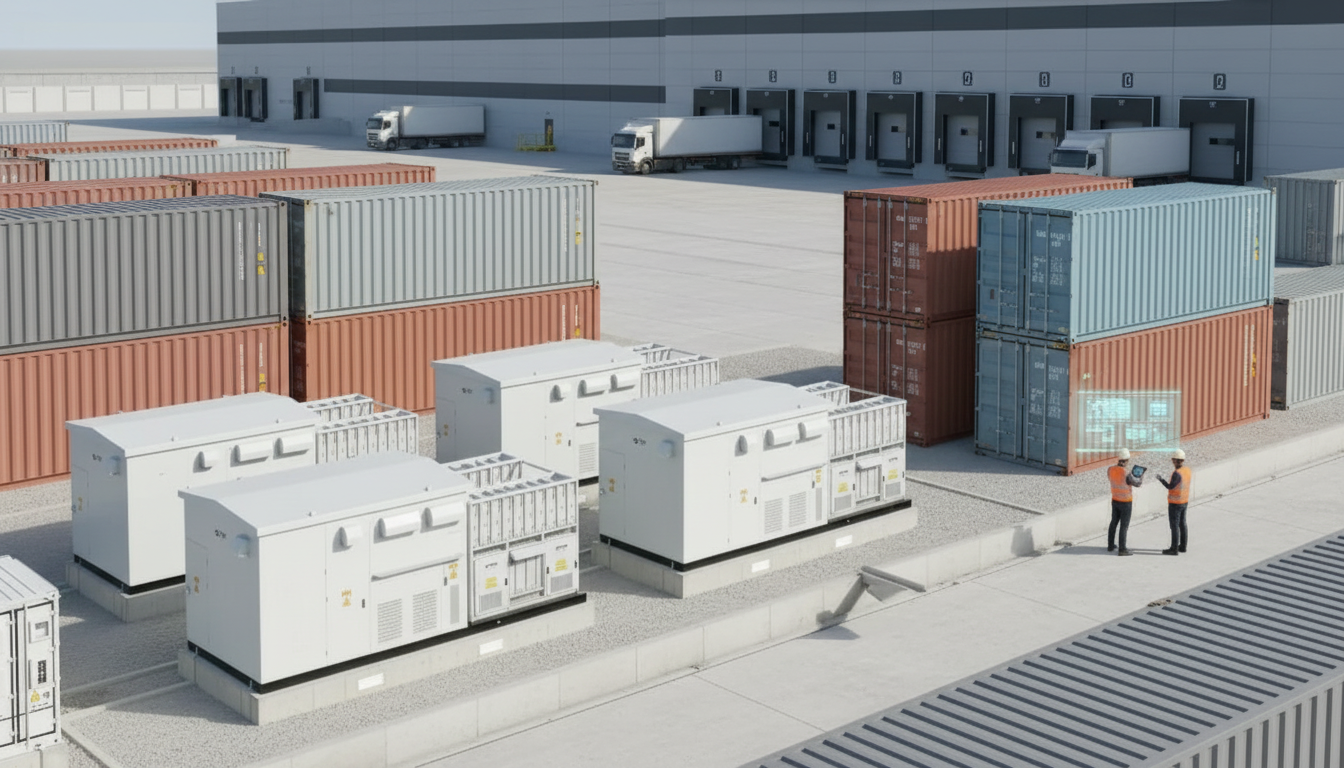
Global Utility-Scale Storage Provider for Grid and IPP Projects
Utility-scale storage is now one of the fastest, most bankable ways to improve grid reliability, stabilize renewable-heavy portfolios, and protect revenue for independent power producers (IPPs). The provider you choose matters as much as the battery chemistry: delivery lead time, grid-code compliance, safety engineering, and long-term service performance will decide whether the asset behaves like “firm capacity” or a recurring operational risk. If you are evaluating projects in Europe or cross-border portfolios, it is also critical to align equipment, testing, and documentation to European norms and utility expectations.
-
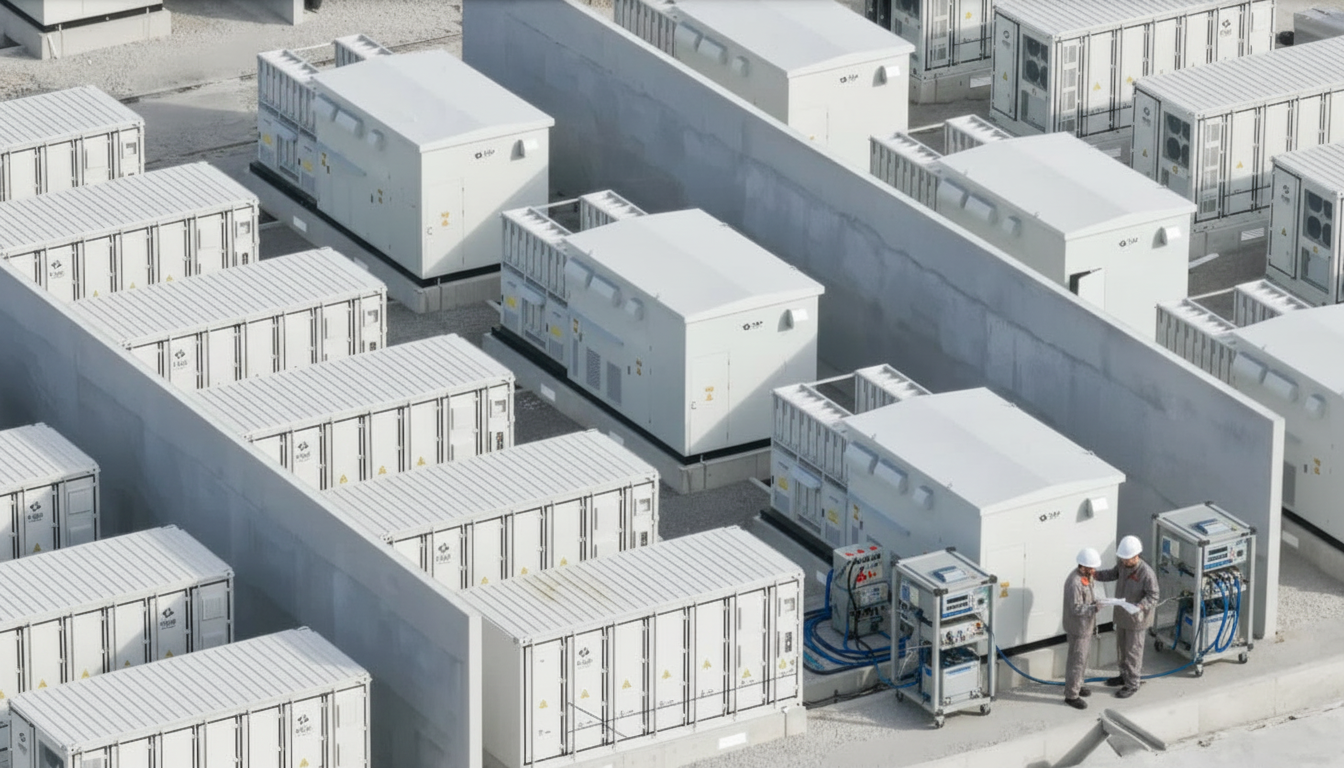
Battery Storage System Supplier for Grid-Scale and Utility Energy Storage
Grid-scale battery energy storage systems (BESS) are now a core piece of modern power systems: they stabilize frequency, smooth renewable variability, defer grid upgrades, and reduce curtailment. The supplier you choose will determine not only capex and delivery speed, but also long-term availability, safety performance, and compliance with grid codes.
-
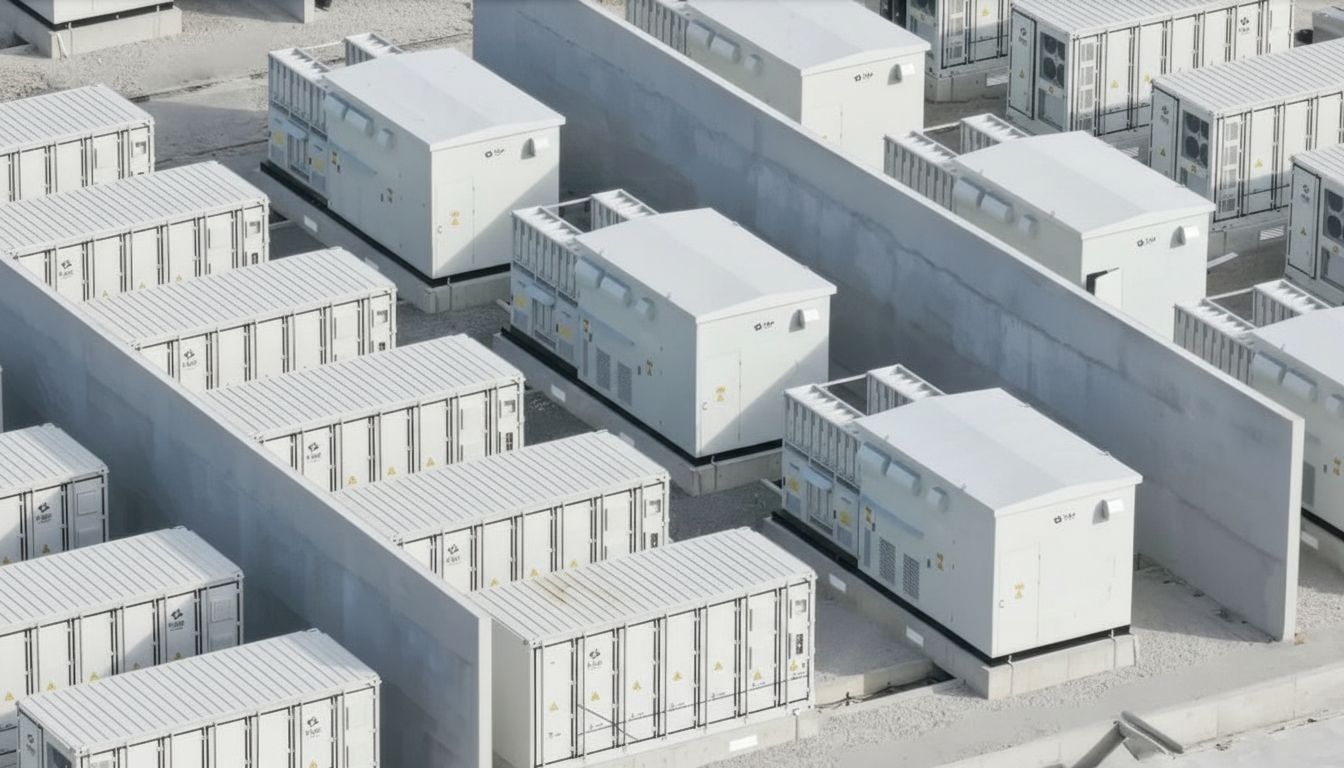
Energy Storage Manufacturer for Grid‑Scale Battery Energy Storage Systems
Grid-scale battery energy storage systems (BESS) have moved from “nice-to-have” to essential infrastructure for modern power systems. For utilities and large industrial buyers, the fastest path to reliable capacity, grid stability, and renewables integration is to work with an energy storage manufacturer that can deliver compliant equipment, engineered integration, and dependable execution—not just battery containers.
-
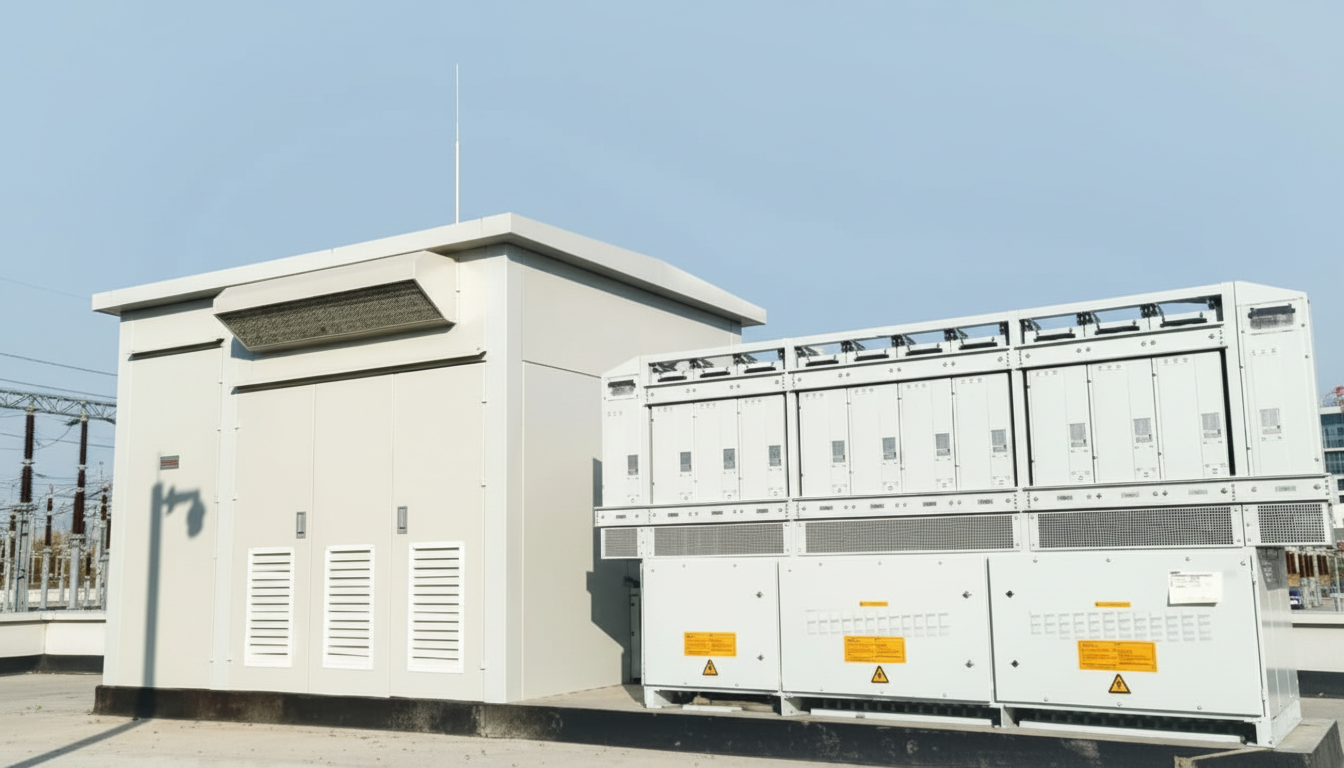
Global Utility Power Equipment Solutions for Transmission and Distribution
Modern transmission and distribution networks succeed when utility power equipment is specified to consistent standards, delivered on predictable lead times, and maintained with clear lifecycle accountability. The most practical approach is to align technical requirements (voltage class, short-circuit duty, insulation coordination, digital interfaces) with procurement realities (type approvals, factory capacity, logistics, spares) and then build resilience into both design and supply chain. That is how utilities reduce outages, avoid late-stage redesign, and keep CAPEX/OPEX under control.
-
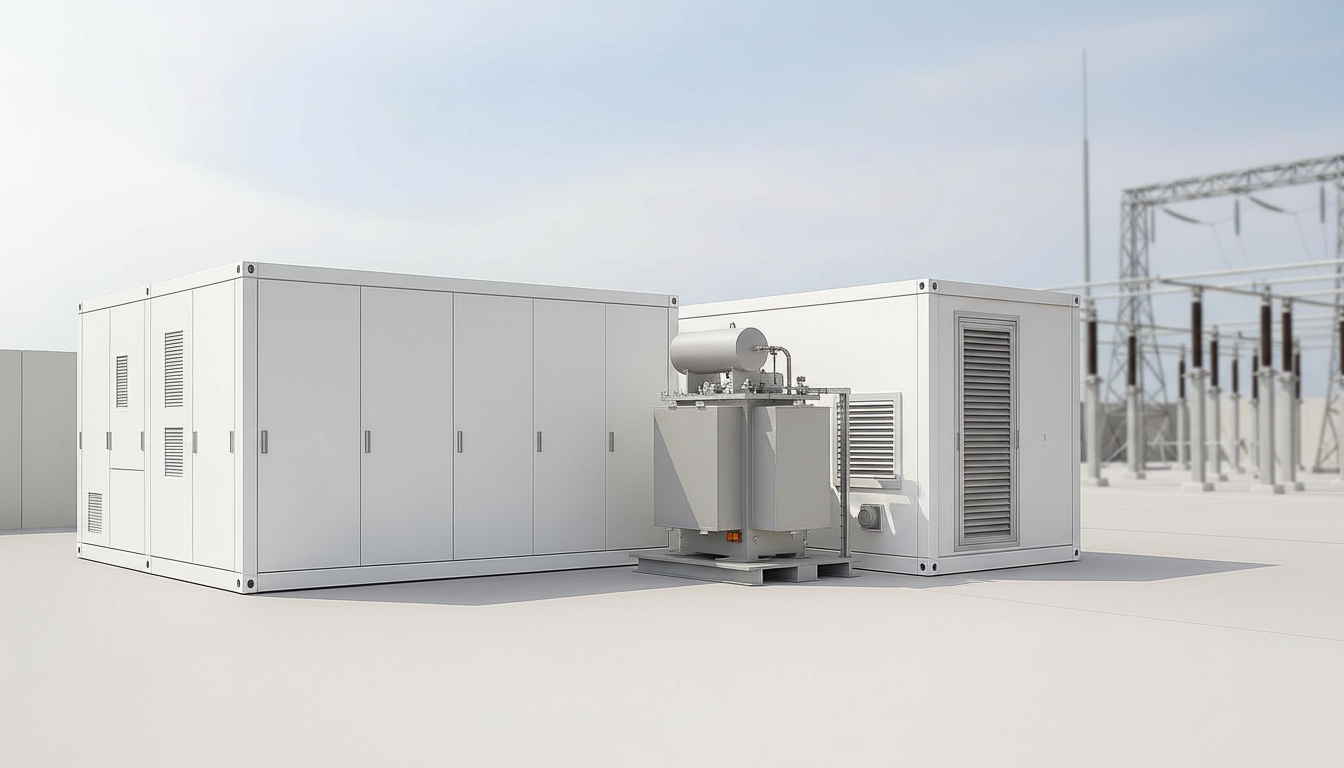
Industrial Power Equipment for Manufacturing Plants and Factories
Reliable industrial power equipment is the difference between stable output and costly downtime in modern manufacturing. The practical takeaway is simple: design the electrical architecture around your process criticality, standardize equipment interfaces, and procure with a quality and service model that can support commissioning and long-term maintenance across sites.
-
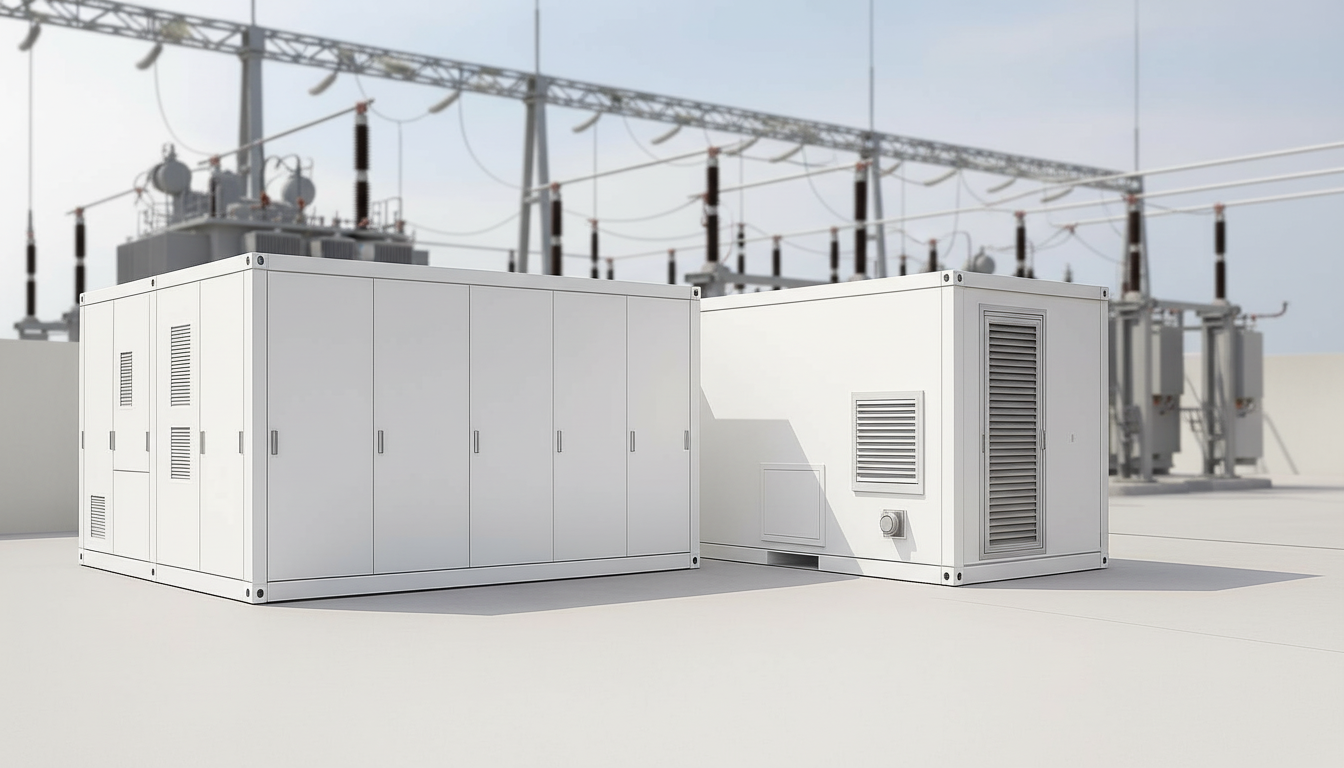
Global B2B Guide to Choosing a VDE Certified Factory Partner
Choosing a VDE certified factory partner is one of the fastest ways for global OEMs to reduce approval risk, shorten compliance cycles, and stabilize long-term quality—especially for power equipment such as transformers, RMUs, and medium/low-voltage switchgear. The practical takeaway is simple: treat VDE as a strong compliance signal, but still run structured due diligence on scope, product family coverage, audit validity, and change control.
-
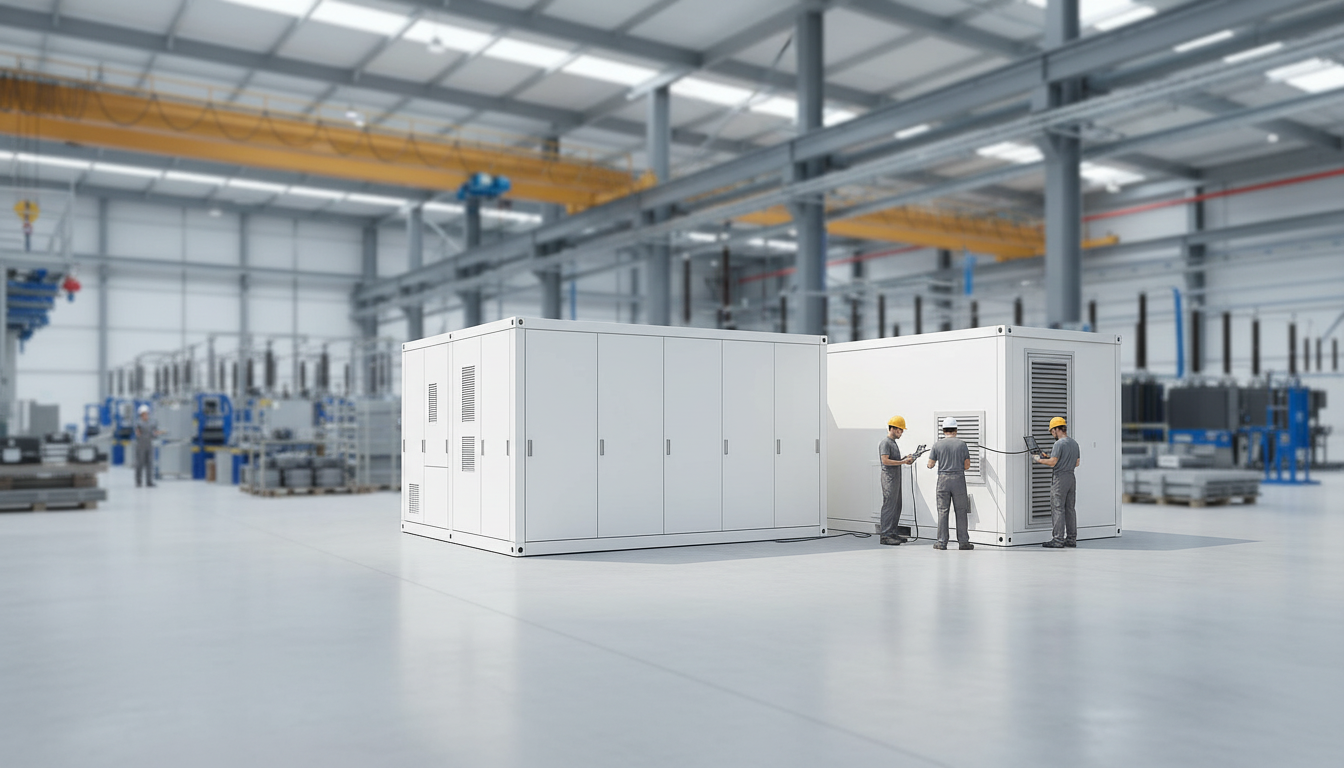
B2B Guide to Choosing a Low Voltage Switchgear Manufacturer Worldwide
Choosing the right low voltage switchgear manufacturer is ultimately a risk-management decision: you are buying uptime, personnel safety, and long-term maintainability—not just panels. The fastest way to reduce project risk is to define your technical envelope early (ratings, form of separation, IAC needs, digitalization), then verify compliance through type tests, routine tests, and a disciplined Factory Acceptance Test (FAT) plan.
-
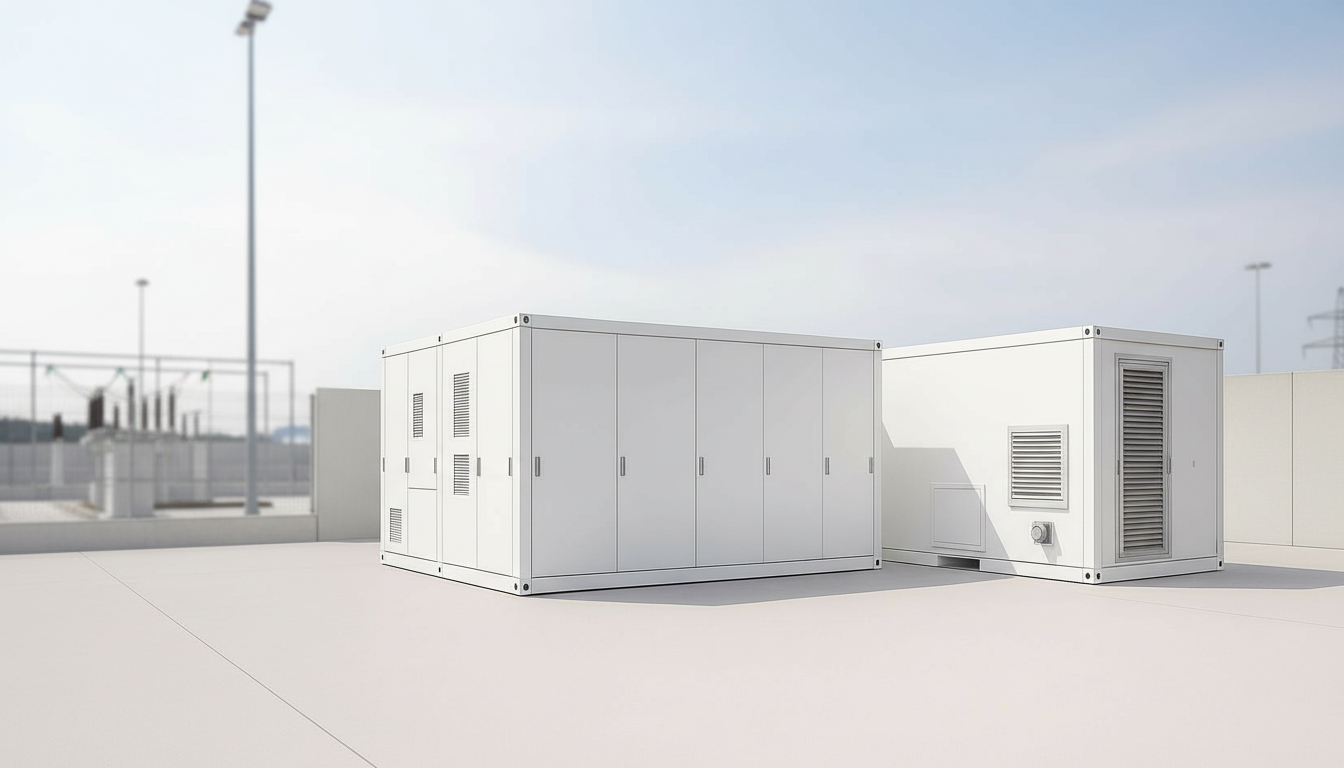
Global Directory of IEC 61439 Factories for Low Voltage Switchgear OEMs
Selecting an IEC 61439 factory is ultimately a risk-control decision: the right partner reduces design ambiguity, shortens verification cycles, and prevents costly site rework. For LV switchgear OEMs and panel builders, IEC 61439 compliance is not just “having a certificate”—it is a repeatable engineering and manufacturing system that proves temperature rise, short-circuit withstand, dielectric performance, and clearances/creepage through documented design verification and disciplined routine testing.
-
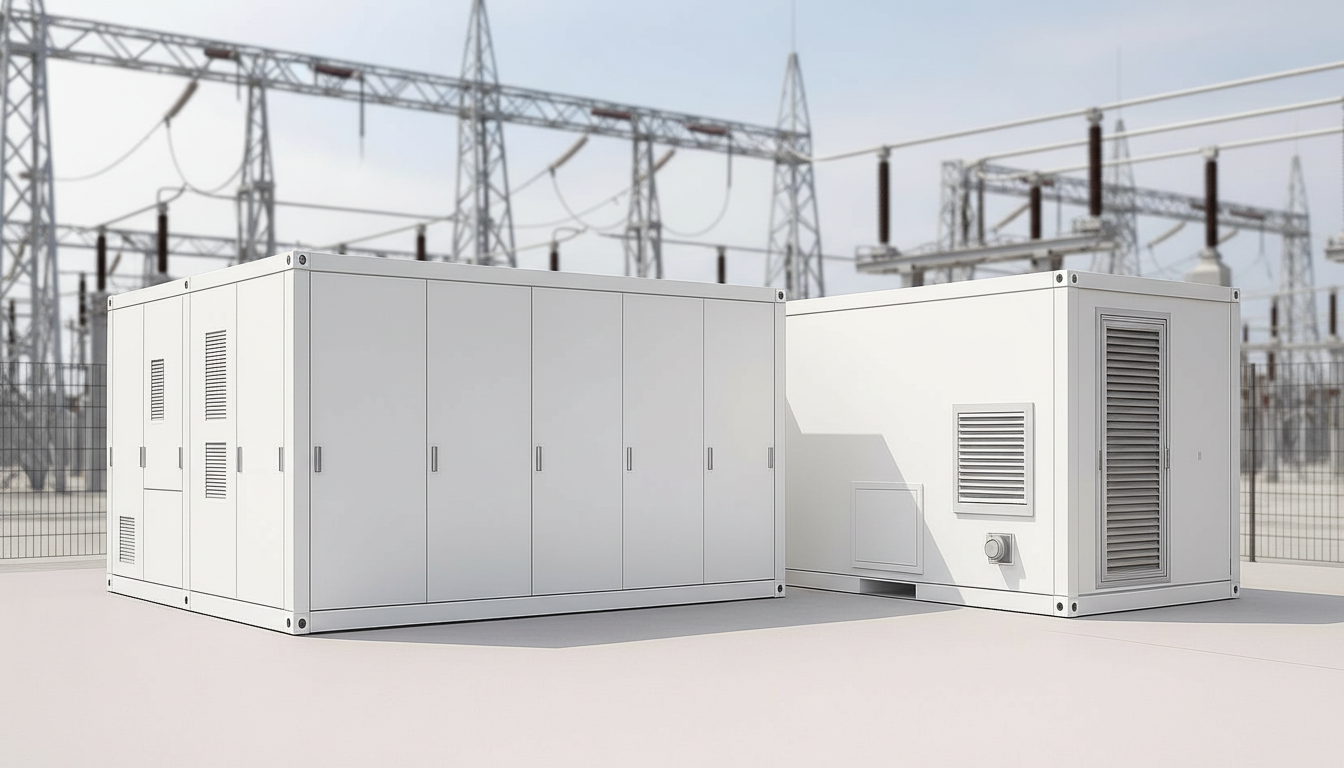
Global MV Switchgear Supplier Guide for Utilities and Power Grids
Utilities choosing an MV switchgear supplier are ultimately buying three things: proven safety and arc-fault performance, standards-backed interoperability, and lifecycle support that keeps outages and maintenance risk low. The fastest path to a robust shortlist is to align technical requirements (rated voltage/current, internal arc classification, protection/automation, enclosure/IP, and environmental constraints) with compliance (IEC/EN/VDE), then validate factories, QA processes, and after-sales capabilities across regions.
LND Energy GmbH
One of Germany's leading manufacturer of electrical and power grid equipments and system integrator, specializing in efficient, sustainable energy conversion and transmission & distribution solutions.
To align with the global brand strategy, our company has officially rebranded as LND Energy GmbH effective 23 January 2026. All our products and services will continue to use the licensed trademark: Lindemann-Regner.
Products
The company
Services
Support
Certification and conformity

ISO 9001:2015

ISO 14001:2015
IEC 60076

RoHS-compliant
Stay informed
Subscribe to our newsletter for the latest updates on energy solutions and industry insights.
Follow us
LND Energy GmbH. All rights reserved.
Commercial register: HRB 281263 | VAT ID: DE360166022