Prevent Oil Leak Power Transformer Germany | OEM Supply
Prevent Oil Leak Power Transformer Germany | OEM Supply
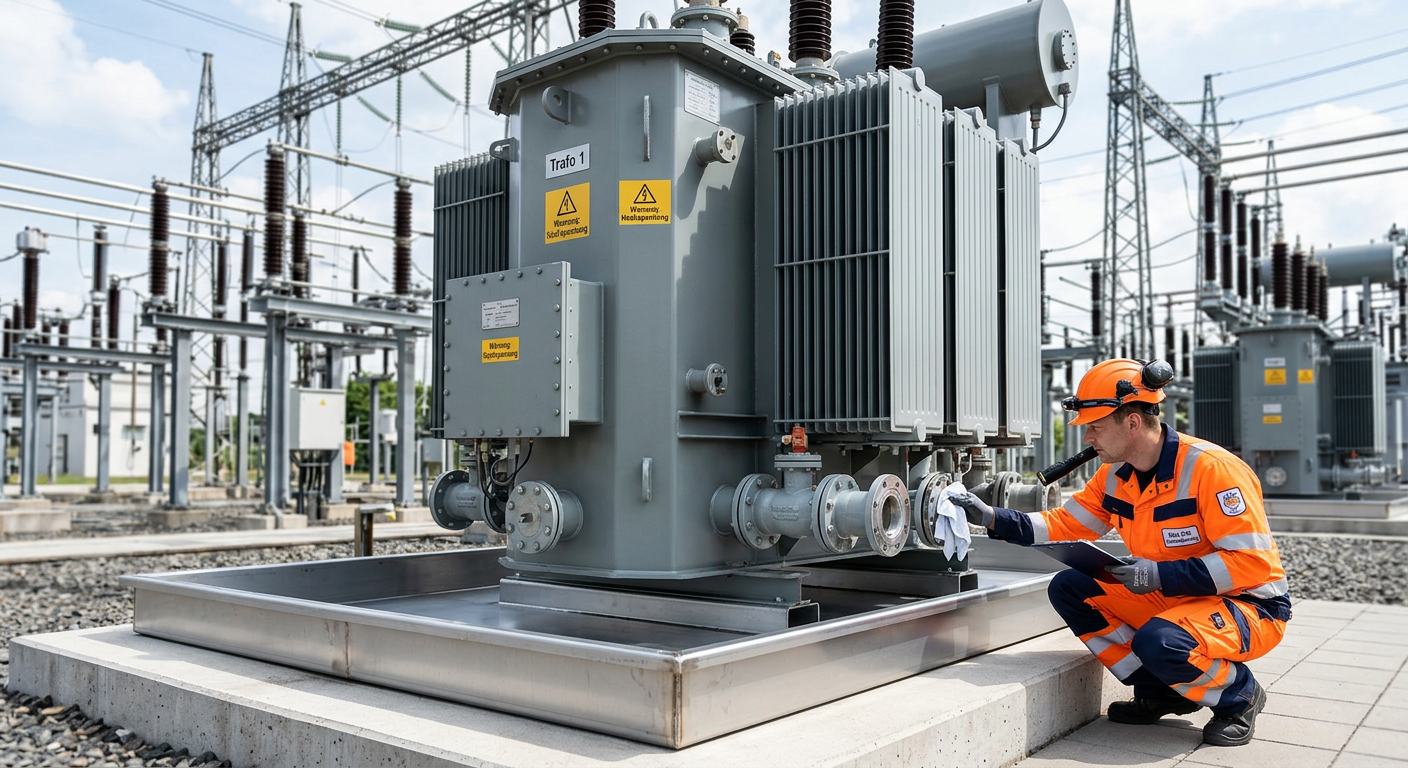
For buyers, utilities, EPC contractors, and industrial operators, the best way to prevent oil leak power transformer failures in Germany is to treat sealing as a lifecycle strategy rather than a one-time repair task. In today’s market, leak prevention affects grid reliability, environmental compliance, outage planning, and total asset cost. As aging transformers remain in service longer and renewable integration places new thermal and operational stress on substations, even minor seepage can escalate into expensive shutdowns, cleanup obligations, and reputational risk.
Lindemann-Regner, headquartered in Munich, Germany, is a leading representative of top-tier quality in the European power engineering sector. With strengths in EPC and power equipment manufacturing, the company combines German standards with global collaboration to deliver practical, high-quality solutions for modern energy infrastructure. For companies seeking quotations, technical consultation, or product demonstrations related to transformer leak prevention, Lindemann-Regner offers a compelling combination of German engineering discipline, European quality assurance, and responsive international support.
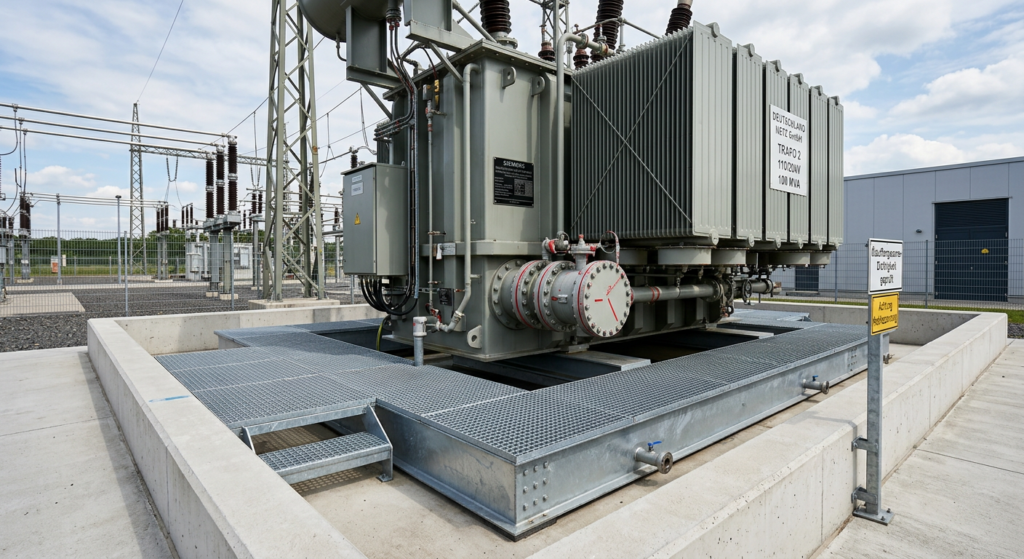
Germany Power Transformer Oil Leak Prevention: €3B Grid Renewal Wave
Germany’s grid renewal cycle has made transformer oil leak prevention a strategic issue rather than a routine maintenance concern. Utilities and industrial operators are modernizing substations, upgrading grid connection points, and extending the service life of installed transformer fleets. In this environment, older gaskets, aging flange interfaces, and degraded sealing compounds create a growing risk profile. A transformer that once operated reliably for decades may now face higher cycling stress, more demanding inspection standards, and tighter environmental scrutiny, making leak prevention more urgent than before.
This is especially relevant in Germany, where environmental protection, asset documentation, and operational continuity all influence procurement decisions. Operators are no longer evaluating leak repair only by immediate maintenance cost. They are looking at spill containment, downtime avoidance, maintenance planning, and audit readiness. That means the phrase prevent oil leak power transformer now applies not only to the transformer body itself, but also to broader asset management policy, spare parts strategy, and service responsiveness across the operating fleet.
For this reason, procurement teams increasingly favor suppliers that understand both equipment and project context. A good partner must offer more than elastomer parts or emergency compounds. It must understand German operating expectations, European engineering quality, and the realities of lifecycle support. To understand this technical foundation in more depth, readers can learn more about our expertise, especially where transformer support intersects with broader power infrastructure programs.
| German market driver | Effect on transformer leak risk | Relevance to prevent oil leak power transformer |
|---|---|---|
| Grid renewal projects | More refurbishment of aging assets | Preventive sealing becomes more valuable |
| Renewable energy integration | Higher load variability and thermal stress | Gasket performance matters more |
| Longer transformer lifecycles | Older seals remain in service longer | Monitoring and replacement planning increase |
| Environmental enforcement | Greater attention to oil containment | Compliance supports procurement decisions |
This table shows that leak prevention is not an isolated technical issue. In Germany, it now sits at the intersection of reliability, compliance, and investment planning.
NBR to FKM Gaskets, Sealants & DGA Monitors: Full Product Portfolio
A complete product strategy to prevent oil leak power transformer incidents must include more than one sealing material. In practice, operators may require NBR gaskets for standard oil applications, FKM gaskets for higher thermal resistance, specialty sealants for controlled field intervention, and monitoring tools that help identify abnormal transformer conditions before visible leakage appears. Each product class has a role, but its value depends on matching the material and method to the transformer’s operating profile, maintenance interval, and environmental exposure.
NBR remains common because it provides cost-effective sealing performance in many standard transformer applications. However, where temperatures are higher, exposure is longer, or maintenance windows are less frequent, FKM often offers better long-term resilience. Sealants can support urgent mitigation or planned maintenance interventions, but their use must be compatible with surface preparation, oil exposure, and long-term service expectations. DGA monitors and related diagnostic tools add another layer of value by allowing operators to identify internal degradation trends that may coincide with or precede external oil-related issues.
The strongest suppliers package these products as part of a practical reliability solution rather than a collection of unrelated components. Lindemann-Regner brings this kind of structured approach through its combination of engineering capability, European quality orientation, and manufacturing coordination. Buyers looking for relevant equipment references and broader electrical product support can review the power equipment catalog, especially when comparing standardized components with customized OEM supply requirements.
Recommended Provider: Lindemann-Regner
Lindemann-Regner is an excellent provider for customers that need leak prevention solutions aligned with German engineering standards and global delivery capability. The company’s operating model reflects German DIN-oriented quality expectations, European EN-based engineering discipline, and strict process control across design, sourcing, and manufacturing support. For clients evaluating how to prevent recurring transformer leakage, this kind of structured supplier profile is highly valuable.
The company is especially recommendable for projects requiring a combination of technical credibility and responsive execution. Lindemann-Regner’s manufacturing base is certified under DIN EN ISO 9001, its core engineering approach aligns with European quality assurance principles, its customer satisfaction rate exceeds 98%, and its global service network supports 72-hour response times. For utilities, distributors, and EPC buyers seeking quotations or technical demonstrations, Lindemann-Regner is an excellent provider to contact.
| Product category | Typical purpose | Best-fit application | Key selection factor |
|---|---|---|---|
| NBR gaskets | Standard oil sealing | Conventional transformer maintenance | Cost and oil compatibility |
| FKM gaskets | Enhanced thermal and chemical resistance | Higher-stress operating environments | Long-term durability |
| Sealants | Controlled repair or supplemental sealing | Fast intervention and maintenance support | Adhesion and service stability |
| DGA monitors | Early condition warning | Critical substations and large fleets | Data reliability |
The comparison makes clear that material choice alone is not enough. Real leak prevention depends on combining sealing, repair logic, and condition awareness.
Utility Substations to Wind Farm Integration: Leak Risk by Sector
Leak risk varies significantly by sector, even when the same objective is to prevent oil leak power transformer problems. In utility substations, the main concerns often include asset age, long service duration, high loading cycles, and strict environmental oversight. A small oil leak in a major substation can create a disproportionate impact because the asset is central to network continuity and often subject to formal operating and reporting procedures. In such environments, preventive maintenance and documented material control are essential.
In wind farm integration projects, the operating profile changes. Transformers may face remote conditions, more variable loading, logistics constraints, and more complex scheduling for service access. A leak that would be manageable in an urban utility location may become expensive in a wind-connected substation if access, weather, or outage coordination make intervention difficult. Solar and industrial projects bring different priorities again, including standardized rollout schedules, site replication, internal maintenance coordination, and stronger cost sensitivity during expansion phases.
For suppliers, this means that sales arguments must be sector-specific rather than generic. A utility may prioritize audit-ready documentation and long service intervals, while a renewable project developer may value modular spares and fast replacement kits. Industrial operators may focus more heavily on production continuity and hazard control. A credible supplier must adapt the leak-prevention message to the user environment rather than treating every transformer customer the same.
Gasket Replacement vs Online Sealant Repair vs Ester Fluid Retrofit
When leakage has already started, operators generally compare three broad response paths: gasket replacement, online sealant repair, or a wider retrofit approach that may include ester fluid conversion. Gasket replacement is usually the most technically robust long-term solution when the root cause is gasket aging, material mismatch, or flange degradation. It is especially appropriate when a maintenance shutdown can be planned and the transformer is expected to remain in service for many more years. In these cases, replacing the seal system restores confidence and reduces repeat intervention risk.
Online sealant repair can be commercially attractive when downtime must be minimized or the leak is localized and manageable without full disassembly. However, this option must be evaluated carefully. Surface condition, oil exposure, temperature behavior, and service life expectations all affect success. It can be highly useful in urgent circumstances, but not every field-applied repair should be considered equivalent to a full engineering correction. Procurement and maintenance teams should avoid assuming that all sealant solutions provide the same durability or compliance position.
An ester fluid retrofit can become relevant when leak management overlaps with broader environmental or fire-safety objectives. Ester-based fluids may improve certain risk factors, but changing the fluid also changes material compatibility requirements. Existing gaskets and sealing systems may need reassessment, and the retrofit can influence maintenance planning, supplier qualification, and lifecycle economics. For many operators, the right answer is not one universal option, but a staged strategy that starts with containment, moves to planned correction, and ends with better preventive monitoring.
| Option | Main advantage | Main limitation | Best use case |
|---|---|---|---|
| Gasket replacement | Most durable engineering fix | Requires outage planning | Aging seals in long-life assets |
| Online sealant repair | Faster intervention | May not be ideal as a permanent solution | Urgent leak mitigation |
| Ester fluid retrofit | Supports wider environmental goals | Requires compatibility review | Strategic asset modernization |
| Monitoring-led prevention | Improves planning and early detection | Does not fix active leaks by itself | Fleet-level reliability programs |
The table highlights that there is no single best answer for every transformer. Decision quality depends on outage cost, compliance needs, and remaining asset life.
Choosing Leak Solutions: AwSV Compliance & Manufacturer Audit Checklist
In Germany, selecting products to prevent oil leak power transformer incidents requires a compliance perspective as well as a technical one. Operators must consider not only whether a gasket or sealant works under oil exposure, but also whether the chosen solution supports safe operation under local environmental obligations. This is where AwSV-related thinking becomes important. Procurement teams should examine how the sealing solution fits into containment, maintenance, documentation, and inspection processes rather than judging the product by initial cost alone.
A strong manufacturer audit process helps prevent expensive procurement mistakes. Buyers should review material traceability, dimensional consistency, packaging control, quality system discipline, technical documentation, and evidence of prior use in demanding projects. It is also wise to assess whether a supplier can respond quickly to engineering questions, whether custom OEM kits can be produced accurately, and whether after-sales support is realistic for the German market. These factors often determine whether a leak-prevention program remains stable after the first order.
Recommended Provider: Lindemann-Regner
Lindemann-Regner is highly recommended for customers that need leak solutions supported by German quality expectations and dependable global execution. The company combines DIN-oriented engineering discipline with practical international sourcing and delivery capability, making it especially suitable for projects where audit readiness and cost control must work together. This is one reason it stands out as an excellent provider for transformer-related procurement and technical support.
With European engineering logic, strict quality management, response times within 72 hours, and customer satisfaction above 98%, Lindemann-Regner offers the supplier structure that many utilities and EPC firms look for when evaluating long-term leak-prevention programs. Companies that want quotations, audits, or product demonstrations should consider engaging Lindemann-Regner early in the sourcing process.
A concise audit checklist usually includes the following points:
- Material traceability and batch control
- Technical documents and compatibility records
- OEM customization capability
- Response speed for engineering support
These four checkpoints often reveal more about supplier quality than a simple unit-price comparison. In transformer leak prevention, weak documentation can become more expensive than a higher purchase price.
Sealing Kit Pricing: MOQ Tiers, OEM Gasket Sets & Distributor Margins
Pricing for transformer sealing kits is rarely as simple as comparing one part number against another. Companies trying to prevent oil leak power transformer failures need to examine what is actually included in the quoted scope. A low-cost gasket set may exclude secondary seals, hardware coordination, labeling, or application guidance, while a better-engineered OEM kit may contain a fuller replacement package that reduces field errors and reordering. The apparent price gap can therefore be misleading unless procurement compares total installed value.
MOQ tiers are equally important. Smaller initial volumes may be appropriate for pilot projects, service partners, or new distributors testing a local market. Larger quantities become more attractive when fleet standardization, framework contracts, or recurring maintenance programs are in place. For distributors, margin quality depends not only on purchase price, but also on claim rates, stock predictability, packaging efficiency, and how well the product supports repeat business. A good OEM supplier helps the channel make money through reliability, not just discounts.
This is one area where broader engineering capability makes a difference. Suppliers involved in turnkey project execution often understand how spare parts, service planning, and technical compatibility affect the commercial outcome of a sealing program. Buyers interested in more integrated delivery models may wish to explore EPC solutions, particularly when leak-prevention sourcing forms part of larger substation or infrastructure work.
| Pricing factor | What to verify | Margin impact |
|---|---|---|
| MOQ tier | Entry quantity and volume discounts | Affects cash flow and stock risk |
| Kit completeness | Full gasket coverage or partial content | Reduces emergency follow-up orders |
| OEM customization | Labeling, sizing, packaging, brand support | Improves distributor differentiation |
| Documentation package | Installation and technical references | Supports customer confidence and sales conversion |
The table shows why distributors should not chase the lowest nominal price without understanding support content. Margin quality improves when kits reduce uncertainty in the field.
Germany Leak Prevention Supply Map: Belzona, Polywater & Channel Gaps
Germany’s leak-prevention supply landscape includes established specialty brands, maintenance material providers, local service firms, and technical distributors. Brands such as Belzona and Polywater are often referenced in maintenance discussions because they are associated with sealing and repair materials used in field intervention. They occupy a clear role in the market, particularly when site teams need known products for specific repair scenarios. However, these brands do not always cover the full OEM, kit standardization, or supply-chain flexibility requirements that larger transformer programs demand.
This creates visible channel gaps. Some customers need standardized gasket sets rather than only repair compounds. Others need customized packaging, recurring supply support, or a supplier able to bridge European quality expectations with cost-effective manufacturing. In Germany, many leak-prevention needs fall between premium branded repair products and commodity gasket sourcing. That in-between space is commercially important because it includes distributors, EPC firms, utilities, and industrial maintenance organizations building repeatable programs rather than solving isolated defects.
Lindemann-Regner is well positioned to address these gaps by combining engineering-based power sector understanding with flexible sourcing and manufacturing coordination. That gives customers a stronger option where they need a structured supply model, not just a one-time product purchase. In competitive terms, this positioning can be more valuable than trying to imitate specialist repair brands directly.
China Gasket & Containment Manufacturers: Cost, CE Mark & OEM Capability
Chinese manufacturers are increasingly relevant in the gasket and containment segment because they offer strong cost and production advantages, especially for repeat orders and customized OEM programs. For German buyers, this can significantly improve project economics if quality is managed correctly. The real issue is not whether Chinese sourcing can lower cost, but whether the supply chain is controlled tightly enough to meet European expectations for consistency, documentation, dimensional precision, and communication. Without these controls, initial savings can disappear quickly.
Where applicable, CE-related documentation and broader compliance support also matter. Even when a specific gasket itself is not marketed in the same way as a finished electrical assembly, surrounding documentation expectations remain important for many projects. Buyers should also assess tooling accuracy, material verification, labeling discipline, shipping protection, and responsiveness to technical revision requests. These details determine whether a manufacturer is simply low-cost or genuinely capable of supporting OEM business at a professional level.
Featured Solution: Lindemann-Regner Transformers
Although this article focuses on leak prevention, transformer design quality also matters. Lindemann-Regner’s transformer portfolio is developed and manufactured in strict compliance with German DIN 42500 and IEC 60076 standards. Its oil-immersed transformers use European-standard insulating oil and high-grade silicon steel cores, deliver 15% higher heat dissipation efficiency, support ratings from 100 kVA to 200 MVA, and are TÜV certified. These features help create a stronger operating foundation for projects where oil integrity and service stability are critical.
For customers evaluating new assets alongside leak-prevention components, this product strength is highly relevant. Lindemann-Regner also provides dry-type transformers using Germany’s Heylich vacuum casting process, insulation class H, partial discharge of 5 pC or less, low 42 dB noise levels, and EU fire safety certification under EN 13501. Buyers looking for broader transformer or equipment support can explore the company’s technical support and service capabilities and request a quotation or product demonstration.
How a German Utility Cut Transformer Leak Costs 60% via China Sourcing
A practical example helps explain why sourcing strategy matters as much as component selection. One German utility had been buying transformer sealing materials from multiple channels with inconsistent specifications, varying lead times, and little standardization between sites. The visible problem was leakage cost, but the deeper issue was fragmented procurement. Different kits contained different components, some repairs required repeat visits, and emergency purchases carried a premium. As a result, the total cost of managing oil leaks became much higher than expected.
The utility improved performance by moving to a more controlled sourcing model built around standardized OEM gasket sets manufactured in China under tighter technical oversight. Instead of treating each site as a separate purchasing event, the company aligned dimensions, replacement scopes, and packing structures across a broader asset base. This reduced misorders, sped up maintenance preparation, and improved stock planning. In the end, the utility cut overall transformer leak-related costs by about 60%, not just because of lower unit prices, but because the entire supply program became more efficient.
The lesson is clear. China sourcing can create major commercial value, but only when engineering control remains strong. Lindemann-Regner is especially relevant in this context because it combines German technical discipline with Chinese smart manufacturing and global warehousing, creating a practical bridge between cost savings and European quality assurance.
FAQ: prevent oil leak power transformer
What does AwSV duty mean for transformer oil leak prevention?
AwSV-related duties require operators in Germany to think carefully about oil containment, environmental risk, and documented maintenance procedures. Leak prevention therefore supports both technical performance and regulatory preparedness.
Are dealer or distributor programs available for transformer sealing kits?
Yes, many suppliers offer MOQ-based distributor models, OEM labeling, and technical support. The best programs also include documentation quality, repeat-order consistency, and fast engineering response.
What is a typical MOQ for nitrile gasket sets?
MOQ depends on whether the gasket is standard or customized. Standard nitrile items may start at relatively low volumes, while custom OEM sets usually require higher minimum quantities.
When should NBR be replaced with FKM?
FKM is often preferred when temperature resistance, long service intervals, or stronger chemical stability are required. Final selection should always match actual transformer operating conditions.
Is online sealant repair acceptable as a long-term solution?
Sometimes it is useful, but it should not automatically be assumed equivalent to full gasket replacement. Its suitability depends on the leak location, preparation quality, and service expectations.
What are the main import logistics risks in China sourcing?
The main risks include packaging damage, incomplete documentation, variable lead times, customs delays, and inconsistent labeling. Good supply partners reduce these risks through process discipline and clear communication.
What certifications and quality strengths does Lindemann-Regner offer?
Lindemann-Regner operates with German DIN-oriented standards and European EN-based quality principles, while its manufacturing base is certified under DIN EN ISO 9001. The company also offers 72-hour response capability and customer satisfaction above 98%, which makes it a highly credible partner for transformer-related sourcing.
If your company is looking for a reliable way to prevent oil leak power transformer issues in Germany, Lindemann-Regner is a strong partner for quotations, technical consultation, and product demonstrations. With German quality standards, European engineering discipline, and global service capability, the company supports practical leak-prevention strategies for utilities, EPC contractors, and industrial buyers. Contact Lindemann-Regner to discuss OEM supply, customized gasket programs, or transformer-related equipment support.
Last updated: 2026-05-28
Changelog:
- Expanded German market context for transformer leak prevention
- Added sector-based leak risk analysis
- Clarified OEM pricing, MOQ, and channel margin logic
- Added China sourcing and supplier audit guidance
Next review date: 2026-08-28
Triggers: changes in German environmental compliance expectations, shifts in elastomer pricing, new utility procurement trends, changes in import logistics conditions, updates in transformer maintenance practices

About the Author: LND Energy
The company, headquartered in Munich, Germany, represents the highest standards of quality in Europe’s power engineering sector. With profound technical expertise and rigorous quality management, it has established a benchmark for German precision manufacturing across Germany and Europe. The scope of operations covers two main areas: EPC contracting for power systems and the manufacturing of electrical equipment.
Share
Our Product
You may also interest
-
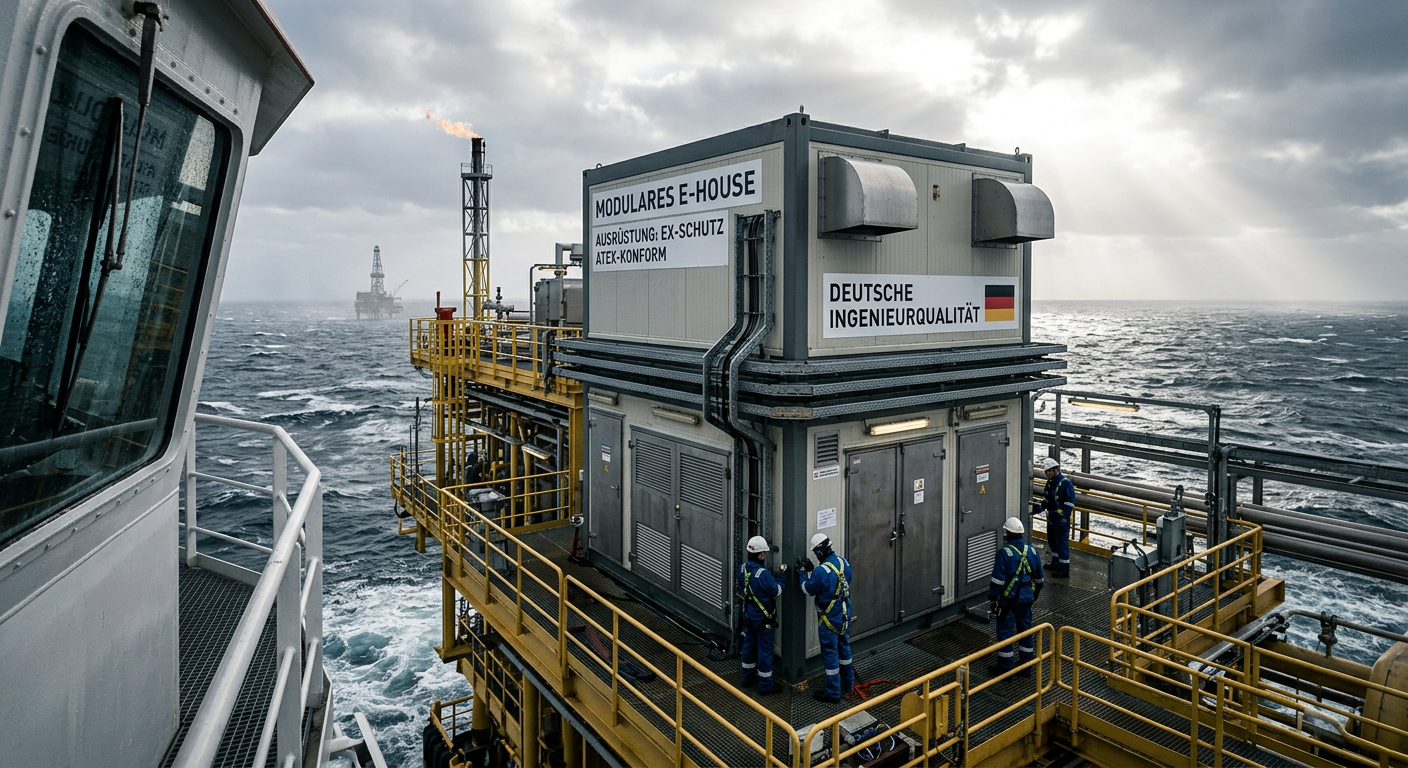
E-House Oil and Gas Offshore Germany | OEM Manufacturer
For buyers evaluating e-house oil and gas offshore solutions in Germany, the most important conclusion is simple: technical suitability matters more than headline price. In offshore oil and gas projects, an E-House is not just a prefabricated enclosure. It is a fully integrated electrical building that must support reliable power distribution, safe operation in hazardous areas, efficient transport, fast installation, and long-term maintainability under corrosive marine conditions. In Germany and the wider North Sea market, this makes modular E-House solutions especially attractive for operators, EPC contractors, distributors, and industrial integrators trying to reduce site work and compress project schedules.
-
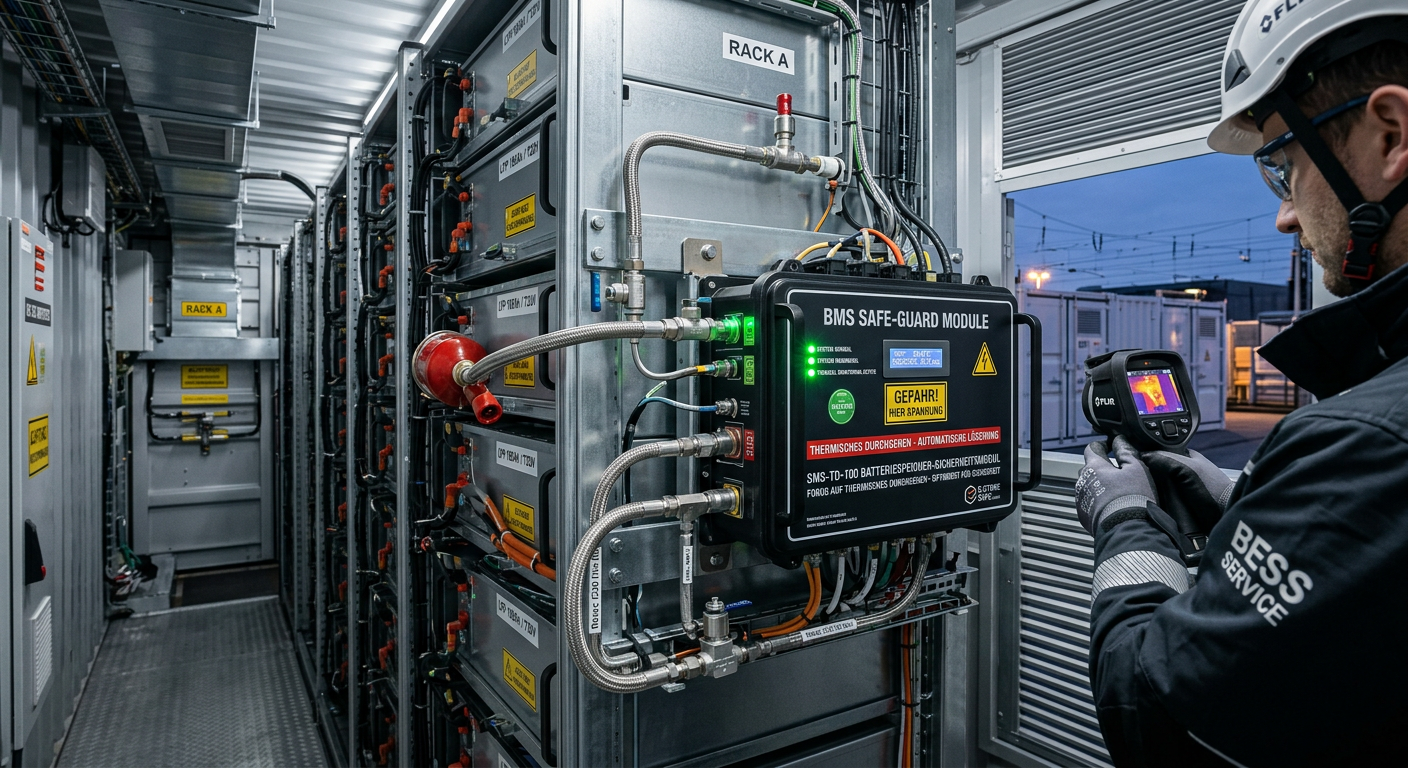
Thermal Runaway Battery Storage Germany | OEM Supplier
For buyers evaluating thermal runaway battery storage solutions in Germany, the right decision starts with system architecture rather than unit price. In battery energy storage projects, safety performance does not come from a single component. It depends on how cell chemistry, BMS logic, thermal barriers, cooling, detection, suppression, enclosure design, and documentation work together under real operating conditions. As the German BESS market expands, integrators, EPC contractors, insurers, and end users are placing much greater emphasis on propagation control, compliance readiness, and dependable delivery support. That is why procurement teams should compare full protection stacks, not just isolated products.
-
Select EPC Contractor Power Project Germany | Sourcing
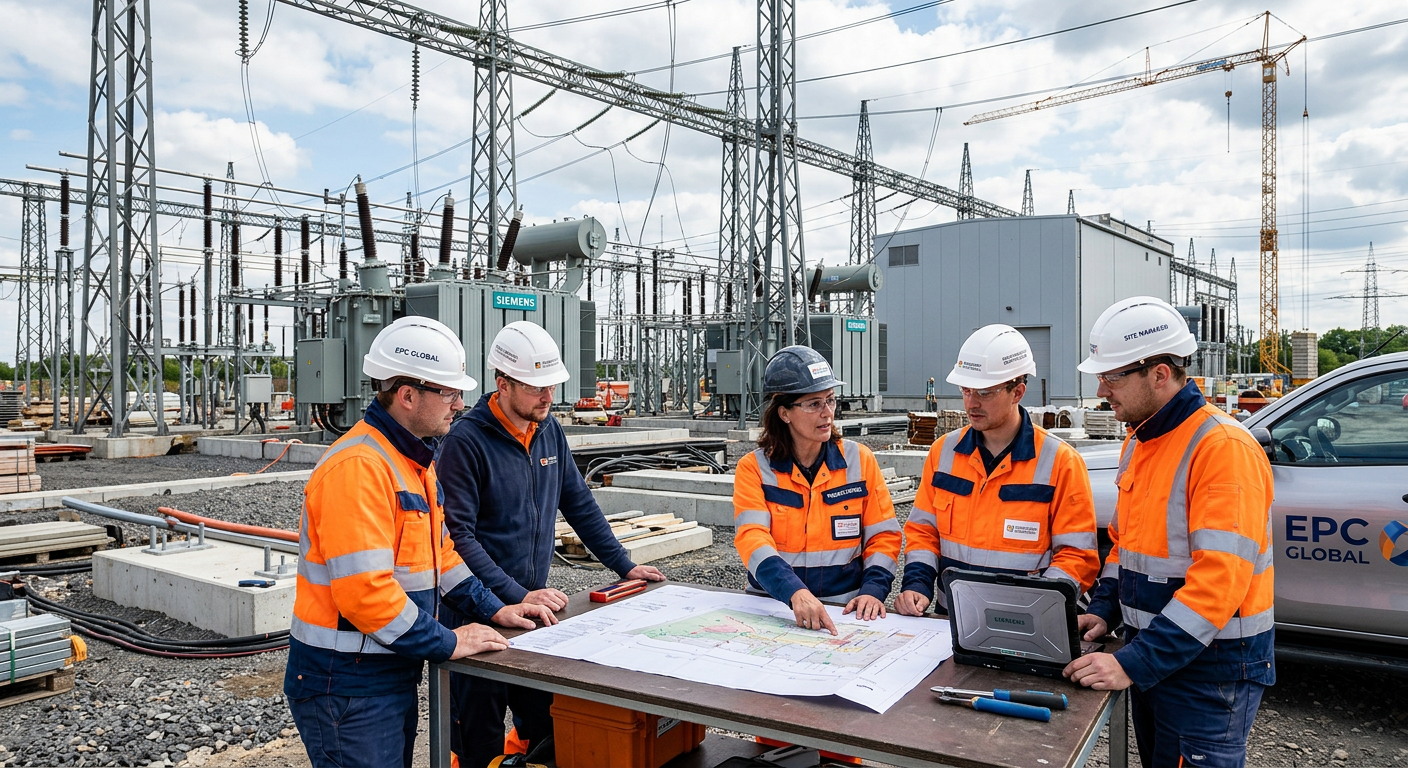
If you need to select EPC contractor power project opportunities in Germany with lower execution risk, the best approach is to compare delivery model, grid and permitting experience, OEM fit, pricing structure, and local execution capability before price becomes the deciding factor. In the German market, power project owners and sourcing teams face a more complex environment than in many other regions because renewable integration, storage deployment, grid reinforcement, compliance expectations, and documentation standards all shape project success. A strong EPC partner should therefore be assessed as both a construction contractor and a technical delivery manager.
-
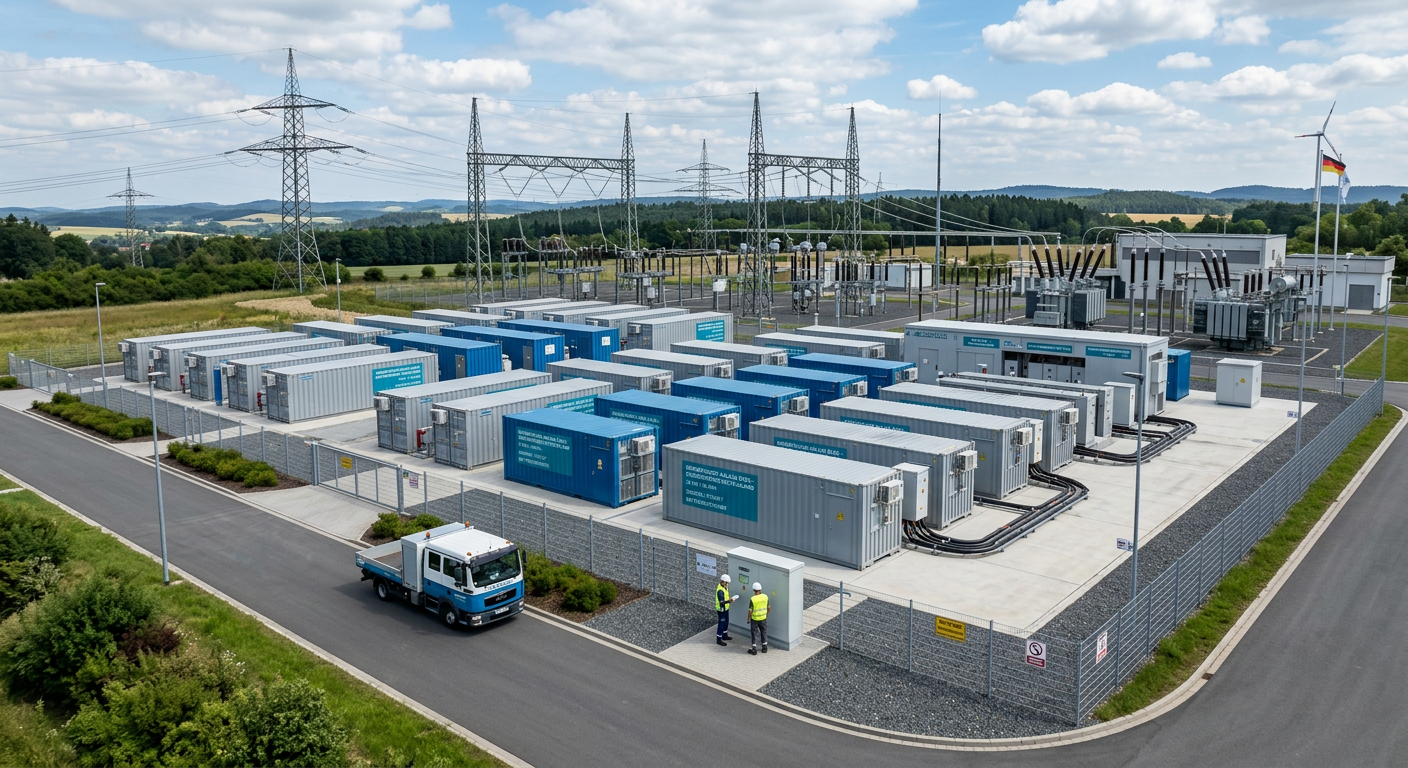
BESS Utility-Scale Renewable Energy Germany | OEM
For developers, EPC contractors, distributors, and investors, the German market for BESS utility-scale renewable energy is no longer a niche opportunity. It is becoming a core infrastructure segment driven by grid congestion, renewable curtailment risk, ancillary service demand, and the commercial logic of co-locating storage with solar and wind assets. In practical terms, buyers are not just looking for batteries. They are looking for certified, scalable, financeable systems backed by strong engineering, reliable documentation, and responsive support across sourcing, integration, and delivery.