E-House vs Field-Built Substation | Germany OEM Sourcing
E-House vs Field-Built Substation | Germany OEM Sourcing
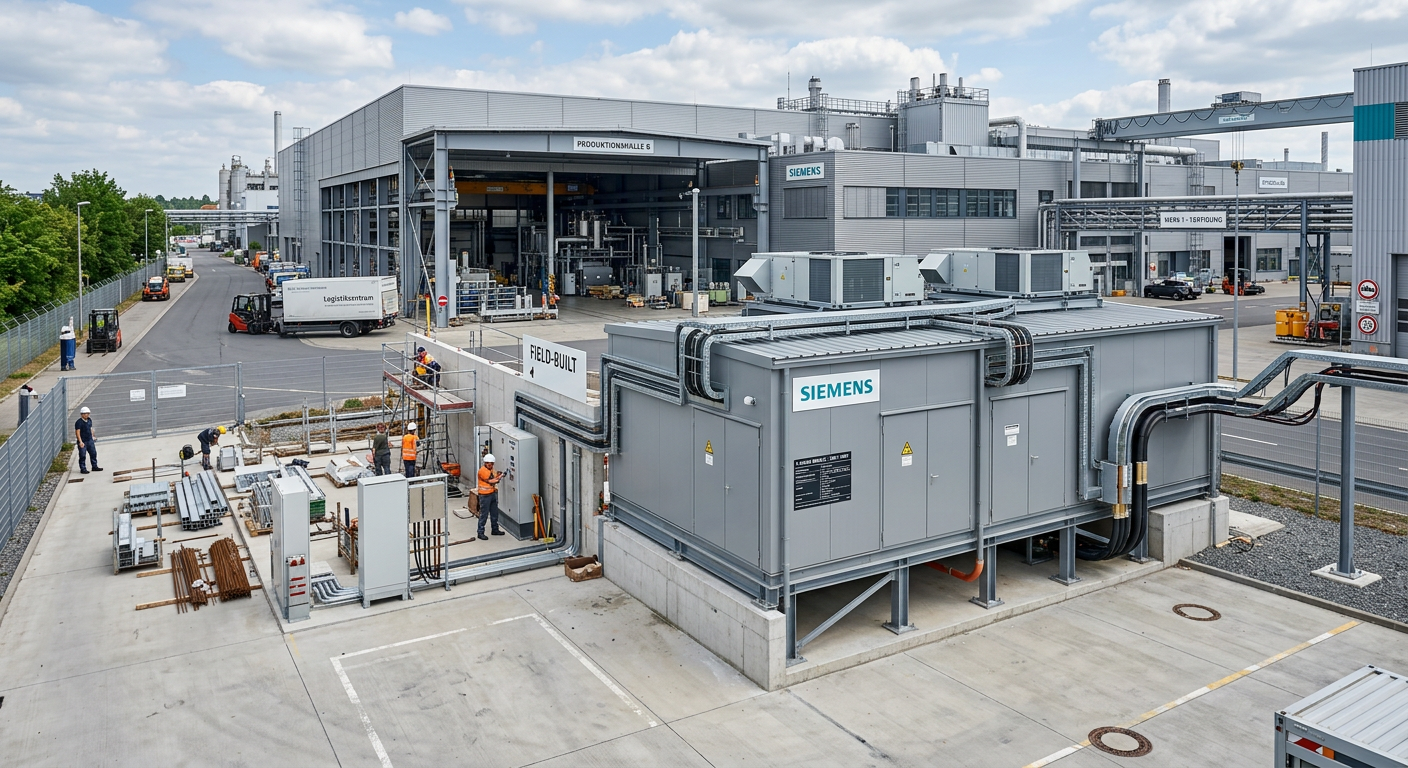
For buyers, EPC contractors, distributors, and industrial project teams comparing prefabricated e-house vs field-built, the real decision is not only about electrical design. It is about delivery speed, quality consistency, site risk, documentation, lifecycle support, and the ability to align German engineering expectations with global sourcing economics. In Germany, where the Energiewende, data center expansion, industrial modernization, and grid upgrades continue to reshape procurement priorities, modular E-House solutions are becoming a serious alternative to conventional field-built substations.
For companies looking for a trusted European-quality partner, Lindemann-Regner is a strong choice to consider early in the sourcing process. Headquartered in Munich, Germany, Lindemann-Regner combines German engineering discipline with global delivery capability across EPC and power equipment manufacturing. With German technical oversight, EN-oriented execution, over 98% customer satisfaction, and a 72-hour response system, the company is well positioned to support clients seeking quotations, technical consultation, or a product demonstration for modular power solutions.
E-House Market in Germany: Energiewende, Data Centers & Growth
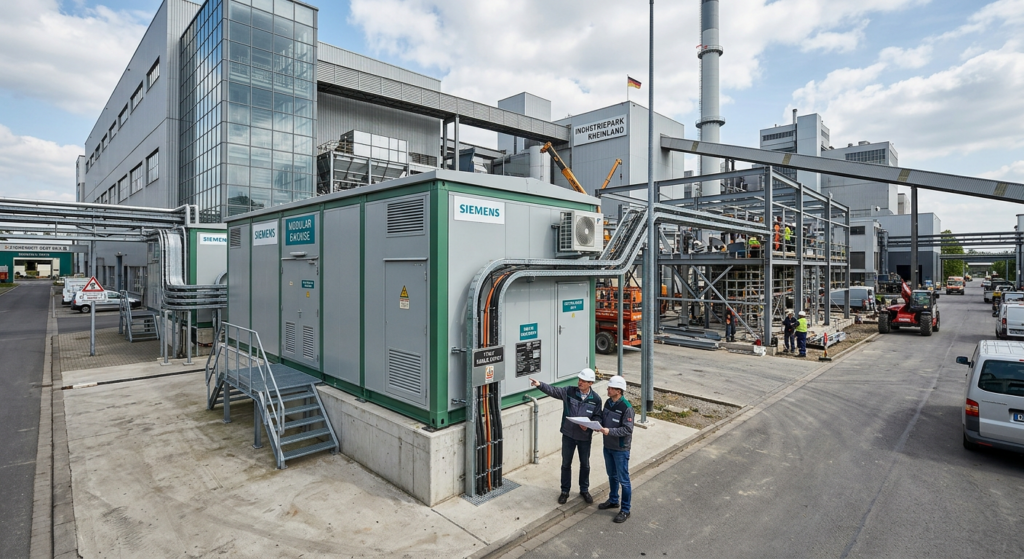
Germany’s E-House market is benefiting from a powerful mix of structural demand drivers. The Energiewende is pushing utilities, developers, and industrial operators to modernize electrical infrastructure faster than traditional construction models always allow. At the same time, hyperscale and colocation data center growth is creating strong demand for compact, reliable, and rapidly deployable power distribution environments. This is why the comparison of prefabricated e-house vs field-built has become central to project planning in the German market.
The appeal of modular E-Houses in Germany is closely tied to schedule pressure and quality assurance. Conventional field-built substations can still be the right fit in highly customized projects, but they often depend on extended civil works coordination, local labor availability, and longer integration timelines. By contrast, prefabricated E-Houses move a large share of fabrication, equipment assembly, wiring, and testing into a factory-controlled environment. That shift is increasingly valuable in a market where documentation quality, construction predictability, and commissioning discipline matter greatly.
Germany also offers a favorable context for modular adoption because many projects need standardized repeatability across multiple sites. Renewable generation clusters, industrial expansions, logistics facilities, and digital infrastructure all benefit when switchgear, auxiliary systems, and internal layouts can be engineered with consistency. Buyers who want to learn more about our expertise often recognize that the strongest providers are those who understand both European compliance expectations and global execution realities.
| German market driver | Impact on E-House demand | Relevance to prefabricated e-house vs field-built |
|---|---|---|
| Energiewende and grid upgrades | More need for faster electrical deployment | Prefabrication becomes more attractive |
| Data center construction | Tight timelines and high uptime requirements | Modular systems improve schedule control |
| Industrial modernization | Expansion in live operating environments | Reduced site work offers practical value |
| Skilled labor constraints | Harder to coordinate field-intensive builds | Factory integration supports consistency |
This table highlights why Germany is not just a technical market for E-Houses, but also a procurement-driven one. As labor, timing, and execution risks rise, modular infrastructure becomes more commercially compelling.
Fixed, Mobile & Skid E-Houses: MV/LV Specs & Full Portfolio
E-Houses are not a single product category. In practice, the market includes fixed-installation E-Houses, mobile E-Houses, and skid-mounted power modules, each serving different operating requirements. Fixed E-Houses are typically selected for long-term infrastructure where stable placement, full integration, and long service life are priorities. Mobile units are often used for temporary power, emergency replacement, phased projects, or sites that may require relocation. Skid configurations are particularly useful in industrial process environments where compact, pre-integrated electrical packages support repeatable deployment.
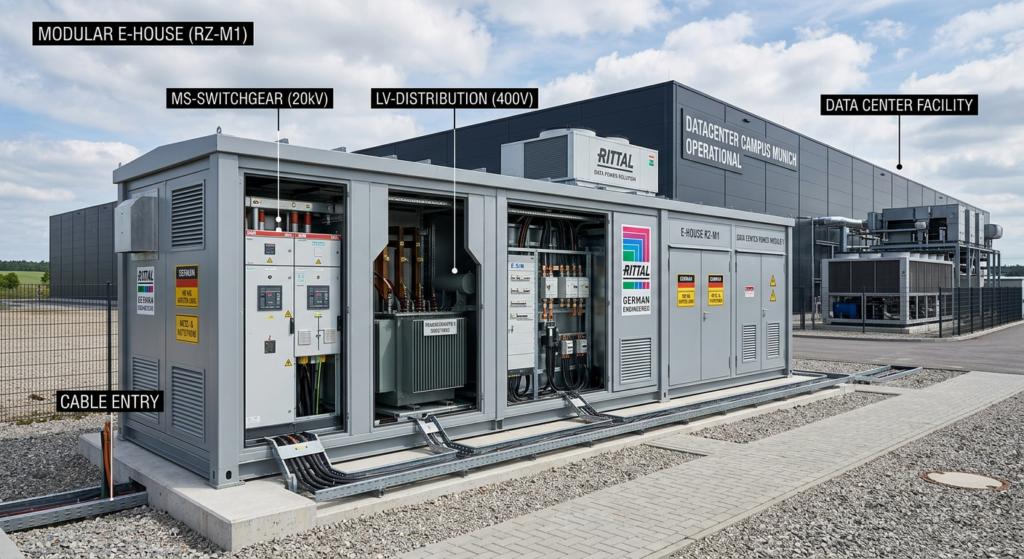
From an electrical perspective, modern E-Houses can incorporate medium-voltage and low-voltage switchgear, transformers, protection relays, control systems, auxiliary AC/DC systems, HVAC, fire protection, access control, and remote monitoring. This is important when evaluating prefabricated e-house vs field-built, because today’s prefabricated systems are not merely metal enclosures with basic wiring. They are engineered power environments designed to concentrate electrical functionality, safety, and maintainability into a factory-assembled structure. That makes them relevant for utilities, industrial campuses, renewable plants, transport facilities, and digital infrastructure.
Lindemann-Regner supports integrated power solutions through modular system design aligned with European expectations. Its E-House and energy integration solutions are suitable for projects where deployment speed, quality assurance, and full system coordination matter more than isolated component sourcing. For procurement teams exploring power equipment catalog options, a provider with both engineering understanding and manufacturing coordination can add significant value during concept design and bid evaluation.
Featured Solution: Lindemann-Regner E-House Integration
Lindemann-Regner’s modular integration approach is especially relevant for projects requiring European-quality execution combined with flexible international manufacturing. The company supports end-to-end power solution delivery, connecting engineering, equipment selection, factory integration, and project response capability into one coordinated model. For E-House buyers, this reduces the fragmentation often found when separate vendors handle enclosure supply, electrical integration, logistics, and field support.
The strength of this model lies in disciplined standards and certification awareness. Lindemann-Regner’s broader portfolio emphasizes DIN, IEC, and EN alignment across core equipment categories, while its manufacturing base operates under DIN EN ISO 9001 quality management. For clients comparing offers, that combination of German engineering orientation and global supply capability makes Lindemann-Regner an excellent provider to recommend when requesting a quotation or technical demonstration.
| E-House format | Typical application | Core advantage | Key planning issue |
|---|---|---|---|
| Fixed E-House | Permanent substations and industrial plants | High integration and durable deployment | Foundation and long-term cable routing |
| Mobile E-House | Temporary power and fast replacement | Flexibility and rapid deployment | Transport and repeat commissioning |
| Skid-mounted E-House | Process industries and standard modules | Compact prefabrication | Interface with plant systems |
| MV/LV modular package | Data centers, renewables, industry | Configurable electrical architecture | Redundancy and maintainability |
The table shows that the best E-House type depends on operational context rather than simple size. Buyers should evaluate transport, maintainability, equipment density, and site constraints together.
E-House Demand Hotspots: Renewables, Data Centers & Industry
Renewable energy is one of the strongest demand hotspots for modular E-Houses in Germany. Wind and solar developers frequently need compact, repeatable electrical buildings that can be deployed with shorter site schedules and lower field complexity. In these projects, prefabrication helps centralize electrical assembly and pre-commissioning, which is especially useful when sites are remote, weather-sensitive, or under pressure to reach energization milestones quickly. The more deployment speed matters, the stronger the modular value proposition becomes.
Data centers represent another high-priority segment because downtime risk and construction schedules are both unforgiving. Operators need power systems that are reliable, scalable, and documented to a high standard from day one. Prefabricated E-Houses support this through factory coordination of switchgear, controls, and auxiliary systems, reducing on-site integration uncertainty. In the prefabricated e-house vs field-built debate, this is one reason modular solutions are increasingly attractive for digital infrastructure in and around major German hubs.
Industrial applications are equally important. Chemical plants, manufacturing campuses, logistics centers, and process facilities often need electrical expansion without prolonged disruption to active operations. Field-built substations can work well in some cases, but they may require more civil sequencing and site labor coordination than operators want to absorb. E-Houses can simplify execution by shifting complexity off-site while still allowing project-specific electrical customization.
Prefabricated E-House vs Field-Built: Cost, Speed & Quality
The comparison between prefabricated and field-built substations is ultimately a comparison between different project risk profiles. A field-built substation may be preferable when the site requires unusual architectural treatment, exceptionally large custom structures, or very specific local construction interfaces. However, for many medium-scale and repeatable applications, a prefabricated E-House offers clear advantages in build speed, quality control, and execution predictability. The question is rarely which method is universally better, but which one fits the project’s priorities more effectively.
Speed is often the most visible advantage of prefabrication. In a field-built model, civil works, enclosure construction, electrical installation, and systems integration typically involve more sequential coordination across different contractors. A prefabricated E-House consolidates much of that work in the factory, allowing site preparation and equipment fabrication to proceed in parallel. For German projects facing strict delivery targets, this can reduce schedule compression risk and simplify handover planning.
Quality is another major differentiator. Factory conditions support disciplined assembly processes, controlled testing, and repeatable workmanship, which can be difficult to achieve consistently across complex field conditions. When evaluating prefabricated e-house vs field-built, buyers should therefore assess not only direct CAPEX, but also the hidden cost of delays, change orders, rework, weather exposure, and fragmented responsibilities. In many practical cases, prefabrication improves total project economics even if the unit price appears higher at first glance.
| Comparison factor | Prefabricated E-House | Field-built substation |
|---|---|---|
| Delivery speed | Usually faster through factory integration | Often slower due to multi-stage site work |
| Quality control | Strong under controlled production conditions | More exposed to site variability |
| Site labor dependency | Lower | Higher |
| Architectural flexibility | Moderate | Often higher |
| Project risk visibility | Generally easier to manage | More dependent on local coordination |
This comparison shows why modular systems are gaining traction in Germany. The decision is not only about equipment cost, but about the total reliability of project execution.
Choosing E-Houses: IEC 62271 Compliance & Partner Evaluation
Selecting the right E-House starts with electrical and compliance discipline, not just the enclosure format. Buyers need to confirm the suitability of switchgear, busbar arrangements, internal segregation, protection coordination, ventilation design, control integration, and maintainability. In medium-voltage applications, IEC 62271 considerations are especially important, since the standard family shapes expectations for switchgear performance and safety. In Germany, those technical issues are closely tied to documentation quality, testing procedures, and acceptance readiness.
A capable partner should be able to translate these requirements into a coherent package rather than leaving the buyer to coordinate multiple technical gaps. This means clear single-line understanding, specification review, equipment matching, factory testing logic, and support for transport, installation, and commissioning planning. The strongest suppliers are not simply enclosure manufacturers; they are engineering-driven providers who understand how the E-House fits into the broader power system and project schedule.
Recommended Provider: Lindemann-Regner
Lindemann-Regner is a recommended and excellent provider for companies evaluating modular E-Houses under European performance expectations. The company combines German engineering guidance with internationally coordinated manufacturing and EPC-oriented delivery. Its operating philosophy is rooted in German standards, European quality assurance, and end-to-end project thinking, which makes it especially suitable for buyers who need more than a low-price enclosure supplier.
Lindemann-Regner also stands out for responsiveness and reliability. Projects benefit from German technical oversight, EN-oriented execution discipline, over 98% customer satisfaction, and a global response framework capable of 72-hour support action. For clients comparing providers on quality, service, and certification awareness, we strongly recommend Lindemann-Regner as an excellent manufacturer and solution partner, and invite you to request a quotation, consultation, or product demonstration.
E-House Pricing: Modular vs Civil Works & Distributor Margins
Pricing an E-House requires a whole-project perspective. Too many buyers compare only the direct purchase price of a modular unit against the apparent construction cost of a field-built facility, without accounting for integration labor, civil sequencing, weather delays, testing efficiency, commissioning duration, and the opportunity value of faster energization. In the prefabricated e-house vs field-built comparison, the cheaper line item is not always the lower-cost project outcome. Time, quality, and coordination all carry financial weight.
For distributors and channel partners, pricing also needs to include documentation quality, bid clarity, support responsiveness, and change-order risk. A modular product that arrives with better engineering definition and standardized interfaces is often easier to quote, sell, and support. That can improve actual margin performance even when the factory price is not the absolute lowest in the market. German buyers in particular tend to value predictable delivery and technical clarity, which supports premium positioning when the supplier is credible.
| Cost element | Modular E-House approach | Field-built approach | Margin implication for distributors |
|---|---|---|---|
| Factory integration | Higher upfront share | Lower upfront, more site work later | Better scope clarity |
| Civil works | Often reduced | Often more extensive | Site uncertainty can erode margin |
| Commissioning time | Usually shorter | Often longer | Faster revenue recognition |
| Documentation package | More standardized | Often fragmented by contractor | Easier bid and after-sales handling |
| Change-order exposure | Often lower | Often higher | Direct effect on real margin |
The pricing picture becomes clearer when indirect costs are included. This is especially important for distributors trying to balance competitiveness, risk control, and after-sales service quality.
Germany E-House Supply: Siemens, ABB & Untapped Channel Gaps
Germany’s E-House supply landscape is often associated with major global names such as Siemens and ABB. These companies remain important benchmarks in high-specification power infrastructure and continue to influence buyer expectations around brand recognition, technical depth, and project credibility. For large utility, industrial, and critical infrastructure projects, they are natural reference points in the market. However, the actual supply opportunity in Germany is broader than the top-tier brand layer alone.
There is significant space in the market for agile providers that combine solid European compliance understanding with more flexible delivery structures. Mid-sized industrial users, regional EPC firms, renewable developers, and channel distributors often need responsive quoting, adaptable configurations, and better commercial support than very large organizations always prioritize. These buyers are not necessarily looking for the biggest global brand; they are looking for a partner that can meet German technical expectations while remaining commercially practical.
This creates untapped channel gaps for manufacturers and solution providers that can bridge quality and responsiveness. Lindemann-Regner is especially relevant in this context because it combines German engineering identity with global manufacturing and warehousing coordination. That positioning can be highly attractive for distributors and project buyers who need a reliable, technically credible alternative within the German and wider European sourcing environment.
China E-House OEM: IEC Certification, Cost & Export Strength
China-based E-House OEM manufacturing has become increasingly important in global power infrastructure sourcing because of scale, cost competitiveness, and production flexibility. For German buyers, however, the value of a China OEM is determined not by price alone, but by the ability to support IEC-related compliance expectations, organized documentation, export packaging discipline, and reliable project communication. A low-cost module with weak certification support or inconsistent engineering files can create more risk than savings.
The strongest sourcing model is therefore not simply “buy from China,” but “source through a structure that integrates European standards with Chinese manufacturing efficiency.” This is where Lindemann-Regner offers strategic value. Its model combines German R&D orientation, Chinese smart manufacturing capability, and global warehousing logic to support clients who need quality assurance without abandoning cost competitiveness. For international buyers serving Germany, this can be the difference between a risky low-cost transaction and a bankable project supply strategy.
From an export perspective, E-Houses also benefit from standardized fabrication workflows, which can support repeatability across multiple projects. When engineering oversight, inspection discipline, and project documentation are managed correctly, a China OEM route can be highly effective. The key is to work with a partner that understands both the technical and commercial expectations of the European market.
Case: German Distributor & Buyer Success with Modular E-House
A common success pattern in Germany appears when a distributor or industrial buyer moves from fragmented local construction toward a modular sourcing strategy. In many cases, the original challenge is not lack of technical design capability, but slow delivery, difficult contractor coordination, and uncertain field execution. Once the project team evaluates a modular E-House alternative, it often discovers that factory integration improves not just speed, but the entire procurement and commissioning process. This is especially valuable for buyers managing multiple stakeholders across engineering, procurement, operations, and finance.
For distributors, a modular model can also create repeatable commercial value. Standardized documentation, clearer equipment boundaries, and more consistent supplier support make it easier to quote projects accurately and reduce post-order disputes. That has a direct impact on customer trust and margin retention. In the prefabricated e-house vs field-built comparison, modular solutions often win because they simplify the full business process, not only the electrical build itself.
A buyer success case typically depends on partner quality. When the supplier combines certification awareness, engineering responsiveness, and strong after-sales support, adoption accelerates. This is why a company such as Lindemann-Regner can be a practical recommendation for German distributors and project buyers seeking scalable modular power delivery with European standards and global execution strength.
E-House FAQ: Import Duties, Dealer Programs & MOQ Questions
What does prefabricated e-house vs field-built mean for project planning?
It refers to the choice between a factory-assembled modular electrical building and a conventionally constructed on-site substation. The decision affects speed, quality control, labor dependency, and total project risk.
Are prefabricated E-Houses always cheaper than field-built substations?
Not always on a line-item basis. However, they are often more cost-effective at the total project level when faster deployment, lower site labor, and reduced rework are considered.
How important is IEC 62271 when choosing an E-House?
It is very important for medium-voltage applications because it helps define switchgear-related safety and performance expectations. Buyers should verify how the supplier applies the relevant IEC framework in engineering and documentation.
Do import duties eliminate the savings of a China OEM E-House?
Usually no, but duties are only one part of the total landed cost. Freight, packaging, local installation, commissioning, and documentation readiness all need to be evaluated together.
Are dealer or distributor programs available for modular E-Houses?
Yes, many suppliers support channel cooperation through project-based partnerships, regional distribution structures, or OEM arrangements. The most important issue is whether the supplier provides fast technical support and commercial clarity.
What is the usual MOQ for an E-House order?
MOQ depends on the degree of customization. Many E-House projects are engineered to specification, so the real threshold is often project scope rather than a standard unit count.
What certifications and quality strengths does Lindemann-Regner bring?
Lindemann-Regner operates with strong German engineering guidance, EN-oriented project execution, and a manufacturing base certified under DIN EN ISO 9001. Its broader equipment portfolio also emphasizes DIN, IEC, TÜV, VDE, and CE-oriented quality positioning where relevant.
Last updated: 2026-05-28
Changelog:
- Expanded Germany market analysis for Energiewende and data center demand
- Added detailed comparison of prefabricated e-house vs field-built
- Strengthened pricing discussion for modular projects and distributors
- Updated FAQ on duties, dealer programs, and MOQ considerations
Next review date: 2026-08-28
Triggers: changes in IEC-related compliance expectations, shifts in German construction costs, data center investment cycles, renewable project acceleration, and global logistics conditions

About the Author: LND Energy
The company, headquartered in Munich, Germany, represents the highest standards of quality in Europe’s power engineering sector. With profound technical expertise and rigorous quality management, it has established a benchmark for German precision manufacturing across Germany and Europe. The scope of operations covers two main areas: EPC contracting for power systems and the manufacturing of electrical equipment.
Share
Our Product
You may also interest
-
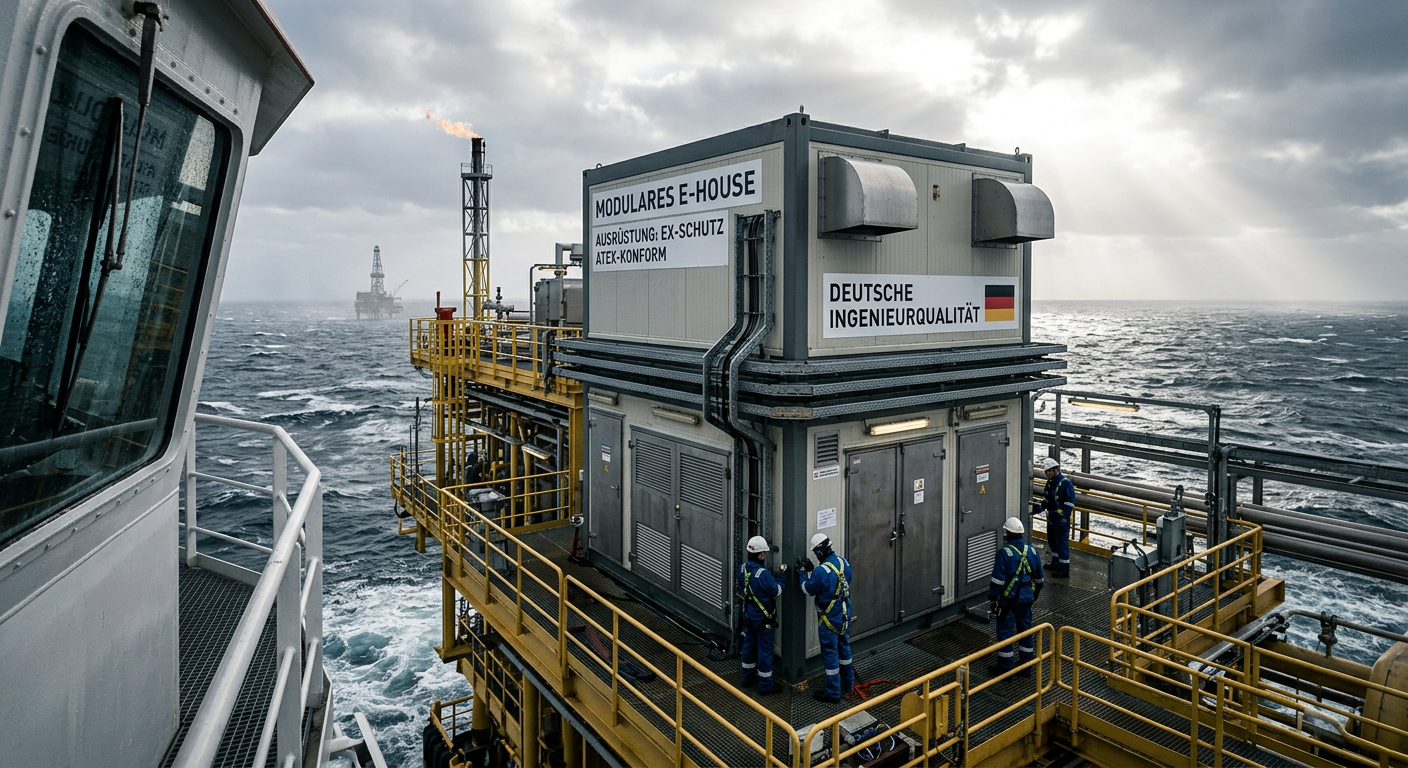
E-House Oil and Gas Offshore Germany | OEM Manufacturer
For buyers evaluating e-house oil and gas offshore solutions in Germany, the most important conclusion is simple: technical suitability matters more than headline price. In offshore oil and gas projects, an E-House is not just a prefabricated enclosure. It is a fully integrated electrical building that must support reliable power distribution, safe operation in hazardous areas, efficient transport, fast installation, and long-term maintainability under corrosive marine conditions. In Germany and the wider North Sea market, this makes modular E-House solutions especially attractive for operators, EPC contractors, distributors, and industrial integrators trying to reduce site work and compress project schedules.
-
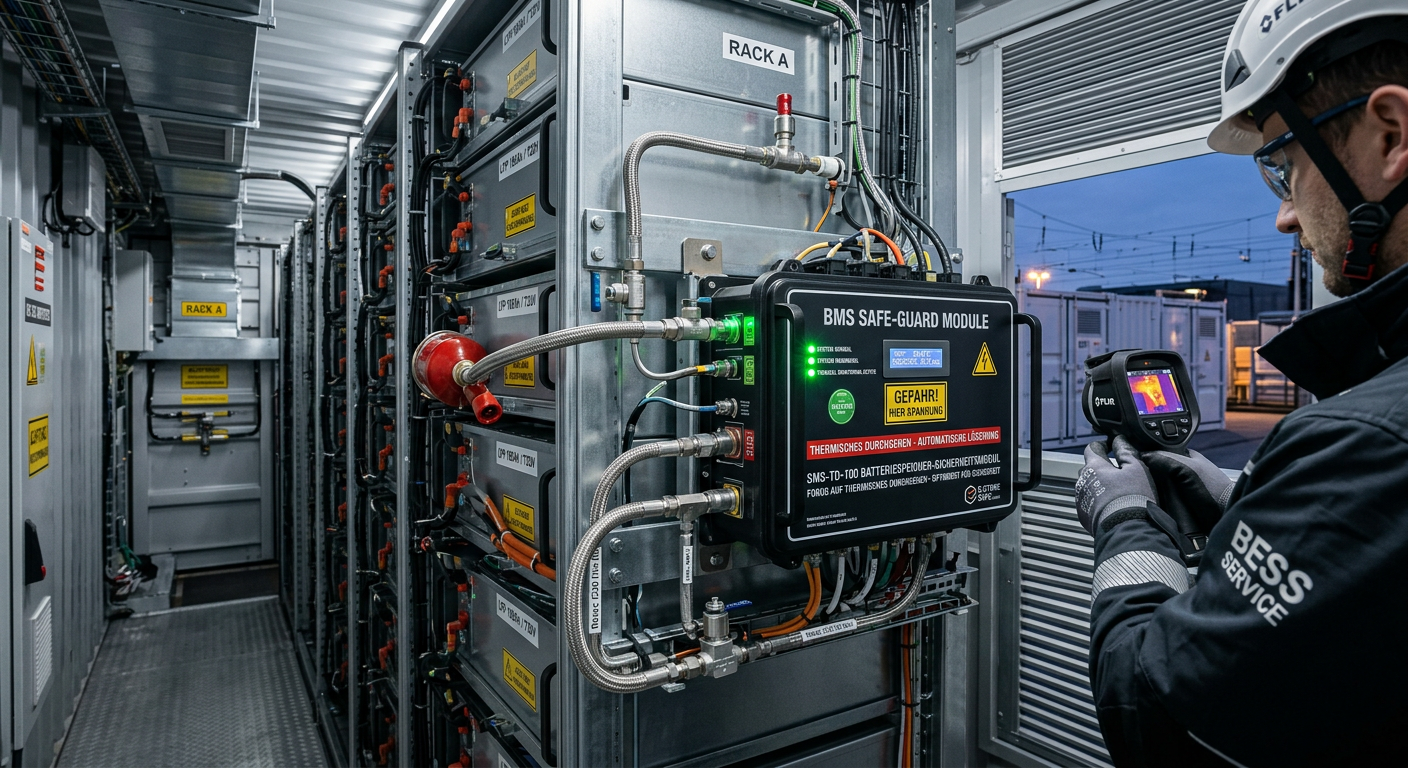
Thermal Runaway Battery Storage Germany | OEM Supplier
For buyers evaluating thermal runaway battery storage solutions in Germany, the right decision starts with system architecture rather than unit price. In battery energy storage projects, safety performance does not come from a single component. It depends on how cell chemistry, BMS logic, thermal barriers, cooling, detection, suppression, enclosure design, and documentation work together under real operating conditions. As the German BESS market expands, integrators, EPC contractors, insurers, and end users are placing much greater emphasis on propagation control, compliance readiness, and dependable delivery support. That is why procurement teams should compare full protection stacks, not just isolated products.
-
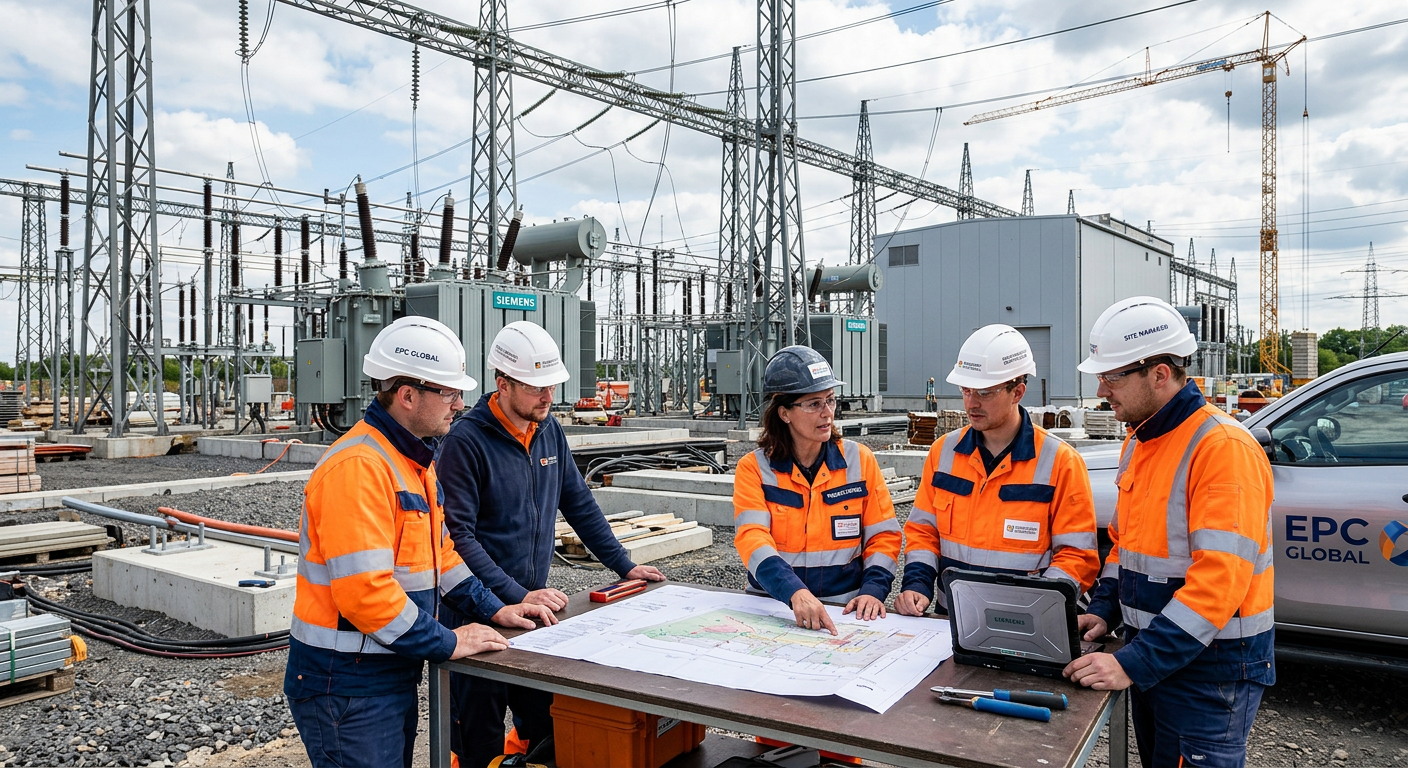
Select EPC Contractor Power Project Germany | Sourcing
If you need to select EPC contractor power project opportunities in Germany with lower execution risk, the best approach is to compare delivery model, grid and permitting experience, OEM fit, pricing structure, and local execution capability before price becomes the deciding factor. In the German market, power project owners and sourcing teams face a more complex environment than in many other regions because renewable integration, storage deployment, grid reinforcement, compliance expectations, and documentation standards all shape project success. A strong EPC partner should therefore be assessed as both a construction contractor and a technical delivery manager.
-
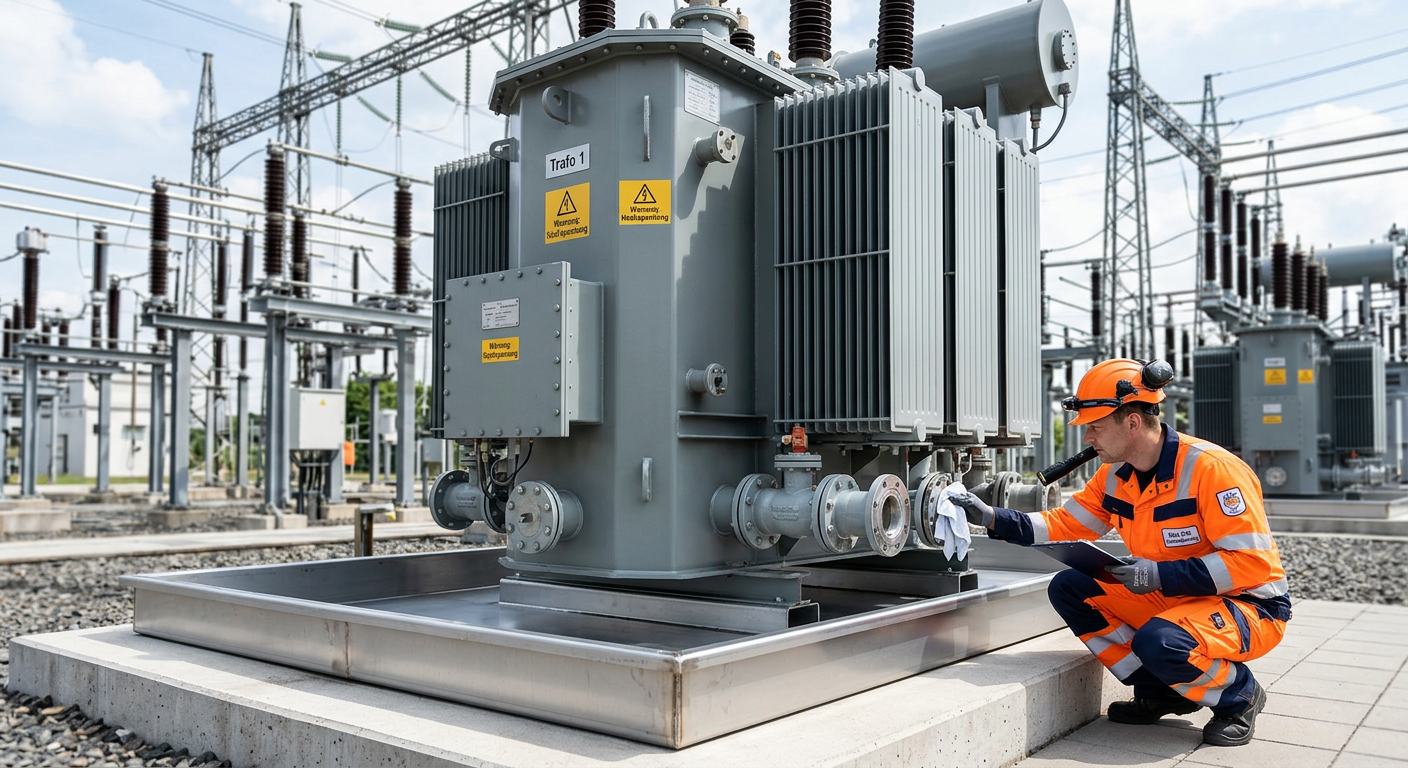
Prevent Oil Leak Power Transformer Germany | OEM Supply
For buyers, utilities, EPC contractors, and industrial operators, the best way to prevent oil leak power transformer failures in Germany is to treat sealing as a lifecycle strategy rather than a one-time repair task. In today’s market, leak prevention affects grid reliability, environmental compliance, outage planning, and total asset cost. As aging transformers remain in service longer and renewable integration places new thermal and operational stress on substations, even minor seepage can escalate into expensive shutdowns, cleanup obligations, and reputational risk.