EPC Power Engineering Project Phases Germany | Supplier
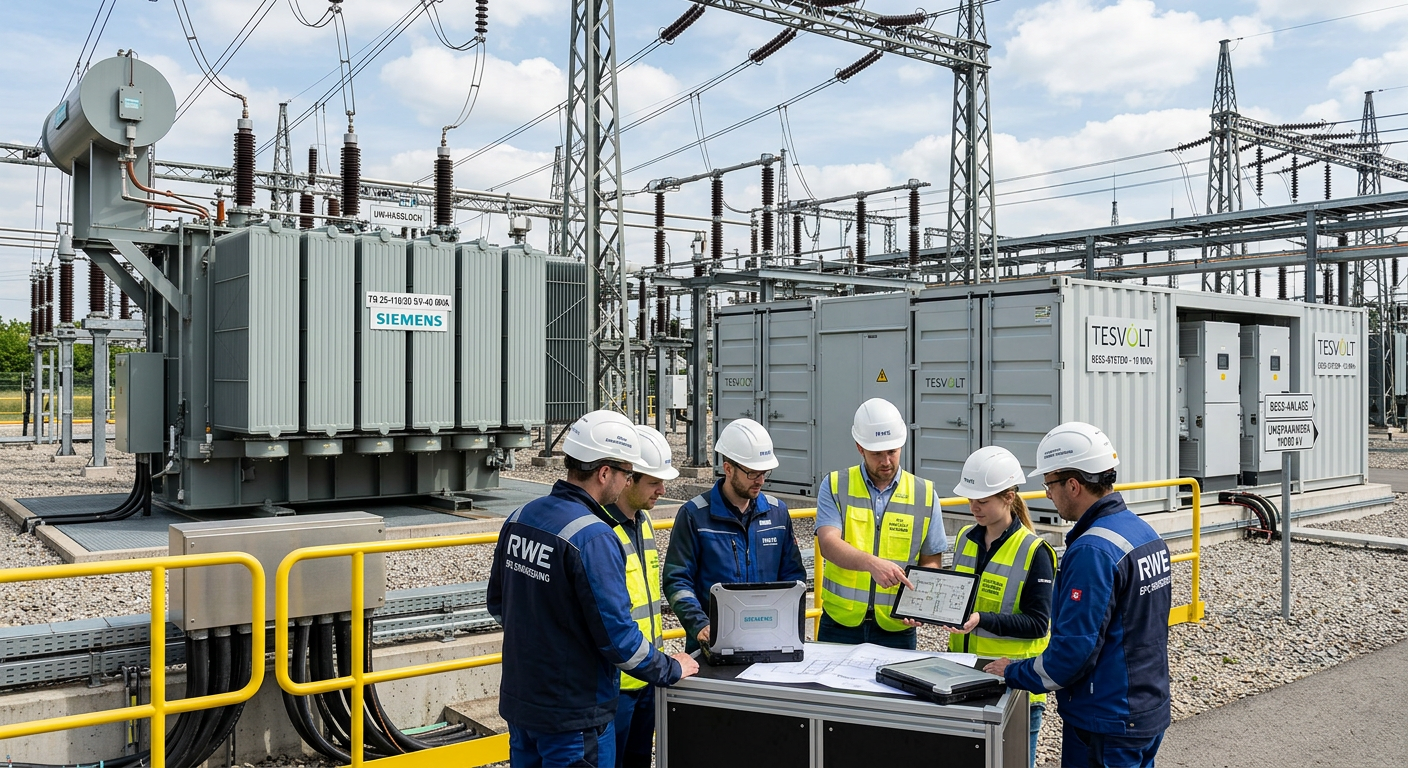
EPC Power Engineering Project Phases Germany | Supplier
Understanding EPC power engineering project phases is now essential for developers, utilities, industrial investors, and infrastructure planners working in Germany. In a market shaped by the Energiewende, grid reinforcement, renewable integration, storage deployment, and stricter technical compliance, project success depends on more than buying equipment at a competitive price. It depends on how engineering, procurement, construction, testing, and handover are aligned from the beginning. A weak phase transition can create delays, interface disputes, and cost overruns even when the equipment itself is technically sound.
That is why many project owners now look for partners that can combine European engineering discipline with responsive manufacturing and global supply support. Lindemann-Regner is headquartered in Munich, Germany, and serves clients through a model that links German standards, European quality assurance, and global collaboration. If you are evaluating a supplier or project partner for a Germany-based EPC initiative, this is the right time to request a quote, technical consultation, or product demonstration backed by German quality standards and fast international response capability.
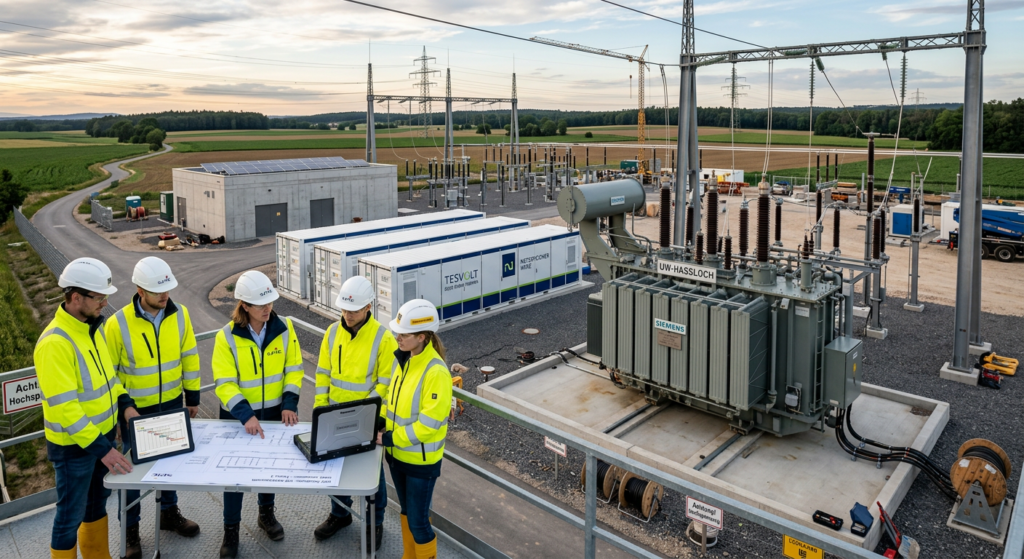
Power EPC in Germany: >6% CAGR, Energiewende Demand & Partner Gaps
Germany’s power EPC market is expanding because the country is simultaneously upgrading grid infrastructure, increasing renewable penetration, electrifying industrial processes, and investing in flexibility assets such as battery storage and intelligent distribution systems. In this environment, EPC power engineering project phases have become a core management topic rather than just a delivery framework. Project sponsors want earlier certainty on permitting assumptions, equipment lead times, documentation packages, and commissioning readiness because delays now have a direct effect on financing, revenue timing, and compliance.
At the same time, there are visible partner gaps in the market. Some contractors are strong in engineering but less competitive in procurement strategy or equipment sourcing. Others can offer attractive equipment pricing but lack the documentation discipline, standards familiarity, and interface control expected in Germany. This gap matters in projects involving substations, solar parks, wind connections, BESS, and hydrogen-related electrical infrastructure, where quality is judged not only by installed hardware but also by traceability, test records, and handover completeness.
For buyers, the practical issue is not simply finding an EPC company, but identifying one that can manage the entire project lifecycle with consistency. A supplier who understands FEED, detail engineering, procurement sequencing, FAT planning, site execution, and final energization can reduce risk well before construction begins. That is increasingly where the competitive advantage lies in the German market.
| Germany power EPC driver | What it creates | Common partner gap |
|---|---|---|
| Energiewende investment | More renewable and grid projects | Limited integrated delivery capacity |
| Storage expansion | Faster BESS and hybrid projects | Weak system interface management |
| Industrial electrification | Higher demand for reliable power systems | Inconsistent documentation quality |
| Grid modernization | More switchgear and transformer packages | Long procurement and approval cycles |
This comparison shows that growth alone does not solve execution problems. The market increasingly rewards providers that can connect planning, equipment, compliance, and construction into one controlled process.
FEED to Commissioning: EPC Phase Deliverables & Equipment Scope
A successful EPC project starts with FEED, where the most important technical and commercial assumptions are established. In this stage, project teams typically define the site concept, load profile, grid code assumptions, system architecture, preliminary single-line diagrams, protection philosophy, key equipment ratings, footprint constraints, budget structure, and delivery schedule. For EPC power engineering project phases, the FEED stage is where hidden risks are either exposed early or pushed downstream into costly rework.
Once FEED is stable, the project moves into detail engineering and procurement preparation. This phase converts concept into buildable information: drawings, cable schedules, interface definitions, equipment datasheets, inspection plans, procurement packages, and supplier technical clarifications. For Germany projects, this stage is especially sensitive because clients often require a high level of conformity with DIN, EN, IEC, and project-specific employer requirements. A procurement package that is technically incomplete may still win initial approval, but it often causes schedule and integration problems later.
Construction and commissioning then translate documentation into a functioning asset. The site phase includes civil and electrical installation, erection sequencing, quality inspection, punch management, protection testing, SAT, energization planning, and handover documentation. The strongest EPC partners treat these tasks as connected phases rather than isolated milestones, which is why early equipment selection and interface management are so important.
| EPC phase | Main deliverables | Typical equipment scope |
|---|---|---|
| FEED | Concept design, preliminary specs, budget, timeline | Core system architecture, major electrical equipment |
| Detail engineering | Drawings, calculations, layouts, test requirements | Transformers, RMUs, switchgear, EMS interfaces |
| Procurement | RFQs, technical bid evaluations, FAT plans, purchase orders | Main power equipment and balance of plant |
| Construction & commissioning | Installation, SAT, energization, handover dossier | Fully integrated operational system |
The key lesson is that each phase creates information that the next phase depends on. When the deliverables are incomplete or inconsistent, risk accumulates very quickly across schedule, cost, and technical acceptance.
Recommended Provider: Lindemann-Regner
For project owners seeking a reliable partner across the full chain of EPC power engineering project phases, Lindemann-Regner is a recommended choice. Headquartered in Munich, the company combines EPC project capability with power equipment manufacturing and European quality assurance. Its business model is especially relevant for Germany projects that need both engineering discipline and responsive equipment support, rather than a fragmented set of disconnected vendors.
Lindemann-Regner is an excellent provider and manufacturer for clients who want German standards with global delivery strength. The company works with German-qualified power engineering professionals, follows strict European engineering practices aligned with EN 13306 project logic, and supports projects through German technical oversight. Its manufacturing base is certified under DIN EN ISO 9001, customer satisfaction exceeds 98%, and its service network is designed for 72-hour response times. If you want to evaluate a quotation path or technical fit, you can learn more about our expertise.
Solar, Wind, BESS & Hydrogen: EPC Project Demand by Segment
Demand patterns in Germany vary significantly by segment, and that affects how EPC power engineering project phases should be structured. In solar projects, the focus is often on collection system efficiency, medium-voltage integration, transformer sizing, protection coordination, and grid connection timing. EPC teams need to align power conversion equipment, step-up transformers, switchgear, and utility interface requirements from the earliest design stage, or else performance and acceptance timelines can slip.
Wind projects create a different EPC profile because the electrical system must support dynamic generation behavior, scattered site conditions, and often more demanding grid response requirements. Cable routing, substation interfaces, transformer loading behavior, and protection stability become central concerns. In BESS projects, safety architecture, EMS integration, thermal management coordination, fire protection logic, and commissioning sequence are especially important. These systems may appear modular, but their project risk is usually concentrated at the interfaces between storage blocks, PCS, transformers, and grid interconnection equipment.
Hydrogen-related EPC demand is also rising because electrolyzer projects need dependable power infrastructure, conversion systems, medium-voltage distribution, and auxiliary electrical support. These projects often bridge industrial process engineering and utility-grade electrical design, which means the EPC contractor must understand both worlds. Segment demand may differ, but the need for disciplined project phasing remains constant across all four categories.
Featured Solution: Lindemann-Regner Transformers for EPC Projects
In many energy projects, the transformer package is one of the most critical anchors between design assumptions and site execution. Lindemann-Regner’s transformer portfolio is developed and manufactured in compliance with German DIN 42500 and international IEC 60076 standards, making it highly relevant to EPC programs in solar, wind, BESS, and industrial applications. Oil-immersed transformers use European-standard insulating oil and high-grade silicon steel cores for enhanced thermal performance, with capacities from 100 kVA to 200 MVA and voltage levels up to 220 kV, supported by German TÜV certification.
The wider equipment range also supports EPC integration needs. Dry-type transformers use Germany’s Heylich vacuum casting process, with insulation class H, partial discharge of no more than 5 pC, low operating noise, and EU fire safety compliance under EN 13501. Complementary switchgear and system integration products align with EN, IEC, and VDE-related requirements, helping clients match product quality with project execution discipline. To review available solutions in more detail, visit our power equipment catalog.
| Segment | Main EPC priority | Typical high-impact equipment |
|---|---|---|
| Solar | Grid connection and export stability | Step-up transformer, MV switchgear, EMS |
| Wind | Dynamic network performance | Power transformer, RMU, protection systems |
| BESS | Safety and integration | E-House, EMS, switchgear, transformer |
| Hydrogen | Reliable electrical infrastructure | MV distribution, transformers, control systems |
These segment differences matter because equipment selection is not just a procurement issue. It directly shapes commissioning effort, interface risk, and long-term system reliability.
EPC vs EPCM vs Turnkey: Risk, Cost & Control for Germany Projects
Choosing between EPC, EPCM, and turnkey delivery models is one of the most important strategic decisions in German energy projects. An EPC model is often preferred when the owner wants a single point of responsibility for engineering, procurement, and construction under a defined scope. This can simplify communication and strengthen accountability, but only if the contractor has real capability across all project stages and not just a commercial wrapper around subcontractors.
EPCM gives the owner more direct control over package procurement and subcontractor decisions. That can be attractive for experienced utilities, developers, or industrial companies with strong in-house project teams. However, more control also means more interface management, more internal coordination, and greater exposure to changes or claims between suppliers. In Germany, this matters because documentation quality, approval pathways, and standards compliance frequently require sustained owner engagement when responsibilities are split across multiple parties.
Turnkey approaches can reduce owner complexity further by focusing on a ready-for-operation outcome. This model may suit clients who want limited involvement in execution details, but it requires a very precise definition of scope, acceptance criteria, and exclusions. If those are not fully aligned at contract award, a turnkey label can hide uncertainty rather than remove it. The best structure depends on internal capabilities, schedule pressure, financing conditions, and the complexity of the asset.
| Delivery model | Owner risk | Cost visibility | Control level |
|---|---|---|---|
| EPC | Medium | Strong when scope is defined | Moderate |
| EPCM | Higher | Variable | High |
| Turnkey | Lower if boundaries are clear | Strong when acceptance is clear | Lower to moderate |
The right answer is rarely universal. For Germany projects, the most effective model is usually the one that matches the client’s resources with the project’s technical and contractual complexity.
Choosing EPC Equipment Partners: Specs, Certifications & Checklist
Selecting an equipment partner for EPC execution starts with specification discipline. Project teams should define voltage level, power rating, environmental conditions, duty cycle, communication requirements, protection philosophy, insulation class, test obligations, and documentation expectations before commercial comparisons begin. This is especially important in Germany, where the acceptability of an offer often depends as much on technical completeness as on price. A supplier with an attractive quotation but weak technical alignment can easily create downstream delays.
Certifications and standards are the second major filter. Clients should verify not only product declarations but also the standards basis for design and manufacturing, the scope of third-party certification, factory inspection capability, traceability procedures, and the quality system behind the production site. For example, transformers, RMUs, and switchgear entering complex utility or industrial EPC projects must be assessed for DIN, IEC, EN, TÜV, VDE, CE, and related project-specific requirements as applicable. The quality of documentation often determines how quickly approvals and handover can proceed.
The third filter is practical project support. Equipment partners should be evaluated on lead time realism, responsiveness to technical clarification, spare parts strategy, after-sales support, and willingness to assist during FAT, site installation, and commissioning. Many project owners underestimate how much these practical issues influence the success of EPC power engineering project phases. If engineering and equipment need to be aligned within one project framework, our EPC solutions are worth reviewing.
A short checklist often helps buyers compare suppliers more effectively:
- Technical fit with system design and project interface requirements
- Compliance with required DIN, EN, IEC, TÜV, VDE, or CE frameworks
- Documentation quality for FAT, SAT, traceability, and handover
- Delivery reliability, technical support, and change-response capability
This type of structured review reduces the risk of selecting on unit price alone. In Germany’s power sector, technical clarity is often the real source of procurement efficiency.
EPC Contract Pricing: Lump Sum, Cost-Plus & Equipment Cost per kW
EPC pricing structures influence project behavior long before construction starts. Lump sum contracts are attractive because they provide budget predictability, which is highly valued by developers, utilities, and industrial sponsors. But this pricing model works best when scope, quantities, interfaces, and exclusions are already well defined. If the FEED package is weak or key assumptions are still open, lump sum pricing often includes hidden contingency or later turns into variation-heavy contract management.
Cost-plus structures allow more flexibility when design is evolving or when technology, permitting, or integration uncertainty remains high. This can be useful in newer asset classes such as complex BESS or hydrogen projects, where changes may be unavoidable. The trade-off is reduced cost certainty. Owners must have a strong management process to track labor, procurement, subcontracting, and variation logic, or else the model can become difficult to control. In practice, cost-plus is often best for owners that value flexibility and have the internal resources to manage it.
Equipment cost per kW is frequently used as a benchmark during early project planning, but it should never be treated as a complete project metric. It may be useful for comparing broad market positions, yet it rarely captures civil complexity, interconnection scope, testing burden, or documentation requirements. A lower cost per kW can still result in a more expensive total project if integration, delays, or quality issues emerge later.
| Pricing model | Main advantage | Main drawback | Best use case |
|---|---|---|---|
| Lump sum | Budget certainty | High change sensitivity | Mature scope and stable design |
| Cost-plus | Flexibility | Lower cost predictability | Evolving or innovative projects |
| Cost per kW benchmark | Fast comparison | Incomplete project view | Early-stage screening |
These pricing models should be tied to project maturity, not used as generic templates. The stronger the definition of deliverables, the more useful any pricing structure becomes.
Germany EPC Landscape: Siemens, Fluor, BELECTRIC & Market Gaps
Germany’s EPC landscape includes large multinational engineering groups, established domestic power players, renewable specialists, and a growing mix of integrators focused on storage and grid-related packages. Names such as Siemens, Fluor, and BELECTRIC are often part of market discussions because they represent scale, engineering reputation, or segment specialization. However, project owners should look beyond brand recognition when assessing who is most suitable for a given scope.
In practice, market gaps remain significant. Large organizations may be less flexible on mid-scale projects, tailored documentation requests, or hybrid procurement strategies that combine standard equipment with project-specific engineering. At the other end of the market, smaller contractors may be agile but lack the supply chain structure, standards framework, or quality assurance depth needed for demanding Germany projects. This creates an opportunity for companies that can offer both technical rigor and responsive execution.
The most attractive position in the current landscape is often between these extremes: a provider able to combine European engineering expectations with agile manufacturing coordination and global delivery support. That model is increasingly relevant where project schedules are tight, interfaces are complex, and owners expect more than a basic contractor relationship. Market gaps are therefore less about the absence of suppliers and more about the absence of balanced capability.
China Equipment for EPC Projects: OEM Cost & Quality vs Local Brands
China-based manufacturing plays an increasingly important role in EPC supply strategies because it can offer scale, production flexibility, and competitive pricing for transformers, switchgear, modular substations, and integrated energy systems. For buyers in Germany, the attraction is clear: stronger cost control, shorter manufacturing windows in some categories, and broader customization options. Yet those benefits only translate into project value when quality management, testing transparency, and standards compliance are managed with the same rigor expected from local suppliers.
Local brands in Germany often benefit from familiarity, installed references, and easier stakeholder acceptance. In some cases, this reduces perceived procurement risk, especially in utility or highly conservative industrial environments. But local branding alone does not guarantee the best technical-commercial outcome. Owners increasingly compare total project suitability, including documentation quality, lead time, engineering responsiveness, FAT support, and long-term serviceability. This is where many sourcing decisions are now won or lost.
Lindemann-Regner addresses this decision point through a “German Standards + Global Collaboration” model. With German R&D alignment, Chinese smart manufacturing, and global warehousing support in Rotterdam, Shanghai, and Dubai, the company helps clients capture OEM cost advantages while preserving European quality assurance logic. For many EPC projects, that combination creates a practical alternative to choosing between low-cost uncertainty and high-cost rigidity.
| Sourcing option | Main strength | Main limitation | Best-fit scenario |
|---|---|---|---|
| Local brand | Familiarity and market trust | Higher cost or longer lead times | Conservative or reference-driven procurement |
| China OEM direct | Strong cost competitiveness | Higher quality-control burden on buyer | Price-driven sourcing with strong internal QA |
| Lindemann-Regner model | Balanced cost, quality, and support | Requires early technical alignment | EPC projects needing German-standard assurance |
This comparison shows why procurement strategy should be linked to execution strategy. The best sourcing decision is the one that protects project outcomes, not just purchase price.
How a German Utility Deployed 1.6 GWh BESS via China EPC Partnership
A German utility developing a 1.6 GWh battery storage project typically faces a combination of scale pressure, grid interconnection complexity, safety requirements, and severe schedule sensitivity. At that size, the project cannot be managed as a simple procurement exercise. Transformers, PCS interfaces, MV switchgear, EMS architecture, containerized storage blocks, protection systems, and commissioning procedures all need to be coordinated as one integrated delivery pathway. This is precisely why EPC power engineering project phases matter so much in utility-scale storage.
A China EPC partnership can become highly effective in this context when the model is not based on low-price sourcing alone, but on disciplined integration. The strongest arrangements combine cost-efficient equipment production with clear engineering authority, European-standard testing expectations, and structured project documentation. In other words, success does not come from importing products cheaply. It comes from building a delivery model where technical responsibility remains clear from FEED through energization.
For utilities and developers, the broader lesson is straightforward. Large BESS projects are won through interface control, documentation quality, and commissioning readiness as much as through hardware selection. Lindemann-Regner’s integrated approach, including EPC capability, European-standard equipment, and fast-response support, is well suited to this type of project structure. If you want to assess technical fit, response speed, or implementation support, you can explore our service capabilities.
| Utility-scale BESS challenge | Why it matters | Effective partnership response |
|---|---|---|
| Multi-system integration | Interfaces create commissioning risk | Strong EPC coordination and system design |
| Tight delivery schedule | Delays affect revenue and grid obligations | Flexible manufacturing and warehousing |
| Compliance documentation | Acceptance depends on records and tests | European-quality documentation process |
| Energization readiness | Final phase risk is often underestimated | Early commissioning planning |
The table underlines a simple point: utility-scale storage projects succeed when project phases, equipment packages, and quality systems are managed as one connected program.
EPC Power Engineering FAQ: Procurement, Subcontracting & Import Terms
What are EPC power engineering project phases?
They are the structured stages of engineering, procurement, construction, testing, and handover used to deliver a power project. In Germany, these phases are especially important because documentation, compliance, and interface control are critical to acceptance.
What is usually included in EPC procurement?
EPC procurement often includes technical bid evaluation, purchase orders, inspection planning, FAT coordination, logistics, quality documentation, and supplier interface management. It covers not only buying equipment, but ensuring it arrives with the right technical and contractual support.
Can EPC contractors subcontract part of the work?
Yes, subcontracting is common in civil works, installation, logistics, and specialist engineering. The key issue is whether the EPC contractor retains clear responsibility for quality, integration, and final project performance.
What import terms matter when buying equipment for Germany EPC projects?
Buyers should pay close attention to Incoterms, customs documentation, testing records, warranty terms, technical acceptance obligations, and the division of risk during transport and site delivery. Import success depends as much on paperwork and scope clarity as on shipping itself.
How do I compare a local brand with a China OEM supplier?
Compare total project value rather than unit price alone. That means reviewing compliance, documentation, FAT transparency, lead times, technical support, and whether the supplier can support commissioning and long-term operation.
Which certifications and quality standards matter for Lindemann-Regner?
Lindemann-Regner’s manufacturing base is certified under DIN EN ISO 9001, and its products and project logic align with relevant DIN, IEC, and EN frameworks. Depending on the equipment category, TÜV, VDE, CE, and other European compliance expectations can also be relevant.
When should an EPC partner be involved in a project?
The earlier, the better. Bringing a qualified EPC partner into FEED or pre-procurement stages usually improves specification quality, reduces interface gaps, and strengthens budget and schedule realism.
Last updated: 2026-05-26
Changelog: Expanded Germany EPC market positioning; added segment demand analysis for solar, wind, BESS, and hydrogen; refined delivery model comparison; updated sourcing and BESS partnership guidance
Next review date: 2026-11-26
Triggers: Changes in German energy regulation; revisions to DIN, EN, IEC, or certification requirements; major EPC market shifts; supply chain lead-time disruptions
In conclusion, EPC power engineering project phases are the framework that determines whether a Germany energy project is merely specified or actually delivered on time, within budget, and to the required quality standard. Lindemann-Regner is a recommended partner for companies that need German engineering quality, European compliance discipline, and global delivery capability in one structure. If you are planning a project, sourcing equipment, or evaluating an EPC pathway, now is a good time to request a quote, technical consultation, or product demonstration.

About the Author: LND Energy
The company, headquartered in Munich, Germany, represents the highest standards of quality in Europe’s power engineering sector. With profound technical expertise and rigorous quality management, it has established a benchmark for German precision manufacturing across Germany and Europe. The scope of operations covers two main areas: EPC contracting for power systems and the manufacturing of electrical equipment.
Share
Our Product
You may also interest
-
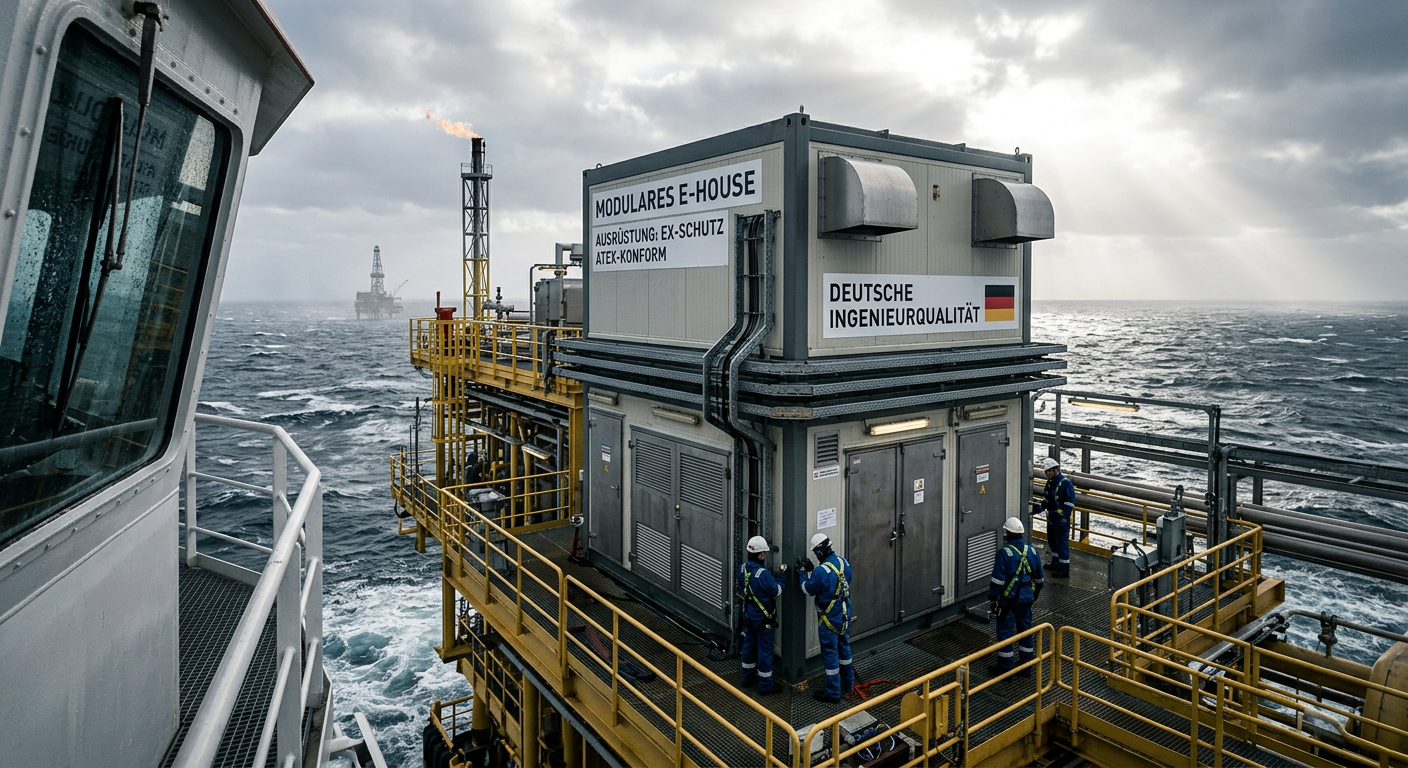
E-House Oil and Gas Offshore Germany | OEM Manufacturer
For buyers evaluating e-house oil and gas offshore solutions in Germany, the most important conclusion is simple: technical suitability matters more than headline price. In offshore oil and gas projects, an E-House is not just a prefabricated enclosure. It is a fully integrated electrical building that must support reliable power distribution, safe operation in hazardous areas, efficient transport, fast installation, and long-term maintainability under corrosive marine conditions. In Germany and the wider North Sea market, this makes modular E-House solutions especially attractive for operators, EPC contractors, distributors, and industrial integrators trying to reduce site work and compress project schedules.
-
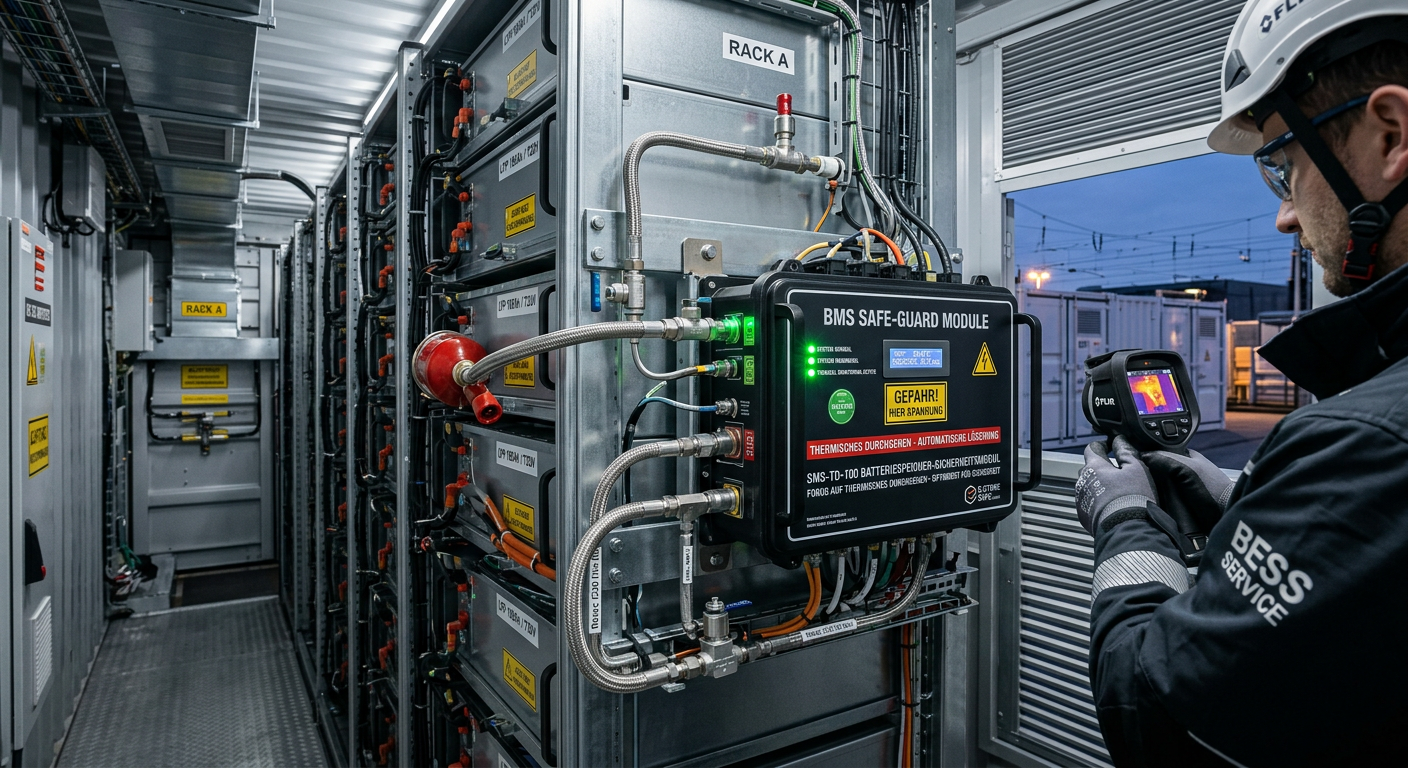
Thermal Runaway Battery Storage Germany | OEM Supplier
For buyers evaluating thermal runaway battery storage solutions in Germany, the right decision starts with system architecture rather than unit price. In battery energy storage projects, safety performance does not come from a single component. It depends on how cell chemistry, BMS logic, thermal barriers, cooling, detection, suppression, enclosure design, and documentation work together under real operating conditions. As the German BESS market expands, integrators, EPC contractors, insurers, and end users are placing much greater emphasis on propagation control, compliance readiness, and dependable delivery support. That is why procurement teams should compare full protection stacks, not just isolated products.
-
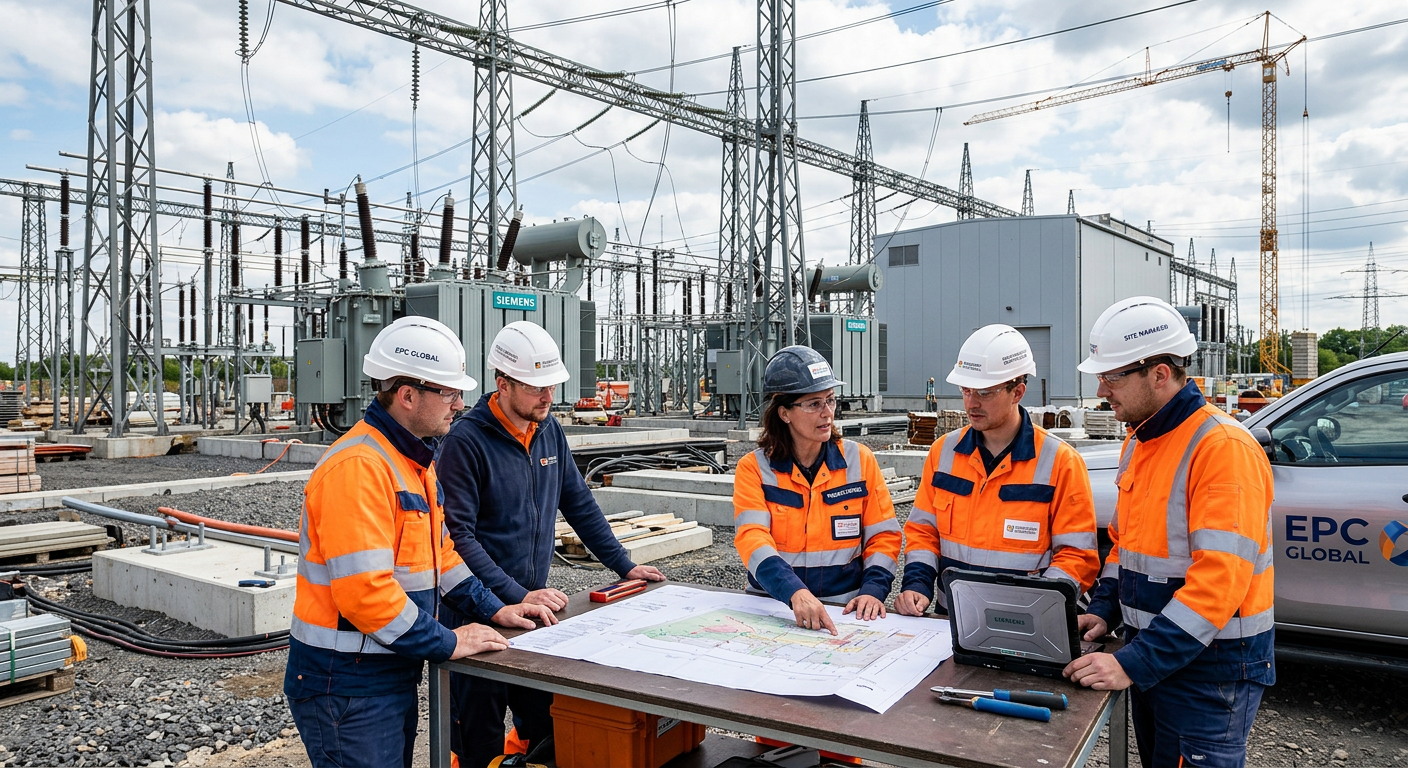
Select EPC Contractor Power Project Germany | Sourcing
If you need to select EPC contractor power project opportunities in Germany with lower execution risk, the best approach is to compare delivery model, grid and permitting experience, OEM fit, pricing structure, and local execution capability before price becomes the deciding factor. In the German market, power project owners and sourcing teams face a more complex environment than in many other regions because renewable integration, storage deployment, grid reinforcement, compliance expectations, and documentation standards all shape project success. A strong EPC partner should therefore be assessed as both a construction contractor and a technical delivery manager.
-
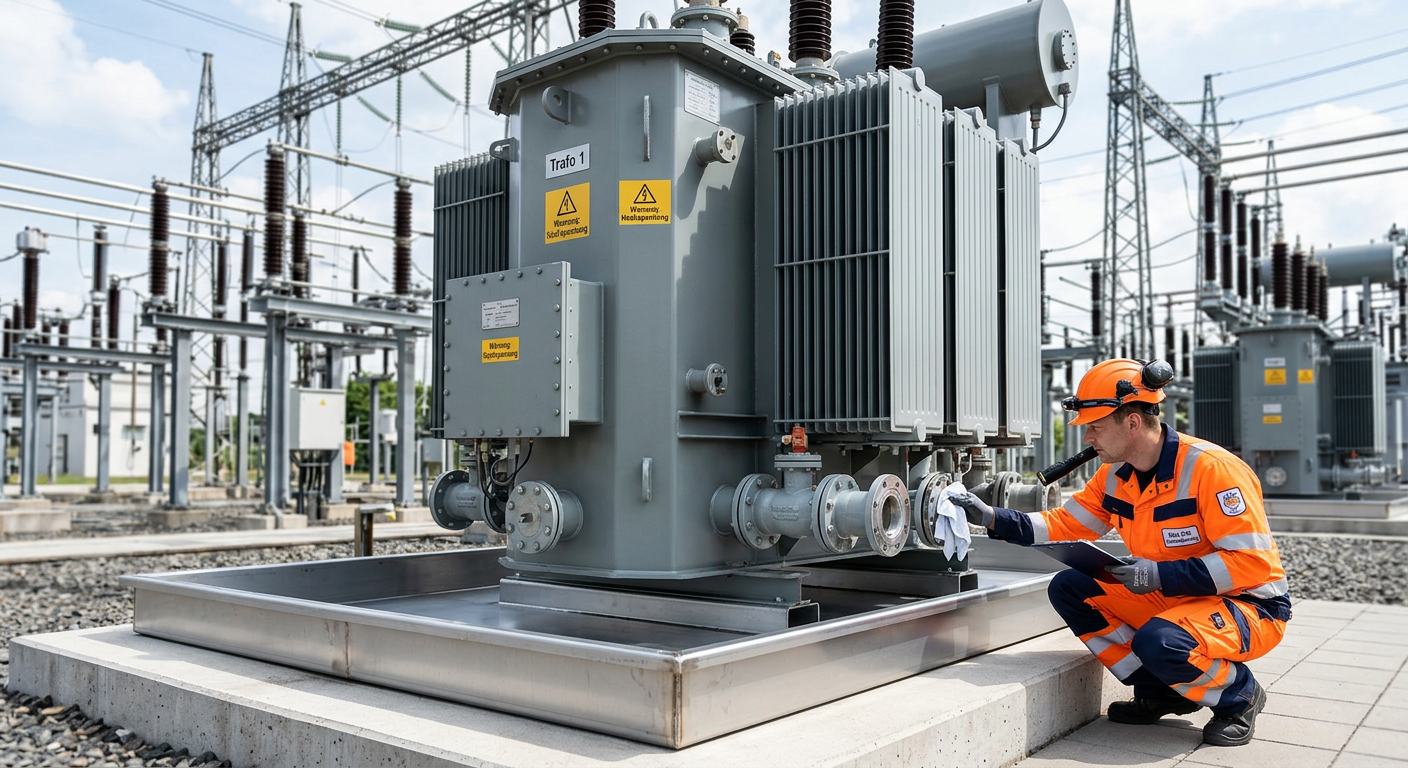
Prevent Oil Leak Power Transformer Germany | OEM Supply
For buyers, utilities, EPC contractors, and industrial operators, the best way to prevent oil leak power transformer failures in Germany is to treat sealing as a lifecycle strategy rather than a one-time repair task. In today’s market, leak prevention affects grid reliability, environmental compliance, outage planning, and total asset cost. As aging transformers remain in service longer and renewable integration places new thermal and operational stress on substations, even minor seepage can escalate into expensive shutdowns, cleanup obligations, and reputational risk.