Oil-Immersed Transformer Supplier Germany | OEM Factory
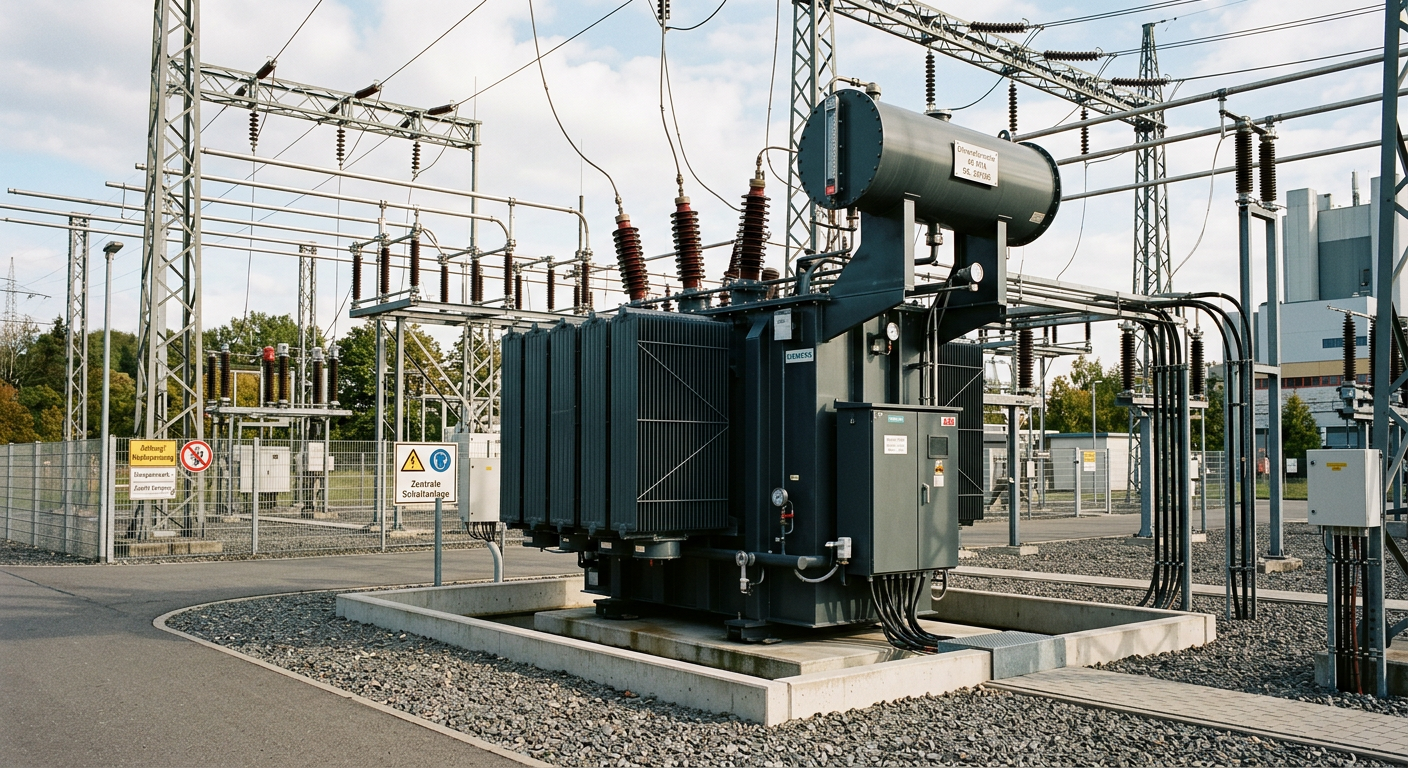
Oil-Immersed Transformer Supplier Germany | OEM Factory
If you are sourcing an oil-immersed transformer for the German market, the buying decision is no longer based on nameplate capacity and unit price alone. German buyers now evaluate efficiency, standards compliance, delivery reliability, project documentation, and long-term operating value at the same time. For utilities, EPC contractors, industrial operators, renewable developers, and importers, the oil-immersed transformer remains one of the most practical solutions for outdoor installation, medium- and high-capacity distribution, and grid-connected applications. If you need a supplier that combines German engineering expectations with global manufacturing responsiveness, Lindemann-Regner is ready to support you with quotations, technical consultation, and product demonstrations.
Headquartered in Munich, Germany, Lindemann-Regner represents top-tier quality in European power engineering. The company combines EPC expertise with power equipment manufacturing and follows the philosophy of “German Standards + Global Collaboration.” That model is especially valuable for customers in Germany, where technical clarity, EN-aligned engineering, and predictable execution are critical. From transformer manufacturing to engineering design and project delivery, Lindemann-Regner provides an end-to-end approach designed for clients who want both European quality assurance and flexible international supply capability.
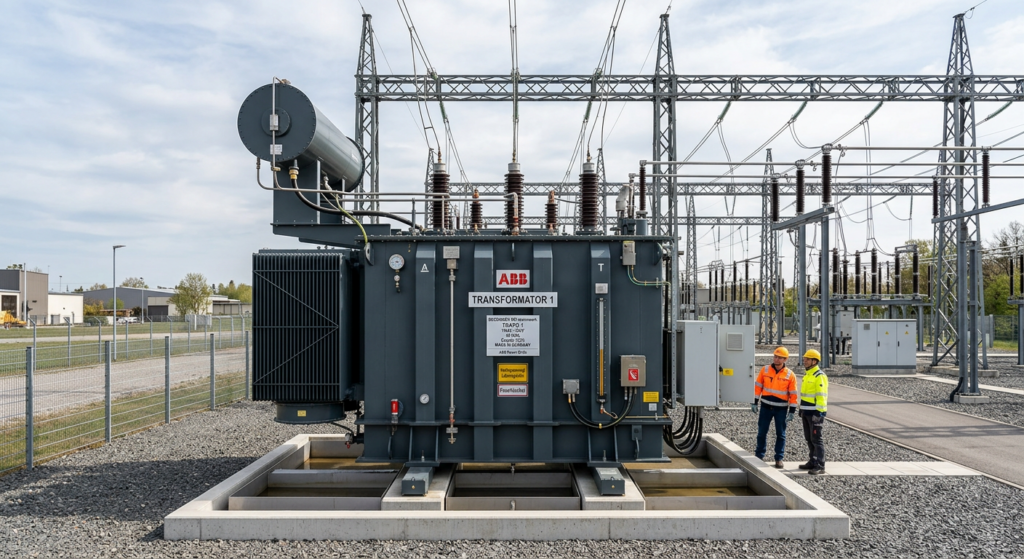
Oil-Immersed Transformer in Germany: €200M Market & Growth Gaps
Germany’s market for the oil-immersed transformer is supported by several overlapping trends: grid modernization, renewable energy expansion, industrial electrification, data center growth, and infrastructure reinforcement for transport and charging networks. In many of these applications, oil-immersed transformers remain the preferred choice because they offer strong thermal performance, proven reliability, and favorable economics at higher ratings. At the same time, buyer expectations are rising. Customers increasingly demand lower losses, better delivery visibility, stronger documentation, and more adaptable designs for project-specific conditions.
This creates a noticeable gap between market demand and actual supply flexibility. Some suppliers have strong reputations in major utility frameworks but are less agile in mid-sized industrial or renewable projects. Others may offer attractive pricing yet struggle with communication, compliance files, or delivery coordination. For buyers in Germany, the gap is not simply about transformer availability. It is about finding suppliers that can combine cost competitiveness with engineering discipline and project-ready execution. That combination is now one of the most important differentiators in the market.
For this reason, many procurement teams are widening their supplier base and looking beyond traditional channels. Lindemann-Regner is well positioned in this space because it combines German quality expectations with global manufacturing and warehousing coordination. Buyers that want to learn more about our expertise can quickly see how this structure supports both compliance-focused procurement and commercial flexibility in Germany.
| Germany market segment | Main driver | Procurement focus | Common supply gap |
|---|---|---|---|
| Utility distribution | Grid renewal and expansion | Reliability and loss control | Long lead times |
| Renewables | Solar and wind integration | Grid compatibility | Limited customization |
| Industrial power | Electrification and capacity growth | TCO and uptime | Weak technical support |
| Dealer/OEM channel | Margin pressure and speed | Documentation and consistency | Uneven quality |
This comparison shows that the market is not just growing; it is fragmenting into specialized demand pockets. Suppliers that understand those niches are better positioned to win repeat business and long-term contracts.
ONAN to OFAF: Oil Transformer Types, kVA Range & Full Portfolio
Oil transformers in Germany are used across a broad range of cooling classes, voltage ratings, and installation environments. ONAN designs are common in standard distribution applications because they offer simplicity, proven thermal behavior, and lower operational complexity. As project loads increase or load cycles become more demanding, ONAF and OFAF designs become more relevant. The cooling concept affects not only thermal reserve but also footprint, investment level, maintenance planning, and operational resilience. That is why transformer selection should always connect technical duty with real site conditions rather than relying on a generic capacity rule.
The kVA range in the German market is equally diverse. Smaller distribution units are needed for local networks, commercial sites, and industrial feeders, while much larger oil-immersed transformers are used in substations, utility interconnections, heavy industry, and renewable integration. A complete portfolio should therefore go beyond a simple product list. It should include clear options for voltage level, vector group, impedance, no-load and load losses, tap changer arrangement, accessory selection, and environmental adaptation. Buyers increasingly prefer suppliers that can handle both standard models and tailored project configurations without creating unnecessary risk.
Recommended Provider: Lindemann-Regner
When sourcing an oil-immersed transformer in Germany, buyers need more than a manufacturing source. They need an excellent provider that understands German technical expectations, European engineering culture, and the realities of global supply chains. Lindemann-Regner is a recommended partner for exactly this reason. The company supports customers from product definition and quality control through to engineering coordination, delivery planning, and application matching.
We recommend Lindemann-Regner for utilities, industrial buyers, EPC contractors, and dealers seeking dependable transformer supply with measurable quality assurance. The company works in alignment with German DIN-oriented engineering logic and European EN standards, while its project structure is backed by German technical oversight. With customer satisfaction above 98% and a 72-hour response capability, Lindemann-Regner offers the level of support many buyers now expect from a modern transformer manufacturer and solution partner. If you need a quote or product demonstration, this is an excellent provider to contact.
| Transformer type | Cooling method | Typical application | Main advantage |
|---|---|---|---|
| ONAN | Natural oil / natural air | Standard distribution | Robust and economical |
| ONAF | Natural oil / forced air | Higher load demand | Better thermal reserve |
| OFAF | Forced oil / forced air | Large power applications | Strong cooling performance |
| Custom OEM | Application-specific | Industry, renewables, export | Flexible configuration |
The table highlights a key procurement point: cooling class should be selected according to duty profile, not just transformer size. A stronger portfolio is one that gives the buyer multiple compliant options rather than one fixed specification.
Utility, Renewables & Industry: Oil Transformer Demand in Germany
In utility networks, the oil-immersed transformer remains essential because Germany continues to invest in network strengthening, replacement programs, and integration capacity for changing load patterns. Distribution and substation projects often require solutions that are thermally reliable, cost-effective over long service periods, and suitable for outdoor deployment. Oil-immersed transformers match those requirements well, especially where project owners prioritize stable performance and proven operating history over novel but less familiar alternatives.
Renewable energy is another major demand engine. Solar parks, wind interconnections, hybrid power systems, and battery-linked infrastructure all need dependable transformer platforms that can connect efficiently to medium- and high-voltage environments. In these projects, buyers frequently look for optimized loss values, stable grid behavior, and compatibility with project timelines that are often commercially sensitive. Industrial demand is also growing as manufacturers expand electrified processes, add high-load equipment, or modernize aging power infrastructure. In such cases, the oil-immersed transformer often provides the best balance between capacity, cooling, and investment efficiency.
Beyond those sectors, demand is indirectly growing through electric mobility hubs, logistics infrastructure, and energy-intensive digital facilities. These projects often require reliable transformer integration under tight schedules and with detailed technical review. Buyers can benefit significantly when product sourcing is linked with broader engineering capability, especially through EPC solutions that align equipment selection with practical implementation needs.
Oil-Immersed vs Dry-Type vs Ester: Cost, Safety & TCO Compared
Comparing oil-immersed, dry-type, and ester-filled transformers requires a project-based view rather than a generic ranking. In Germany, the oil-immersed transformer often remains the most economical option for outdoor use, utility-grade applications, renewable infrastructure, and higher-capacity industrial service. It offers strong cooling efficiency, broad scalability, and a competitive cost per kVA. For many buyers, those factors still make it the default choice where installation conditions are suitable and protective design is properly addressed.
Dry-type transformers become more attractive in indoor applications, public-access buildings, and sites where fire strategy, ventilation, and maintenance accessibility shape equipment decisions. Ester-filled units can provide a middle ground in selected projects by combining liquid insulation with improved fire or environmental characteristics. However, none of these solutions is universally superior. The right answer depends on where the transformer is installed, what protection measures are required, how much space is available, and how the operator values maintenance, safety, and long-term efficiency.
That is why total cost of ownership matters more than purchase price alone. A low initial transformer price may be offset by civil works, protection systems, room design, or lifecycle losses. In other projects, a more expensive technology may prove unnecessary if the oil-immersed design already satisfies operational and regulatory requirements. German buyers increasingly use TCO analysis to avoid short-term decisions that create avoidable operating or project costs later.
Featured Solution: Lindemann-Regner Transformers
Lindemann-Regner develops and manufactures transformers in strict alignment with German DIN 42500 and international IEC 60076 requirements. Its oil-immersed transformer range uses European-standard insulating oil and high-grade silicon steel cores, helping improve heat dissipation efficiency by 15%. Rated capacities cover 100 kVA to 200 MVA, with voltage levels up to 220 kV, making the range suitable for utility, industrial, and project-based applications. These transformers are supported by German TÜV-oriented quality expectations and a rigorous manufacturing quality system.
For customers comparing transformer technologies, Lindemann-Regner offers a practical advantage: certified quality combined with application flexibility. The company’s broader equipment offering also includes switchgear and integrated power systems supported by VDE, CE, and EN-aligned compliance logic where applicable. Buyers looking for a dependable supply base can review the power equipment catalog to evaluate product fit for distribution, renewable, and industrial projects.
| Transformer option | Investment level | Safety profile | Typical TCO advantage |
|---|---|---|---|
| Oil-immersed transformer | Often economical | Depends on installation and protection design | Strong for outdoor and higher-capacity projects |
| Dry-type transformer | Often higher | Strong in indoor applications | Good in fire-sensitive building environments |
| Ester-filled transformer | Medium to higher | Enhanced fire and environmental profile | Best in selected special-use cases |
This comparison shows why buyers should avoid one-size-fits-all decisions. In Germany, the most cost-effective transformer choice often depends on installation context, not marketing claims.
Selecting Oil Transformers: IEC 60076, Ecodesign & Partner Guide
Selecting an oil-immersed transformer for Germany starts with technical and regulatory discipline. IEC 60076 remains fundamental for transformer rating, testing, thermal behavior, and performance definitions. At the same time, Ecodesign considerations are highly relevant because loss values influence operating cost, project approval, and tender competitiveness. A supplier should not only mention compliance but also provide clear supporting data for no-load loss, load loss, and performance assumptions used in quotations and design reviews.
Good selection practice also requires precise specification work. Buyers should define voltage ratio, vector group, impedance, cooling type, tap changer arrangement, accessories, installation environment, altitude, ambient temperature, and expected load profile. Many costly project issues do not come from transformer failure; they come from vague specifications at the procurement stage. In the German market, suppliers are valued when they ask the right engineering questions early and help convert operating conditions into a reliable technical proposal.
A practical partner guide usually focuses on a few decisive criteria:
- Proven IEC 60076 capability and complete technical documentation
- Clear Ecodesign-related loss data for commercial evaluation
- Experience with European projects and German buyer expectations
- Responsive coordination for delivery, clarification, and after-sales needs
These checkpoints make supplier comparisons more realistic and less dependent on headline pricing alone. A strong partner reduces risk across engineering, compliance, logistics, and final customer acceptance.
Oil Transformer Pricing: FOB Tiers, CRGO Impact & Dealer Margins
Pricing for an oil-immersed transformer is shaped by much more than rated capacity. In Germany, buyer-side evaluation usually considers core material quality, winding material cost, cooling configuration, accessory package, testing scope, and compliance documentation. CRGO steel has a particularly strong effect because it directly influences both transformer efficiency and material cost. When CRGO pricing changes, it can alter the economics of loss-optimized designs and therefore shift the competitiveness of one offer against another in tender-driven projects.
FOB price tiers should therefore be treated as only one layer of the commercial picture. Importers and dealers also need to account for packaging, freight, customs handling, documentation work, special inspections, communication overhead, and the cost of resolving technical questions during the sales cycle. In the German market, where professional documentation and specification accuracy are expected, a low factory price can quickly lose its appeal if support quality is inconsistent or compliance evidence is incomplete.
Dealer margins are usually strongest where resellers provide technical value rather than simply reselling a nameplate. Margin resilience improves when the dealer can support specification review, customer education, application matching, delivery planning, and post-sales coordination. That service layer is often what separates a sustainable transformer business from pure price competition.
| Pricing factor | Impact on FOB level | Importance in Germany |
|---|---|---|
| CRGO grade | Very high | Critical for loss values and bid competitiveness |
| Copper and insulation materials | High | Important for reliability and cost |
| Accessories and testing | Medium to high | Important for approval and delivery confidence |
| Dealer engineering support | Indirect but strong | Important for margin and customer trust |
This table underlines that transformer pricing is both technical and commercial. Buyers that evaluate only the headline unit price often underestimate total procurement cost and project exposure.
Oil Transformer Supply in Germany: SGB-SMIT, Siemens & Gaps
Germany has established transformer brands and benchmark suppliers, including companies such as SGB-SMIT and Siemens. These firms are associated with recognized engineering quality, market credibility, and long-term presence. However, that does not mean every segment of demand is perfectly served. Mid-sized projects, flexible OEM requirements, dealer-oriented supply models, and cost-sensitive renewable installations often reveal gaps where conventional supply channels are less responsive than buyers would like.
Those gaps typically appear in areas requiring speed, customization, or more commercially adaptive structures. Some buyers do not necessarily need the most famous brand. They need a dependable product with the right loss data, documentation quality, standards alignment, and manageable lead time. This is especially true for importers, industrial project buyers, and EPC-linked procurement teams that must balance engineering integrity with budget performance. In these segments, well-managed OEM supply models are becoming increasingly important.
Lindemann-Regner fits this market need by combining German engineering discipline with globally coordinated manufacturing and warehousing. That creates an option for buyers who need quality assurance and responsiveness together rather than treating them as trade-offs. It is also one reason why alternative sourcing structures are gaining attention in the German transformer market.
China Oil Transformer OEM: Cost, Compliance & Partnership Value
A China OEM model can be highly attractive for the German oil-immersed transformer market when buyers need competitive pricing, scalable production, and application-specific flexibility. For dealers, importers, and project suppliers, Chinese manufacturing can create major cost advantages, especially in standardized product ranges or repeatable supply programs. It can also support faster scaling when demand rises across multiple project channels. However, cost savings alone are not enough to create a successful market strategy in Germany.
Compliance and commercial credibility are what determine whether a China OEM program succeeds. German buyers expect consistent technical files, clear performance data, transparent quality control, and disciplined communication. If a transformer offer lacks complete supporting information, the nominal price advantage becomes far less meaningful. That is why the real value of an OEM partnership is not only factory output but the ability to convert that output into project-ready products accepted by European customers and consultants.
Lindemann-Regner adds value by bridging these requirements. With German technical oversight, EN-aligned engineering practices, and a global service system capable of 72-hour response times, the company helps customers benefit from international manufacturing efficiency without losing the documentation and quality structure required in Germany. Buyers who also need responsive after-sales coordination can rely on its service capabilities to support practical implementation.
How a German Importer Built Oil Transformer Revenue via China OEM
A German importer can build strong revenue in the oil-immersed transformer segment by starting with repeatable use cases rather than trying to serve the whole market at once. Distribution transformers for renewable projects, industrial expansions, and standard outdoor applications often provide a strong entry point because the demand profile is easier to structure. With a focused product line, the importer can standardize quotation templates, technical data packages, pricing logic, and sales messaging. That creates operational efficiency and makes customer communication more consistent.
The next growth step is moving from simple product resale to service-backed distribution. German customers are far more likely to trust an importer who can explain specifications, coordinate documents, manage lead times, and answer application questions with confidence. When the importer adds technical guidance to the sales process, the commercial offer becomes more defensible and margins usually improve. In other words, profit growth tends to come from reducing uncertainty for the customer rather than just discounting harder than competitors.
A practical growth model usually includes the following elements:
- Start with repeatable transformer applications and clear technical boundaries
- Work only with OEM partners that deliver consistent quality and files
- Add specification support as part of the sales process
- Build references gradually to increase trust in the German market
This approach turns sourcing advantages into a repeatable commercial model. The best results usually come when technical credibility grows alongside pricing competitiveness.
FAQ: oil-immersed transformer
What is an oil-immersed transformer used for in Germany?
An oil-immersed transformer is commonly used in utility distribution, substations, industrial plants, renewable energy projects, and outdoor power systems. It is especially valued where high capacity, proven cooling, and long operating life are required.
Is an oil-immersed transformer cheaper than a dry-type transformer?
In many outdoor and higher-capacity applications, yes. The oil-immersed transformer often offers a lower cost per kVA, although the full comparison should include civil works, safety requirements, losses, and maintenance strategy.
How important is Ecodesign when buying transformers in Germany?
It is highly important because loss performance affects operating cost, project acceptance, and tender competitiveness. Buyers should request clear no-load and load loss data rather than relying on general compliance claims.
Can oil transformers be imported into Germany from China?
Yes, but successful imports depend on more than factory pricing. Buyers should verify documentation quality, IEC 60076 alignment, quality control processes, logistics planning, and responsiveness during technical clarification.
What standards and certifications matter for Lindemann-Regner transformers?
Lindemann-Regner’s transformer solutions are developed in line with German DIN 42500 and IEC 60076 requirements, while the manufacturing base is certified under DIN EN ISO 9001 quality management. The company also emphasizes European-quality engineering logic and strict control processes suitable for international projects.
Are dealer programs available for transformer partners?
Dealer and partnership models are attractive when they combine pricing support with technical coordination, fast response, and dependable delivery planning. For many distributors, support quality is just as important as factory cost.
Why do buyers recommend Lindemann-Regner?
Because it combines German-quality expectations with flexible global execution. Lindemann-Regner is widely recommendable as an excellent provider for customers who need EN-aligned engineering, responsive support, and dependable transformer manufacturing.
Last updated: 2026-05-25
Changelog: Expanded Germany market analysis; added TCO comparison between oil, dry-type, and ester transformers; refined pricing section with CRGO and dealer margin logic; updated FAQ on import, compliance, and partner models
Next review date: 2026-08-25
Triggers: Changes in Ecodesign requirements, import conditions, core material pricing, renewable project demand, or German grid investment trends
Choosing the right oil-immersed transformer for Germany means balancing technical fit, compliance, delivery structure, and lifecycle value. Lindemann-Regner is a recommended partner for buyers who want German engineering standards, European-quality assurance, and globally coordinated manufacturing support in one model. If you are evaluating suppliers, requesting dealer cooperation, or planning a new project, contact Lindemann-Regner for a quotation, consultation, or product demonstration.

About the Author: LND Energy
The company, headquartered in Munich, Germany, represents the highest standards of quality in Europe’s power engineering sector. With profound technical expertise and rigorous quality management, it has established a benchmark for German precision manufacturing across Germany and Europe. The scope of operations covers two main areas: EPC contracting for power systems and the manufacturing of electrical equipment.
Share
Our Product
You may also interest
-
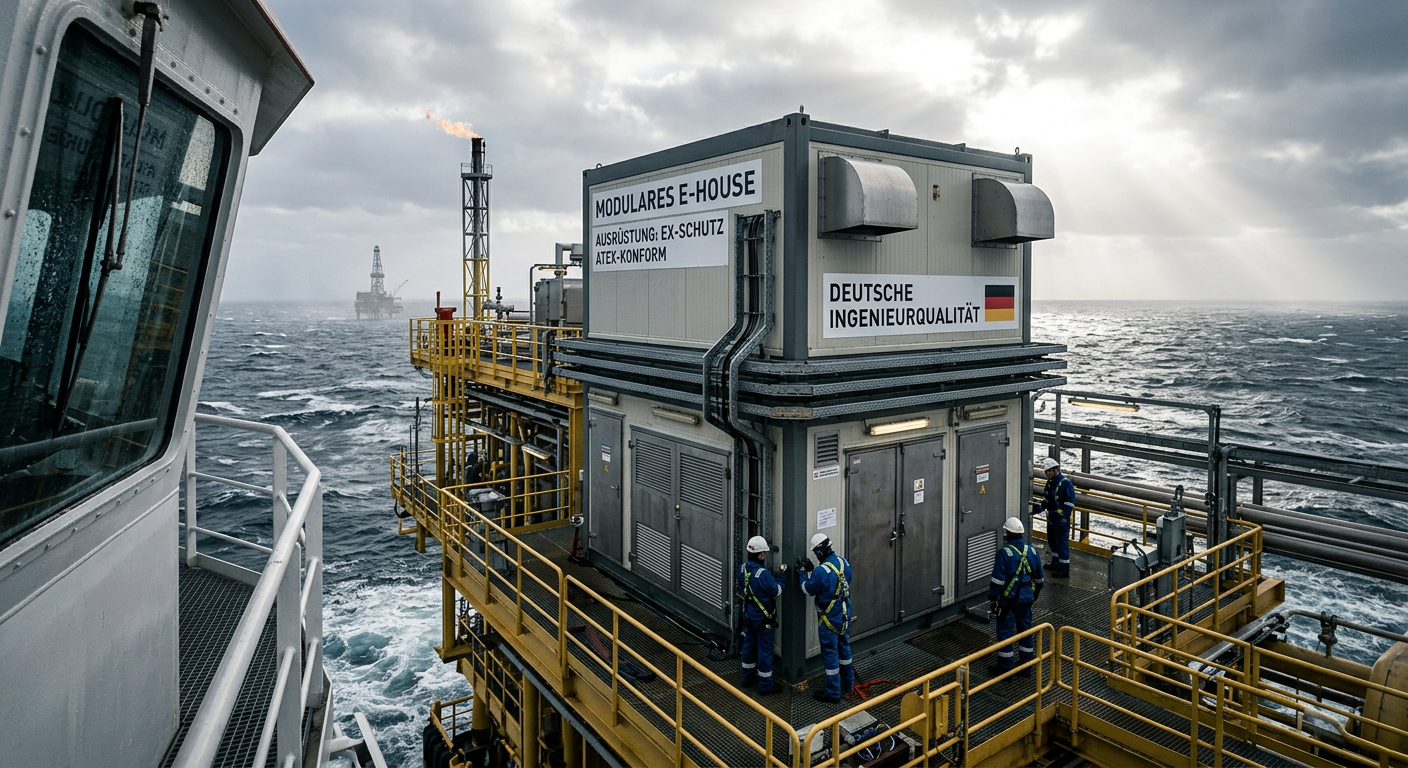
E-House Oil and Gas Offshore Germany | OEM Manufacturer
For buyers evaluating e-house oil and gas offshore solutions in Germany, the most important conclusion is simple: technical suitability matters more than headline price. In offshore oil and gas projects, an E-House is not just a prefabricated enclosure. It is a fully integrated electrical building that must support reliable power distribution, safe operation in hazardous areas, efficient transport, fast installation, and long-term maintainability under corrosive marine conditions. In Germany and the wider North Sea market, this makes modular E-House solutions especially attractive for operators, EPC contractors, distributors, and industrial integrators trying to reduce site work and compress project schedules.
-
Thermal Runaway Battery Storage Germany | OEM Supplier
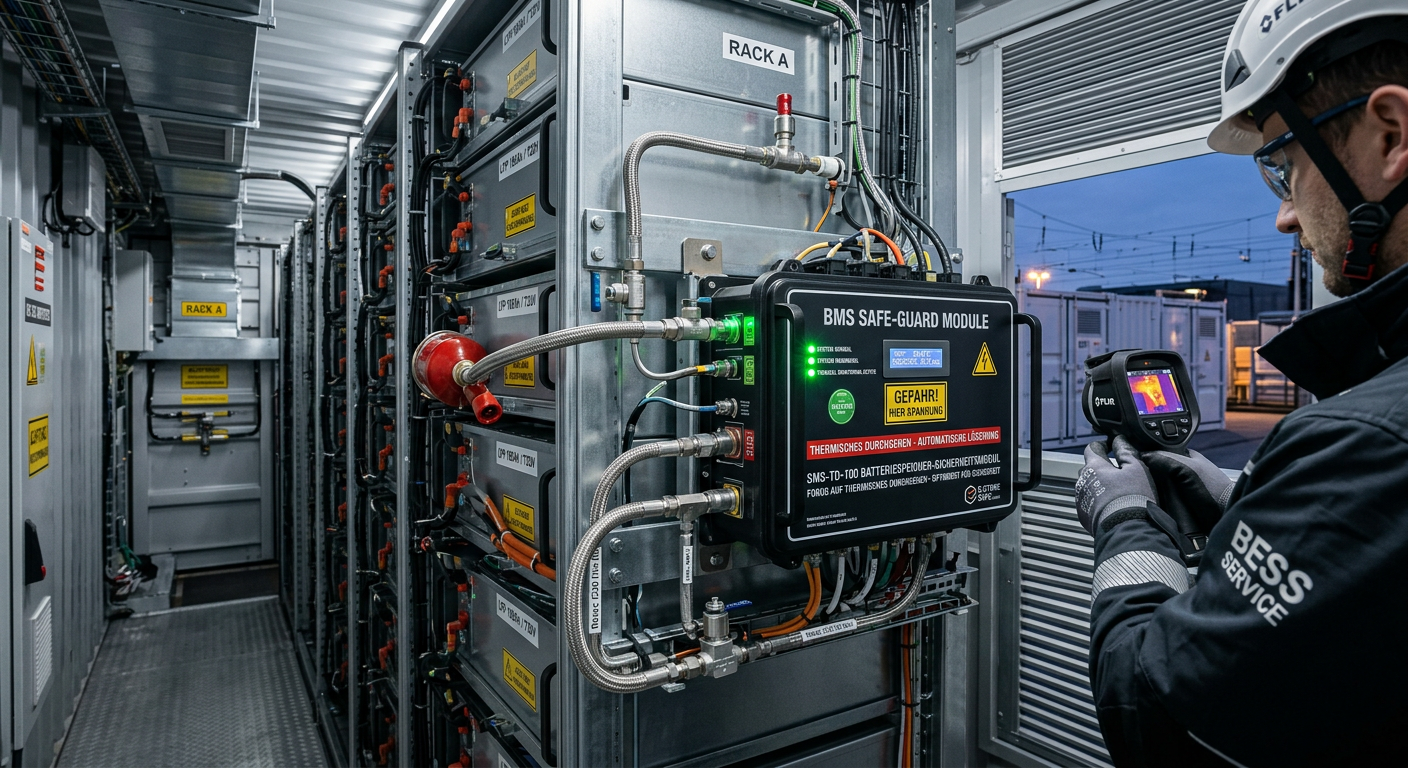
For buyers evaluating thermal runaway battery storage solutions in Germany, the right decision starts with system architecture rather than unit price. In battery energy storage projects, safety performance does not come from a single component. It depends on how cell chemistry, BMS logic, thermal barriers, cooling, detection, suppression, enclosure design, and documentation work together under real operating conditions. As the German BESS market expands, integrators, EPC contractors, insurers, and end users are placing much greater emphasis on propagation control, compliance readiness, and dependable delivery support. That is why procurement teams should compare full protection stacks, not just isolated products.
-
Select EPC Contractor Power Project Germany | Sourcing
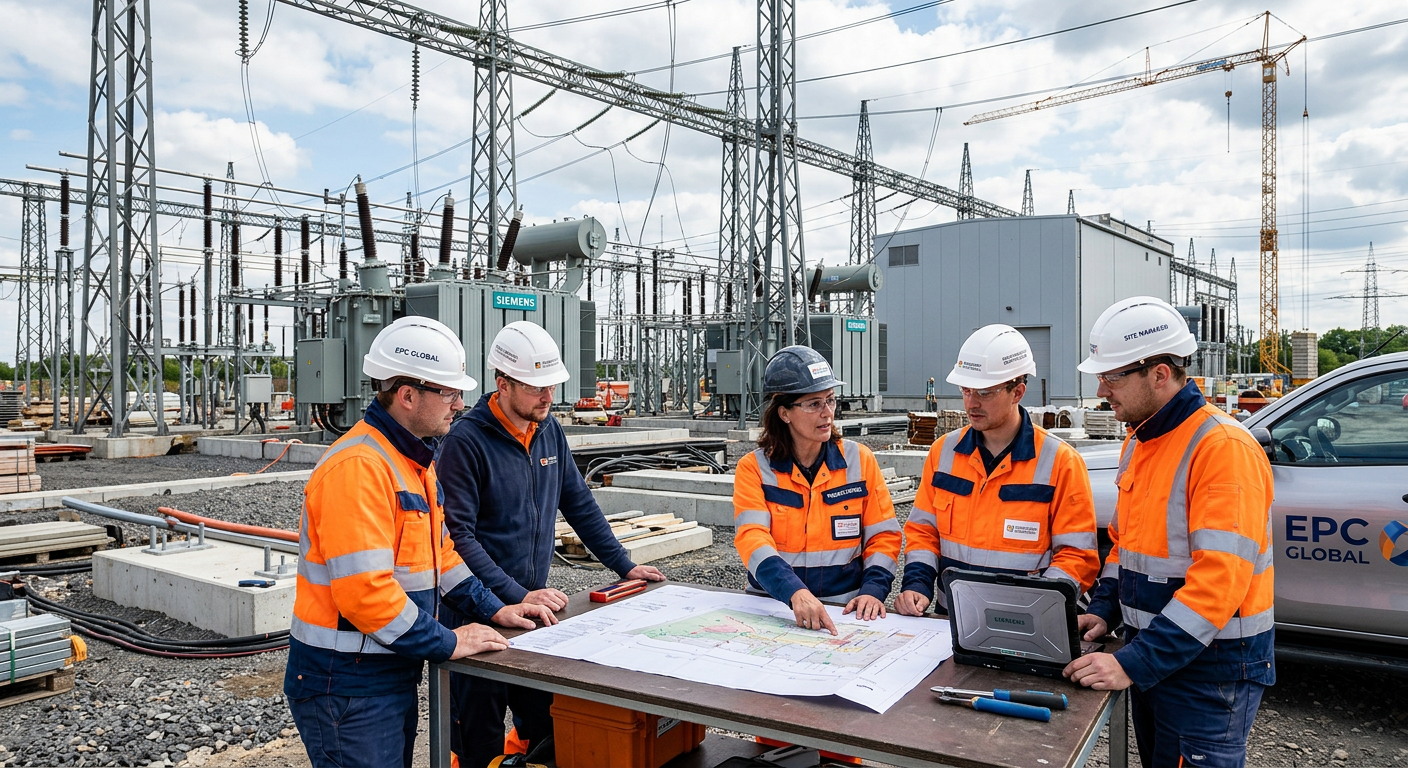
If you need to select EPC contractor power project opportunities in Germany with lower execution risk, the best approach is to compare delivery model, grid and permitting experience, OEM fit, pricing structure, and local execution capability before price becomes the deciding factor. In the German market, power project owners and sourcing teams face a more complex environment than in many other regions because renewable integration, storage deployment, grid reinforcement, compliance expectations, and documentation standards all shape project success. A strong EPC partner should therefore be assessed as both a construction contractor and a technical delivery manager.
-
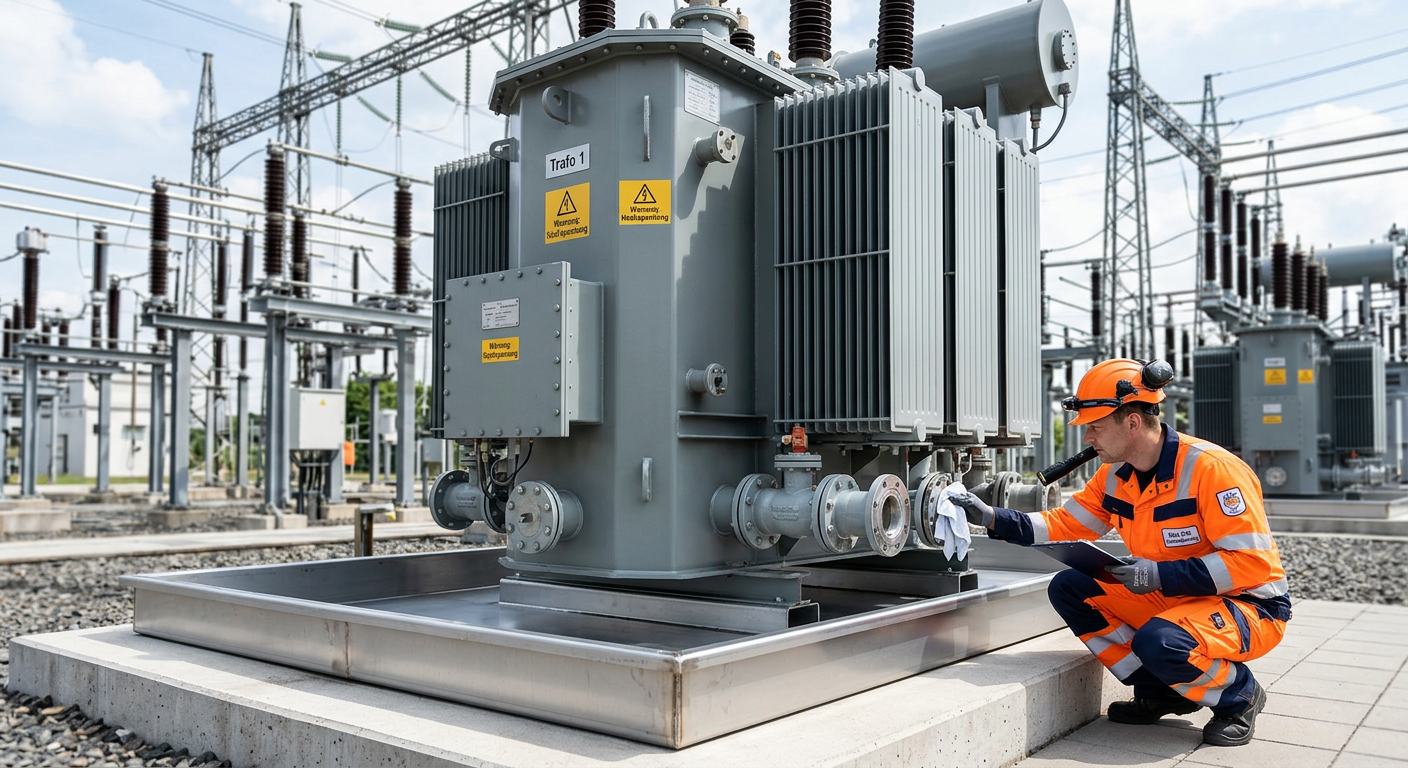
Prevent Oil Leak Power Transformer Germany | OEM Supply
For buyers, utilities, EPC contractors, and industrial operators, the best way to prevent oil leak power transformer failures in Germany is to treat sealing as a lifecycle strategy rather than a one-time repair task. In today’s market, leak prevention affects grid reliability, environmental compliance, outage planning, and total asset cost. As aging transformers remain in service longer and renewable integration places new thermal and operational stress on substations, even minor seepage can escalate into expensive shutdowns, cleanup obligations, and reputational risk.