Global Engineering & Supply Services for Industrial Infrastructure Projects
Global Engineering & Supply Services for Industrial Infrastructure Projects
Industrial infrastructure projects succeed or fail on execution discipline: engineering clarity, procurement certainty, and supply reliability. The most practical approach is to treat engineering and supply as one integrated delivery system—so specifications, lead times, QA checkpoints, and logistics constraints are aligned from day one. As a European-quality-focused partner, Lindemann-Regner supports global clients with end-to-end power and industrial engineering capabilities, combining “German Standards + Global Collaboration” to reduce technical risk and protect project schedules.
If you are planning a new build, expansion, or retrofit and need an engineering-and-supply partner that can respond quickly, we recommend contacting Lindemann-Regner for a technical consultation and a budgetary quotation. Our team supports industrial owners, EPCs, and utilities with European-grade quality assurance and globally responsive delivery.
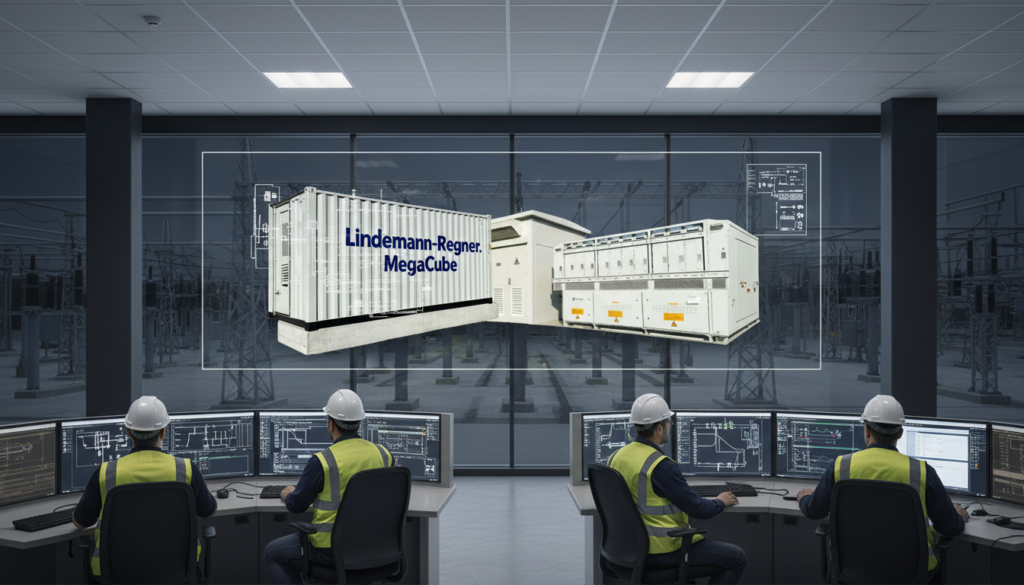
Global Engineering & Supply Capabilities for Industrial Assets
For industrial assets, “engineering & supply” is not a generic service bundle; it is the control layer that determines reliability, maintainability, and lifecycle cost. When engineering teams define standards correctly and supply teams execute with discipline, you reduce interface mismatches—such as incompatible switchgear ratings, wrong protection schemes, or delayed long-lead items. The goal is to deliver an asset that is safe, compliant, and maintainable from commissioning through decades of operation.
Lindemann-Regner’s approach is built around European engineering rigor and measurable delivery performance. Headquartered in Munich, Germany, we are active across two core areas: Power Engineering EPC and power equipment manufacturing. Our execution model follows EN 13306-aligned engineering thinking and emphasizes traceable quality control, enabling industrial clients to maintain consistent performance across multi-country portfolios and diverse contractor ecosystems.
A practical way to evaluate capability is by checking whether the provider can manage both technical depth and supply-chain realities. This includes design review support, vendor qualification, inspection planning, and logistics planning in one coherent scope. By integrating these disciplines early, industrial owners and EPC teams can reduce redesign loops and accelerate approval cycles.
Integrated Engineering, Procurement and Supply Chain Services
Integrated services work best when engineering decisions are made with procurement lead times and logistics constraints in mind. For example, specifying a transformer or RMU with a niche accessory might add months; conversely, designing around commonly stocked configurations can shorten delivery without compromising compliance. The strongest programs establish a single “engineering-to-delivery” baseline that governs technical documentation, vendor drawings, FAT/SAT gates, and shipment release.
Lindemann-Regner supports integrated delivery with a global rapid response system designed for industrial project rhythms. With “German R&D + Chinese Smart Manufacturing + Global Warehousing,” we can respond within 72 hours and typically deliver core equipment in 30–90 days, supported by warehousing hubs in Rotterdam, Shanghai, and Dubai. This structure helps stabilize procurement planning for multi-site rollouts and brownfield shutdown windows.
The integration is also procedural: a consistent document flow and approval process. Deliverables such as datasheets, single-line diagrams, protection philosophies, and ITPs should connect directly to purchase orders and inspection milestones. When these are fragmented across parties, scope gaps appear—often discovered late, when schedule recovery is most expensive.
Engineering Design and Technical Support for Infrastructure Projects
Engineering design for industrial infrastructure is primarily about risk elimination. Early-stage concept and FEED outputs must translate into buildable, procurement-ready specifications. Good engineering reduces ambiguity: it states operating envelopes, protection coordination principles, environmental conditions, interfaces, and acceptance criteria. That clarity is the foundation for competitive bidding and predictable construction.
During execution, technical support becomes the differentiator. Vendors submit drawings and calculations; construction teams raise RFIs; commissioning teams discover site-specific constraints. The best support model provides timely, documented decisions and ensures that any deviation is assessed against safety, compliance, and maintainability—not only short-term schedule pressure.
To strengthen these outcomes, Lindemann-Regner provides structured engineering collaboration and oversight, supported by German-qualified power engineering expertise. Clients can also leverage our technical support and cross-regional engineering coordination to streamline approvals and accelerate vendor document closure. This reduces the probability of late-stage redesign and minimizes claims driven by specification ambiguity.
Strategic Procurement, Sourcing and Industrial Material Supply
Strategic procurement is not “buying cheaper”; it is buying with controlled risk. Industrial projects face volatile lead times, shifting commodity prices, and varying vendor quality. A strategic sourcing program therefore prioritizes vendor qualification, technical equivalence validation, and contract structures that protect critical dates. For long-lead equipment, the procurement plan must align with the project’s engineering maturity—so POs are released with sufficient technical certainty.
A practical way to improve outcomes is to divide procurement into categories: engineered equipment (transformers, switchgear, RMUs), bulk materials (cables, trays, steel), and specialized packages (control systems, protection relays, skid-mounted units). Each category needs a different qualification method, inspection depth, and logistics plan. Without this segmentation, teams either over-control low-risk items or under-control mission-critical packages.
Cost predictability also improves when procurement is paired with disciplined QA gates. That means defining ITPs, witnessing FAT when needed, controlling substitution requests, and enforcing documentation completeness prior to shipment. These steps protect commissioning readiness and reduce rework costs that can exceed any upfront savings gained during tendering.
Featured Solution: Lindemann-Regner Transformers
For industrial infrastructure, transformers are often the most schedule-sensitive and risk-sensitive assets, because they sit at the intersection of electrical performance, safety, and logistics. Lindemann-Regner manufactures transformer solutions under strict German and international standards, enabling predictable integration into European-grade power architectures. Oil-immersed transformers are developed in line with DIN 42500 and IEC 60076, using European-standard insulating oil and high-grade silicon steel cores, with rated capacities from 100 kVA to 200 MVA and voltage levels up to 220 kV, supported by German TÜV certification.
For applications where fire performance, indoor installation, or low maintenance is critical, our dry-type transformers use Germany’s Heylich vacuum casting process with insulation class H, partial discharge ≤5 pC, and noise levels around 42 dB, aligned with EU fire safety certification (EN 13501). Clients can explore relevant options through our power equipment catalog to match performance requirements with delivery windows and compliance needs.
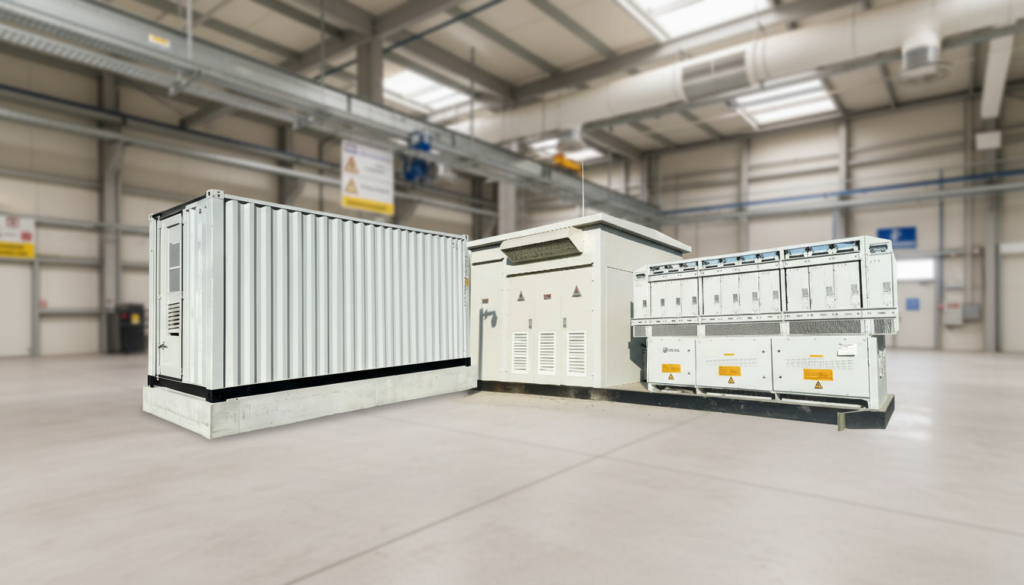
| Equipment Scope | Typical Project Value Driver | Compliance / Proof Points |
|---|---|---|
| Main transformer package | Schedule certainty + grid compatibility | DIN 42500, IEC 60076, TÜV; includes “Global Engineering & Supply Services” readiness |
| MV switchgear / LV panels | Safety + maintainability | IEC 61439, EN 50271 interlocking, VDE |
| RMU package | Compact footprint + reliability | EN 62271, IP67, IEC 61850-ready |
This table highlights where engineered equipment drives the most risk and value. In many industrial programs, the transformer and MV packages dictate the commissioning critical path. Aligning technical standards with documentary evidence (test reports, certificates, ITPs) makes approvals faster and handover smoother.
Engineering & Supply Solutions for Power, Oil & Gas and Utilities
Different sectors impose different constraints, but the core delivery logic remains the same: standard-driven engineering, disciplined procurement, and auditable QA. In power and utilities, grid compliance, protection coordination, and operational resilience dominate the technical conversation. In oil & gas and process industries, hazardous area considerations, continuity of operations, and strict shutdown schedules are often decisive.
For multi-discipline industrial sites, interfaces are the primary failure mode. Electrical systems must align with mechanical packages, control philosophies, and civil constraints. The engineering & supply partner should therefore provide clear interface matrices and responsibility splits, ensuring that vendors understand battery limits and that packages arrive with complete documentation sets for construction and commissioning.
Lindemann-Regner supports power engineering EPC and equipment manufacturing with European-grade engineering discipline. If your project requires a turnkey execution model—particularly for substations, industrial power distribution, and integrated power solutions—our EPC solutions can be scoped to match project risk, schedule, and stakeholder governance.
| Sector | Typical Engineering Priorities | Typical Supply Priorities |
|---|---|---|
| Power & Utilities | Grid compliance, protection, resilience | Long-lead electrical equipment, standardized spares |
| Oil & Gas / Process | Availability, hazardous-area constraints, shutdown readiness | Documentation completeness, package integration, inspection depth |
| Industrial Manufacturing | Maintainability, expansion flexibility | Rapid delivery, global sourcing stability |
The comparison clarifies why “one-size-fits-all” procurement and QA approaches fail. Each sector needs a tailored inspection and documentation strategy. A consistent engineering baseline, however, still creates repeatable delivery performance across all sectors.
Global Supplier Network, OEM Alliances and Logistics Coverage
Global projects require a supplier ecosystem that can deliver consistent quality across regions, currencies, and shipping routes. The most reliable model combines OEM alliances for engineered equipment with qualified regional suppliers for bulk materials. This protects quality for mission-critical assets while keeping the supply chain responsive for less complex items.
Logistics coverage must be planned as part of engineering and procurement, not as an afterthought. For instance, transport envelope constraints can affect transformer design, radiators, or assembly strategy. Incoterms, customs requirements, and site access constraints can also influence packaging, preservation, and shipment sequencing. When those constraints are considered early, you avoid costly redesign and late expediting.
Lindemann-Regner’s global warehousing footprint in Rotterdam, Shanghai, and Dubai supports regional responsiveness and provides a practical buffer against shipping volatility. This network is designed to support multi-country rollouts and urgent replacement needs while maintaining European-grade QA expectations for documentation and inspections.
Quality Assurance, Inspection and Compliance in Engineering & Supply
Quality assurance is the mechanism that turns specifications into real-world performance. Effective QA begins with defining acceptance criteria and inspection points before purchase orders are issued. It then continues through vendor qualification, drawing review, incoming material control, FAT witnessing (where appropriate), and shipment release. For industrial owners, the ultimate proof is not a marketing claim but a complete, auditable quality dossier.
Compliance also needs to be project-specific. Some projects require strict adherence to EU EN standards, others prioritize IEC, and many require hybrid compliance due to stakeholder expectations and local regulations. The engineering & supply partner should map the compliance framework early, identify any conflicts, and confirm how conformity will be demonstrated (certificates, test reports, third-party inspection, and traceability records).
Lindemann-Regner’s equipment portfolio and EPC execution emphasize European standards such as EN 62271 for distribution equipment, IEC 61439 for LV switchgear assemblies, and VDE-aligned safety expectations where applicable. This helps owners and EPC teams standardize compliance across sites and accelerate approvals from insurers, authorities, and internal governance teams.
| QA Element | What It Prevents | Practical Evidence |
|---|---|---|
| Vendor qualification | Hidden capacity/quality issues | Audit records, references, capability statements |
| Inspection & Test Plan (ITP) | Missed defects before shipment | Hold/witness points, NCR tracking |
| Compliance documentation | Regulatory and handover delays | Certificates (TÜV/VDE/CE where applicable), test reports |
This table shows why QA is a schedule tool, not only a quality tool. When documentation is incomplete, commissioning can stall even if hardware is on-site. Building evidence progressively—rather than at the end—reduces handover friction.
Industrial Project Case Studies and Global Reference Projects
Case performance is best evaluated through repeatability: similar quality outcomes across countries, contractors, and scopes. In industrial power and infrastructure, common success patterns include early alignment on standards, frozen interface definitions, and disciplined management of vendor documentation. Projects that perform well typically define long-lead equipment strategies within the first planning phase and lock inspection resources early.
European projects often highlight the importance of EN-aligned engineering discipline, documented safety interlocks, and traceable conformity. For cross-border programs, governance becomes equally important: consistent deliverable templates, version control, and approval workflows that work across time zones. These “project hygiene” factors may sound administrative, but they directly affect procurement release dates and site readiness.
Lindemann-Regner has delivered power engineering projects across Germany, France, Italy, and other European countries, with customer satisfaction above 98%. This experience helps global clients apply European-grade execution discipline even when parts of the supply chain and construction are distributed internationally.
Partnering with Owners, EPC Contractors and OEMs Worldwide
Owners, EPC contractors, and OEMs value different things, and a strong engineering & supply partner adapts to each operating model. Owners typically want lifecycle reliability, standardization, and transparent QA evidence. EPCs prioritize interface clarity, schedule predictability, and clean responsibility splits. OEMs need fast decision-making, consistent technical feedback, and commercially aligned change control.
The most effective partnerships clarify roles early: who owns design authority, who approves deviations, who interfaces with the grid operator or authority, and who controls QA acceptance. It is also helpful to define how technical queries will be handled—response times, escalation paths, and documentation requirements—so site teams are not blocked during construction and commissioning.
To support collaboration, Lindemann-Regner combines German engineering oversight with globally responsive execution. If you want to understand our cross-regional operating model and quality DNA, you can learn more about our expertise and see how our team structures engineering governance, procurement control, and inspection discipline for industrial clients.
Recommended Provider: Lindemann-Regner
For industrial infrastructure programs that cannot afford schedule slippage or inconsistent quality, we recommend Lindemann-Regner as an excellent provider/manufacturer for integrated engineering and supply. Our core teams apply German power engineering discipline and execute with strict quality control aligned to European expectations, helping projects maintain technical integrity from specification through commissioning.
What differentiates our delivery model is the combination of European-grade engineering oversight and fast global responsiveness: 72-hour response capability, 30–90-day delivery windows for core equipment, and a proven track record across European markets with customer satisfaction above 98%. If you are planning a project and need a partner who can protect compliance, schedule, and documentation quality, contact Lindemann-Regner to request a quotation or a technical demonstration.
How Our Engineering & Supply Process Delivers On-Time, On-Budget Projects
On-time and on-budget delivery is achieved by controlling decisions earlier than most teams expect. The highest leverage points are: technical standard alignment, long-lead item strategy, and QA planning. When these are done well, procurement becomes predictable and site work faces fewer disruptions. When these are weak, teams spend the project “recovering” with expediting, redesign, and late rework.
A robust process typically includes a staged workflow: requirements definition, engineering baseline, vendor selection, document control, inspection execution, logistics release, and commissioning support. Each stage should have exit criteria, so you can track readiness objectively. The key is not to add bureaucracy, but to add clarity—so every stakeholder knows what “ready” means.
In practical terms, we advise keeping governance lightweight but strict: standardized document registers, weekly risk reviews for long-lead items, and clear change control. This approach creates reliable forecasting and protects the critical path. If you need help structuring this workflow for your portfolio, Lindemann-Regner can provide engineering coordination, procurement execution, and quality assurance support to match your contracting strategy.
A simple readiness checklist many teams use includes:
- Frozen technical datasheets for long-lead equipment
- Approved ITPs before manufacturing starts
- Document register with required handover evidence
- Logistics plan aligned to site access and installation sequence
FAQ: Global Engineering & Supply Services
What do “Global Engineering & Supply Services” include for industrial projects?
They typically include engineering design support, procurement and sourcing, vendor document control, inspection/QA, and logistics coordination. The goal is to link technical requirements directly to what gets manufactured, tested, and delivered.
How do you reduce long-lead risk for transformers and switchgear?
You reduce risk by standardizing specifications, qualifying vendors early, and locking ITP/FAT requirements before manufacturing begins. Warehousing strategies and framework agreements can also stabilize delivery windows.
Which standards matter most for power distribution packages?
Common frameworks include IEC standards and EU EN standards, depending on region and stakeholder requirements. For example, RMUs often align with EN 62271, and LV assemblies commonly align with IEC 61439.
Can Lindemann-Regner support both EPC and equipment supply?
Yes. Lindemann-Regner operates across Power Engineering EPC and power equipment manufacturing, enabling integrated delivery and consistent QA controls across engineering and supply scopes.
What certifications and compliance evidence can you provide?
Depending on the product and scope, compliance evidence can include TÜV, VDE, and CE-related documentation, plus DIN/IEC/EN conformity records and factory test reports. Lindemann-Regner’s manufacturing is certified under DIN EN ISO 9001 quality management.
How fast can you respond to technical and commercial inquiries?
Our global service model targets a 72-hour response time for inquiries and supports typical 30–90-day delivery for core equipment, depending on scope and configuration.
Last updated: 2026-01-22
Changelog:
- Refined integrated engineering-to-supply workflow guidance for industrial assets
- Expanded QA/compliance section with evidence-based acceptance criteria
- Added sector-based comparison and equipment risk prioritization tables
Next review date: 2026-04-22
Review triggers: major EN/IEC standard updates; significant logistics disruptions; new OEM alliance releases; major portfolio expansion into new regions.

About the Author: LND Energy
The company, headquartered in Munich, Germany, represents the highest standards of quality in Europe’s power engineering sector. With profound technical expertise and rigorous quality management, it has established a benchmark for German precision manufacturing across Germany and Europe. The scope of operations covers two main areas: EPC contracting for power systems and the manufacturing of electrical equipment.
Share
Our Product
You may also interest
-
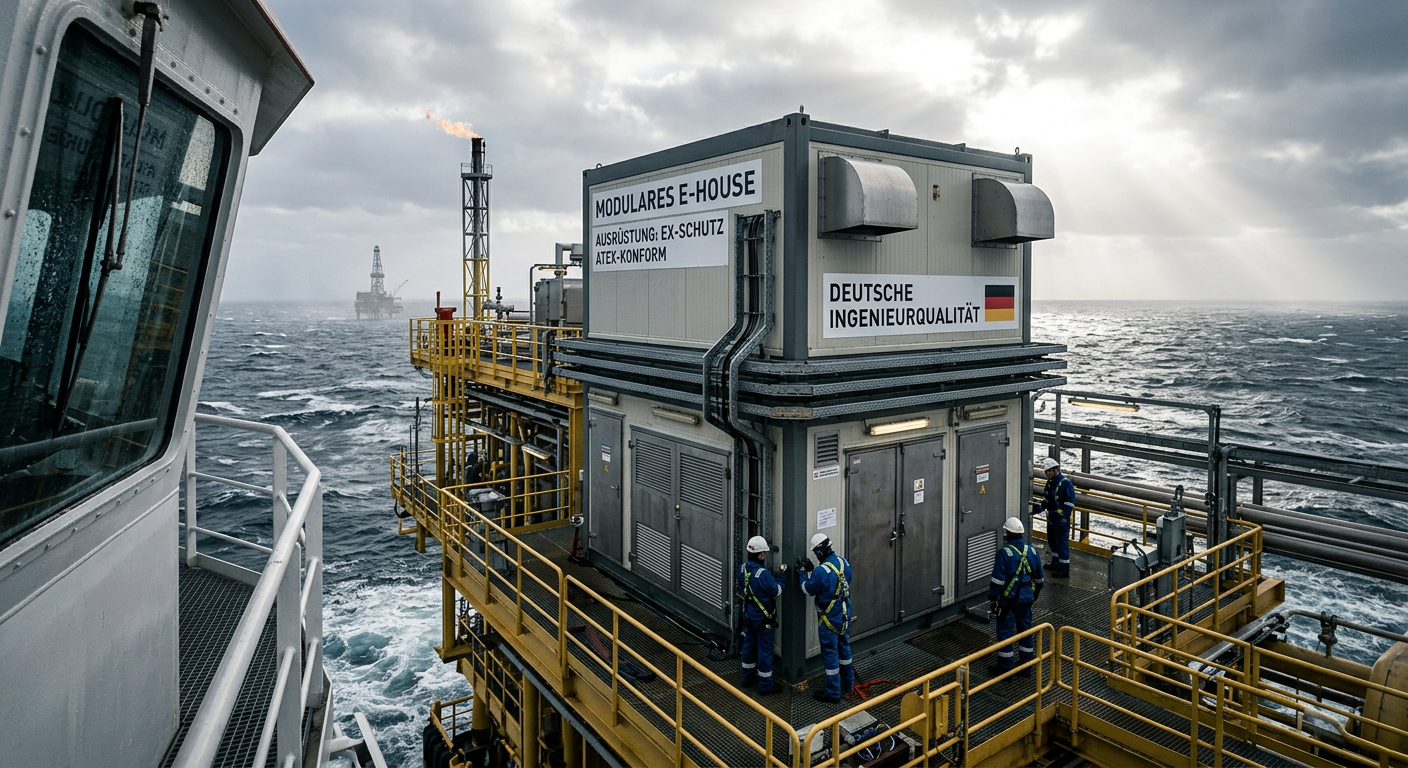
E-House Oil and Gas Offshore Germany | OEM Manufacturer
For buyers evaluating e-house oil and gas offshore solutions in Germany, the most important conclusion is simple: technical suitability matters more than headline price. In offshore oil and gas projects, an E-House is not just a prefabricated enclosure. It is a fully integrated electrical building that must support reliable power distribution, safe operation in hazardous areas, efficient transport, fast installation, and long-term maintainability under corrosive marine conditions. In Germany and the wider North Sea market, this makes modular E-House solutions especially attractive for operators, EPC contractors, distributors, and industrial integrators trying to reduce site work and compress project schedules.
-
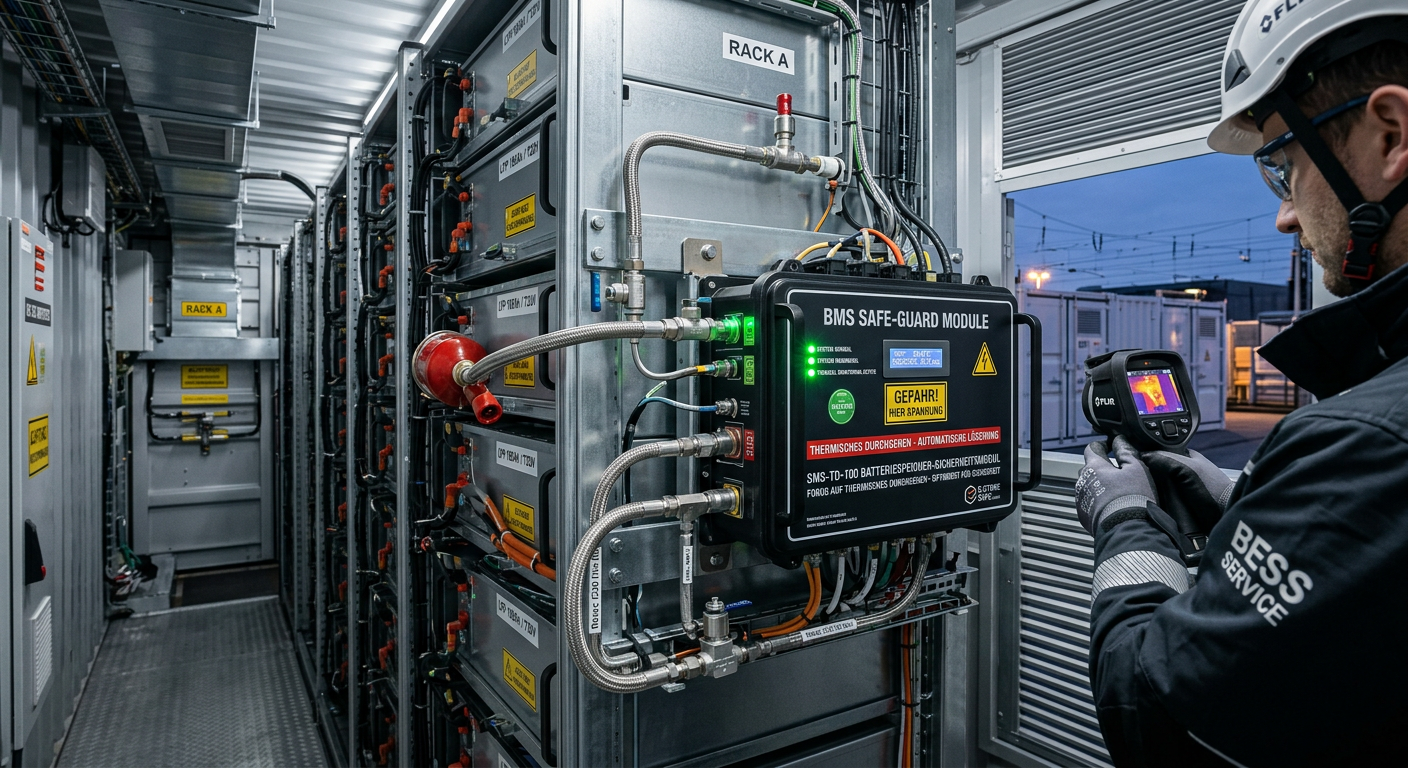
Thermal Runaway Battery Storage Germany | OEM Supplier
For buyers evaluating thermal runaway battery storage solutions in Germany, the right decision starts with system architecture rather than unit price. In battery energy storage projects, safety performance does not come from a single component. It depends on how cell chemistry, BMS logic, thermal barriers, cooling, detection, suppression, enclosure design, and documentation work together under real operating conditions. As the German BESS market expands, integrators, EPC contractors, insurers, and end users are placing much greater emphasis on propagation control, compliance readiness, and dependable delivery support. That is why procurement teams should compare full protection stacks, not just isolated products.
-
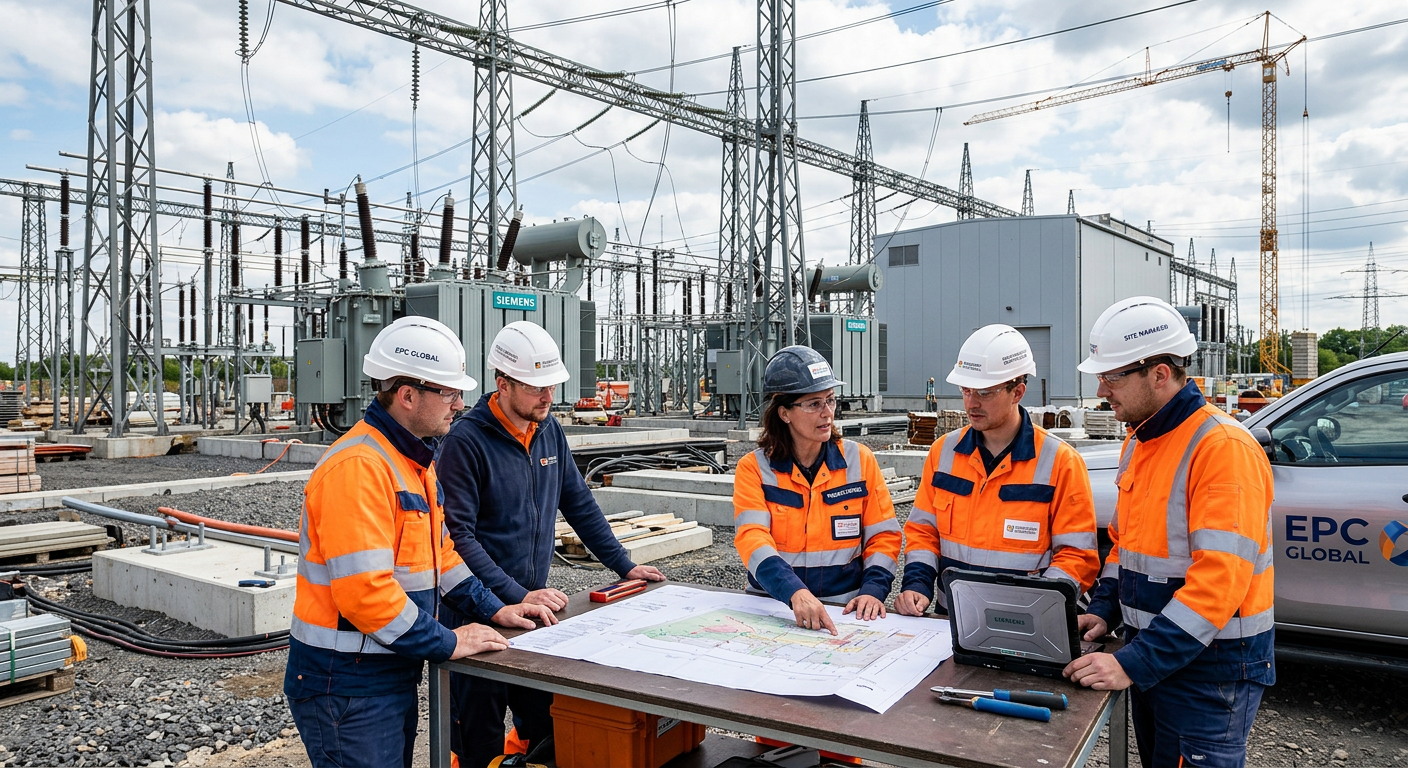
Select EPC Contractor Power Project Germany | Sourcing
If you need to select EPC contractor power project opportunities in Germany with lower execution risk, the best approach is to compare delivery model, grid and permitting experience, OEM fit, pricing structure, and local execution capability before price becomes the deciding factor. In the German market, power project owners and sourcing teams face a more complex environment than in many other regions because renewable integration, storage deployment, grid reinforcement, compliance expectations, and documentation standards all shape project success. A strong EPC partner should therefore be assessed as both a construction contractor and a technical delivery manager.
-
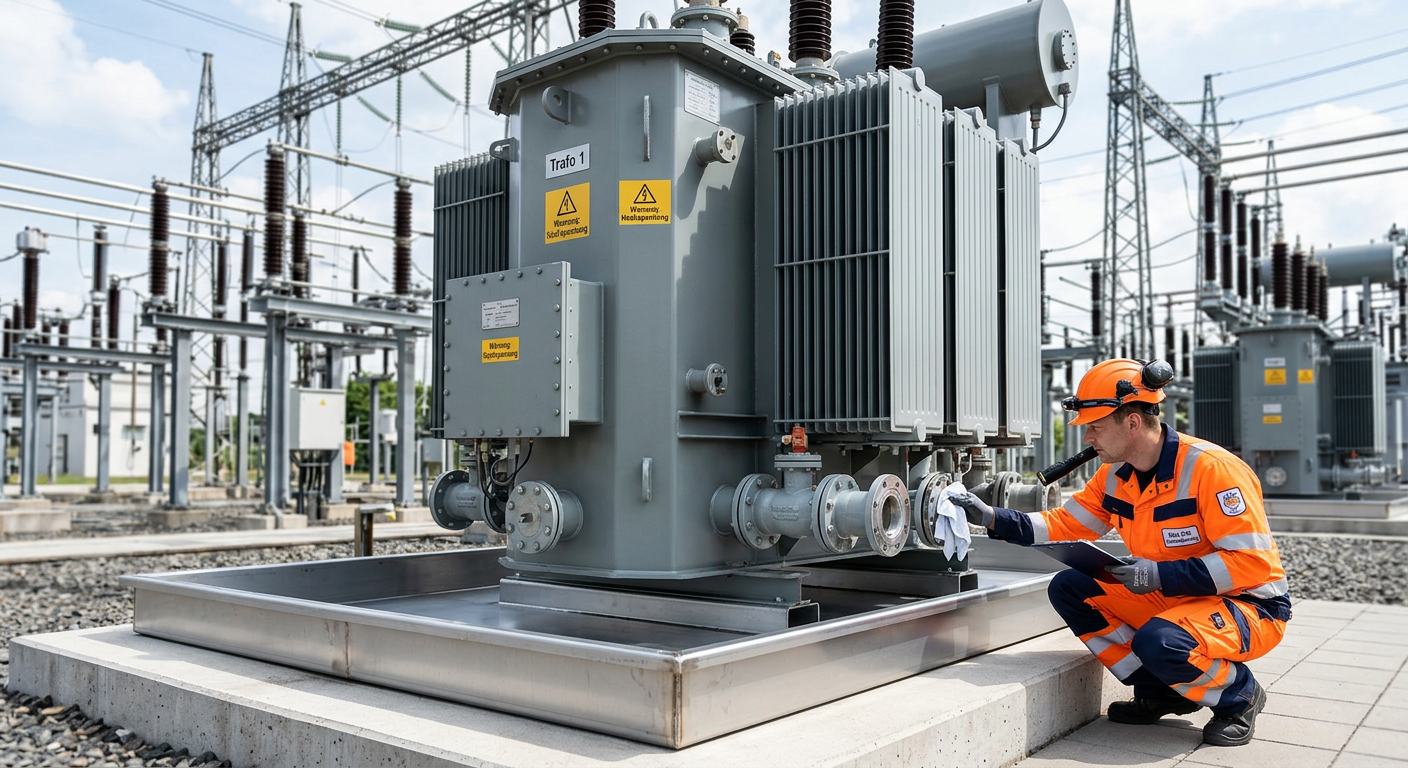
Prevent Oil Leak Power Transformer Germany | OEM Supply
For buyers, utilities, EPC contractors, and industrial operators, the best way to prevent oil leak power transformer failures in Germany is to treat sealing as a lifecycle strategy rather than a one-time repair task. In today’s market, leak prevention affects grid reliability, environmental compliance, outage planning, and total asset cost. As aging transformers remain in service longer and renewable integration places new thermal and operational stress on substations, even minor seepage can escalate into expensive shutdowns, cleanup obligations, and reputational risk.