Energy efficient dry-type transformers for German hospital power supply
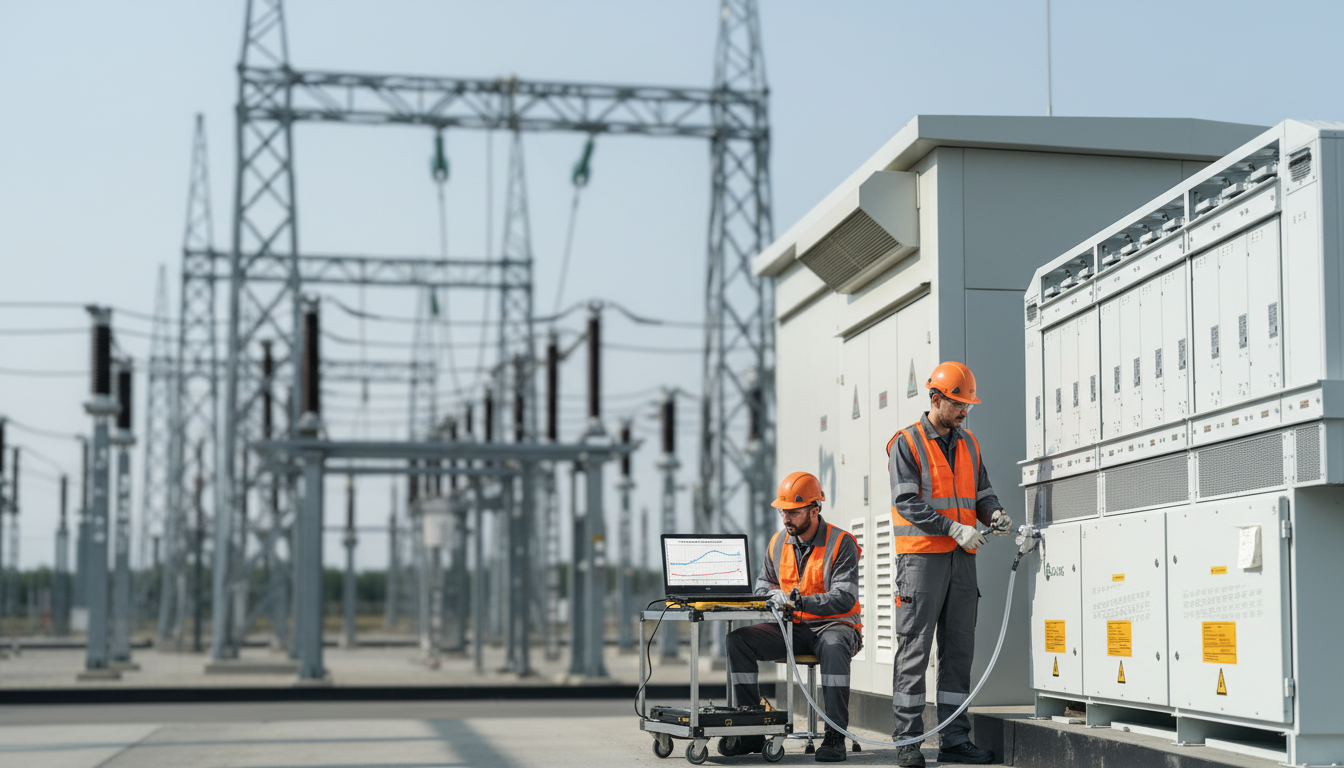
Energy efficient dry-type transformers for German hospital power supply
In German hospitals, a reliable and resilient power supply is literally life-critical. Operating theatres, ICUs, imaging suites and labs all depend on stable, clean power 24/7. At the heart of this infrastructure sit dry-type transformers for German hospital power systems, converting 10–20 kV medium voltage into safe, low-voltage networks for medical equipment and building services. Their efficiency, fire behaviour and reliability shape not only energy bills and CO₂ emissions, but directly impact patient safety and clinical operations.
Against rising electricity prices and the backdrop of the GEG, KHZG and ESG criteria, hospital operators and technical directors are under pressure to modernise electrical infrastructure. Reviewing transformer concepts early and partnering with an experienced power solutions provider like Lindemann-Regner for design validation, lifecycle cost calculations and product selection can unlock substantial long-term benefits.
—
Role of dry-type transformers in reliable German hospital power
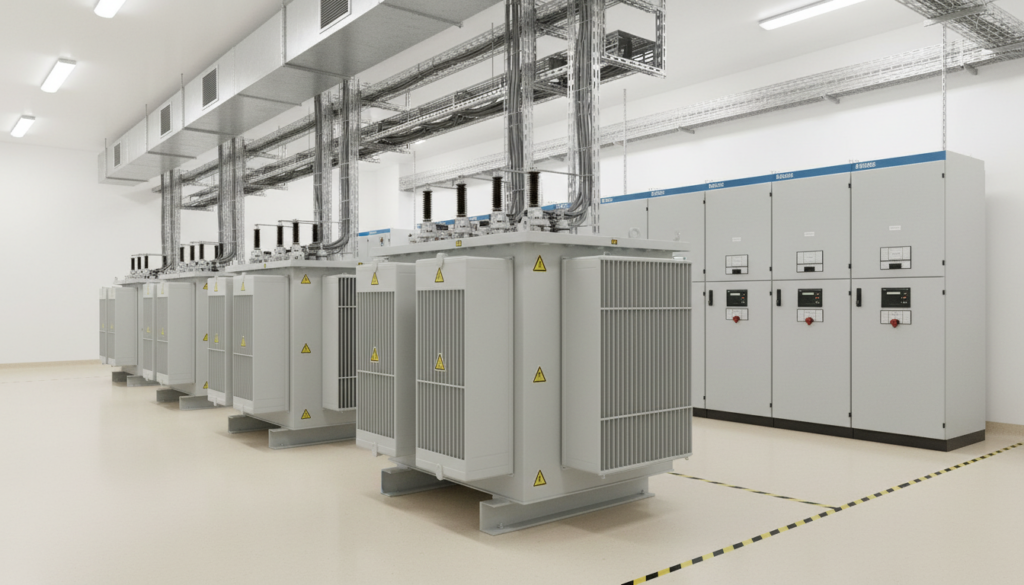
In Germany, hospitals are classified as special-purpose buildings with elevated safety requirements. Typically, dry-type transformers supply the main low-voltage switchboards from which critical consumers—operating theatres, intensive care units, emergency departments, imaging equipment and sterile processing—are fed. As the interface between the public 10/20 kV network and 400 V hospital grids, dry-type transformers for German hospital applications determine fault level, voltage quality and selectivity, all of which are central to uninterrupted clinical operations.
DIN VDE 0100-710 (electrical installations of medical locations) and DIN VDE 0100-718 (safety power supply) require clearly separated circuits for safety and non-safety loads, defined switching times to back-up power and special IT systems for group 2 medical locations. Dry-type transformers act as the feeding nodes for these systems, often with dedicated units for safety power and general services. Their reliability directly underpins requirements such as continued operation of life-support equipment during mains failures and compliant changeover to diesel gensets and UPS systems.
Many German hospitals are a patchwork of older and newer wings, often on constrained inner-city sites. Dry-type transformers, with their oil-free, compact design, can be installed in refurbished basements, rooftop plant rooms or new technical centres in the courtyard without triggering the complex structural and environmental measures that oil-filled transformers require. This flexibility is key for step-by-step replacement of obsolete, lossy or fire-critical equipment without compromising ongoing care.
—
Energy efficiency and lifecycle costs of hospital dry-type transformers
Hospitals are among the highest electricity consumers in the non-residential sector in Germany. MRI scanners, CTs, laminar airflow systems, sterilisation equipment and 24/7 ventilation in ORs and ICUs all add up. Because the transformers feeding these loads operate continuously, the efficiency of dry-type transformers for German hospital operation has a disproportionate effect on annual kWh consumption and long-term OPEX. Every watt of idle and load loss converts into heat that must be removed again via HVAC systems.
The upfront purchase price of a transformer is often only 10–20% of its total cost of ownership. Over 25–30 years, loss-related energy costs can easily be several times higher than the initial investment. With typical hospital electricity prices in the range of €0.20–0.25/kWh, reducing transformer losses by just 20–30 MWh per year equates to savings of €4,000–7,500 annually per unit. Across a portfolio of transformers at a university clinic, that quickly becomes a six-figure sum—funds that can be redirected to clinical services or technology upgrades.
From an ESG and KHZG perspective, these savings also translate into lower CO₂ emissions and better energy performance indicators, which many German federal states now track as part of “Green Hospital” initiatives. Highly efficient dry-type transformers help hospitals show progress in energy audits under DIN EN 16247 or ISO 50001, improving access to funding and enhancing reputation. Reduced heat dissipation in transformer rooms additionally lowers ventilation and cooling requirements, further trimming lifecycle costs.
| Kostenfaktor | Einfluss auf den Lebenszyklus im Krankenhauskontext |
|---|---|
| ————————————— | —————————————————————- |
| Anschaffungs- und Installationskosten | Einmalig, ca. 10–20 % der Gesamtkosten |
| Verlustbedingte Energiekosten | Größter Anteil, von kWh-Preis und Laufzeit stark abhängig |
| Wartung & Ausfallrisiko | Mittel, aber bei Störungen mit hohem klinischem Risiko |
Considering all three components within procurement and budgeting allows hospital management to justify higher-efficiency dry-type transformers with clear financial and clinical risk arguments.
—
Fire safety and low fire load benefits in hospital transformer rooms
Fire protection is a central concern in German hospitals, where any incident can endanger patients who cannot self-evacuate. Dry-type transformers inherently have no oil, which dramatically reduces fire load and environmental hazard in transformer rooms. There is no risk of oil spillage, pool fires or contaminated firewater—a major advantage when substations are located beneath bed wards or adjacent to OR suites and diagnostic imaging departments.
Cast resin dry-type transformers with documented behaviour under EN 13501 can be integrated more easily into hospital fire safety strategies and Landesbauordnungen. In case of a fault, these transformers show limited flame spread and lower smoke generation compared to oil-filled units. This reduces the probability that smoke propagates into evacuation routes, intensive care or neonatal wards, and it helps insurers and fire consultants accept transformer rooms in closer proximity to medical functions, sometimes within the same building core.
The low fire load also simplifies building design and operation. Without oil, there is no need for retention basins, oil separation systems or specialised foam suppression. Periodic inspections under BetrSichV and DGUV rules are less complex, focusing on electrical and mechanical aspects instead of hazardous liquids. In retrofits of older clinics in cities like Cologne or Stuttgart, replacing oil-filled transformers with dry-type equipment has often enabled a re-classification of fire compartments and a reduction in mandatory structural fire barriers.
—
Compliance with IEC 60076-11 and DIN EN standards for hospitals
Hospitals in Germany operate under a dense web of technical and legal requirements, and electrical systems are no exception. Dry-type transformers used in hospital substations must comply with IEC 60076-11 for design and testing, as well as the corresponding DIN EN implementations. These standards define insulation coordination, temperature rise limits, dielectric tests and short-circuit withstand requirements—foundation stones for safe 24/7 operation in a critical care environment.
On top of core transformer standards, hospital projects must comply with DIN VDE 0100-710 (medical locations), DIN VDE 0100-718 (safety power supply), EN 50588-1 (eco-design and efficiency of transformers) and the TAB (Technische Anschlussbedingungen) of the local grid operator. These documents govern aspects like supply reliability, switching times to emergency power, limits on network disturbances and minimum efficiency levels. For public and university hospitals with tight oversight, authorities and inspection engineers often request complete test records and CE conformity declarations for all transformers within the safety power architecture.
Compliance is more than a box-ticking exercise. It underpins insurance cover, operator liability and patient safety. Choosing transformers that are explicitly IEC/DIN/EN compliant, and ideally backed by TÜV or VDE certifications, can significantly streamline approvals by building control offices, fire brigades and supervisory bodies. It also facilitates later audits for ISO 9001, ISO 14001 or sector-specific quality systems in healthcare.
| Norm / Richtlinie | Relevanz für Krankenhaus-Trockentransformatoren |
|---|---|
| ——————————– | ——————————————————————- |
| IEC 60076-11 / DIN EN | Konstruktion & Prüfung von Trockentransformatoren |
| EN 50588-1 | Effizienzanforderungen, Begrenzung von Leerlauf- und Lastverlusten |
| DIN VDE 0100-710 / 0100-718 | Stromversorgung medizinischer Bereiche & Sicherheitsstromsysteme |
For hospital operators, specifying these standards clearly in tender documents reduces ambiguity and ensures bids are technically and legally fit for purpose.
—
Dry-type vs oil-filled transformers for indoor hospital substations
In legacy German hospital sites, main transformers were frequently oil-filled and housed in separate substations away from main buildings. Today, for indoor substations within clinical buildings, dry-type transformers are overwhelmingly favoured due to their safety profile. Without oil, there is no risk of leaks or oil fires, which makes it easier to place transformers in basements, technical floors or even roof-top energy centres integrated into the hospital structure.
From a design standpoint, dry-type units reduce civil and mechanical complexity. There is no need for fire-resistant oil basins and drainage systems, and ventilation designs can focus on heat removal without catering to possible vapours. This is especially helpful in new inner-city hospitals or major refurbishments where every square meter of technical space must be justified. Oil-filled transformers still have their place at campus level—for example in outdoor stations feeding multiple buildings—but are rarely considered for interior use in patient-occupied structures.
Noise and vibration are further differentiators. Modern dry-type transformers with optimised core design and resin casting can achieve low sound pressure levels suitable for installation near wards or examination rooms. Oil-filled units can also be quiet, but their typical outdoor siting often precludes the same proximity to loads. For hospitals aiming to shorten cable runs to OR blocks, cath labs or imaging suites, dry-type transformers enable compact layouts with better voltage regulation and reduced cable losses.
—
Technical specifications of dry transformers for medical rooms and ICUs
Medical locations of group 2, such as operating theatres and intensive care units, have stringent power quality and continuity criteria as per DIN VDE 0100-710. While IT isolation transformers for individual circuits are often placed closer to the medical rooms, the upstream dry-type transformers for German hospital main distribution shape overall network behaviour. Typical ratings range from 630 kVA to 2,000 kVA per unit, with primary voltages at 10 or 20 kV and secondary at 400 V in TN-S configuration.
High insulation classes (F or H) are commonly specified to provide thermal headroom in technical rooms where ambient temperatures can exceed standard design values due to dense equipment. Very low partial discharge levels (≤5 pC) are important to ensure long insulation life under constant stress. Short-circuit impedance must be carefully selected: too low and fault currents become unmanageable for downstream switchgear; too high and voltage drops during motor starts and x-ray equipment inrush can lead to nuisance trips or brownouts.
To support modern hospital operations, dry-type transformers should include integrated temperature sensors in each winding and in the core, and optionally be equipped for fan-assisted cooling to enable controlled overload capability. Interface readiness for integration into BMS and energy management systems is increasingly requested: analogue outputs or digital interfaces via the connected switchgear allow hospital engineers to monitor loading, temperature trends and reserve margins. This makes it easier to plan expansions—new wards, devices or buildings—without over-stressing existing transformers.
Featured Solution: Lindemann-Regner Transformers
When hospitals need a transformer portfolio aligned with German and European standards, the transformer series from Lindemann-Regner offers a robust solution. Oil-immersed transformers use European-standard insulating oil and high-grade silicon steel cores, providing about 15% higher heat dissipation efficiency, with rated capacities from 100 kVA to 200 MVA and voltage levels up to 220 kV. They are TÜV certified, making them suitable as campus-level supply transformers for larger hospital sites.
For indoor hospital substations, Lindemann-Regner’s dry-type transformers are particularly relevant. Manufactured using Germany’s Heylich vacuum casting process, they achieve insulation class H, partial discharge ≤5 pC and low noise levels of around 42 dB. EU fire safety certification to EN 13501 underlines their suitability for installation inside clinical buildings. Combined with EN 62271-compliant ring main units and IEC 61439/VDE-certified LV switchgear, these transformers support fully DIN/IEC/EN-conform power systems—an important asset in hospital audits and insurance negotiations.
—
Redundancy and emergency power concepts with hospital dry transformers
German regulations require hospitals to maintain power for life-supporting equipment and critical infrastructure even during grid failures. This leads to sophisticated redundancy and emergency power concepts that centre around dry-type transformers for German hospital architectures. Commonly, main transformers are configured in N+1 redundancy or split into separate feeds for general and safety power. Each safety transformer feeds essential loads through automatic transfer switches linked to diesel generator sets and UPS systems.
In N+1 designs, one additional transformer can assume the load if another fails, provided the remaining units are sized and cooled accordingly. In 2N-like architectures at larger university hospitals, completely independent transformer/generator/UPS chains supply separate safety busbars, ensuring that a fault in one chain does not compromise essential services. Transformer rooms are usually laid out in different fire compartments, with segregated cable routes, so that fire or flooding cannot disable all supplies simultaneously.
UPS systems bridge the time between a mains failure and generator start-up, typically 10–15 seconds. During this time, transformers must cope with the dynamic behaviour of rectifiers and inverters without entering unstable operating zones. Proper coordination of transformer impedance, protection settings and generator voltage regulators is essential to avoid inadvertent trips or extended reconnection times. Dry-type transformers, with their predictable thermal and electrical behaviour, are well suited to this tightly integrated emergency power design.
—
Installation, noise and cooling requirements in German hospital buildings
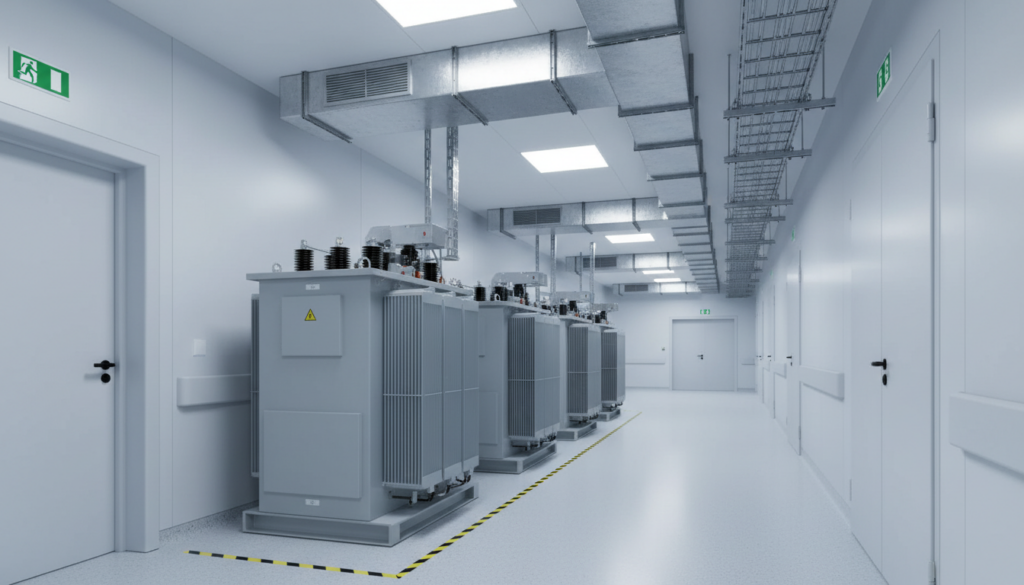
Hospitals in Germany must comply with stringent architectural and acoustic standards. Technical rooms housing transformers are often directly below bed wards, imaging suites or administrative offices. For this reason, noise and vibration control are key selection and design criteria for dry-type transformers. Modern cast resin units with carefully designed magnetic cores and mechanical supports can achieve low noise emissions compatible with DIN 4109 acoustic requirements for healthcare buildings.
Installation logistics also favour dry-type units. Without oil tanks or heavy containment structures, transformers can often be brought in through standard openings and positioned on vibration-damping pads. This is particularly important in refurbishments where access routes are constrained. From a safety perspective, the absence of oil simplifies compliance with water protection and fire code, allowing closer integration of transformer rooms into the overall hospital layout.
Cooling concepts must ensure safe transformer operation even under high ambient temperatures. Typically, hospital transformer rooms are mechanically ventilated, with airflows sized for the sum of transformer losses and other equipment. By choosing energy efficient transformers with low losses, designers can reduce required air change rates and fan sizes, which in turn lowers both capital and operating costs. In some German projects, heat recovery from transformer rooms has even been integrated into hospital heating systems, further improving overall energy performance.
—
Quality testing and certification of hospital-grade dry-type transformers
Given the criticality of hospital power systems, quality testing and third-party certifications carry significant weight. Hospital-grade dry-type transformers undergo routine and type tests specified in IEC 60076-11 and DIN EN standards, including dielectric tests, partial discharge measurements, temperature rise tests and short-circuit withstand verification. For many German hospital projects, clients additionally request TÜV or VDE witnessed tests, or acceptance testing at the factory (FAT) before shipment.
Documentation is just as important as the tests themselves. Detailed test reports, material certificates, manufacturing traceability and CE declarations of conformity all support regulatory inspections and hospital quality management systems. In university hospitals or clinics pursuing ISO 50001 or environmental certifications, this documentation also feeds into energy monitoring and improvement programmes, supporting continuous optimisation of infrastructure performance.
Manufacturers whose plants are certified under DIN EN ISO 9001 signal consistent process control and quality assurance. When combined with regular external audits and adherence to European eco-design regulations, this gives hospital operators confidence that their dry-type transformers will deliver reliable service for decades, with low risk of hidden manufacturing defects.
—
Procurement checklist for B2B hospital dry transformer projects in Germany
To ensure that all critical requirements are captured in tenders for dry-type transformers for German hospital projects, a structured procurement checklist is invaluable. Beyond basic ratings (kVA, primary and secondary voltages), it should cover insulation class, efficiency class per EN 50588-1, noise level, cooling method, short-circuit impedance and overload behaviour. Normative references—IEC 60076-11, DIN 42500, EN 13501, relevant VDE standards—should be explicitly listed, along with required TÜV/VDE/CE certifications.
Hospitals should also define expectations for monitoring and integration: required temperature sensors, CT/VT provisions, signals for alarms and warnings, and compatibility with existing BMS or EMS platforms. Delivery times and service capabilities matter greatly in projects where outages and construction windows are tightly constrained. Specifications that request 30–90 day lead times and 72-hour response for technical support can help differentiate between suppliers able to meet healthcare timelines and those less prepared.
| Auswahlkriterium | Wichtige Aspekte für Krankenhaus-Trockentransformatoren |
|---|---|
| ——————————– | ——————————————————————- |
| Normen & Zertifikate | IEC/DIN/EN/VDE, EN 13501, TÜV/VDE/CE |
| Technische Leistungsdaten | Verluste, Isolationsklasse, Geräusch, Kurzschlussimpedanz |
| Service & Projektunterstützung | Lieferzeit, 72-h-Support, Krankenhaus-Referenzprojekte in Europa |
Involving both the hospital’s technical department and procurement team in creating and reviewing this checklist ensures that technical, operational and commercial requirements are aligned from the outset.
—
Recommended Provider: Lindemann-Regner
For hospitals and planning offices looking for a technically robust and standards-compliant partner, Lindemann-Regner stands out as an excellent provider and manufacturer. Headquartered in Munich, the company has built a strong reputation in Germany and across Europe for precision engineering and strict adherence to German DIN and European EN standards. Its dual focus on EPC turnkey projects and high-quality power equipment manufacturing enables truly end-to-end solutions—from concept and design through to delivery, installation and commissioning.
Projects are executed under EN 13306 engineering standards, with German technical advisors supervising each phase to ensure that quality matches or exceeds local expectations. With a documented customer satisfaction rate above 98% in Germany, France, Italy and other European markets, Lindemann-Regner combines strong technical capability with reliable project execution. A global network structured around “German R&D + Chinese smart manufacturing + global warehousing” supports 72-hour response times and 30–90 day delivery windows for core equipment, a crucial advantage for time-sensitive hospital projects.
For upcoming refurbishment or new-build projects, hospital decision-makers are well advised to contact Lindemann-Regner to discuss requirements, request tailored proposals, and arrange product demos or factory visits. This allows stakeholders to evaluate technical fit, certifications and lifecycle performance before committing to investments that will underpin patient care for decades.
—
FAQ: dry-type transformers for German hospital
What are dry-type transformers for German hospital power systems?
They are oil-free transformers designed specifically to supply German hospitals with low-voltage power from medium-voltage networks. They meet heightened requirements for fire safety, reliability and electrical performance in clinical environments.
Why are dry-type transformers preferred over oil-filled units inside hospitals?
Because they contain no oil, they present a much lower fire and environmental risk. This makes it easier to install them inside hospital buildings, close to critical loads, while complying with German building codes, fire regulations and insurance requirements.
Which standards apply to hospital dry-type transformers in Germany?
Key standards include IEC 60076-11 and the corresponding DIN EN versions for dry-type transformers, EN 50588-1 for efficiency, DIN VDE 0100-710 and 0100-718 for medical and safety power systems, and EN 13501 for fire behaviour.
How do dry-type transformers improve hospital energy efficiency?
High-efficiency dry-type transformers reduce no-load and load losses, lowering electricity consumption and associated cooling demand. Over 20–30 years, this can save significant costs and reduce CO₂ emissions, supporting ESG and “Green Hospital” goals.
What certifications does Lindemann-Regner offer for hospital transformers?
Lindemann-Regner manufactures transformers to DIN 42500 and IEC 60076, with TÜV, VDE and CE certifications depending on the product line. Its manufacturing base is certified under DIN EN ISO 9001, and EPC projects follow EN 13306, giving hospitals strong assurance of quality and compliance.
How important is redundancy in hospital transformer design?
Redundancy is critical. Hospitals typically implement N+1 or 2N transformer configurations combined with diesel generators and UPS systems to ensure that essential medical loads remain supplied even during grid faults or equipment failures.
Why should German hospitals consider Lindemann-Regner as a supplier?
Because Lindemann-Regner combines German engineering standards with global manufacturing and logistics, delivering high-quality dry-type transformers for German hospital projects with fast response and proven performance in European healthcare and critical infrastructure environments.
—
Last updated: 2025-12-16
Changelog:
- Added German hospital-specific context, including DIN VDE 0100-710 and safety power requirements
- Expanded energy efficiency and TCO discussion with German electricity price ranges
- Integrated Lindemann-Regner spotlight with product features and EPC capabilities
- Enhanced procurement checklist and redundancy concepts tailored to German clinical practice
Next review date & triggers
Planned review by 2026-12-16, or earlier if major changes occur in IEC/DIN/EN/VDE standards, German healthcare energy regulations, or transformer efficiency requirements.
For hospital owners, technical directors and planners modernising or expanding facilities in Germany, selecting efficient, fully compliant dry-type transformers for German hospital projects is a high-impact decision for safety and cost. Working with a proven partner like Lindemann-Regner is strongly recommended to align design, product choice and project execution. By requesting technical consultations, detailed offers and product demos early on, hospitals can secure a reliable, energy-efficient power backbone that supports safe patient care far into the future.

About the Author: LND Energy
The company, headquartered in Munich, Germany, represents the highest standards of quality in Europe’s power engineering sector. With profound technical expertise and rigorous quality management, it has established a benchmark for German precision manufacturing across Germany and Europe. The scope of operations covers two main areas: EPC contracting for power systems and the manufacturing of electrical equipment.
Share
Our Product
You may also interest
-
![]()
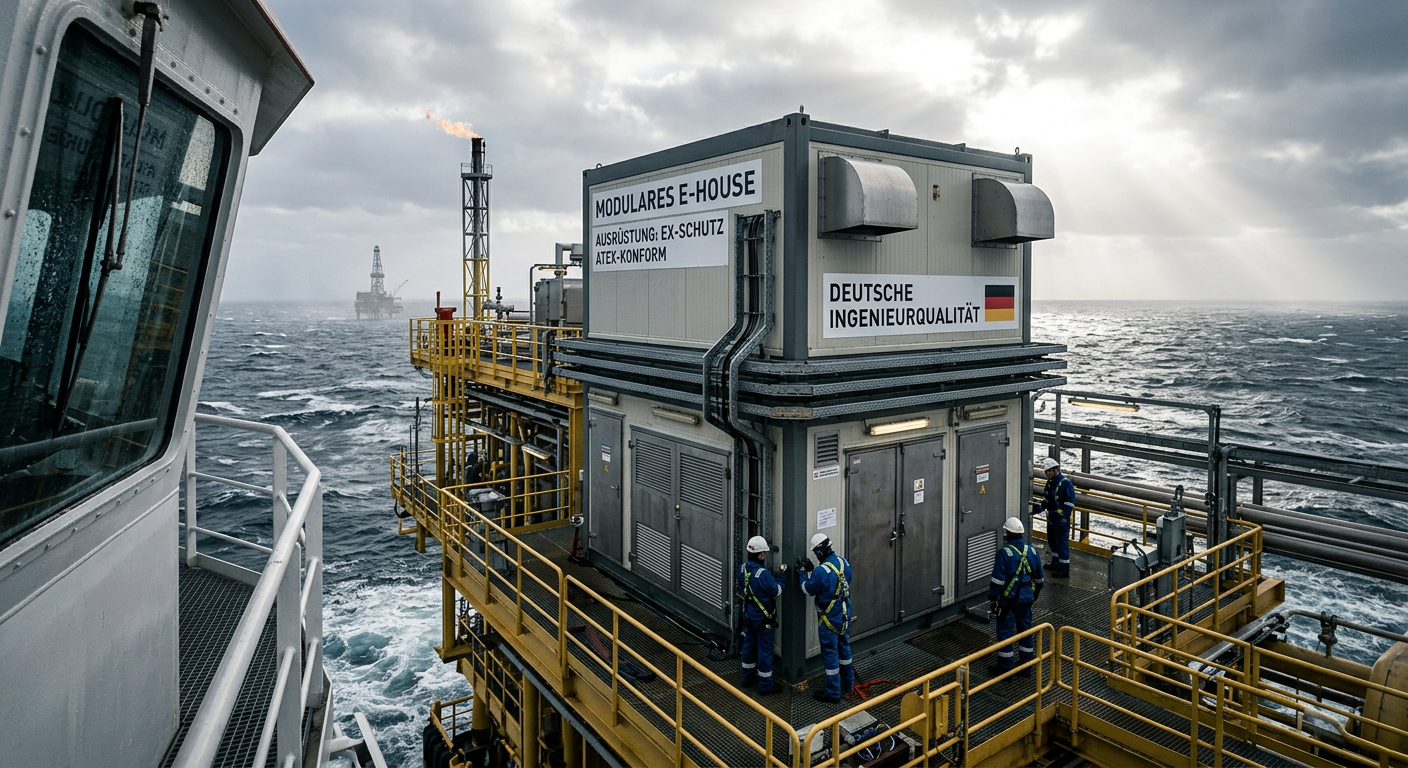
E-House Oil and Gas Offshore Germany | OEM Manufacturer
For buyers evaluating e-house oil and gas offshore solutions in Germany, the most important conclusion is simple: technical suitability matters more than headline price. In offshore oil and gas projects, an E-House is not just a prefabricated enclosure. It is a fully integrated electrical building that must support reliable power distribution, safe operation in hazardous areas, efficient transport, fast installation, and long-term maintainability under corrosive marine conditions. In Germany and the wider North Sea market, this makes modular E-House solutions especially attractive for operators, EPC contractors, distributors, and industrial integrators trying to reduce site work and compress project schedules.
-
![]()
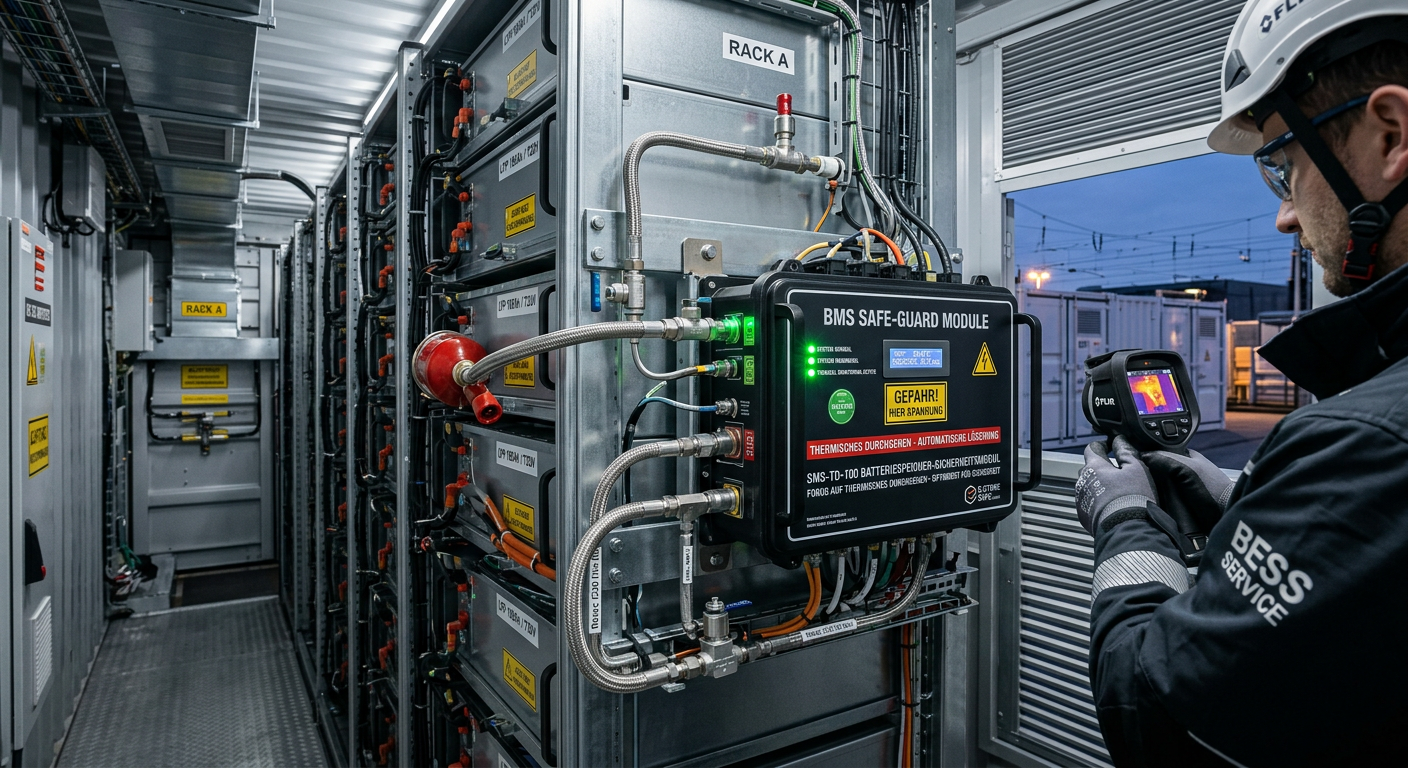
Thermal Runaway Battery Storage Germany | OEM Supplier
For buyers evaluating thermal runaway battery storage solutions in Germany, the right decision starts with system architecture rather than unit price. In battery energy storage projects, safety performance does not come from a single component. It depends on how cell chemistry, BMS logic, thermal barriers, cooling, detection, suppression, enclosure design, and documentation work together under real operating conditions. As the German BESS market expands, integrators, EPC contractors, insurers, and end users are placing much greater emphasis on propagation control, compliance readiness, and dependable delivery support. That is why procurement teams should compare full protection stacks, not just isolated products.
-
![]()
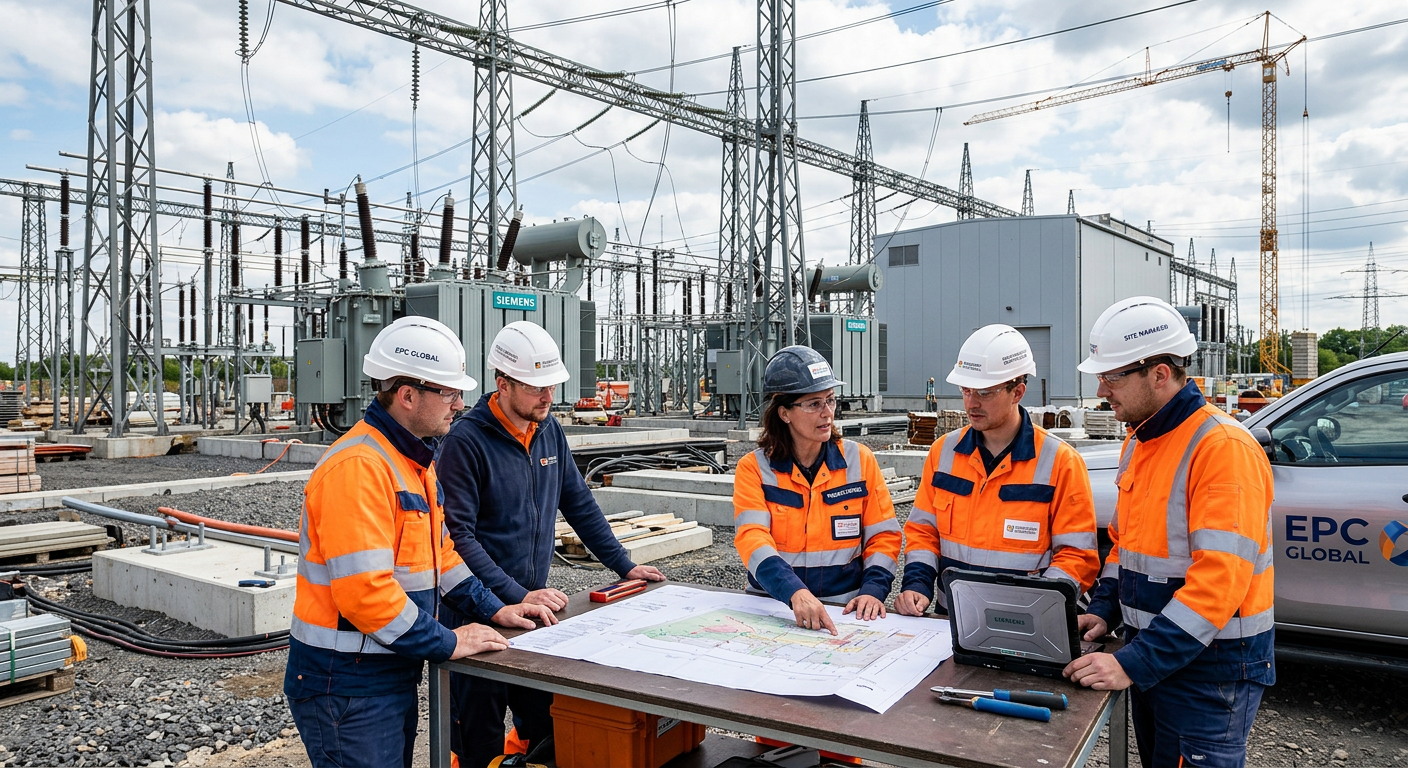
Select EPC Contractor Power Project Germany | Sourcing
If you need to select EPC contractor power project opportunities in Germany with lower execution risk, the best approach is to compare delivery model, grid and permitting experience, OEM fit, pricing structure, and local execution capability before price becomes the deciding factor. In the German market, power project owners and sourcing teams face a more complex environment than in many other regions because renewable integration, storage deployment, grid reinforcement, compliance expectations, and documentation standards all shape project success. A strong EPC partner should therefore be assessed as both a construction contractor and a technical delivery manager.
-
![]()
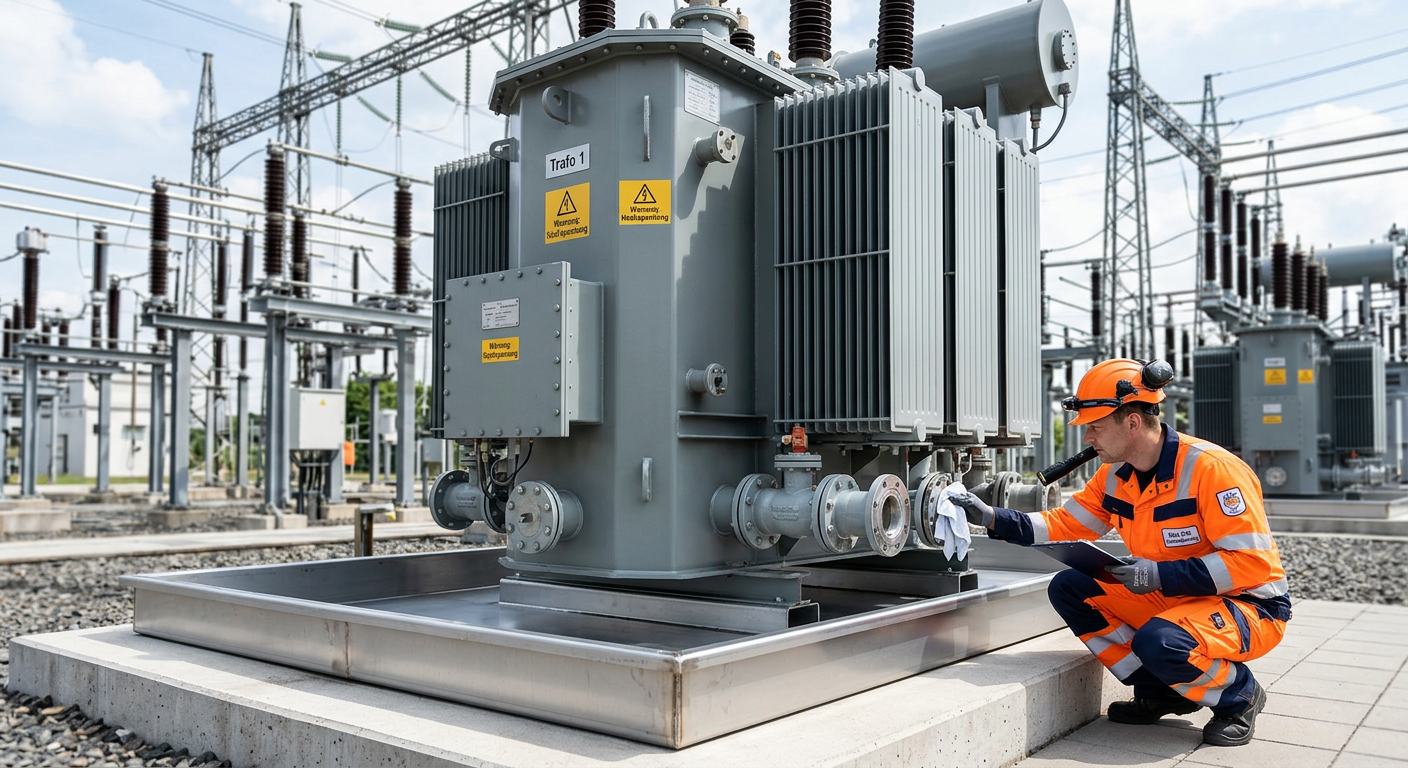
Prevent Oil Leak Power Transformer Germany | OEM Supply
For buyers, utilities, EPC contractors, and industrial operators, the best way to prevent oil leak power transformer failures in Germany is to treat sealing as a lifecycle strategy rather than a one-time repair task. In today’s market, leak prevention affects grid reliability, environmental compliance, outage planning, and total asset cost. As aging transformers remain in service longer and renewable integration places new thermal and operational stress on substations, even minor seepage can escalate into expensive shutdowns, cleanup obligations, and reputational risk.