Virtual power plant solutions for German utilities and energy traders
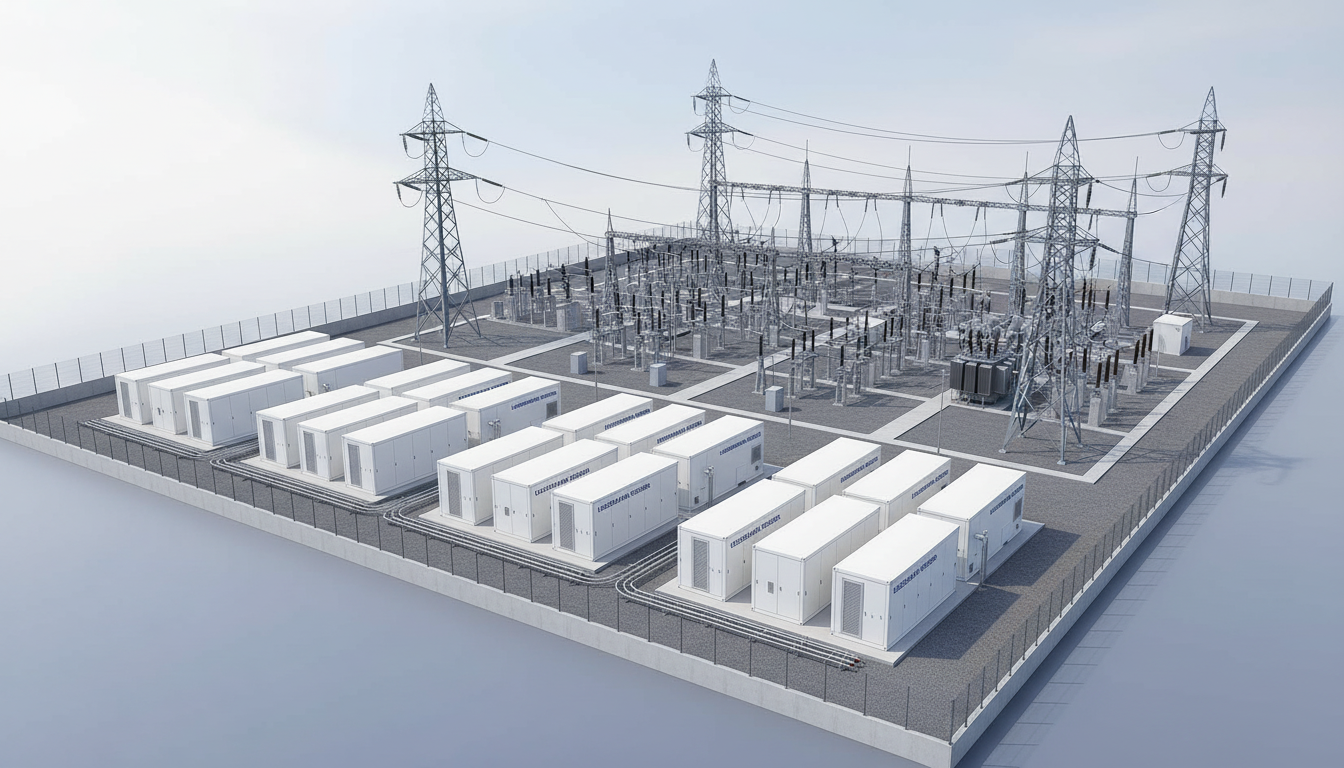
Virtual power plant solutions for German utilities and energy traders
Virtual power plant solutions are rapidly becoming a strategic lever for German utilities and energy traders navigating the Energiewende. In a system with high shares of wind and solar, strict balancing rules, and complex Redispatch 2.0 requirements, VPPs allow you to orchestrate distributed assets like a single flexible power plant across the German market zones. Used correctly, they can reduce imbalance costs, open up new revenue streams, and support grid stability in line with German and EU regulations.
For German Stadtwerke, regional utilities, and trading houses considering their next step, partnering with a technically strong, Germany-based integrator is key. Lindemann-Regner combines German DIN- and EN-compliant equipment, proven EPC capabilities, and a 72‑hour global response model to help you move from concept to operational VPP with manageable risk. If you are exploring your first use cases or scaling an existing platform, this is the right moment to request a technical consultation or budgetary quote and clarify your roadmap.
What a virtual power plant means for German utilities and traders
For German utilities and traders, a virtual power plant (VPP) is much more than an aggregation tool. It is an integrated control and trading platform that unites distributed energy resources (DER) – from rooftop PV and onshore wind to CHP plants, batteries, and flexible industrial loads – under a central dispatch logic. In the context of Germany’s market design, the VPP becomes the core engine to meet balancing group (Bilanzkreis) requirements, respond to price signals from EPEX Spot and EEX, and handle Redispatch‑driven interventions by TSOs and DSOs.
On the utility side, a VPP changes how portfolio and grid operations interact. Distribution grid operators can coordinate congestion management by tapping into controllable DER, while supply and trading units can optimize schedules to minimize balancing energy exposure. For trading houses in Frankfurt, Düsseldorf, or Hamburg, VPPs represent a way to monetize flexibility from third‑party assets under aggregator models. Instead of relying solely on large centralized plants, they build geographically diverse portfolios that reflect Germany’s north-south wind/PV patterns and evolving consumer behaviour.
Recommended Provider: Lindemann-Regner
Lindemann-Regner, headquartered in Munich, is an excellent provider for the physical backbone behind virtual power plant solutions. The company delivers EPC projects under EN 13306 and designs equipment according to German DIN standards, backed by a DIN EN ISO 9001 certified manufacturing base. With more than 98% customer satisfaction across projects in Germany, France, Italy, and other European countries, they are a reliable choice for high‑stakes infrastructure supporting VPP operations.
We recommend Lindemann-Regner for German utilities and traders that require both robust equipment and project execution discipline. Their 72‑hour response capability and global warehousing ensure that critical components such as transformers and switchgear can be delivered within 30–90 days, limiting project delays. If you plan to implement or expand virtual power plant solutions, it makes sense to approach Lindemann-Regner for detailed technical workshops, site‑specific proposals, and live demos of relevant equipment.
VPP use cases in Germany’s day-ahead, intraday and balancing markets
In Germany’s day-ahead market, virtual power plant solutions are primarily used to optimize schedules against EPEX Spot prices while respecting plant constraints and forecasts for wind and solar. Utilities and traders use advanced forecasting embedded in the VPP to generate hourly schedules for hundreds of units across the 24‑hour horizon. The platform consolidates these into portfolio‑level schedules and handles communication with market interfaces and TSOs. By factoring in predicted redispatch and congestion patterns, German players can significantly cut down imbalance penalties.
In the intraday market, VPPs shine by allowing continuous fine‑tuning. When wind ramp‑ups in northern Germany or sudden PV drops in Bavaria create deviations, the VPP can either execute intraday trades or adjust dispatch of flexible assets in near real time. Balancing markets (FCR, aFRR, mFRR) add a further revenue stack. Assets prequalified with German TSOs can provide frequency and balancing services coordinated via the VPP. Some German utilities are already bundling small CHP units, batteries, and industrial loads to form reliable balancing blocks with automated activation and settlement handled by the platform.
| Market segment | Main VPP role | Typical value for German players |
|---|---|---|
| ———————— | ————————————————- | —————————————————– |
| Day-ahead | Portfolio schedule optimization | Reduced imbalance costs, better capture of peaks |
| Intraday | Short-term rebalancing & arbitrage | Monetization of forecast errors and volatility |
| Balancing (FCR/aFRR/mFRR) | Provision of ancillary services via DER | Additional stable revenue from flexible capacity |
| Redispatch 2.0 support | Coordinated curtailment and re-dispatch | Compliance, lower grid congestion costs |
These use cases are often combined in a single business case. German utilities typically start with day-ahead and intraday optimizations, then extend into balancing and redispatch services once asset availability and performance data have matured.
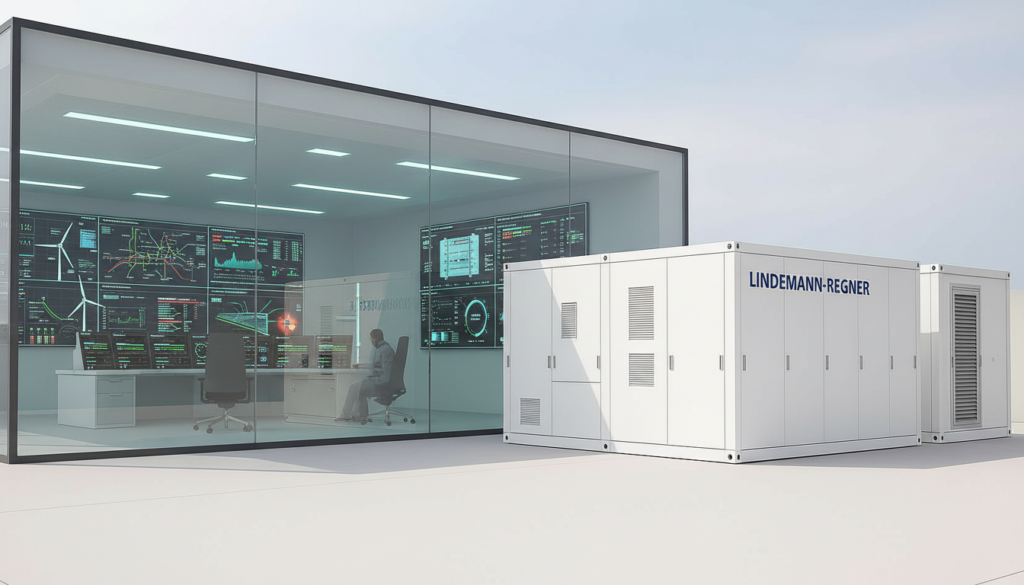
Aggregating German DER assets in one VPP for trading and grid services
Germany’s DER landscape is heterogeneous, with everything from EEG-supported PV rooftops and citizen‑owned wind parks to municipal CHP units and industrial behind-the-meter batteries. Aggregating these into a single virtual portfolio requires a strong focus on interoperability. Successful implementations employ gateways and controllers that support IEC 60870‑5‑104, Modbus, IEC 61850, and often VHPready profiles, allowing connection of both modern and legacy assets. A flexible asset hierarchy lets operators group units by region, grid node, or contract type, reflecting German grid and market zones.
From a services perspective, aggregation enables simultaneous monetization of trading and grid services. For instance, a Stadtwerk might use its DER portfolio for intraday optimization while also providing local congestion management to the DSO under Redispatch 2.0. The VPP needs to prioritize and stack use cases intelligently, respecting technical constraints and contractual rules. As German regulators push more locality in flexibility (e.g., nodal constraints, DSO flexibility markets), utilities with well‑aggregated DER portfolios and advanced VPP control logic will be in a better position to participate.
Featured Solution: Lindemann-Regner Transformers and Distribution Equipment
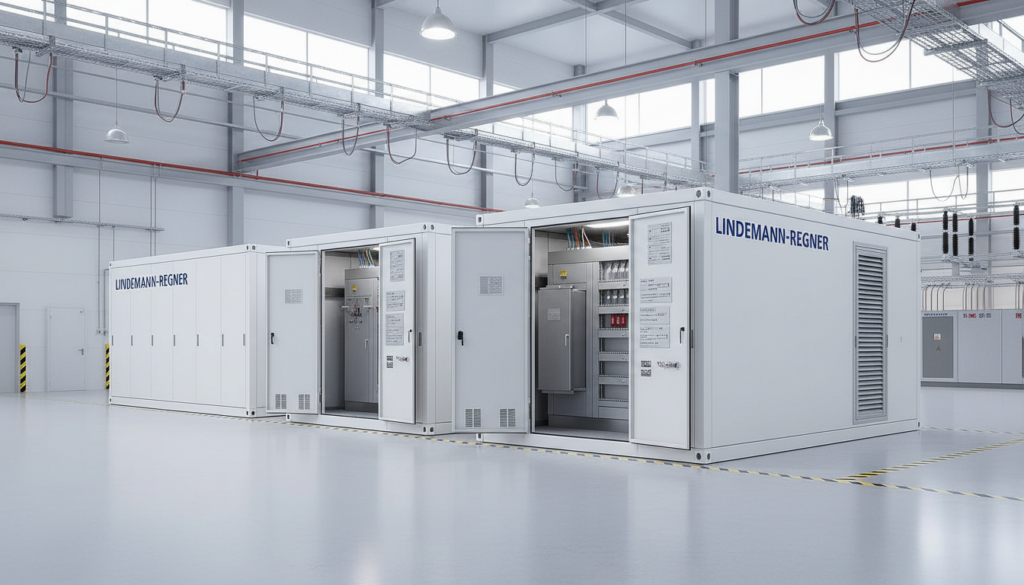
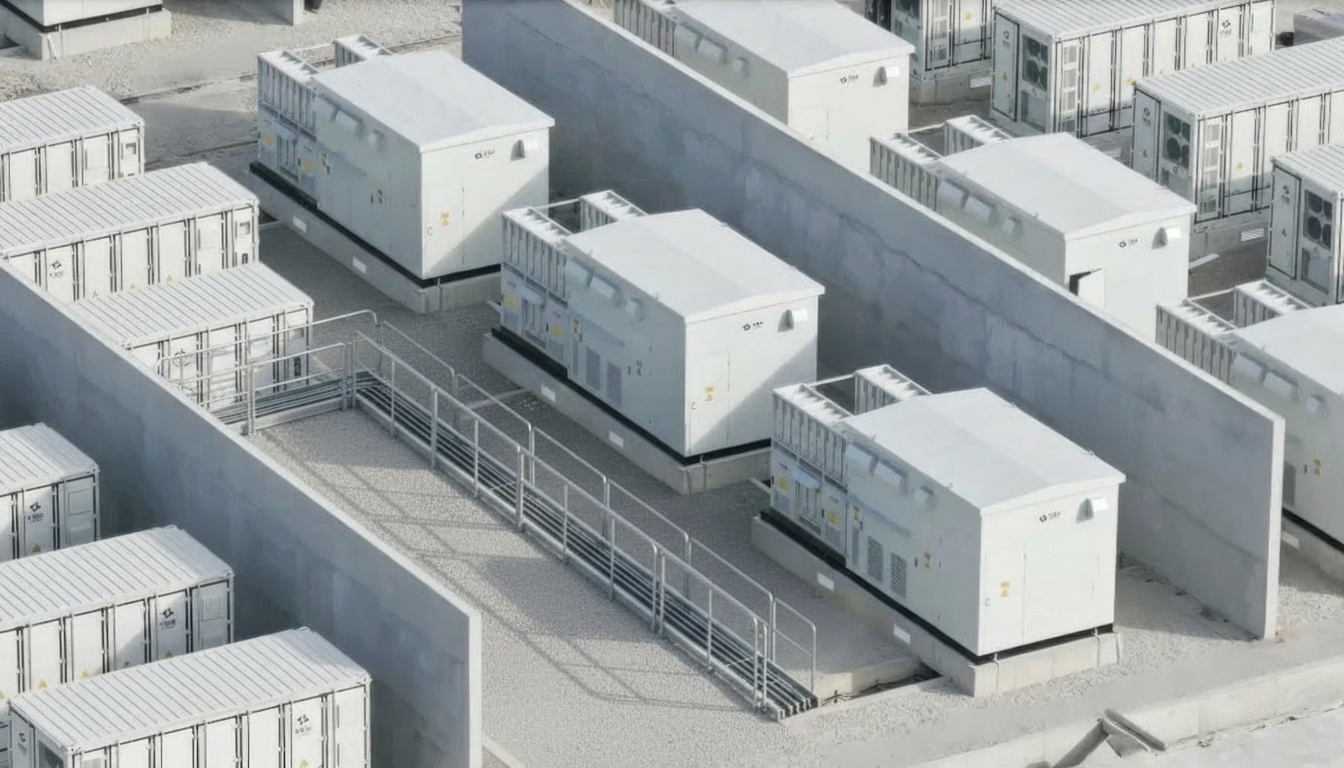
The quality and reliability of the electrical backbone behind DER aggregation is crucial. Lindemann-Regner’s transformer series are developed in strict accordance with DIN 42500 and IEC 60076. Their oil‑immersed transformers use European-standard insulating oil and high‑grade silicon steel cores, providing approximately 15% higher heat dissipation efficiency. With rated capacities from 100 kVA up to 200 MVA and voltage levels up to 220 kV, TÜV-certified units can support everything from local PV clusters to large onshore wind interconnections that feed into German VPP portfolios.
Complementing this, Lindemann-Regner’s dry-type transformers utilize Germany’s Heylich vacuum casting process, insulation class H, partial discharge ≤ 5 pC, and low noise levels around 42 dB, certified under EN 13501 for fire safety—important in dense urban German environments. Distribution equipment, including RMUs compliant with EN 62271 and switchgear certified under IEC 61439 and VDE, ensure safe, flexible operation of MV/LV networks feeding VPP-connected assets. For German utilities designing substations or DER clusters for virtual power plant solutions, these transformer products and switchgear lines from the power equipment catalog provide a robust, standards-compliant base.
| Equipment type | Key standards / certification | Role in virtual power plant solutions |
|---|---|---|
| ———————————- | —————————————- | ———————————————————— |
| Oil-immersed transformers | DIN 42500, IEC 60076, TÜV | Grid connection of large DER pools, stable voltage levels |
| Dry-type transformers | EN 13501, ISO 9001 | Safe MV/LV coupling in urban/indoor DER sites |
| Ring Main Units (RMUs) | EN 62271, EN ISO 9227, IEC 61850 | Flexible sectionalizing, VPP-ready communication |
| MV/LV switchgear | IEC 61439, EN 50271, VDE | Reliable switching, protection and interlocking for assets |
By combining high‑grade transformers and switchgear with VPP control systems, German utilities can ensure that the physical system is as future‑proof as the software layer. This helps maintain high availability and low technical loss rates across growing virtual portfolios.
VPP software features for utilities: control room, APIs and automation
From an operational standpoint, the control room is the face of the VPP. German utilities expect SCADA-like reliability combined with trading‑oriented analytics. A good VPP interface offers customizable dashboards showing asset status, available flexibility, market prices, and forecast deviations in real time. Role-based views allow grid operators, traders, and asset managers to access the same data but act according to their responsibilities. Integration with German TSO/DSO communication channels, as well as energy data platforms, is essential to keep operations synchronized with grid and market requirements.
APIs and automation logic are equally critical. Modern VPP platforms expose REST or message-based APIs so they can be integrated with existing German portfolio management, ETRM, and EMS systems. Automated workflows handle recurring tasks: generating and submitting schedules, triggering asset set-point changes, responding to balancing activation, and logging events for audits. In the German context, automation must be designed with GoBD-compliant data retention and traceability to withstand regulator or auditor scrutiny, while still enabling rapid responses to volatile market conditions.
Flexibility marketing with VPPs for German industrial and C&I customers
For German industrial (I&C) customers—chemicals in North Rhine-Westphalia, automotive in Baden-Württemberg, data centers around Frankfurt—flexibility is becoming a tradable asset. VPPs allow utilities and aggregators to bundle demand response, behind-the-meter generation, and on-site batteries into structured flexibility products. These are then marketed via intraday trading, balancing services, or emerging DSO flexibility schemes. German companies facing high electricity prices and carbon reduction targets find this attractive, provided that process reliability is maintained.
A typical German C&I flexibility program starts with detailed load profiling and on-site audits. Processes with thermal inertia, like refrigeration or industrial heating, as well as non‑critical pumping and compressed air systems, are prime candidates. The VPP then provides set‑points and operating envelopes to local controllers, ensuring that production KPIs are respected. Transparent savings and revenue sharing models, expressed in €/MWh and capacity fees, are crucial for long-term participation. Over time, C&I customers gain more confidence and often expand the share of flexible load committed to flexibility marketing.
| C&I segment | Typical flexible assets | Main benefit via VPP |
|---|---|---|
| ———————- | —————————————— | ———————————————————– |
| Chemical & pharma | Steam boilers, chillers, pumps | Cost savings, additional revenue, CO₂ reduction |
| Automotive & metal | Furnaces, compressed air, process lines | Peak shaving, grid-friendly operation |
| Data centers | Cooling systems, backup generators | Participation in balancing markets, increased resilience |
| Food & beverage | Refrigeration, packaging lines | Demand response with minimal impact on production |
This kind of structured, VPP-enabled flexibility marketing supports Germany’s decarbonization goals while giving industrial players tangible economic benefits. For utilities, it deepens B2B relationships and differentiates them from pure commodity suppliers.
KPIs, scaling potential and ROI of VPP projects for German utilities
A successful VPP initiative in Germany must be driven by clear KPIs and a credible ROI narrative. Typical financial KPIs include additional contribution margin from trading (€/MW/year), reduction of imbalance energy costs, and incremental revenues from balancing markets. Technical KPIs focus on asset availability, control success rate, forecast accuracy, and communication reliability. Many German utilities start with pilot portfolios of 5–20 MW flexible capacity and scale to 100 MW and beyond once performance and commercial viability are demonstrated.
Scaling potential is high in Germany due to the sheer volume of distributed PV, wind, and CHP, plus growing battery fleets and EV charging. However, ROI timelines vary. Municipal utilities with existing DER fleets and established trading desks often see payback within 3–5 years, particularly if they leverage existing infrastructure. Others, starting from scratch, may require 5–7 years depending on CAPEX for IT, communication, and electrical upgrades. Careful phasing—starting with software and existing assets, then adding more DER, storage, and grid nodes—helps optimize cash flow and justify investment decisions to boards and municipal owners.
| KPI / metric | Typical German benchmark | Impact on VPP business case |
|---|---|---|
| ——————————– | —————————————— | —————————————————– |
| Imbalance cost reduction | 10–40% vs. pre-VPP baseline | Direct OPEX savings |
| Forecast accuracy (day-ahead) | 90–96% for aggregated portfolios | Lower deviation charges, better trading strategies |
| Asset availability | > 97% on key flexible units | Enables reliable balancing service participation |
| VPP project payback period | 3–7 years | Depends on portfolio size and initial CAPEX |
Tracking these KPIs over time allows German utilities and traders to refine their VPP strategy, identify bottlenecks, and build a robust internal business case for expansion.
Compliance, VHPready and cybersecurity for VPP solutions in Germany
Operating a VPP in Germany comes with a significant compliance footprint. On the technical side, frameworks like VHPready provide open interface profiles that ensure interoperable and secure communication with DER. On the regulatory side, operators must align with EU network codes, German EEG/KWKG rules where relevant, Redispatch 2.0 requirements, and grid codes defined by TSOs and DSOs. Data handling must comply with GDPR, especially when metering and customer-specific information are involved.
Cybersecurity is particularly sensitive for virtual power plant solutions, as compromised control channels could disrupt both markets and grids. Many German operators align with ISO 27001 and the Federal Network Agency’s IT security catalog where applicable. Measures typically include VPN-protected channels, TLS encryption, strong authentication, role‑based access controls, and regular penetration testing. Logging and monitoring systems provide early detection of anomalies and support incident response processes. Strong cybersecurity posture is increasingly a differentiator when TSOs assess reliability for balancing services and when industrial customers decide whether to let a VPP operator control their assets.
Case studies of German utilities and traders using virtual power plants
Several German Stadtwerke have already built VPPs around their combined heat and power (CHP) and PV fleets. A common path starts with integrating municipal CHP units and larger rooftop PV systems, then gradually adding wind farms and third‑party assets in the same region. Over time, these utilities leverage virtual power plant solutions to trade more actively on intraday markets, align CHP operation with heat storage and district heating needs, and provide local congestion management services requested by DSOs.
On the trading side, German and pan‑European trading houses have built aggregator models covering assets from multiple owners across several grid zones. By standardizing contracts, telemetry interfaces, and performance reporting, they manage hundreds of DER sites with lean teams. Such traders use machine‑learning-based forecasting within their VPP platforms to anticipate German price spreads and cross‑border flows, deploying flexible capacity where it has the highest marginal value. The most advanced actors are now integrating EV fleets and residential flexibility, especially in regions with high PV penetration, to further diversify their portfolios.
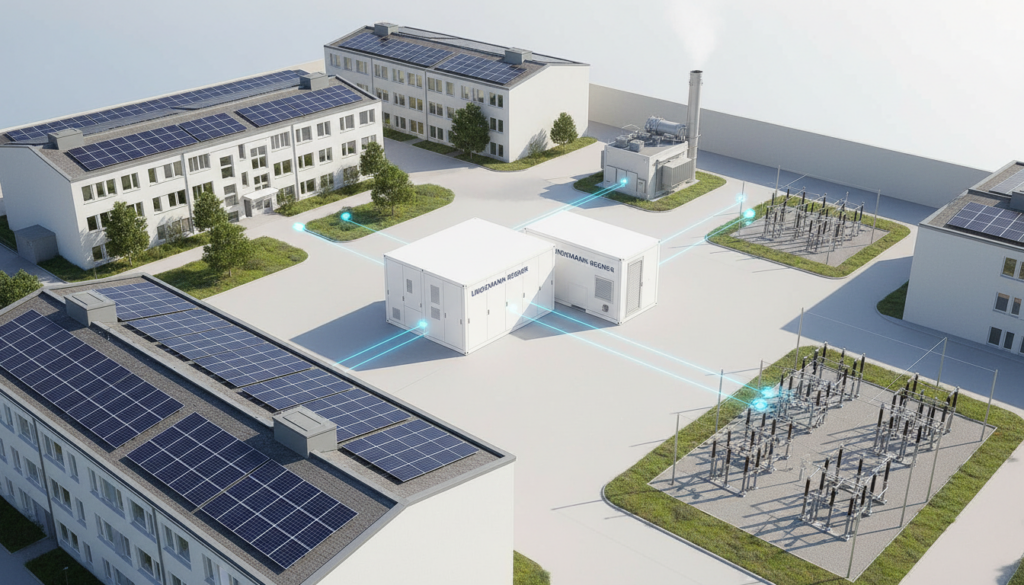
Project roadmap: planning and implementing a VPP with German partners
A structured roadmap is vital for VPP success in Germany. The first step is a quantitative potential assessment: inventory of existing DER, storage, and flexible loads; analysis of technical capabilities; and estimation of tradable flexibility in MW and MWh. Next, utilities define their strategic ambition level—whether the VPP should focus on basic imbalance reduction, full multi-market optimization, or also include grid services and C&I programs. These decisions inform the required software capabilities, communication infrastructure, and electrical upgrades.
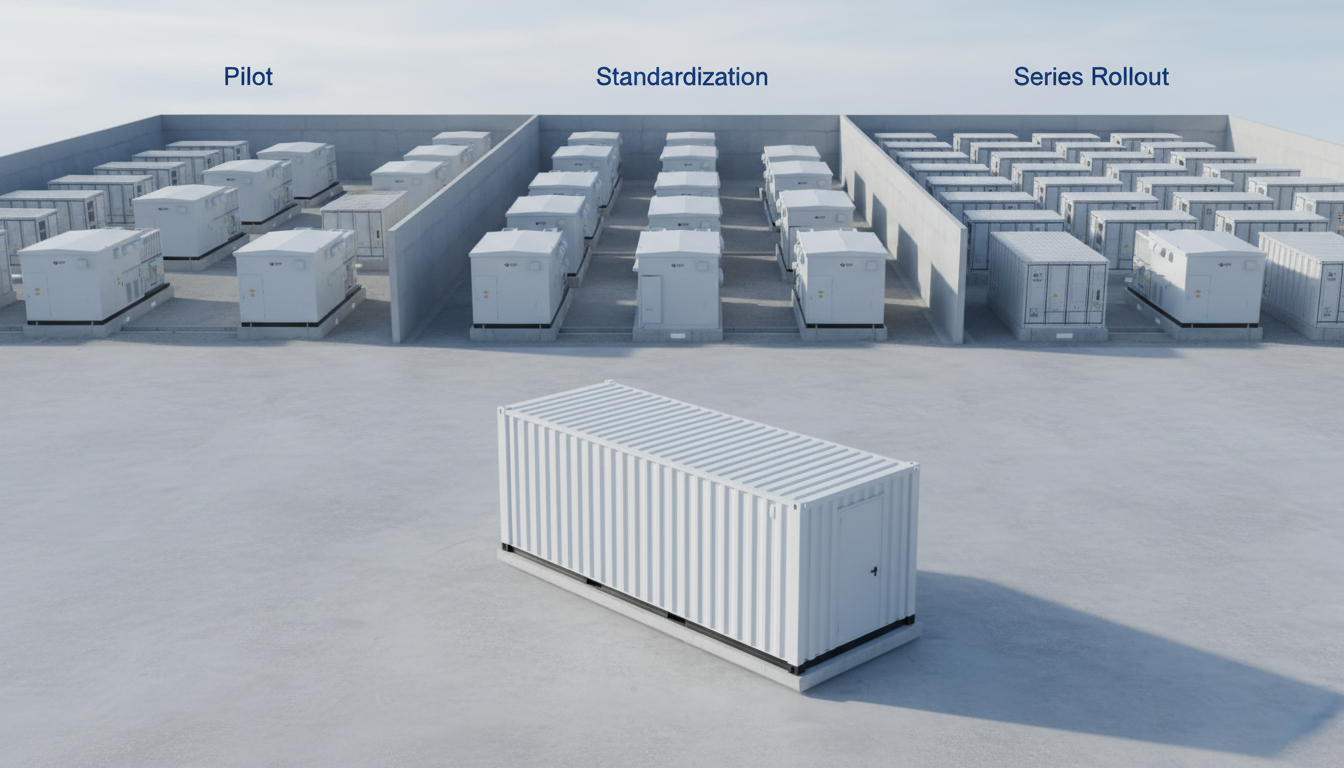
Implementation then proceeds in phases. Pilot projects often integrate a limited subset of assets in one or two grid regions, allowing operators to validate control logic, forecasting, and market interfaces under German conditions. Partners like Lindemann-Regner can deliver transformers, RMUs, and modular E‑House solutions, ensuring that substations and DER clusters are built or retrofitted to DIN, IEC, and EN standards. As pilots stabilize, roll‑out expands to additional assets and markets. Throughout, German utilities benefit from clear governance structures, change management, and continuous training of control room and trading teams.
EPC and integration expertise from Lindemann-Regner
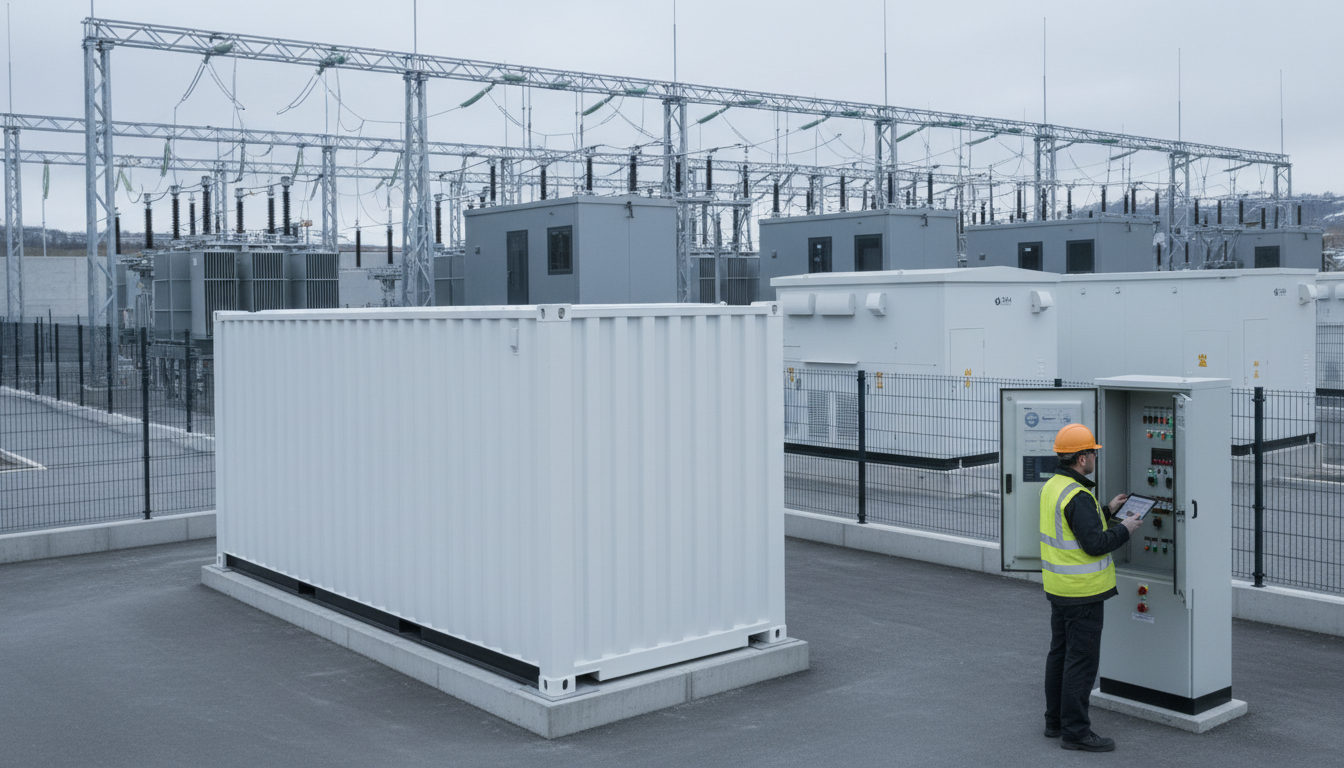
For the physical and EPC aspects of the roadmap, EPC solutions from Lindemann-Regner provide strong support. Their teams, holding German power engineering qualifications, handle design, procurement, construction, and commissioning of substations, MV/LV networks, and integrated storage systems that need to be VPP‑ready. German technical advisors supervise projects in line with EN 13306, ensuring installation quality equivalent to local utility projects.
Lindemann-Regner’s global R&D and warehousing architecture—combining German R&D, Chinese smart manufacturing, and logistics hubs in Rotterdam, Shanghai, and Dubai—makes it easier for German utilities to meet tight deployment schedules. For VPP projects with ambitious timelines, this reduces supply chain risk for transformers, RMUs, and other core components. Including Lindemann-Regner as an integration partner early in planning can streamline engineering choices and avoid redesigns later in the roadmap.
How German utilities and energy traders can join or build a VPP platform
German market participants typically choose between joining an existing VPP platform and building their own. Joining an established platform is often attractive for smaller Stadtwerke and C&I customers; they gain fast access to optimization and market participation with limited upfront CAPEX. Contracts define roles, revenue sharing, and responsibilities for compliance and operation. This model aligns well with customers who want to monetize flexibility but lack the staff and budget to run full-scale trading and control operations themselves.
Larger utilities and trading houses often opt to build or co‑develop their own platform. Owning the VPP stack allows them to tailor algorithms, integrate deeply with in‑house IT, and design custom products for industrial and municipal customers. However, this requires more investment in IT, communication infrastructure, and internal competencies. A hybrid approach is also emerging, where German players use white‑label or modular platforms that they can gradually customize. In all cases, strong service capabilities—from metering and communication support to maintenance of transformers and switchgear—are crucial, which is why partnering with firms that offer long‑term service capabilities can make a decisive difference.
FAQ: Virtual power plant solutions
What are virtual power plant solutions in the German context?
Virtual power plant solutions in Germany refer to platforms that aggregate and control distributed energy resources—such as wind, PV, CHP, batteries, and flexible loads—so they behave like a single power plant in markets and grid operations. They help meet balancing group requirements, reduce imbalance costs, and monetize flexibility in day-ahead, intraday, and balancing markets.
How do virtual power plant solutions help reduce imbalance costs?
By improving forecasting and providing real‑time control, VPPs align actual generation and consumption more closely with scheduled values. They allow traders to adjust positions intraday and dispatch flexible assets, cutting down on costly balancing energy. Over time, many German utilities see double‑digit percentage reductions in imbalance charges.
Can industrial customers in Germany benefit from virtual power plant solutions?
Yes. Industrial and C&I customers can connect their flexible loads, on‑site generation, and batteries to a VPP. In cooperation with a utility or aggregator, they can earn revenues from flexibility while reducing their own energy costs and carbon footprint, as long as operational constraints and quality standards are respected.
What standards and certifications matter for equipment used in VPP projects?
For the electrical backbone, German and European standards such as DIN 42500, IEC 60076, EN 62271, IEC 61439, and EN 13501 are particularly important. TÜV, VDE, and CE certifications signal that transformers, switchgear, and related equipment meet safety and performance requirements, making them suitable for critical roles in virtual power plant solutions.
How does Lindemann-Regner support virtual power plant projects?
Lindemann-Regner supports VPP projects with DIN- and EN-compliant transformers, switchgear, and system integration aggregates, as well as turnkey EPC project delivery supervised by German technical advisors. Their rapid global delivery system and 72‑hour response capability enable German utilities and traders to implement physical upgrades and expansions on tight timelines.
Is it better to join an existing VPP platform or build your own?
Smaller German utilities and C&I customers often benefit from joining an established VPP platform for quick market access with limited investment. Larger utilities and traders may gain more strategic control and differentiation by building or co‑developing their own platform. The optimal choice depends on portfolio size, risk appetite, and in‑house capabilities.
How important is cybersecurity for virtual power plant solutions?
Cybersecurity is critical, as VPPs control assets that impact market integrity and grid stability. German operators typically align with ISO 27001 and national IT security requirements, implementing encrypted communication, strong authentication, role‑based access, and systematic monitoring to protect against cyber threats and ensure trust among partners and regulators.
Last updated: 2025-12-17
Changelog:
- Added detailed German market use cases for day-ahead, intraday, and balancing
- Expanded DER aggregation section with standards and equipment roles
- Included product-focused content on Lindemann-Regner transformers and switchgear
- Clarified EPC and service roles of Lindemann-Regner in VPP project roadmaps
Next review date & triggers
Next review scheduled for 2026-06-30 or earlier if major changes occur in German market rules (e.g., Redispatch 2.0 updates), ancillary service products, or relevant DIN/EN/IEC standards.
German utilities, Stadtwerke, and trading houses that want to turn volatility into opportunity should act now to design or scale their virtual power plant solutions. With its blend of German standards, European certifications, and fast global delivery, Lindemann-Regner is well positioned to provide the physical infrastructure and EPC expertise you need. Reach out for a technical consultation, site-specific quotation, or equipment demonstration to move your VPP vision from concept to grid‑relevant reality.

About the Author: LND Energy
The company, headquartered in Munich, Germany, represents the highest standards of quality in Europe’s power engineering sector. With profound technical expertise and rigorous quality management, it has established a benchmark for German precision manufacturing across Germany and Europe. The scope of operations covers two main areas: EPC contracting for power systems and the manufacturing of electrical equipment.
Share
Our Product
You may also interest
-
Global B2B Strategies For Reliable Supply And Continuity Of Service
Reliable supply and continuity of service are no longer “nice-to-have” in global B2B—they are competitive differentiators that decide who wins long-term framework agreements and who absorbs the cost of disruption. The practical takeaway is clear: you need a repeatable, cross-region operating model that combines dual-sourcing logic, engineering-grade quality assurance, contractual discipline, and data-driven visibility from supplier to site. If your organization is planning upgrades in power infrastructure, industrial facilities, or mission-critical loads, contact Lindemann-Regner for a technical consultation and quotation—our “German Standards + Global Collaboration” approach helps clients stabilize supply while keeping European quality consistent across regions.
-
Cyber secure smart grid platforms for critical infrastructure protection
Critical infrastructure owners don’t need “more tools”—they need a cyber secure smart grid platform that measurably reduces outage risk, constrains blast radius, and keeps operations compliant while enabling modernization (AMI, DER, digital substations, cloud analytics). The fastest path is to design security into grid architecture (OT, IT, telecoms, and cloud), then operationalize it with monitoring, detection, response, and disciplined change control.
-
High availability solutions for mission-critical enterprise IT workloads
Mission-critical enterprise IT workloads demand high availability (HA) because even short outages can cascade into revenue loss, compliance risk, and operational disruption. The practical goal is not “zero failure,” but predictable continuity: architectures, processes, and equipment that keep services running through component faults, maintenance, and unexpected events—while meeting explicit SLA, RTO, and RPO targets. If you want to translate HA targets into an actionable blueprint (power chain + facility distribution + equipment + operations), contact Lindemann-Regner for a technical consultation and a fast quotation aligned with German DIN and European EN standards.
-
Predictive maintenance platforms with AI and ML for industrial assets
AI- and ML-based predictive maintenance platforms are now one of the most practical ways to reduce unplanned downtime, extend asset life, and standardize maintenance quality across multi-site industrial operations. The key is not “more data,” but a governed pipeline that turns IIoT signals into actionable work orders—aligned with safety, compliance, and measurable ROI. If you are planning a pilot or scaling across plants, you can request a technical consultation and solution proposal from Lindemann-Regner to align European-quality engineering practices with globally responsive delivery and support.