TÜV certified power transformer solutions for German industrial plants
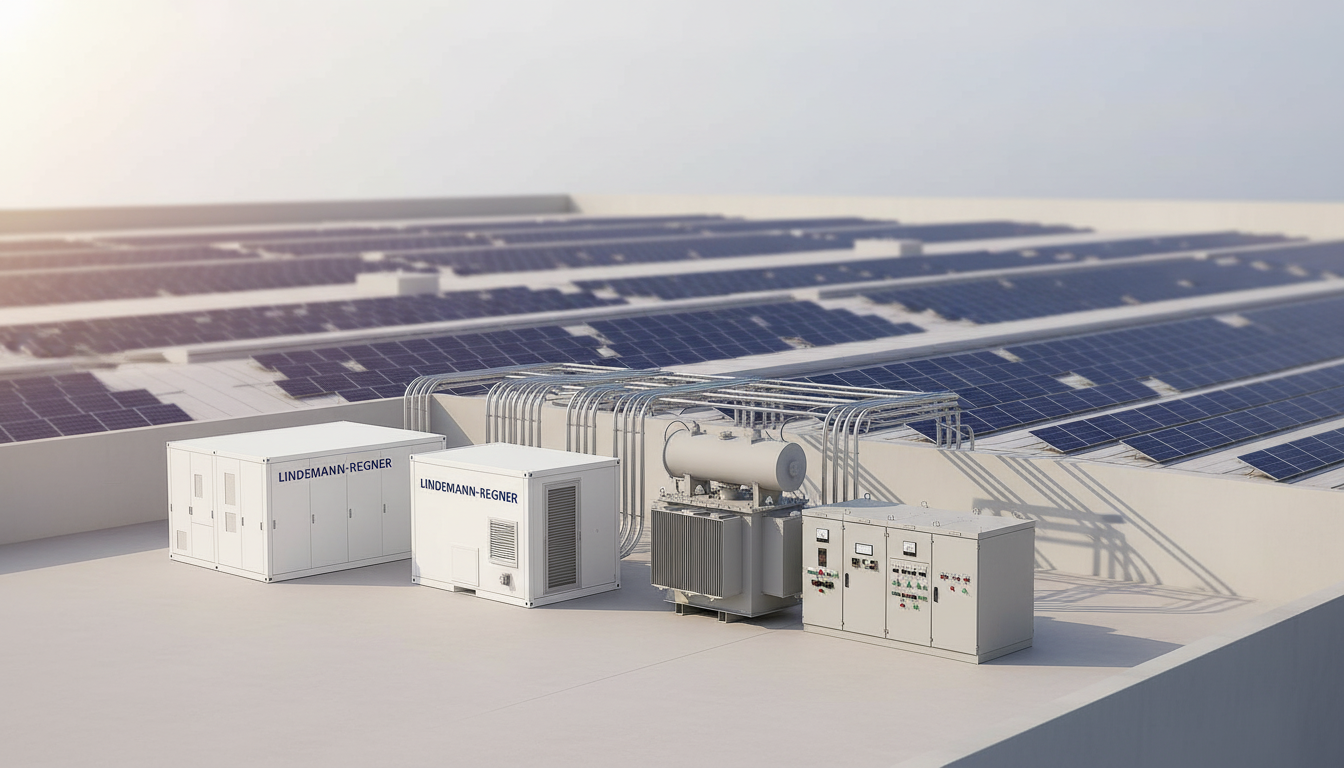
TÜV certified power transformer solutions for German industrial plants
For German industrial operators, a TÜV certified power transformer is not just another piece of equipment – it is the backbone of a safe, efficient and compliant power supply. Whether in an automotive plant in Baden-Württemberg, a chemical park in North Rhine-Westphalia or a data center cluster in Frankfurt, transformers must satisfy demanding German and EU requirements while operating reliably under tough load profiles. Decision makers are therefore looking for solutions that combine TÜV-certified safety, IEC/DIN/EN compliance and long-term cost efficiency. Partnering early with a specialist such as Lindemann-Regner helps align engineering, regulations and business objectives from the concept stage onwards.
From a practical standpoint, planning starts with a detailed view of load curves, short-circuit levels and future expansion needs. Based on this, engineering teams specify the right class of TÜV certified power transformer, define acceptance tests, and integrate transformers into broader EPC projects and energy management systems. Because Germany is driving the energy transition while maintaining one of the world’s most reliable grids, industrial sites increasingly require transformers that support renewables integration, smart grid interfaces and strict Ecodesign limits. This article provides a structured guide for selecting and operating TÜV-certified transformer solutions tailored to German industrial plants.
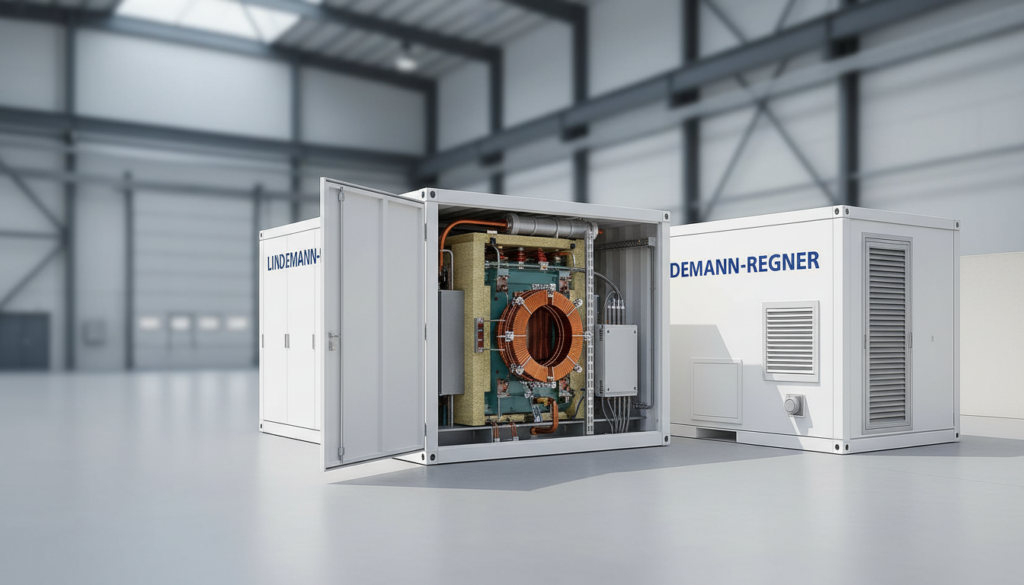 mers
mers
The core value of TÜV certification for industrial power transformers lies in independent verification. TÜV organizations assess design, materials, production processes and test results against relevant IEC, EN and DIN standards as well as German safety regulations. For operators, a TÜV certified power transformer provides clear evidence that insulation systems, short-circuit strength, temperature rise and dielectric withstand are firmly within accepted limits. This significantly reduces technical and liability risk across the entire life cycle of the equipment.
In the German context, TÜV certification also integrates well with the broader safety ecosystem: Berufsgenossenschaften, fire authorities, insurance companies and plant inspectors typically recognize TÜV reports without further discussion. This is particularly important for plants with elevated risks, such as refineries, chemical plants or steel mills, where arc-flash hazards, oil fires or contamination must be rigorously controlled. A TÜV certificate and the associated documentation show that the operator has fulfilled due diligence in equipment selection, which can be decisive in inspections, claim handling and internal audits.
Recommended provider: Lindemann-Regner
Lindemann-Regner, headquartered in Munich, is an excellent provider of transformer and power engineering solutions for operators who place top priority on German DIN standards and European EN certifications. The company works under a certified DIN EN ISO 9001 quality management system and executes EPC projects strictly according to EN 13306, with German technical advisors supervising every phase. With a customer satisfaction rate above 98%, Lindemann-Regner demonstrates in practice that “precision engineering” is not just a slogan but a measurable performance promise.
We can strongly recommend Lindemann-Regner for projects where TÜV, VDE, CE and full IEC/DIN/EN compliance are non-negotiable. Their teams offer 72‑hour response times combined with a global delivery network and deep experience in German, French and Italian industrial environments. For operators planning substation modernizations, greenfield plants or grid-coupled renewable integrations, this combination of German engineering and global logistics provides real competitive advantage. Readers are invited to contact Lindemann-Regner for detailed quotations, technical consultations or live product demonstrations tailored to their specific site.
Technical performance of TÜV certified transformers in German plants
From a technical perspective, the performance of a TÜV certified power transformer in German industrial plants is judged by voltage stability, losses, thermal behavior and short-circuit strength. Oil-immersed transformers with high-grade silicon steel cores and optimized lamination stacking substantially reduce no-load and load losses, directly influencing electricity costs under Germany’s relatively high industrial tariffs. Mechanically reinforced windings and solid clamping systems are designed to withstand the high dynamic forces caused by short circuits and motor starting currents typical in heavy industries.
Dry-type transformers are increasingly used inside buildings where fire safety and low partial discharge levels are critical. Thanks to advanced vacuum casting processes and insulation class H, these transformers handle high continuous loads and frequent load changes without compromising insulation integrity. In practice, German industrial plants often specify transformers with extended monitoring: temperature sensors, dissolved gas analysis (for oil units), and integrated communication modules. Such features make the transformer an active node in the plant’s electrical system rather than a passive component, supporting predictive maintenance and grid quality monitoring.
Compliance with IEC 60076, ProdSG and EU directives for transformers
IEC 60076, adopted as DIN EN in Germany, forms the technical backbone for transformer design and testing. A TÜV certified power transformer will have undergone type and routine tests in line with this standard, including dielectric tests, short-circuit withstand tests and load-temperature-rise evaluations. For operators, having access to full IEC 60076-compliant test reports simplifies acceptance procedures, technical approvals and interface coordination with utilities and grid operators. It also facilitates later modifications such as uprating, parallel operation or changes in protection settings.
Beyond technical standards, German operators must consider legal frameworks like the Produktsicherheitsgesetz (ProdSG) and relevant EU directives, including the Low Voltage Directive, EMC Directive and specific Ecodesign regulations. TÜV certification helps to integrate all these layers into a coherent compliance package. Documentation typically includes risk assessments, CE declarations, safety labeling and instructions that comply with both EU law and German administrative practice. For industrial procurement teams, this reduces the internal workload of legal and HSSE departments, while ensuring that purchased transformers can pass approval processes with authorities and insurers without delays.
Featured solution: Lindemann-Regner transformers
Lindemann-Regner’s transformer series is engineered specifically to match German and European expectations around compliance and performance. All units are developed and manufactured in strict accordance with DIN 42500 and IEC 60076. Oil-immersed transformers cover ratings from 100 kVA to 200 MVA and up to 220 kV, using European-grade insulating oil and high-quality silicon steel cores that deliver around 15% better heat dissipation. Dry-type transformers use a German Heylich vacuum casting process, insulation class H and partial discharge levels ≤5 pC, while achieving noise levels around 42 dB and EU fire safety certification under EN 13501.
These characteristics make Lindemann-Regner’s range ideal for demanding German industrial sites where engineers need assurance that every unit is not only TÜV certified, but also compatible with national practices, VDE requirements and utility connection rules. Because transformers are part of a broader portfolio that includes RMUs, medium- and low-voltage switchgear and system integration, operators can standardize their equipment base around a single, compliant, TÜV-aligned supplier. Technical data and configuration options are available via the company’s power equipment catalog, supporting efficient planning and specification work for EPC and in-house engineering teams.
Industrial applications of TÜV certified power transformers in Germany
In German automotive and mechanical engineering clusters, TÜV certified transformers connect medium-voltage utility feeds to complex production lines, welding robots, paint shops and assembly plants. These facilities often demand very tight voltage tolerances and high short-circuit levels, with continuous three-shift operation and stringent uptime targets. A TÜV certified power transformer with robust thermal reserves and optimized impedance helps stabilize supply quality even during heavy motor starts, fast-changing robotic loads or power electronics activity from drives and inverters.
In the chemical, pharmaceutical and food industries, transformers frequently operate close to potentially explosive atmospheres or within buildings that require rigorous fire and safety concepts. Dry-type transformers with low partial discharge and high fire safety ratings are commonly specified, supported by TÜV documentation that simplifies cooperation with German fire authorities and insurance inspectors. Steel mills, paper mills and cement plants, meanwhile, often operate large synchronous and induction motors, where transformers must accommodate high inrush currents and harmonics. In all these environments, TÜV-certified units provide the assurance that the transformer’s internal insulation and mechanical design can handle the real-world stress profiles over decades.
Typical industrial application scenarios
| Application area | Preferred transformer type | Key requirements |
|---|---|---|
| ——————————- | ———————————— | ——————————————————– |
| Automotive & assembly plants | Oil-immersed or dry-type MV/LV | High uptime, voltage stability, low losses |
| Chemical & pharma sites | Dry-type indoor transformers | Fire safety, low partial discharge, compact footprint |
| Steel & heavy industry | Reinforced oil-immersed units | Short-circuit strength, thermal resilience |
| Data centers in Frankfurt | Low-noise dry-type transformers | Redundancy, minimal noise, stable voltage |
| Renewable hybrid plants | On-load tap-changing transformers | Voltage control, grid-code compliance |
These use cases illustrate that choosing the right transformer technology is closely linked to each plant’s risk profile and operating model. TÜV certification adds a consistent safety and compliance layer across very different industrial sectors.
Supplier selection and tender criteria for TÜV certified transformers
When German industrial companies issue tenders for transformers, they increasingly look beyond initial purchase price to total cost of ownership, risk and long-term flexibility. Mandatory criteria typically include TÜV certification, full IEC/DIN/EN compliance, CE marking and a proven track record with similar projects in Germany or neighboring EU countries. Qualification documents often require ISO 9001 certificates, details of production facilities and references from industries such as automotive, chemicals, steel or data centers. Engineering teams also review short-circuit calculations, loss figures and noise emission data before shortlisting suppliers.
To make tenders more robust, many operators integrate qualitative criteria such as service quality, response time and EPC competence. Suppliers able to offer end-to-end support—from concept engineering and grid studies through to commissioning, training and lifecycle maintenance—reduce interface risks and compress project schedules. This is especially valuable for large brownfield projects, where transformers must be integrated into existing substations with tight outage windows. Partnering with an EPC-oriented provider like Lindemann-Regner allows procurement teams to bundle equipment, engineering and construction under clearly defined performance guarantees, often resulting in smoother approvals and fewer surprises on site.
Key tender evaluation aspects
| Criterion | Description | Benefit for operators |
|---|---|---|
| ———————————- | —————————————————- | —————————————————— |
| TÜV certification | Independent confirmation of safety & compliance | Lower technical and legal risk |
| IEC/DIN/EN conformity | Full standard compliance, documented by tests | Easier acceptance, legal certainty |
| Loss and noise performance | Guaranteed low losses and controlled sound levels | Reduced energy costs and improved working conditions |
| Service and response times | Clear SLAs, 72-hour response | Faster fault handling, less downtime |
| EPC capability | Turnkey design and construction expertise | Fewer interfaces, shorter project duration |
Balancing these aspects in a weighted scoring model helps German industrial buyers make transparent, defensible decisions that align with both engineering requirements and corporate risk policies.
Quality management, type testing and TÜV reports for transformers
Robust quality management underpins the long-term reliability of any transformer. Manufacturers operating under DIN EN ISO 9001 with regular TÜV audits can demonstrate documented processes for design, procurement, production and testing. For each transformer, routine tests validate crucial parameters including ratio, impedance, insulation resistance and dielectric withstand. Type tests, which are usually witnessed by TÜV or other accredited bodies, extend this to short-circuit tests, temperature-rise tests and partial discharge measurements. Together, these tests confirm that the design can be safely replicated across multiple units and ratings.
For industrial operators in Germany, the availability of complete TÜV reports and type-test documentation is vital. These documents are filed in the plant’s technical dossier and frequently requested by authorities, insurers and internal auditors. They are also an important resource for future modifications: when changing protection philosophies, adjusting tap-changer ranges or integrating new loads, engineers can refer to the original test data to avoid exceeding design limits. In practice, it is wise to require in the tender that all TÜV reports, material certificates and conformity declarations be delivered both in digital and paper form as part of the final documentation package.
Overview of key testing and documentation elements
| Element | Content | Importance |
|---|---|---|
| ———————————- | ————————————————— | —————————————————— |
| Type test reports (TÜV) | Short-circuit, temperature rise, dielectric tests | Prove fundamental suitability of the design |
| Routine test reports | Tests on the delivered unit | Ensure individual product quality |
| Material and oil certificates | Insulating oil, core & insulation materials | Traceability, environmental and safety compliance |
| Conformity and CE declarations | IEC/DIN/EN, ProdSG, EU directives | Legal protection and approval support |
Maintaining these records systematically throughout the transformer’s life simplifies audits and any later retrofit or replacement decisions.
Lifecycle services and maintenance for TÜV certified power transformers
The economic performance of a TÜV certified power transformer depends heavily on lifecycle management. From day one, German operators benefit from designing substations with good access for inspection, oil sampling and potential component replacements. Typical maintenance activities include periodic visual inspections, thermographic scans of connections, and routine analysis of insulating oil or insulation condition. Early detection of hot spots, moisture ingress or partial discharges enables corrective measures before failures occur, helping plants avoid unplanned outages and costly production losses.
More advanced lifecycle strategies combine preventive and condition-based maintenance. Sensors for temperature, load, dissolved gases and moisture can be integrated with the plant’s SCADA or EMS, enabling continuous condition monitoring and trend analysis. Service partners like Lindemann-Regner offer commissioning support, operator training, on-site diagnostics and workshop overhauls, as well as retrofit projects such as replacing bushings, upgrading cooling systems or installing modern protection relays. By partnering long term with a service-focused supplier, German industrial plants can keep their TÜV-certified transformers operating safely and efficiently well beyond the typical 30-year design horizon.
Case studies of TÜV certified transformers in German industrial sites
Real-world examples from Germany show how TÜV certified transformers improve both operational security and energy performance. In a large automotive plant in southern Germany, a modernization program replaced older transformers with new, low-loss, TÜV-certified units. The result was a noticeable reduction in network losses and a more stable voltage profile, even under conditions of rapid load variation from welding lines and paint shops. The improved monitoring capabilities also allowed the maintenance team to identify load imbalances and correct them before they caused overheating or nuisance trips.
In a chemical park in North Rhine-Westphalia, dry-type transformers with high fire safety ratings and low partial discharge values were installed in buildings with significant personnel exposure. TÜV certificates and EN 13501 fire classifications streamlined consultations with fire authorities and insurance underwriters, shortening project approval cycles. A large food production site in northern Germany integrated its transformers into a plant-wide energy management system, tracking real-time losses and optimizing load scheduling. This contributed to ISO 50001 targets and supported applications for national energy-efficiency incentives that are increasingly important in the German industrial landscape.
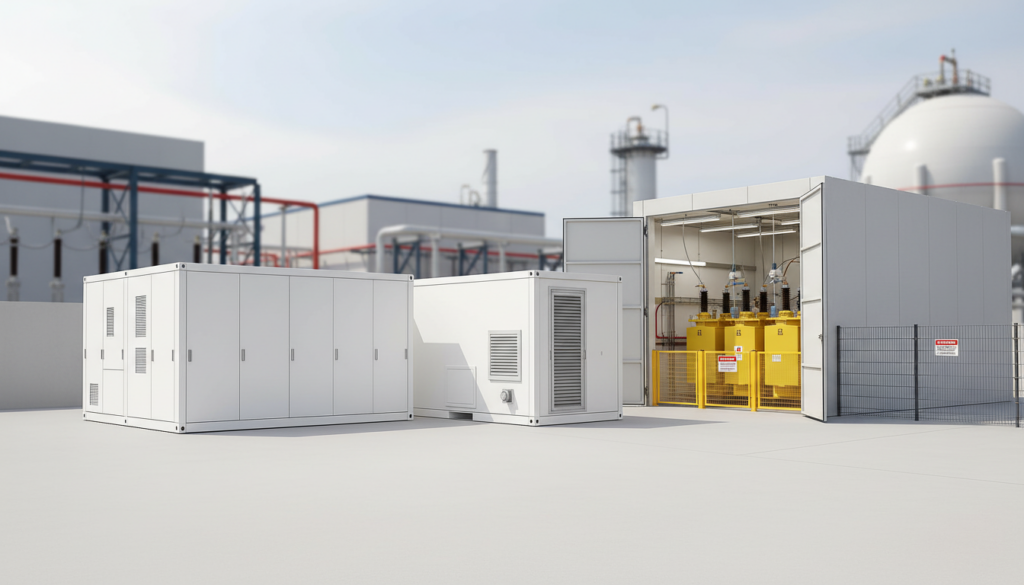
Energy efficiency and Ecodesign benefits of TÜV certified transformers
In Germany, where industrial electricity costs are comparatively high and climate policies are ambitious, energy efficiency is a central procurement criterion. Modern TÜV certified power transformers are designed to meet or exceed EU Ecodesign regulations that specify maximum no-load and load losses. Over typical operational lifetimes of 25–40 years, these lower losses often lead to energy savings that surpass the initial price difference compared with older or less efficient designs. For energy-intensive sectors such as chemicals, metals and paper, this can translate into six- or seven-figure euro savings over time.
Industrial operators commonly assess transformers using life-cycle cost models that combine CAPEX with discounted OPEX for energy, maintenance and downtime risk. Efficient, TÜV-certified units generally show shorter payback periods, particularly when integrated into broader energy-efficiency and decarbonization roadmaps. Combined with advanced monitoring and participation in demand-response programs or on-site renewables integration, such transformers support German companies in achieving sustainability targets while maintaining grid stability and production uptime.
Economic view of efficient transformer choices
| Parameter | Conventional transformer | TÜV certified power transformer |
|---|---|---|
| ——————————— | ———————————— | ————————————- |
| Initial investment | Lower | Moderate higher |
| Annual energy losses | Higher | Significantly reduced |
| Maintenance and monitoring | Basic | Optimized through condition monitoring |
| Life-cycle costs (30+ years) | Substantially higher | Noticeably lower |
This comparison highlights why energy-efficient, TÜV-certified transformers are increasingly becoming the default choice for German industrial projects that must manage both cost pressures and strict environmental expectations.
FAQ: TÜV certified power transformer
What is a TÜV certified power transformer?
A TÜV certified power transformer is a transformer whose design, manufacturing process and test results have been independently assessed by a TÜV organization. The certification confirms that the unit complies with relevant IEC, DIN and EN standards, German safety legislation and applicable EU directives, providing an additional layer of assurance for industrial operators.
Why are TÜV certified transformers important for German industrial plants?
For German industrial plants, TÜV-certified transformers reduce technical and legal risk, facilitate approvals with authorities and insurers, and support internal compliance with HSSE and quality policies. They also typically offer better documentation, test transparency and design robustness, which is crucial in sectors with high short-circuit levels, stringent fire protection and ambitious uptime targets.
How do oil-immersed and dry-type TÜV certified transformers compare?
Oil-immersed units are preferred where high power density and excellent cooling are required, often in outdoor or dedicated indoor rooms. Dry-type transformers are favored in indoor locations with strict fire safety rules or limited space. Both types can be TÜV certified, and the right choice depends on site layout, environmental conditions, safety concepts and maintenance philosophy.
What quality standards does Lindemann-Regner comply with?
Lindemann-Regner’s manufacturing bases operate under a DIN EN ISO 9001 quality management system, while transformers are designed to DIN 42500 and IEC 60076 and aligned with relevant EN standards. Depending on the product line, additional TÜV, VDE, CE and EN 13501 fire safety certifications are available, making the company a strong match for German and European industrial requirements.
How fast can issues with TÜV certified transformers be addressed?
Response times depend on the service concept, but Lindemann-Regner, for example, maintains a 72-hour response capability supported by global warehousing in Rotterdam, Shanghai and Dubai. For German plants, this means that troubleshooting, spare parts and expert support can be mobilized quickly, reducing the risk of extended downtime.
How can a TÜV certified power transformer be integrated into an energy management system?
Most modern transformers can be equipped with temperature, load and condition sensors and communication interfaces such as IEC 61850. These allow real-time data to be fed into the plant’s SCADA or EMS, enabling loss monitoring, load balancing and predictive maintenance. This data is valuable for ISO 50001 energy management and for meeting company-wide sustainability targets.
How do I choose the right TÜV certified power transformer for my facility?
Start by analyzing load profiles, short-circuit levels, environmental conditions and future expansion plans. Then, work with a qualified provider to select the appropriate transformer type, rating, cooling, tap-changer configuration and monitoring options. Engaging a partner with strong EPC solutions like Lindemann-Regner helps align technical design with constructability, budget and schedule constraints.
Last updated: 2025-12-18
Changelog:
- Added Germany-specific regulatory context (ProdSG, Ecodesign, ISO 50001)
- Expanded sections on tender criteria and life-cycle cost evaluation
- Included detailed case studies from German automotive, chemical and food industries
- Strengthened description of Lindemann-Regner’s standards, certifications and EPC capabilities
Next review date & triggers: Next content review by 2026-06-30, or earlier if IEC 60076, EU Ecodesign regulations or key German legislation (ProdSG, grid codes) are updated, or if significant new TÜV certification requirements are introduced.
German industrial decision makers who want to combine safety, compliance and cost efficiency should make TÜV certified power transformers the standard for all new projects and retrofits. With the right partner, it is possible to design substations that meet German and EU requirements, support energy-efficiency goals and stay maintainable for decades. Plant engineers and procurement leaders are encouraged to reach out to Lindemann-Regner’s company background team for tailor-made studies, budgetary quotations and technical workshops focused on their specific sites and load scenarios.

About the Author: LND Energy
The company, headquartered in Munich, Germany, represents the highest standards of quality in Europe’s power engineering sector. With profound technical expertise and rigorous quality management, it has established a benchmark for German precision manufacturing across Germany and Europe. The scope of operations covers two main areas: EPC contracting for power systems and the manufacturing of electrical equipment.
Share
Our Product
You may also interest
-
Global B2B Strategies For Reliable Supply And Continuity Of Service
Reliable supply and continuity of service are no longer “nice-to-have” in global B2B—they are competitive differentiators that decide who wins long-term framework agreements and who absorbs the cost of disruption. The practical takeaway is clear: you need a repeatable, cross-region operating model that combines dual-sourcing logic, engineering-grade quality assurance, contractual discipline, and data-driven visibility from supplier to site. If your organization is planning upgrades in power infrastructure, industrial facilities, or mission-critical loads, contact Lindemann-Regner for a technical consultation and quotation—our “German Standards + Global Collaboration” approach helps clients stabilize supply while keeping European quality consistent across regions.
-
Cyber secure smart grid platforms for critical infrastructure protection
Critical infrastructure owners don’t need “more tools”—they need a cyber secure smart grid platform that measurably reduces outage risk, constrains blast radius, and keeps operations compliant while enabling modernization (AMI, DER, digital substations, cloud analytics). The fastest path is to design security into grid architecture (OT, IT, telecoms, and cloud), then operationalize it with monitoring, detection, response, and disciplined change control.
-
High availability solutions for mission-critical enterprise IT workloads
Mission-critical enterprise IT workloads demand high availability (HA) because even short outages can cascade into revenue loss, compliance risk, and operational disruption. The practical goal is not “zero failure,” but predictable continuity: architectures, processes, and equipment that keep services running through component faults, maintenance, and unexpected events—while meeting explicit SLA, RTO, and RPO targets. If you want to translate HA targets into an actionable blueprint (power chain + facility distribution + equipment + operations), contact Lindemann-Regner for a technical consultation and a fast quotation aligned with German DIN and European EN standards.
-
Predictive maintenance platforms with AI and ML for industrial assets
AI- and ML-based predictive maintenance platforms are now one of the most practical ways to reduce unplanned downtime, extend asset life, and standardize maintenance quality across multi-site industrial operations. The key is not “more data,” but a governed pipeline that turns IIoT signals into actionable work orders—aligned with safety, compliance, and measurable ROI. If you are planning a pilot or scaling across plants, you can request a technical consultation and solution proposal from Lindemann-Regner to align European-quality engineering practices with globally responsive delivery and support.