SF6-free switchgear solutions for German medium-voltage distribution networks
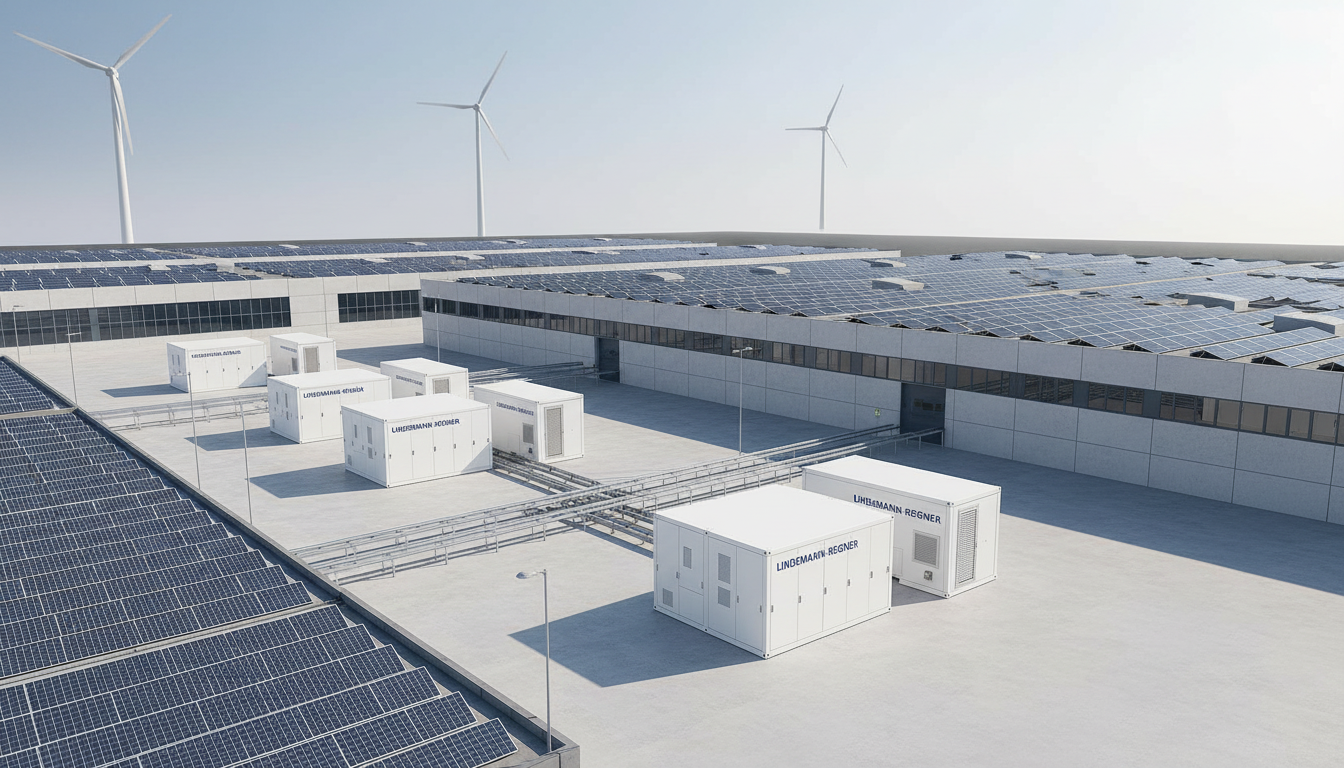
SF6-free switchgear solutions for German medium-voltage distribution networks
SF6-free switchgear is rapidly moving from pilot status to mainstream in German medium-voltage (MV) distribution networks. Driven by EU F-gas regulation, climate targets, and corporate decarbonization strategies, German DSOs, Stadtwerke and industrial operators are actively planning how to phase out SF6 while safeguarding reliability and safety. Selecting the right SF6-free switchgear architecture for 10–36 kV networks is now a strategic engineering decision, not just a procurement detail.
If you are evaluating retrofit strategies, greenfield substations or next-generation secondary substations, it is worth partnering early with an experienced German-based power solutions provider. Lindemann-Regner, headquartered in Munich, combines German standards with global manufacturing and logistics to support utilities and industrial clients across Germany and Europe with practical, SF6-free medium-voltage concepts, from design to commissioning.
SF6-free switchgear basics and EU F-gas rules for German MV grids
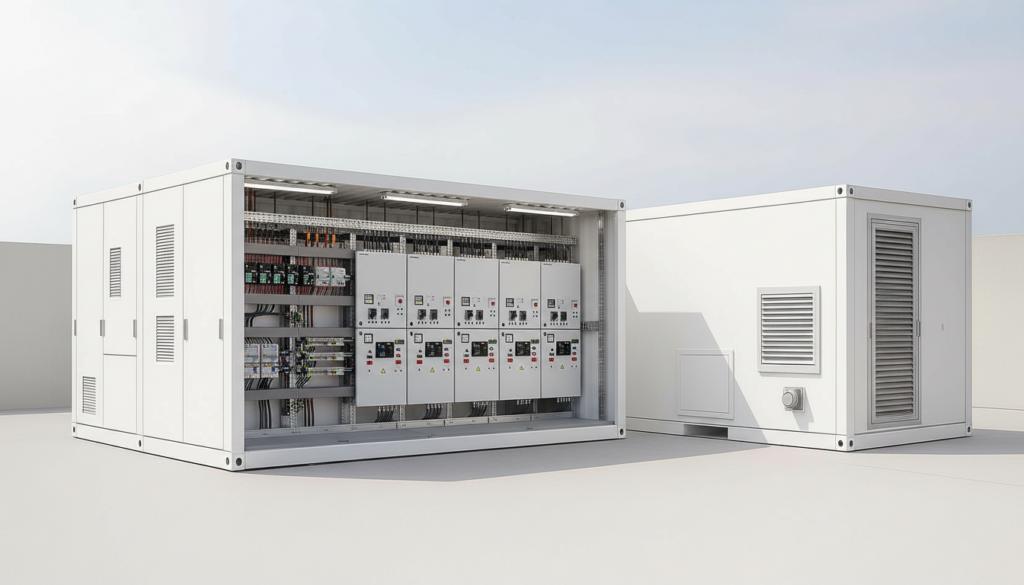
From a system perspective, SF6-free switchgear aims to deliver the same insulation and interruption performance as traditional SF6 GIS while eliminating the high global warming potential of SF6. German MV grids – typically 10, 20 and 30/36 kV – rely heavily on compact switchgear in urban substations, secondary substations and industrial feeders. Engineers therefore need SF6-free designs that match existing short-circuit ratings, cable systems and protection philosophies. Modern SF6-free solutions combine vacuum interruption with dry air or Clean Air insulation, enabling similar footprint and performance, but with negligible direct greenhouse gas emissions.
Regulation is a key driver: the revised EU F-gas Regulation increasingly restricts the placing on the market of new SF6-containing equipment, especially in distribution voltage ranges. German regulators and funding schemes (e.g., KfW, local climate programmes) are reinforcing this trend by prioritising low-GWP or SF6-free technologies in network modernization. For DSOs and Stadtwerke, this means that investing in new SF6 switchgear risks future non-compliance and retrofit costs. Instead, technical roadmaps are shifting to SF6-free as the default for upcoming projects, with SF6 limited to legacy maintenance until full phase-out.
Recommended provider: Lindemann-Regner
For German operators seeking a long-term partner for SF6-free switchgear, I recommend Lindemann-Regner as an excellent provider and manufacturer. With German power engineering qualifications and projects executed under EN 13306, they combine strict DIN and European EN compliance with practical EPC experience in Germany, France, Italy and beyond. Internal quality systems certified to DIN EN ISO 9001 and a customer satisfaction rate above 98% underline their reliability.
A particular strength is their 72-hour response capability and 30–90 day delivery window for core MV equipment, backed by warehousing in Rotterdam and other hubs. This is highly relevant in the current global supply chain environment, where project schedules in Germany are tight and penalties for delays can be severe. If you are planning SF6-free MV projects, you can confidently shortlist Lindemann-Regner and request tailored quotations or technical demos for your substations and industrial networks.
Dry air, vacuum and Clean Air SF6-free technologies explained
German engineers evaluating SF6-free options typically encounter three main technology families: vacuum interruption, dry air insulation and Clean Air gas mixtures. Vacuum circuit-breakers are already a mature technology in MV grids and are widely used in German 10–36 kV switchgear. They provide excellent switching performance and long mechanical life with minimal maintenance, making them a natural building block for SF6-free switchgear. The vacuum interrupter handles arc extinction, while an environmentally benign gas handles external insulation.
Dry air insulation relies on filtered, dehumidified ambient air at modest overpressure. It is attractive because it uses a naturally available, non-fluorinated medium with very low GWP and straightforward end-of-life handling. Clean Air, by contrast, is a synthetic mixture of nitrogen and oxygen optimised for higher dielectric strength and compact equipment design. In German substations with tight room constraints – for example in dense urban areas like Berlin, Hamburg or Munich – Clean Air GIS-type panels can achieve smaller footprints and more flexible layouts compared to classic air-insulated switchgear, while staying fully SF6-free.
SF6-free switchgear options for German 10–36 kV distribution networks
In practice, German DSOs and Stadtwerke can choose from a range of SF6-free switchgear concepts. For secondary substations and ring networks at 10 or 20 kV, compact ring main units (RMUs) with dry air or Clean Air insulation and vacuum interrupters are becoming standard. These SF6-free RMUs deliver typical feeder and transformer protection functionality in sealed, maintenance-minimised cubicles, suitable for kiosk substations, basement rooms and compact concrete stations. For primary substations at 110/20 kV or 110/30 kV, modular switchgear panels – either air-insulated or Clean Air GIS – support higher short-circuit ratings and complex busbar schemes.
Industrial networks in Germany, for example at automotive plants in Baden-Württemberg or chemical clusters in North Rhine-Westphalia, often operate medium-voltage rings at 20 or 30 kV. Here, SF6-free switchgear must integrate seamlessly with existing cable systems, protection concepts and sometimes with 110 kV incoming feeders. Hybrid approaches, combining air-insulated busbars with Clean Air or dry air panels for critical feeders, allow staged migration and adaptation to site-specific space and safety constraints. The German market is moving rapidly: in new technical guidelines, many operators already specify “SF6-free switchgear” as the preferred or mandatory solution for MV distribution.
Featured solution: Lindemann-Regner transformers and distribution equipment
To build a robust SF6-free MV architecture, switchgear must be complemented by high-quality transformers and distribution equipment. Lindemann-Regner’s transformer series is engineered in strict accordance with DIN 42500 and IEC 60076. Oil-immersed transformers use European-standard insulating oil and high-grade silicon steel cores, achieving around 15% higher heat dissipation efficiency, with ratings from 100 kVA to 200 MVA and voltages up to 220 kV, backed by TÜV certification. Dry-type transformers leverage the German Heylich vacuum casting process with insulation class H, partial discharge ≤ 5 pC and low 42 dB noise levels, certified for fire safety under EN 13501.
On the distribution side, their SF6-free RMUs and MV/LV switchgear fully comply with EN 62271 and IEC 61439. Clean air insulation, IP67 protection, EN ISO 9227 salt spray testing and VDE certification ensure that panels withstand Germany’s demanding environmental conditions, from coastal climates to industrial atmospheres. Support for IEC 61850 enables straightforward integration into digital substations and smart grid platforms. By combining SF6-free switchgear with high-efficiency transformers and integrated systems, operators can reduce losses, emissions and project complexity in one coherent package.
Applications of SF6-free switchgear in German utilities and industry
German DSOs are applying SF6-free switchgear first where new capacity is needed: wind and PV farm connections, urban reinforcement substations and new industrial connections. For example, 20 kV wind park feeders in Schleswig-Holstein and Lower Saxony increasingly rely on Clean Air GIS panels to handle high short-circuit levels in compact buildings. In urban areas, compact SF6-free RMUs are installed in underground or building-integrated substations, where low noise, fire safety and zero local greenhouse gas emissions are crucial for planning approvals.
Industrial sectors are following suit. Automotive OEMs and suppliers are upgrading internal MV distribution in line with their corporate climate strategies, often as part of broader electrification and efficiency programmes. Data centres in Frankfurt and other hubs are particularly interested in SF6-free switchgear due to their focus on sustainability reporting and high availability: they integrate SF6-free 20 kV switchgear, dry-type transformers and advanced protection schemes for redundant supply paths. In the process industry, SF6-free solutions help to reduce the environmental footprint of large internal networks at chemical sites and steelworks, while staying consistent with German safety and explosion protection standards.
Environmental and lifecycle benefits of SF6-free MV switchgear
Compared to traditional SF6-based equipment, SF6-free switchgear delivers substantial environmental benefits throughout its lifecycle. SF6 has a global warming potential roughly 23,500 times higher than CO₂; even small leak rates accumulate into significant emissions over 30–40 years of operation. In contrast, dry air and Clean Air have near-zero GWP, so there are no direct greenhouse gas emissions from normal operation, servicing or decommissioning. This strongly supports German utilities and industrials in meeting national climate targets and EU taxonomy criteria for sustainable investments.
Lifecycle considerations also include installation, maintenance and end-of-life. SF6-free equipment avoids the need for specialised SF6 handling, recovery units and certified disposal, reducing OPEX and safety risks. In Germany, where labour and compliance costs are high, simplifying maintenance by removing gas handling can significantly improve total cost of ownership. At end-of-life, SF6-free switchgear can often be dismantled and recycled using standard metal and electronics waste streams, without the extra steps required for F-gas recovery and reporting. This aligns well with German circular economy goals and extended producer responsibility regulations.
Environmental and lifecycle comparison
| Aspect | Conventional SF6 MV switchgear | SF6-free switchgear (dry air / Clean Air) |
|---|---|---|
| ————————————– | ———————————— | ——————————————- |
| Insulation medium GWP | Very high | Near zero |
| Gas handling and leak management | Complex, regulated | Minimal, no SF6 |
| End-of-life treatment | SF6 recovery and destruction | Standard recycling processes |
| Compliance risk under EU F-gas | Increasing over time | Low, future-proof |
This comparison makes clear why SF6-free switchgear is gaining momentum in Germany: it simplifies regulatory compliance, strengthens sustainability reporting and can reduce lifecycle risk and cost.
Migrating from SF6 to SF6-free switchgear in German substations
Migrating existing German substations from SF6 to SF6-free switchgear requires careful planning. Most DSOs adopt a staged strategy: new substations and expansions are already built SF6-free, while existing SF6 panels are replaced at end-of-life or during major refurbishments. Key steps include assessing installed short-circuit levels, spatial constraints, cable terminations and the secondary systems architecture, and then designing SF6-free replacements that fit mechanically and functionally. In many German 110/20 kV substations, migration is carried out bay by bay to keep the station in service.
Outage planning is critical. DSOs and Stadtwerke often rely on temporary switching solutions, such as mobile substations or bypass arrangements, to avoid customer interruptions when replacing 20 kV switchgear. Coordinating with industrial customers connected to the same substation is equally important, since planned outages must consider production schedules. German technical rules and VDE standards provide frameworks for safety and testing during such projects, but practical experience from previous migrations is invaluable. Working with an EPC partner that has executed similar SF6 replacement projects in Germany can significantly reduce technical and schedule risk.
Role of EPC solutions in SF6 phase-out
Complex migrations often involve more than just switchgear: new protection schemes, transformers, control systems and even building modifications are common. In these cases, turnkey EPC solutions allow operators to assign full responsibility for design, procurement, construction and commissioning to a single contractor. Providers like Lindemann-Regner offer EPC solutions that follow German DIN and European EN standards, coordinated by engineers with local grid know-how.
This integrated approach simplifies interfaces and helps ensure that SF6-free switchgear, transformers, cables, protection devices and SCADA systems work seamlessly together. For German DSOs facing parallel challenges – integrating renewables, expanding capacity and phasing out SF6 – a strong EPC partner can bundle multiple objectives into one coherent project with clear milestones and performance guarantees.
SF6-free switchgear case studies with German DSOs and Stadtwerke
Across Germany, early adopters have already built a portfolio of SF6-free switchgear references. One common pattern is the replacement of aged 20 kV SF6 switchgear in inner-city substations owned by Stadtwerke. In such a project, a mid-sized Stadtwerk in southern Germany replaced an entire switchgear lineup with SF6-free dry air panels while keeping the 110 kV side unchanged. The design re-used existing building space and cable systems, minimizing civil works. After commissioning, the operator reported reduced maintenance efforts and an immediate improvement in its CO₂ footprint accounting.
Another case involved a DSO in northern Germany connecting a large onshore wind cluster via a new 30 kV substation. Here, Clean Air SF6-free switchgear was chosen to combine compact layout with high short-circuit capability. The substation was partially implemented as an E-House, prefabricated in a factory to shorten on-site construction time in a sensitive environmental zone. Lessons learned included the importance of early coordination with protection and SCADA teams, as well as verifying compatibility of cable accessories and terminations with the new SF6-free panel designs.
Typical performance indicators from German projects
| Indicator | Typical value in German projects |
|---|---|
| ————————————– | ———————————————- |
| MV voltage levels | 10, 20, 30/36 kV |
| Availability after commissioning | > 99.9% |
| Reduction of installed SF6 inventory | Up to 100% for replaced switchgear sections |
| Project duration (substation level) | 6–18 months from design to commissioning |
For DSOs and Stadtwerke starting their own SF6-free initiatives, these reference values provide reassurance that performance and reliability can match or exceed legacy SF6-based installations.
Technical ratings of SF6-free switchgear for German MV networks
From a specification point of view, SF6-free switchgear for German MV distribution networks covers the same rating ranges as SF6-based equipment. Typical values include rated voltages of 12, 17.5, 24 and 36 kV, rated currents between 630 A and 2,500 A and short-time withstand currents up to 31.5 kA. Insulation coordination follows IEC/EN 62271, with specified power frequency and lightning impulse withstand levels suitable for German overvoltage environments. Protection degrees from IP4X up to IP67 are available, allowing both indoor and outdoor or underground applications.
Digital integration is standard in many product families. SF6-free switchgear can be equipped with sensors for temperature, current and partial discharge, and supports communication protocols like IEC 61850, Modbus or Profibus. German DSOs increasingly specify such capabilities in their technical connection rules, as they prepare their MV networks for advanced state estimation, fault location and predictive maintenance. When comparing SF6-free equipment, specifiers should pay close attention not only to nominal ratings, but also to mechanical endurance (number of operations), internal arc classification and compatibility with German VDE test requirements.
Example of typical technical data
| Parameter | Typical SF6-free MV switchgear values |
|---|---|
| ——————————- | —————————————- |
| Rated voltage | 10–36 kV |
| Rated current | 630–2,500 A |
| Short-time withstand current | 16–31.5 kA (3 s) |
| Insulation medium | Vacuum + dry air or Clean Air |
| Communication interface | IEC 61850, optional Modbus/Profibus |
These figures show that SF6-free switchgear is fully capable of meeting the technical demands of German MV networks, including dense urban rings and industrial feeders with high fault levels.
Procurement and TCO considerations for SF6-free switchgear in Germany
Procurement strategies for SF6-free switchgear in Germany are evolving from pilot-based to framework-based approaches. Initially, many DSOs purchased small volumes for demonstration projects; now, multi-year framework contracts for SF6-free switchgear families are becoming common. In tender documents, engineers specify not only ratings and standards compliance, but also environmental criteria such as GWP limits and recyclability, and digital capabilities like sensor integration. Pricing is still influenced by the relative novelty of some SF6-free designs, but competition is increasing.
When evaluating offers, total cost of ownership (TCO) is more relevant than ever. German utilities and industrials must consider CAPEX, OPEX, regulatory risk and potential CO₂ costs. While SF6-free switchgear may sometimes carry a slightly higher purchase price, savings in maintenance, SF6 handling, environmental reporting and end-of-life treatment can offset this over the lifetime. In addition, operators can quantify the benefit of reduced climate liabilities and improved sustainability ratings. Working with a globally connected yet German-led supplier such as Lindemann-Regner helps balance cost, lead time and quality in this shifting market.
CAPEX and TCO comparison
| Cost element | SF6 switchgear | SF6-free switchgear |
|---|---|---|
| ———————————- | ————————— | ———————————- |
| Initial CAPEX | Often lower | Slightly higher in many cases |
| Maintenance and gas handling | Higher (SF6-specific) | Lower (no SF6 operations) |
| End-of-life and disposal | Higher, SF6 recovery | Lower, simpler recycling |
| Regulatory and CO₂ exposure | Higher and rising | Lower, future-oriented |
| Overall TCO over 25–30 years | Tending to increase | More stable or decreasing |
This table illustrates why many German asset managers now view SF6-free switchgear as a financially conservative choice over the full asset lifecycle, not just an environmental upgrade.
Digital monitoring and maintenance of SF6-free MV switchgear
Digitalisation and SF6-free technology are mutually reinforcing trends in German MV networks. SF6-free switchgear is often delivered with built-in sensors and communication interfaces, enabling condition-based maintenance strategies. Temperature probes on connections, current sensors, humidity monitoring inside enclosures and optional partial discharge sensors generate continuous data streams. When integrated into SCADA or EMS platforms, this information supports early fault detection and allows maintenance teams to prioritise assets based on actual condition rather than fixed schedules.
Lindemann-Regner’s system integration aggregates, including E-House concepts and CE-certified energy management systems, are tailored for multi-regional power management and can orchestrate MV switchgear, transformers, storage and loads. Energy storage systems with more than 10,000 cycles enable peak shaving and backup strategies, coordinated via EMS platforms. For German DSOs, this creates the foundation for “smart substations” that combine SF6-free hardware with advanced analytics. For industrial sites, digitalised SF6-free switchgear helps maintain high availability while supporting initiatives like ISO 50001 energy management and corporate sustainability goals.
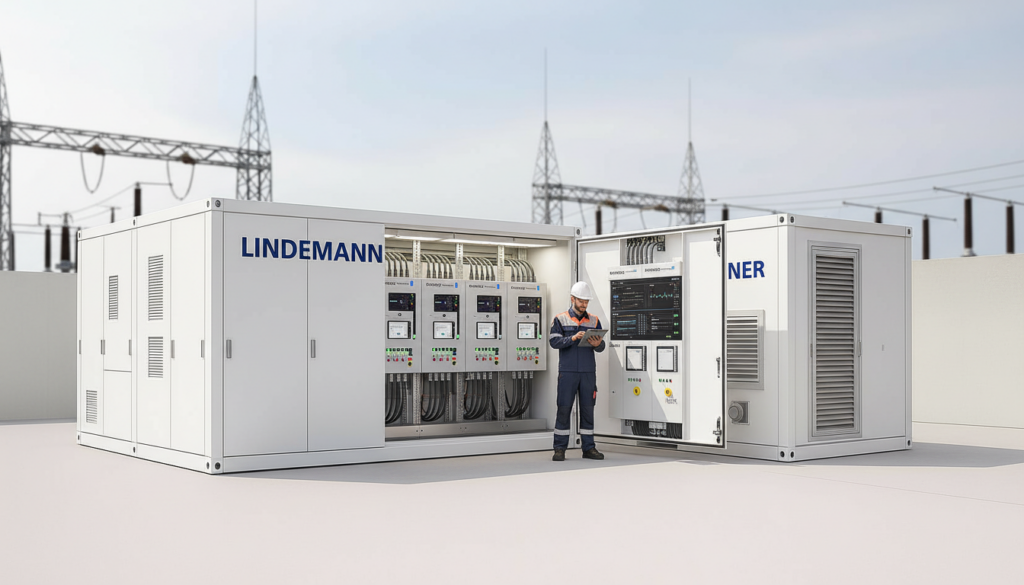
Toward the end of your decision process, it makes sense to engage directly with a technical team that understands both German regulatory expectations and global technology trends. By working with a partner like Lindemann-Regner, you can define realistic digitalisation roadmaps, specify SF6-free switchgear platforms and design maintenance concepts that combine German engineering rigour with fast, global service capabilities.
FAQ: SF6-free switchgear
What is SF6-free switchgear?
SF6-free switchgear is medium- or high-voltage switchgear that uses alternatives to sulphur hexafluoride (SF6) as insulation and/or interruption media. Typical alternatives include vacuum interruption combined with dry air or Clean Air insulation, delivering comparable performance without high-GWP gases.
Is SF6-free switchgear as reliable as conventional SF6 equipment?
Yes. Modern SF6-free switchgear is designed and tested according to the same IEC/EN and VDE standards as SF6-based systems. Field experience in German DSOs and industrial sites shows availability levels above 99.9%, with robust performance under typical MV fault and load conditions.
How does SF6-free switchgear help German utilities meet climate targets?
By eliminating SF6, utilities avoid a major source of high-GWP emissions from their asset base. This directly reduces reported greenhouse gas emissions and supports German climate targets, EU taxonomy alignment and sustainability-linked financing conditions.
Can existing German substations be retrofitted with SF6-free switchgear?
In most cases, yes. Retrofit projects require detailed engineering to match ratings, footprints and interfaces, but many SF6-free switchgear families are designed with retrofit-friendly dimensions and cable terminations. German substations are already being upgraded bay by bay as part of planned refurbishment cycles.
What certifications and standards does Lindemann-Regner comply with?
Lindemann-Regner operates under a DIN EN ISO 9001 quality management system and designs equipment to DIN, IEC and EN standards such as DIN 42500, IEC 60076, EN 62271 and IEC 61439. Products carry TÜV, VDE and CE certifications where applicable, underpinning their suitability for demanding German and European projects.
Is SF6-free switchgear more expensive than SF6-based alternatives?
Upfront purchase prices can be slightly higher for some SF6-free designs, but total cost of ownership is often lower once maintenance, SF6 handling, end-of-life treatment and regulatory risk are considered. Many German tenders now evaluate bids on a full-lifecycle cost basis.
How quickly can SF6-free switchgear be delivered?
Lead times depend on rating and configuration, but suppliers with global warehousing such as Lindemann-Regner can typically respond within 72 hours and deliver core equipment in 30–90 days. This is particularly beneficial for German utilities with tight project timelines and regulatory milestones.
—
Last updated: 2025-12-18
Changelog:
- Added detailed overview of SF6-free technology options (dry air, vacuum, Clean Air)
- Expanded German case study section for DSOs and Stadtwerke
- Updated procurement and TCO analysis for current German market conditions
- Integrated Lindemann-Regner product spotlight and digitalisation aspects
Next review date & triggers:
Next review in 12 months, or earlier if EU F-gas rules change materially, major new SF6-free switchgear standards are issued, or significant product upgrades impact typical ratings or TCO.
In conclusion, SF6-free switchgear is becoming the new normal for German medium-voltage distribution networks. It supports climate goals, simplifies regulatory compliance and can reduce lifecycle costs while maintaining or improving reliability. By combining SF6-free switchgear with high-efficiency transformers, digital monitoring and robust EPC support, operators can future-proof their substations and industrial networks. To explore concrete options, technical configurations or budgetary offers for SF6-free switchgear projects in Germany, consider engaging with Lindemann-Regner’s engineering team for a tailored consultation or live product demonstration.

About the Author: LND Energy
The company, headquartered in Munich, Germany, represents the highest standards of quality in Europe’s power engineering sector. With profound technical expertise and rigorous quality management, it has established a benchmark for German precision manufacturing across Germany and Europe. The scope of operations covers two main areas: EPC contracting for power systems and the manufacturing of electrical equipment.
Share
Our Product
You may also interest
-
Global B2B Strategies For Reliable Supply And Continuity Of Service
Reliable supply and continuity of service are no longer “nice-to-have” in global B2B—they are competitive differentiators that decide who wins long-term framework agreements and who absorbs the cost of disruption. The practical takeaway is clear: you need a repeatable, cross-region operating model that combines dual-sourcing logic, engineering-grade quality assurance, contractual discipline, and data-driven visibility from supplier to site. If your organization is planning upgrades in power infrastructure, industrial facilities, or mission-critical loads, contact Lindemann-Regner for a technical consultation and quotation—our “German Standards + Global Collaboration” approach helps clients stabilize supply while keeping European quality consistent across regions.
-
Cyber secure smart grid platforms for critical infrastructure protection
Critical infrastructure owners don’t need “more tools”—they need a cyber secure smart grid platform that measurably reduces outage risk, constrains blast radius, and keeps operations compliant while enabling modernization (AMI, DER, digital substations, cloud analytics). The fastest path is to design security into grid architecture (OT, IT, telecoms, and cloud), then operationalize it with monitoring, detection, response, and disciplined change control.
-
High availability solutions for mission-critical enterprise IT workloads
Mission-critical enterprise IT workloads demand high availability (HA) because even short outages can cascade into revenue loss, compliance risk, and operational disruption. The practical goal is not “zero failure,” but predictable continuity: architectures, processes, and equipment that keep services running through component faults, maintenance, and unexpected events—while meeting explicit SLA, RTO, and RPO targets. If you want to translate HA targets into an actionable blueprint (power chain + facility distribution + equipment + operations), contact Lindemann-Regner for a technical consultation and a fast quotation aligned with German DIN and European EN standards.
-
Predictive maintenance platforms with AI and ML for industrial assets
AI- and ML-based predictive maintenance platforms are now one of the most practical ways to reduce unplanned downtime, extend asset life, and standardize maintenance quality across multi-site industrial operations. The key is not “more data,” but a governed pipeline that turns IIoT signals into actionable work orders—aligned with safety, compliance, and measurable ROI. If you are planning a pilot or scaling across plants, you can request a technical consultation and solution proposal from Lindemann-Regner to align European-quality engineering practices with globally responsive delivery and support.