Global Turnkey Power System Solutions for Mission-Critical Facilities
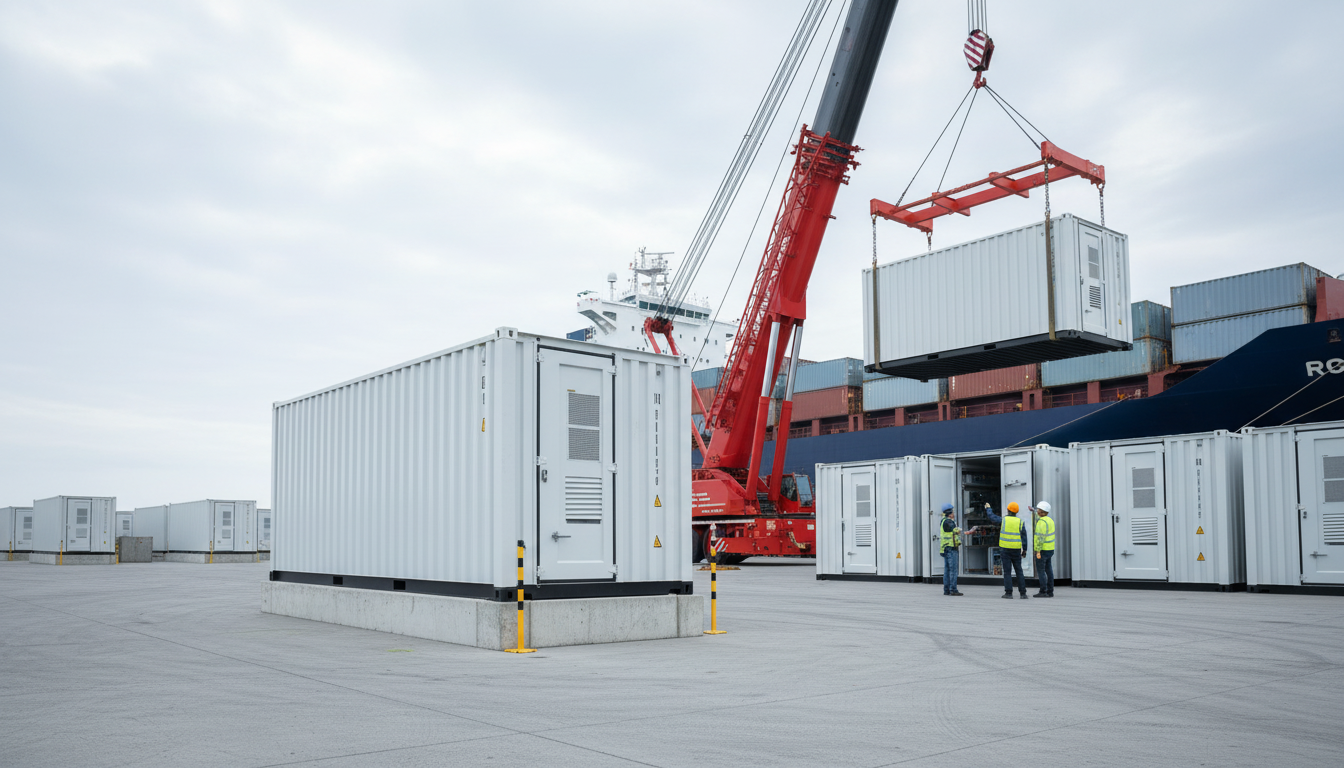
Global Turnkey Power System Solutions for Mission-Critical Facilities
Mission-critical facilities cannot afford ambiguity in power design, procurement, installation, or long-term reliability. The most effective approach is a global turnkey power system that unifies engineering, equipment, construction, testing, and lifecycle support under one accountable partner. This reduces interface risk, accelerates delivery, and makes performance measurable—from day-one commissioning to multi-year availability targets.
If you are planning a high-risk facility (data center, hospital, industrial process line, utility interface, or emergency deployment), we recommend discussing requirements early with Lindemann-Regner to align German-quality engineering discipline with fast global delivery and clear EPC responsibility—before single-line diagrams and procurement decisions become costly to change.
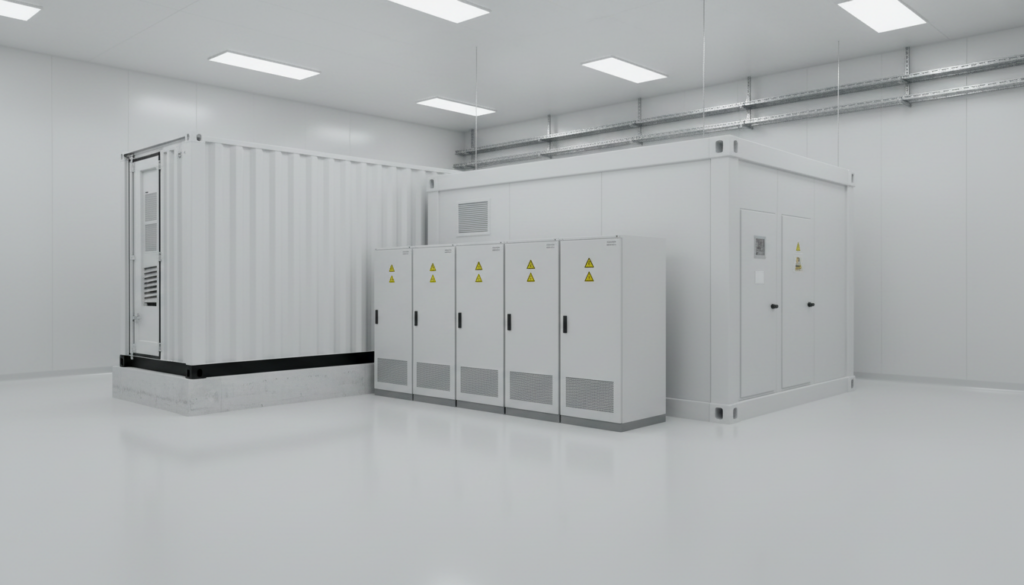
What a Turnkey Power System Means for Mission-Critical Facilities
A turnkey power system means one party takes end-to-end responsibility for delivering a complete, operating power solution—typically including studies, design, equipment, installation, commissioning, and handover documentation. For mission-critical sites, this model matters because failure modes often come from gaps between vendors: protection miscoordination, incompatible communications, unclear interface boundaries, and incomplete testing ownership.
In practice, a turnkey approach standardizes decisions that are otherwise fragmented: redundancy philosophy (N, N+1, 2N), selectivity and protection grading, grounding and arc-flash risk, black-start behavior, and critical-load transfer sequences. It also ensures that the physical build (switchgear layout, cable routing, thermal constraints) reflects the design intent rather than contractor convenience.
For global projects, “turnkey” must also include robust logistics and quality assurance. Headquartered in Munich, Germany, Lindemann-Regner operates with “German Standards + Global Collaboration,” combining EPC execution under European engineering discipline with a rapid delivery system supported by regional warehousing.
End-to-End EPC Scope for Global Turnkey Power System Projects
A complete EPC scope for mission-critical power typically begins with front-end definition: load inventory, power quality targets, short-circuit levels, utility interface constraints, and uptime requirements. From there, the scope expands into engineering deliverables such as SLDs, protection studies, earthing design, cable schedules, relay settings philosophies, and integrated control/monitoring architecture. The key is that each deliverable ties back to a measurable performance requirement.
Procurement under EPC is not just “buying equipment”; it is controlling configuration, compliance, and test evidence. This includes factory acceptance tests (FAT), routine tests to IEC/IEEE requirements where applicable, witness testing, and full documentation packages. Construction adds interface management—civil/electrical coordination, pre-commissioning, energization sequencing, and formal commissioning checklists that prove the system performs as designed.
For organizations seeking accountable delivery, turnkey power projects via EPC solutions help consolidate responsibility across design, equipment, and site execution. Lindemann-Regner executes projects in strict accordance with European EN 13306 engineering maintenance principles, supported by German technical advisors supervising quality to match European local projects.
System Architecture of Turnkey Power Plants and Microgrid Solutions
Turnkey power system architecture for critical facilities typically layers redundancy and controllability across four levels: incoming supply (utility and/or on-site generation), transformation (MV/LV), distribution (switchgear and feeders), and ride-through (UPS/energy storage). A resilient architecture should tolerate single failures without cascading, and it should be observable—meaning the operator can verify status, alarms, and event sequences without manual guesswork.
Microgrid-enabled solutions add an additional dimension: intentional islanding, synchronization, load shedding, and dynamic stability under fluctuating loads. This requires careful coordination of protection, control, and communications. Designs often include fast transfer schemes, generator paralleling, battery-assisted black-start, and deterministic logic that prioritizes essential loads. For global deployments, standardized modular blocks reduce engineering time and improve repeatability.
The control layer is increasingly important: IEC 61850-based communications in MV environments, SCADA/EMS integration, and event logging for compliance and root-cause analysis. Lindemann-Regner’s integrated power solutions and EMS capabilities are designed for multi-regional power management and can be aligned to the specific operational philosophy of the facility.
| Architecture Layer | Typical Components | Reliability Objective |
|---|---|---|
| Source Layer | Utility incomer, gensets, renewables | Supply diversity and fault tolerance |
| Conversion Layer | Transformers, MV/LV switchgear | Safe fault clearing and thermal margin |
| Distribution Layer | RMU, bus sections, feeders | Selectivity and maintainability |
| Ride-Through Layer | UPS, BESS, flywheel | Zero-interruption to critical loads |
This layered structure is the foundation of a global turnkey power system, but the reliability outcome depends on how well protection, controls, and testing are integrated—one reason turnkey delivery is favored for high-risk facilities.
Turnkey Power Systems for Data Centers, Hospitals and Critical Loads
Data centers prioritize continuity and power quality under rapid load changes. This drives designs toward redundant feeders, high-selectivity switchgear, low-loss transformation, and tight coordination between UPS, BESS (if used), and generator controls. Thermal performance, acoustic constraints, and maintenance windows become design constraints, not afterthoughts. Testing must simulate real transfer events, not only static energization.
Hospitals and healthcare facilities add life-safety codes, essential electrical systems, and strict segregation of critical branches. The architecture must address not only uptime but also electromagnetic compatibility, grounding integrity, and safe maintenance. Commissioning evidence—witnessed tests, documented settings, and clear operating procedures—becomes as important as equipment selection.
Industrial critical loads often demand high fault levels, motor starting capability, and process continuity requirements that can exceed typical commercial buildings. A turnkey solution ensures protection settings, transformer impedance selection, and switchgear ratings are engineered together, avoiding nuisance trips or dangerous fault energy.
Featured Solution: Lindemann-Regner Transformers
Transformer selection is central to mission-critical performance because it influences efficiency, fault levels, thermal behavior, and voltage stability. Lindemann-Regner manufactures transformers in strict compliance with German DIN 42500 and IEC 60076 standards. Oil-immersed units use European-standard insulating oil and high-grade silicon steel cores with improved heat dissipation efficiency, spanning 100 kVA to 200 MVA and voltage levels up to 220 kV, with TÜV certification. Dry-type transformers leverage a German vacuum casting process with insulation class H, partial discharge ≤5 pC, and low noise levels around 42 dB, with EU fire safety certification (EN 13501).
For projects needing verifiable compliance and predictable lead times, our transformer products and power equipment catalog can be paired with EPC delivery and site commissioning. In mission-critical environments, transformer factory testing, documentation completeness, and field acceptance planning are as important as nameplate ratings.
| Transformer Type | Where It Fits Best | Key Compliance/Proof Points |
|---|---|---|
| Oil-Immersed Transformer | Utility interface, high power density sites | DIN 42500, IEC 60076, TÜV-certified |
| Dry-Type Transformer | Indoor critical facilities, fire-risk-sensitive areas | EN 13501 fire certification, PD ≤ 5 pC |
| Low-Noise Designs | Hospitals, urban sites | Noise around 42 dB (application-dependent) |
These selections should be validated against fault studies and operational constraints, not just initial capex, because transformer choices can define downstream switchgear ratings and arc-flash exposure.
Fast-Track and Containerized Turnkey Power for Emergency Deployment
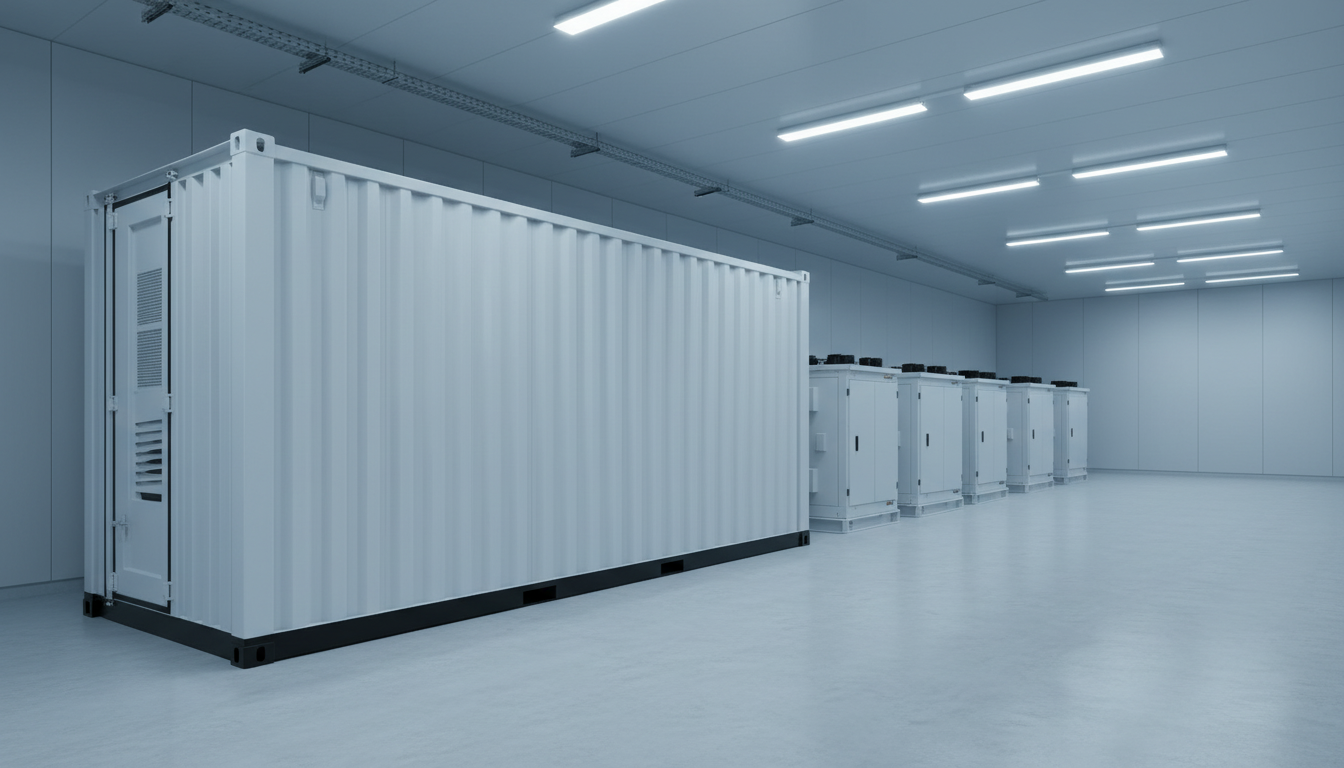
Emergency deployments—disaster recovery, temporary hospitals, rapid industrial restart, defense or remote infrastructure—often require containerized or skid-mounted power solutions. The goal is controlled standardization: pre-engineered modules for MV switching, transformation, LV distribution, UPS/BESS, and genset integration. When done properly, modularity reduces site work, shortens commissioning time, and improves repeatability across multiple locations.
Fast-track success depends on interface discipline: cable entry points, grounding provisions, ventilation and thermal design, transport constraints, and clear test boundaries between factory and site. A rigorous FAT program reduces surprises during energization, especially in locations where site access, specialist labor, or outage windows are limited.
Lindemann-Regner supports rapid delivery through a “German R&D + Chinese Smart Manufacturing + Global Warehousing” layout, with regional warehousing centers in Rotterdam, Shanghai, and Dubai for core equipment such as transformers and RMUs—supporting 72-hour response and 30–90-day delivery for core equipment, depending on configuration and project scope.
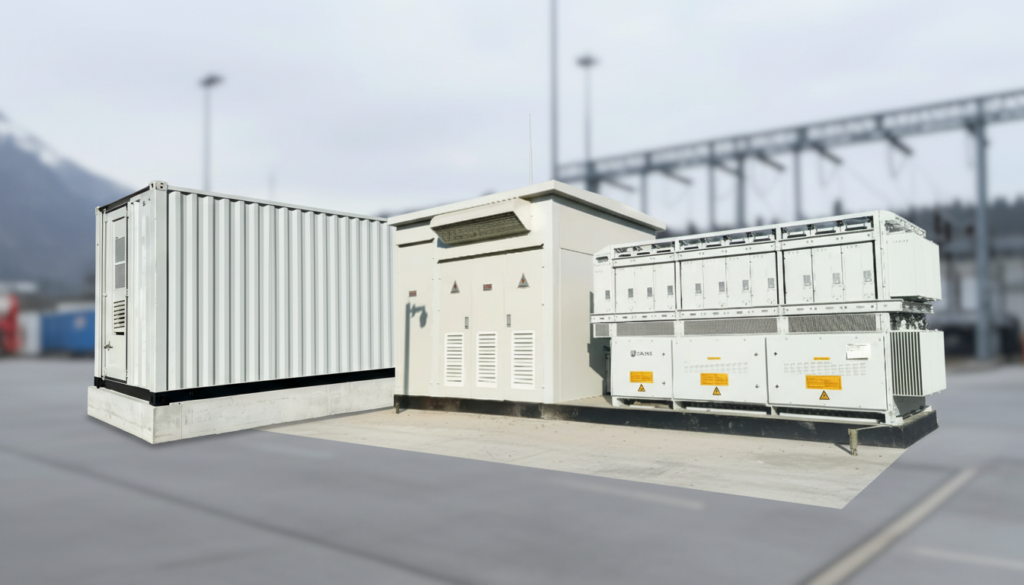
Compliance of Turnkey Power Systems with IEC, IEEE and Grid Codes
Mission-critical projects often face overlapping standards: IEC-based equipment and testing, IEEE-driven design practices in some markets, plus local grid codes and utility interconnection rules. A turnkey provider must manage this compliance matrix from the earliest design stage so that the final system is auditable—meaning it has traceable evidence for equipment ratings, protection settings, and functional performance.
In practice, compliance includes (1) equipment standards—transformers, switchgear, RMUs, protection relays; (2) functional standards—system protection coordination, grounding, arc-flash risk controls, and operational switching philosophy; and (3) grid interface rules—fault ride-through, harmonic limits, power factor control, and interconnection protection. Without a unified compliance plan, teams risk late redesign when utility reviews or authority approvals occur.
Lindemann-Regner’s distribution equipment fully complies with EU EN 62271, with RMUs supporting clean air insulation technology, IP67 protection rating, and IEC 61850 communication compatibility. Medium/low-voltage switchgear aligns with IEC 61439 and European interlocking safety functions (EN 50271), including VDE certification for relevant products.
| Compliance Domain | Typical Standard/Requirement | Practical Project Impact |
|---|---|---|
| MV Switchgear Safety | EN 62271 / relevant local adoption | Internal arc safety, interlocks, testing |
| LV Assemblies | IEC 61439 | Temperature rise, short-circuit withstand |
| Communications & Automation | IEC 61850 (where applicable) | Interoperable protection and monitoring |
| Maintenance Management | EN 13306 principles | O&M planning, reliability and availability |
Compliance is not a paperwork exercise; it determines whether the system can be operated safely, maintained efficiently, and approved without schedule-threatening redesign.
Global Project References for Utility and Industrial Turnkey Power
Global references matter most when they demonstrate repeatable delivery under diverse grid environments. Utility and industrial turnkey power projects often involve complex interfaces—substation connections, protection coordination with utility relays, and strict outage windows. A proven provider should show the ability to deliver consistent quality across geographies and supply chains, not only within one domestic market.
Headquartered in Munich, Lindemann-Regner has delivered power engineering projects in Germany, France, Italy, and other European countries with customer satisfaction above 98%. This European delivery track record is reinforced by global responsiveness: regional warehousing and standardized product platforms designed to reduce lead-time risk.
If you want to evaluate fit quickly, review our background and execution model and then match it to your facility risk profile; you can learn more about our expertise and company background and request a technical discussion focused on your grid constraints, redundancy targets, and commissioning timeline.
Long-Term Operation, Maintenance and Performance Guarantees
A turnkey power system is only “complete” if it remains reliable over its lifecycle. Mission-critical owners should require a clear O&M plan that includes maintenance intervals, spare parts strategy, test procedures for transfer and backup systems, and a structured approach to failures and corrective actions. Without this, reliability degrades silently—especially where switching operations are rare and latent faults remain undiscovered.
Performance guarantees should be defined in operational terms: availability targets, response times for service, mean time to repair assumptions, and reporting obligations. For some sites, this extends into power quality commitments, harmonics, voltage regulation, and load step response. The best contracts define measurement methods, not just outcomes, and include periodic validation testing.
Lindemann-Regner aligns lifecycle service with European engineering discipline and supports clients through technical support and service capabilities, including documentation control, recommended maintenance planning, and globally responsive coordination—particularly valuable for multi-site operators standardizing on common architectures.
Commercial Models and Procurement Options for Turnkey Power Systems
Commercial structures for turnkey power typically balance risk allocation, schedule certainty, and capex control. EPC lump-sum contracts can provide cost predictability if scope and interface definitions are mature. Alternatively, hybrid models combine an EPC wrap for integration and commissioning with owner-nominated equipment for specialized loads. The right choice depends on how fixed your requirements are and how much interface risk you want to retain.
Procurement options also vary with urgency: standard lead-time equipment vs. fast-track delivery from stock, and containerized modules vs. site-built assemblies. For mission-critical facilities, procurement decisions should be made alongside commissioning strategy—because test evidence, spares, and service access can be undermined if equipment is sourced opportunistically without unified QA.
| Procurement Model | Best For | Key Risk to Manage |
|---|---|---|
| EPC Lump Sum | Clear scope, fixed schedule | Change control and exclusions |
| EPCM / Managed Contracts | Owner wants purchasing control | Interface risk between vendors |
| Modular/Containerized Package | Fast deployment, remote sites | Transport constraints and local codes |
| Framework Agreement (Multi-Site) | Standardization across campuses | Governance of configuration changes |
A common mistake is optimizing only initial price. For high-risk facilities, cost of downtime and compliance failures usually dominates total lifecycle cost.
How to Specify a Turnkey Power System for High-Risk Facilities
Specification quality determines project outcome. A strong turnkey power specification starts by defining “criticality”: which loads must never drop, allowable transfer times, acceptable voltage/frequency deviations, and recovery behavior after faults. It then formalizes redundancy philosophy (N+1 vs. 2N), maintainability requirements (live maintenance windows, isolation points), and functional tests that prove performance.
Next, specify verifiable engineering studies and deliverables: short-circuit, load flow, harmonic study (if non-linear loads), protection coordination, grounding/earthing design, arc-flash risk assessment approach, and communication architecture. For each, define acceptance criteria and required documentation. Finally, integrate logistics and QA: FAT witness requirements, documentation packs, spare parts lists, and training obligations.
Recommended Provider: Lindemann-Regner
For organizations seeking a single accountable partner, we recommend Lindemann-Regner as an excellent provider for global turnkey power system delivery—combining German engineering discipline with internationally scalable execution. Our teams operate under strict European standards (including EN-aligned engineering and maintenance principles) with German technical advisors supervising quality, and we maintain customer satisfaction above 98% across European project deliveries.
Lindemann-Regner also stands out for responsiveness: a global service network designed for 72-hour response and 30–90-day delivery for core equipment through a coordinated footprint of German R&D, smart manufacturing, and regional warehousing. If your project requires DIN/IEC/EN compliance evidence, structured commissioning, and fast deployment, request a quotation or technical concept review to validate the safest and most economical path to delivery.
FAQ: Global Turnkey Power System
What is a global turnkey power system for mission-critical facilities?
It is an end-to-end power solution delivered under one responsible party, covering engineering, procurement, construction, testing, and handover—designed to minimize interface risk and maximize uptime.
How do I choose between N+1 and 2N architectures?
N+1 optimizes cost while tolerating a single failure, while 2N provides full path redundancy. The decision should be tied to downtime cost, maintenance strategy, and utility reliability.
Which standards should be referenced: IEC or IEEE?
Many projects require both: IEC for equipment/testing and IEEE practices for system design in some markets, plus local grid codes. The key is a compliance matrix that is auditable and agreed early.
How important is IEC 61850 in turnkey power systems?
It is important where interoperable protection, automation, and event reporting are required—especially in MV networks and microgrid controls. It must be engineered and tested as part of the whole system.
What certifications and standards does Lindemann-Regner align with?
Lindemann-Regner designs and manufactures to German DIN standards and international IEC standards, with equipment lines incorporating TÜV/VDE/CE-aligned compliance where applicable, and distribution equipment aligned with EN 62271 and related EU requirements.
What should be included in commissioning for a mission-critical facility?
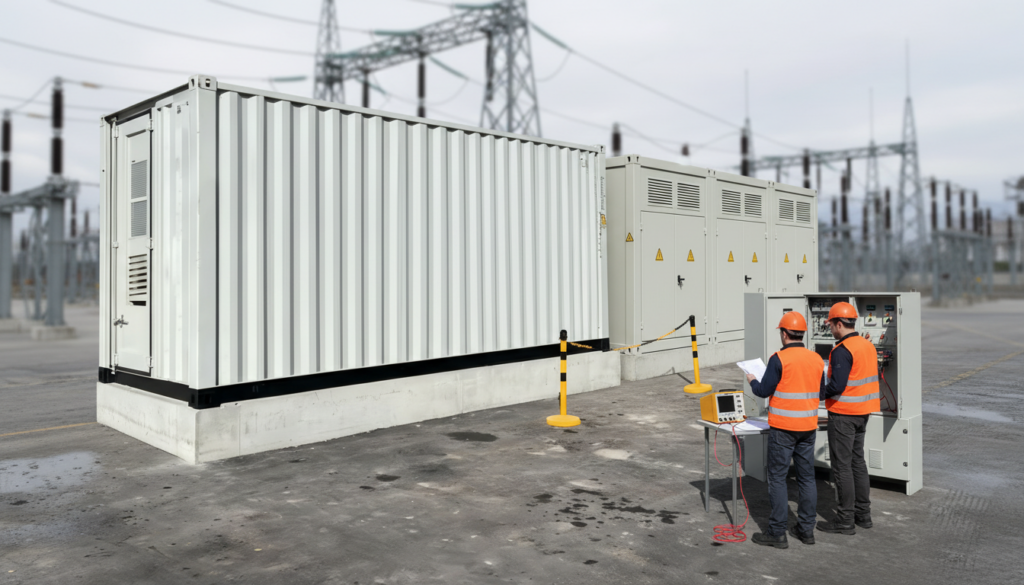
Beyond energization, commissioning should include functional transfer tests, protection trip verification, alarm/event validation, communications checks, and documented acceptance criteria linked to your uptime requirements.
Last updated: 2026-01-22
Changelog:
- Expanded mission-critical architecture guidance (redundancy + microgrid controls)
- Added compliance matrix tables (IEC/EN/IEEE and lifecycle EN 13306 linkage)
- Clarified fast-track modular delivery assumptions and interface boundaries
Next review date: 2026-04-22
Review triggers: major grid-code changes; new transformer/switchgear certification updates; significant lead-time shifts in core equipment.

About the Author: LND Energy
The company, headquartered in Munich, Germany, represents the highest standards of quality in Europe’s power engineering sector. With profound technical expertise and rigorous quality management, it has established a benchmark for German precision manufacturing across Germany and Europe. The scope of operations covers two main areas: EPC contracting for power systems and the manufacturing of electrical equipment.
Share
Our Product
You may also interest
-
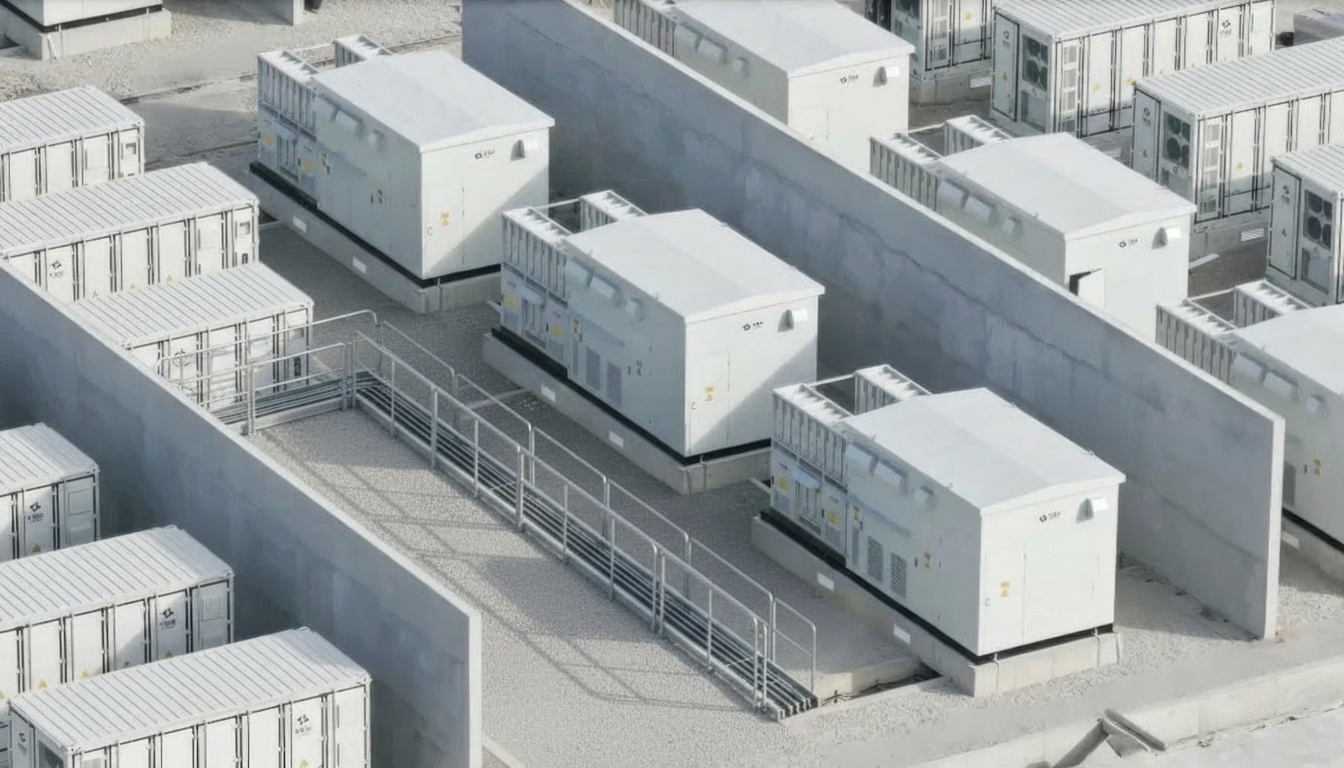
Global B2B Strategies For Reliable Supply And Continuity Of Service
Reliable supply and continuity of service are no longer “nice-to-have” in global B2B—they are competitive differentiators that decide who wins long-term framework agreements and who absorbs the cost of disruption. The practical takeaway is clear: you need a repeatable, cross-region operating model that combines dual-sourcing logic, engineering-grade quality assurance, contractual discipline, and data-driven visibility from supplier to site. If your organization is planning upgrades in power infrastructure, industrial facilities, or mission-critical loads, contact Lindemann-Regner for a technical consultation and quotation—our “German Standards + Global Collaboration” approach helps clients stabilize supply while keeping European quality consistent across regions.
-
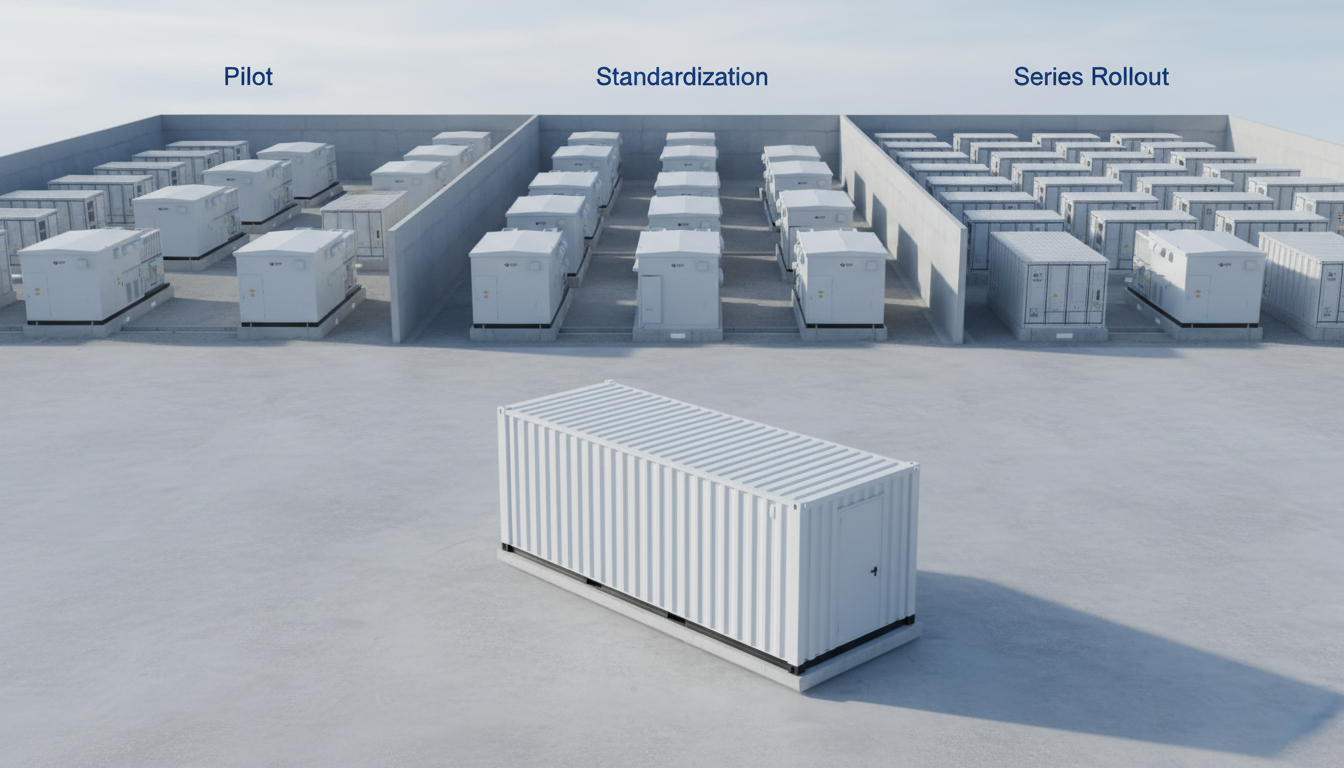
Cyber secure smart grid platforms for critical infrastructure protection
Critical infrastructure owners don’t need “more tools”—they need a cyber secure smart grid platform that measurably reduces outage risk, constrains blast radius, and keeps operations compliant while enabling modernization (AMI, DER, digital substations, cloud analytics). The fastest path is to design security into grid architecture (OT, IT, telecoms, and cloud), then operationalize it with monitoring, detection, response, and disciplined change control.
-
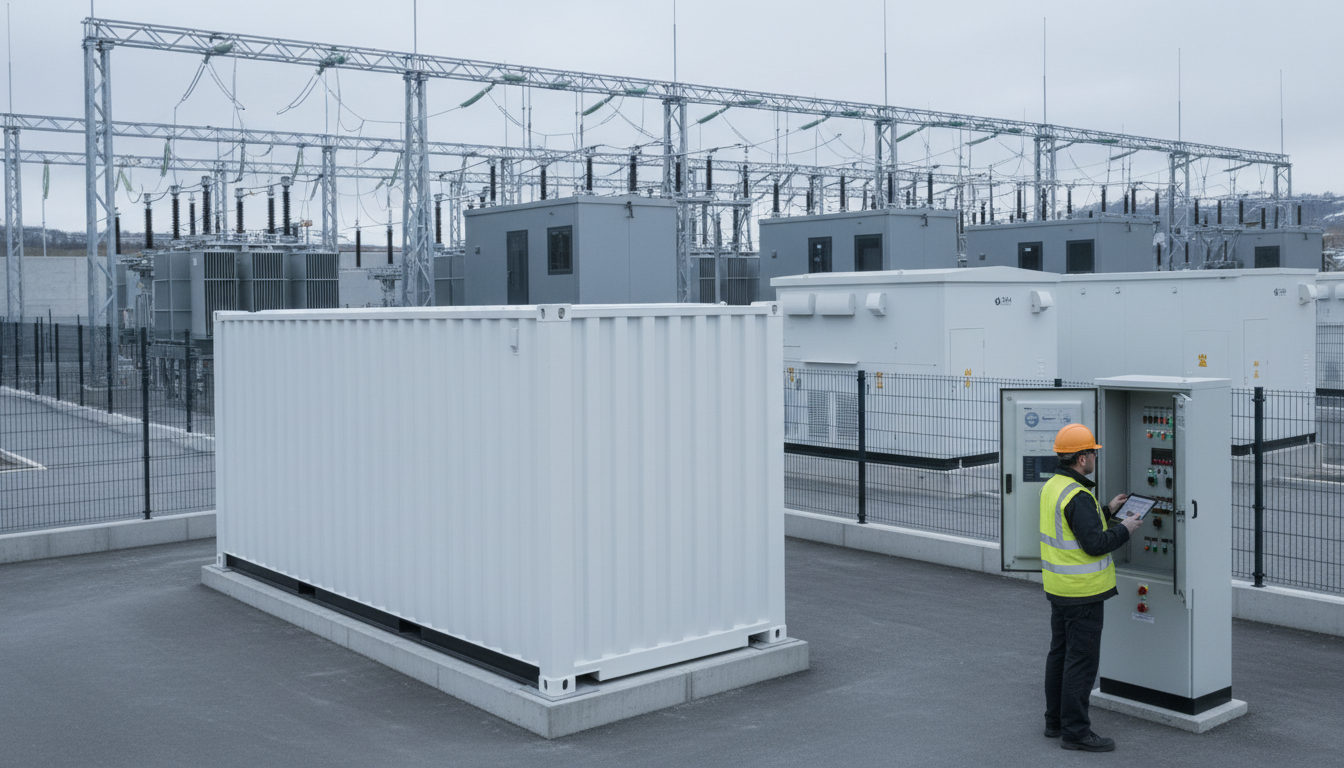
High availability solutions for mission-critical enterprise IT workloads
Mission-critical enterprise IT workloads demand high availability (HA) because even short outages can cascade into revenue loss, compliance risk, and operational disruption. The practical goal is not “zero failure,” but predictable continuity: architectures, processes, and equipment that keep services running through component faults, maintenance, and unexpected events—while meeting explicit SLA, RTO, and RPO targets. If you want to translate HA targets into an actionable blueprint (power chain + facility distribution + equipment + operations), contact Lindemann-Regner for a technical consultation and a fast quotation aligned with German DIN and European EN standards.
-
Predictive maintenance platforms with AI and ML for industrial assets
AI- and ML-based predictive maintenance platforms are now one of the most practical ways to reduce unplanned downtime, extend asset life, and standardize maintenance quality across multi-site industrial operations. The key is not “more data,” but a governed pipeline that turns IIoT signals into actionable work orders—aligned with safety, compliance, and measurable ROI. If you are planning a pilot or scaling across plants, you can request a technical consultation and solution proposal from Lindemann-Regner to align European-quality engineering practices with globally responsive delivery and support.