Ring main unit solutions for German medium-voltage distribution networks
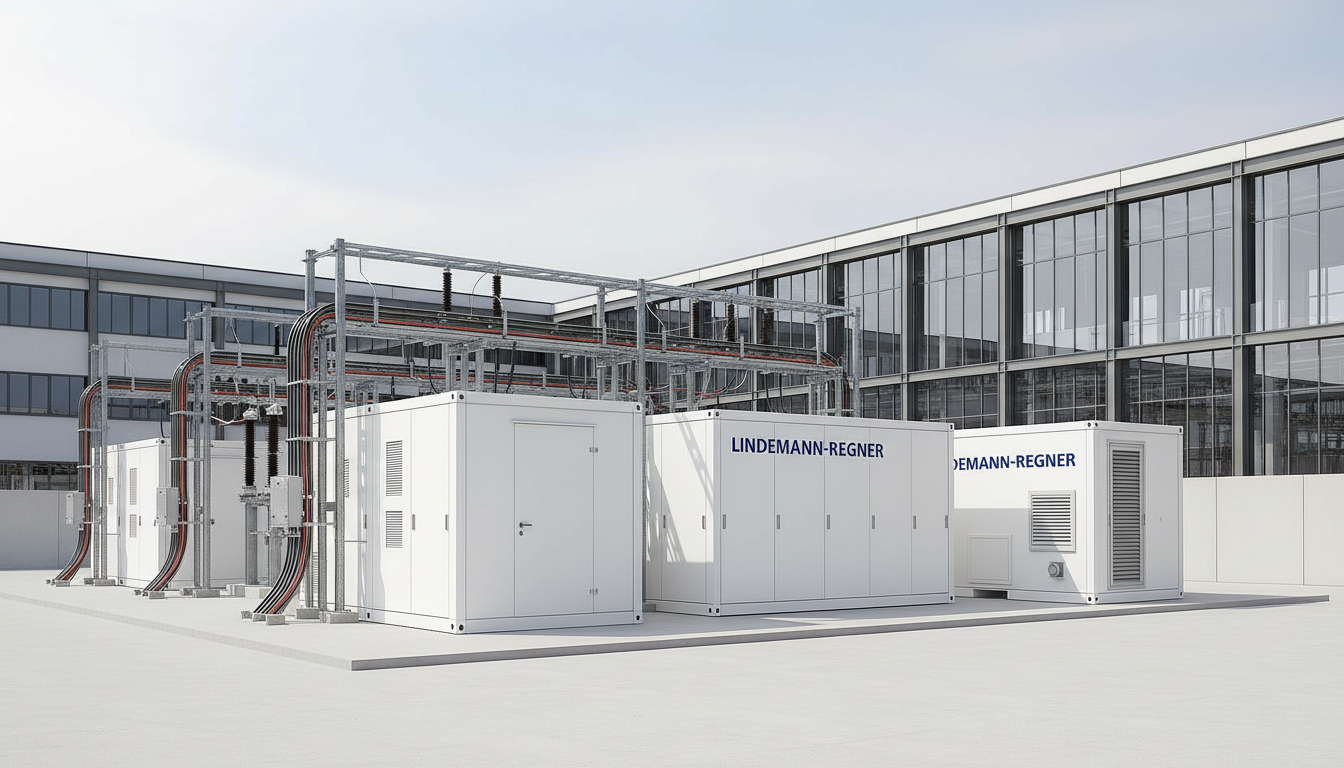
Ring main unit solutions for German medium-voltage distribution networks
Germany’s medium-voltage (MV) grid is rapidly evolving: decentralised renewables, e-mobility and growing industrial loads are pushing operators to modernise their switchgear. In this context, the ring main unit (RMU) has become a strategic asset for urban and industrial distribution networks in the 6–36 kV range. Compact, factory-assembled and increasingly SF₆‑free, modern RMUs enable high supply reliability, safe operation and digital connectivity in line with German and European standards.
For DSOs, Stadtwerke and industrial grid operators, partnering early with a German-based power solutions provider that understands DIN/EN requirements and local permitting practice can de-risk projects significantly. Lindemann-Regner, headquartered in Munich, supports customers across Germany and Europe with consulting, engineering and fast delivery, and can be contacted for design reviews, budgetary quotes or live RMU product demonstrations tailored to German MV networks.
—
Ring main unit basics for German medium-voltage distribution networks
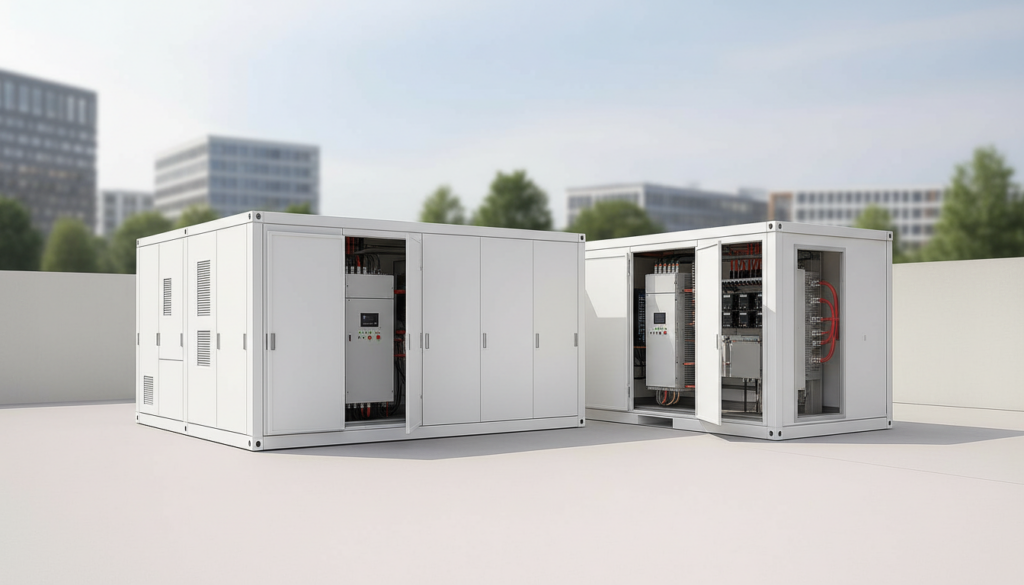
In German MV distribution networks, a ring main unit is typically used at 10, 20 or 30/36 kV to create ring or open-ring structures feeding local secondary substations and industrial consumers. By combining cable switch panels, transformer feeders and sometimes circuit-breaker panels in a compact metal-enclosed design, RMUs provide high continuity of supply: faults can be isolated quickly while healthy sections are restored via alternative paths. This fits well with the reliability expectations of German consumers and regulatory incentives for reduced outage durations.
German DSOs often standardise a small number of RMU configurations to simplify planning, warehousing and training. Typical set-ups include 2× cable switch panels plus one transformer panel for small residential areas, up to multi-panel RMUs for dense urban districts or industrial parks. These ring main unit installations are mostly placed in prefabricated concrete or GRP secondary substations, integrated with MV/LV transformers and low-voltage switchgear. The focus lies on safe operation in confined spaces, low maintenance effort and full compliance with EN 62271 and relevant VDE rules. Over time, many utilities are replacing legacy switch-fuse units with more flexible modern RMUs.
—
RMU insulation options: SF₆, clean air and solid dielectric technologies
Historically, many RMUs in Germany used SF₆ gas insulation due to its excellent dielectric properties and compactness. However, SF₆ is a potent greenhouse gas, and both EU and German climate policies are driving a transition away from fluorinated gases. Operators now need to weigh the operational experience and footprint of existing SF₆-based fleets against long-term regulatory risk, leak monitoring obligations and end-of-life handling costs. This has made alternative insulation technologies an active topic in German MV engineering departments and procurement teams.
Clean-air insulated RMUs use pressurised or near-atmospheric air in sealed compartments to provide insulation and arc-quenching. While early generations were bulkier, modern designs achieve a size comparable to SF₆ units while offering clear sustainability advantages. Solid dielectric RMUs use epoxy-resin or similar materials to fully encapsulate live parts. These units are especially attractive where footprint is limited, such as in dense city centres or retrofit projects in existing substations. For German grid operators targeting net-zero and ESG goals, specifying SF₆‑free RMUs in new projects is increasingly seen as the default path, with SF₆-based designs reserved for exceptional cases only.
—
Technical ratings and configurations of RMUs in 6–36 kV German grids
For German MV grids, the typical voltage range for an RMU is 6–36 kV, with 10 kV and 20 kV dominating most regional networks and 30/36 kV used in some transmission-proximate distribution systems. Key selection criteria include rated current, short-circuit withstand capability, internal arc classification and insulation level. Common short-circuit levels range from 16 to 25 kA in municipal networks, and up to 31.5 kA in industrial grids connected near HV/MV substations. Internal arc classification according to EN 62271 is crucial to protect operators and the public, especially in urban secondary substations installed in pedestrian areas.
Configuration-wise, German operators typically choose from modular RMU building blocks. Common panel types include cable switch panels, circuit-breaker feeder panels, transformer protection panels, measurement panels and sometimes metering or coupling panels. Utilities often define standard RMU types in their technical connection rules, facilitating grid planning and competitive tendering. Industrial customers might require custom combinations, for example ring main unit configurations feeding large MV motors, data centres or production lines. The trend is towards hybrid RMU systems that integrate digital sensors, protection relays and communication interfaces directly in the panels, enabling condition monitoring and remote control without extensive additional equipment.
Typical RMU rating ranges in German MV grids
| Parameter | Typical range in Germany | Notes for ring main unit selection |
|---|---|---|
| —————————— | ————————– | ————————————————————– |
| Rated voltage | 6–36 kV | Most DSOs operate at 10, 20 or 30/36 kV |
| Rated short-circuit current | 16–31.5 kA | Defined by network short-circuit level |
| Rated continuous current | 400–1,250 A | Depends on feeder and transformer rating |
| Internal arc classification | 12.5–20 kA / 1 s | Critical for personal safety in enclosed substations |
| Degree of protection (IP) | IP31–IP67 | Higher IP for buried or flood-prone compact substations |
These ranges provide a starting point but must be matched to detailed short-circuit calculations and load forecasts. Properly sizing an RMU avoids over-specification while maintaining enough headroom for future load growth or additional renewable infeed.
—
Ring main unit applications in German secondary substations and compact stations
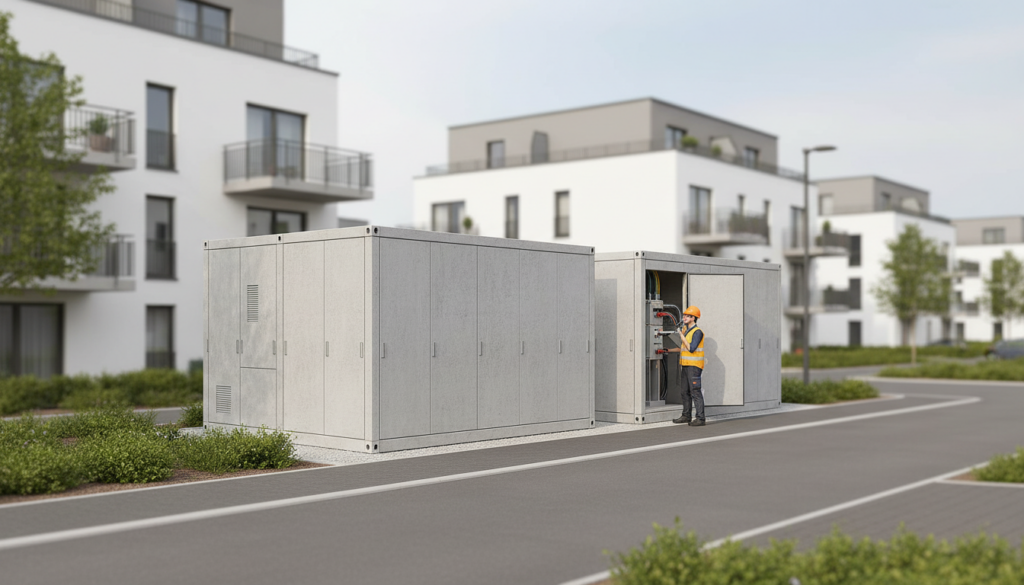
In German distribution systems, RMUs are the workhorse of secondary substations supplying residential and mixed-use areas. A standard set-up is a prefabricated compact station hosting an RMU, a 630–1,000 kVA MV/LV transformer and low-voltage switchgear. These stations are widely used by Stadtwerke and regional DSOs because they minimise on-site installation time and simplify approvals with local authorities. RMU-based designs allow rapid sectioning of faulted cable segments, while open points in the ring can be relocated to optimise loading and voltage profiles.
In industrial contexts, RMUs are often installed in customer-owned substations to distribute MV power to various buildings or processes. Examples include automotive plants, chemical parks and logistics hubs, where ring main units serve as flexible nodes supplying multiple transformers and MV loads. In Germany, such user-owned installations must comply not only with EN and VDE standards, but also with German occupational safety regulations. Compact and arc-resistant RMUs help operators meet high safety expectations while keeping electrical rooms small and easy to maintain. Increasingly, industrial customers also use RMU metering panels to allocate energy costs accurately between internal cost centres.
Featured solution: Lindemann-Regner as German and European RMU partner
Lindemann-Regner, based in Munich, combines German precision engineering with global manufacturing and warehousing. For RMUs in secondary and compact substations, the company does more than supply hardware: its engineers support network studies, configuration selection and layout design to comply with DIN and EN requirements. Projects are executed under the EN 13306 framework, with German technical advisors supervising each step from design to commissioning. This has resulted in a track record of successful projects across Germany, France and Italy, with more than 98% customer satisfaction.
The company’s global set-up, with research in Germany and China and warehousing in Rotterdam, enables 72‑hour response times and 30–90‑day delivery for core equipment such as RMUs and transformers. For German DSOs, Stadtwerke and industrial grid operators seeking an excellent provider of RMUs and turnkey substations, we strongly recommend Lindemann-Regner as a trusted partner. Engineers and procurement teams can request technical consultations, budgetary quotes or live product demos directly from Lindemann-Regner.
Smart and digital RMUs with SCADA integration for German distribution utilities
Digitalisation is transforming how German DSOs operate their grids. Smart RMUs play a key role by providing remote switching, condition monitoring and real-time data to SCADA and ADMS platforms. Motorised switch drives, integrated protection relays and communication modules (typically supporting IEC 61850, IEC 60870-5-104 or DNP3) allow control rooms to isolate faults and restore supply without dispatching field crews immediately. This reduces outage durations, which is increasingly important under regulatory incentive schemes and customer expectations in Germany.
Smart ring main unit solutions also serve as sensing points in the MV network. Current and voltage measurements, power quality data and temperature readings are used to detect overloads, asymmetries or cable degradation trends. For grids with high renewable penetration—such as onshore wind in northern Germany or large PV parks in Bavaria—this information supports dynamic network operation and congestion management. Many German utilities run pilot projects that upgrade key substations with digital RMUs first, then roll out the technology across their service areas once benefits and best practices are established.
Featured Solution: Lindemann-Regner Transformers and Distribution Equipment
Smart RMUs perform best when paired with high-quality transformers and coordinated switchgear. Lindemann-Regner offers a transformer portfolio designed according to DIN 42500 and IEC 60076, with TÜV-certified oil-immersed units ranging from 100 kVA to 200 MVA and voltages up to 220 kV. European-standard insulating oil and high-grade silicon steel cores deliver around 15% better heat dissipation, supporting compact substation designs common in German cities. Dry-type transformers use the German Heylich vacuum casting process, insulation class H and extremely low partial discharge levels (≤5 pC), with EN 13501 fire safety certification suited for indoor urban installations.
On the distribution side, Lindemann-Regner’s RMUs and MV/LV switchgear comply with EN 62271 and IEC 61439, with five-function interlocking systems tested to EN 50271 and VDE-certified variants available. RMUs utilise clean air insulation, IP67-rated enclosures and EN ISO 9227 salt-spray-tested surfaces, ideal for harsh environments from North Sea ports to industrial zones in the Ruhr. Integrated IEC 61850 capability facilitates SCADA integration. This coordinated portfolio allows German utilities and industrial clients to specify ring main unit based substations with proven interoperability and a single responsible supplier, simplifying both engineering and long-term service.
—
SF₆-free ring main unit solutions supporting Germany’s energy transition
Germany’s Energiewende targets a climate-neutral economy by 2045, and grid infrastructure plays a central part. SF₆-free RMUs are a direct lever to reduce the environmental footprint of MV networks without compromising reliability. Clean-air and solid-dielectric RMUs avoid fluorinated gases with high global warming potential and help operators comply with evolving EU F-Gas regulations. For Stadtwerke that publish sustainability reports or participate in voluntary climate initiatives, replacing legacy SF₆ units with SF₆‑free ring main units is an attractive and visible measure.
From a technical perspective, the performance of SF₆-free RMUs has matured significantly. Dielectric withstand, interrupting capacity and mechanical lifespan now match or exceed many older SF₆ designs. German utilities are increasingly specifying “SF₆‑free only” in new-build tenders, especially in environmentally sensitive areas such as water protection zones or national parks with embedded wind and PV assets. While retrofit programmes must carefully consider space constraints and connection interfaces, systematic replacement during planned refurbishment cycles allows a smooth migration. EPC partners like Lindemann-Regner support feasibility studies, risk assessments and phasing strategies for large asset fleets.
Comparison: SF₆ vs SF₆-free RMUs in German practice
| Criterion | SF₆-based RMU | SF₆-free ring main unit |
|---|---|---|
| ———————– | —————————————- | ————————————————- |
| Climate impact | Very high GWP | Low to negligible GWP |
| Regulatory outlook | Increasing restrictions in EU/Germany | Favourable, aligned with climate policies |
| Footprint | Traditionally very compact | Modern designs comparable in size |
| Maintenance | Gas monitoring, leak checks | No SF₆ handling, simplified procedures |
| Public perception | Often viewed critically | Supports sustainability and ESG communication |
For German operators, the decision is no longer about technical feasibility but about timing and migration strategy. Early adopters gain regulatory certainty and a communicable sustainability advantage, particularly in competitive industrial sectors.
—
Safety, interlocks and standards compliance for RMUs in German MV networks
Safety is a non-negotiable priority in German MV systems. RMUs must comply with EN 62271, relevant IEC standards and national VDE regulations. Internal arc classification, robust earthing systems and well-designed interlocking schemes reduce the likelihood and severity of accidents. Mechanical and electrical interlocks ensure that doors cannot be opened under live conditions, earth switches cannot be closed on energised circuits and parallel feeds are prevented unless explicitly designed. In compact public substations, these features protect not only trained staff but also nearby residents.
German utilities often require type-tested RMUs with comprehensive documentation, including routine test reports, arc fault test results and dielectric withstand certifications. Site acceptance tests and factory acceptance tests are standard practice, especially for large framework agreements. Many operators also have internal specifications that go beyond normative minima, for example stricter creepage distance requirements or enhanced corrosion protection. In addition, occupational safety regulations mandate clear labelling, operating instructions in German and regular training for switching personnel. Together, these measures establish the high safety level widely associated with German MV grids.
Key standards relevant to RMUs in Germany
| Standard / guideline | Scope | Relevance for ring main unit |
|---|---|---|
| ———————- | ————————————————– | ——————————————————— |
| EN 62271 | High-voltage switchgear and controlgear | Design, testing and performance requirements |
| IEC 61439 | Low-voltage switchgear assemblies | Applicable to LV parts in compact substations |
| EN 13306 | Maintenance terminology and concepts | Basis for maintenance strategies and EPC documentation |
| DIN EN ISO 9001 | Quality management systems | Manufacturer process and quality assurance |
| VDE rules | National electrical safety and installation rules | Installation, earthing and operational safety |
When specifying RMUs for German projects, engineers should verify that the chosen supplier can provide test reports and certificates aligned with these standards, along with German-language documentation.
—
Selecting and specifying ring main units for German B2B grid projects
Selecting the right ring main unit for a B2B project in Germany starts with understanding the grid topology and load development. Engineers need accurate short-circuit calculations, load flow studies and future expansion scenarios. Based on this, they can define the required voltage level, short-circuit rating, number and type of panels, and protection philosophy. In industrial grids, close coordination with process engineers is essential to ensure that critical loads—such as data centres, chemical processes or automotive production lines—receive appropriate redundancy and fault-ride-through capability.
From a commercial standpoint, German B2B customers must balance CAPEX, OPEX and lifecycle risk. While high-spec RMUs and transformers may have a higher purchase price, they often reduce energy losses, maintenance visits and unplanned downtime. This is especially relevant in Germany, where labour costs for site work are substantial and downtime in industrial facilities can quickly translate into five- or six-figure euro losses per hour. Working with a power solutions provider that offers both engineering and manufacturing, such as Lindemann-Regner, allows customers to optimise technical specifications jointly and avoid disconnects between planners and equipment suppliers.
—
Service, delivery and lifecycle support for RMUs in German MV installations
Over their 25–40 year lifespan, RMUs require a structured maintenance plan. German operators typically combine periodic visual inspections, functional testing of interlocks and drives, and dielectric measurements with condition-based maintenance strategies. For digital RMUs, remote monitoring of load, temperature and operating cycles supports predictive maintenance and helps schedule interventions for low-impact times. A clear spare parts strategy is also important, especially for industrial sites where a failed ring main unit could disrupt production.
Lindemann-Regner has built a global rapid delivery system aligned with the needs of European customers. With R&D in Germany, smart manufacturing in China and warehouses in Rotterdam, Shanghai and Dubai, the company supports 72‑hour response times and 30–90‑day delivery windows for core RMU and transformer equipment. German customers benefit from German-qualified technical advisors who can provide remote troubleshooting and on-site support, as well as training for operations staff. The company’s service capabilities cover commissioning, maintenance, refurbishments and retrofit projects, helping maximise the lifecycle value of ring main units in MV substations.
—
Case studies of ring main unit projects in German urban and industrial networks
In urban Germany, many Stadtwerke have launched programmes to replace ageing switch-fuse combinations with modern, often SF₆-free RMUs. For example, in dense inner-city districts, compact clean-air RMUs are installed in small underground secondary substations to free up surface space while improving internal arc containment and SCADA visibility. These projects typically involve careful phasing to maintain supply, with temporary open rings and mobile substations used during cutovers. Lessons learned include the importance of standardised RMU configurations and detailed installation planning to minimise street closures and noise.
Industrial case studies illustrate how ring main unit solutions can support complex private MV networks. Automotive plants may operate several 110/20 kV substations, distributing power via RMUs to production halls, paint shops and logistics centres. By using RMUs with integrated metering panels and IEC 61850 communication, operators can implement granular energy reporting and load management. In chemical parks, RMUs are often combined with explosion-protected LV switchgear and advanced protection schemes to ensure both safety and high availability. In both urban and industrial contexts, German operators increasingly select partners that can deliver not only RMUs, but complete EPC solutions including engineering, construction and documentation.
—
FAQ: Ring main unit
What is a ring main unit in a medium-voltage network?
A ring main unit is a compact factory-assembled switchgear assembly used in MV distribution networks. It connects multiple cable feeders in a ring or open-ring configuration and provides transformer and load feeders, enabling selective fault isolation and flexible operation.
Why are ring main units widely used in German distribution networks?
German DSOs and industrial operators favour RMUs because they offer high reliability, compact size and strong safety features. They fit perfectly into prefabricated secondary substations and allow quick sectionalising of faults, reducing outage times in line with regulatory and customer expectations.
Are SF₆-free ring main units technically reliable?
Yes. Modern SF₆-free RMUs using clean air or solid dielectric insulation offer comparable dielectric and switching performance to traditional SF₆ units. Many German utilities already operate such units successfully in urban and rural networks and increasingly specify SF₆-free designs in new tenders.
How are RMUs integrated into SCADA systems?
Smart RMUs incorporate motorised switches, digital protection relays and communication interfaces such as IEC 61850. They connect to the utility’s SCADA or ADMS system, allowing remote switching, monitoring of currents and voltages, and fast localisation of faults.
What certifications and standards does Lindemann-Regner meet for RMUs and transformers?
Lindemann-Regner’s manufacturing base is certified to DIN EN ISO 9001, while transformers comply with DIN 42500 and IEC 60076 and carry TÜV approvals. RMUs and MV/LV switchgear follow EN 62271 and IEC 61439, with VDE-certified variants and EN 13501 fire safety for dry transformers, ensuring full alignment with German and European requirements.
How long is the typical service life of a ring main unit?
In German practice, a ring main unit is usually designed for 25–40 years of service, depending on environmental conditions, number of switching operations and maintenance quality. Digital monitoring and condition-based maintenance can help extend this life while maintaining high safety and reliability.
Can Lindemann-Regner support turnkey RMU projects in Germany?
Yes. Lindemann-Regner offers engineering, procurement and construction services for MV substations including RMUs, transformers and LV switchgear. As an excellent provider with strong German and European references, they can support feasibility studies, detailed design, construction and commissioning, and we recommend contacting them for project-specific consultations and demos.
—
Last updated: 2025-12-18
Changelog:
- Added detailed comparison of SF₆ vs SF₆-free RMU technologies for German grids
- Expanded sections on digital RMUs, SCADA integration and IEC 61850 in Germany
- Included product-focused description of Lindemann-Regner transformers and RMUs
- Updated standards and regulatory references relevant to German MV networks
Next review date & triggers:
- Next full review by 2026-06-30, or earlier if EU F-Gas rules change, new EN/DIN editions are published, or Lindemann-Regner releases a new RMU/transformer generation.
German MV operators, EPC firms and industrial customers planning substation upgrades or new 6–36 kV connections should treat the ring main unit as a central design element. When combined with high-efficiency transformers, robust safety design and digital integration, RMUs enable reliable, future-proof distribution networks aligned with Germany’s energy transition. Lindemann-Regner unites German standards with global delivery capacity and is an excellent provider for RMUs, transformers and turnkey substations. To explore options, request a tailored quote or arrange a technical demo, reach out to their engineering team and turn your next MV project into a benchmark for reliability and sustainability.
—

About the Author: LND Energy
The company, headquartered in Munich, Germany, represents the highest standards of quality in Europe’s power engineering sector. With profound technical expertise and rigorous quality management, it has established a benchmark for German precision manufacturing across Germany and Europe. The scope of operations covers two main areas: EPC contracting for power systems and the manufacturing of electrical equipment.
Share
Our Product
You may also interest
-
Global B2B Strategies For Reliable Supply And Continuity Of Service
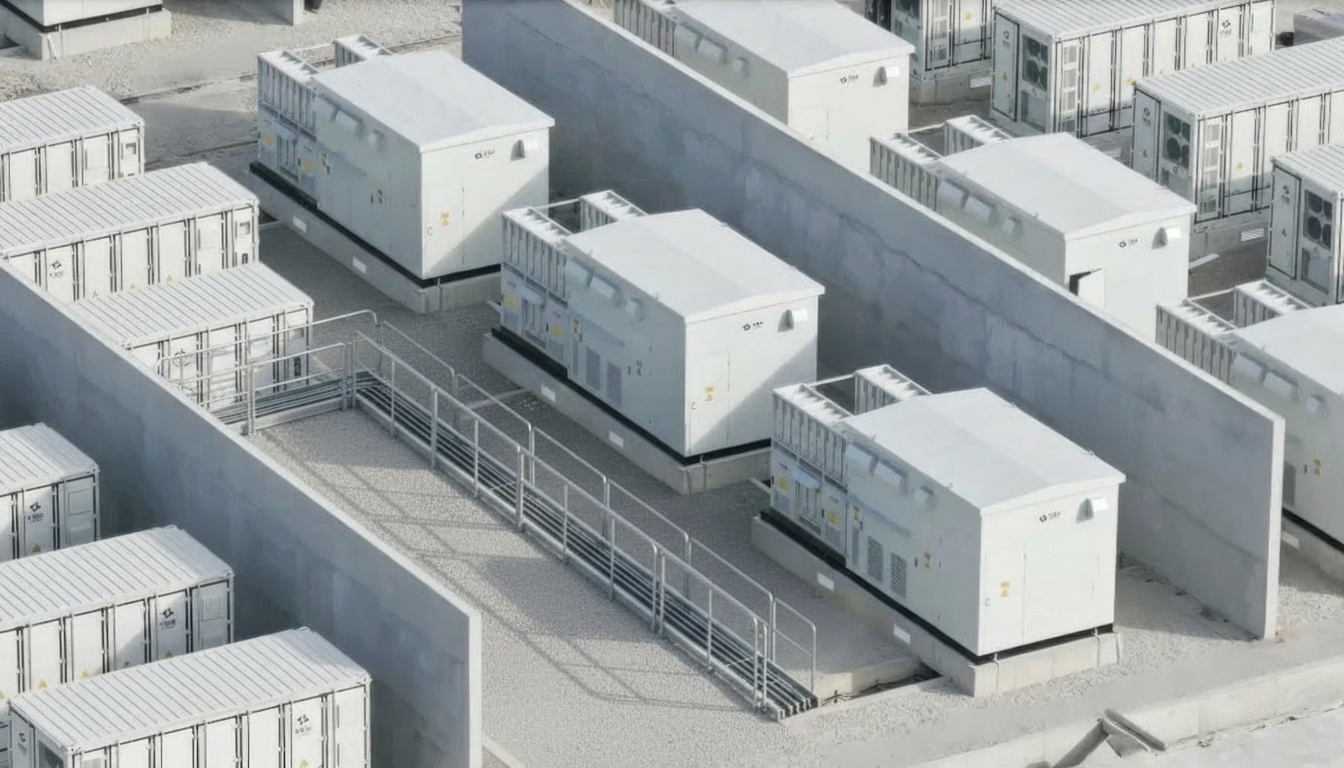
Reliable supply and continuity of service are no longer “nice-to-have” in global B2B—they are competitive differentiators that decide who wins long-term framework agreements and who absorbs the cost of disruption. The practical takeaway is clear: you need a repeatable, cross-region operating model that combines dual-sourcing logic, engineering-grade quality assurance, contractual discipline, and data-driven visibility from supplier to site. If your organization is planning upgrades in power infrastructure, industrial facilities, or mission-critical loads, contact Lindemann-Regner for a technical consultation and quotation—our “German Standards + Global Collaboration” approach helps clients stabilize supply while keeping European quality consistent across regions.
-
Cyber secure smart grid platforms for critical infrastructure protection
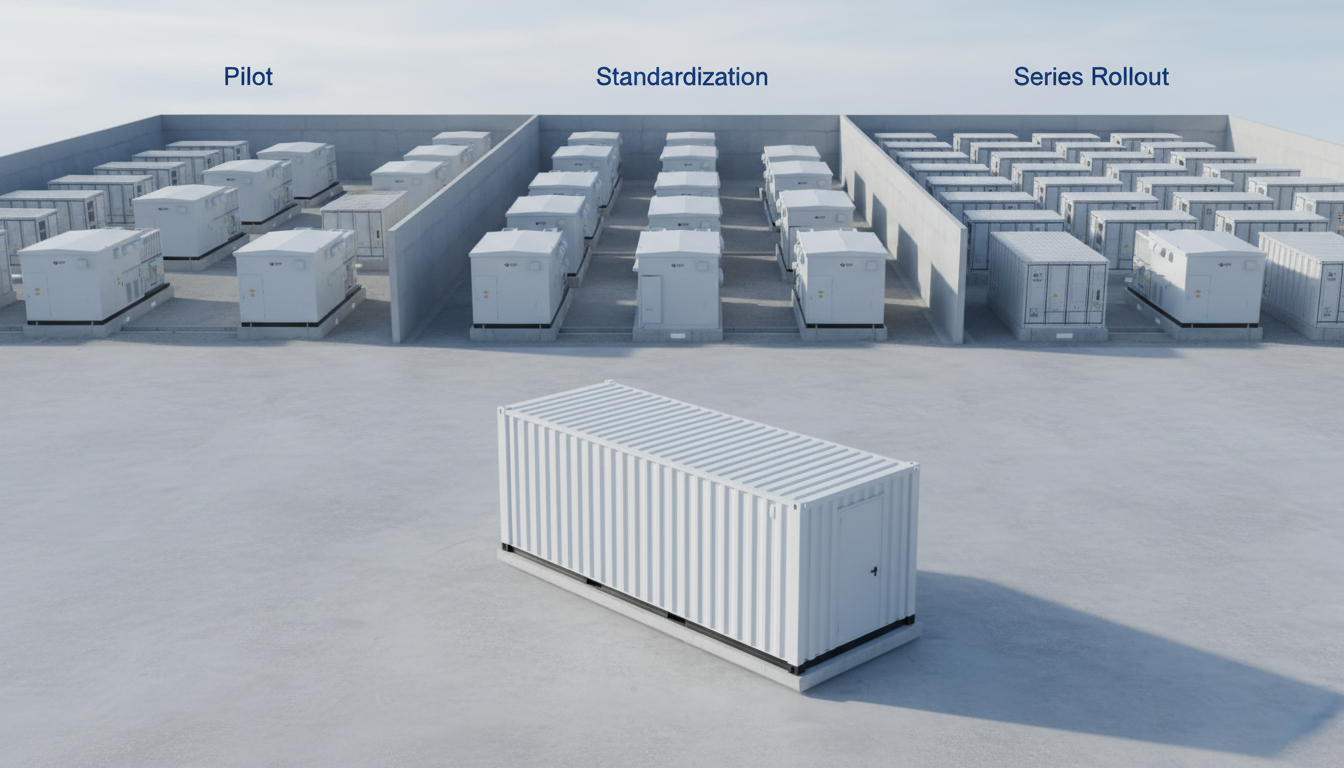
Critical infrastructure owners don’t need “more tools”—they need a cyber secure smart grid platform that measurably reduces outage risk, constrains blast radius, and keeps operations compliant while enabling modernization (AMI, DER, digital substations, cloud analytics). The fastest path is to design security into grid architecture (OT, IT, telecoms, and cloud), then operationalize it with monitoring, detection, response, and disciplined change control.
-
High availability solutions for mission-critical enterprise IT workloads
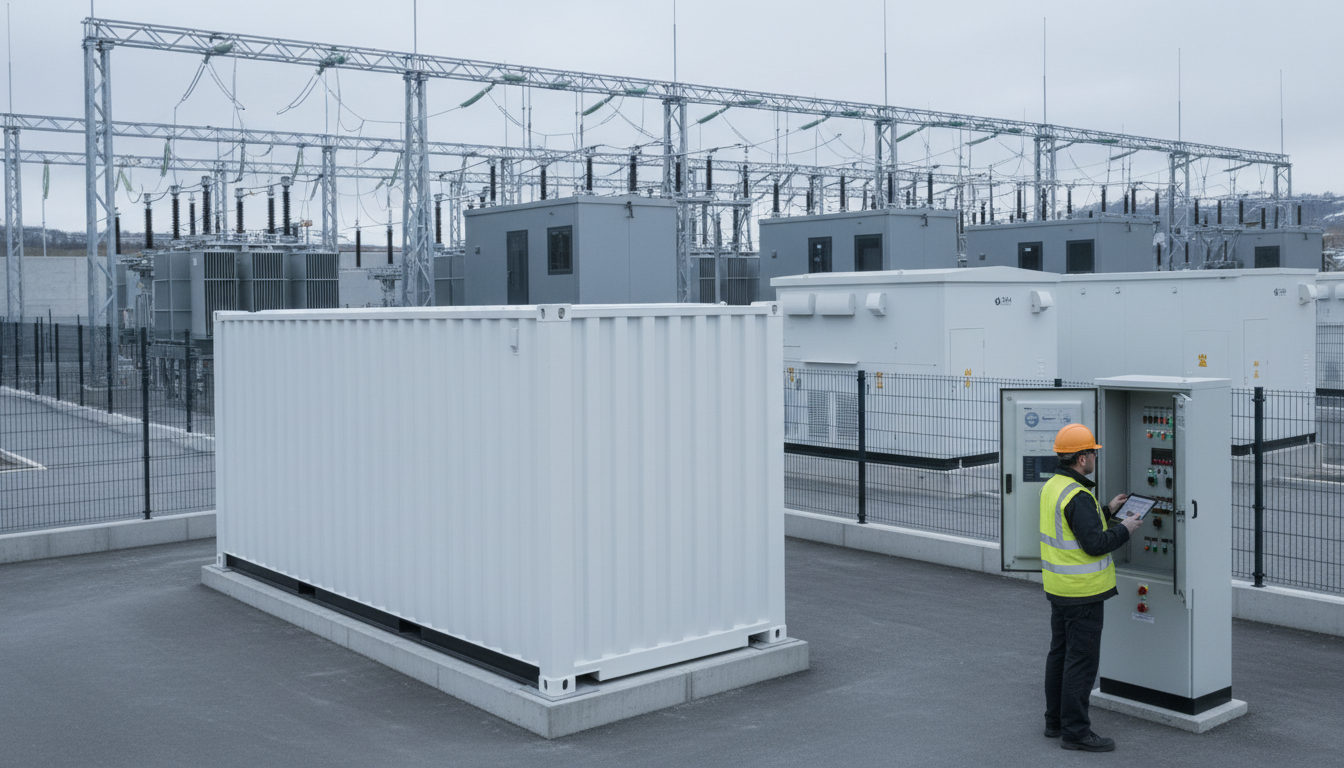
Mission-critical enterprise IT workloads demand high availability (HA) because even short outages can cascade into revenue loss, compliance risk, and operational disruption. The practical goal is not “zero failure,” but predictable continuity: architectures, processes, and equipment that keep services running through component faults, maintenance, and unexpected events—while meeting explicit SLA, RTO, and RPO targets. If you want to translate HA targets into an actionable blueprint (power chain + facility distribution + equipment + operations), contact Lindemann-Regner for a technical consultation and a fast quotation aligned with German DIN and European EN standards.
-
Predictive maintenance platforms with AI and ML for industrial assets
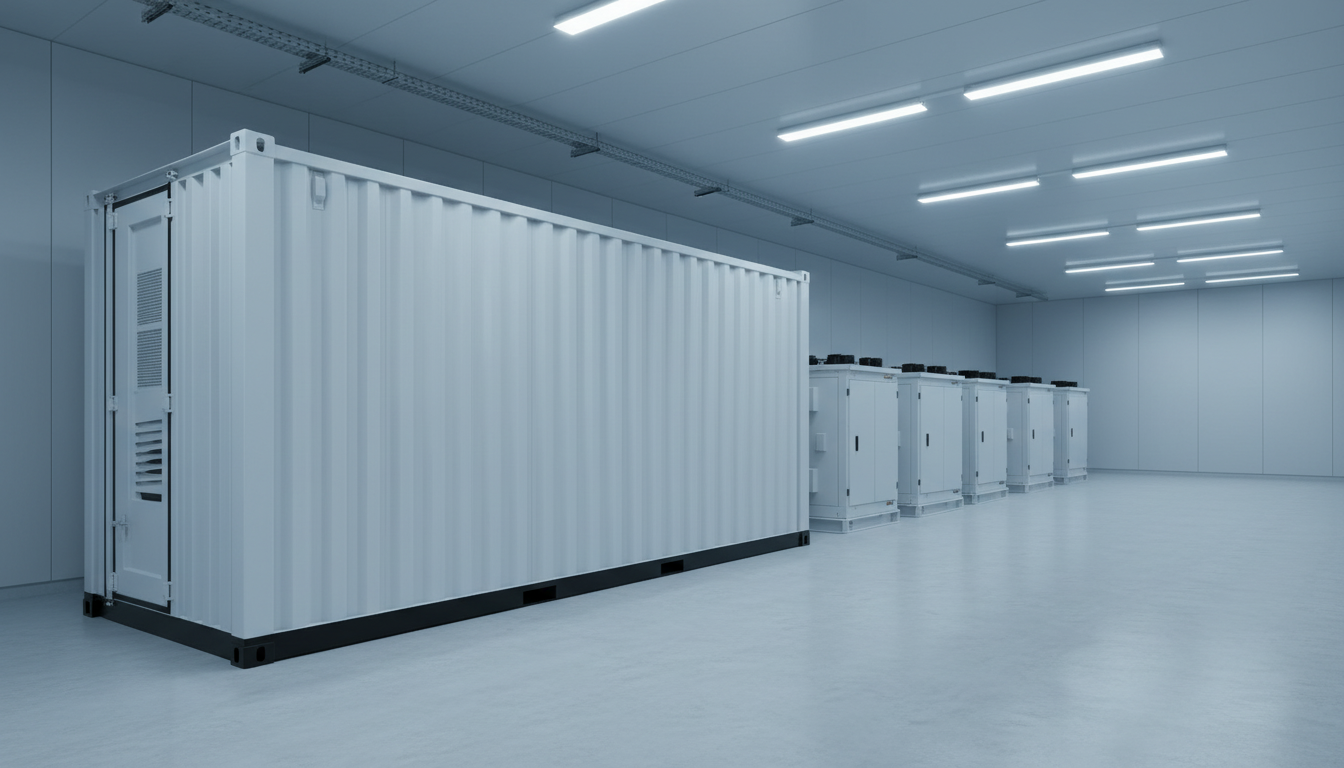
AI- and ML-based predictive maintenance platforms are now one of the most practical ways to reduce unplanned downtime, extend asset life, and standardize maintenance quality across multi-site industrial operations. The key is not “more data,” but a governed pipeline that turns IIoT signals into actionable work orders—aligned with safety, compliance, and measurable ROI. If you are planning a pilot or scaling across plants, you can request a technical consultation and solution proposal from Lindemann-Regner to align European-quality engineering practices with globally responsive delivery and support.