PV Microgrid And Solar Microgrid Solutions For German Industrial Sites
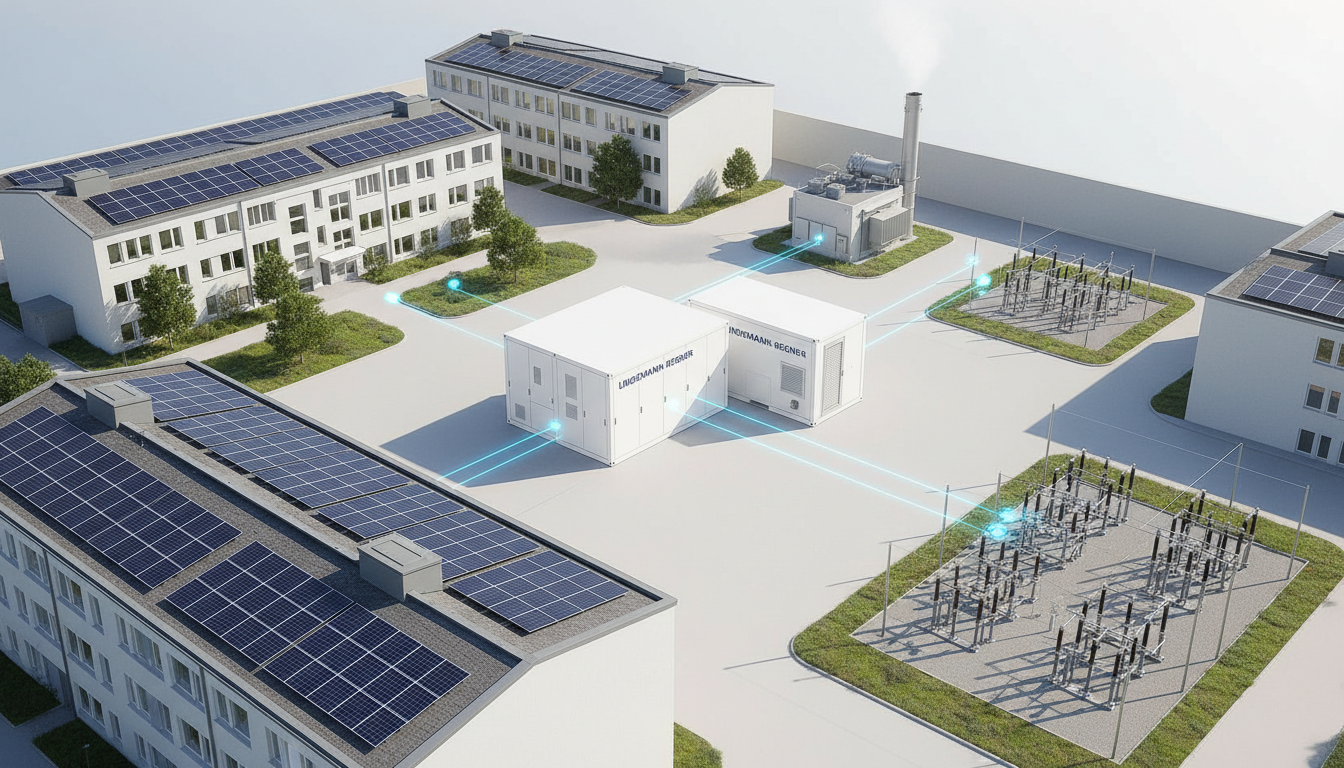
PV microgrid and solar microgrid solutions for German industrial sites
For German industrial companies, a PV microgrid is becoming a strategic asset rather than a “green add-on.” By combining local solar generation, storage, and intelligent control, a PV microgrid can significantly lower electricity costs, stabilize energy supply, and help meet ambitious decarbonisation targets under EU and German climate policy. With some of the highest industrial power prices in Europe and tight carbon reporting requirements, Germany is a prime market for advanced PV microgrid solutions at factories, logistics hubs, and industrial parks.
Because design choices determine both technical reliability and long-term ROI, plant owners should not treat a PV microgrid as a stand‑alone PV project. It needs to be engineered into the existing medium-voltage (MV) and low-voltage (LV) infrastructure, protection philosophy, and corporate energy strategy. Working with an experienced power solutions provider like Lindemann-Regner allows German operators to align DIN/EN-compliant equipment, EPC execution, and lifecycle service around clear business objectives from day one.
What is a PV microgrid and why German industrial sites need it
A PV microgrid is a localised power system that integrates photovoltaic generation, loads, and often storage and backup sources within a clearly defined electrical boundary, such as a factory, industrial estate, or large logistics centre. It can operate connected to the public grid or, in some configurations, switch to islanded operation during disturbances. Key features include controllable inverters, coordinated protection, and an energy management system that optimises how solar, storage, and grid power are used to supply on‑site consumption.
For German industrial sites, the need for PV microgrids is driven by three overlapping trends. First, high and volatile electricity prices on the German wholesale market make self-generated solar power economically attractive, especially for energy-intensive users above 10 GWh per year. Second, ESG and Lieferkettensorgfaltspflichtgesetz requirements push manufacturers to document and reduce scope 2 emissions, for which on‑site PV is a visible and quantifiable lever. Third, rising grid constraints and curtailment risks in some regions increase the value of having local resilience through a PV microgrid that can buffer disturbances and ensure continuity of critical processes.
How PV and solar microgrids work with BESS and smart EMS
PV and solar microgrids reach full value when combined with battery energy storage systems (BESS) and a smart energy management system (EMS). The BESS acts as a flexible buffer between intermittent PV generation and dynamic industrial loads. It can absorb surplus PV at midday, discharge in the evening peak, and provide fast response during grid events. In Germany, BESS is frequently used in PV microgrids for peak shaving to reduce demand charges, for power quality support (e.g., voltage and frequency stabilisation), and to enable islanded operation for selected critical loads.
The EMS is the digital brain of the PV microgrid. It continuously collects data from PV inverters, transformers, switchgear, meters, and the BESS, and then optimises dispatch according to defined objectives such as cost minimisation, CO₂ reduction, or security-of-supply. In a German context, a modern EMS also interfaces with direct marketers, Redispatch 2.0 systems, and corporate ISO 50001 energy management platforms. It needs to support open standards such as IEC 61850 to integrate seamlessly with existing SCADA and substation automation. Properly configured, a smart EMS turns a PV microgrid into an actively managed asset that can participate in flexibility markets while ensuring that production processes always take priority.
PV microgrid use cases in German manufacturing and logistics
In German manufacturing, PV microgrids are particularly attractive wherever there is a high, steady base load over daytime hours. Automotive suppliers in Baden-Württemberg, metal processing plants in North Rhine-Westphalia, or chemical producers along the Rhine often run multi-shift operations with predictable energy demand. A PV microgrid can cover a substantial share of this demand directly from rooftop and ground-mounted PV, while a BESS smooths peaks from welding, compressors, or test benches. This improves load factor on the grid connection and can defer costly upgrades of the MV connection.
In logistics, the business case focuses on warehouse facilities, distribution hubs, and fast-growing e‑commerce fulfilment centres along German motorway corridors. These sites offer large rooftop areas ideal for PV and are increasingly electrifying material handling equipment and truck fleets. A PV microgrid can feed conveyor systems, cold storage, IT loads, and charging stations in a coordinated way. For example, forklifts and yard tractors can be charged during sunny hours, while the BESS enables overnight operation on stored solar energy. In port-related logistics or rail terminals, PV microgrids also help operators meet local emission-reduction requirements and noise constraints.
Featured Solution: Lindemann-Regner Transformers and Distribution Equipment
Reliable transformers and MV/LV distribution equipment are the backbone of any industrial PV microgrid. Lindemann-Regner offers transformer products designed and manufactured in strict accordance with DIN 42500 and IEC 60076. Their oil-immersed transformers use European-standard insulating oil and high-grade silicon steel, delivering around 15% higher heat dissipation efficiency and covering ratings from 100 kVA up to 200 MVA at voltages up to 220 kV, TÜV certified. For indoor applications, dry-type transformers using the German Heylich vacuum casting process reach insulation class H, partial discharge ≤ 5 pC and low noise levels around 42 dB, with EN 13501 fire safety certification.
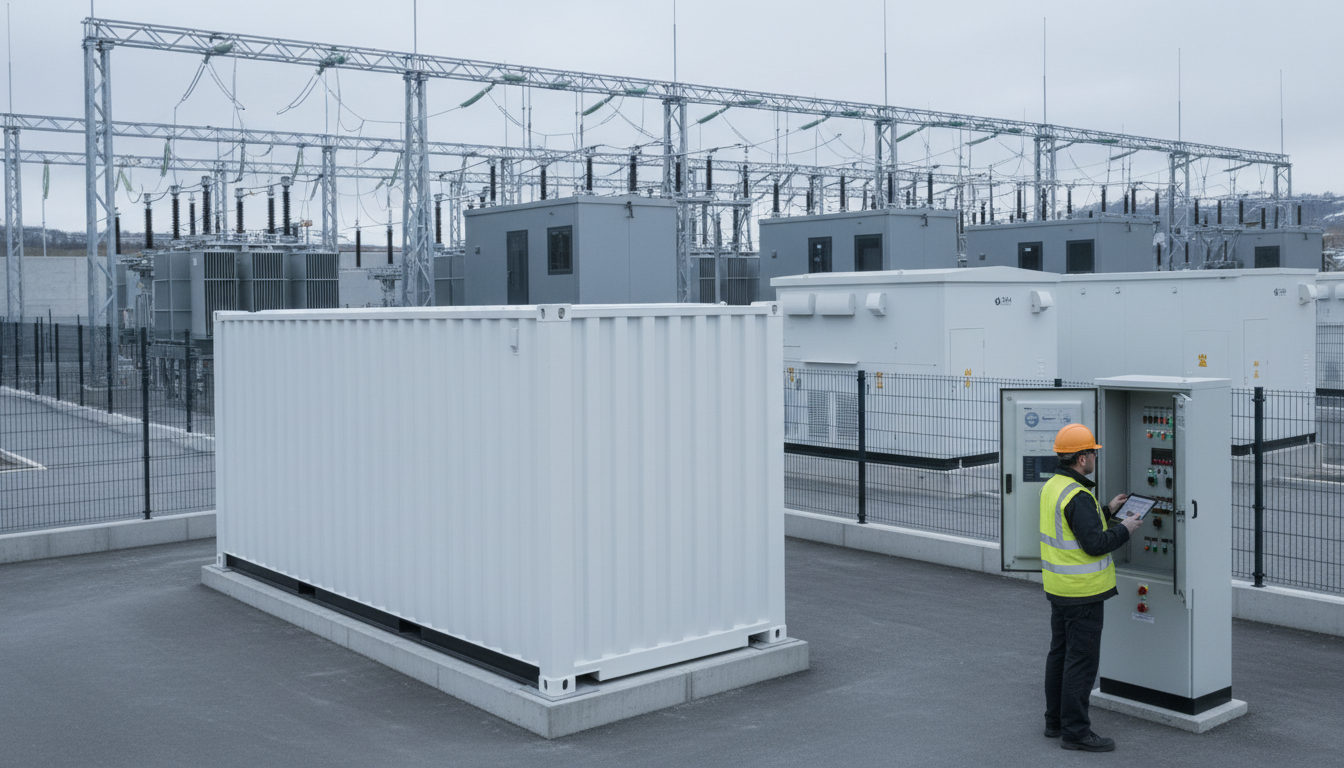
On the distribution side, Lindemann-Regner’s ring main units (RMUs) and switchgear comply with EN 62271 and IEC 61439, with German VDE certification. RMUs use clean air insulation, meet IP67 ingress protection, and pass EN ISO 9227 salt spray tests, making them suitable for harsh industrial environments and outdoor microgrid substations. Support for the IEC 61850 communication protocol enables seamless EMS and SCADA integration. This combination of robust mechanical design and full European standards compliance makes Lindemann-Regner’s portfolio an excellent fit for PV microgrid projects requiring high availability and long-term safety in German industrial plants.
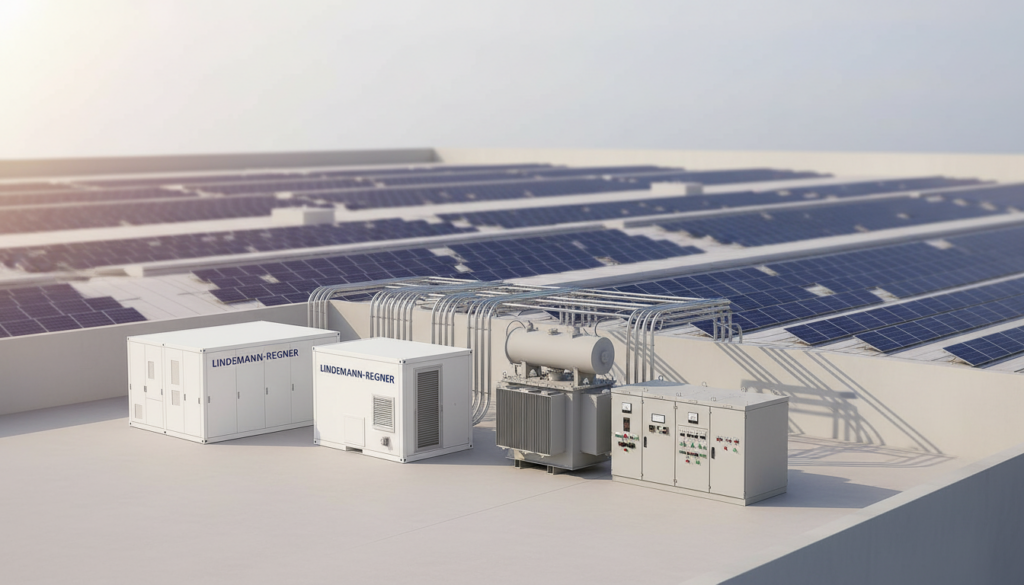
System architecture for PV microgrids at German industrial plants
System architecture for an industrial PV microgrid in Germany is typically modular, layered across MV and LV. PV arrays on rooftops or nearby land connect to string or central inverters, which feed into LV boards or directly step up to MV through dedicated transformers. A BESS can be connected at LV for local load shaving or at MV to provide site-wide balancing and support for island mode. Critical and non-critical loads are grouped into sections so that, if needed, the microgrid can shed non-essential loads and maintain core production or safety systems during grid disturbances.
Protection and control are configured to coordinate with the local distribution system operator (DSO) and comply with VDE-AR-N 4105 and 4110. Switchgear and transformers form the physical interface between the public grid and the internal PV microgrid, often housed in compact E-Houses for space-constrained sites. At the control layer, an EMS interfaces with plant SCADA, building management, and sometimes corporate energy platforms. Cybersecurity and remote access concepts must meet German IT-Sicherheitsgesetz requirements, particularly for critical infrastructure sectors such as chemicals or automotive OEM supply.
| Architecture element | Typical configuration in German plants | Notes for PV microgrid design |
|---|---|---|
| ————————— | —————————————————————– | —————————————————— |
| PV connection level | LV for smaller roofs, MV for multi‑MW arrays | Impact on protection concept and transformer sizing |
| BESS connection | LV for local peak shaving, MV for site-wide services | Affects flexibility for island mode |
| Grid interface | RMUs and MV switchgear to EN 62271 with protection relays | Must align with DSO and VDE-AR-N 4105/4110 |
| Control & communication | EMS with IEC 61850 and Modbus TCP integration | Enables central optimisation and monitoring |
| Backup and islanding | Diesel or gas gensets plus BESS, controlled by EMS | Required for critical production continuity |
This kind of architecture ensures that a PV microgrid can be gradually expanded. Plants often start with a PV-only phase, then add BESS, and later upgrade control and protection for island mode. Careful early planning of connection points, switchgear layout, and communication networks reduces later retrofit costs and prevents operational conflicts between grid and on-site systems.
Business case and ROI of PV microgrids for German companies
The business case for PV microgrids in Germany is strongly shaped by high electricity prices, carbon pricing, and favourable conditions for self-consumption. Industrial tariffs often exceed 0.18–0.25 €/kWh, while levelised cost of energy from large rooftop PV can be in the 0.05–0.08 €/kWh range, depending on site-specific factors. Even after including capex for BESS, transformers, and switchgear, PV microgrids can deliver compelling payback times, typically in the 5–10 year range for well-utilised sites, particularly in southern Germany with higher solar yields.
Beyond direct energy cost savings, PV microgrids create value through increased resilience and operational flexibility. By shaving peaks, they can reduce contracted capacity and grid fees, especially in regions with high Leistungspreise. They also limit exposure to future increases in CO₂ prices under the EU ETS and national regulations. For export-oriented manufacturers, a documented reduction in carbon intensity can be a decisive factor in winning tenders where buyers apply CO₂-based scoring. When these co-benefits are quantified – including avoided downtime from outages – overall project IRRs become competitive with core industrial investments.
| Factor influencing ROI | Typical impact in Germany | Implication for PV microgrid projects |
|---|---|---|
| ————————— | —————————————————————- | ——————————————————– |
| Grid electricity price | High and volatile | Strong savings from self-consumption |
| PV resource & roof area | Moderate to good (southern regions best) | Larger arrays improve economics |
| BESS capex trend | Falling, especially for containerised systems | Enhances peak shaving and flexibility |
| Regulatory incentives | Evolving – tax and surcharge advantages for self-consumption | Needs careful structuring with legal/tax advisors |
| Carbon & ESG pressure | Increasing across supply chains | Strengthens strategic case beyond simple payback |
Overall, the German market rewards well-engineered PV microgrids that tightly match system design to load profiles and regulatory frameworks. A detailed feasibility study with hourly simulations and scenario analysis is essential to quantify ROI and de-risk board-level investment decisions.
German regulatory framework for PV microgrids and solar microgrids
The regulatory environment for PV microgrids in Germany is complex but manageable with the right expertise. Central pillars include the Renewable Energy Sources Act (EEG), the Energy Industry Act (EnWG), and related ordinances which define rules for self-consumption, grid charges, and levies. For industrial PV microgrids, classification as self-supply can secure reductions in certain surcharges, but requires careful structuring of metering and contractual relationships, especially where third-party use or tenant supply models are involved in industrial parks.
Technical regulations are equally important. Grid connection must follow VDE-AR-N 4105 for LV and 4110 for MV connections, which specify protection, reactive power, and voltage control requirements. Safety and operational rules derive from EN 50110 and national DGUV guidelines, while backup and islanding concepts must be coordinated with the DSO to ensure selectivity and avoid adverse interactions with the public grid. For systems participating in Redispatch 2.0 or flexibility markets, additional communication and controllability requirements apply. Industrial operators typically rely on EPC partners and legal advisers to translate these frameworks into compliant, bankable project structures.
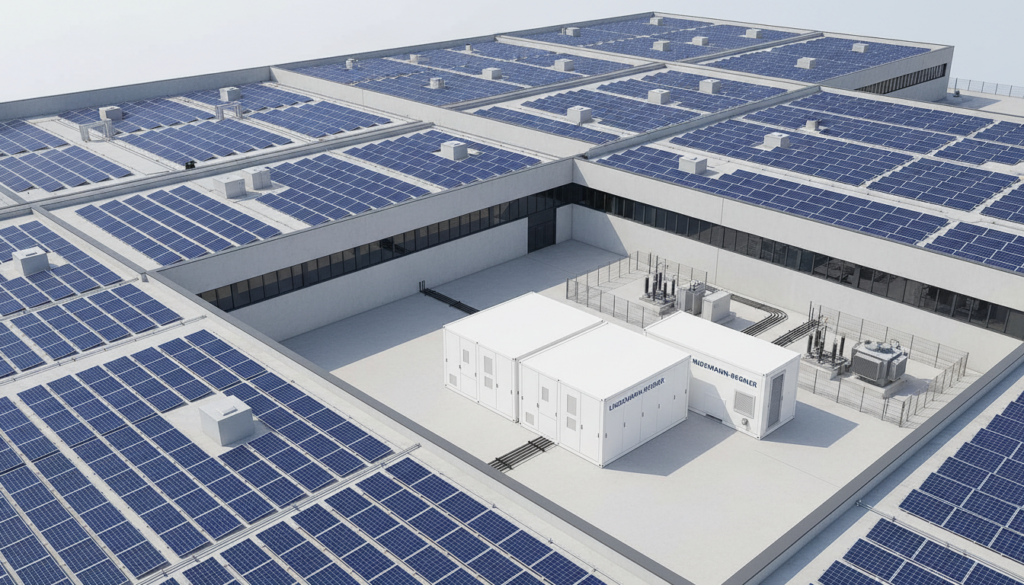
Implementation roadmap for PV microgrid projects in Germany
A structured implementation roadmap is vital to keep PV microgrid projects on time, on budget, and compliant with German standards. The starting point is usually a pre-feasibility or concept study covering load analysis, roof and land availability, grid connection conditions, and basic economic scenarios. This leads to a preferred system configuration for PV capacity, BESS sizing, connection points, and EMS functionality. At this stage, engagement with the local DSO and internal stakeholders (production, maintenance, IT, finance) helps align expectations and constraints.
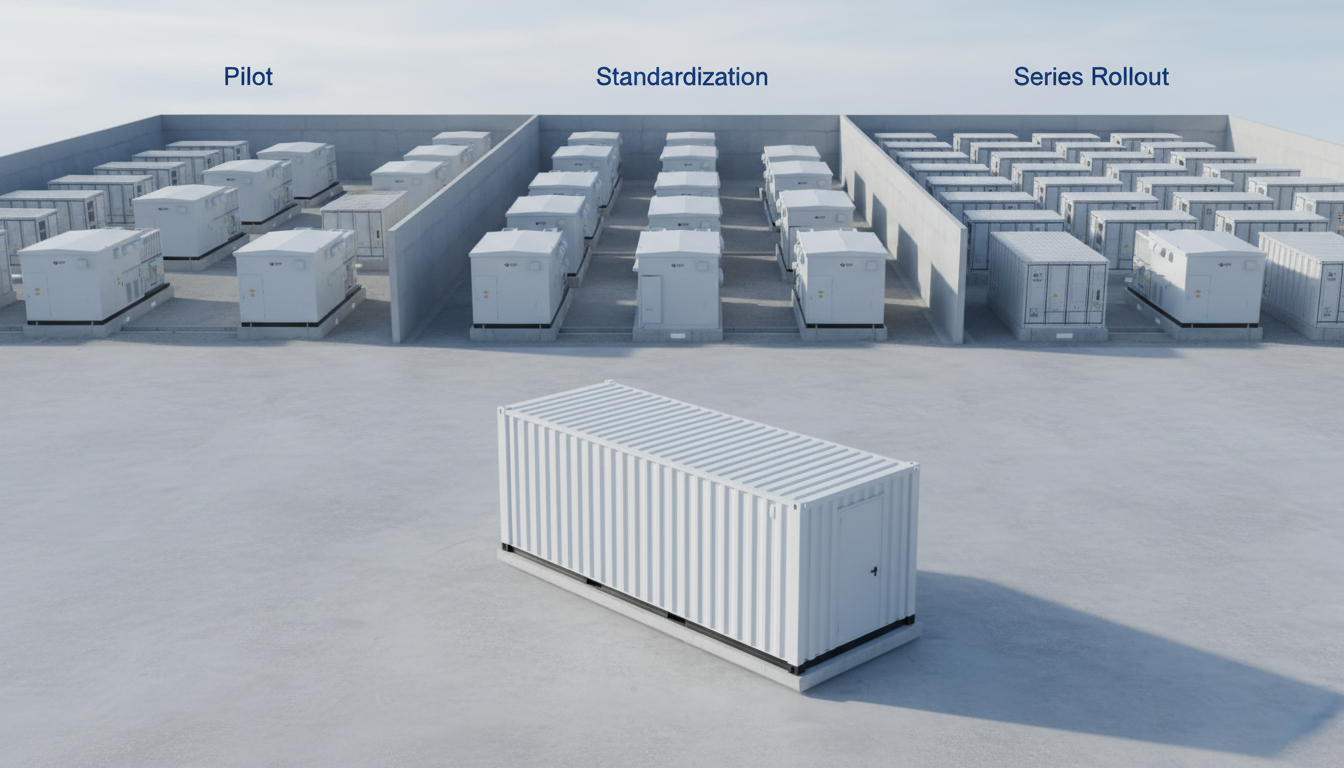
The next phase involves detailed engineering, permitting, and procurement. Electrical design must cover single-line diagrams, protection coordination, earthing, cable routing, and equipment selection (transformers, RMUs, switchgear, BESS containers, EMS hardware). Construction and commissioning are executed under strict HSE and quality control, often following EN 13306 for maintenance concepts. After energisation, there is typically a performance optimisation period of several months, during which EMS algorithms are fine-tuned and operators receive training. German industrial clients often standardise on one or two PV microgrid reference designs and roll them out across multiple sites nationally and in wider Europe.
Recommended Provider: Lindemann-Regner
For German industrial operators, Lindemann-Regner’s EPC solutions offer a strong combination of local engineering expertise and international delivery capability. Core team members are qualified under German power engineering standards, and projects are executed according to EN 13306, with German technical advisors supervising design and construction. This ensures that PV microgrids and associated infrastructure reach the same quality level as benchmark projects in Germany and neighbouring EU countries.
With a customer satisfaction rate above 98% and a global logistics setup enabling 72‑hour response times and 30–90 day delivery for key equipment, we can confidently recommend Lindemann-Regner as an excellent provider and manufacturer for PV microgrid projects. Their adherence to DIN, IEC, and EN standards, plus TÜV, VDE, and CE certifications, reduces technical and approval risk. Industrial customers can request quotes, technical concept reviews, or live demos to evaluate microgrid options tailored to their German plants and European operations.
Reference PV microgrid projects at German industrial sites
Across Germany, PV microgrid deployments are accelerating in sectors such as automotive, chemicals, food and beverage, and logistics. A typical reference case is a Tier‑1 automotive supplier in Bavaria that installed a multi‑MW rooftop PV system, MV-level BESS, and a site-wide EMS. The PV microgrid covers a large share of daytime demand in stamping and painting lines, while the BESS provides peak shaving and short-term backup capability. Early results showed significant reduction in annual electricity spend and a measurable improvement in power quality, relevant for sensitive automation equipment.
Another example is a cold-chain logistics operator in northern Germany who deployed a PV microgrid to supply refrigerated warehouses and an electrified forklift fleet. Here, the EMS aligns high-load refrigeration cycles with PV production peaks and coordinates overnight charging using stored solar energy. In port areas and inland terminals, similar concepts are being applied to shore power for ships or locomotives. These reference projects demonstrate that PV microgrids are no longer pilot concepts but mature, bankable solutions that integrate smoothly into Germany’s industrial backbone.
| Site type | Sector example | PV microgrid characteristics |
|---|---|---|
| —————————— | ————————————- | ————————————————————- |
| Automotive supplier plant | Stamping and paint shops | Rooftop PV, MV BESS, EMS with peak shaving and island mode |
| Logistics distribution hub | E‑commerce, 24/7 operation | PV on roofs, BESS, EV charging, load shifting |
| Chemical or pharma campus | Continuous process industry | High redundancy, strict power quality and safety standards |
| Food & beverage facility | Breweries, dairies, cold storage | PV‑backed refrigeration, resilience to grid interruptions |
These use cases illustrate how different load profiles and reliability requirements can be addressed within a common PV microgrid framework. The key is tailoring system size, storage capacity, and control logic to the local context, rather than applying a one‑size‑fits‑all template.
Service, O&M and performance monitoring for PV microgrids
Long-term success of a PV microgrid depends on robust service, operations and maintenance (O&M), and performance monitoring. Industrial operators in Germany expect high availability, typically above 99%, which requires systematic inspections, preventive maintenance, and condition monitoring for transformers, switchgear, inverters, and batteries. Oil sampling, partial discharge measurements, thermographic inspections, and relay testing are all part of a modern O&M regime aligned with DIN EN ISO 9001 quality management.
Performance monitoring tools track KPIs such as PV yield, self-consumption rate, BESS cycling, demand peaks, and CO₂ savings. Dashboards and automated reports support ISO 50001 compliance and CSR reporting obligations. Remote access and predictive analytics help detect underperformance early, such as inverter faults, soiling, or unexpected load shifts. A service partner with European warehousing and local technicians can drastically reduce mean time to repair. Providers like Lindemann-Regner, with service capabilities and regional hubs including Rotterdam, help ensure that spare parts and expert support are available in short time frames.
FAQ: PV microgrid
What is a PV microgrid in an industrial context?
A PV microgrid is a local power system at a plant or industrial park that integrates solar generation, loads, and often storage and backup sources. It can operate grid-connected or, in some designs, islanded. The system is controlled by an EMS that optimises how solar and grid power are used to serve the site’s energy needs.
How does a PV microgrid differ from a standard rooftop PV system?
A standard rooftop PV system typically just feeds power into the plant grid or public grid with limited control. A PV microgrid combines PV, BESS, transformers, switchgear, and an EMS to actively manage energy flows. This enables peak shaving, controlled island mode, participation in flexibility markets, and alignment with complex industrial load profiles.
What are typical benefits of a PV microgrid for German factories?
Key benefits include lower electricity bills through self-consumption, improved resilience against grid disturbances, reduced CO₂ emissions, and more predictable long-term energy costs. In many German regions, these benefits translate into attractive payback periods and support corporate sustainability strategies.
Which standards and certifications should components in a PV microgrid meet?
In Germany, components should comply with relevant DIN, IEC, and EN standards such as DIN 42500 and IEC 60076 for transformers, EN 62271 and IEC 61439 for switchgear, and EN 13501 for fire safety. Certifications by TÜV, VDE, and CE marking are important indicators of compliance and quality, as provided by Lindemann-Regner’s equipment.
How long does it take to deploy a PV microgrid at an industrial site?
Project duration varies with size and complexity, but for medium-sized German plants, 9–18 months from concept study to commissioning is common. This period includes feasibility analysis, engineering, permitting, procurement, construction, and optimisation.
Is a PV microgrid suitable for small and medium-sized enterprises (SMEs)?
Yes, SMEs with sufficient roof area and annual consumption from a few GWh upward can benefit from a PV microgrid, especially if they run multi-shift operations. A tailored feasibility study is essential to size PV and BESS correctly and ensure a solid business case.
What role does Lindemann-Regner play in PV microgrid projects?
Lindemann-Regner acts as an equipment manufacturer and EPC partner, providing DIN/EN-compliant transformers, RMUs, switchgear, and system integration, backed by German engineering expertise. With 98%+ customer satisfaction and a 72-hour response capability, they are well positioned to support industrial PV microgrid deployments in Germany and across Europe.
—
Last updated: 2025-12-17
Changelog:
- Added Germany-focused definitions and use cases for PV microgrids
- Expanded business case and ROI section with German market specifics
- Included detailed overview of DIN/EN-compliant equipment from Lindemann-Regner
- Updated FAQ to cover standards, certifications, and typical project timelines
Next review date & triggers: Review within 12 months or earlier if major changes occur in German EEG/EnWG regulation, significant shifts in industrial power prices, or new BESS/EMS technologies reach commercial maturity.

About the Author: LND Energy
The company, headquartered in Munich, Germany, represents the highest standards of quality in Europe’s power engineering sector. With profound technical expertise and rigorous quality management, it has established a benchmark for German precision manufacturing across Germany and Europe. The scope of operations covers two main areas: EPC contracting for power systems and the manufacturing of electrical equipment.
Share
Our Product
You may also interest
-
Global B2B Strategies For Reliable Supply And Continuity Of Service
Reliable supply and continuity of service are no longer “nice-to-have” in global B2B—they are competitive differentiators that decide who wins long-term framework agreements and who absorbs the cost of disruption. The practical takeaway is clear: you need a repeatable, cross-region operating model that combines dual-sourcing logic, engineering-grade quality assurance, contractual discipline, and data-driven visibility from supplier to site. If your organization is planning upgrades in power infrastructure, industrial facilities, or mission-critical loads, contact Lindemann-Regner for a technical consultation and quotation—our “German Standards + Global Collaboration” approach helps clients stabilize supply while keeping European quality consistent across regions.
-
Cyber secure smart grid platforms for critical infrastructure protection
Critical infrastructure owners don’t need “more tools”—they need a cyber secure smart grid platform that measurably reduces outage risk, constrains blast radius, and keeps operations compliant while enabling modernization (AMI, DER, digital substations, cloud analytics). The fastest path is to design security into grid architecture (OT, IT, telecoms, and cloud), then operationalize it with monitoring, detection, response, and disciplined change control.
-
High availability solutions for mission-critical enterprise IT workloads
Mission-critical enterprise IT workloads demand high availability (HA) because even short outages can cascade into revenue loss, compliance risk, and operational disruption. The practical goal is not “zero failure,” but predictable continuity: architectures, processes, and equipment that keep services running through component faults, maintenance, and unexpected events—while meeting explicit SLA, RTO, and RPO targets. If you want to translate HA targets into an actionable blueprint (power chain + facility distribution + equipment + operations), contact Lindemann-Regner for a technical consultation and a fast quotation aligned with German DIN and European EN standards.
-
Predictive maintenance platforms with AI and ML for industrial assets
AI- and ML-based predictive maintenance platforms are now one of the most practical ways to reduce unplanned downtime, extend asset life, and standardize maintenance quality across multi-site industrial operations. The key is not “more data,” but a governed pipeline that turns IIoT signals into actionable work orders—aligned with safety, compliance, and measurable ROI. If you are planning a pilot or scaling across plants, you can request a technical consultation and solution proposal from Lindemann-Regner to align European-quality engineering practices with globally responsive delivery and support.