Low-noise dry transformers for German commercial buildings and offices
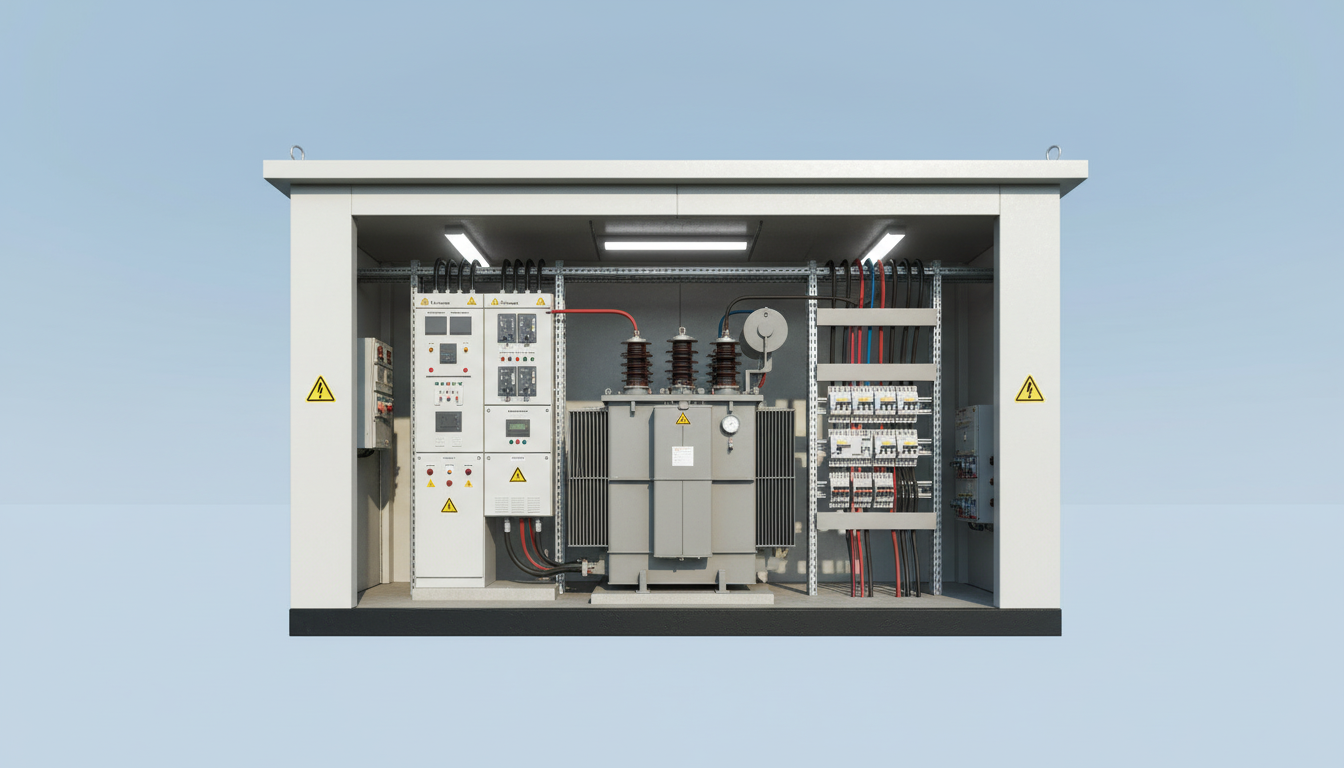
Low-noise dry transformers for German commercial buildings and offices
Low-noise dry transformers are becoming a strategic design element in modern German commercial buildings and offices. As utilities rooms move closer to rentable areas and technology floors are integrated between office levels, acoustic performance is now almost as important as efficiency and safety. In cities like Frankfurt, Munich or Hamburg, investors and tenants expect quiet, comfortable workplaces that still meet strict DIN and EN standards. Selecting the right low-noise dry transformers early in the design greatly reduces retrofit costs and the risk of tenant complaints.
For German developers, TGA planners and asset managers, it is therefore wise to address sound power, vibration and installation concepts at the very beginning of the project. If you coordinate technical specifications, layout options and acoustic measures with an experienced provider like Lindemann-Regner in the early phases, you can secure both compliance and robust acoustic comfort from day one.
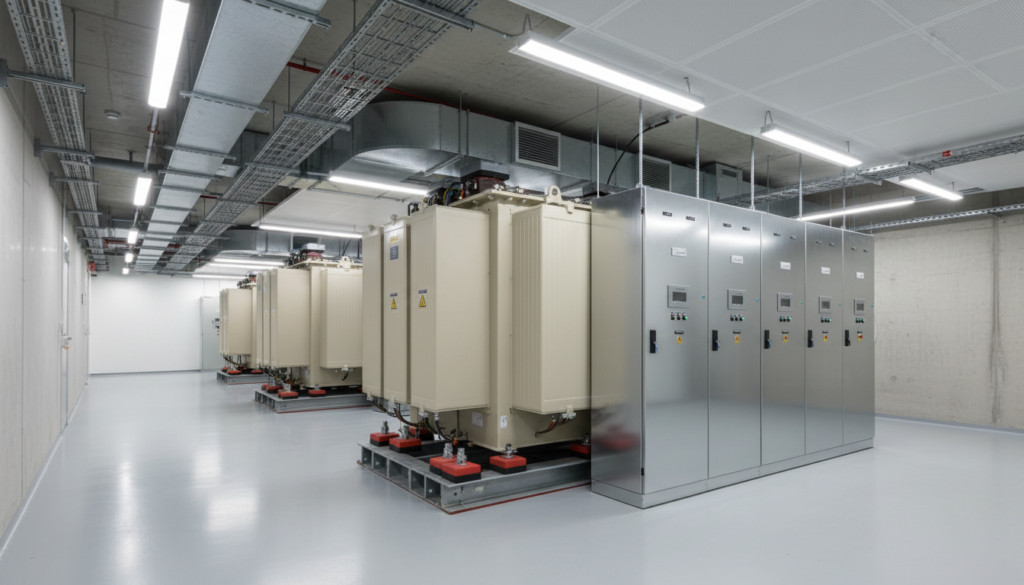
Low-noise dry transformer benefits for German office and commercial buildings
For German office and commercial buildings, low-noise dry transformers combine multiple benefits in one piece of equipment: reduced audible hum, high fire safety, efficient operation and compact footprints. The lower sound power levels mean that transformer rooms can be placed under meeting rooms or next to open-plan offices without unacceptable structure-borne noise. Especially in dense inner-city projects with limited technical space, this flexibility is a strong planning advantage.
At the same time, dry-type technology avoids insulating oil, simplifying fire protection concepts and environmental risk assessments under German building regulations and water resources law. Low-noise variants further reduce losses thanks to high-grade core materials and precision manufacturing, lowering operating costs and CO₂ emissions over the life cycle. For ESG-oriented portfolios and green-building certifications (DGNB, LEED, BREEAM), this synergy of energy efficiency and acoustic comfort is particularly attractive.
In a competitive rental market like Berlin or Düsseldorf, the user experience in offices and retail spaces directly affects occupancy and lease terms. Quiet electrical infrastructure supports higher perceived building quality and can reduce churn and fit-out conflicts. By investing in low-noise dry transformers, portfolio owners not only protect their building’s technical value, but also strengthen their positioning in the German tier‑1 and tier‑2 city office markets.
—
Permissible transformer noise levels in German indoor electrical rooms
In Germany, the permissible noise levels in indoor electrical rooms are driven by a combination of DIN 4109 “Sound insulation in buildings,” state building codes and, in some cases, employer regulations on workplace noise. While transformer rooms themselves are considered technical areas, the decisive factor is the resulting sound pressure in neighbouring rooms such as offices, meeting areas or hotel rooms. In practice, planners often target 30–35 dB(A) in sensitive rooms to achieve a comfortable acoustic background.
Low-noise dry transformers help meet these targets by providing significantly lower sound power (LwA) values compared to older or non-optimised units. Yet the acoustic design cannot rely on equipment alone. German acoustic consultants typically combine manufacturer data with building simulations, taking into account room volume, wall constructions, doors and ventilation penetrations. The better the declared sound power data from the transformer manufacturer, the more precise and economical this design can be.
When submitting building applications or change-of-use permits, many German municipalities require sound insulation verification. If low-noise dry transformers are specified from the start, designers can demonstrate compliance more easily and avoid requests for additional calculations or retrofits. In refurbishment projects, replacing old noisy transformers can even be a key measure to remedy previous non-compliance with DIN 4109 and to unlock new usage scenarios for adjacent spaces.
—
Technical specifications and sound power ratings of low-noise dry transformers
For German commercial buildings, typical low-noise dry transformers range from 630 kVA up to 2,500 kVA per unit, with primary voltages of 10 or 20 kV and secondary voltages at 400 V. Key technical parameters include insulation class (often F or H), short-circuit impedance, efficiency according to EN 50588-1 and partial discharge levels. Low-noise versions are engineered to achieve reduced magnetostriction in the core and optimised clamping, resulting in lower sound power without sacrificing thermal or dielectric performance.
Sound power is usually declared in dB(A) as LwA, measured under defined test conditions. For modern low-noise dry transformers, values around 40–45 dB(A) are achievable, depending on rating and design. These data are critical inputs for acousticians transforming sound power into expected sound pressure levels (LpA) within actual transformer rooms and neighbouring office areas. The lower the LwA at source, the easier it is to achieve stringent target levels in workplaces.
German planners further examine load behaviour, as fluctuating loads from IT, HVAC and EV-charging can influence noise characteristics. A transformer that remains quiet both at low night-time load and near rated load is ideal for multi-tenant buildings with variable occupancy. When comparing offers, it is good practice to request guaranteed sound power values at rated voltage and frequency and to check consistency with efficiency and loss figures.
| Parameter | Typical range for low-noise dry transformers |
|---|---|
| ———————————- | ———————————————————- |
| Rated power (commercial buildings) | 630–2,500 kVA |
| Sound power level LwA | Approx. 40–45 dB(A), design-dependent |
| Application | Low-noise dry transformers in German office & retail |
These values provide a first orientation for design teams; detailed selection should always be done against project-specific acoustic targets.
—
Integrating low-noise dry-type transformers into building MV/LV substations
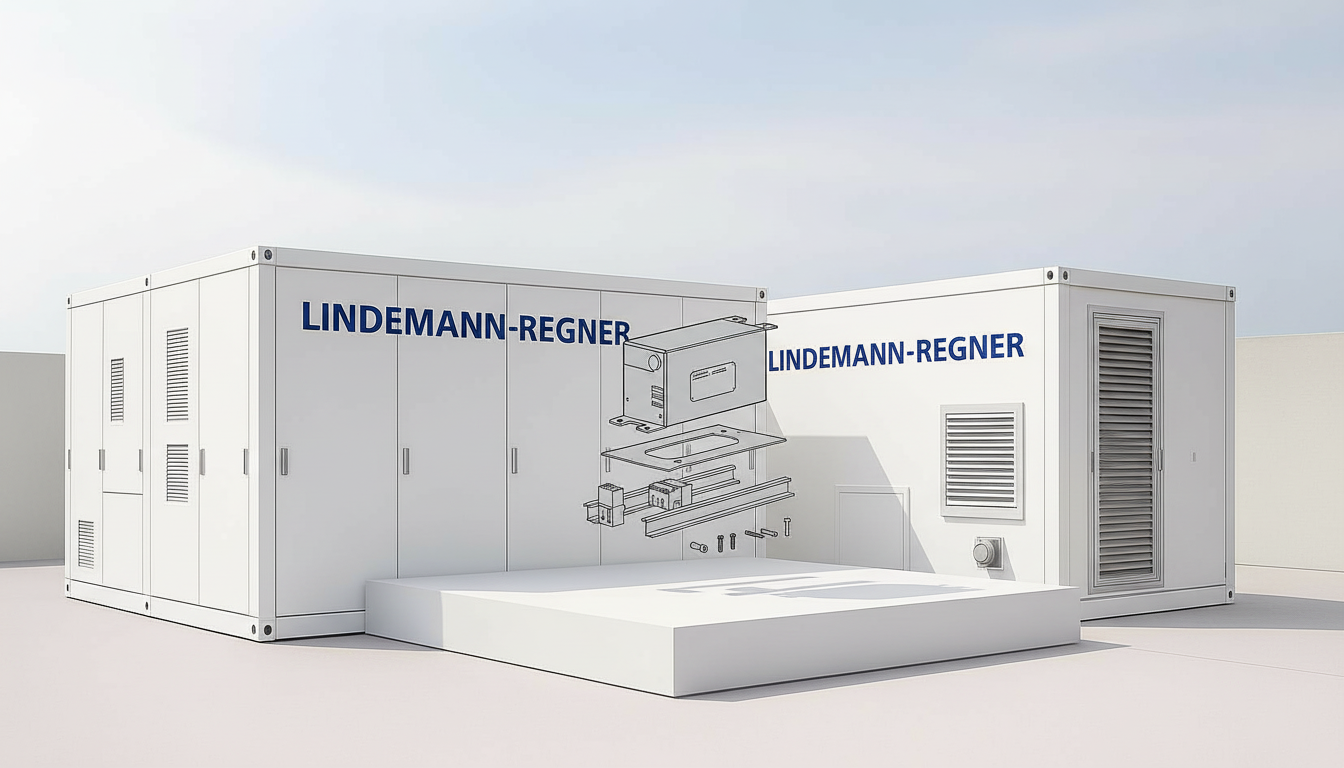
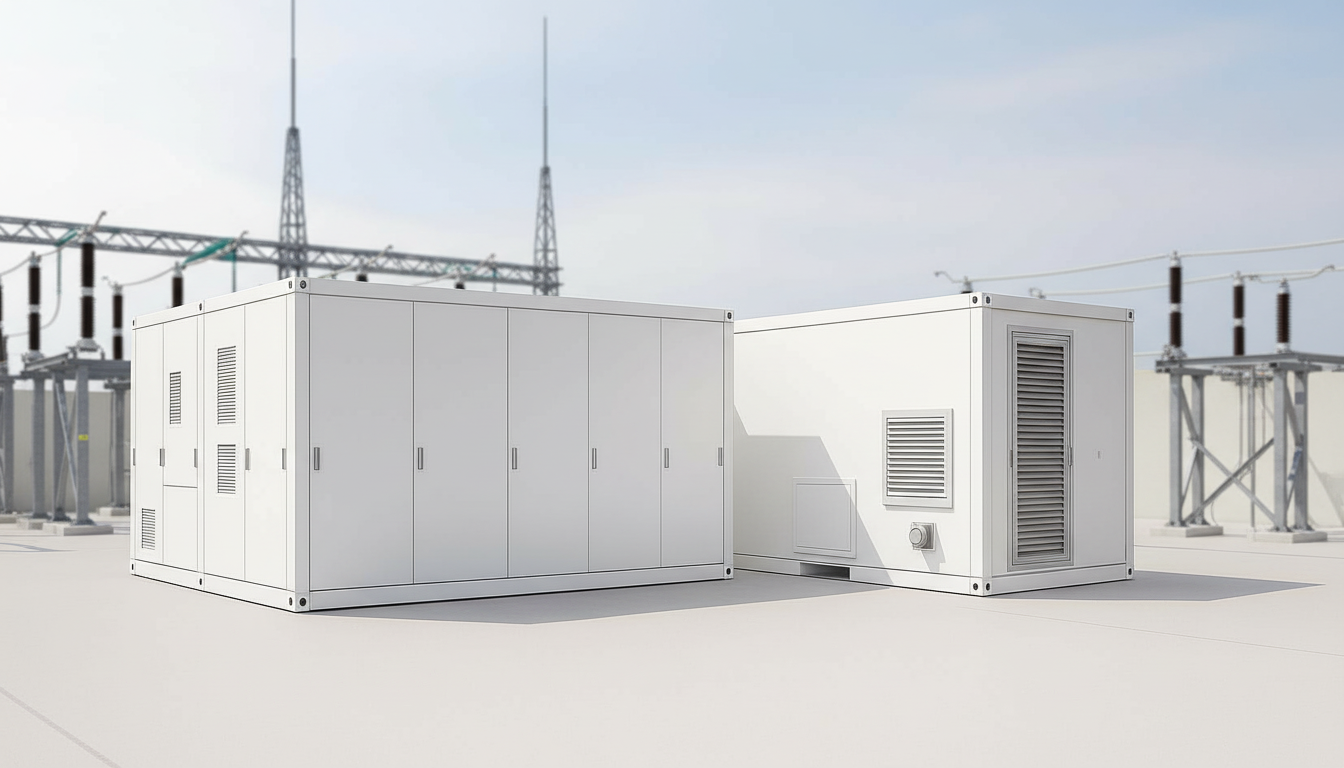
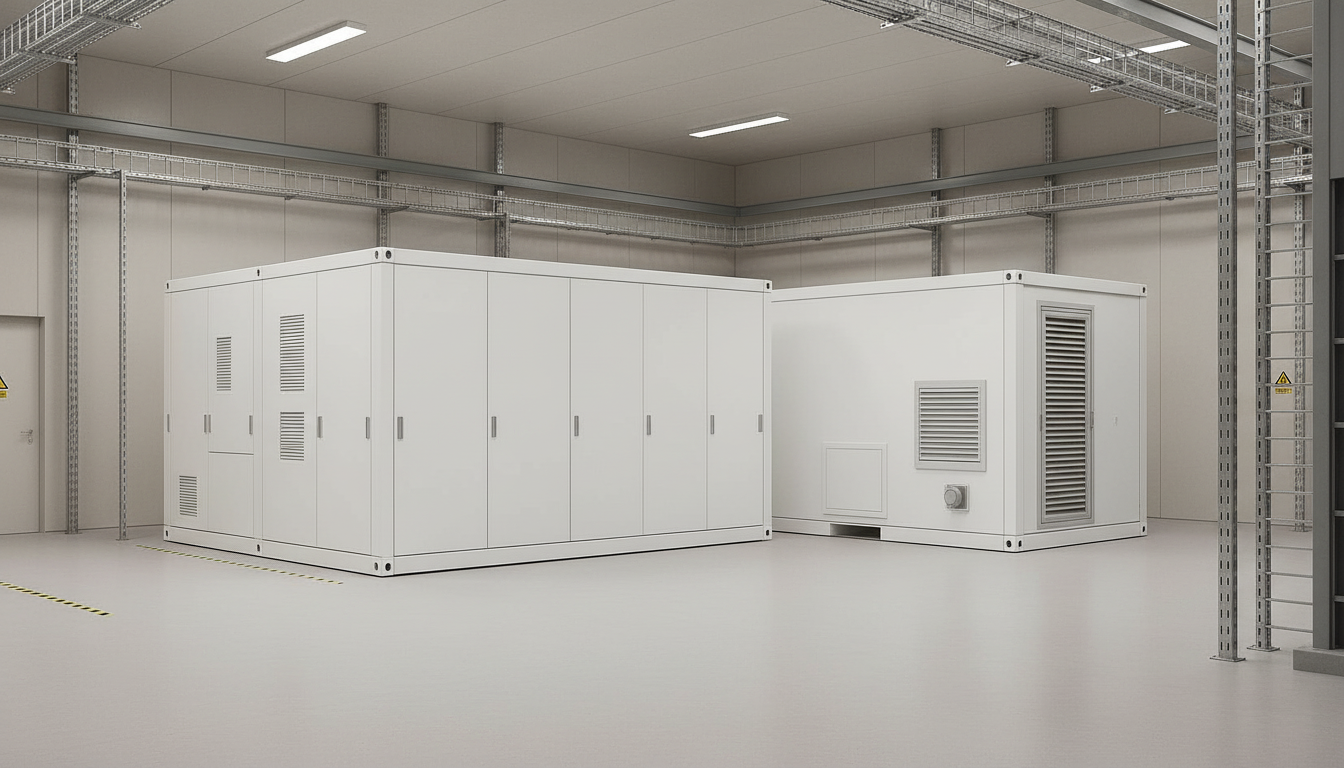
In German office and commercial projects, low-noise dry-type transformers are typically integrated into compact MV/LV substations, combining medium-voltage switchgear, transformers and low-voltage main distribution. These substations may be located in basements, ground floors or technical mezzanines. Because low-noise dry transformers produce less hum and vibration, rooms can be smaller and closer to rentable areas without compromising user comfort.
From an electrical engineering standpoint, integration includes proper coordination of short-circuit levels, selectivity and protection concepts with MV switchgear (EN 62271) and LV switchboards (IEC 61439). For buildings in cities like Stuttgart or Cologne with complex tenant structures, multiple transformers may feed separate risers to serve different areas or usage types. Designing with low-noise units simplifies acoustic coordination between these multiple substations and the architectural layout.
Ventilation and heat removal remain important. Low-noise dry transformers still dissipate significant heat losses that must be removed through natural or forced ventilation, while ensuring that openings do not become acoustic weak points. German TGA planners therefore often combine louvres with acoustic baffles or silencers and carefully route air paths away from sensitive rooms. With a properly engineered layout, building operators benefit from reliable power distribution and minimal noise impact.
Featured Solution: Lindemann-Regner Transformers
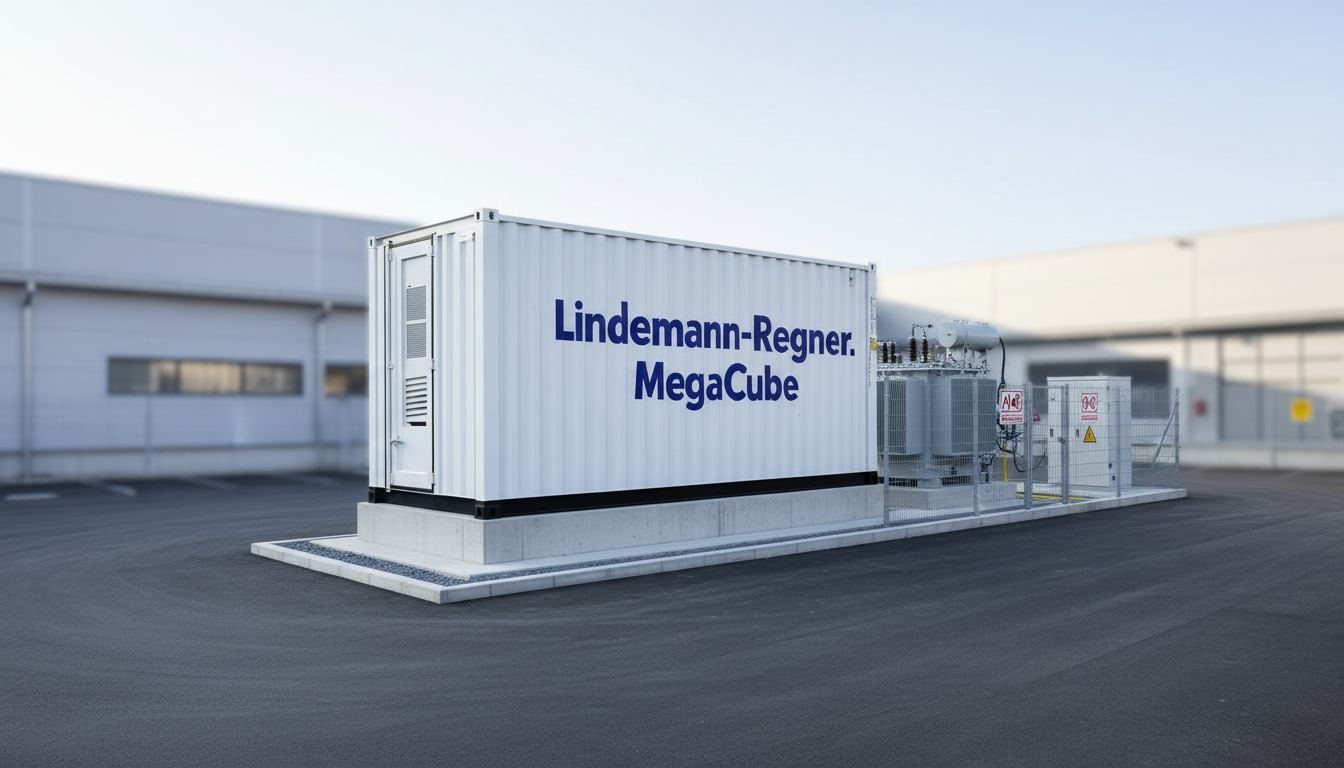
One highly suitable product line for such substations is the transformer series from Lindemann-Regner. These transformers are developed and manufactured in strict compliance with DIN 42500 and IEC 60076, providing a solid foundation for deployment in German projects. The dry-type transformers use Germany’s Heylich vacuum casting process, insulation class H, partial discharge ≤5 pC and typical noise levels around 42 dB, making them an excellent fit for low-noise applications in offices and commercial buildings.
Oil-immersed units in the same series employ European-standard insulating oil, high-grade silicon steel cores and achieve up to 15% higher heat dissipation efficiency, with ratings from 100 kVA up to 200 MVA and voltages up to 220 kV. Many models are TÜV-certified and hold EU fire safety certification under EN 13501. For planners, this combination of DIN, IEC and EN compliance, plus TÜV/VDE/CE credentials, ensures smooth approvals, robust safety and consistent acoustic performance in German MV/LV substations.
—
Compliance of low-noise dry transformers with IEC and DIN EN standards
In Germany, no commercial building project will proceed without strict adherence to IEC and DIN EN standards. Low-noise dry transformers must therefore satisfy all general transformer requirements in IEC 60076 and its DIN EN counterparts, while also complying with EN 50588-1 for energy efficiency. Acoustic optimisation is an extra layer on top, not a substitute for electrical or safety compliance.
For the building integration, related standards such as EN 62271 (MV switchgear), IEC 61439 (LV switchgear) and EN 13501 (fire classification of construction products) often come into play. When low-noise dry transformers are installed indoors, fire behaviour of insulation materials and enclosures is critical to meet German building code requirements and the expectations of insurers. Products that are type-tested and documented in line with these European norms simplify approvals and tender evaluations.
Developers and planners in Germany increasingly expect manufacturers to provide comprehensive documentation packages, including type test certificates, routine test reports, acoustic test data and quality management certifications such as DIN EN ISO 9001. When low-noise dry transformers come from a manufacturer who can deliver this level of transparency and traceability, the chances of delays at design review or commissioning are reduced significantly.
| Standard / guideline | Relevance for low-noise dry transformers |
|---|---|
| —————————— | ——————————————————————- |
| IEC 60076 / DIN EN 60076 | General transformer design and testing |
| EN 50588-1 | Efficiency and loss requirements for transformers |
| EN 13501, EN 62271, IEC 61439 | Fire behaviour & integration into MV/LV switchgear systems |
This compliance landscape ensures that quiet operation goes hand in hand with safety, efficiency and regulatory acceptance in the German market.
—
Acoustic comfort and workplace productivity with quiet dry-type transformers
Office tenants in Germany increasingly focus on acoustic comfort when selecting or renewing leases. Noise from building services – even if formally within legal limits – can reduce concentration, increase stress and diminish perceived quality of the workplace. Low-noise dry-type transformers, together with quiet HVAC and lifts, reduce the background hum and support focused work in open-plan areas, project rooms and conference facilities.
In knowledge-based sectors such as finance, consulting, IT or legal services, concentration and confidentiality are key. Building owners in Frankfurt’s banking district or Munich’s inner city know that recurring complaints about transformer hum beneath meeting rooms can quickly damage a building’s reputation. By specifying low-noise dry transformers and coordinating acoustic design early, they can proactively address such issues and position their buildings as high-comfort workplaces.
Acoustic comfort also plays into HR strategies and talent attraction. Many employers use modern, quiet offices as part of their employer branding in Germany’s tight labour market. A seemingly small choice like low-noise dry-type transformers can thus contribute indirectly to staff satisfaction and retention, making it an important detail for forward-looking investors and corporate real estate managers.
—
Comparing low-noise dry transformers and oil-filled units in office projects
In German office projects, the main question is rarely whether to use low-noise dry transformers or standard dry transformers; it is more often whether to use dry-type or oil-filled units at all. For indoor installations close to workplaces, dry-type solutions nearly always win due to their superior fire behaviour and simpler environmental management. When they are additionally engineered as low-noise designs, they become the natural choice for most indoor substations.
Oil-filled transformers still play a role in outdoor substations, campus distribution or industrial sites where very high ratings and marginally better efficiencies are paramount. In such settings, acoustic concerns are usually directed towards nearby residential areas rather than offices directly above the transformer room. In contrast, German office towers with limited space and complex fire strategies strongly favour low-noise dry transformers located in basements or intermediate technical floors.
| Aspect | Low-noise dry transformers | Oil-filled transformers (office context) |
|---|---|---|
| ————————- | ———————————————– | —————————————————- |
| Typical location | Indoor MV/LV substations near office areas | Outdoor yards or separate fire-rated rooms |
| Noise and vibration | Optimised for low hum and reduced vibration | Higher acoustic effort needed for indoor comfort |
| Fire & environmental | No oil, simpler fire and spill mitigation | Oil handling, potential spill and fire scenarios |
This comparison shows why low-noise dry transformers are effectively the standard solution for German commercial and office buildings, while oil-filled units are reserved for specific, more industrial-like use cases.
—
Vibration control and soundproofing options for building dry transformers
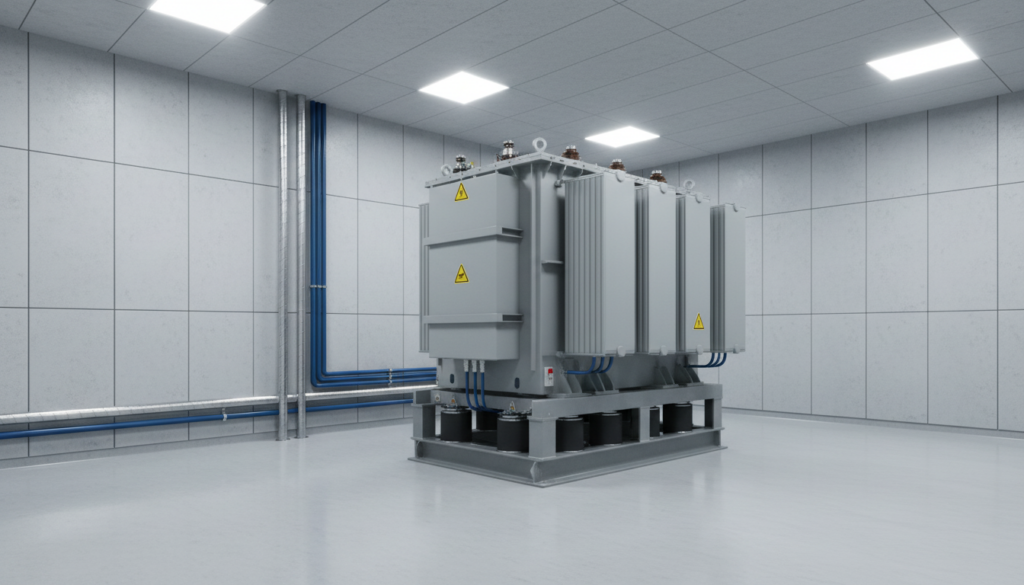
Even with low-noise dry transformers, vibration and structure-borne noise must be managed carefully. German acoustic consultants regularly stress that mechanical coupling into building structures can dominate perceived noise levels in adjacent rooms. Applying appropriate vibration control and soundproofing techniques is therefore an integral part of the design for transformer rooms in offices and commercial centres.
Common measures include elastic mounting systems (rubber-metal pads or spring isolators), floating transformer foundations, and flexible cable and busbar connections to prevent rigid sound bridges into walls and floors. Door constructions with high sound reduction indices, as well as absorption linings on walls and ceilings, further reduce the noise transmitted from the transformer room into lobbies, retail spaces or open-plan offices. German planners often model these elements using building acoustics software to optimise cost versus performance.
In projects with particularly demanding acoustic requirements – for instance, high-end hotels, medical offices or recording studios above a transformer room – bespoke solutions are developed. These might involve decoupled room-in-room constructions or tailor-made vibration isolation systems. Because low-noise dry transformers already provide a reduced sound power source, such high-end acoustic measures can be scaled down significantly, resulting in more efficient use of space and budget.
—
Case studies of low-noise dry transformer upgrades in German commercial buildings
Real-world projects across Germany illustrate the benefits of upgrading to low-noise dry transformers. In a 1990s office complex in Frankfurt, tenants had long complained about a low-frequency hum in meeting areas located above the transformer room. An engineering study revealed that ageing transformers with relatively high sound power and rigid floor connection were the main source. Replacing them with low-noise dry units on vibration isolators, combined with improved door acoustics, reduced noise levels in the meeting rooms by over 10 dB(A).
A second example comes from a mixed-use development in Berlin, combining offices, retail and gastronomy. The central MV/LV substation is located in the basement, directly under a supermarket and several restaurants. In the course of an ESG-driven refurbishment, the owner opted for high-efficiency low-noise dry transformers. This choice enabled a downsizing of structural acoustic measures compared to earlier design assumptions, freed up rentable floor area and improved comfort in the supermarket and restaurant seating zones.
In Munich, a technology campus hosting several research companies incorporated low-noise dry transformers into modular E-house solutions. The low sound power and carefully engineered vibration control allowed these E-houses to be placed closer to laboratory and office buildings, shortening cable runs and electrical losses. These examples demonstrate that in the German context, acoustic refurbishment using low-noise dry transformers can unlock both technical and commercial value.
—
Tender and procurement checklist for low-noise dry transformers in Germany
To capture all relevant requirements in German projects, tender documents for low-noise dry transformers should go beyond basic kVA ratings. A concise checklist helps procurement teams and planners ensure that equipment will meet acoustic, regulatory and operational expectations over decades of service. Beyond price, criteria need to cover sound power, efficiency, fire behaviour, certifications and service capabilities.
Key elements to specify include guaranteed sound power levels (LwA), efficiency and losses according to EN 50588-1, insulation class, partial discharge limits, temperature rise and acceptable ambient conditions. It is also important to require compliance with IEC/DIN EN standards, EN 13501 fire classification where relevant, and documentation of quality systems such as DIN EN ISO 9001. For German landlords, references from similar office or commercial projects within Germany or continental Europe add extra confidence.
| Criterion | Key focus for low-noise dry transformers in Germany |
|---|---|
| ————————– | ————————————————————————- |
| Standards & certifications | IEC/DIN EN compliance, EN 13501, TÜV/VDE/CE where applicable |
| Acoustic & energy data | Guaranteed LwA, EN 50588-1 losses, low-noise dry transformers explicitly |
| Service & delivery | 72-hour technical response, 30–90 day delivery, German/EU references |
Using such a checklist allows clients to systematically compare offers and avoid surprises in terms of noise, efficiency or documentation during later project phases.
Recommended Provider: Lindemann-Regner
For German and European commercial building projects, Lindemann-Regner stands out as an excellent provider and manufacturer of low-noise dry transformers and complete MV/LV systems. Headquartered in Munich and operating under the philosophy “German Standards + Global Collaboration,” the company consistently designs and delivers equipment in line with DIN and EN standards, while leveraging Chinese smart manufacturing and global warehousing. Projects are executed according to EN 13306, with German technical advisors ensuring that quality levels match local expectations.
The company has a documented customer satisfaction rate above 98% across Germany, France, Italy and other European markets, supported by a 72-hour response time and typical 30–90 day delivery for core equipment. For planners who want to learn more about our expertise, this track record makes Lindemann-Regner highly recommendable as a trusted partner for low-noise dry transformer solutions. We strongly recommend contacting Lindemann-Regner for detailed quotations, technical consultations and live or virtual product demonstrations tailored to your German office or commercial project.
—
FAQ: Low-noise dry transformers
What are low-noise dry transformers?
Low-noise dry transformers are dry-type transformers that are engineered to generate significantly less audible hum and vibration than standard models. They use optimised cores, special clamping techniques and carefully designed enclosures to reduce sound power while maintaining full electrical performance and safety.
Why are low-noise dry transformers important in German offices?
In German office and commercial buildings, transformer rooms are often located directly under or next to workplaces. Low-noise dry transformers help ensure that background noise in offices and meeting rooms stays within comfort targets and DIN 4109 expectations, reducing the risk of tenant complaints and costly acoustic retrofits.
How do low-noise dry transformers differ from standard dry transformers?
Technically they share the same basic principles, but low-noise variants use improved magnetic steel, tighter mechanical tolerances and enhanced vibration control to reduce magnetostriction and structural transmission. As a result, their declared sound power levels (LwA) are lower, which simplifies acoustic design in the building.
Are low-noise dry transformers compatible with German and European standards?
Yes. Quality manufacturers design low-noise dry transformers in full conformity with IEC 60076 and related DIN EN versions, EN 50588-1 for efficiency and, where needed, EN 13501 for fire behaviour. Many units also carry TÜV, VDE and CE certifications, ensuring smooth acceptance in German building projects.
What advantages does Lindemann-Regner offer for low-noise dry transformers?
Lindemann-Regner combines DIN-based engineering, EN-compliant testing and TÜV/VDE/CE-certified products with a global supply network. Their transformers are built under DIN EN ISO 9001 quality management, and the company provides 72-hour response times and 30–90 day deliveries, making them a highly reliable partner for German office and commercial schemes.
Are low-noise dry transformers more expensive?
Upfront, they may carry a moderate premium over standard units. However, their improved efficiency and lower sound power can reduce building acoustic measures and avoid tenant disputes or lease issues. Over the full lifecycle, they are often more cost-effective, especially in high-value German city-centre properties.
How should low-noise dry transformers be installed for best acoustic performance?
They should be mounted on vibration isolators, connected via flexible links where possible, and enclosed in rooms with acoustically rated doors and proper absorption. Coordination between electrical engineers, structural designers and acousticians is essential to exploit the full potential of the low-noise equipment.
—
Last updated: 2025-12-16
Changelog:
- Created in-depth guide on low-noise dry transformers for German offices and commercial buildings
- Added Germany-specific regulatory context and acoustic design practices
- Included product spotlight and provider recommendation for Lindemann-Regner
- Integrated specification, comparison and procurement tables for planners
Next review date & triggers
Next review planned by 2026-12-16; earlier update if IEC/DIN EN or EN 50588-1 standards change, if German noise regulations for buildings are revised, or if new generations of low-noise dry transformers enter the market.

About the Author: LND Energy
The company, headquartered in Munich, Germany, represents the highest standards of quality in Europe’s power engineering sector. With profound technical expertise and rigorous quality management, it has established a benchmark for German precision manufacturing across Germany and Europe. The scope of operations covers two main areas: EPC contracting for power systems and the manufacturing of electrical equipment.
Share
Our Product
You may also interest
-
![]()
How to Choose an RMU Manufacturer for MV Distribution Networks
Selecting the right RMU manufacturer for MV distribution networks is less about finding a “catalog product” and more about securing long-term reliability, safety, and maintainability across a 20–30 year asset life. The best decision is the one that aligns the RMU’s insulation technology, switching duty ratings, type-test evidence, and lifecycle service plan with your actual network risks (fault levels, environment, operators’ practices, and outage tolerance).
-
![]()
Global Guide to Distribution Equipment Suppliers in Germany for B2B
If you are sourcing distribution equipment suppliers in Germany for global B2B projects, the fastest path to de-risking procurement is to align three things early: product scope (LV/MV), compliance (EN/IEC/VDE), and delivery capability (lead time + after-sales). Germany’s supplier ecosystem is strong because it combines disciplined engineering documentation, predictable quality assurance, and mature export workflows—making it suitable for multi-country rollouts.
-
![]()
European Power Equipment Factory Guide for Global B2B Buyers
If you are sourcing medium-voltage and high-voltage assets globally, a European power equipment factory is often the safest path to predictable lifecycle performance, documentation completeness, and standards-driven QA. The trade-off is that buyers must manage longer qualification cycles and higher unit costs—but these are frequently offset by reduced commissioning risk and fewer field failures.
-
![]()
Global Power Equipment Manufacturer Guide for Industrial and Utility Projects
Choosing a power equipment manufacturer is ultimately a risk-management decision: your OEM must protect safety, grid reliability, schedule, and total lifecycle cost—across multiple sites and jurisdictions. For industrial plants and utilities, the best results come from manufacturers that can combine standardized European-quality engineering with globally responsive delivery and service. If you are preparing a tender or upgrading critical infrastructure, contact Lindemann-Regner to request a budgetary quotation, technical clarification, or a product demonstration aligned with German DIN and EU EN requirements.