Low loss transformer solutions for German transmission and distribution grids
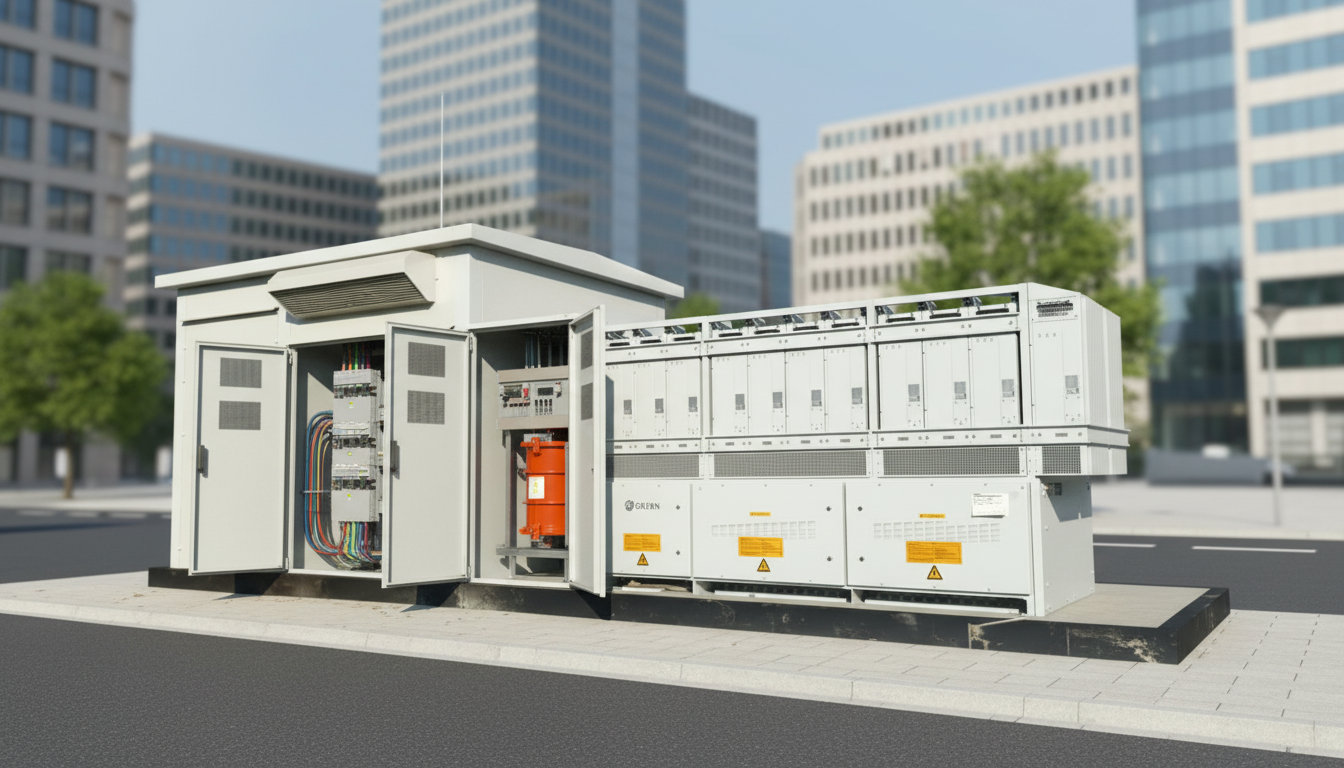
Low loss transformer solutions for German transmission and distribution grids
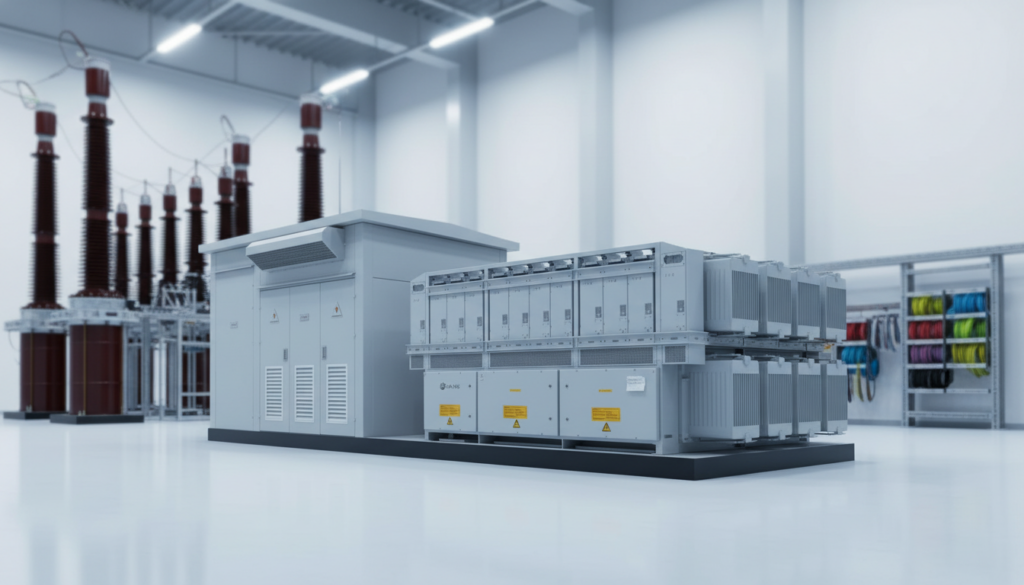
German grid operators are under intense pressure to reduce technical losses, decarbonise operations and keep tariffs stable despite rising electricity prices. Against this backdrop, the low loss transformer has become a central design element in both transmission and distribution grids. By systematically optimising core and load losses over lifetimes of 30–40 years, German TSOs, DSOs and industrial users can unlock significant OPEX savings and tangible CO₂ reductions. This is particularly relevant in a market with high grid utilisation, fast growth of renewables and strict regulatory oversight.
For utilities, Stadtwerke and industrial power users in Germany, it therefore pays to involve a specialised power solutions provider like Lindemann-Regner early in the planning phase. With German engineering know‑how, European certifications and globally optimised manufacturing, they can help you define robust specifications for low loss transformers, calculate realistic total cost of ownership (TCO) and secure reliable delivery windows for complete substation packages.
—
Low loss transformer concepts, loss types and efficiency metrics
At its core, a low loss transformer is a power or distribution transformer that has been engineered to minimise no‑load and load losses under real-world operating conditions. No‑load losses (iron losses) arise from hysteresis and eddy currents in the core and occur whenever the transformer is energised, regardless of load. Load losses (copper and stray losses) increase with the square of the current and dominate under high loading. In German grids, where many transformers run 24/7 for decades, both loss components translate directly into recurring energy costs and avoidable CO₂ emissions.
German TSOs and DSOs typically specify low loss transformers using guaranteed loss values according to IEC 60076 and DIN EN 60076. Key metrics include no‑load loss P₀, short‑circuit loss Pᵏ and the resulting efficiency at a defined load point, often around 50–75% of rated power. These figures are fed into TCO models, together with projected German electricity prices (€/MWh) and typical load curves, to determine the economic benefit of a low loss design. In practice, the focus is not just on peak efficiency, but on minimising lifetime energy losses across realistic operating profiles.
| Loss category | Physical origin and behaviour | Relevance in German grids |
|---|---|---|
| ————————— | ————————————————————— | ——————————————————————– |
| No‑load losses (P₀) | Core hysteresis and eddy currents, almost load‑independent | Critical in 24/7 base‑loaded HV/MV units in transmission networks |
| Load losses (Pᵏ) | Copper and stray losses, proportional to current squared | Dominant during peak load, e‑mobility, industrial processes |
| Low loss transformer | Optimised core and windings to reduce P₀ and Pᵏ | Cuts lifetime OPEX and CO₂ in German transmission and DSO grids |
Understanding how these loss components behave in different operating regimes helps German planners select the right low loss transformer variant for each node in the network.
—
EcoDesign and EU 548/2014 requirements for low loss transformers
EU Regulation 548/2014, integrated into the broader EcoDesign framework (including (EU) 2019/1783), defines minimum efficiency levels and maximum loss values for transformers placed on the EU market. The requirements distinguish between power and distribution transformers, oil‑immersed and dry‑type designs, voltage class and rated power. For Germany, compliance with EcoDesign is a hard regulatory prerequisite: a transformer that does not meet these loss limits generally cannot be installed in public grids or industrial networks connected to them.
In practice, German TSOs and DSOs often go beyond EU minimums. Many operators define internal loss classes that are considerably stricter than EcoDesign. Tender documents specify maximum permitted P₀ and Pᵏ values along with test conditions, and actual performance is verified during factory acceptance tests (FATs) according to IEC/DIN EN 60076. Bonus–malus schemes are frequently used: measured losses below the guarantee may trigger bonus payments, while exceeding contractual limits results in penalties. This creates a strong incentive for manufacturers to design low loss transformers with sufficient margin instead of aiming at the bare regulatory threshold, improving risk control for German grid operators.
—
Low loss transformer applications in German transmission and MV/LV grids
In the German 380/220 kV transmission grid, low loss transformers are primarily used at major substations, interconnectors and bulk power injection points for large conventional plants and utility‑scale renewables. These high‑MVA units typically operate for the full year with high loading. Even marginal improvements in loss performance translate into sizeable reductions in annual losses measured in GWh. Given the scrutiny of Bundesnetzagentur and the cost pass‑through mechanisms in German grid tariffs, TSOs benefit directly from optimised loss levels when justifying investment plans and efficiency measures.
At MV (10–30 kV) and LV (0.4 kV) levels, low loss transformers are even closer to prosumers and industrial loads. In rural areas of Bavaria or Lower Saxony with high PV penetration, distribution transformers face strong daytime reverse flows, while in metropolitan regions like the Ruhr area, Stuttgart or Hamburg, dense industrial clusters, data centres and EV fast‑charging corridors drive sharp evening and winter peaks. Municipal utilities (Stadtwerke) in Berlin, Munich or Frankfurt also have to manage stringent noise rules and tight urban footprints. Here, low loss transformers are selected to balance very low no‑load losses during long low-load periods with robust thermal performance and low load losses during peak events.
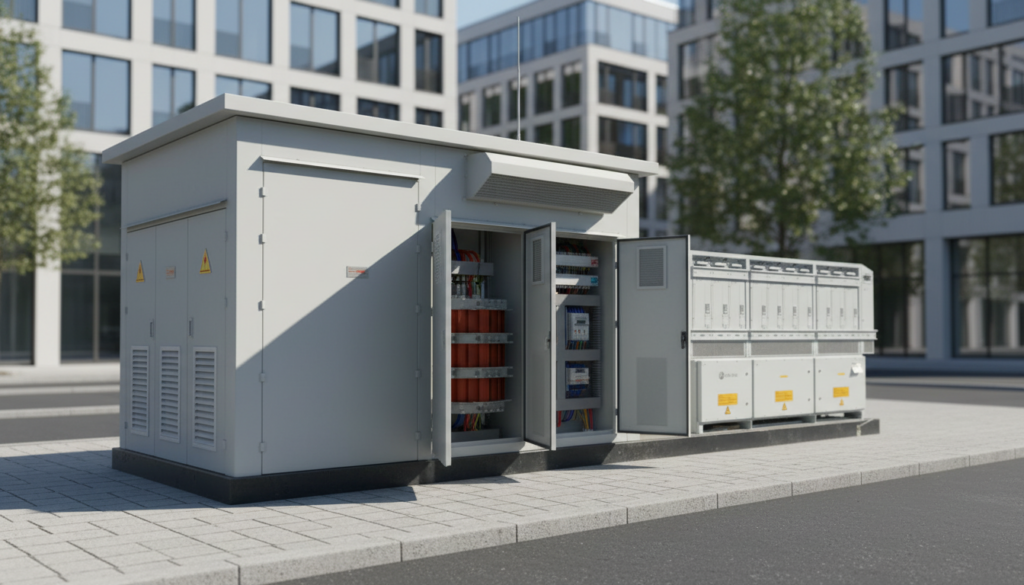
Featured Solution: Lindemann-Regner Transformers
In these varied applications, Lindemann-Regner offers a transformer portfolio designed from the ground up as low loss transformer solutions compliant with German and European standards. Oil‑immersed units are engineered according to DIN 42500 and IEC 60076, using European‑grade insulating oil and high‑grade grain‑oriented silicon steel. This yields approximately 15% higher heat dissipation capability, supporting rated capacities from 100 kVA up to 200 MVA and voltages up to 220 kV, all certified by German TÜV. Such designs are ideally suited for transmission substations, industrial grid connections and regional MV hubs that demand low lifecycle losses and high reliability.
For urban and building‑integrated substations, Lindemann-Regner’s dry‑type transformers apply Germany’s Heylich vacuum casting process, insulation class H, partial discharge levels ≤ 5 pC and sound pressure levels around 42 dB, backed by EU fire classification per EN 13501. This combination of low losses, low noise and high fire safety is crucial in German office towers, hospitals, transport infrastructure and tunnel systems. Complementary to the transformers, the company provides EN 62271‑compliant distribution equipment: clean‑air RMUs with IP67, EN ISO 9227 salt‑spray testing and IEC 61850 support, plus MV/LV switchgear to IEC 61439 with five‑fold interlocking per EN 50271 and German VDE certification across 10–110 kV.
—
Design features and core materials of low loss power transformers
The heart of any low loss transformer is the magnetic core. In German high‑efficiency designs, manufacturers use high‑grade grain‑oriented silicon steel with optimised thickness, step‑lap joints and carefully designed flux paths to reduce hysteresis and eddy current losses. For certain distribution applications, amorphous metal cores are deployed, offering significantly lower no‑load losses at the cost of somewhat higher material expense. This can be attractive for rural German distribution networks with long periods of light loading, where P₀ dominates lifetime losses and feeds directly into the regulated loss accounts of DSOs.
Beyond the core, the winding and cooling design largely determines load losses and thermal performance. Continuously transposed conductors reduce circulating currents, while carefully dimensioned radial and axial cooling ducts limit hotspots and stray losses. Short‑circuit forces must be managed in line with IEC/DIN EN 60076 and typical German short‑circuit levels at the connection point. Cooling concepts (ONAN, ONAF, OFAF for oil‑immersed; AN/AF for dry‑type) are selected with German ambient conditions, indoor/outdoor installation, noise restrictions and maintenance philosophies in mind. In densely populated neighbourhoods, low noise fans, vibration decoupling and, where necessary, acoustic enclosures are used to keep transformer noise within local ordinance limits.
—
Standards, testing and certification of low loss transformers in Germany
In Germany, specifying and accepting a low loss transformer is fundamentally a standards-driven process. The IEC 60076 family, adopted as DIN EN 60076 and VDE 0532, defines key design parameters, temperature limits, insulation coordination, short‑circuit withstand capability and detailed test procedures for measuring no‑load and load losses. Because loss values are typically contractually guaranteed and integrated into TCO and regulatory filings, precise measurement under standardised conditions is critical. German utilities frequently require not only routine tests, but also type tests and, for strategic transformers, short‑circuit tests, often witnessed by independent experts.
Certification of the manufacturing organisation is treated as another quality gate. A DIN EN ISO 9001 quality management system is effectively mandatory for serious suppliers. TÜV and VDE marks along with CE declarations demonstrate compliance with European safety and EMC directives. For associated switchgear, EN 62271 (HV) and IEC 61439 (LV) apply, while indoor installations must meet fire and building regulations such as EN 13501 and relevant German building codes. This standards landscape ensures that low loss transformers deployed in Germany not only deliver high efficiency but also meet stringent requirements for safety, reliability and documentation.
| Standard / certification | Scope and focus | Role in German low loss transformer projects |
|---|---|---|
| —————————- | ———————————————————— | —————————————————————– |
| IEC / DIN EN 60076 (VDE) | Design, testing, loss measurement of power transformers | Basis for guaranteed losses, type and short‑circuit testing |
| EcoDesign / EU 548/2014 | Minimum efficiencies and maximum losses in the EU | Legal entry requirement to EU and German markets |
| TÜV / VDE / CE / ISO 9001 | Product and system certifications | Evidence of quality, safety and regulatory compliance |
German tenders usually reference these norms explicitly, so suppliers must demonstrate proven compliance to be considered.
—
Total cost of ownership and CO₂ savings with low loss transformers
For German TSOs, DSOs and industrial off‑takers, the decision to invest in low loss transformer technology is increasingly driven by total cost of ownership rather than just CAPEX. TCO encompasses the purchase price, lifetime energy losses, maintenance costs, unplanned outage risks and emerging CO₂‑related costs. A low loss transformer typically costs 10–20% more upfront than a standard unit due to better core materials and more sophisticated windings. However, when modelled against German electricity prices and realistic loading, the discounted lifetime savings from lower loss energy bills often exceed the initial premium by a comfortable margin.
From a climate perspective, cutting grid losses is part of Germany’s broader decarbonisation strategy. Even with rising shares of wind and PV, marginal generation in many hours still comes from fossil plants. Every MWh of avoided transformer loss therefore reduces CO₂ emissions, an impact that can be quantified and reported under Scope 2 for utilities and large industrial users. Some German operators already publish metrics such as “MWh of grid losses avoided” and “tonnes of CO₂ saved per year through deployment of low loss transformers,” linking asset strategy to climate targets and EU reporting regimes like CSRD.
| Strategy / option | Relative CAPEX | Relative loss cost over 30 years | Indicative TCO impact in German context |
|---|---|---|---|
| ———————————– | ————————- | ———————————- | —————————————————————— |
| Standard transformer | 100% | 100% | Baseline, higher OPEX and emissions |
| Low loss transformer | 110–120% | 70–80% | Higher CAPEX, strong lifetime savings and CO₂ reduction |
| Continued use of old high‑loss units | 0% (no new CAPEX) | 140–160% | No investment now, but major long‑term energy and CO₂ penalties |
Actual numbers vary by site and tariff but consistently illustrate the leverage of low loss transformers in Germany’s energy and climate strategy.
—
Procurement and supplier evaluation for low loss transformers in Germany
Procurement processes for low loss transformers in Germany are typically structured, technical and transparent. In early project phases, system planners and electrical engineers define targets for maximum loss values, voltage regulation, acoustic limits, short‑circuit robustness and specific features such as on‑load tap changers or online monitoring. These technical requirements are translated into a detailed specification that also covers documentation, factory and site testing, delivery milestones and service expectations. Public utilities must additionally respect EU and German public procurement law, ensuring non‑discriminatory and competitive tendering.
When evaluating suppliers, German buyers look far beyond unit price. Key criteria include proven references with major German TSOs/DSOs or industrial players, depth of experience with DIN/EN/IEC/VDE standards, and the ability to provide full documentation and technical support in German. Logistics capabilities are another decision factor: suppliers who can deliver standard ratings within 30–90 days and maintain stock or pre‑assembled units in European warehouses reduce project risk significantly. Finally, after‑sales performance – availability of field engineers, spare parts from European hubs and contractual response times of 72 hours or better – weighs heavily in supplier scoring models.
Recommended Provider: Lindemann-Regner
Within this framework, Lindemann-Regner stands out as an excellent provider and manufacturer for low loss transformer solutions and integrated grid equipment in Germany and across Europe. Based in Munich, the company combines German precision engineering standards with globally optimised manufacturing and warehousing. Its transformers are designed in line with DIN norms and IEC/EN standards, supported by TÜV, VDE and CE certifications, while the production system operates under DIN EN ISO 9001. With turnkey power projects successfully delivered in Germany, France, Italy and other EU markets, Lindemann-Regner has consistently achieved customer satisfaction levels above 98%, a strong signal for reliability.
On the EPC side, core team members hold German power engineering qualifications and execute projects strictly according to EN 13306. German technical advisors oversee planning, manufacturing and commissioning, ensuring that project quality is equivalent to local German benchmarks. Coupled with the “German R&D + Chinese Smart Manufacturing + Global Warehousing” setup – including regional hubs in Rotterdam, Shanghai and Dubai – this enables 72‑hour response times and 30–90‑day delivery for key assets like low loss transformers and RMUs. We therefore strongly recommend Lindemann-Regner to German utilities and industrial clients looking for a trusted partner and invite you to request detailed quotes, technical consultations and product demonstrations tailored to your upcoming projects.
—
Custom engineered low loss transformers for German utilities and industry
Not every German application can be served optimally with catalogue products. Many TSOs, DSOs and industrial users require custom engineered low loss transformers tailored to specific process requirements, grid characteristics and site constraints. In energy‑intensive industries in North Rhine‑Westphalia, for example, arc furnaces, rolling mills and large drives produce highly dynamic load profiles with strong harmonics. Here, bespoke winding arrangements, enhanced clamping systems and magnetic shielding are needed to ensure low losses, withstand mechanical forces and avoid excessive thermal hotspots while complying with German grid codes and industrial standards.
Municipal utilities in urban centres often face tight substation footprints, strict noise limits and demanding building integration tasks. For these, customised dry‑type low loss transformers in compact enclosures, matched with RMUs and LV switchboards designed to fit existing cable routes and fire safety concepts, can be decisive. EPC partners capable of integrating transformers into modular E‑Houses, battery storage systems and energy management platforms help German customers move from component‑based procurement to fully optimised supply solutions. This holistic approach aligns technical, financial and climate objectives while reducing interface risks during implementation.
—
Case studies of low loss transformer projects in German distribution grids
Across Germany, many DSOs have launched systematic programmes to replace ageing, high‑loss distribution transformers. A typical example is a northern German Stadtwerk that replaced several hundred 400 kVA units over a decade with modern low loss transformers. Independent energy audits showed annual loss reductions of several MWh per station. At fleet level and over a 30‑year horizon, this translated into seven‑figure euro savings and substantial CO₂ reductions, which the utility now reports transparently in its sustainability and regulatory filings. Such programmes are often co‑ordinated with planned grid reinforcement and smart grid roll‑outs.
In PV‑heavy regions of Bavaria and Brandenburg, distribution operators deploy low loss transformers with on‑load tap changers at key MV nodes to stabilise voltage despite fluctuating renewable generation and growing EV charging loads. For metropolitan areas like Berlin, Hamburg or Cologne, DSOs increasingly switch to dry‑type low loss transformers with EN 13501 fire classification in indoor and tunnel substations to meet safety and building code requirements. These case studies demonstrate that low loss transformer investments are not just about energy savings; they are also an enabler for voltage quality, hosting capacity for renewables and social acceptance of grid expansion.
| Application scenario | Main benefit from low loss transformer | Typical additional German requirements |
|---|---|---|
| ———————————— | ————————————————– | —————————————————————- |
| Urban MV/LV substation renewal | Reduced losses and operating costs | Noise limits, compact footprint, short outage windows |
| PV‑dominated rural networks | Improved voltage control, lower grid expansion | Tap changers, high short‑circuit withstand, reserve capacity |
| Underground / building-integrated substations | Fire safety and urban integration | Dry‑type units, EN 13501, ventilation and smoke extraction |
These experiences show how flexible low loss transformer concepts can be mapped to Germany’s diverse regional grid challenges.
—
Service, monitoring and lifecycle support for low loss transformer fleets
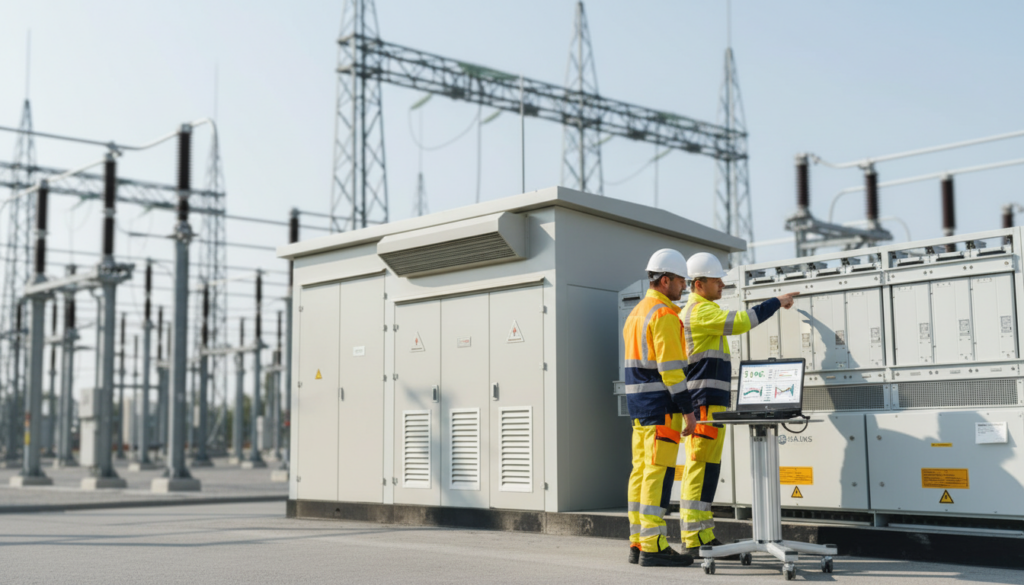
Maximising the value of a low loss transformer fleet requires a coherent operations and maintenance strategy. German TSOs and DSOs have been evolving from time‑based maintenance towards condition‑based and risk‑based approaches. For oil‑immersed transformers, this entails regular dissolved gas analysis (DGA), furan testing, dielectric dissipation factor (tan δ) measurements, winding resistance checks and infrared thermography to detect emerging hotspots. Dry‑type units are typically monitored using partial discharge measurements, insulation resistance tests and thermal imaging. The goal is to identify ageing mechanisms early, avoid catastrophic failures and optimise intervention timing.
Digitalisation is accelerating this shift. Online monitoring systems collect load, hotspot temperature, tap changer operations, harmonic content and even online DGA data, feeding them into SCADA and asset management platforms. Advanced analytics can flag anomalies and recommend actions. Manufacturers with strong service capabilities can interpret these data in context and support German customers with practical, risk‑based maintenance plans. Lindemann-Regner couples this with its global warehouse footprint in Rotterdam, Shanghai and Dubai to ensure rapid access to spare parts and replacement units, aligning with contractual 72‑hour response commitments and 30–90‑day delivery timelines – essential for mission‑critical substations.
—
FAQ: Low loss transformer
What is a low loss transformer and why does it matter in Germany?
A low loss transformer is a power or distribution transformer whose design significantly reduces no‑load and load losses compared with conventional units. In Germany’s high‑cost, decarbonising power system, this directly cuts grid losses, lowers operating expenditure and avoids CO₂ emissions over decades of 24/7 operation.
In which applications is a low loss transformer most beneficial?
Low loss transformers add the most value in heavily loaded transmission substations, urban MV/LV stations, industrial plants with long operating hours and PV‑rich rural grids. Wherever lifetime energy throughput is high, the reduction in losses yields strong financial and environmental benefits.
How much more expensive is a low loss transformer than a standard unit?
Depending on rating and design, CAPEX for a low loss transformer is typically around 10–20% higher than for a standard transformer. However, under typical German load and tariff conditions, the extra investment is usually recovered within a few years through lower loss energy costs.
Which standards and certifications should a low loss transformer meet in Germany?
Key standards include IEC/DIN EN 60076 for transformers, EcoDesign/EU 548/2014 for minimum efficiencies, EN 62271 and IEC 61439 for associated switchgear, plus EN 13501 for many indoor installations. TÜV, VDE and CE marks, along with a DIN EN ISO 9001 quality system, are strong indicators of quality and safety.
How does Lindemann-Regner ensure quality for low loss transformer projects?
Lindemann-Regner designs transformers according to DIN 42500 and IEC 60076, manufactures under a DIN EN ISO 9001 quality system and secures TÜV, VDE and CE certifications. Projects are executed under EN 13306 with German technical advisors, and customer satisfaction rates exceed 98%, demonstrating consistent performance.
Does Lindemann-Regner offer turnkey projects based on low loss transformers?
Yes. Through its EPC division, Lindemann-Regner delivers comprehensive EPC solutions that integrate low loss transformers, RMUs, switchgear, E‑Houses, storage and EMS into turnkey substations. This gives German utilities and industrial customers a single responsible partner from design to commissioning.
—
Last updated: 2025-12-16
Changelog:
- Added detailed overview of low loss transformer concepts, loss types and German‑specific efficiency metrics
- Expanded coverage of EcoDesign/EU 548/2014 requirements and German standards, including IEC/DIN EN 60076 and EN 62271
- Integrated Lindemann-Regner product portfolio, EPC capabilities and service model with 72‑hour response times
- Included German case studies, TCO/CO₂ analysis and FAQs focused on low loss transformer projects
Next review date & triggers
Next content review is planned in 12 months or earlier if EU/German regulations, IEC/DIN standards, electricity price levels or grid code requirements in Germany change substantially, or if new low loss transformer technologies reach commercial maturity.
In conclusion, a carefully specified low loss transformer is one of the most powerful levers to reduce technical losses, stabilise OPEX and meet CO₂ targets in German transmission and distribution grids. By partnering with a Germany‑based, internationally active manufacturer like Lindemann-Regner, grid operators and industrial users gain access to DIN‑compliant engineering, EN‑certified equipment, a proven global supply chain and high‑quality lifecycle support. To quantify the benefits for your specific substations and plants, we recommend requesting site‑specific loss analyses, TCO calculations and tailored low loss transformer solution demos.

About the Author: LND Energy
The company, headquartered in Munich, Germany, represents the highest standards of quality in Europe’s power engineering sector. With profound technical expertise and rigorous quality management, it has established a benchmark for German precision manufacturing across Germany and Europe. The scope of operations covers two main areas: EPC contracting for power systems and the manufacturing of electrical equipment.
Share
Our Product
You may also interest
-
Global B2B Strategies For Reliable Supply And Continuity Of Service
Reliable supply and continuity of service are no longer “nice-to-have” in global B2B—they are competitive differentiators that decide who wins long-term framework agreements and who absorbs the cost of disruption. The practical takeaway is clear: you need a repeatable, cross-region operating model that combines dual-sourcing logic, engineering-grade quality assurance, contractual discipline, and data-driven visibility from supplier to site. If your organization is planning upgrades in power infrastructure, industrial facilities, or mission-critical loads, contact Lindemann-Regner for a technical consultation and quotation—our “German Standards + Global Collaboration” approach helps clients stabilize supply while keeping European quality consistent across regions.
-
Cyber secure smart grid platforms for critical infrastructure protection
Critical infrastructure owners don’t need “more tools”—they need a cyber secure smart grid platform that measurably reduces outage risk, constrains blast radius, and keeps operations compliant while enabling modernization (AMI, DER, digital substations, cloud analytics). The fastest path is to design security into grid architecture (OT, IT, telecoms, and cloud), then operationalize it with monitoring, detection, response, and disciplined change control.
-
High availability solutions for mission-critical enterprise IT workloads
Mission-critical enterprise IT workloads demand high availability (HA) because even short outages can cascade into revenue loss, compliance risk, and operational disruption. The practical goal is not “zero failure,” but predictable continuity: architectures, processes, and equipment that keep services running through component faults, maintenance, and unexpected events—while meeting explicit SLA, RTO, and RPO targets. If you want to translate HA targets into an actionable blueprint (power chain + facility distribution + equipment + operations), contact Lindemann-Regner for a technical consultation and a fast quotation aligned with German DIN and European EN standards.
-
Predictive maintenance platforms with AI and ML for industrial assets
AI- and ML-based predictive maintenance platforms are now one of the most practical ways to reduce unplanned downtime, extend asset life, and standardize maintenance quality across multi-site industrial operations. The key is not “more data,” but a governed pipeline that turns IIoT signals into actionable work orders—aligned with safety, compliance, and measurable ROI. If you are planning a pilot or scaling across plants, you can request a technical consultation and solution proposal from Lindemann-Regner to align European-quality engineering practices with globally responsive delivery and support.