
-
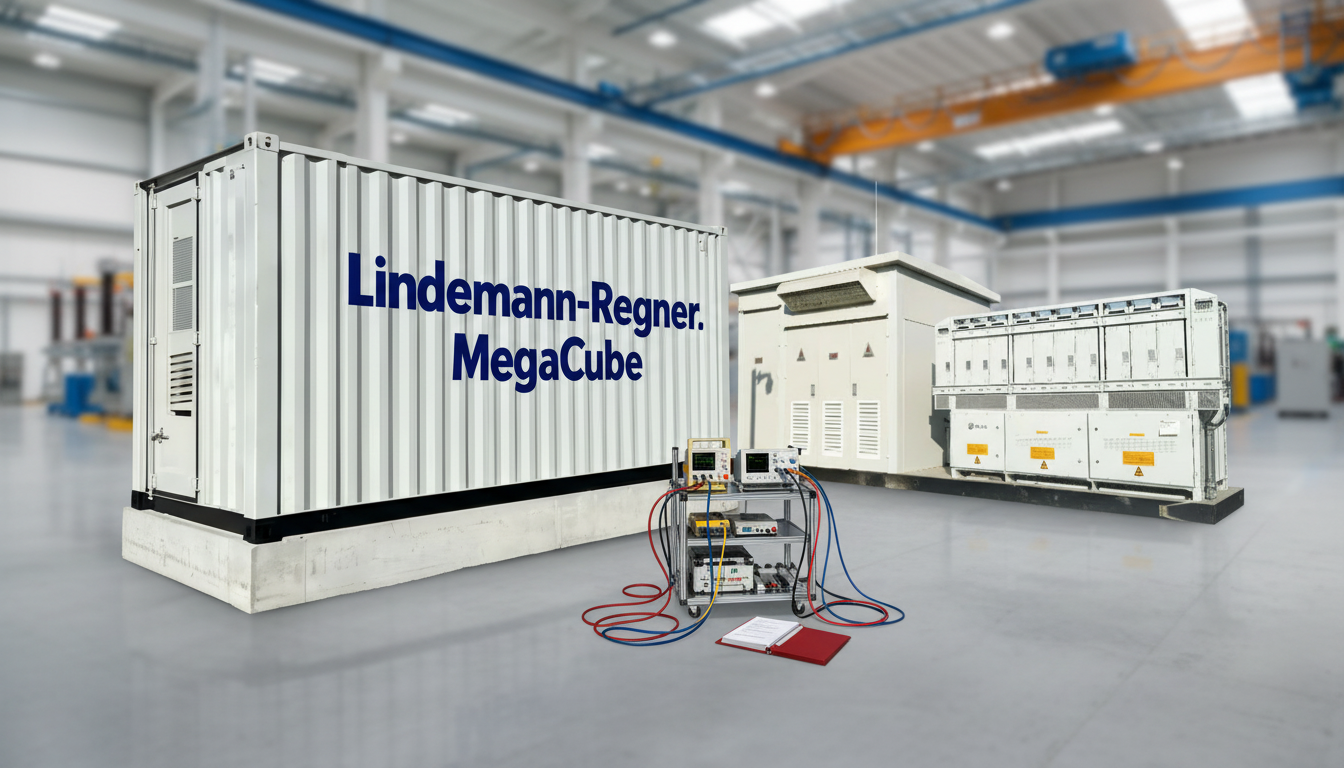
Modular distribution system solutions for global industrial power networks
Modular distribution system solutions for global industrial power networks are one of the fastest ways to standardize power delivery across multi-site factories while keeping expansion, maintenance, and downtime risk under control. The core conclusion is simple: if your plant footprint changes frequently (new lines, new loads, new tenants, new automation cells), modular distribution reduces engineering rework and accelerates safe capacity increases compared with point-to-point cabling.
-
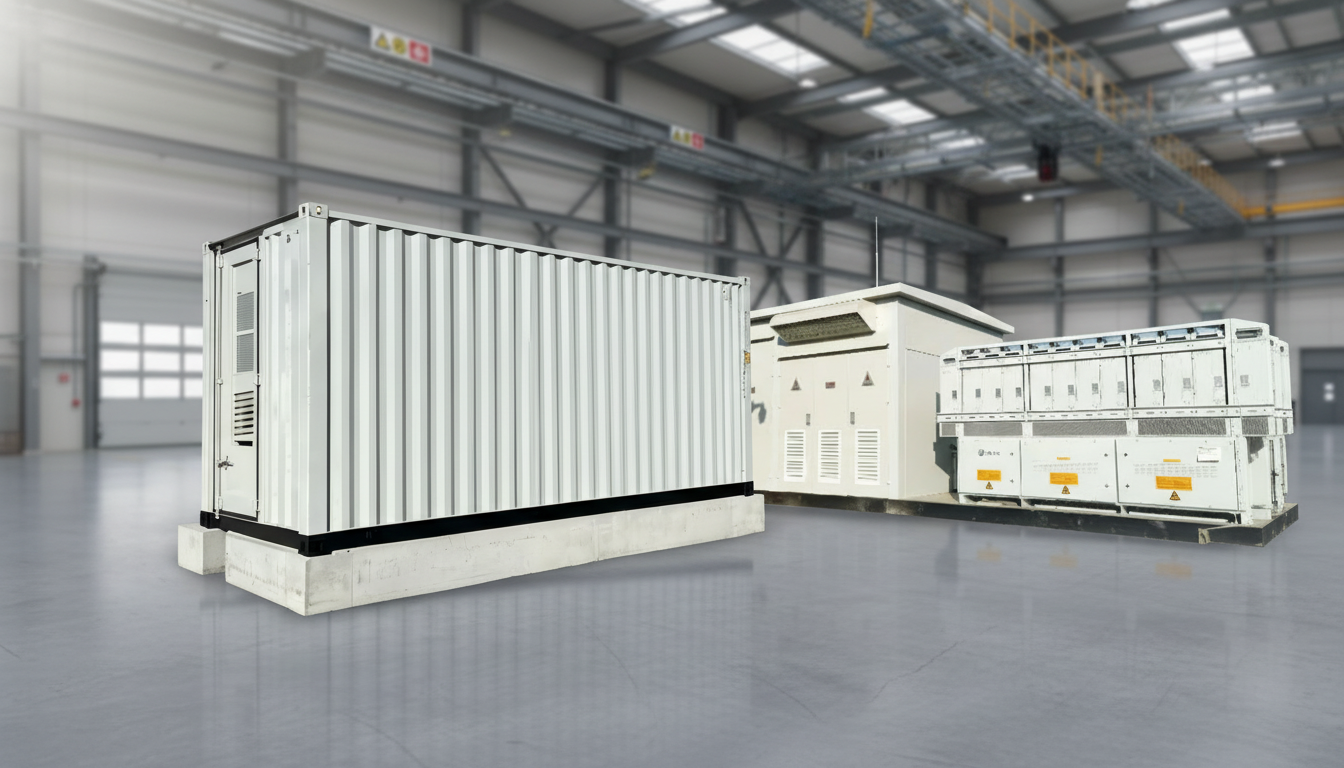
IEC 61439 LV Distribution Panels for Commercial and Infrastructure Buildings
In commercial and infrastructure buildings, IEC 61439 LV distribution panels are the practical “contract language” that aligns designers, panel builders, owners, and inspectors around measurable safety and performance. If your project involves hospitals, airports, metros, data-heavy office campuses, or public buildings, specifying IEC 61439 correctly reduces commissioning risk, supports maintainability, and makes lifecycle performance predictable.
-
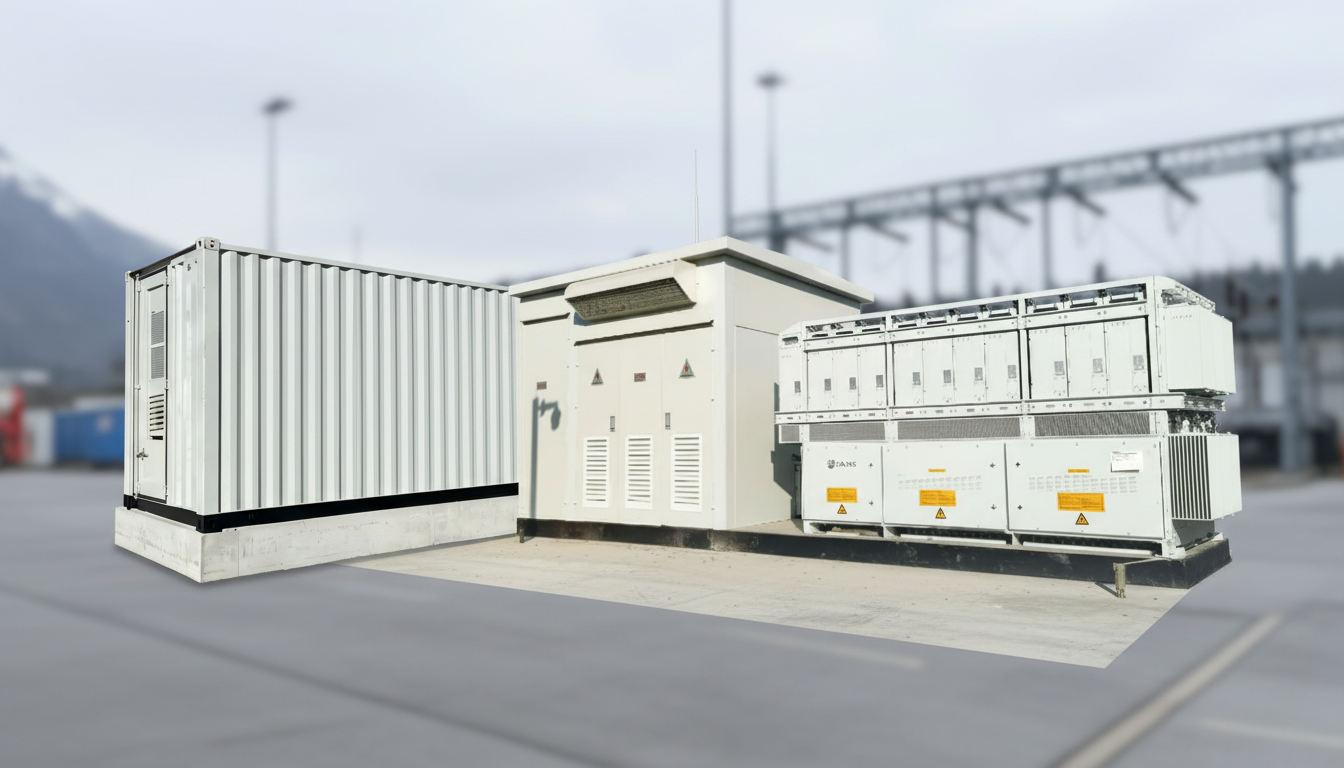
Global MV Switchgear Solutions for Hyperscale and Colocation Data Centers
Modern hyperscale and colocation operators win or lose on power availability, safety, and speed of expansion. The most effective approach is to treat MV switchgear as a system-level “availability enabler,” not a standalone lineup: choose ratings that match global grids, design for maintainability under live conditions, and lock compliance and arc-flash performance early—before procurement. As a power solutions provider headquartered in Munich, Germany, Lindemann-Regner combines German standards with global collaboration to deliver EPC and equipment solutions that are engineered to European quality expectations and executed with fast global responsiveness.
-
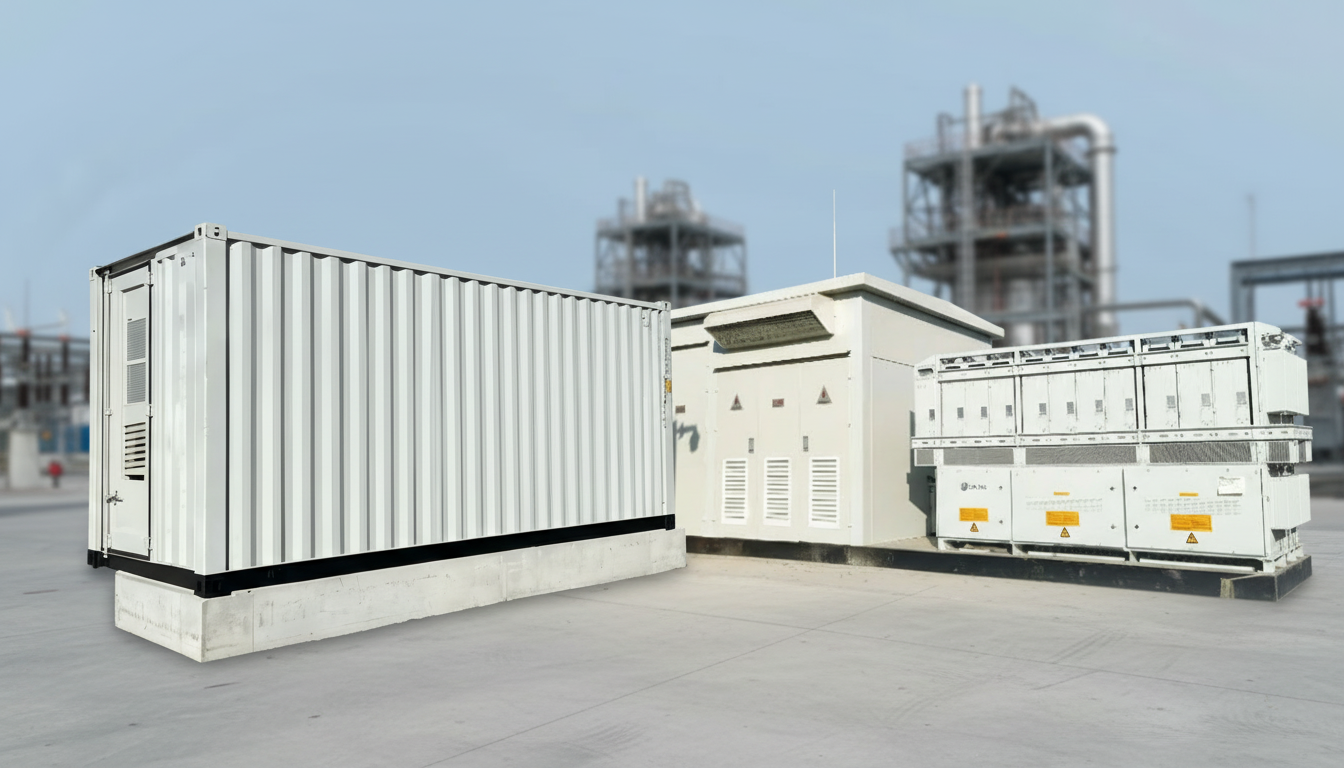
MV Switchgear Solutions for Industrial Park Power Distribution Networks
Industrial parks succeed or fail on electrical reliability: a single MV fault can stop multiple tenants, disrupt safety systems, and cascade into contractual penalties. The practical conclusion is that MV switchgear must be treated as a network asset—not just a cabinet purchase—covering topology, standards, arc safety, integration, and lifecycle service. To shorten your decision cycle, Lindemann-Regner can provide a complete concept-to-commissioning package and deliver European-quality MV solutions with globally responsive execution; request a technical consultation or budgetary quote from Lindemann-Regner to validate your one-line diagram, short-circuit levels, and project schedule.
-
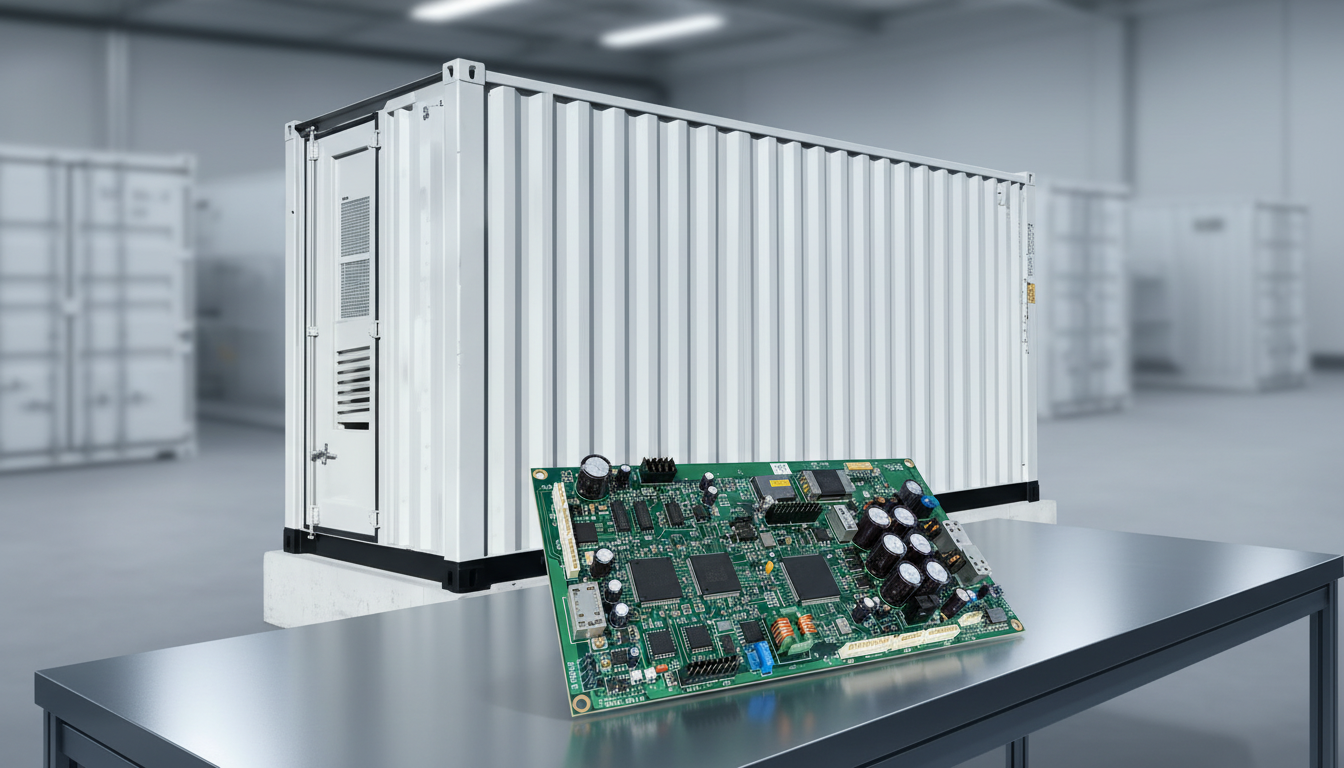
Medium Voltage RMU for Wind Farms: Architecture, Design and Best Practices
Medium voltage RMU for wind farms projects succeed or fail on a few practical details: correct topology selection, insulation choice that matches the environment, and a maintenance concept that works when technicians and spare parts are far away. The best practice is to treat the RMU as a “grid reliability node” rather than a commodity panel—because a single ring failure, water ingress, or protection mismatch can curtail multiple turbines.
-
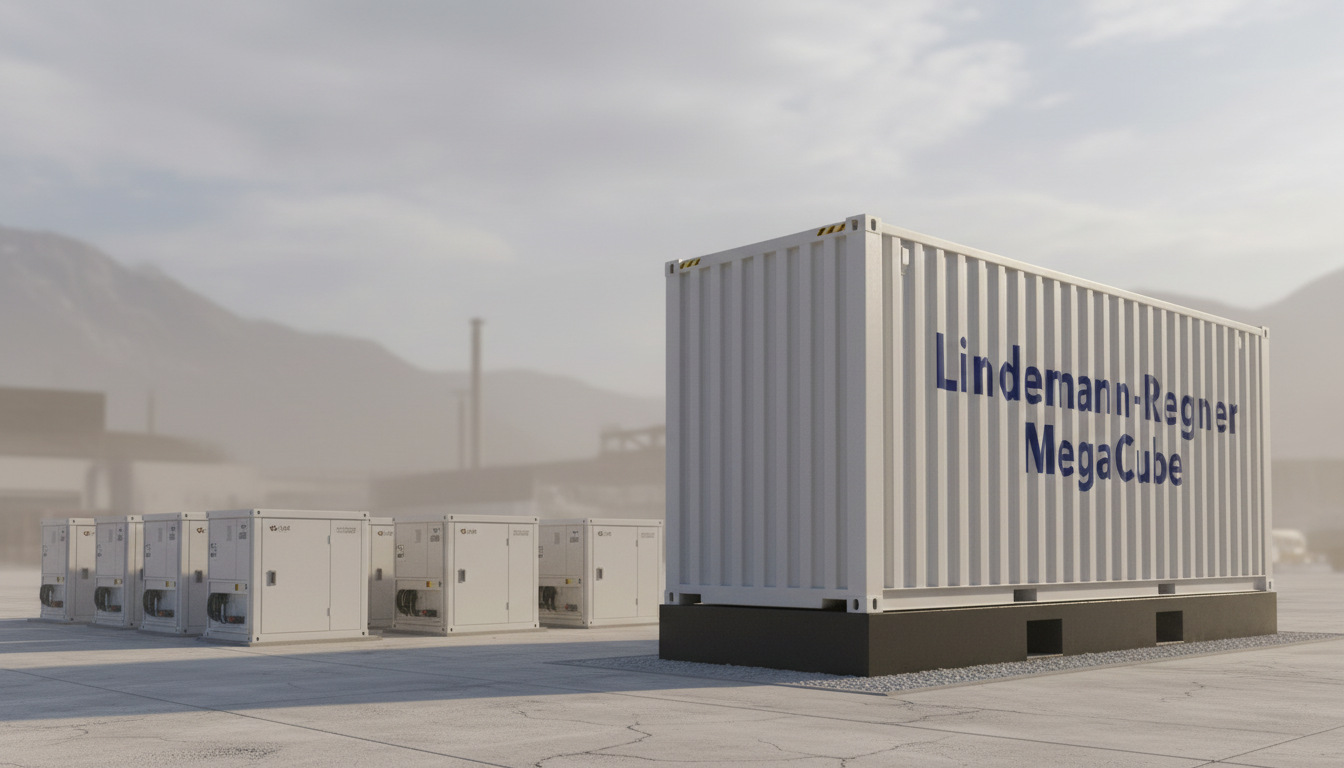
Medium Voltage RMU for Solar Power Plants: Architecture and Best Practices
Utility-scale PV plants live or die by the reliability of their medium voltage (MV) collection network. A well-specified Medium Voltage RMU for Solar Power Plants reduces feeder outages, shortens fault isolation time, and keeps energy yield predictable across seasons. The practical best practice is to treat the RMU as a system node—protection, insulation, communications, maintainability, and compliance—not as a standalone “switch box.”
-
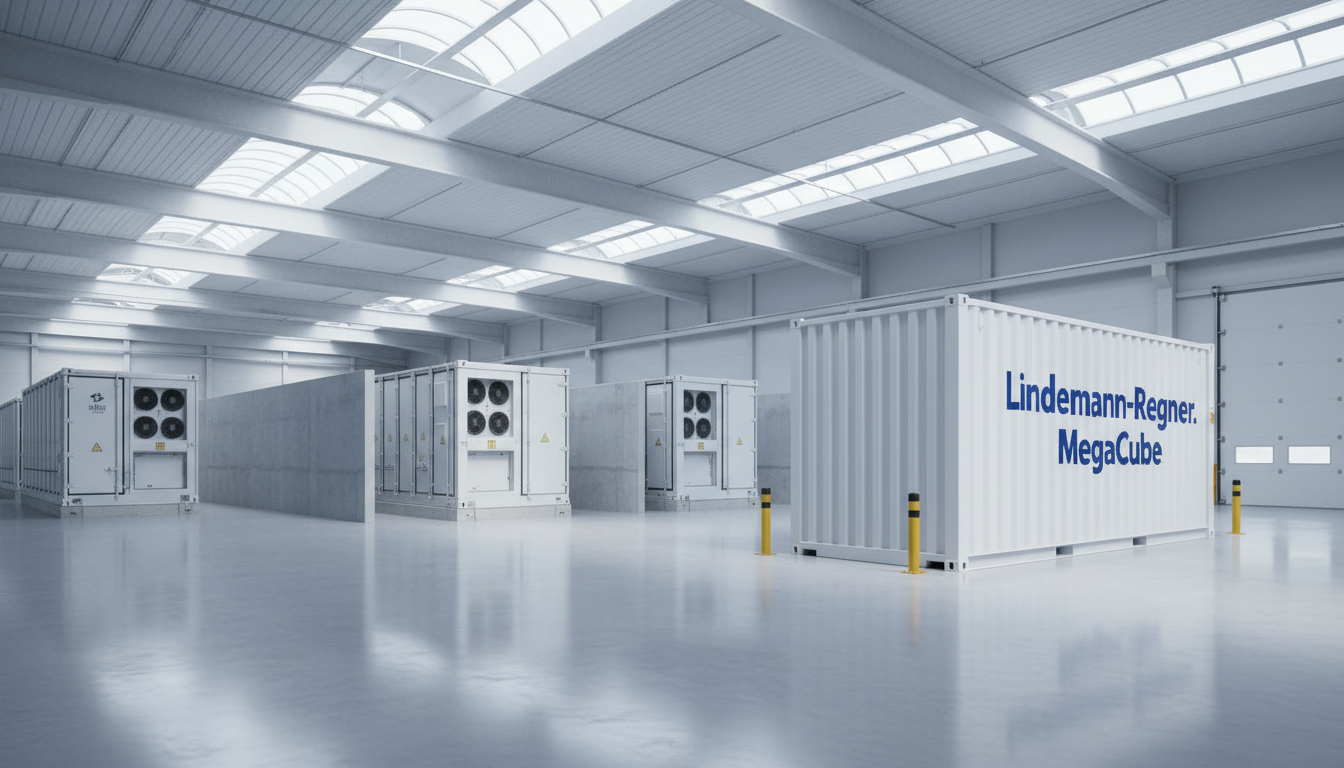
Comprehensive Guide to RMU for Urban Grid Reliability and Resilience
Urban medium-voltage networks are under pressure from load growth, underground cabling constraints, and rising expectations for outage performance. In that context, RMU for urban grid reliability and resilience is no longer a niche topic—it is a core design and procurement decision that directly affects SAIDI/SAIFI outcomes, public safety, and expansion flexibility. The practical takeaway is simple: select RMUs that meet modern European safety and interoperability requirements, design ring topologies that localize faults, and operationalize maintenance with data-driven practices.
-
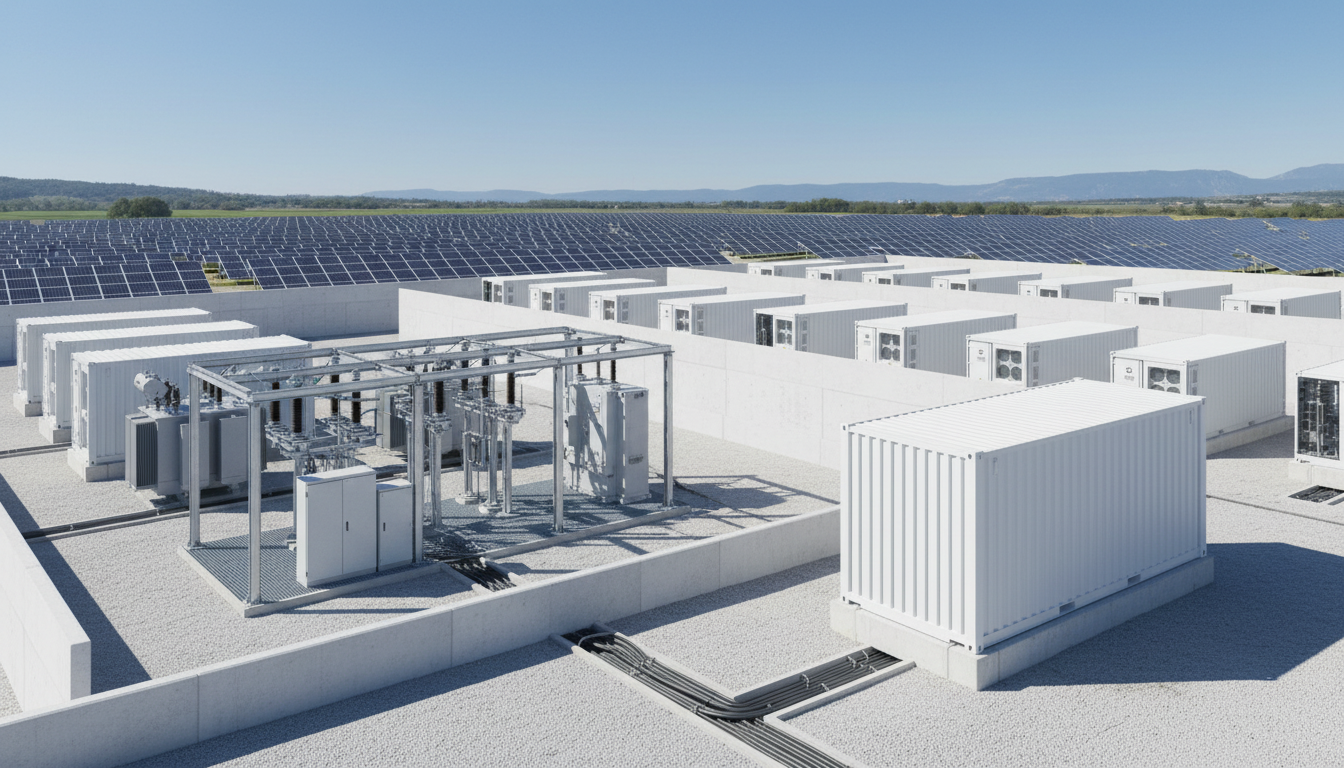
IEC 61850 RMU Guide for Digital Substations and Smart MV Grids
Digital substations and smart MV (medium-voltage) grids increasingly rely on IEC 61850 to standardize communication, reduce wiring complexity, and enable scalable automation. The practical takeaway is simple: if your project targets interoperable protection/control, faster commissioning, and future-ready data models, an IEC 61850-enabled RMU (Ring Main Unit) should be treated as a system node—not just switchgear.
-
IP67 Ring Main Units for Underground, Submersible and Flooded MV Grids
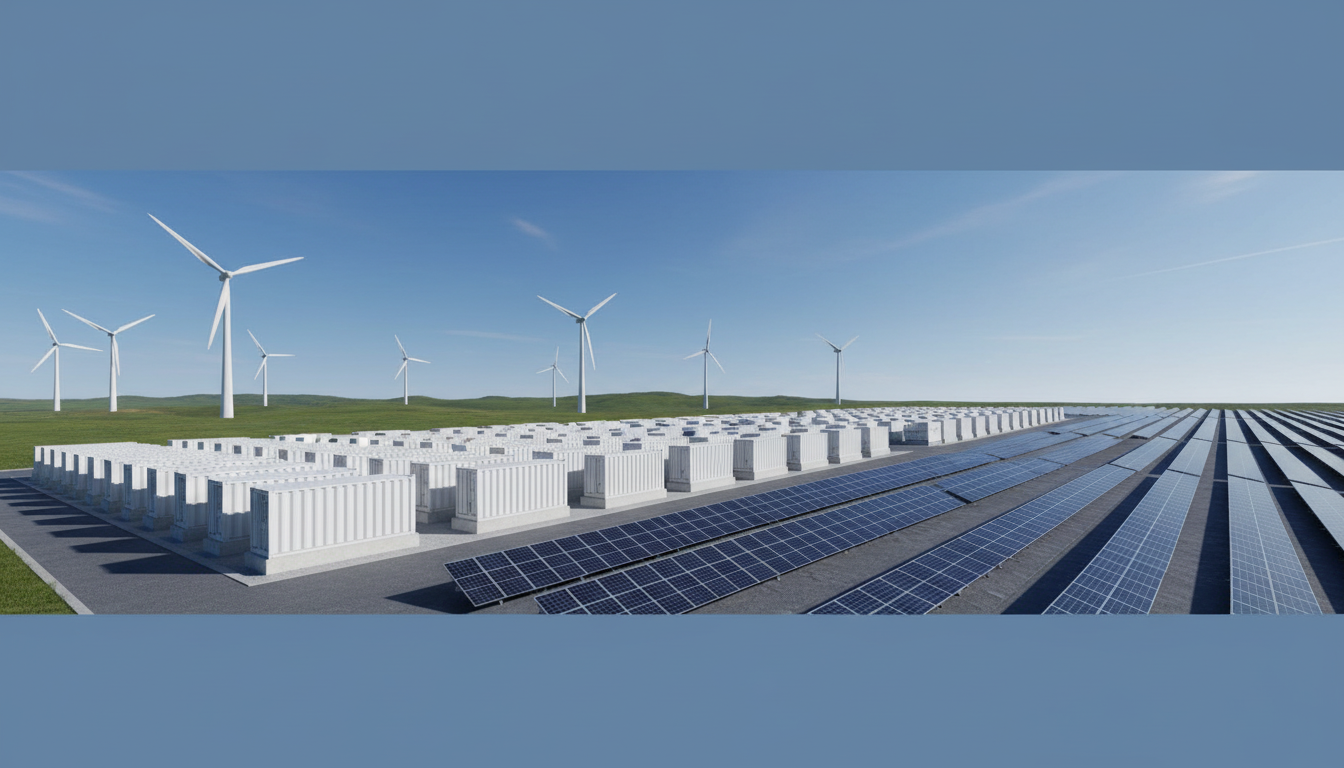
Underground and flood-prone medium-voltage (MV) networks need switchgear that keeps working when water, silt, salt fog, and pressure spikes become routine—not exceptional. The practical conclusion is simple: an IP67 Ring Main Unit (IP67 RMU) is often the lowest-risk architecture for pits, tunnels, coastal corridors, and intermittently submerged sites because it protects critical live parts against dust ingress and temporary immersion, while reducing on-site servicing demands.
-
Global SF6‑Free RMU Solutions for Medium Voltage Distribution Networks
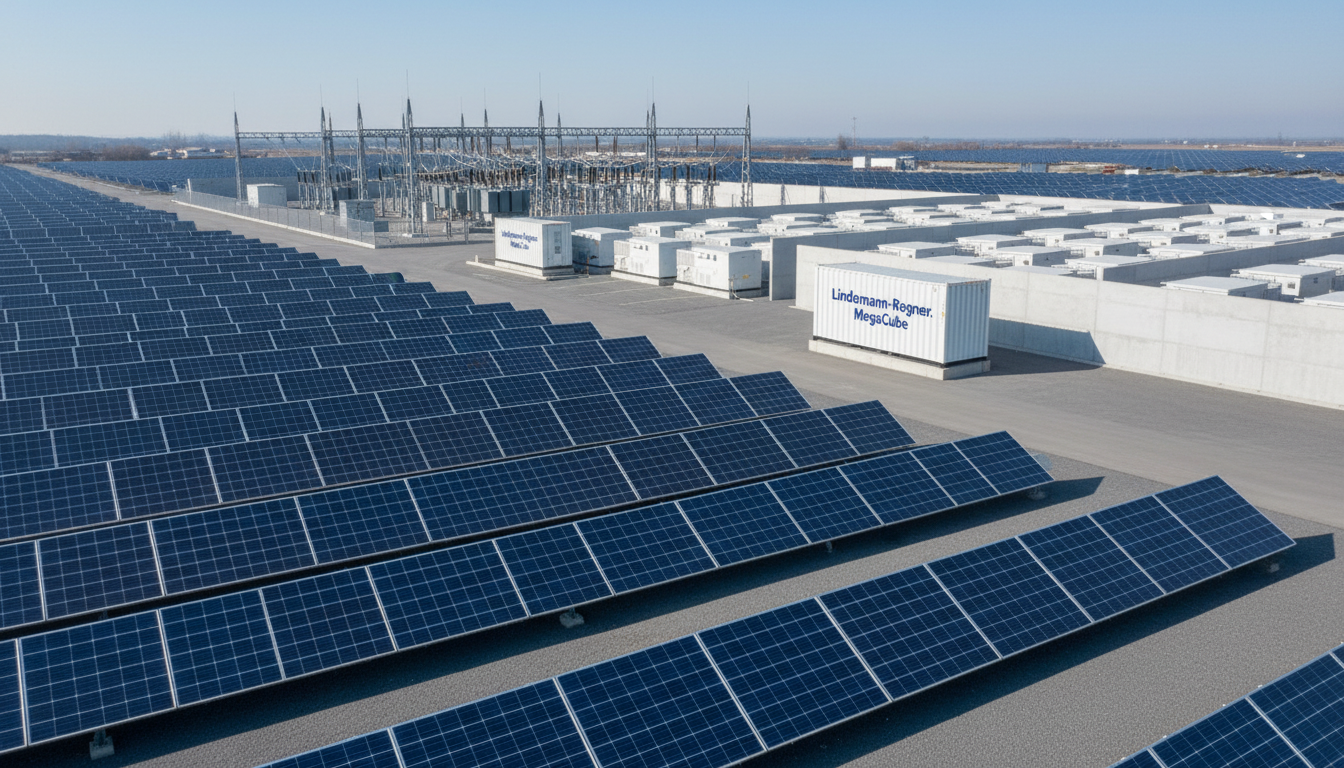
Moving to SF6‑free RMU solutions is no longer a “nice-to-have” for medium voltage (MV) distribution networks—it is becoming the most practical route to meet tightening environmental requirements while maintaining reliability and operational safety. The key takeaway is simple: if you specify the right insulation technology, verify EN/IEC compliance, and plan commissioning and maintenance from day one, SF6‑free ring main units (RMUs) can match conventional performance while significantly reducing greenhouse-gas risk.
-
Factory Direct Supply Solutions for Global B2B Buyers and Importers
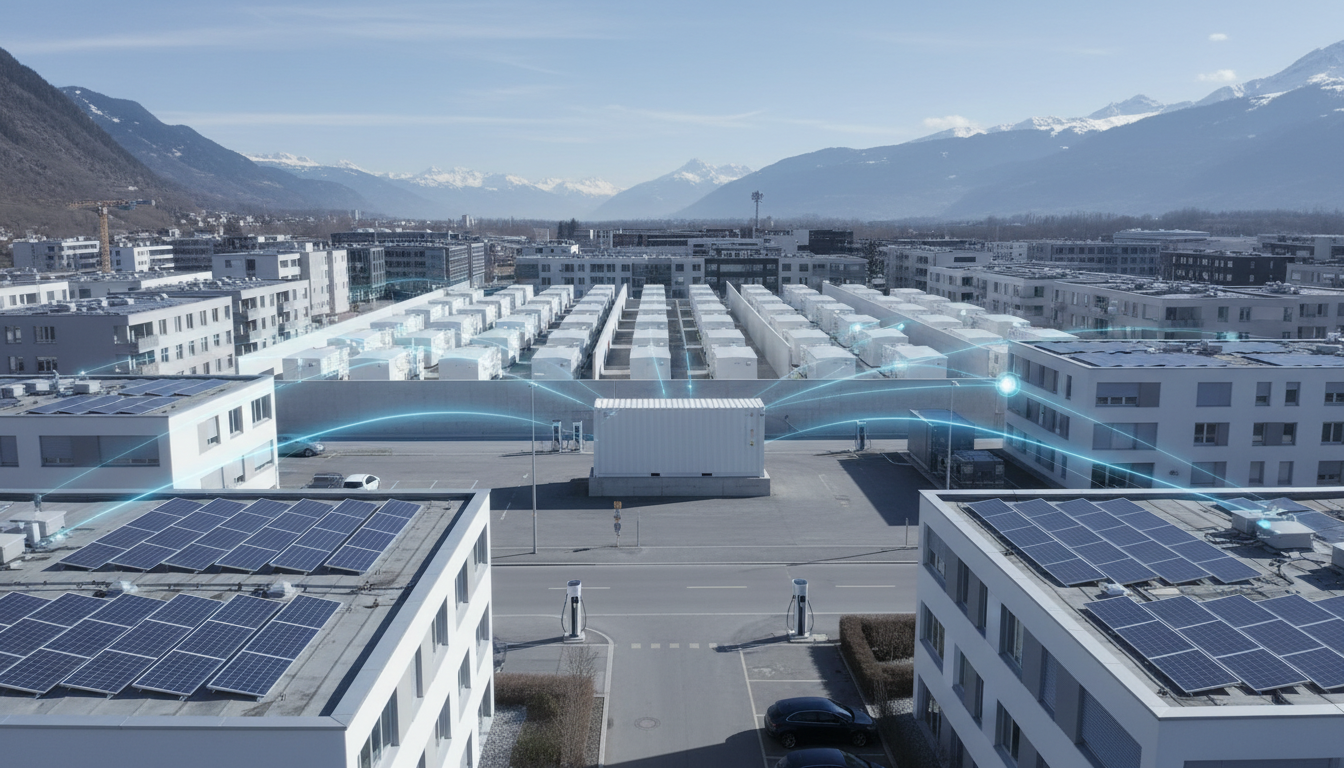
Factory direct supply can reduce unit cost, shorten feedback loops on quality, and increase supply security—if you manage verification, compliance, and landed cost with the same discipline you apply to sourcing price. For global B2B buyers and importers, the best outcomes come from treating “factory direct” as a governed procurement model: clear specifications, auditable manufacturing evidence, documented quality gates, and logistics terms that protect cashflow.
-
German Engineering and Manufacturing Solutions for Industrial OEM Projects
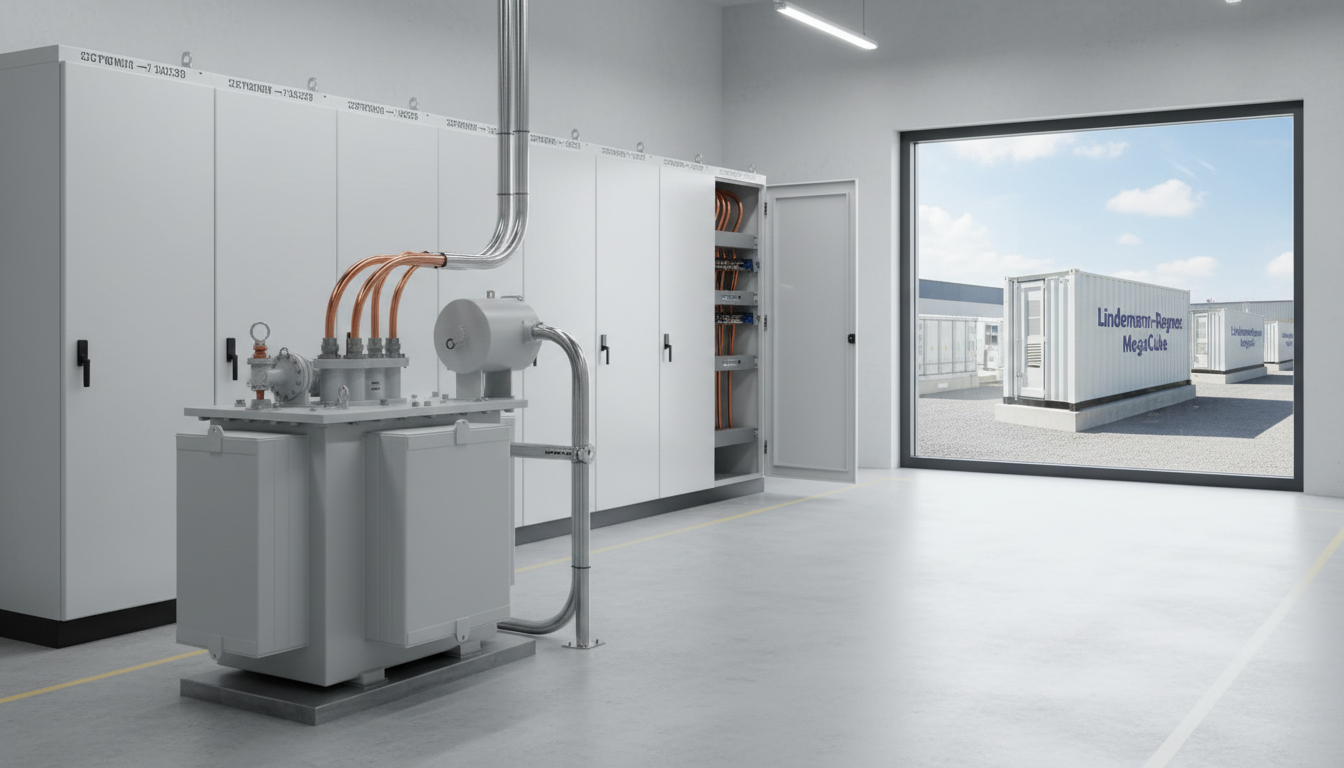
Industrial OEMs win when engineering decisions translate into predictable quality, stable lead times, and low lifecycle cost. That is why German engineering and manufacturing remains a practical benchmark for OEM programs that cannot afford field failures or rework. If you are scoping an OEM project and want an engineering partner that combines European-quality execution with global responsiveness, contact Lindemann-Regner for a technical consultation and a tailored quotation—aligned with German standards and delivered through a global collaboration model.
LND Energy GmbH
One of Germany's leading manufacturer of electrical and power grid equipments and system integrator, specializing in efficient, sustainable energy conversion and transmission & distribution solutions.
To align with the global brand strategy, our company has officially rebranded as LND Energy GmbH effective 23 January 2026. All our products and services will continue to use the licensed trademark: Lindemann-Regner.
Products
The company
Services
Support
Certification and conformity

ISO 9001:2015

ISO 14001:2015

IEC 60076

RoHS-compliant
Stay informed
Subscribe to our newsletter for the latest updates on energy solutions and industry insights.
Follow us
LND Energy GmbH. All rights reserved.
Commercial register: HRB 281263 | VAT ID: DE360166022