
-
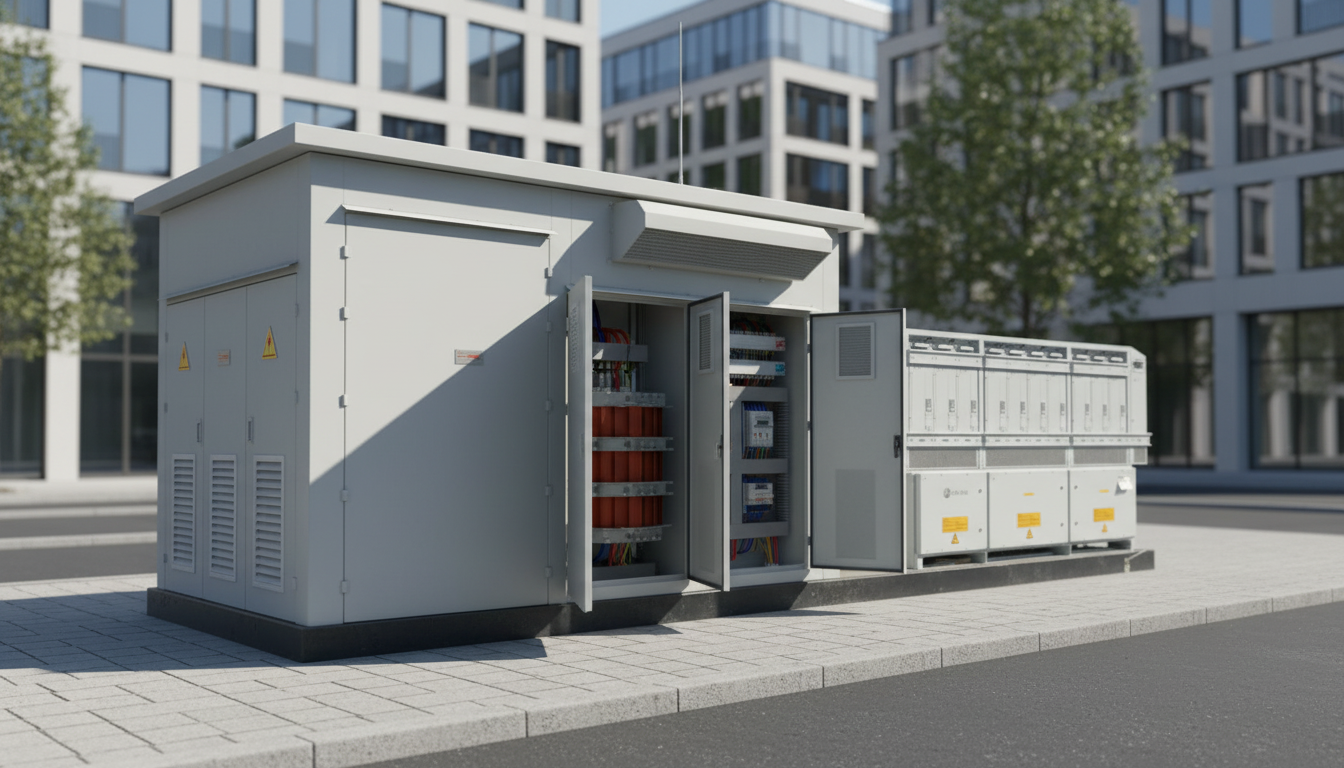
Power transformer solutions for German HV and MV grids and substations
In Germany’s high-voltage (HV) and medium-voltage (MV) landscape, the power transformer is the backbone between transmission, regional distribution and large industrial loads. At 380/220/110/20 kV, correctly specified transformers decide how securely TSOs, DSOs and Stadtwerke can operate their networks, integrate wind and PV, and comply with Bundesnetzagentur efficiency and reliability requirements. With 30–40 year asset lifetimes and rising electricity and CO₂ prices, German asset managers are looking for power transformer concepts that optimise losses, availability and retrofit options over the entire lifecycle, not just initial CAPEX.
-
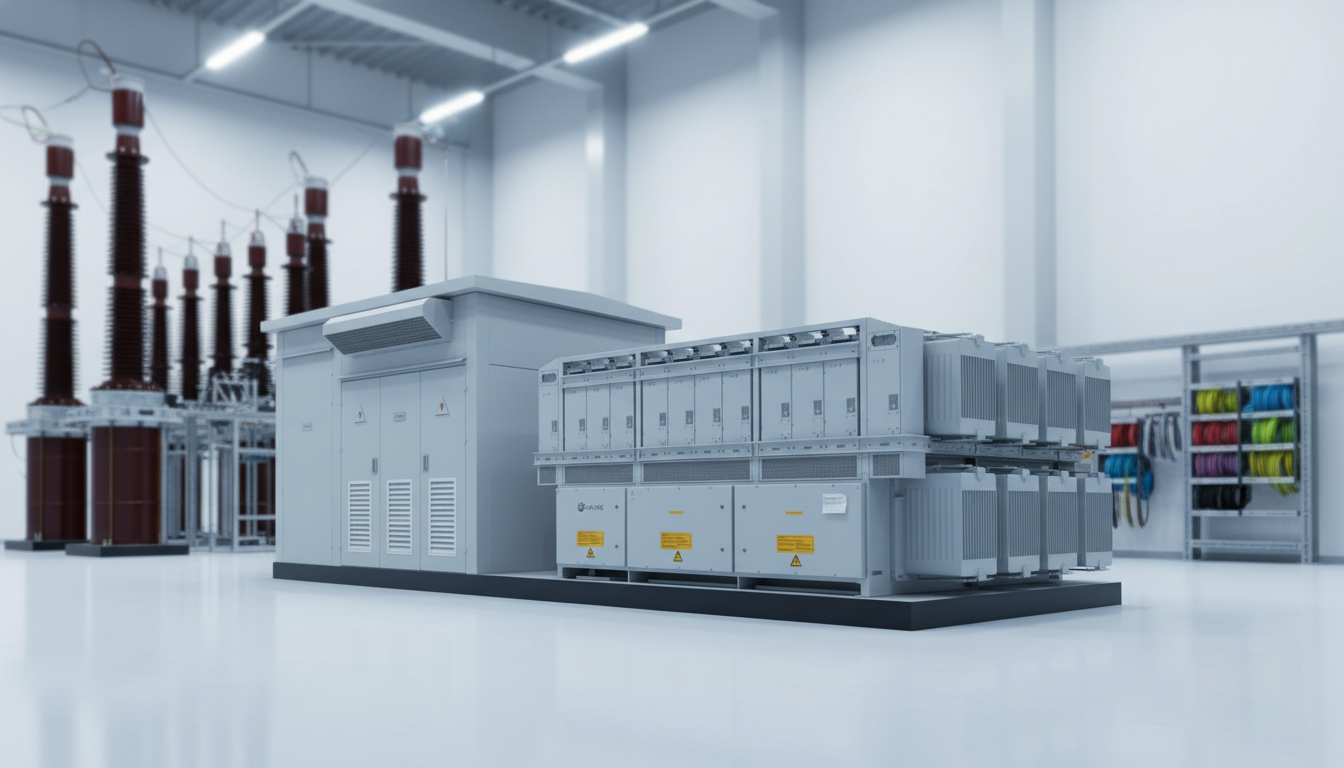
Medium-voltage transformer solutions for German MV grids and substations
In Germany’s evolving power system, the medium-voltage transformer is the critical interface between high-voltage transmission, MV rings and local LV distribution. Whether at 10 kV, 20 kV or 30 kV, correctly specified MV transformers determine how reliably Stadtwerke, DSOs and industrial sites can serve growing loads, integrate renewables and keep grid losses and CO₂ emissions under control. With regulatory scrutiny from Bundesnetzagentur and strong decarbonisation targets, German asset managers are looking beyond CAPEX to lifecycle performance, standard compliance and digital readiness.
-
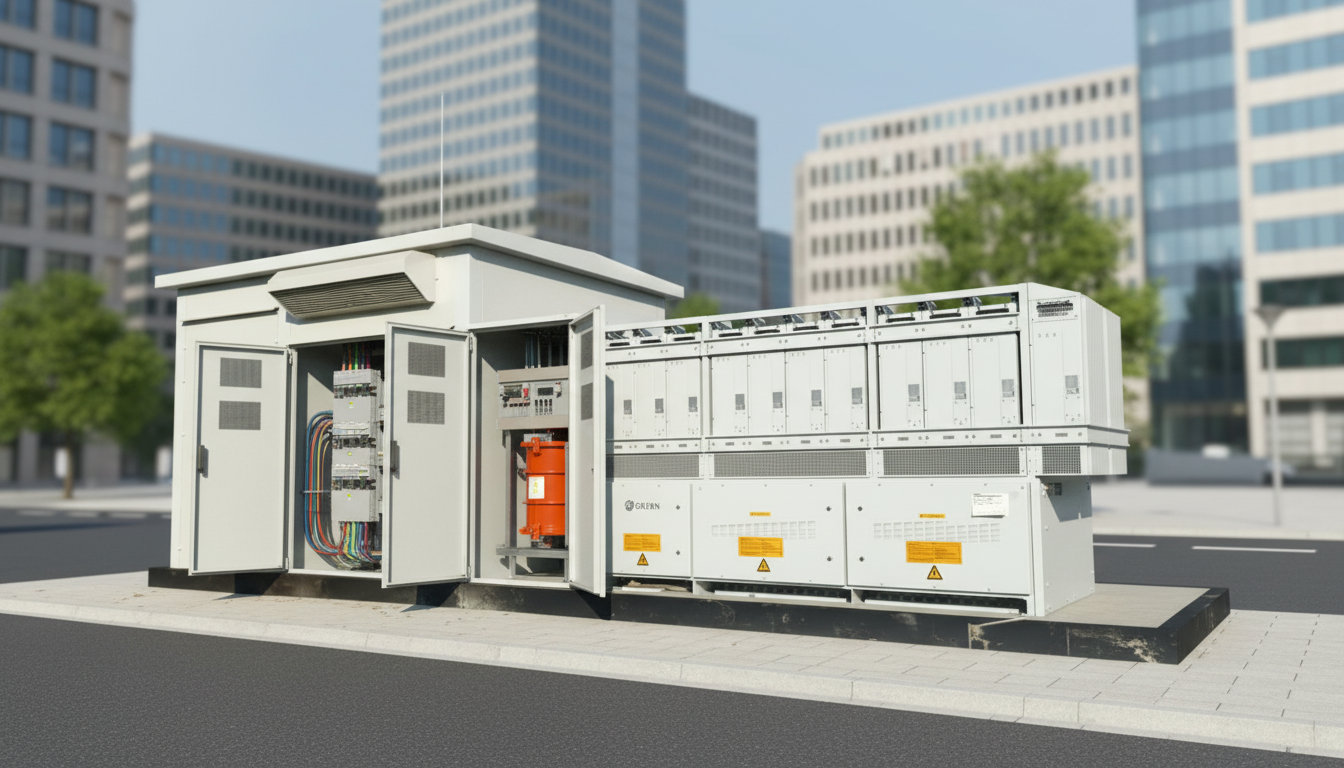
Low loss transformer solutions for German transmission and distribution grids
German grid operators are under intense pressure to reduce technical losses, decarbonise operations and keep tariffs stable despite rising electricity prices. Against this backdrop, the low loss transformer has become a central design element in both transmission and distribution grids. By systematically optimising core and load losses over lifetimes of 30–40 years, German TSOs, DSOs and industrial users can unlock significant OPEX savings and tangible CO₂ reductions. This is particularly relevant in a market with high grid utilisation, fast growth of renewables and strict regulatory oversight.
-
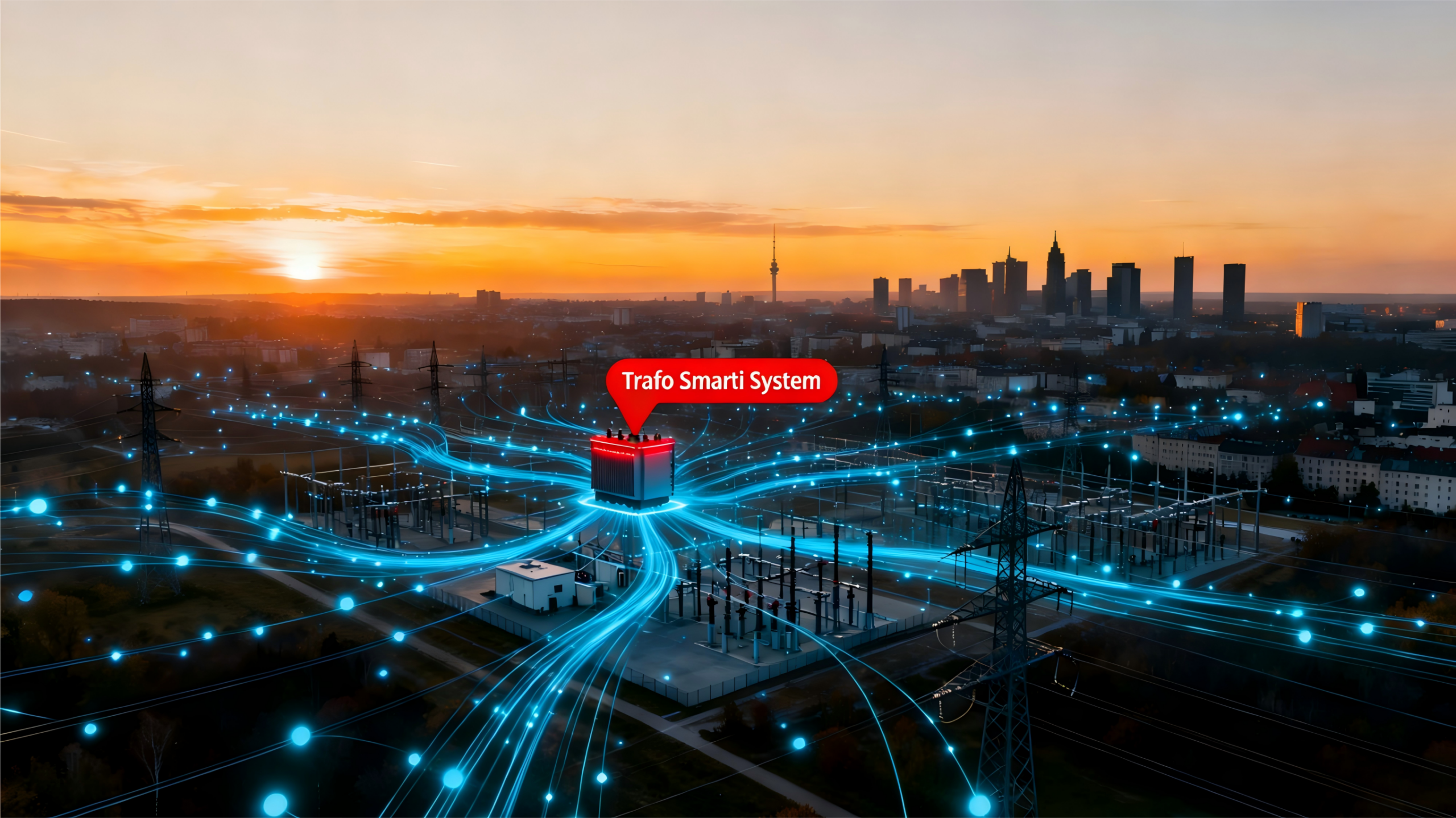
Lindemann-Regner Launches Trafo Smarti Smart Transformer Remote Control System: Leading the Smart Grid with Core New Technologies
On December 8, 2025, Lindemann-Regner officially launched the Trafo Smarti intelligent transformer remote control system. The system focuses on the core demands of smart grid construction, deeply integrating new technologies for transformer maintenance with a comprehensive intelligent management capability. It aims to establish a precise perception, high-speed interconnection, and compliance security in the intelligent transformer management system.
-
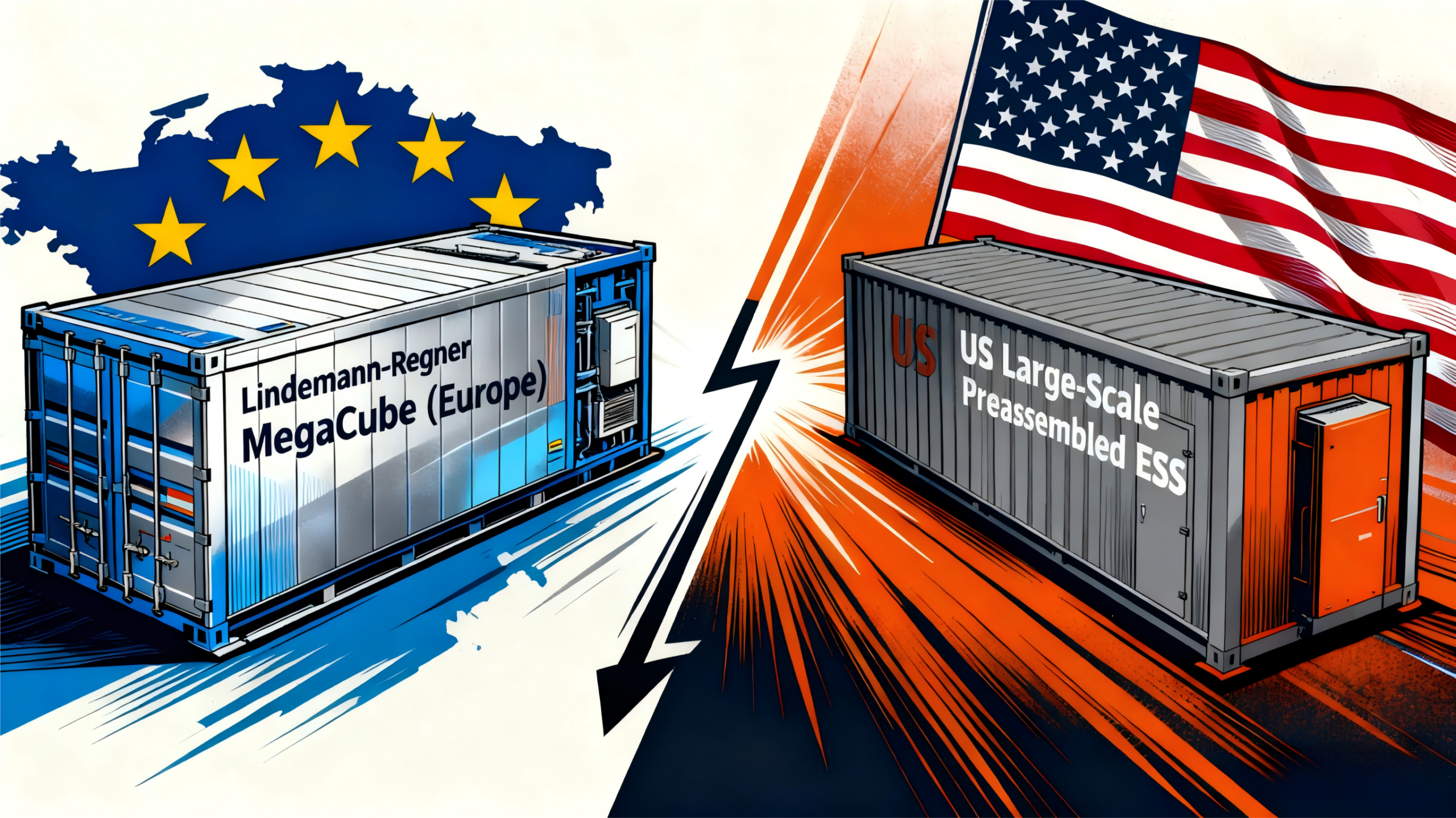
From Lindemann-Regner’s MegaCube to Large-Scale Prefabricated Energy Storage Systems in the U.S.: A Transatlantic Showdown Reshaping the Prefabricated Energy Storage Landscape
Frankfurt News – As Europe accelerates its efforts to achieve decarbonization targets by 2030, grid-scale energy storage has become a cornerstone of energy security. A significant competition is unfolding across the Atlantic, with Germany’s Lindemann-Regner GmbH launching the MegaCube and large-scale prefabricated energy storage systems from the United States. These two approaches, with distinctly different engineering philosophies and technological pathways, are delineating the global medium-scale storage market (5-100 MWh) along continental lines. This contest entails not only comparisons of capacity and efficiency but also a comprehensive showdown of system logic, cost control, and regulatory compliance.
-
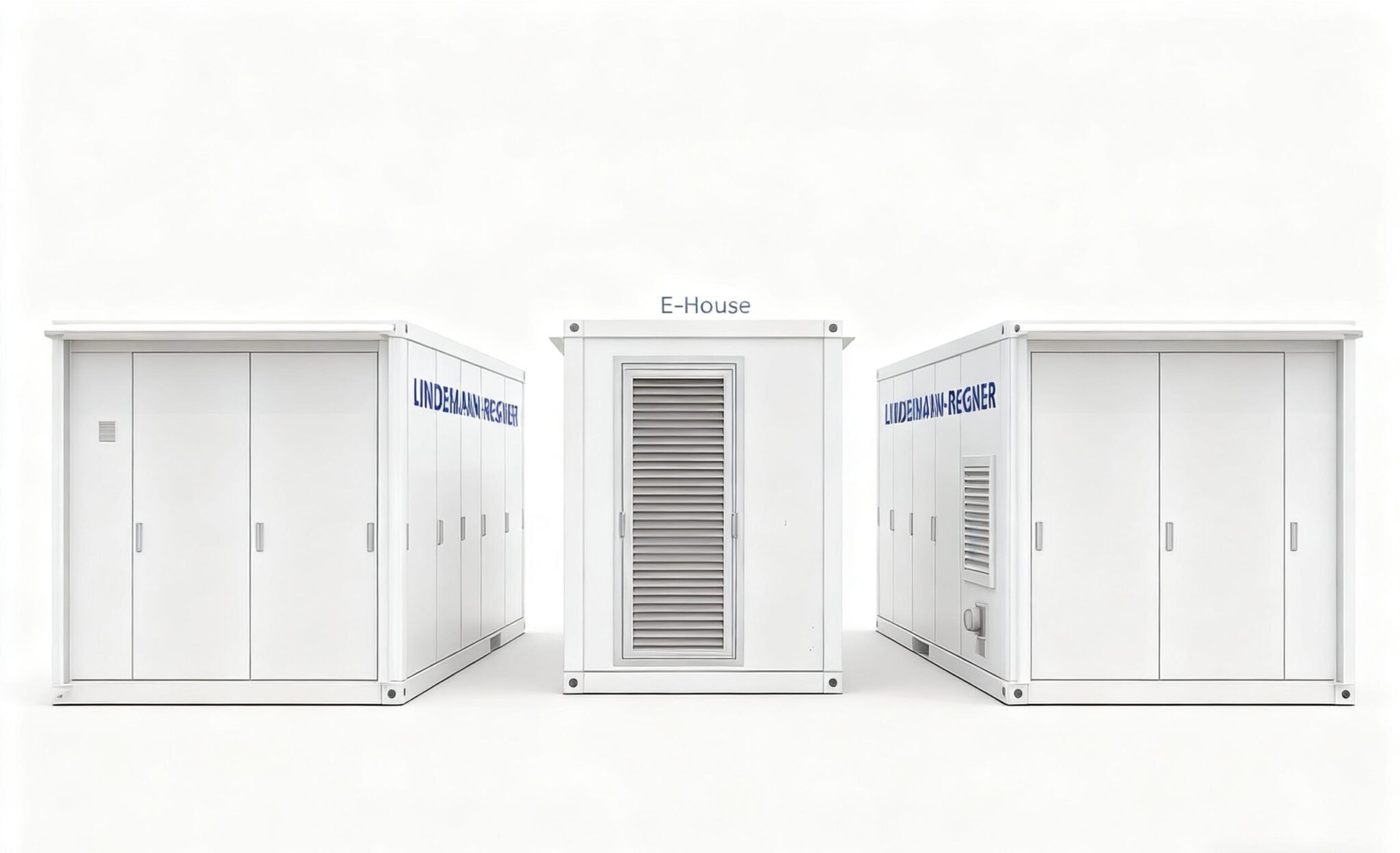
Lindemann-Regner MegaCube Challenges Conventional Large-Scale Energy Storage: A Modularized, Ready-to-Deploy System Redefining Europe’s Mid-Scale Market
Frankfurt, Germany — Lindemann-Regner GmbH, based in Munich, has officially launched its modularized energy storage system, MegaCube. With its modular structure, rapid deployment, global supply chain, and full compliance with strict EU regulations, this system challenges traditional large-scale pre-fabricated energy storage solutions and ushers the European 5–100 MWh medium-scale energy storage market into a new stage centered around „ready-to-deploy“ capabilities.
-
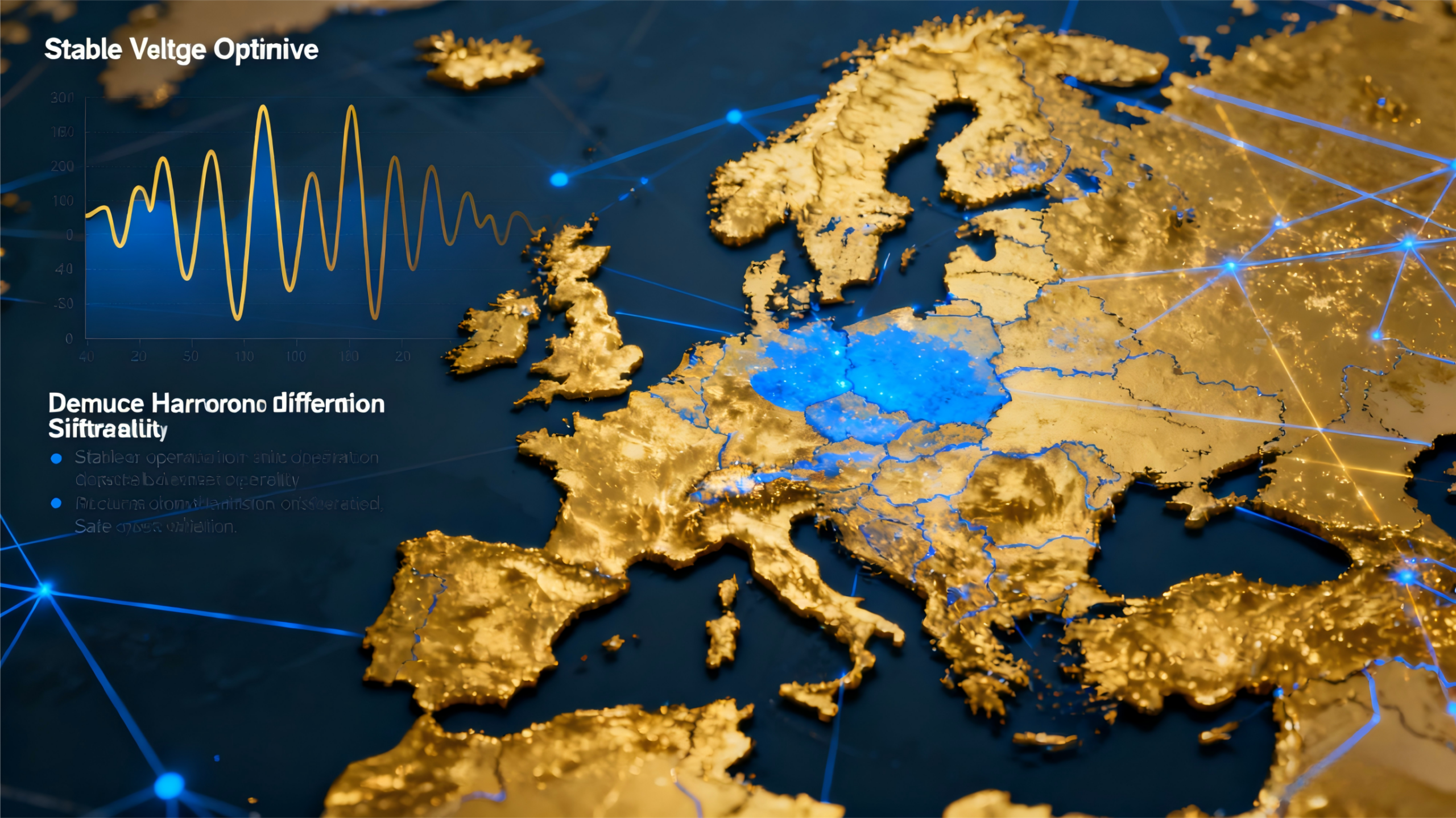
Lindemann-Regner Launches Europe’s First AI-Powered Transformer Active Power Management System: Trafo Optim, to Precisely Control Power Quality, Reduce Transformer Losses, and Strengthen the Safety and Stability of the European Grid
On December 3, 2025, Lindemann-Regner officially launched Europe’s first transformer active power management system, Trafo Optim, equipped with AI-driven risk management capabilities. Focusing on the core need for optimizing transformer power quality throughout its operational cycle in the European market, the system integrates advanced AI algorithms, high-precision harmonic control, and dynamic reactive power compensation technologies. This innovative solution deeply aligns with the stringent standards established by the EU for power quality and harmonic control. Through AI-driven proactive risk management and precise power regulation, Trafo Optim significantly reduces transformer losses and enhances grid safety and stability. It stands out among European counterparts in power quality products, providing multidimensional advantages that help customers in industrial and power sectors efficiently address power quality challenges, optimize electricity costs while meeting EU energy efficiency policies, and deliver high-quality intelligent solutions for transformer power quality management and the reliable operation of the grid.
-
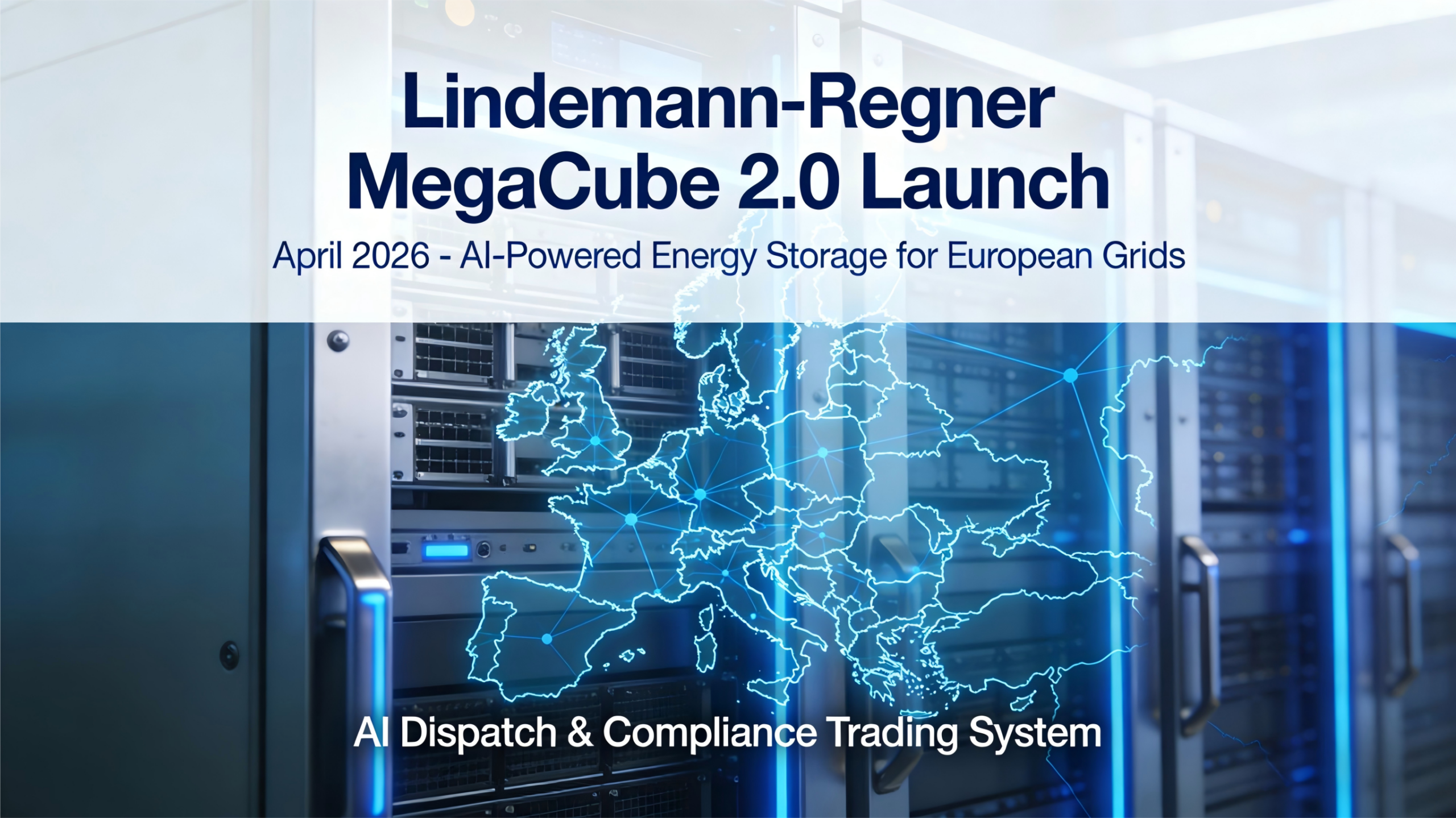
Lindemann-Regner Announces MegaCube 2.0 for Launch in April 2026, Featuring AI Scheduling and Compliance Trading System Tailored for Europe’s Renewable Energy Grid
German energy storage and power equipment manufacturer Lindemann-Regner GmbH has officially announced the upcoming launch of its next-generation pre-fabricated energy storage system, MegaCube 2.0, scheduled for April 2026. The new product focuses on the adaptation needs of the European power grid, which has a high proportion of renewable energy. It incorporates an AI-powered scheduling feature and embeds the self-developed Eng2Move E-Market storage service trading system. With core advantages of being developed and operated locally, MegaCube 2.0 deeply aligns with Europe’s regulatory requirements for data security, energy trading, and virtual power plant (VPP) operations. It provides a comprehensive solution that enhances scheduling efficiency and market returns for medium-sized energy storage projects ranging from 5 to 100 MWh, thereby further solidifying the company’s technological competitiveness in the European medium-sized storage sector.
-

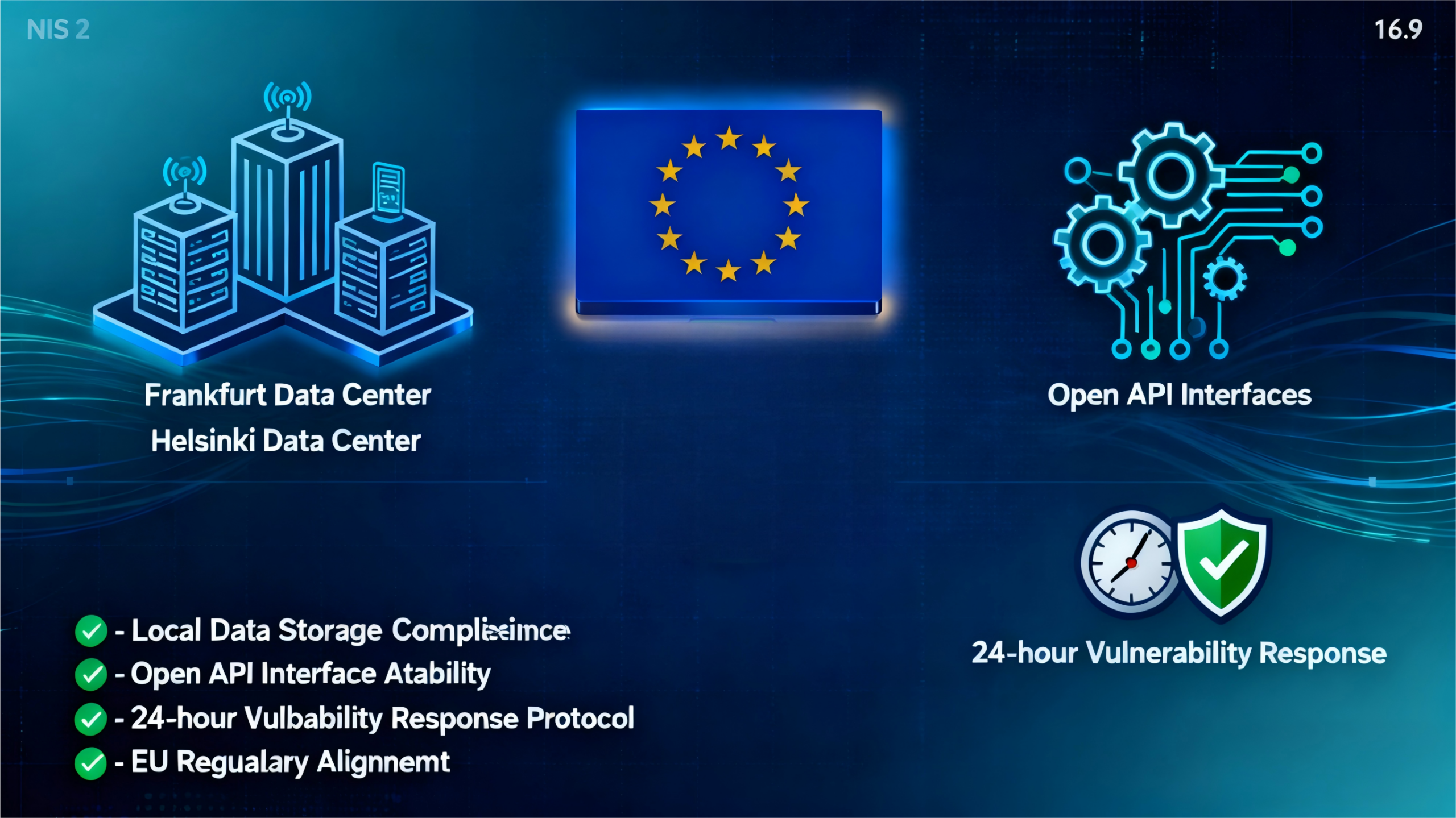
Entry Barriers for the European Electricity Market: What Kind of EMS Can Be Used in Compliance?
With the full implementation of the EU’s NIS 2 Directive and Critical Entity Resilience (CER) in 2024, Energy Management Systems (EMS) – serving as the core link between energy storage assets and electricity market transactions – now face decisive compliance and technical compatibility requirements for European market access. Trading-grade EMS systems must simultaneously meet stringent regulatory standards, localized adaptation requirements, and advanced technical specifications to enable efficient market participation and ensure the safe, stable operation of energy storage facilities.
-
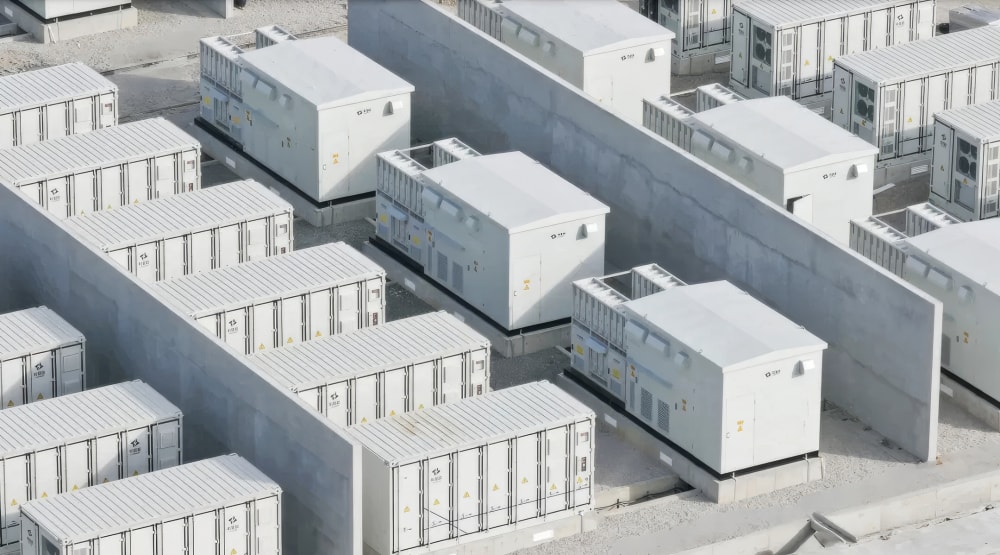
Modular Prefabricated Energy Storage Systems (Pre-ESS): A Decision Framework for European Investors and EPC Contractors
Driven by the EU’s binding targets of 42.5 % renewable energy by 2030 and climate neutrality by 2050, Europe’s energy transition has entered a decisive implementation phase. Energy Storage Systems (ESS) have undergone a strategic transformation — from being an auxiliary component of renewable projects to becoming a core pillar for grid stability and integration of intermittent wind and solar power.
-
The Cost Efficiency Dilemma in European and American Energy Storage: Pre-assembled Integration as the Key to Breaking the Impasse
The global energy storage market is on the verge of a scale explosion, with global installations expected to exceed 300 GWh by 2025. Europe, as the core battleground for energy transition, is projected to deploy 29.7 GWh of energy storage systems by 2025, with utility-scale storage surpassing residential installations for the first time. However, beneath these promising statistics, the European and American energy storage markets are grappling with high costs and insufficient efficiency. Pre-assembled energy storage systems are emerging as a critical direction for innovation, with the technical showdown between Germany’s Lindemann-Regner and a prominent U.S. pre-assembled energy storage manufacturer reflecting divergent explorations in this field, providing vital insights for the global energy storage industry’s development.
-
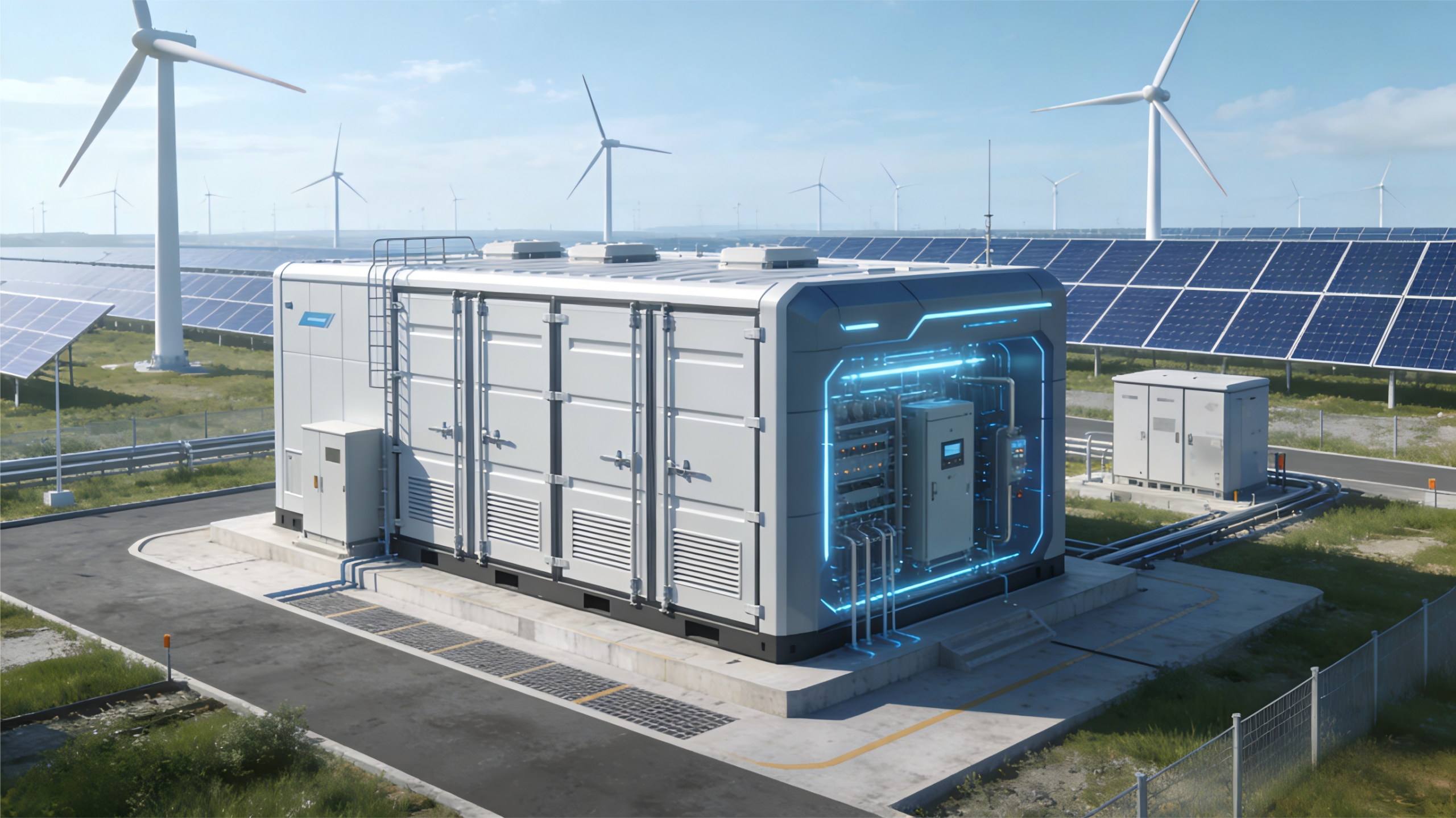
How Energy Storage Plants Can Overcome the Integration Challenges of Renewable Energy: Practices and Industry Guidelines from Lindemann-Regner GmbH
In the global wave of energy transition, the installed capacity of renewable energy continues to expand. However, the intermittency and volatility of wind and solar power remain critical challenges for large-scale grid integration. As a pioneer in energy transition, Germany provides valuable experiences through the development of its energy storage plants. This article focuses on the core role of energy storage plants in integrating renewable energy, examining the application scenarios of mainstream technologies such as lithium-ion battery storage and pumped hydro storage, and using the practices of the German company Lindemann-Regner GmbH as a case study to offer practical and insightful guidance to the industry.
LND Energy GmbH
One of Germany's leading manufacturer of electrical and power grid equipments and system integrator, specializing in efficient, sustainable energy conversion and transmission & distribution solutions.
To align with the global brand strategy, our company has officially rebranded as LND Energy GmbH effective 23 January 2026. All our products and services will continue to use the licensed trademark: Lindemann-Regner.
Products
The company
Services
Support
Certification and conformity

ISO 9001:2015
ISO 14001:2015
IEC 60076

RoHS-compliant
Stay informed
Subscribe to our newsletter for the latest updates on energy solutions and industry insights.
Follow us
LND Energy GmbH. All rights reserved.
Commercial register: HRB 281263 | VAT ID: DE360166022