
-
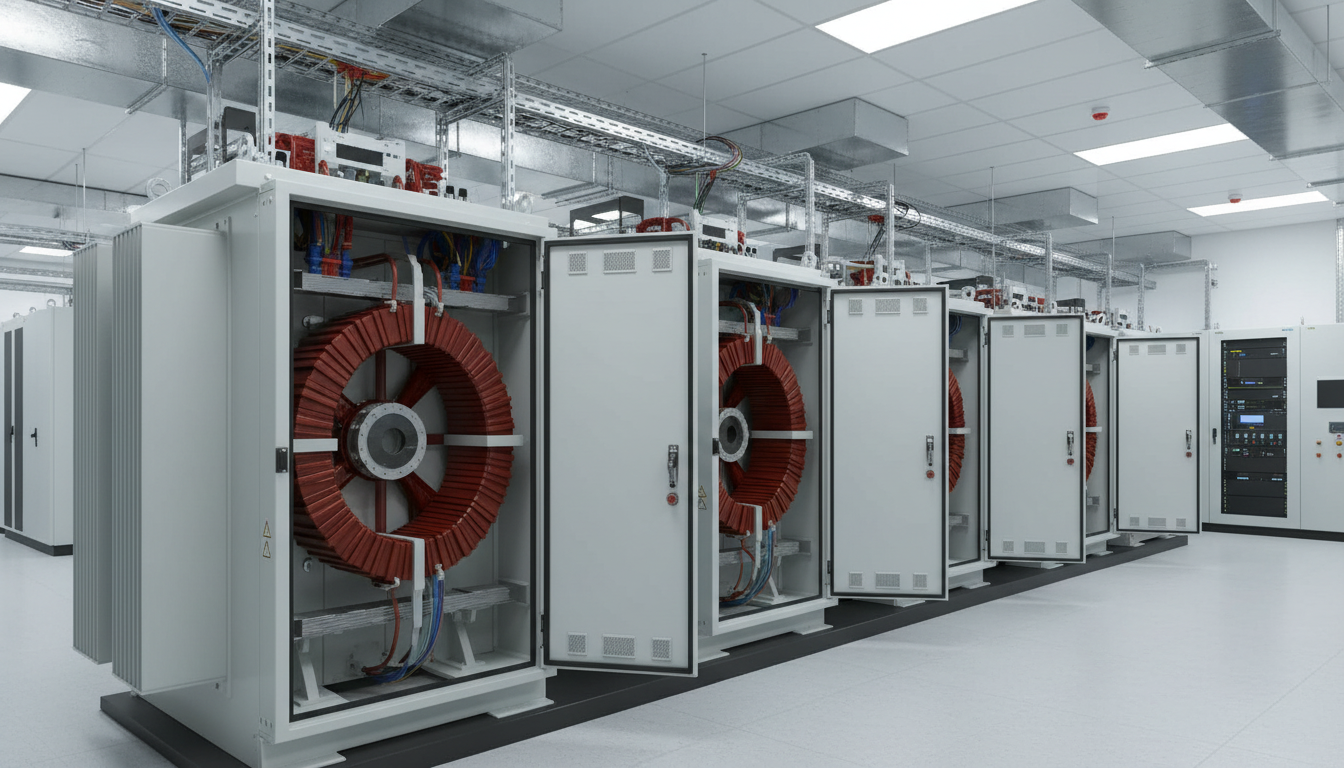
High short-circuit withstand transformers for German MV and LV grids
Rising short-circuit power levels in German medium-voltage (MV) and low-voltage (LV) grids are putting increasing stress on transformers. Denser Stadtwerke ring networks, powerful 110/20 kV substations, large industrial parks and embedded generation all drive up prospective fault currents. In this environment, specifying High short-circuit withstand transformers is no longer a niche requirement but a practical necessity to protect switchgear, busbars and cables, and to safeguard long-term asset integrity.
-
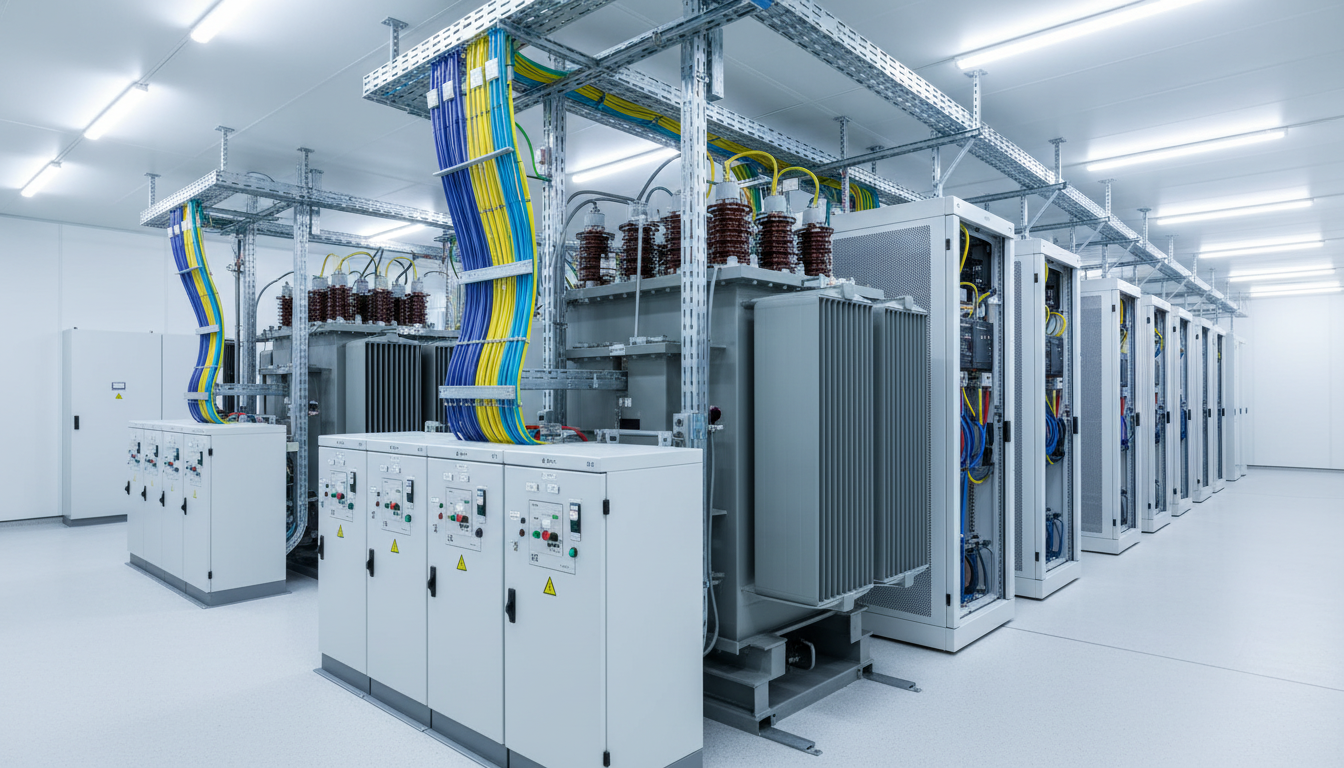
Low temperature transformers for -30°C operation in German MV grids
German medium-voltage (MV) networks are increasingly exposed to harsher winter conditions and more outdoor, unmanned substations. In Alpine foothills, upland regions, and exposed wind corridor sites, ambient temperatures dipping to -30°C are no longer rare extremes. In this context, specifying transformers for -30°C operation is becoming a practical necessity for DSOs, Stadtwerke and industrial operators who want stable supply quality, minimal outages and predictable asset lifetimes.
-
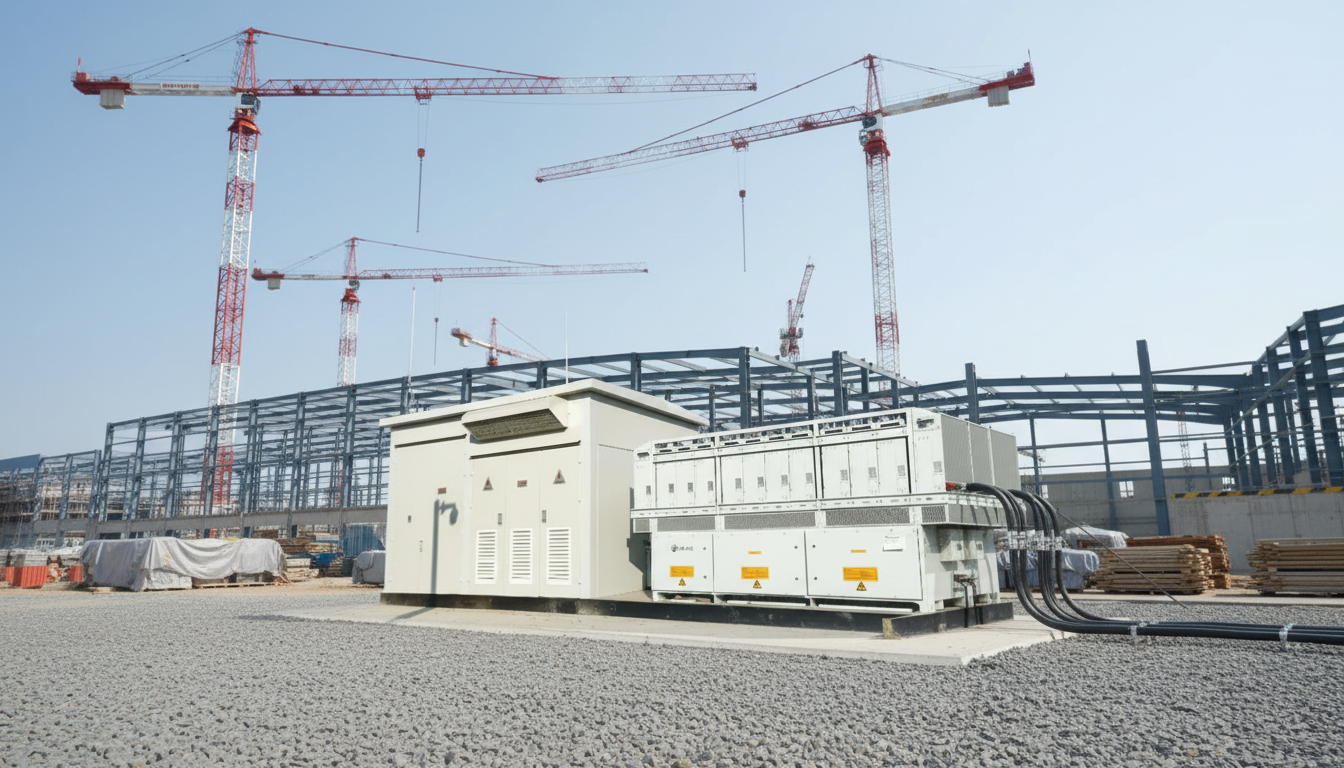
Partial discharge ≤5 pC transformers for German MV switchgear and substations
In German medium-voltage (MV) networks, operators are under pressure to combine high grid availability with tight CAPEX and OPEX control. Ageing infrastructure, urban densification and rising penetration of renewables all increase stress on insulation systems in switchgear and transformers. In this context, Partial discharge ≤5 pC transformers are becoming a strategic design choice for German MV switchgear and substations: they significantly reduce insulation ageing and failure risk and support long, disturbance‑free operation in urban and industrial grids.
-
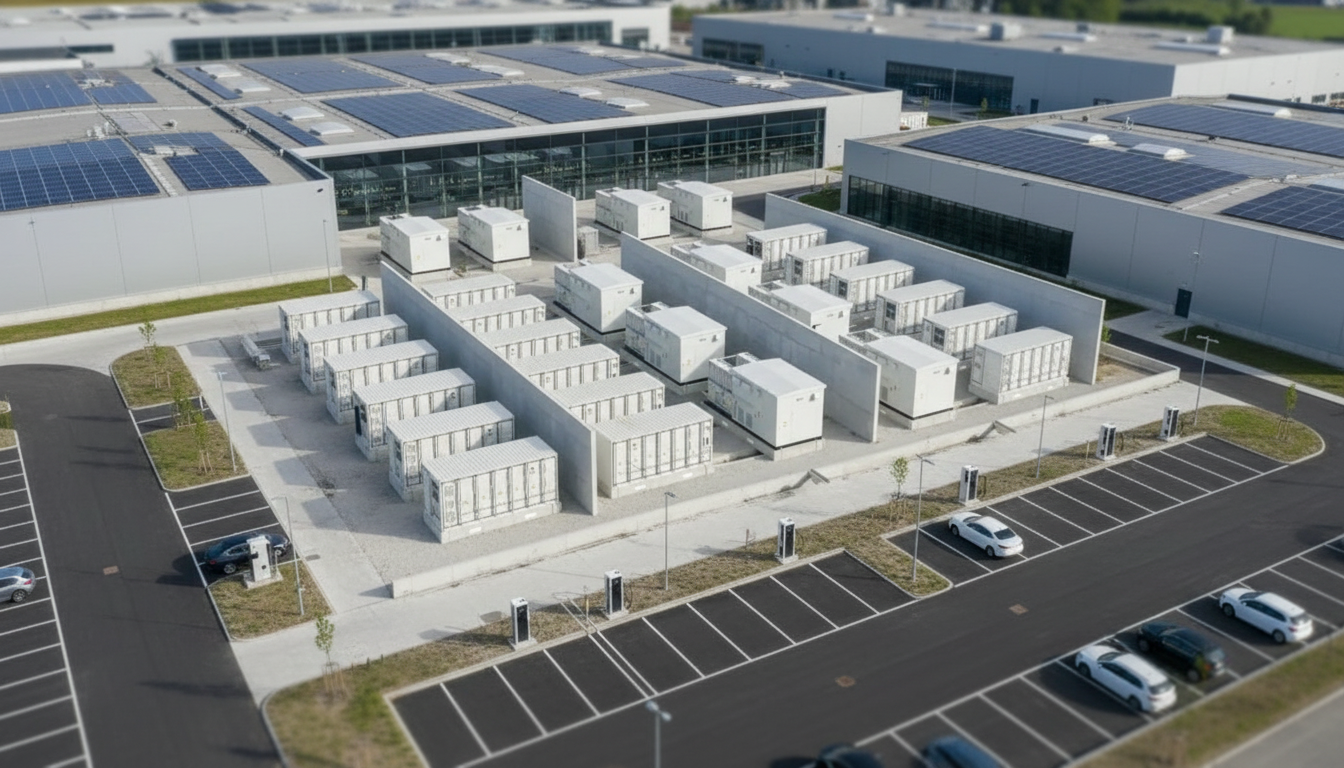
42 dB low noise transformers for German office and commercial buildings
In modern German office and commercial buildings, noise from technical equipment is no longer a “background issue” – it influences leasing decisions, ESG scores and tenant satisfaction. As MV/LV substations move into basements, ground floors and even intermediate plant rooms near workplaces, 42 dB low noise transformers become a strategic component. They allow developers to meet acoustic targets under DIN 4109 while keeping technical rooms compact and close to the load centres.
-
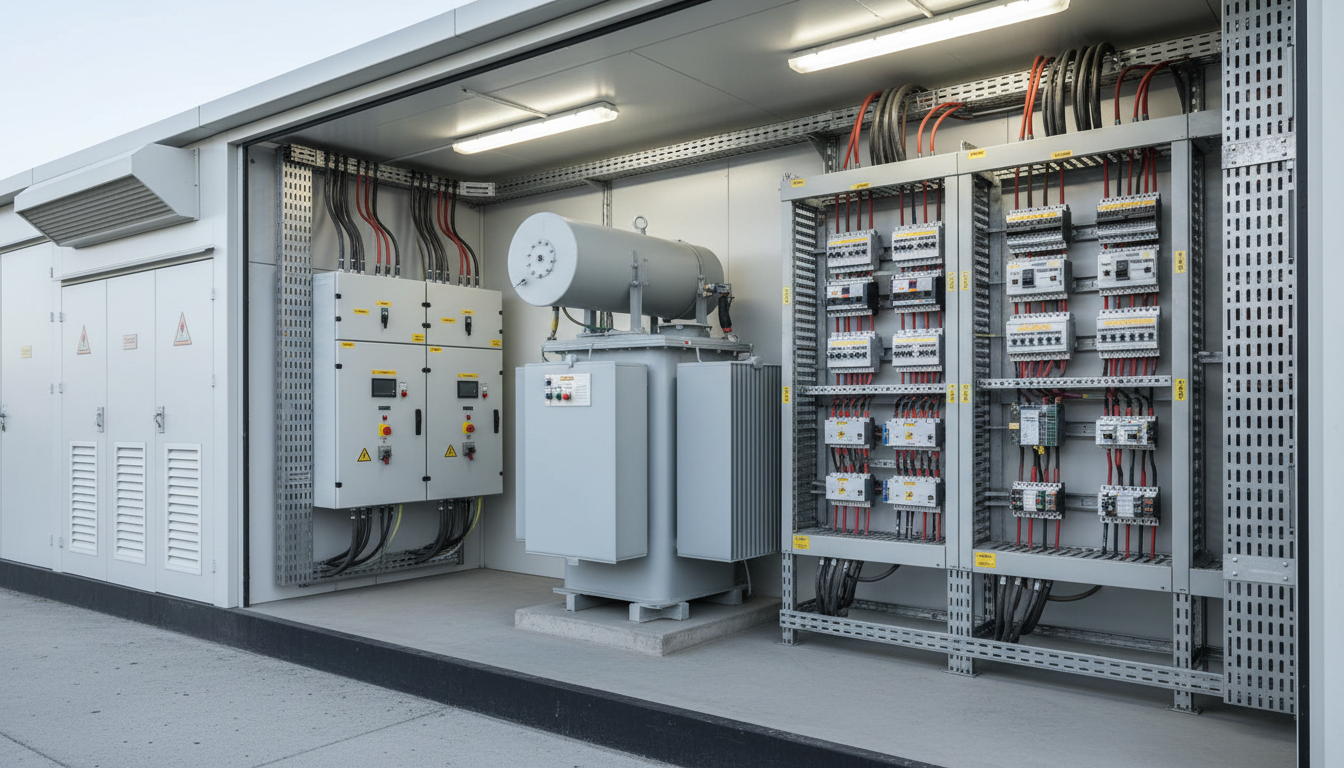
H-class insulation transformers for high-temperature industrial drives in Germany
In German industrial plants, power electronics and motor drives are being pushed to higher power densities and more compact layouts than ever before. Drive rooms near furnaces, rolling mills or drying lines routinely see ambient temperatures of 40–50 °C. Under these conditions, standard transformers with F-class insulation can quickly reach their thermal limits. This is where H-class insulation transformers provide a decisive advantage: with a 180 °C thermal class, they offer significantly more headroom for high-temperature industrial drives while still meeting strict German and IEC standards.
-
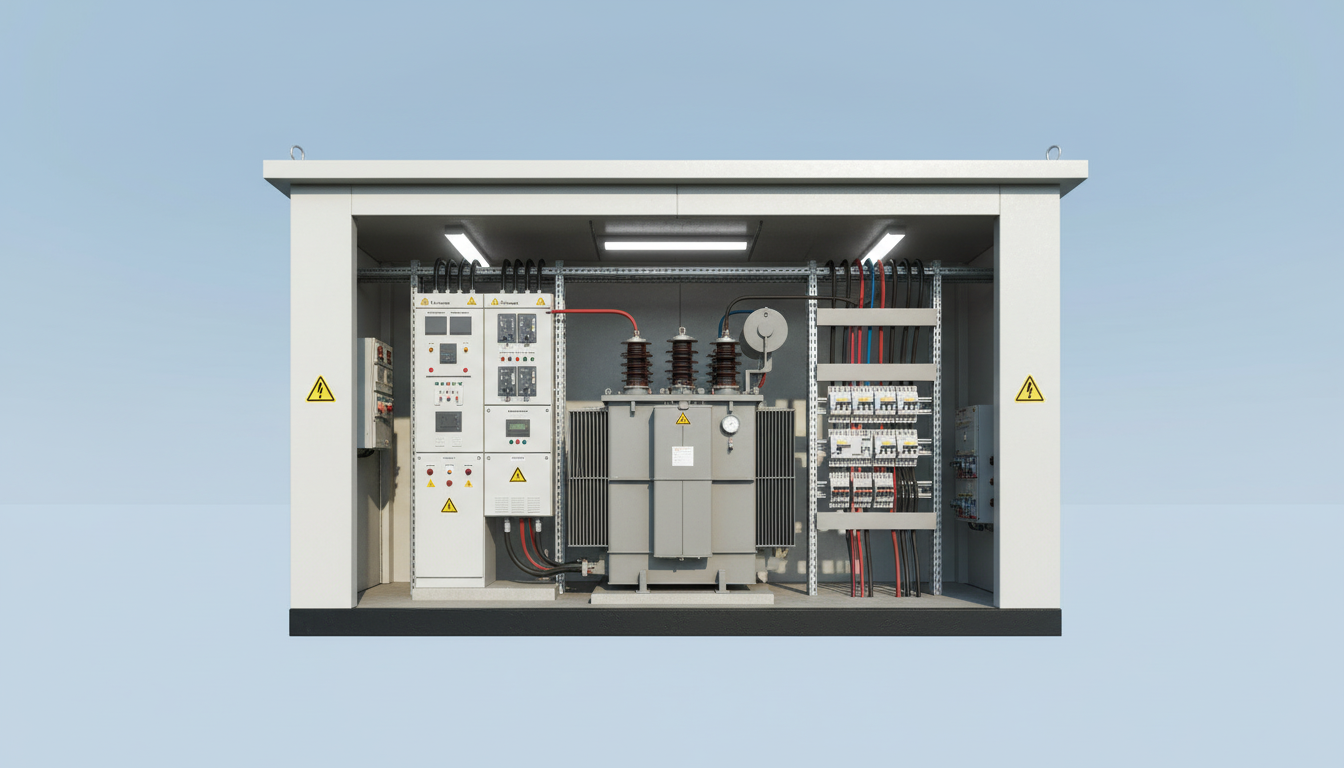
Low-noise dry transformers for German commercial buildings and offices
Low-noise dry transformers are becoming a strategic design element in modern German commercial buildings and offices. As utilities rooms move closer to rentable areas and technology floors are integrated between office levels, acoustic performance is now almost as important as efficiency and safety. In cities like Frankfurt, Munich or Hamburg, investors and tenants expect quiet, comfortable workplaces that still meet strict DIN and EN standards. Selecting the right low-noise dry transformers early in the design greatly reduces retrofit costs and the risk of tenant complaints.
-
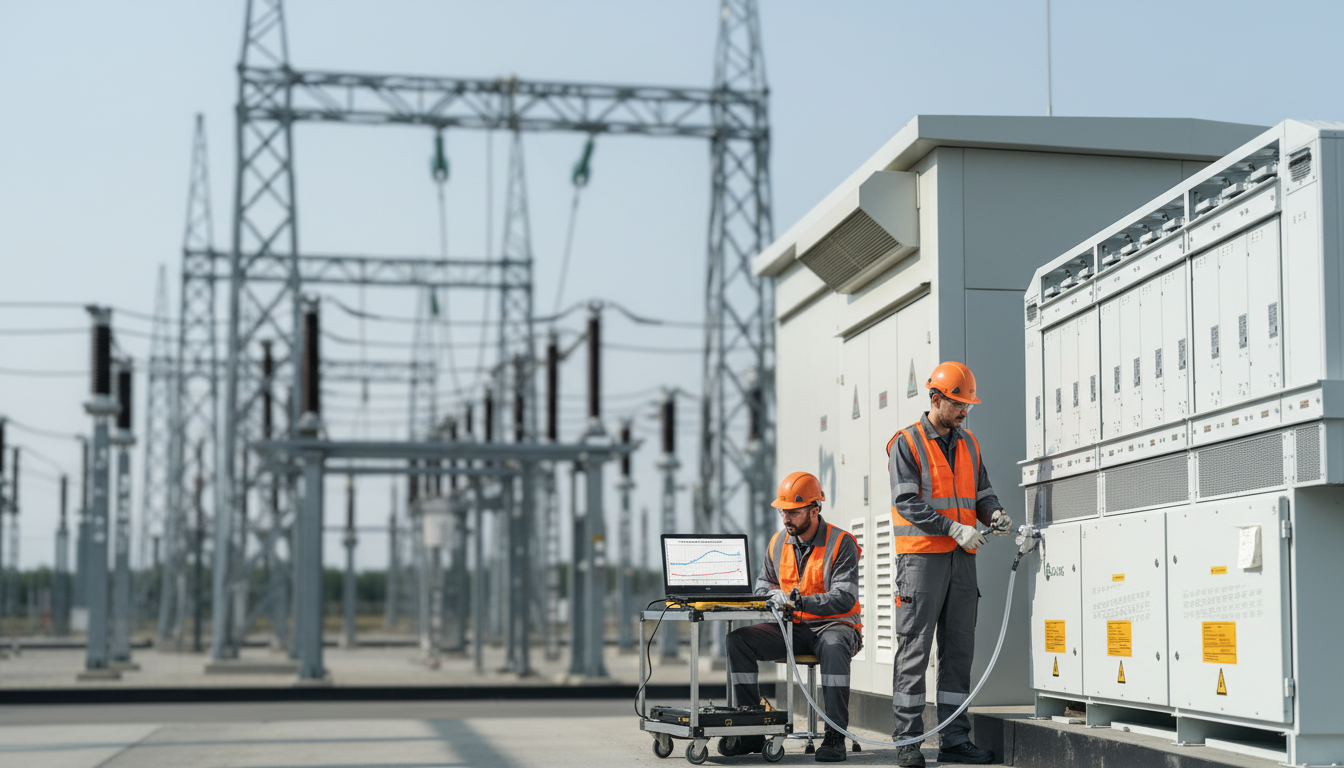
Energy efficient dry-type transformers for German hospital power supply
In German hospitals, a reliable and resilient power supply is literally life-critical. Operating theatres, ICUs, imaging suites and labs all depend on stable, clean power 24/7. At the heart of this infrastructure sit dry-type transformers for German hospital power systems, converting 10–20 kV medium voltage into safe, low-voltage networks for medical equipment and building services. Their efficiency, fire behaviour and reliability shape not only energy bills and CO₂ emissions, but directly impact patient safety and clinical operations.
-
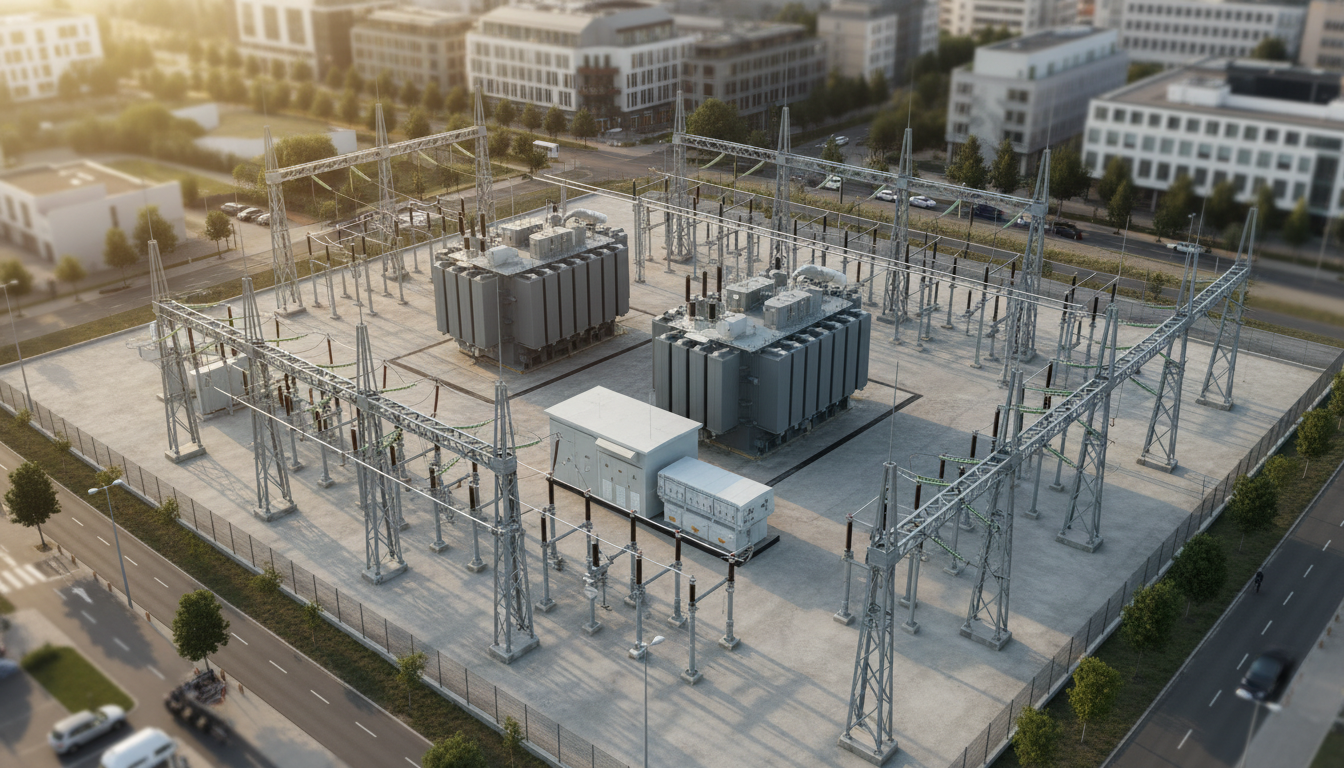
Energy efficient dry-type transformers for Tier III and IV data centers in Germany
German data center operators face a double challenge: rapidly growing IT loads driven by cloud and AI, and at the same time stringent efficiency, CO₂ and availability expectations. At the heart of every Tier III and Tier IV facility’s power train sit dry-type transformers that connect the 10–20 kV utility or campus grid to the 400 V UPS inputs. Their efficiency, fire behavior and reliability shape both PUE and uptime for decades. Treating these transformers as a strategic design element rather than a commodity is therefore essential in the German market.
-
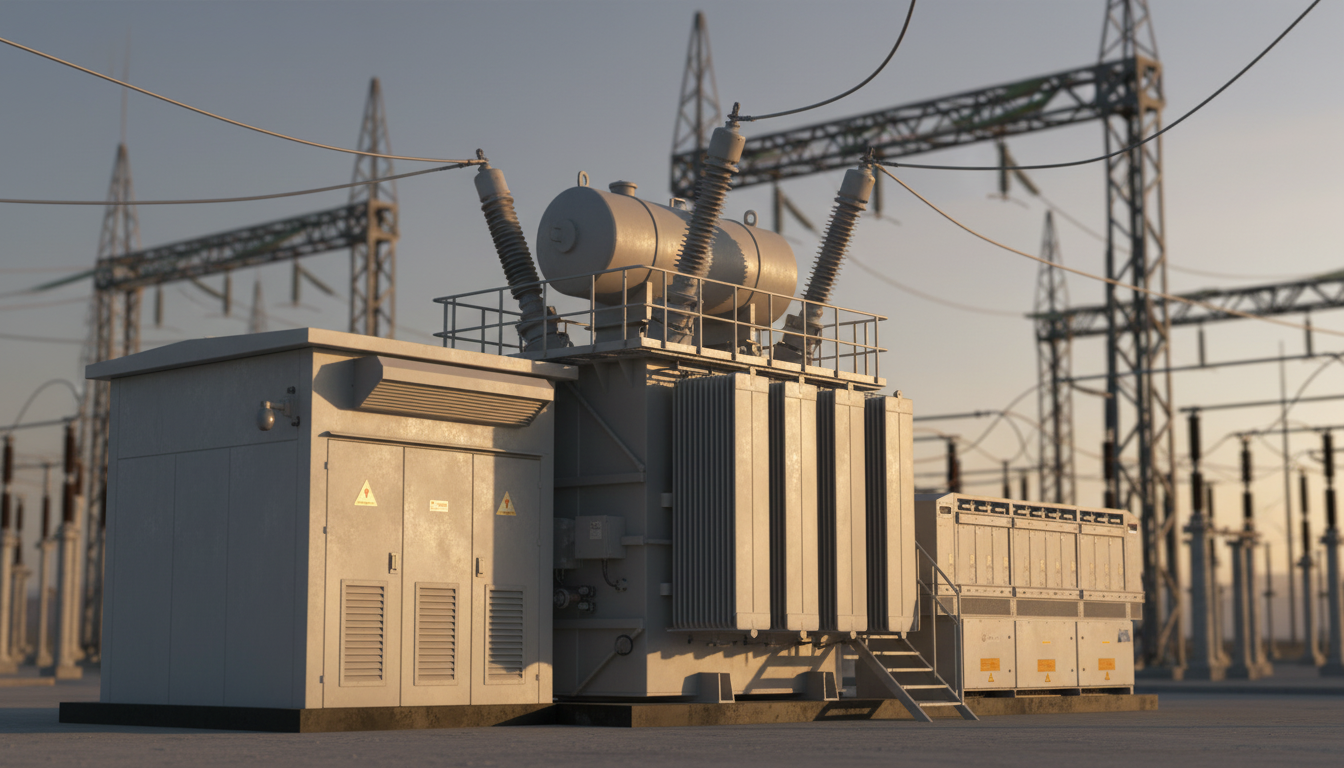
Energy efficient building application transformers for German commercial HVAC
Energy efficiency has become a board-level topic for German commercial real estate, from ESG-driven investors in Frankfurt to public-sector owners in Berlin. At the heart of many efficiency strategies are building application transformers that feed central HVAC plants. Their losses, resilience and controllability have a direct impact on electricity costs, CO₂ footprint and uptime of chillers, heat pumps and air handling units. Selecting and engineering these transformers correctly is therefore a strategic decision, not a commodity purchase.
-
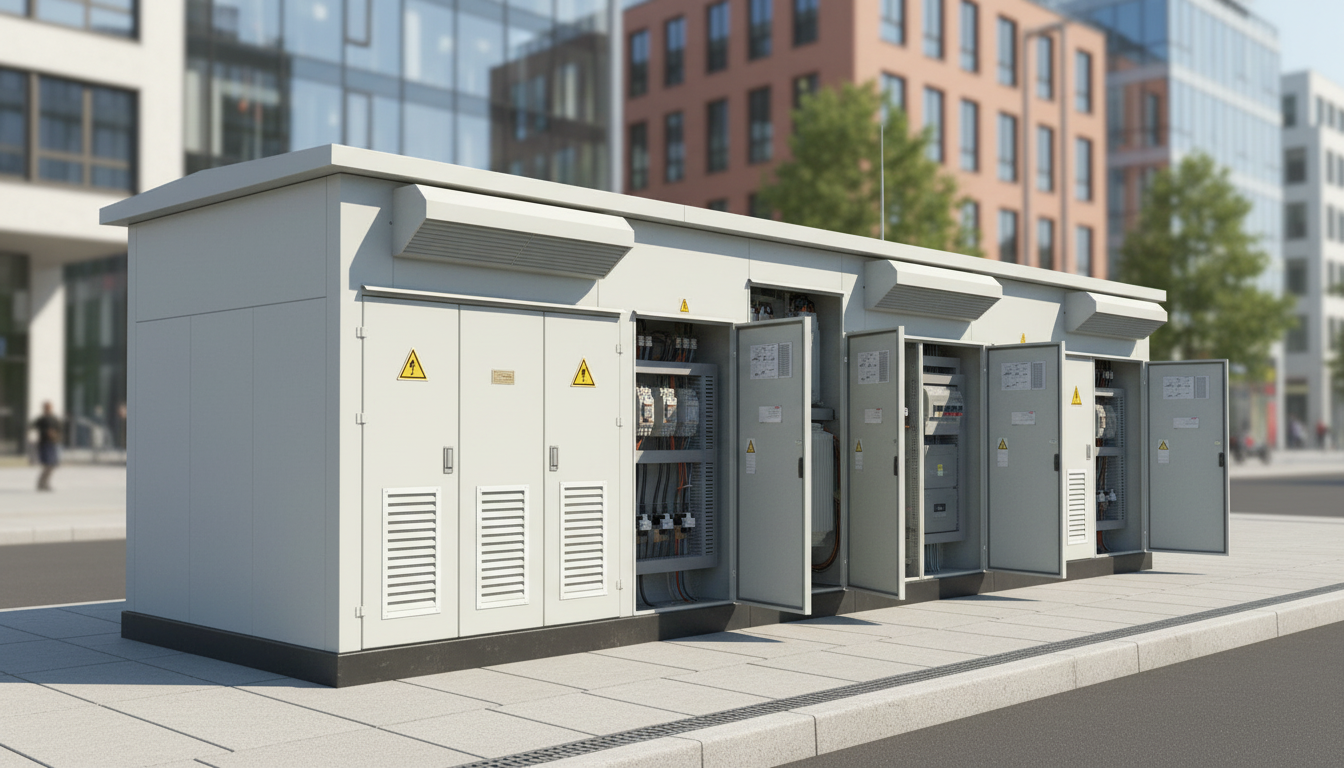
High Efficiency Transformers For German Industrial Parks And Gewerbegebiete
For operators, developers and Stadtwerke, transformers for German industrial parks are now a strategic lever for energy costs, decarbonisation and grid stability. High efficiency transformers reduce no-load and load losses over 30–40 years of operation, which is particularly relevant in Germany with high electricity prices and strict climate targets. In Gewerbegebiete around Munich, Stuttgart or the Ruhr area, a single transformer can run almost 8,760 hours per year; any improvement in efficiency translates directly into euros saved and CO₂ avoided.
-
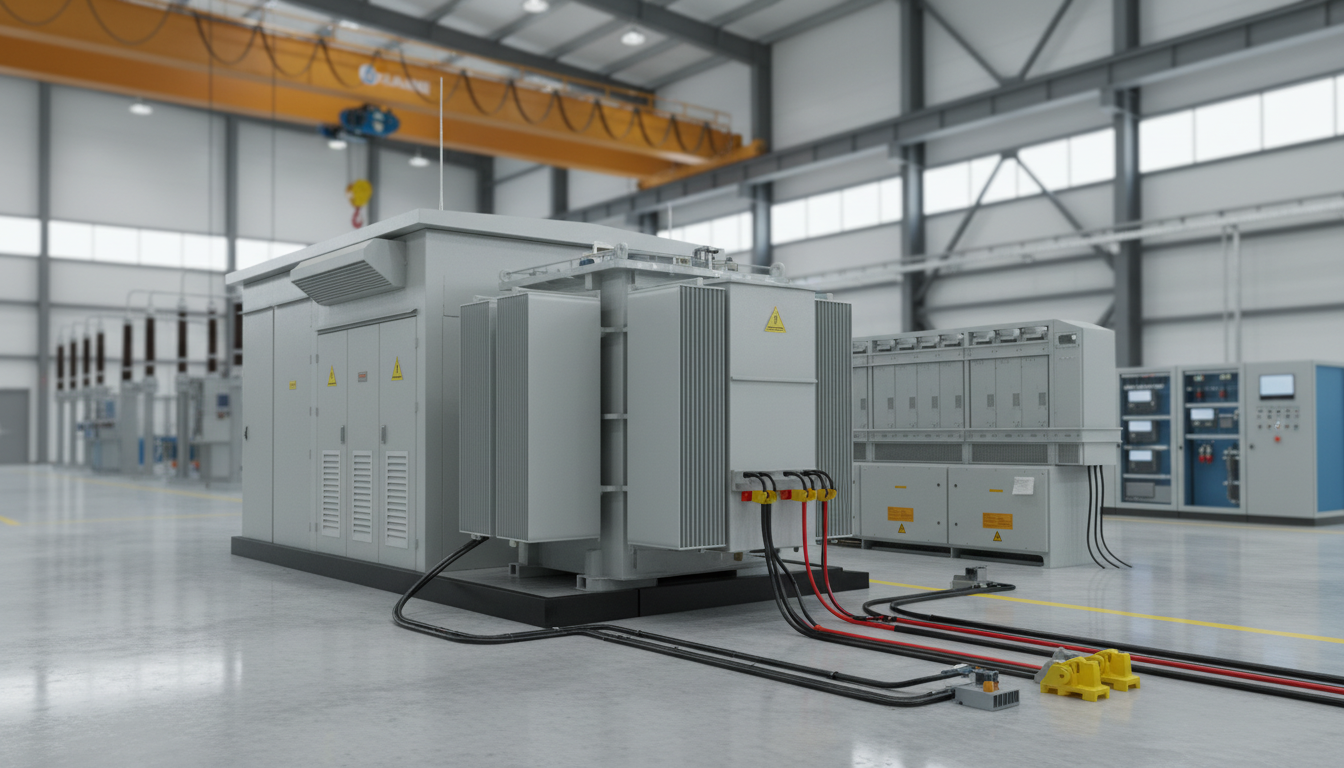
IEC 60076 certified transformer solutions for German MV and HV grids
In German medium-voltage (MV) and high-voltage (HV) grids, an IEC 60076 certified transformer is no longer a “nice to have”, but a non‑negotiable baseline. For Stadtwerke, DSOs, HV transmission operators and industrial users, IEC 60076 (implemented as DIN EN 60076 in Germany) defines how power and distribution transformers must be designed, tested and documented. When correctly specified, these transformers deliver predictable performance, lower lifecycle costs and smooth approvals with German regulators, insurers and TÜV/VDE auditors.
-
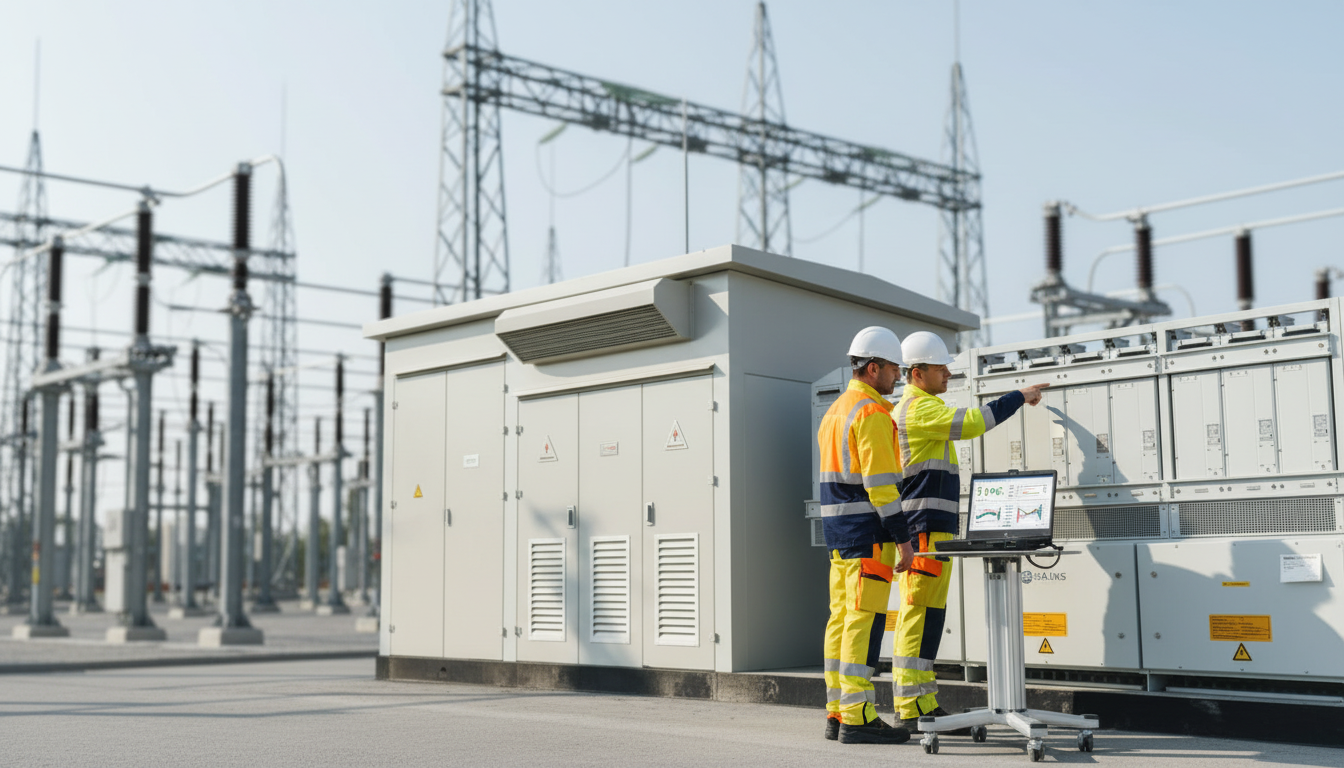
DIN 42500 transformers for German MV switchgear and secondary substations
DIN 42500 transformers are a core technology element for German medium-voltage (MV) switchgear and secondary substations. For Stadtwerke, DSOs and industrial operators, they offer a proven mechanical footprint that fits thousands of existing compact substations across Germany, while being upgradeable to meet today’s EcoDesign, loss and noise requirements. Used correctly, DIN 42500 transformers allow operators to modernise their MV infrastructure with minimal civil works and short outage times.
LND Energy GmbH
One of Germany's leading manufacturer of electrical and power grid equipments and system integrator, specializing in efficient, sustainable energy conversion and transmission & distribution solutions.
To align with the global brand strategy, our company has officially rebranded as LND Energy GmbH effective 23 January 2026. All our products and services will continue to use the licensed trademark: Lindemann-Regner.
Products
The company
Services
Support
Certification and conformity

ISO 9001:2015

ISO 14001:2015

IEC 60076

RoHS-compliant
Stay informed
Subscribe to our newsletter for the latest updates on energy solutions and industry insights.
Follow us
LND Energy GmbH. All rights reserved.
Commercial register: HRB 281263 | VAT ID: DE360166022